
Author: negociosnanet001@gmail.com

  • Better Sleep After 50: Causes, Tips & When to See a Doctor

    Better Sleep After 50: Causes, Tips & When to See a Doctor

    Sleep changes as you age — but poor sleep is never something you simply have to accept.

    Introduction

    Margaret, 63, had always been a solid sleeper. Then, gradually, she started waking at 3 a.m., lying in the dark for an hour or two before drifting off again. By morning she felt foggy, irritable, and exhausted — even after eight hours in bed. Her doctor told her this was "just part of aging." She wasn't satisfied with that answer, and she was right to push back.

    According to the National Institutes of Health, roughly 50 to 70 million Americans have a sleep disorder, and adults over 50 are disproportionately affected. Sleep problems in this age group are often dismissed as inevitable — but clinical evidence tells a very different story.

    Poor sleep isn't just an inconvenience. It is linked to increased risk of heart disease, cognitive decline, depression, and falls. The good news: most age-related sleep changes are manageable with the right knowledge and the right care team.

    In this guide, you will learn why sleep changes after 50, what symptoms signal a real problem, and what evidence-based strategies — from sleep hygiene to medical treatment — can help you reclaim genuinely restorative rest.

    What Happens to Sleep as You Age?

    Sleep is not a single state. It cycles through distinct stages — light sleep, deep sleep (slow-wave sleep), and REM (rapid eye movement) sleep — in roughly 90-minute intervals throughout the night. Each stage serves a specific biological function: deep sleep repairs tissue and consolidates memory; REM sleep supports emotional regulation and brain health.

    As you move through your 50s, 60s, and beyond, the architecture of your sleep shifts in measurable ways. According to research published in journals indexed by the NIH's National Library of Medicine, older adults spend significantly less time in slow-wave deep sleep and experience more frequent awakenings throughout the night.

    Your circadian rhythm — your internal 24-hour biological clock — also shifts earlier with age. This is called a "phase advance," and it explains why many adults over 50 feel sleepy earlier in the evening and wake earlier in the morning than they did decades ago.

    Additionally, melatonin production — the hormone that signals your brain that it's time to sleep — naturally declines with age. Lower melatonin levels can make it harder to fall asleep and stay asleep, particularly in the first half of the night.

    These biological changes are real. But here is the critical distinction your care team will make: normal age-related sleep changes are different from sleep disorders that require diagnosis and treatment. Knowing the difference is the first step toward getting the help you actually need.

    Signs and Symptoms: What's Normal vs. What's a Problem

    Not every middle-of-the-night awakening is a crisis. But persistent sleep problems that affect your daytime functioning are worth taking seriously. Here is how clinicians generally distinguish common age-related changes from signs that something more needs attention.

    Common age-related changes (often manageable):

    • Taking slightly longer to fall asleep than in younger years
    • Waking once briefly during the night and returning to sleep easily
    • Feeling tired earlier in the evening (phase advance)
    • Sleeping slightly fewer total hours than in your 30s or 40s
    • Lighter sleep that is more easily disrupted by noise or light

    Symptoms that may signal a sleep disorder:

    • Taking more than 30 minutes to fall asleep most nights
    • Waking multiple times per night and struggling to return to sleep
    • Waking unrefreshed regardless of how many hours you spent in bed
    • Loud snoring, gasping, or pausing in breathing during sleep (reported by a partner)
    • Uncomfortable sensations in the legs at night that create an urge to move them
    • Daytime sleepiness severe enough to affect driving, work, or relationships
    • Difficulty concentrating, memory lapses, or mood changes tied to poor sleep

    A 2023 analysis from the American Academy of Sleep Medicine found that undiagnosed obstructive sleep apnea — a condition in which the airway repeatedly collapses during sleep — affects an estimated 30 million Americans, with prevalence rising sharply after age 50. Many of those affected believe they simply "sleep poorly" and have never been evaluated.

    Causes and Risk Factors for Sleep Problems After 50

    Sleep disruption in adults over 50 is rarely caused by a single factor. Most cases involve a combination of biological, medical, psychological, and lifestyle contributors. Understanding your personal risk factors helps you and your doctor build a more targeted approach.

    Biological and hormonal changes:

    • Declining melatonin and growth hormone production
    • Circadian phase advance (earlier sleep-wake timing)
    • Menopause — hot flashes and night sweats are among the most common causes of sleep disruption in women aged 45 to 65, according to the North American Menopause Society
    • Lower testosterone in men, which is associated with changes in sleep architecture

    Medical conditions that disrupt sleep:

    • Chronic pain (arthritis, back pain, neuropathy)
    • Heart failure and COPD (breathing difficulties at night)
    • Gastroesophageal reflux disease (GERD) — heartburn often worsens when lying down
    • Overactive bladder and benign prostatic hyperplasia (BPH), causing frequent nighttime urination (nocturia)
    • Hypothyroidism and other endocrine disorders
    • Depression and anxiety, which both strongly disrupt sleep architecture

    Medications that affect sleep:

    Many commonly prescribed medications in this age group — including certain beta-blockers, diuretics, corticosteroids, decongestants, and antidepressants — can interfere with sleep. This varies from person to person, and your prescribing physician can review whether any of your medications may be playing a role.

    Lifestyle and environmental factors:

    • Reduced physical activity (a major contributor to poor sleep quality)
    • Increased alcohol consumption — alcohol may help you fall asleep but disrupts the second half of the night significantly
    • Irregular sleep-wake schedules, especially after retirement
    • Excessive screen exposure in the evening (blue light suppresses melatonin)
    • Bedroom environment — temperature, light, and noise all have measurable effects on sleep quality

    According to CDC data, adults who report insufficient sleep are also more likely to report chronic conditions including obesity, diabetes, high blood pressure, and depression — creating a bidirectional relationship where poor health worsens sleep, and poor sleep worsens health.

    Diagnosis: What to Expect at the Doctor's Office

    If you are struggling with sleep, a proper evaluation is the most important step you can take. Many adults wait years before discussing sleep problems with their physician — often because they assume nothing can be done. That assumption costs real quality of life.

    Here is what a standard clinical evaluation for sleep problems typically involves:

    Sleep history: Your doctor will ask detailed questions about your sleep patterns, daytime functioning, snoring, leg symptoms, medication use, and mood. A sleep diary — a two-week log of your sleep and wake times — is often requested before or after the visit.

    Physical examination: Your doctor may assess your weight, neck circumference, blood pressure, and signs of conditions that commonly affect sleep (such as thyroid enlargement or signs of heart failure).

    Standardized questionnaires: Tools like the Epworth Sleepiness Scale or the Pittsburgh Sleep Quality Index help clinicians quantify your symptoms objectively.

    Laboratory tests: Blood work to rule out thyroid disease, anemia, vitamin deficiencies, or blood sugar issues that can mimic or worsen sleep disorders.

    Sleep study (polysomnography or home sleep apnea test): If sleep apnea or another sleep disorder is suspected, your doctor may refer you to a sleep specialist or order a home sleep test. Home sleep apnea tests have become widely available and are generally covered by Medicare and most major insurance plans for appropriate candidates.

    The right time to seek a diagnosis is when sleep problems have persisted for more than three weeks and are affecting your daytime life. Do not wait for symptoms to become severe.

    Treatment Options: What the Evidence Actually Supports

    Treatment for sleep problems after 50 depends heavily on the underlying cause. A diagnosis-first approach is always safer than self-treating. That said, here is an overview of the evidence-based options your care team may discuss with you.

    Cognitive Behavioral Therapy for Insomnia (CBT-I)

    CBT-I is consistently recommended as the first-line treatment for chronic insomnia by the American College of Physicians, the American Academy of Sleep Medicine, and the NIH — even over sleep medications. It is a structured, short-term program (typically 6 to 8 weeks) that addresses the thoughts and behaviors perpetuating poor sleep.

    CBT-I includes techniques such as sleep restriction therapy, stimulus control, and cognitive restructuring. Clinical trials show it produces significant, lasting improvements in sleep — often more durable than medication. Digital CBT-I programs (apps and online platforms) have expanded access considerably in recent years.

    Treatment for Obstructive Sleep Apnea

    If you are diagnosed with obstructive sleep apnea (OSA), continuous positive airway pressure (CPAP) therapy is the gold standard treatment. CPAP delivers gentle pressurized air through a mask to keep the airway open during sleep. Research published in journals indexed by the American Heart Association suggests that treating OSA can lower blood pressure, reduce cardiovascular risk, and improve cognitive function. Alternatives to CPAP include dental appliances and, in selected cases, surgical procedures — your sleep specialist can guide that conversation.

    Medication Options

    Prescription sleep medications may be appropriate for specific situations, but most physicians use them cautiously in adults over 60 due to increased risk of falls, cognitive effects, and dependency. Options your doctor might consider include newer-generation agents that work differently from older sedative-hypnotics. This is a nuanced area — never start or stop sleep medications without physician guidance.

    Over-the-counter sleep aids, including many antihistamine-based products, are generally not recommended for older adults by geriatric specialists due to anticholinergic side effects.

    Melatonin: What the Research Shows

    Low-dose melatonin supplements are often discussed as a sleep aid for older adults. Research suggests melatonin may modestly help with circadian phase-related issues — particularly trouble falling asleep early enough — but the evidence for treating general insomnia is less robust. Talk with your doctor before adding melatonin, especially if you take blood thinners or diabetes medications.

    Lifestyle Modifications with Strong Evidence

    Several lifestyle strategies have meaningful clinical support and virtually no side effects when implemented thoughtfully:

    • Regular physical activity: A meta-analysis in the journal Mental Health and Physical Activity found that exercise significantly improved subjective sleep quality in adults with insomnia. Even moderate-intensity exercise — like walking — appears beneficial. If you are looking to build a sustainable routine, our guide on Low-Impact Exercise After 50 offers practical starting points. Similarly, Yoga for Adults Over 40 has been specifically studied for its effects on sleep quality and stress reduction.
    • Consistent sleep-wake schedule: Going to bed and waking at the same time every day — including weekends — is one of the most powerful regulators of your circadian rhythm.
    • Reducing alcohol: Limiting alcohol, particularly within three hours of bedtime, significantly improves sleep continuity in most adults.
    • Managing evening light exposure: Dimming lights and reducing screen time one to two hours before bed supports natural melatonin rise.
    • Optimizing your bedroom: A cool (65–68°F), dark, and quiet sleep environment is supported by sleep science as essential for deep sleep quality.
    • Managing stress and anxiety: Mindfulness-based stress reduction (MBSR) has shown measurable benefits for sleep quality in multiple clinical trials. Diet also plays a role — there is emerging evidence that anti-inflammatory eating patterns, such as those described in our guide to the Mediterranean Diet for Heart Health, may support better sleep quality over time.

    Living With Sleep Changes After 50: Day-to-Day Strategies

    Improving sleep is rarely a one-night fix. It is a gradual process that responds to consistency. Here are evidence-informed daily habits that sleep medicine clinicians commonly recommend:

    • Do not stay in bed awake for long periods. If you cannot sleep after 20 minutes, get up and do something calm in low light until you feel sleepy again. This is a core principle of CBT-I called stimulus control.
    • Limit naps to 20-30 minutes and before 2 p.m. Longer or later naps reduce your sleep drive at night, making it harder to fall asleep.
    • Avoid heavy meals within two to three hours of bedtime, particularly if you have GERD — lying down with a full stomach significantly worsens reflux and disrupts sleep.
    • Manage fluids strategically. Drinking most of your daily water earlier in the day reduces nocturia (nighttime urination), one of the leading causes of sleep fragmentation in adults over 60.
    • Keep a sleep diary for two weeks before a doctor's visit. Tracking your sleep and wake times, how long it takes to fall asleep, and how you feel in the morning gives your physician far more useful information than a vague description.

    When to Call Your Doctor — and Emergency Warning Signs

    Some sleep-related symptoms require timely medical evaluation. Do not delay contacting your doctor if you experience:

    • Sleep problems that have persisted for more than three to four weeks without improvement
    • Daytime sleepiness so severe you are struggling to stay awake while driving or at work
    • A bed partner reports you stop breathing, gasp, or snore loudly — this warrants urgent evaluation for sleep apnea
    • New or worsening depression, anxiety, or confusion associated with poor sleep
    • Painful, crawling sensations in your legs at night that prevent sleep (possible restless legs syndrome)
    • Acting out dreams physically — punching, kicking, or shouting during sleep (this can be a sign of REM sleep behavior disorder, which warrants neurological evaluation)

    Seek emergency care immediately if: You or a family member experiences sudden, severe confusion, difficulty breathing at rest, chest pain, or signs of a stroke — all of which can have connections to severe, untreated sleep-disordered breathing.

    What to tell your doctor at your next visit: "I have been having trouble sleeping for [X weeks]. Here is what I notice: [describe symptoms]. It is affecting my [energy / concentration / mood / driving]. I'd like to discuss whether further testing or treatment is appropriate." This framing gives your physician the clinical context needed to act.

    Frequently Asked Questions

    Q: Is it normal to need less sleep as you get older?
    Research suggests that total sleep need does not dramatically decrease with age — most adults still need 7 to 9 hours for optimal health. What changes is sleep architecture (the structure and quality of sleep), not necessarily the amount you need. Feeling unrested after adequate time in bed is a symptom worth discussing with your doctor.

    Q: Can menopause permanently affect sleep?
    Hormonal changes during perimenopause and menopause — particularly estrogen and progesterone fluctuations — are strongly linked to sleep disruption. However, these changes are not permanent, and treatment options including hormone therapy, CBT-I, and targeted lifestyle changes can significantly improve sleep. Speak with a gynecologist or internist who specializes in menopause management.

    Q: Are OTC sleep aids safe for adults over 60?
    Most geriatric specialists caution against regular use of over-the-counter sleep aids containing diphenhydramine (like Benadryl or ZzzQuil) in older adults. These antihistamines have anticholinergic effects that can impair memory, increase fall risk, and cause next-day grogginess. Discuss safer alternatives with your physician.

    Q: How does sleep affect dementia risk?
    This is an active area of research. The NIH's National Institute on Aging has noted associations between chronic sleep deprivation and elevated amyloid beta — a protein linked to Alzheimer's disease. During deep sleep, the brain's glymphatic system actively clears waste products. While causality has not been definitively established, consistently prioritizing quality sleep is considered a reasonable component of cognitive health maintenance.

    Q: Is it worth seeing a sleep specialist, or can my primary care doctor handle this?
    For many sleep concerns, a well-informed primary care physician can initiate evaluation and treatment. However, if initial treatments have not worked, if sleep apnea is suspected, or if unusual symptoms are present (such as acting out dreams), a referral to a board-certified sleep medicine specialist is highly appropriate and often covered by insurance.

    Conclusion

    Sleep changes after 50 are real — but they are not a life sentence. Understanding the difference between normal biological shifts and treatable sleep disorders is the foundation for getting the help you deserve. Whether the answer involves CBT-I, treatment for sleep apnea, a medication review, or thoughtful lifestyle adjustments, evidence-based options exist for virtually every scenario.

    You do not have to accept exhaustion as the price of aging. Start by tracking your sleep, talking honestly with your doctor, and taking the symptoms that affect your daily life seriously. Restorative sleep is not a luxury — it is a cornerstone of your long-term health, cognitive function, and quality of life. You have every reason to pursue it.


    Medical Disclaimer: This article is for informational and educational purposes only. It does not constitute medical advice, diagnosis, or treatment. Always consult your physician or a qualified healthcare provider before making changes to your health routine or treatment plan.

    Medically reviewed by our editorial health team. Content follows evidence-based standards aligned with CDC and NIH guidelines.


  • Mediterranean Diet for a Healthy Heart

    Mediterranean Diet for a Healthy Heart

    According to the Centers for Disease Control and Prevention (CDC), heart disease remains the leading cause of death for both men and women in the United States, claiming approximately 695,000 lives in 2021. This sobering statistic underscores the critical importance of proactive heart health management.

    Many Americans are actively seeking ways to reduce their risk of cardiovascular issues, and one dietary approach consistently recommended by health professionals is the Mediterranean diet. It’s more than just a diet; it’s a sustainable eating pattern rooted in the traditional cuisines of countries bordering the Mediterranean Sea.

    This comprehensive guide will explore what the Mediterranean diet entails, the scientific evidence supporting its cardiovascular benefits, practical ways to incorporate its principles into your daily life, and why it’s a powerful tool for promoting long-term heart health. You’ll learn how to make informed choices that nourish your heart and enhance your overall well-being.

    What Is the Mediterranean Diet?

    The Mediterranean diet is an eating pattern inspired by the traditional eating habits of people in countries like Greece, Italy, and Spain in the mid-20th century. It emphasizes whole, unprocessed foods and a balanced lifestyle, rather than strict calorie counting or restrictive rules.

    At its core, this diet focuses on “eating local and seasonal,” with an abundance of plant-based foods. It includes fresh fruits and vegetables, whole grains, legumes, nuts, and healthy fats, especially extra virgin olive oil. Fish and poultry are consumed in moderation, while red meat and processed foods are limited.

    This dietary pattern gained significant attention in the 1960s when researchers observed that people in Mediterranean regions had lower rates of chronic diseases, including heart disease, despite often consuming higher amounts of fat than many other populations. The quality and type of fat, along with the overall dietary pattern, proved to be key.

    The Science Behind Heart Health Benefits

    The consistent evidence supporting the Mediterranean diet’s cardiovascular benefits is robust. Clinical studies and meta-analyses have repeatedly shown its positive impact on various markers of heart health. For instance, a landmark study published in The New England Journal of Medicine in 2013, involving over 7,000 participants at high cardiovascular risk, found that those who followed a Mediterranean diet supplemented with extra-virgin olive oil or nuts had a significantly reduced risk of major cardiovascular events, such as heart attack, stroke, and death from cardiovascular causes, compared to a control group.

    Here’s how this eating pattern works to protect your heart:

    • Improved Cholesterol Levels: The diet’s emphasis on monounsaturated fats (from olive oil) and soluble fiber (from fruits, vegetables, and whole grains) can help lower low-density lipoprotein (LDL) cholesterol, often referred to as “bad” cholesterol, while maintaining or even increasing high-density lipoprotein (HDL) cholesterol, the “good” kind.
    • Blood Pressure Regulation: High intake of potassium-rich fruits, vegetables, and whole grains, combined with a lower sodium content (due to less processed food), contributes to healthier blood pressure levels. The nitrates in some vegetables, like leafy greens, can also aid in vasodilation, which means relaxing blood vessels.
    • Reduced Inflammation: Chronic inflammation is a key driver of atherosclerosis, the hardening and narrowing of arteries. The Mediterranean diet is rich in antioxidants and anti-inflammatory compounds found in olive oil, fruits, vegetables, and fish, which help combat systemic inflammation.
    • Better Blood Sugar Control: Whole grains, legumes, and fiber-rich foods have a lower glycemic index, leading to more stable blood sugar levels. This is crucial for preventing insulin resistance and reducing the risk of type 2 diabetes, a significant risk factor for heart disease.
    • Weight Management: By promoting satiety through fiber and healthy fats, and discouraging refined sugars and processed foods, the Mediterranean diet can support healthy weight management, which in turn reduces strain on the heart.

    Key Food Groups of the Mediterranean Diet

    Embracing the Mediterranean diet means shifting your plate’s focus to these foundational food groups:

    • Extra Virgin Olive Oil: This is the cornerstone. Use it as your primary fat for cooking, dressing salads, and dipping bread. It’s rich in monounsaturated fatty acids and antioxidants.
    • Fruits and Vegetables: Eat a wide variety every day. Aim for at least 5-7 servings. These are packed with vitamins, minerals, fiber, and antioxidants. Think berries, apples, citrus, leafy greens, broccoli, peppers, and tomatoes.
    • Whole Grains: Opt for whole-grain bread, pasta, brown rice, quinoa, oats, and barley instead of refined grains. They provide complex carbohydrates, fiber, and B vitamins.
    • Legumes: Include beans, lentils, chickpeas, and peas regularly. They are excellent sources of plant-based protein, fiber, and various micronutrients.
    • Nuts and Seeds: A handful a day of almonds, walnuts, cashews, sunflower seeds, or flax seeds provides healthy fats, protein, and fiber.
    • Fish and Seafood: Aim for at least two servings per week, particularly fatty fish like salmon, mackerel, tuna, and sardines, which are rich in omega-3 fatty acids.
    • Poultry: Consume in moderate portions a few times a week, prioritizing lean cuts.
    • Dairy: Enjoy moderate amounts of dairy products like yogurt and cheese, preferably fermented and low-fat options.
    • Herbs and Spices: Flavor your food generously with herbs and spices instead of relying on salt, adding flavor and additional antioxidants.
    • Wine (in moderation): For those who consume alcohol, red wine may be enjoyed in moderation (one glass per day for women, up to two for men), typically with meals. However, if you don’t drink, there’s no recommendation to start.

    Foods to Limit or Avoid on the Mediterranean Diet

    To fully harness the benefits of the Mediterranean diet for heart health, it’s equally important to minimize or eliminate certain food groups:

    • Red and Processed Meats: Limit red meat consumption to a few times a month. Avoid processed meats like bacon, sausages, and deli meats, which are often high in saturated fat and sodium.
    • Refined Grains: White bread, white pasta, and baked goods made with white flour are stripped of fiber and nutrients. Replace these with whole-grain alternatives.
    • Added Sugars: Sugary drinks, candies, pastries, and many processed snacks contribute to inflammation, weight gain, and poor blood sugar control.
    • Trans Fats: Found in many processed and fried foods, trans fats are detrimental to heart health and should be avoided entirely.
    • Highly Processed Foods: Pre-packaged meals, fast food, and highly processed snacks are often laden with unhealthy fats, sodium, and artificial ingredients.

    Adopting the Mediterranean Lifestyle: Beyond the Plate

    The Mediterranean diet is part of a broader lifestyle that supports overall well-being. It’s not just about what you eat, but how you live:

    • Regular Physical Activity: Consistent movement is fundamental. This doesn’t necessarily mean intense gym sessions; it can be daily walking, gardening, cycling, or swimming. Regular physical activity helps maintain a healthy weight, improves blood pressure, and strengthens the heart. Many adults find walking for fitness to be an accessible and effective way to stay active.
    • Social Connection: Eating meals with family and friends is a cherished tradition in Mediterranean cultures. This social aspect can reduce stress and promote mental well-being, both of which indirectly support heart health.
    • Mindful Eating: Savor your meals. Eat slowly, pay attention to hunger and fullness cues, and enjoy the experience. This can prevent overeating and enhance digestive health.
    • Adequate Sleep: Prioritizing 7-9 hours of quality sleep each night is crucial for cardiovascular health, hormone regulation, and overall recovery.

    Practical Tips for Transitioning to the Mediterranean Diet

    Making a shift to the Mediterranean eating pattern can feel daunting, but small, consistent changes lead to lasting habits:

    1. Stock Your Pantry: Fill your kitchen with olive oil, whole grains, nuts, seeds, legumes, and canned fish. This makes healthy meal preparation easier.
    2. “Crowd Out” Unhealthy Foods: Instead of focusing on what you can’t have, focus on adding more fruits, vegetables, and whole grains. The good foods will naturally “crowd out” the less healthy options over time.
    3. Embrace Herbs and Spices: Experiment with different herbs and spices to add flavor to your dishes without relying on excessive salt.
    4. Plan Your Meals: A little planning goes a long way. Decide what you’ll eat for the week, make a shopping list, and prep some ingredients in advance.
    5. Cook More at Home: This gives you control over ingredients and preparation methods. Look for simple, flavorful Mediterranean recipes.
    6. Smart Snacking: Opt for healthy snacks like fruits, a handful of nuts, vegetable sticks with hummus, or plain Greek yogurt.
    7. Hydrate with Water: Make water your primary beverage.

    Potential Benefits Beyond Heart Health

    While celebrated for its cardiovascular advantages, the Mediterranean diet offers a cascade of other health benefits:

    • Cognitive Function: The abundance of antioxidants, healthy fats (especially omega-3s from fish and monounsaturated fats from olive oil), and vitamins helps protect brain cells and reduce inflammation, supporting cognitive health as you age. Research suggests that dietary patterns rich in these nutrients are linked to better brain function and a reduced risk of cognitive decline.
    • Reduced Cancer Risk: The high intake of fruits, vegetables, and whole grains provides numerous protective compounds that may lower the risk of certain cancers.
    • Longevity: By mitigating major chronic diseases, the Mediterranean diet is associated with increased longevity and a higher quality of life in older age.
    • Diabetes Prevention and Management: Its emphasis on whole, unprocessed foods and fiber helps stabilize blood sugar, making it an excellent dietary approach for preventing type 2 diabetes and managing existing conditions.

    When to Consult Your Doctor / Emergency Signs

    While adopting the Mediterranean diet is a generally safe and beneficial step for most adults, it’s essential to consult with your physician, especially if you have pre-existing health conditions or are taking medications.

    When to Call Your Doctor:

    • Existing Heart Condition: If you have heart disease, high blood pressure, or high cholesterol, discuss dietary changes with your doctor or a registered dietitian. They can provide personalized guidance that aligns with your specific medical needs and medication regimen.
    • Diabetes: Individuals with diabetes should monitor their blood sugar closely when making significant dietary changes.
    • New or Worsening Symptoms: If you experience any new symptoms or a worsening of existing ones after starting the diet, contact your doctor.

    Emergency Signs Requiring Immediate Medical Attention (Call 911):

    These are critical “red flag” symptoms that indicate a potential medical emergency related to heart health, regardless of your diet:

    • Chest Pain or Discomfort: Pressure, squeezing, fullness, or pain in the center of your chest that lasts more than a few minutes, or goes away and comes back.
    • Pain in Other Areas of the Upper Body: Pain or discomfort in one or both arms, the back, neck, jaw, or stomach.
    • Shortness of Breath: With or without chest discomfort.
    • Other Signs: Breaking out in a cold sweat, nausea, or lightheadedness.

    If you experience any of these emergency symptoms, do not hesitate to seek immediate medical care. Always tell your doctor about any dietary changes you make at your next routine visit.

    Frequently Asked Questions

    Here are answers to some common questions about the Mediterranean diet:

    Is the Mediterranean diet suitable for weight loss?

    While not primarily a weight-loss diet, many people find they lose weight on the Mediterranean diet due to its emphasis on whole, unprocessed foods, high fiber content, and healthy fats, which promote satiety and reduce overall calorie intake from unhealthy sources. It supports sustainable weight management rather than rapid, restrictive weight loss.

    Do I have to give up all red meat?

    No, the Mediterranean diet suggests limiting red meat consumption to a few times a month, rather than eliminating it entirely. Focus on lean cuts and smaller portion sizes when you do consume it.

    Can I still eat bread and pasta?

    Absolutely, but the emphasis is on whole grains. Choose whole-wheat bread, whole-grain pasta, brown rice, quinoa, and other complex carbohydrates. These provide more fiber and nutrients compared to their refined counterparts.

    What about dairy products like milk and cheese?

    Dairy products are consumed in moderate amounts. Opt for unsweetened yogurt, especially Greek yogurt, and small portions of cheese. Fermented dairy often contains probiotics, which can be beneficial for gut health.

    Is the Mediterranean diet expensive?

    It doesn’t have to be. While some ingredients like fresh fish can be pricey, you can make it affordable by focusing on seasonal fruits and vegetables, budget-friendly legumes (beans, lentils), whole grains, and using canned fish like sardines. Cooking at home and meal planning can also help manage costs.

    Embracing the Mediterranean diet is a powerful step toward a healthier heart and an enhanced quality of life. By focusing on whole, nutrient-dense foods, incorporating regular physical activity, and nurturing social connections, you’re investing in your long-term well-being. Remember, this is a sustainable lifestyle change, not a temporary fix. Always consult with your healthcare provider or a registered dietitian before making significant dietary changes, especially if you have underlying health conditions. Your health journey is unique, and personalized medical advice is invaluable.

    This article is for informational and educational purposes only. It does not constitute medical advice, diagnosis, or treatment. Always consult your physician or a qualified healthcare provider before making changes to your health routine or treatment plan.

    Medically reviewed by our editorial health team. Content follows evidence-based standards aligned with CDC and NIH guidelines.
  • Fuel Your Mind: The Ultimate Guide to Brain Health Nutrition

    Fuel Your Mind: The Ultimate Guide to Brain Health Nutrition

    Your diet is a powerful tool in supporting cognitive vitality and protecting your brain’s future.

    Many Americans, particularly as they approach their middle and senior years, start to notice subtle shifts in their cognitive function — a forgotten name, a misplaced key, or a momentary struggle to recall a fact. While some degree of age-related cognitive change is normal, the Centers for Disease Control and Prevention (CDC) highlights that maintaining brain health is crucial for overall well-being and independence. You might wonder if there’s more you can do beyond puzzles and mental exercises. The good news is, there’s a significant and often overlooked area where you can take proactive steps: your nutrition.

    This comprehensive guide will explore how specific nutrients and dietary patterns influence your brain’s health, from enhancing memory and focus to potentially mitigating the risks of age-related cognitive decline. You will learn about the foods that fuel your brain, the dietary habits to avoid, and practical strategies to integrate brain-healthy eating into your daily life. Understanding the link between your plate and your mind empowers you to make informed choices that support a sharper, healthier brain for years to come.

    What Is Brain Health Nutrition?

    Brain health nutrition refers to the specific dietary choices and nutrient intake that support optimal cognitive function, protect brain cells, and promote overall neurological well-being. It’s about providing your brain with the essential building blocks and protective compounds it needs to perform at its best.

    Your brain is an incredibly complex organ, making up only about 2% of your body weight but consuming roughly 20% of your body’s oxygen and calories. This high demand underscores the critical role that a steady supply of high-quality nutrients plays. These nutrients power everything from neurotransmitter production — the chemical messengers that transmit signals between brain cells — to maintaining the structural integrity of neurons themselves.

    Globally, and especially in the United States, there’s a growing focus on cognitive health. The National Institute on Aging (NIA) emphasizes that maintaining cognitive health, which includes abilities like thinking, learning, and remembering, is a public health priority. A diet rich in certain nutrients can support neuroplasticity — the brain’s ability to reorganize itself by forming new neural connections — and combat processes like oxidative stress and inflammation, which can harm brain cells over time. Essentially, what you eat can either support or undermine your brain’s capacity to thrive.

    Dietary Impacts on Cognitive Function

    The foods you choose can significantly impact your brain’s performance and resilience. While there isn’t a single ‘magic’ food, research consistently points to certain dietary patterns and specific nutrients that are strongly associated with better cognitive outcomes.

    • Improved Memory and Focus: Diets rich in omega-3 fatty acids, found in fatty fish, are linked to enhanced memory and learning. Antioxidants from fruits and vegetables help protect brain cells from damage, supporting sharper focus.
    • Mood Regulation: The gut-brain axis, a bidirectional communication system between your gut and brain, means that a healthy gut microbiome — fostered by fiber-rich foods — can influence mood and reduce symptoms of anxiety and depression.
    • Energy Levels and Clarity: A steady supply of glucose from complex carbohydrates, rather than rapid spikes from simple sugars, provides sustained energy for brain function, preventing mental fog and energy crashes.
    • Reduced Cognitive Decline Risk: Long-term adherence to diets like the Mediterranean or MIND diet (Mediterranean-DASH Intervention for Neurodegenerative Delay) has been associated with a slower rate of cognitive decline and a lower risk of neurodegenerative diseases. A clinical review published in Nutrients in 2021 highlighted the robust evidence supporting these dietary patterns for cognitive health across the lifespan.

    Conversely, diets high in processed foods, unhealthy fats, and added sugars are often linked to inflammation and oxidative stress, which can negatively impact brain function and accelerate cognitive aging. Recognizing these connections allows you to make deliberate food choices that nourish your brain.

    Factors Impacting Brain Health and Nutritional Risks

    Brain health is a complex interplay of genetic predispositions, environmental exposures, and lifestyle choices, with nutrition playing a critical role. Understanding the factors that can harm your brain can help you make targeted dietary adjustments.

    • Inflammation: Chronic low-grade inflammation in the body, often fueled by diets high in refined sugars, processed foods, and unhealthy fats, can cross the blood-brain barrier and damage brain cells. This neuroinflammation is a recognized contributor to cognitive decline.

    • Oxidative Stress: This occurs when there’s an imbalance between free radicals (unstable molecules) and antioxidants in your body. Free radicals can damage cells, including brain cells. A diet lacking in antioxidant-rich foods can leave your brain vulnerable to this damage.

    • Poor Blood Flow: The brain relies on a constant, robust supply of oxygen and nutrients delivered via blood vessels. Diets high in saturated and trans fats can contribute to atherosclerosis — the hardening and narrowing of arteries — which restricts blood flow to the brain, impacting cognitive function. The American Heart Association emphasizes the strong link between heart health and brain health, highlighting how what’s good for your heart is good for your brain.

    • Nutrient Deficiencies: Lacking essential vitamins and minerals can directly impair brain function. For instance, deficiencies in B vitamins (B6, B9/folate, B12) can impact neurotransmitter production and nerve health. Iron deficiency can lead to fatigue and reduced cognitive performance, while insufficient Vitamin D has been linked to various neurological issues.

    • Gut Dysbiosis: An imbalance of bacteria in your gut — often a result of a highly processed, low-fiber diet — can negatively affect the gut-brain axis. This can lead to increased inflammation, altered neurotransmitter production, and impaired cognitive health.

    According to the CDC, chronic diseases such as heart disease and diabetes, which are often linked to diet, are also significant risk factors for cognitive decline. By addressing these dietary risks, you can actively protect your brain’s long-term health.

    Assessing Your Brain Health and Dietary Needs

    While there isn’t a single ‘brain health test’ that directly measures nutritional impact, a holistic approach involving your doctor can help assess your overall cognitive function and identify potential dietary gaps.

    When you consult your healthcare provider, they might:

    • Discuss Your Medical History: This includes any existing conditions like hypertension, diabetes, or depression, which can influence cognitive health. They’ll also ask about family history of cognitive issues.

    • Perform a Cognitive Screening: Simple in-office tests, like the Mini-Mental State Examination (MMSE) or the Montreal Cognitive Assessment (MoCA), can provide a snapshot of your cognitive abilities such as memory, attention, and language. These are screening tools, not diagnostic for specific conditions, but can flag areas for further investigation.

    • Review Your Diet: Your doctor or a registered dietitian might ask you to keep a food diary or discuss your typical eating patterns. This helps identify areas where you might be lacking essential brain-supporting nutrients or consuming foods that could be detrimental.

    • Order Blood Tests: Blood work can reveal important markers related to brain health. This might include checking:

      • Vitamin B12 levels: Deficiency can lead to cognitive impairment.
      • Vitamin D levels: Low levels are linked to various neurological issues.
      • Thyroid function: Hypothyroidism can cause ‘brain fog.’
      • Blood glucose and HbA1c: To assess diabetes risk, which impacts brain health.
      • Cholesterol levels: High LDL (bad) cholesterol can impact cardiovascular and thus brain health.
      • Inflammatory markers: Such as C-reactive protein (CRP), which can indicate systemic inflammation.

    It’s important to remember that these assessments help paint a picture of your current health status. They provide a baseline and can guide your doctor in recommending personalized dietary adjustments or further investigations if needed. Don’t self-diagnose based on a quick online quiz; professional evaluation is key.

    Key Nutritional Strategies for Brain Health

    Adopting a brain-healthy diet doesn’t require drastic changes but rather a focus on nutrient-dense whole foods. Here are the core strategies and key nutrients to prioritize:

    1. Embrace the Mediterranean and MIND Diets:

    • These dietary patterns are consistently linked to better cognitive outcomes.
    • Mediterranean Diet: Emphasizes fruits, vegetables, whole grains, legumes, nuts, seeds, olive oil as the primary fat source, moderate fish and poultry, and limited red meat.
    • MIND Diet: A hybrid of the Mediterranean and DASH (Dietary Approaches to Stop Hypertension) diets, it specifically highlights foods with strong evidence for brain health. It prioritizes berries, green leafy vegetables, nuts, olive oil, whole grains, fish, beans, poultry, and limits red meat, cheese, butter/margarine, pastries, and fried foods. Clinical evidence, including a study published in Alzheimer’s & Dementia: The Journal of the Alzheimer’s Association when the diet was first introduced, has shown that strict adherence to the MIND diet can significantly reduce the risk of Alzheimer’s disease.

    2. Prioritize Omega-3 Fatty Acids:

    • These are essential polyunsaturated fats, particularly EPA and DHA, crucial for brain structure and function.
    • Benefits: Support nerve cell membranes, reduce inflammation, and are linked to improved memory and mood.
    • Sources: Fatty fish like salmon, mackerel, sardines, and trout. Plant-based sources include flaxseeds, chia seeds, and walnuts (which contain ALA, a precursor to EPA/DHA).

    3. Load Up on Antioxidants:

    • Antioxidants protect brain cells from oxidative stress and damage caused by free radicals.
    • Sources: Brightly colored fruits and vegetables such as berries (blueberries, strawberries), leafy greens (spinach, kale), dark chocolate, pecans, artichokes, and coffee.

    4. Include B Vitamins:

    • B vitamins (B6, B9/folate, B12) play vital roles in nerve health, energy production, and neurotransmitter synthesis.
    • Sources: Whole grains, legumes, leafy greens (folate), eggs, meat, fish, dairy (B12), and fortified cereals.

    5. Choose Whole Grains Over Refined Grains:

    • Whole grains provide a steady supply of glucose to the brain, preventing sugar crashes and improving sustained focus.
    • Sources: Oats, brown rice, quinoa, whole wheat bread, and whole grain pasta.

    6. Healthy Fats from Monounsaturated Sources:

    • These fats support overall cardiovascular health, which is directly linked to brain blood flow.
    • Sources: Olive oil, avocados, nuts (almonds, cashews), and seeds.

    7. Limit Processed Foods, Added Sugars, and Unhealthy Fats:

    • These can promote inflammation, oxidative stress, and impair blood vessel health, negatively impacting cognitive function.

    Remember, consistency is key. Small, sustainable changes over time will yield the most significant benefits for your brain health.

    Integrating Brain-Healthy Foods into Your Daily Life

    Making brain-healthy eating a regular part of your routine is more manageable than you might think. It’s about conscious choices and small habits that add up over time.

    Practical Day-to-Day Management:

    • Start with Breakfast: Opt for oatmeal with berries and walnuts, or scrambled eggs with spinach. These choices provide complex carbohydrates, antioxidants, and healthy fats.

    • Pack Smart Lunches: A salad with mixed greens, colorful vegetables, grilled salmon or chicken, and an olive oil dressing is an excellent choice. Whole-grain sandwiches with avocado and lean protein are also beneficial.

    • Snack Wisely: Instead of chips or sugary treats, reach for a handful of almonds, an apple with a tablespoon of natural peanut butter, or a cup of Greek yogurt with a few berries.

    • Hydrate Consistently: Water is essential for brain function. Dehydration can lead to fatigue and impaired concentration. Keep a water bottle handy throughout the day.

    • Cook at Home: Preparing your own meals gives you control over ingredients, allowing you to prioritize fresh, whole foods and limit processed elements, excess salt, and unhealthy fats.

    • Explore New Recipes: Look for recipes inspired by the Mediterranean or MIND diets. Many online resources and cookbooks offer delicious and brain-friendly meal ideas.

    • Mindful Eating: Pay attention to your hunger and fullness cues. Eating slowly and savoring your food can improve digestion and nutrient absorption.

    Long-Term Brain Health Prevention:

    • Consistency is Key: The benefits of brain-healthy nutrition accumulate over time. Make these choices sustainable habits rather than temporary diets.

    • Combine with Other Healthy Habits: Diet is one pillar of brain health. Regular physical activity (like walking for fitness), sufficient sleep, stress management, and social engagement also play crucial roles. Balance training and core strength can indirectly support overall well-being which positively impacts cognitive health.

    • Consult Professionals: If you have specific dietary concerns, chronic conditions, or suspect nutrient deficiencies, working with a registered dietitian or your physician can provide personalized guidance and ensure your plan is safe and effective.

    • Stay Informed: Nutritional science is always evolving. Stay up-to-date with reliable sources like the NIH, Mayo Clinic, and Harvard Health to continually refine your approach.

    By making conscious choices about what you eat, you’re not just feeding your body; you’re actively investing in the longevity and vitality of your brain.

    When to Consult a Healthcare Professional About Your Brain Health

    While dietary changes can significantly support brain health, it’s crucial to know when professional medical advice is necessary. Your doctor is your best resource for evaluating cognitive concerns and guiding your health plan.

    Clear Red Flags Requiring Immediate Care:

    • Sudden Changes in Memory or Thinking: If you or a loved one experience a rapid decline in memory, problem-solving abilities, or judgment that impacts daily life, seek urgent medical attention. This is not typical aging.

    • Acute Confusion or Disorientation: If you suddenly feel disoriented, struggle to recognize familiar people or places, or experience a significant shift in your awareness, this could indicate a serious underlying medical issue such as an infection, stroke, or medication side effect.

    • Difficulty Speaking or Understanding: New-onset trouble forming words, slurred speech, or difficulty comprehending what others are saying can be a sign of a neurological emergency.

    • Significant Personality or Behavioral Changes: Marked shifts in personality, mood, or behavior that are out of character warrant immediate medical evaluation.

    When to Discuss with Your Doctor at Your Next Visit:

    • Persistent Memory Concerns: If you consistently forget important appointments, names, or recent events, and these issues are bothering you or your family, it’s worth discussing.

    • Difficulty with Complex Tasks: If you find yourself struggling more than usual with tasks you once handled easily, such as managing finances, following a recipe, or navigating familiar routes.

    • Concerns About Your Current Diet: If you’re unsure if your diet is meeting your brain’s needs, suspect a nutrient deficiency, or have questions about specific supplements.

    • Family History of Cognitive Decline: If you have a family history of Alzheimer’s disease or other dementias, discuss preventive strategies and screening options with your doctor.

    • Managing Chronic Conditions: If you have conditions like diabetes, high blood pressure, or high cholesterol, ensure your management plan is also considering its impact on your brain health.

    When you talk to your doctor, be prepared to describe your symptoms clearly, including when they started, how often they occur, and how they affect your daily life. Bringing a list of your current medications and supplements can also be very helpful.

    Frequently Asked Questions About Brain Health Nutrition

    Q: Can supplements replace a brain-healthy diet?

    A: While certain supplements can fill specific nutrient gaps (e.g., Vitamin B12 for vegans), they generally cannot replicate the synergistic benefits of whole foods. Whole foods provide a complex array of vitamins, minerals, fiber, and phytochemicals that work together in ways isolated supplements often cannot. Most physicians and nutritionists recommend prioritizing a balanced diet first, and only using supplements under medical guidance to address diagnosed deficiencies.

    Q: Is coffee good or bad for brain health?

    A: Research on coffee and brain health is mixed but generally leans positive for moderate consumption. Coffee contains antioxidants and compounds that may protect against neurodegenerative diseases. Studies have suggested that moderate coffee intake (e.g., 1-3 cups daily) may be associated with a reduced risk of cognitive decline. However, excessive caffeine can lead to anxiety, sleep disturbances, and other negative effects. Individual tolerance varies greatly, so listen to your body.

    Q: How quickly can I see results from a brain-healthy diet?

    A: The brain is complex, and the benefits of nutrition often accrue over time. While some people report feeling more energetic and mentally clear within weeks of adopting a healthier diet, significant long-term cognitive benefits, such as reduced risk of decline, are typically observed over months and years of consistent adherence. Think of it as an ongoing investment in your brain’s future, rather than a quick fix.

    Q: Are all fats bad for my brain?

    A: Absolutely not. Healthy fats are crucial for brain structure and function. Omega-3 fatty acids (found in fish, flaxseeds) and monounsaturated fats (in olive oil, avocados, nuts) are essential for brain cell membranes, neurotransmitter health, and reducing inflammation. It’s the unhealthy fats — saturated and trans fats found in processed foods, fried items, and some animal products — that can harm cardiovascular health and, consequently, brain health.

    Q: What’s the most important food for brain health?

    A: There isn’t one single “most important” food. Instead, the focus should be on an overall dietary pattern rich in diverse, whole foods. However, if one category were to be highlighted for its widespread benefits, it would be fruits and vegetables, especially leafy greens and berries, due to their high antioxidant and anti-inflammatory properties. Omega-3 rich fish also stands out for its direct impact on brain structure.

    Conclusion

    The journey to optimal brain health is a lifelong one, and your diet serves as a cornerstone of that endeavor. By making conscious, informed choices about what you eat, you hold remarkable power to support your cognitive function, enhance your memory, and protect your brain against the challenges of aging. Embracing dietary patterns like the Mediterranean or MIND diet, prioritizing omega-3s, antioxidants, and B vitamins, and limiting processed foods are practical steps you can take starting today.

    Remember, while nutrition is profoundly impactful, it’s part of a broader healthy lifestyle that includes physical activity, sufficient sleep, and stress management. Empower yourself with knowledge, make sustainable changes, and always consult with your physician or a registered dietitian for personalized advice tailored to your unique health needs. Your brain is a precious asset; nourish it wisely.

    MEDICAL DISCLAIMER: This article is for informational and educational purposes only. It does not constitute medical advice, diagnosis, or treatment. Always consult your physician or a qualified healthcare provider before making changes to your health routine or treatment plan.

    AUTHOR LINE: Medically reviewed by our editorial health team. Content follows evidence-based standards aligned with CDC and NIH guidelines.
  • Resistance Band Workouts: Strength & Mobility for All Ages

    Resistance Band Workouts: Strength & Mobility for All Ages

    Discover how these versatile tools can transform your fitness journey, offering effective strength training and improved flexibility without heavy weights.

    David, a 62-year-old retired teacher, found himself struggling with daily tasks. Lifting groceries felt like a monumental effort, and his once-vibrant golf swing was gone. He knew he needed to build strength but was wary of heavy gym equipment, fearing injury. Then, his doctor suggested resistance bands, a simple, portable, and effective solution. David discovered that these elastic tools offered a gentle yet powerful path to regaining his strength and mobility, proving that effective workouts don’t always require iron and expensive gym memberships.

    According to the Centers for Disease Control and Prevention (CDC), nearly 80% of American adults do not meet the recommended guidelines for both aerobic and muscle-strengthening activities. This lack of physical activity contributes to a wide range of health issues, including heart disease, type 2 diabetes, and age-related muscle loss known as sarcopenia. You might be looking for a way to incorporate more strength training into your life, but perhaps traditional weights feel intimidating, or you need a more joint-friendly option.

    This comprehensive guide will explore the world of resistance band workouts, explaining what they are, their significant benefits for adults of all ages, and how to safely integrate them into your fitness routine. You will learn about selecting the right bands, mastering proper form, and building a balanced exercise program that supports your long-term health and well-being. Whether you’re a seasoned exerciser or just starting, resistance bands offer an accessible and effective pathway to a stronger, more mobile you.

    What Are Resistance Bands?

    Resistance bands are elastic straps or loops made from latex or non-latex materials, designed to create tension when stretched. This tension provides resistance, challenging your muscles similar to how free weights or gym machines would. Unlike weights, however, the resistance from bands can be more progressive, increasing as the band is stretched further, which can be particularly beneficial for specific movements and rehabilitation.

    These versatile tools come in various forms, including loop bands (often used for lower body and glute exercises), tube bands with handles (great for upper body and full-body movements), and flat bands (excellent for flexibility and lighter resistance work). Their portability makes them ideal for home workouts, travel, or supplementing gym routines. Historically, resistance bands gained prominence in physical therapy settings in the early 2000s, serving as a low-impact method for muscle rehabilitation and strength building.

    For adults across the US, integrating resistance bands into a fitness regimen is particularly relevant. The National Institutes of Health (NIH) emphasizes the importance of strength training for maintaining muscle mass and bone density, especially as we age. Resistance bands offer an effective way to meet these guidelines without the high impact or potential intimidation of traditional weightlifting. They empower you to train effectively, whether you’re managing a chronic condition, recovering from an injury, or simply seeking to enhance your overall fitness from the comfort of your home.

    The Benefits of Resistance Band Training

    Resistance band training offers a wealth of advantages, making it an excellent choice for individuals seeking effective and accessible workouts. These benefits extend beyond just muscle building, contributing significantly to overall health and functional fitness.

    • Increased Muscle Strength and Endurance: Resistance bands engage your muscles through a full range of motion, providing continuous tension. This helps build both strength and muscular endurance, making daily activities easier and improving athletic performance. A meta-analysis published in the *Journal of Sports Sciences* when this topic was first researched concluded that resistance band training is as effective as conventional weight training in improving strength, especially in untrained individuals.

    • Improved Joint Health and Low Impact: The elastic nature of bands provides resistance without the jarring impact often associated with free weights. This makes them ideal for individuals with joint pain, arthritis, or those recovering from injuries, allowing for low-impact exercise that protects delicate joints.

    • Enhanced Stability and Balance: Many resistance band exercises require you to stabilize your body, engaging smaller, often overlooked muscles. This activation of stabilizing muscles improves overall balance and proprioception, which is crucial for preventing falls, particularly as you get older.

    • Increased Flexibility and Mobility: Bands can be incorporated into stretching routines, helping to deepen stretches and improve range of motion. This contributes to better flexibility and mobility training, reducing stiffness and enhancing functional movement.

    • Versatility and Portability: Resistance bands are lightweight, compact, and highly versatile. They can be used to target nearly every muscle group, adapting to various exercises and fitness levels. Their portability means you can work out virtually anywhere, from your living room to a hotel room.

    • Affordability: Compared to expensive gym memberships or home gym equipment, resistance bands are a cost-effective fitness solution, making strength training accessible to a broader population.

    These benefits collectively contribute to a stronger, more resilient body, promoting independence and quality of life for years to come. The ability to safely and effectively strengthen muscles and improve mobility makes resistance bands an invaluable tool in any adult’s fitness arsenal.

    Who Can Benefit and Key Considerations

    Resistance bands are remarkably adaptable, making them suitable for a diverse range of individuals, from those new to exercise to seasoned athletes. Their design allows for progressive resistance, meaning you can easily adjust the intensity by choosing different band strengths or altering your grip and stance. This adaptability is a key reason why they are so beneficial for US adults across various fitness levels and health profiles.

    Who can benefit?

    • Beginners and those returning to exercise: Bands provide a safe entry point into strength training, allowing you to learn proper movement patterns and build foundational strength without excessive strain.

    • Older adults: As we age, maintaining muscle mass and bone density becomes critical. Resistance bands offer a gentle yet effective way to combat sarcopenia (age-related muscle loss) and osteoporosis, improving functional strength and reducing fall risk. According to the CDC, approximately 1 in 4 adults aged 65 and older falls each year, and strengthening exercises, including those with resistance bands, are a proven prevention strategy.

    • Individuals with joint pain or recovering from injury: The low-impact nature of bands reduces stress on joints, making them an excellent choice for those managing arthritis, recovering from surgery, or dealing with chronic pain. Always consult your doctor or physical therapist before starting any new exercise program if you have an injury or chronic condition.

    • Busy individuals: Their portability and effectiveness for full-body workouts make them perfect for anyone with limited time or space for exercise. You can get a comprehensive workout in under 30 minutes at home.

    • Individuals enhancing other sports: Athletes often use resistance bands for warm-ups, specific muscle activation, and power training to complement their main sport.

    Key Considerations:

    • Latex Allergies: If you have a latex allergy, ensure you purchase latex-free resistance bands, which are widely available.

    • Band Quality: Invest in high-quality bands that are durable and less likely to snap. Inspect your bands regularly for tears or wear before each use.

    • Progressive Overload: To continue making progress, you’ll need to increase the resistance over time. This can be done by using a stronger band, combining bands, or increasing repetitions and sets.

    • Anchor Points: Some exercises require anchoring the band to a sturdy object. Ensure your anchor point is secure and won’t move during your workout to prevent injury.

    By understanding who can benefit and keeping these considerations in mind, you can safely and effectively integrate resistance bands into a fulfilling and health-promoting fitness routine.

    Getting Started: Choosing Your Bands and Proper Form

    Embarking on a resistance band workout journey is straightforward, but selecting the right equipment and mastering proper form are crucial for both effectiveness and safety. Thinking about these foundational steps will ensure a rewarding experience, preventing common mistakes and maximizing your results.

    Choosing Your Resistance Bands:

    Resistance bands are color-coded, with each color typically indicating a different level of resistance. While specific colors may vary by brand, a general guide is:

    • Light colors (yellow, red): Lighter resistance, great for beginners, rehabilitation, and high-repetition exercises.

    • Medium colors (green, blue): Moderate resistance, suitable for intermediate exercisers and a good all-around choice for many movements.

    • Dark colors (black, purple): Heavy resistance, for advanced users or specific exercises targeting larger muscle groups.

    • Extra heavy (silver, gold): Very heavy resistance, for strength athletes or very specific movements.

    It’s advisable to purchase a set of bands with varying resistance levels. This allows you to select the appropriate band for different exercises and muscle groups, as well as to progress as your strength improves. For instance, you might use a lighter band for overhead presses and a heavier one for squats or glute bridges.

    Mastering Proper Form:

    Correct form is paramount to prevent injury and ensure your muscles are effectively engaged. Here are key principles to follow:

    • Start Slow: Begin with lighter resistance to focus on learning the movement pattern. It’s better to use less resistance with perfect form than struggle with a heavy band and compromise your technique.

    • Engage Your Core: For most exercises, keeping your abdominal muscles lightly engaged will protect your spine and provide stability. This is similar to the principles applied in core training.

    • Control the Movement: Don’t let the band snap back quickly. Control both the stretching (concentric) and returning (eccentric) phases of the exercise. The eccentric phase, where the muscle lengthens under tension, is crucial for muscle growth and injury prevention.

    • Maintain Tension: Avoid slack in the band. Keep a slight tension even at the starting position to continuously challenge your muscles.

    • Breathe Properly: Exhale on exertion (when you push or pull) and inhale as you return to the starting position.

    • Listen to Your Body: If you feel sharp pain, stop immediately. Mild muscle fatigue or a burning sensation is normal, but pain is a warning sign.

    Many online resources, including videos from reputable fitness experts and physical therapists, can demonstrate proper form for various exercises. Watching and emulating these demonstrations can greatly enhance your understanding and execution.

    Essential Resistance Band Exercises for Full-Body Strength

    Resistance bands can effectively target every major muscle group, providing a comprehensive full-body workout. Here are some foundational exercises, categorized by muscle group, that you can incorporate into your routine. Remember to focus on controlled movements and proper form.

    Lower Body and Glutes:

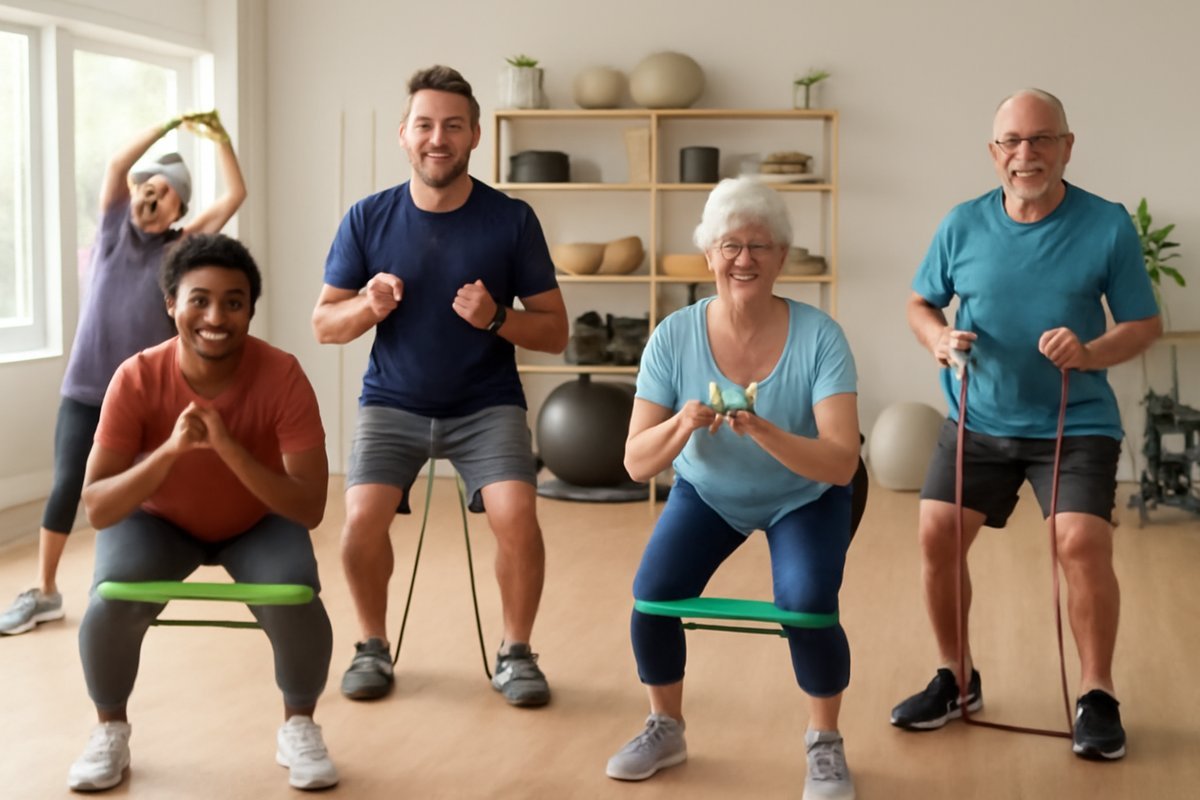
    • Band Squats: Place a loop band around your thighs, just above your knees. Stand with feet shoulder-width apart, toes slightly out. Keeping your chest up and core engaged, push your hips back and bend your knees as if sitting in a chair. Ensure your knees track over your toes. The band will resist your knees from caving in, activating your glutes. Perform 3 sets of 10-15 repetitions.

    • Glute Bridges: Lie on your back with knees bent, feet flat on the floor, hip-width apart. Place a loop band around your thighs. Press through your heels and lift your hips off the floor until your body forms a straight line from shoulders to knees. Squeeze your glutes at the top, pushing against the band. Lower slowly. Perform 3 sets of 12-18 repetitions.

    • Band Walks (Lateral & Monster): For lateral walks, place a loop band around your ankles or just above your knees. Stand with feet hip-width apart, knees slightly bent, and take small, controlled steps to the side, maintaining tension in the band. For monster walks, perform the same motion but step diagonally forward and out. These are excellent for hip abductor strength, crucial for stability. Perform 2-3 sets of 10-15 steps in each direction.

    Upper Body:

    • Band Rows: Sit on the floor with legs extended, or stand with feet shoulder-width apart. Loop a resistance band around your feet, holding an end in each hand. Keep your back straight, core engaged. Pull the band towards your chest, squeezing your shoulder blades together. Slowly release. This works your back muscles. Perform 3 sets of 10-15 repetitions.

    • Overhead Press: Stand on the middle of a tube band with handles, feet shoulder-width apart. Hold a handle in each hand at shoulder height, palms forward. Press your hands straight overhead, extending your arms. Control the descent. This targets your shoulders and triceps. Perform 3 sets of 10-12 repetitions.

    • Bicep Curls: Stand on the middle of a tube band, feet hip-width apart, holding a handle in each hand, palms forward. Keeping your elbows tucked into your sides, curl your hands towards your shoulders, squeezing your biceps. Slowly lower. Perform 3 sets of 10-15 repetitions.

    Core and Stability:

    • Pallof Press: Anchor a resistance band to a sturdy object at chest height. Stand perpendicular to the anchor point, grasping the band with both hands at your chest. Step away to create tension. Keeping your core tight and hips stable, press the band straight out in front of you, resisting the band’s pull to twist your torso. Hold for a moment, then slowly return. This powerfully engages your core’s anti-rotational muscles. Perform 3 sets of 8-12 repetitions per side.

    • Band Plank: Get into a plank position with a loop band around your ankles. Maintain a straight line from head to heels, engaging your core. The band adds an extra challenge to stabilize your legs and hips. Hold for 30-60 seconds, 3 sets.

    For each exercise, select a band that allows you to complete the prescribed repetitions with good form, feeling challenged by the last few reps. As you get stronger, progress to a heavier band or increase your repetitions and sets. Evidence from the American College of Sports Medicine (ACSM) consistently highlights that resistance training, regardless of equipment, builds muscle and strength, crucial for combating age-related decline.

    Building Your Resistance Band Routine & Injury Prevention

    Creating a structured resistance band routine is key to consistent progress and long-term success. While spontaneity is great, a plan ensures you hit all major muscle groups and progressively challenge your body. Alongside routine building, prioritizing injury prevention is paramount to maintaining an active and healthy lifestyle.

    Building Your Routine:

    • Frequency: Aim for 2-3 full-body resistance band workouts per week on non-consecutive days. This allows your muscles adequate time to recover and rebuild.

    • Warm-up: Always start with 5-10 minutes of light cardio (like brisk walking or marching in place) and dynamic stretches (arm circles, leg swings). This prepares your muscles and joints for activity.

    • Workout Structure: For each major muscle group (chest, back, shoulders, arms, legs, core), choose 1-2 exercises. Perform 2-3 sets of 10-15 repetitions. As you get stronger, you can increase repetitions, sets, or move to a stronger band.

    • Cool-down: Conclude your workout with 5-10 minutes of static stretching, holding each stretch for 20-30 seconds. This helps improve flexibility and aids in muscle recovery.

    • Progressive Overload: To continue gaining strength, gradually increase the challenge. This might mean using a band with higher resistance, performing more repetitions or sets, or reducing rest time between sets. Consistency is more important than intensity in the beginning.

    • Variety: Don’t be afraid to switch up your exercises every 4-6 weeks to keep your muscles challenged and prevent plateaus. There are numerous resistance band exercises available for every body part.

    Injury Prevention Strategies:

    • Proper Form: As discussed, this is the single most important factor. If your form breaks down, reduce the resistance or take a rest.

    • Inspect Bands: Before each use, quickly check your bands for any nicks, tears, or signs of wear. A damaged band can snap, potentially causing injury.

    • Secure Anchoring: If an exercise requires anchoring the band to a door or post, ensure it is absolutely secure and stable. Never use a flimsy object as an anchor.

    • Listen to Your Body: Distinguish between muscle fatigue and pain. Muscle fatigue or a mild burn is normal. Sharp, shooting, or persistent pain is not. Stop if you experience pain.

    • Hydration and Nutrition: Support your workouts with adequate hydration and a balanced diet rich in lean protein for muscle repair and carbohydrates for energy.

    By thoughtfully planning your routine and diligently applying these prevention strategies, you can safely and effectively harness the power of resistance bands to build lasting strength and improve your overall fitness.

    When to Consult Your Doctor About Exercise Pain or Limitations

    While resistance band training is generally safe and low-impact, it’s crucial to know when to seek professional medical advice. Distinguishing between normal muscle soreness and a potential injury can prevent minor issues from becoming serious complications. Your doctor or a qualified healthcare provider is your best resource for personalized guidance.

    You should consult your doctor immediately if you experience any of the following during or after resistance band exercises:

    • Sharp, sudden pain: Especially if it occurs during a specific movement and doesn’t subside quickly.

    • Joint pain that persists: If pain in a joint (knee, shoulder, hip) continues for more than a day or two after exercise, or if it worsens with movement.

    • Swelling or bruising: Unexplained swelling, bruising, or redness around a joint or muscle can indicate an injury.

    • Numbness, tingling, or weakness: These sensations, particularly radiating down an arm or leg, could signal nerve involvement.

    • Inability to bear weight or move a limb: Any significant loss of function requires immediate medical attention.

    • Chest pain, dizziness, or shortness of breath: These symptoms, especially during exercise, are serious and warrant emergency medical evaluation.

    • Pain that interrupts sleep: Persistent pain that wakes you up at night or makes it difficult to get comfortable is a red flag.

    When to discuss exercise limitations or concerns at your next doctor’s visit:

    • Chronic soreness: If you’re consistently sore for more than 48-72 hours after workouts, you might be overtraining or need to adjust your intensity.

    • Lack of progress: If you’ve been consistent with your routine but aren’t seeing improvements in strength or endurance over several weeks, your doctor might offer insights or suggest consulting a physical therapist.

    • Pre-existing conditions: If you have heart disease, diabetes, osteoporosis, or other chronic conditions, always discuss your exercise plan with your doctor. They can advise on safe modifications and intensity levels specific to your health status.

    • Unexplained fatigue: Persistent fatigue that isn’t resolved with rest might indicate an underlying issue that needs medical attention.

    Being proactive about your health means not only exercising regularly but also recognizing when professional medical intervention is necessary. Don’t hesitate to reach out to your healthcare provider with any concerns about your fitness routine or any pain you experience.

    Frequently Asked Questions

    Q1: Are resistance bands as effective as weights for building muscle?

    A1: Yes, for many individuals, especially beginners and intermediate exercisers, resistance bands can be just as effective as free weights for building muscle strength and size. Clinical studies when resistance bands were first widely studied have shown comparable results in muscle activation and strength gains. The key is to apply progressive overload, meaning you continually challenge your muscles by increasing resistance or repetitions as you get stronger.

    Q2: How do I choose the right resistance level for my bands?

    A2: Start with a band that allows you to complete 10-15 repetitions of an exercise with good form, feeling challenged by the last 2-3 reps. If you can easily do more than 15 reps, move to a stronger band. If you struggle to reach 8-10 reps with proper form, use a lighter band. It’s common to use different resistance levels for different muscle groups; your legs might handle a heavier band than your arms.

    Q3: Can resistance bands help with weight loss?

    A3: Resistance band training, like other forms of strength training, contributes to weight loss by building muscle mass. Muscle tissue burns more calories at rest than fat tissue, boosting your metabolism. While cardio is excellent for burning calories during exercise, strength training with bands helps create a metabolic environment conducive to long-term fat loss when combined with a healthy diet.

    Q4: How often should I use resistance bands?

    A4: Most experts recommend 2-3 full-body resistance training sessions per week, with at least one day of rest between sessions for muscle recovery and growth. If you split your workouts (e.g., upper body one day, lower body another), you might train more frequently, but always ensure adequate rest for each muscle group.

    Q5: Are resistance bands safe for older adults?

    A5: Absolutely. Resistance bands are particularly beneficial for older adults due to their low-impact nature, which is gentle on joints. They provide a safe and effective way to combat age-related muscle loss (sarcopenia), improve bone density, enhance balance, and maintain functional independence. Always consult your doctor before starting any new exercise regimen, especially if you have pre-existing health conditions.

    Conclusion

    Resistance band workouts offer a powerful, versatile, and accessible pathway to improved strength, mobility, and overall health for adults across all ages and fitness levels. By providing effective resistance without the impact of heavy weights, these simple tools empower you to build muscle, protect your joints, and enhance your functional fitness from virtually anywhere. David, the teacher from our opening, found that consistent use of resistance bands not only restored his strength but also rekindled his passion for golf, proving that fitness solutions don’t have to be complicated to be transformative.

    Embracing resistance band training can be a cornerstone of a healthy lifestyle, contributing to better balance, stronger bones, and greater energy for daily activities. Remember, consistency and proper form are your greatest allies. Always listen to your body and consult with your physician or a qualified healthcare provider before starting any new exercise program, especially if you have underlying health conditions or experience persistent pain. Your journey to a stronger, more mobile you is within reach.

    MEDICAL DISCLAIMER

    This article is for informational and educational purposes only. It does not constitute medical advice, diagnosis, or treatment. Always consult your physician or a qualified healthcare provider before making changes to your health routine or treatment plan.

    AUTHOR LINE

    Medically reviewed by our editorial health team. Content follows evidence-based standards aligned with CDC and NIH guidelines.

  • Yoga for Adults Over 40: Benefits, Styles, & Safety

    Yoga for Adults Over 40: Benefits, Styles, & Safety

    Discover how yoga can enhance flexibility, strength, and peace of mind, tailored for your body’s unique needs after 40.

    As we navigate life after 40, many of us begin to notice subtle shifts in our bodies and minds. Perhaps you feel a bit stiffer in the mornings, find daily tasks requiring more effort, or grapple with increased stress from work and family responsibilities. You’re not alone. According to a 2017 report by the Centers for Disease Control and Prevention (CDC), nearly 1 in 7 U.S. adults had practiced yoga in the past 12 months, highlighting its growing appeal for health and wellness across age groups.

    For adults over 40, finding an exercise routine that is both effective and gentle on the body can be a challenge. That’s where yoga, with its emphasis on mindful movement and body awareness, truly shines. This comprehensive guide will explore the profound benefits of yoga for adults over 40, delve into various styles to help you find your perfect fit, and provide essential safety tips to ensure a sustainable and injury-free practice.

    What Is Yoga for Health and Wellness?

    Yoga, an ancient practice originating in India, is a holistic discipline that meticulously combines physical postures (known as asanas), precise breathing techniques (pranayama), and meditation or relaxation. Far from being just a series of stretches, yoga aims to foster harmony between the mind, body, and spirit.

    In the context of modern health and wellness, yoga is increasingly recognized for its therapeutic potential. Data from the National Center for Complementary and Integrative Health (NCCIH) indicates a significant surge in yoga adoption, with its use among U.S. adults dramatically increasing from 9.5% in 2012 to 14.3% in 2017. This upward trend underscores its growing acceptance as a valuable tool for physical fitness, mental clarity, and stress reduction.

    For adults over 40, yoga offers a unique blend of benefits. It’s an accessible exercise that can be modified to suit various fitness levels and physical conditions, making it an excellent choice for maintaining vitality and enhancing overall well-being as you age.

    Key Health Benefits of Yoga for Adults Over 40

    Engaging in a regular yoga practice can bring a multitude of specific advantages tailored to the needs of adults over 40. These benefits extend beyond mere physical improvements, nurturing both your body and mind.

    Enhanced Flexibility and Mobility

    As we age, our muscles and connective tissues naturally become less pliable, leading to stiffness and reduced range of motion. Yoga actively combats this decline. Through sustained stretches and mindful movements, you can gradually increase your flexibility, making everyday tasks like bending, reaching, and twisting feel easier and more comfortable. A 2013 meta-analysis published in the Journal of Physical Activity and Health found that regular yoga practice significantly improves flexibility, particularly in the lower back and hamstrings. This enhanced flexibility and mobility is crucial for maintaining independence and quality of life.

    Improved Strength and Balance

    Many yoga postures require you to support your own body weight, effectively building lean muscle strength without the need for heavy equipment. This is particularly beneficial for maintaining muscle mass, which naturally diminishes with age. Moreover, holding balancing poses challenges your proprioception – your body’s sense of its position in space. Research supported by the National Institutes of Health (NIH) consistently shows that regular yoga practice can significantly enhance balance, which is a critical factor in preventing falls, a major concern for older adults.

    Significant Stress Reduction and Mental Well-being

    The combination of physical postures, focused breathing, and meditation inherent in yoga makes it a powerful antidote to stress. Yoga helps to activate the parasympathetic nervous system, responsible for the “rest and digest” response, counteracting the effects of chronic stress. Studies cited by Harvard Health Publishing highlight yoga’s effectiveness in reducing cortisol levels, the body’s primary stress hormone. This leads to profound improvements in mood, reduced anxiety, and enhanced mental clarity, helping you feel more centered and calm.

    Management of Chronic Pain

    For many adults over 40, chronic conditions like back pain, arthritis, and fibromyalgia can significantly impact daily life. Yoga offers a gentle yet effective approach to managing such discomfort. By strengthening supporting muscles, improving flexibility, and promoting relaxation, yoga can alleviate pain and improve functional capacity. A comprehensive review published in Complementary Therapies in Medicine noted that yoga can be an effective complementary therapy for chronic low back pain, showing greater improvement in pain and functional disability compared to usual care.

    Common Yoga Styles and How to Choose

    The world of yoga offers a diverse range of styles, each with its own pace, focus, and benefits. Understanding these differences can help you select a practice that best suits your goals, physical condition, and comfort level as an adult over 40.

    • Hatha Yoga: Often considered a foundational style, Hatha yoga is characterized by its slower pace and longer holds in individual postures. It emphasizes basic poses and proper alignment, making it an excellent starting point for beginners or those seeking a gentler practice.
    • Vinyasa Yoga: This dynamic style links movement with breath, creating a “flow” from one pose to the next. Vinyasa classes can vary widely in intensity but generally offer a more vigorous workout, building heat and strength. Look for “gentle Vinyasa” or “slow flow” classes if you’re new or prefer a less intense pace.
    • Restorative Yoga: As its name suggests, this style focuses on deep relaxation and rejuvenation. Poses are held for extended periods, often with the support of props like blankets, bolsters, and blocks, allowing the body to fully release tension. Restorative yoga is perfect for stress relief, recovery, and those with limited mobility.
    • Iyengar Yoga: Known for its meticulous attention to precise alignment and the extensive use of props (blocks, straps, chairs, ropes), Iyengar yoga emphasizes accuracy over flow. This style is particularly beneficial for individuals recovering from injuries, managing chronic conditions, or those who benefit from detailed instruction on proper form.
    • Chair Yoga: An adapted form of yoga where poses are performed while seated or using a chair for support. This style is ideal for individuals with significant mobility limitations, balance issues, or those seeking a very gentle introduction to yoga.

    When choosing a style, consider your current fitness level, any pre-existing health conditions, and what you hope to gain from your practice. Many studios offer introductory classes or trials, allowing you to sample different styles before committing.

    Getting Started with Yoga: What to Expect

    Embarking on your yoga journey can feel exciting and perhaps a little daunting. Knowing what to expect can help ease any apprehension and set you up for success.

    Finding the Right Class or Instructor

    Start by looking for “beginner,” “gentle,” or “restorative” classes, especially those specifically labeled for “seniors” or “all levels.” Many community centers, gyms, and dedicated yoga studios offer these options. Online platforms also provide a wealth of resources, but an in-person class with a qualified instructor can be invaluable for personalized feedback on form and alignment. Don’t hesitate to communicate any health concerns or physical limitations to your instructor before class begins.

    Essential Equipment

    You don’t need much to start. A good quality yoga mat provides cushioning and grip. Wear comfortable, breathable clothing that allows for a full range of motion. Beyond that, props such as yoga blocks, straps, and blankets are often available in studios or can be purchased for home use. These props are not for advanced practitioners; they are tools designed to support your body, help you find proper alignment, and make poses more accessible and comfortable.

    A Typical Class Structure

    Most yoga classes follow a general structure: beginning with a period of centering or gentle warm-up, moving into a sequence of standing and seated postures, and concluding with a cool-down and final relaxation, often in Savasana (Corpse Pose). Expect your instructor to guide you through various poses, offering cues for breath and alignment.

    Embracing Modifications

    One of the beautiful aspects of yoga is its adaptability. Most reputable instructors will offer modifications for poses, allowing you to adapt the practice to your body’s current capabilities. This might involve using a chair for support, bending your knees more deeply, or using blocks to bring the floor closer to you. Remember, yoga is about listening to your body and honoring its limits, not about achieving a perfect-looking pose.

    Integrating Yoga into Your Daily Life

    Consistency is key to unlocking the full spectrum of benefits that yoga offers. Integrating it seamlessly into your routine can transform not only your physical health but also your mental and emotional well-being.

    Frequency and Duration

    For noticeable benefits, most experts, including those at the American Council on Exercise (ACE), suggest aiming for two to three yoga sessions per week. Each session could range from 30 to 60 minutes, depending on your schedule and energy levels. However, even shorter, consistent practices – like 15-20 minutes daily – can be incredibly impactful for stress reduction and maintaining flexibility. Listen to your body and gradually build up your practice duration and intensity.

    Home Practice vs. Studio Classes

    Both home practice and studio classes offer unique advantages. Studio classes provide expert guidance, a sense of community, and a dedicated space away from distractions. They are excellent for learning proper form and receiving personalized adjustments. Home practice, on the other hand, offers flexibility and convenience. Many online platforms and apps provide guided yoga sessions that cater to all levels and styles. A combination of both can be ideal – attending studio classes for instruction and practicing at home for consistency.

    Complementary Activities

    Yoga complements other forms of exercise beautifully. For instance, pairing your yoga practice with cardiovascular activities like walking or cycling can create a well-rounded fitness regimen. Additionally, incorporating specific core strength training exercises can further enhance your yoga practice and provide greater stability in various poses.

    Remember that integrating yoga is a personal journey. Be patient with yourself, celebrate small victories, and embrace the process of discovery and growth.

    Preventing Injuries in Yoga

    While yoga is generally considered safe, especially when practiced mindfully, injuries can occur, particularly if proper precautions aren’t taken. For adults over 40, who may have pre-existing conditions or reduced flexibility, understanding how to prevent injury is paramount.

    • Listen to Your Body: This is the golden rule of yoga. Pain is a clear signal that something is wrong. While discomfort is a natural part of stretching and building strength, sharp, sudden, or persistent pain means you should immediately ease out of the pose. Never push yourself into a position that feels “wrong” or unstable.
    • Prioritize Proper Alignment: Incorrect form is a leading cause of injury. Seek out qualified instructors who emphasize alignment cues and offer hands-on adjustments (with your permission). Don’t prioritize depth of a pose over correct alignment. Iyengar yoga, for instance, places a strong emphasis on precise alignment, which can be particularly beneficial for learning safe movement patterns.
    • Don’t Force Flexibility: Flexibility improves over time with consistent practice. Trying to force your body into a deep stretch before it’s ready can strain muscles, ligaments, and joints. Embrace the philosophy of “ahimsa” or non-harming, extending it to your own body.
    • Utilize Props: Blocks, straps, bolsters, and blankets are not signs of weakness – they are tools designed to support your body, reduce strain, and help you find safe alignment in various poses. Use them liberally to modify poses and make them more accessible to your current level of flexibility and strength.
    • Communicate with Your Instructor: Before class, inform your instructor about any injuries, chronic conditions (like arthritis or back pain), or areas of concern. A good instructor can offer specific modifications or advise you on poses to avoid.
    • Warm-Up and Cool-Down: Ensure your practice includes a gentle warm-up to prepare your muscles and joints for movement and a cool-down period to relax and integrate the benefits of your practice.

    When to Consult Your Doctor About Yoga

    While yoga offers numerous health benefits, it’s crucial to approach any new exercise regimen with appropriate medical consideration, especially for adults over 40 or those with existing health conditions.

    Before You Begin: Pre-Existing Conditions

    If you have any chronic health conditions such as heart disease, uncontrolled high blood pressure, severe arthritis, osteoporosis, herniated discs, or have recently undergone surgery, it is vital to consult your physician before starting yoga. Your doctor can advise you on any specific precautions or modifications you might need, or if certain styles of yoga should be avoided entirely. For example, individuals with severe osteoporosis may need to avoid certain deep forward folds or twists that put excessive pressure on the spine.

    New or Worsening Pain

    If you experience new or persistent pain that lasts beyond the usual muscle soreness — known as DOMS (Delayed Onset Muscle Soreness) — or if a pre-existing condition seems to worsen after starting yoga, it’s crucial to consult your physician. While some discomfort during stretching is normal, sharp, stabbing, or radiating pain is not and warrants medical attention.

    Emergency Signs Requiring Immediate Care

    Certain symptoms should never be ignored and require immediate medical evaluation. These red flags include:

    • Sudden, severe pain in a joint or muscle.
    • Numbness or tingling in the limbs, especially if accompanied by weakness.
    • Dizziness, lightheadedness, or fainting during or after practice.
    • Chest pain or unusual shortness of breath.
    • Any symptoms of a stroke, such as sudden confusion, trouble speaking, or one-sided weakness.

    These symptoms could indicate a serious underlying issue and require prompt medical attention.

    What to Tell Your Doctor

    When discussing your yoga practice with your doctor, be prepared to describe:

    • The specific style of yoga you are practicing or plan to try.
    • Any particular poses that cause discomfort or pain.
    • The duration and frequency of your practice.
    • Your medical history and any pre-existing conditions.

    An open dialogue with your healthcare provider ensures that your yoga journey is safe, beneficial, and supports your overall health goals.

    Frequently Asked Questions

    Is yoga safe if I have arthritis?

    Yes, for many forms of arthritis, yoga can be very beneficial. Gentle styles like Hatha, Restorative, or Chair Yoga, which emphasize slow movements, supported poses, and mindful breathing, can help improve joint flexibility, reduce pain, and strengthen surrounding muscles without excessive strain. It is crucial, however, to consult your doctor before starting and to inform your yoga instructor about your condition so they can suggest appropriate modifications.

    How long does it take to see results from yoga?

    The timeline for results varies greatly depending on the individual, consistency of practice, and what “results” you’re looking for. Many individuals report feeling increased calmness and improved sleep within a few weeks. Enhanced flexibility and balance can often be noticed within 1-3 months of consistent practice (2-3 times a week). Building significant strength may take longer, often 3-6 months. Patience and consistency are key.

    Do I need to be flexible to start yoga?

    Absolutely not. This is one of the most common misconceptions. Yoga is a practice designed to build flexibility over time, not to require it from the outset. Many poses can be modified to accommodate limited flexibility. The key is to start where you are and honor your body’s current capabilities, letting flexibility develop naturally with regular practice.

    What’s the best yoga style for beginners over 40?

    For adults over 40 who are new to yoga, Hatha yoga or Restorative yoga are often highly recommended due to their slower pace and emphasis on foundational poses and alignment. Gentle Vinyasa or Chair Yoga classes are also excellent choices, as they provide modifications and focus on accessible movements. It’s advisable to try a few different styles and instructors to find what resonates best with your body and preferences.

    Can yoga help with weight loss?

    While yoga is not typically as high-intensity as some traditional cardiovascular workouts, it can contribute to weight management in several ways. Vinyasa or Power Yoga styles can burn calories and build muscle, which boosts metabolism. More importantly, yoga cultivates mindfulness, which can reduce stress-related eating and improve dietary choices. It also enhances body awareness, encouraging healthier habits overall. For significant weight loss, it’s best combined with other forms of exercise and a balanced diet.

    Conclusion

    Embracing yoga as an adult over 40 can open doors to profound improvements in your physical and mental health. From enhanced flexibility and strength to significant stress reduction and better chronic pain management, the benefits are compelling. By understanding the different styles, starting gently, and prioritizing safety, you can cultivate a practice that supports your well-being for years to come.

    Remember, your yoga journey is unique. Listen to your body, choose a style that resonates with you, and don’t hesitate to seek guidance from qualified instructors or medical professionals. With patience and consistency, yoga can become a cornerstone of your vibrant and healthy life.


    MEDICAL DISCLAIMER
    This article is for informational and educational purposes only. It does not constitute medical advice, diagnosis, or treatment. Always consult your physician or a qualified healthcare provider before making changes to your health routine or treatment plan.

    AUTHOR LINE
    Medically reviewed by our editorial health team. Content follows evidence-based standards aligned with CDC and NIH guidelines.

  • Cycling After 50: Benefits, Safety Tips & How to Start

    Cycling After 50: Benefits, Safety Tips & How to Start

    Cycling is one of the most joint-friendly, heart-strengthening, and mood-boosting exercises available to adults over 50 — and research confirms it can add quality years to your life.

    Consider Tom, 63, who had spent most of his adult life behind a desk. After his doctor flagged borderline high blood pressure and rising cholesterol at his annual checkup, Tom decided to dust off the old bicycle in his garage. Six months later, his blood pressure had dropped into a healthy range, he had lost 14 pounds, and — perhaps most importantly — he was sleeping better and feeling sharper at work.

    Tom’s story isn’t unusual. According to the CDC, fewer than 25% of American adults meet the recommended weekly guidelines for both aerobic and muscle-strengthening activity. For adults over 50, that gap grows even wider — and the consequences range from cardiovascular disease to cognitive decline.

    Cycling offers a compelling solution. Whether you prefer a road bike, a stationary cycle, or an e-bike, this guide will walk you through the proven health benefits of cycling after 50, how to ride safely with aging joints and bones, and exactly how to build a sustainable routine — even if you haven’t been on a bike in decades.

    What Makes Cycling Ideal for Adults Over 50?

    Cycling is classified as a low-impact aerobic exercise, meaning it elevates your heart rate and burns calories without the repetitive pounding stress associated with running or jumping. For adults over 50 — many of whom deal with arthritis, knee discomfort, or reduced bone density — this distinction matters enormously.

    Unlike walking, cycling also allows you to sustain a moderate-to-vigorous intensity for longer durations, which is where many of its cardiovascular and metabolic benefits accumulate. And because the saddle supports a significant portion of your body weight, your knees, hips, and ankles are spared the impact forces that often sideline older exercisers.

    A landmark study published in the Journal of the American Geriatrics Society found that regular cyclists in their 50s and 60s showed biological aging markers — including cardiovascular efficiency and muscle mass preservation — comparable to people 20 to 30 years younger. That is not a minor finding.

    Clinical evidence also indicates that cycling is accessible across a wide fitness spectrum. You can start at an easy, conversational pace and gradually increase intensity as your fitness improves. This scalability makes it one of the most beginner-friendly exercises for midlife and older adults.

    Health Benefits of Cycling After 50: What the Research Shows

    The benefits of regular cycling extend far beyond weight management. Here is what clinical research and major health institutions consistently identify:

    Cardiovascular health: The American Heart Association recommends at least 150 minutes of moderate-intensity aerobic activity per week for heart health. Cycling fits squarely within that recommendation. Research published in the European Heart Journal found that adults who cycled regularly had a significantly lower risk of cardiovascular events compared to non-cyclists, even after adjusting for other lifestyle factors.

    Blood pressure and cholesterol management: Regular moderate-intensity aerobic exercise — including cycling — is consistently associated with reductions in systolic blood pressure and improvements in HDL (“good”) cholesterol. The NIH notes that exercise-induced improvements in blood pressure can rival the effects of certain antihypertensive medications in mildly hypertensive adults, though this varies from person to person and should never be used to replace prescribed treatment without physician guidance.

    Weight and metabolic health: A 30-minute moderate cycling session can burn between 200 and 300 calories depending on your body weight and effort level. Over time, this caloric expenditure supports healthy weight maintenance — a critical factor for reducing the risk of type 2 diabetes, joint strain, and metabolic syndrome.

    Muscle strength and joint health: Cycling engages the quadriceps, hamstrings, glutes, and calves in a controlled, low-impact motion. For adults with knee osteoarthritis — a condition affecting more than 32 million Americans according to the CDC — cycling is frequently recommended by orthopedic specialists as a safe way to strengthen the muscles surrounding the knee without aggravating joint surfaces.

    Cognitive function and mental health: Research suggests that regular aerobic exercise increases blood flow to the brain and supports the production of brain-derived neurotrophic factor (BDNF), a protein linked to memory, learning, and mood regulation. A 2023 meta-analysis published in Neuroscience & Biobehavioral Reviews found that aerobic exercise — including cycling — was associated with meaningful reductions in symptoms of depression and anxiety in adults over 50.

    Balance and fall prevention: While cycling itself doesn’t train static balance the same way yoga or tai chi does, it does strengthen the lower body and improve proprioception (your body’s sense of position in space), both of which contribute to fall resistance. If fall prevention is a specific concern, consider pairing cycling with dedicated balance training after 50.

    Getting Started Safely: What You Need to Know First

    Before you clip in or push off, a few safety and preparation steps will help protect your health and make your experience more enjoyable from day one.

    See your doctor first. If you have been sedentary for more than six months, have a known cardiovascular condition, manage diabetes, or have orthopedic concerns, schedule a checkup before starting any new exercise program. Your physician can help identify any contraindications and may suggest a cardiac stress test or musculoskeletal evaluation.

    Choose the right bike for your body:

    • Road bikes — best for distance and speed, but the forward-lean position can stress the lower back and wrists
    • Hybrid bikes — a versatile middle ground with a more upright posture; ideal for most beginners over 50
    • Recumbent bikes — seated in a reclined chair-like position; excellent for people with lower back pain or balance concerns
    • Stationary bikes — indoor cycling with zero traffic risk; a great starting point for deconditioned adults
    • E-bikes — electric-assist bikes allow you to cover more distance with less exertion; research suggests e-bike riders still achieve meaningful aerobic benefit and are significantly more likely to ride consistently

    Get a proper bike fit. An improperly fitted bike is one of the most common causes of cycling-related pain and injury. Most local bike shops offer fitting services. Key adjustments include seat height (your knee should have a slight bend at the bottom of the pedal stroke), handlebar height (upright enough to avoid neck strain), and reach (you should not feel cramped or overstretched).

    Wear a helmet — every single ride. The CDC reports that head injuries account for the majority of cycling fatalities in the US. A properly fitted helmet reduces the risk of serious head injury by up to 85%, according to the Insurance Institute for Highway Safety.

    Other essential gear:

    • Padded cycling shorts to reduce saddle discomfort
    • Bright or reflective clothing for visibility
    • Lights (front and rear) for low-light conditions
    • A water bottle or hydration pack — dehydration risk increases with age
    • Sunscreen — UV exposure during outdoor rides is cumulative and significant

    How to Build a Cycling Routine After 50: A Week-by-Week Plan

    The most common mistake new cyclists make is doing too much too soon. Research on exercise adherence consistently shows that gradual progression reduces injury risk and dramatically improves long-term consistency.

    Most physicians and exercise physiologists recommend using the Rate of Perceived Exertion (RPE) scale rather than obsessing over speed or mileage when starting out. On a scale of 1 to 10, aim for a 5-6 (moderate effort — you can speak in short sentences but not hold a full conversation).

    Weeks 1–2: Foundation

    • 3 rides per week, 15–20 minutes each
    • Flat terrain or stationary bike at low resistance
    • RPE: 4–5 (light to moderate effort)
    • Focus on form, breathing, and getting comfortable in the saddle

    Weeks 3–4: Building Endurance

    • 3–4 rides per week, 20–30 minutes each
    • Introduce gentle rolling terrain if outdoors
    • RPE: 5–6 (moderate effort)
    • Add a 5-minute warm-up and cool-down at low intensity

    Weeks 5–8: Progressive Aerobic Base

    • 4 rides per week, 30–45 minutes each
    • One longer ride per week (45–60 minutes at easy pace)
    • RPE: 5–7; one ride per week at 7 (vigorous effort)
    • Begin incorporating light hills or increased resistance

    Month 3 and Beyond: Maintenance and Variety

    • Aim for 150–300 minutes of moderate cycling per week (consistent with AHA guidelines)
    • Mix intensity levels: two moderate rides, one easy recovery ride, one slightly harder effort
    • Consider joining a local cycling club for social motivation and route variety

    Complement your cycling with core training after 40 to strengthen the stabilizing muscles that support your spine and pelvis during rides. And on recovery days, incorporating low-impact cross-training exercises like swimming or walking can maintain your aerobic base without fatiguing the same muscle groups.

    Common Cycling Injuries After 50 — And How to Prevent Them

    Most cycling-related discomfort is preventable with proper setup, technique, and progression. Here are the most frequent issues and evidence-based prevention strategies:

    Knee pain: Often caused by a saddle that is too low (forces the knee into excessive flexion) or too high (causes overextension). Raise or lower the seat in small increments and consult a bike fitter. Strengthening the quadriceps and glutes also reduces knee loading during the pedal stroke.

    Lower back pain: Typically results from excessive forward lean, tight hamstrings, or weak core muscles. Raising the handlebars, reducing ride duration initially, and adding targeted core exercises can resolve most cases.

    Saddle soreness: Almost universal among new cyclists. Padded shorts, a properly contoured saddle, and chamois cream reduce friction. Most saddle discomfort resolves within the first 2–3 weeks as tissues adapt.

    Hand and wrist numbness: Caused by excessive weight on the handlebars or gripping too tightly. Padded gloves, ergonomic grips, and adjusting handlebar height typically resolve this issue.

    Overuse injuries: Tendons and connective tissue take longer to adapt than cardiovascular fitness in adults over 50. Avoid increasing weekly mileage by more than 10% per week — a widely cited guideline in sports medicine.

    When to See Your Doctor: Red Flags While Cycling

    Most exercise-related sensations are normal — mild muscle fatigue, slightly elevated heart rate, temporary breathlessness. But certain symptoms require immediate attention and should never be dismissed as “just exercise.”

    Stop riding and call 911 immediately if you experience:

    • Chest pain, pressure, or tightness during or after a ride
    • Pain radiating to the jaw, left arm, or upper back
    • Sudden severe shortness of breath disproportionate to your effort level
    • Heart palpitations that feel irregular, rapid, or accompanied by dizziness
    • Fainting or near-fainting (syncope)
    • Sudden, severe joint pain with swelling — this may indicate an acute injury

    Schedule a doctor’s appointment if you notice:

    • Persistent knee, hip, or lower back pain lasting more than a week despite rest
    • Numbness or tingling in the hands or feet that does not resolve post-ride
    • Unusual fatigue that worsens over multiple weeks of training
    • Any new or unexplained symptom that concerns you

    Always tell your doctor you have started a cycling routine. This context helps them interpret any new symptoms accurately and can guide adjustments to medications (some blood pressure medications, for example, can affect heart rate response during exercise).

    Frequently Asked Questions About Cycling After 50

    Is cycling safe if I have knee arthritis?
    For most people with knee osteoarthritis, cycling is not only safe but actively recommended by rheumatologists and orthopedic specialists. The low-impact, circular pedaling motion lubricates the joint and strengthens surrounding muscles without the compressive forces of running or stair-climbing. This varies from person to person, so consult your physician before starting — especially if arthritis is moderate to severe.

    How many days per week should I cycle to see results?
    Research suggests that 3–4 days per week of moderate cycling is sufficient to produce meaningful cardiovascular, metabolic, and mental health improvements. Consistency over months matters more than any single week of high volume.

    Can cycling help with weight loss after 50?
    Clinical evidence indicates that cycling contributes to a caloric deficit necessary for weight loss, especially when combined with a nutritious diet. However, weight loss after 50 typically progresses more slowly due to hormonal and metabolic changes. Most experts recommend focusing on fitness improvements — energy, strength, cardiovascular markers — rather than scale weight alone.

    Is an e-bike a “real” workout?
    Yes. A 2019 study published in Transportation Research Interdisciplinary Perspectives found that e-bike riders achieved heart rates in the moderate-intensity zone during typical commutes and recreational rides. E-bikes also dramatically increase the likelihood that older or deconditioned adults will ride consistently — which is ultimately the most important variable for health outcomes.

    What if I haven’t ridden a bike in 20 years?
    Motor memory for cycling is remarkably durable — the saying “it’s like riding a bike” is backed by neuroscience. Starting on a stationary bike eliminates balance and traffic concerns entirely while you rebuild confidence and fitness. Most people transition to outdoor cycling within a few weeks of indoor training.

    Conclusion: Your Wheels, Your Health

    Cycling after 50 is not about racing or recapturing your youth. It is about giving your heart, joints, muscles, and mind a sustainable, evidence-backed tool for feeling better — today and for the decades ahead.

    The research is clear: regular cycling reduces cardiovascular risk, supports healthy weight, protects joint function, and improves mood and cognitive function. And unlike many fitness activities, it adapts to where you are right now — whether that means a 15-minute stationary bike session or a 45-minute trail ride on a Sunday morning.

    Start where you are, progress gradually, and make sure your doctor is part of the conversation. The best workout is always the one you can do consistently — and for millions of Americans over 50, cycling is exactly that.

    This article is for informational and educational purposes only. It does not constitute medical advice, diagnosis, or treatment. Always consult your physician or a qualified healthcare provider before making changes to your health routine or treatment plan.

    Medically reviewed by our editorial health team. Content follows evidence-based standards aligned with CDC and NIH guidelines.
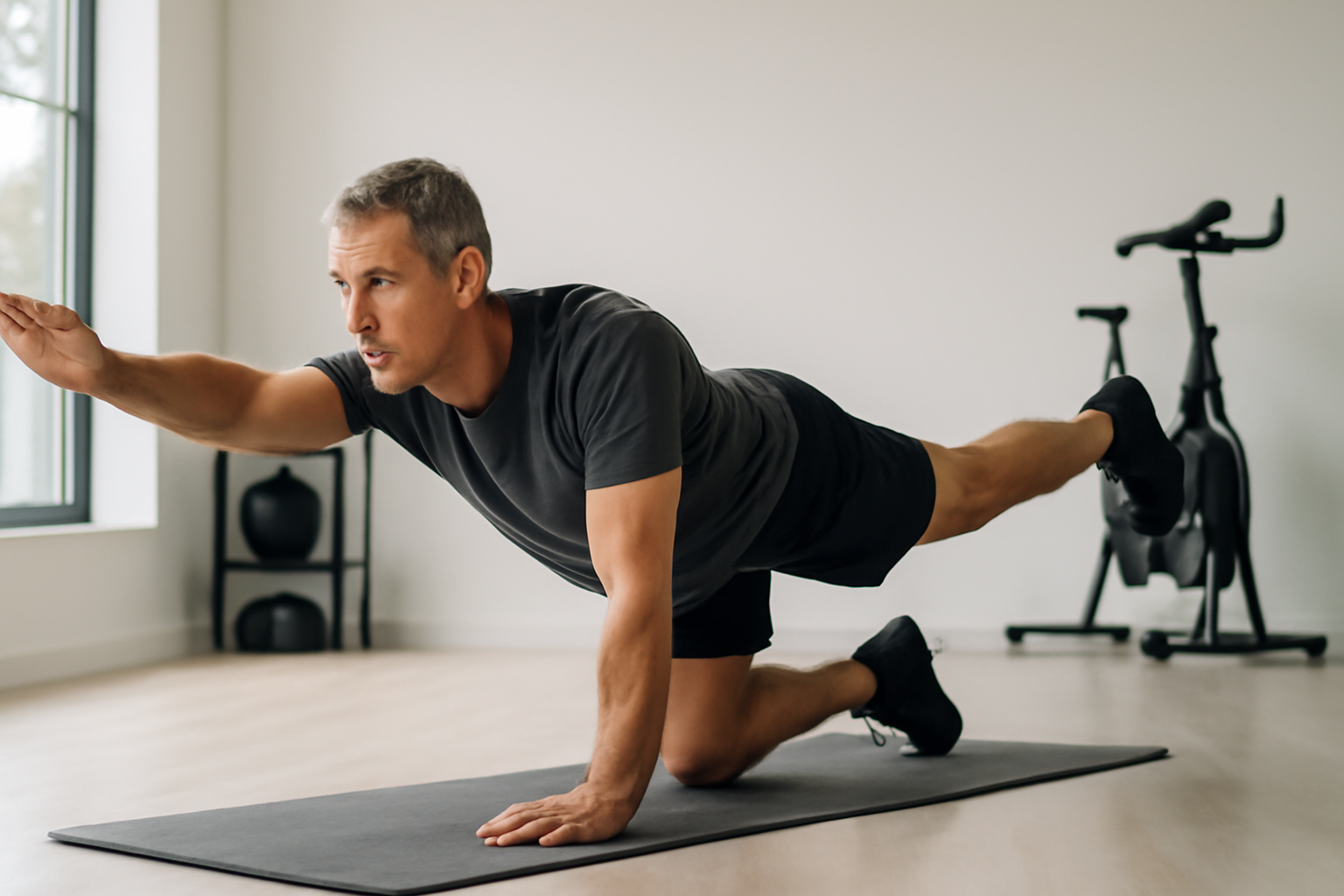
  • Swimming for Fitness After 50: Benefits and How to Start

    Swimming for Fitness After 50: Benefits and How to Start

    Swimming may be the most complete low-impact exercise available — and for adults over 50, it could be exactly what your body needs.

    Linda, 63, had spent years dealing with knee pain that made walking on the treadmill feel like punishment. Her orthopedist suggested she try pool-based exercise, and within six weeks, she had lost eight pounds, her joint pain had eased significantly, and she was sleeping better than she had in years. “I wish I had started sooner,” she said. “It doesn’t even feel like working out.”

    Linda’s experience is far from unique. According to the CDC, only about 28% of Americans aged 50 and older meet the recommended guidelines for aerobic physical activity — and joint pain, injury history, and fear of overexertion are among the top reasons adults in this age group avoid exercise altogether.

    Swimming for fitness offers a powerful alternative. It delivers cardiovascular conditioning, full-body muscle engagement, improved flexibility, and mental health benefits — all while placing minimal stress on aging joints. In this guide, you’ll learn exactly why swimming works so well for adults over 50, what the clinical evidence says, and how to build a safe, effective routine even if you haven’t swum laps since high school.

    What Makes Swimming Different From Other Exercise?

    Swimming is a full-body, buoyancy-supported aerobic exercise that simultaneously trains your cardiovascular system, strengthens major muscle groups, and improves flexibility — all in a single session. Unlike running or even brisk walking, water reduces the effective weight load on your body by up to 90%, according to research published by the American Physical Therapy Association.

    This buoyancy effect means your knees, hips, lower back, and ankles are largely protected from the compressive forces that often make land-based exercise painful or risky for older adults. At the same time, water provides natural resistance in every direction you move — making every stroke, kick, and turn a strength-building event.

    The CDC identifies swimming as one of the healthiest forms of aerobic exercise for adults and notes it is especially beneficial for those with arthritis, osteoporosis, obesity, or recovering from musculoskeletal injuries.

    Beyond the physical, the rhythmic breathing patterns and sensory immersion of swimming have been associated with reduced cortisol levels and improved mood — benefits backed by multiple studies in sports medicine journals.

    Key Health Benefits of Swimming After 50

    Clinical evidence consistently supports swimming as a multi-system health intervention for older adults. Here is what the research suggests across major health domains:

    Cardiovascular Health

    A landmark study from the University of South Carolina, tracking more than 40,000 men over 32 years, found that swimmers had a 50% lower all-cause mortality rate compared to sedentary individuals — and fared better than runners and walkers in cardiovascular outcomes. The American Heart Association recommends at least 150 minutes per week of moderate-intensity aerobic activity, and swimming can serve as an excellent vehicle for reaching that goal.

    Muscle Strength and Tone

    Swimming engages the core, shoulders, back, glutes, hamstrings, and calves simultaneously. Research suggests regular swimming can slow the age-related loss of muscle mass known as sarcopenia, which affects an estimated 30% of adults over 60, according to the NIH. Strokes like freestyle, backstroke, and breaststroke each activate different muscle groups, allowing for balanced, full-body conditioning.

    Joint Health and Arthritis Relief

    The Arthritis Foundation reports that warm-water aquatic exercise is one of the most effective interventions for reducing joint pain and stiffness in people with osteoarthritis and rheumatoid arthritis. The gentle resistance of water supports joint mobility without the impact that can aggravate inflamed or damaged cartilage.

    Bone Health

    While swimming is not a weight-bearing exercise and therefore does not build bone density as directly as walking or resistance training, it does support muscle mass maintenance, which in turn plays a protective role in fall prevention. For adults already managing osteoporosis, this low-impact option is often safer and more sustainable than higher-intensity alternatives. Combining swimming with some weight-bearing activity — even light walking — is generally what most physicians recommend for comprehensive bone health.

    Mental Health and Cognitive Function

    Research published in the International Journal of Aquatic Research and Education suggests that regular swimming is associated with significant reductions in anxiety and depression symptoms among middle-aged and older adults. The meditative quality of repetitive stroke patterns, combined with the sensory experience of water, appears to activate the parasympathetic nervous system — your body’s “rest and restore” mode.

    Weight Management

    Depending on stroke type and intensity, a 30-minute swimming session can burn between 200 and 350 calories for an average adult. Over time, consistent swimming combined with a balanced diet supports healthy body composition — particularly important given that obesity affects more than 42% of U.S. adults, per CDC data.

    Risk Factors and Who Should Check With a Doctor First

    Swimming is widely considered safe for most adults over 50, but individual variation is important to acknowledge. Not everyone can or should enter a pool program without professional guidance.

    You should consult your physician before starting a swimming routine if you:

    • Have an active cardiovascular condition such as unstable angina, recent heart attack, or uncontrolled arrhythmia
    • Have open wounds, skin infections, or recent surgical incisions
    • Experience uncontrolled dizziness, balance disorders, or seizures
    • Have had a recent stroke or are in early cardiac rehabilitation
    • Have severe respiratory conditions such as uncontrolled asthma or advanced COPD
    • Are currently managing an acute musculoskeletal injury without physical therapy clearance

    For adults with well-managed chronic conditions — including hypertension, type 2 diabetes, or stable arthritis — swimming is frequently recommended by cardiologists, endocrinologists, and rheumatologists alike. Always loop in your healthcare provider before making significant changes to your exercise routine.

    How to Start Swimming for Fitness: A Step-by-Step Guide

    If it has been years since you swam regularly, starting slowly and strategically is key. Clinical evidence suggests that gradual progression is the most effective way to build endurance without increasing injury risk or causing burnout.

    Step 1: Choose the Right Facility

    Look for a pool that maintains water temperatures between 83°F and 88°F — the range recommended by the Arthritis Foundation for adults with joint conditions. Many YMCAs, community recreation centers, and senior fitness facilities offer lane swimming, water aerobics classes, and aquatic physical therapy in this range. Warm-water pools are especially helpful for adults dealing with muscle stiffness in the morning.

    Step 2: Start With Water Walking and Aqua Jogging

    If you are returning to the pool after a long break or learning lap swimming for the first time, begin in shallow water. Walking back and forth across the width of the pool, or performing gentle leg lifts and arm movements while holding the wall, builds aquatic confidence and light cardiovascular conditioning without technical demands. Many adults over 50 find that this phase alone — done three days a week for two to four weeks — produces measurable improvements in fitness and joint comfort.

    Step 3: Build Lap Swimming Gradually

    Once you feel comfortable in the water, begin lap swimming with short intervals. A reasonable beginner schedule might look like this:

    • Weeks 1-2: Swim 1-2 laps (25-50 meters), rest 60 seconds, repeat 4-6 times per session, 2-3 days per week
    • Weeks 3-4: Gradually increase to 3-4 laps per set, reduce rest to 45 seconds
    • Weeks 5-8: Work toward continuous swimming for 10-15 minutes, building to 20-30 minutes as endurance improves

    Most sports medicine physicians suggest following the “10% rule” — never increase your weekly swimming volume by more than 10% from one week to the next, to reduce overuse injury risk.

    Step 4: Learn or Refine Your Strokes

    Proper technique makes swimming both more effective and safer. For beginners, freestyle (front crawl) and backstroke are generally the most accessible and joint-friendly strokes. Breaststroke can place stress on the knee ligaments and inner ankle if performed incorrectly, so technique matters. Many pools offer adult swim lessons, and even experienced swimmers benefit from occasional coaching to correct form issues that can lead to shoulder impingement or neck strain over time.

    Step 5: Consider Water Aerobics Classes

    Group aquatic exercise classes — often called water aerobics or aqua fitness — provide structured cardiovascular and resistance training in a social, low-pressure environment. Research published in the Journal of Aging and Physical Activity found that older adults who participated in group water aerobics three times per week for 12 weeks showed significant improvements in balance, functional mobility, and self-reported quality of life. Many adults find the group dynamic more motivating than solo lap swimming, which is equally valid.

    For a complementary approach on land, consider pairing your swimming routine with gentle flexibility and mobility work. Our guide on Flexibility & Mobility Training for Adults 40+ offers practical stretching routines that pair well with aquatic exercise.

    Sample Weekly Swimming Schedule for Adults Over 50

    This schedule is designed for beginners to intermediate swimmers. Adjust based on your current fitness level and any guidance from your healthcare provider.

    • Monday: 20-minute swim session (freestyle and backstroke intervals) + 5-minute cool-down float
    • Wednesday: Water aerobics class (45-60 minutes) OR 25-minute moderate lap swim
    • Friday: 25-30 minute swim with mixed strokes + optional water walking cooldown
    • Saturday (optional): Gentle aqua stretching or beginner water yoga class

    Rest days are as important as active days. Swimming engages the same muscles repeatedly, and recovery time allows adaptation and growth. If you experience shoulder soreness or fatigue, reduce intensity and consider consulting a physical therapist about stroke mechanics.

    If you’re also looking for non-pool options on your off days, our article on Low-Impact Exercise After 50: Best Workouts for Joints covers excellent land-based alternatives that complement a swimming routine.

    When to Call Your Doctor or Seek Emergency Care

    Swimming is low-risk for most adults, but knowing when to stop and seek medical attention is essential.

    Stop swimming immediately and seek emergency care if you experience:

    • Chest pain, tightness, or pressure during or after swimming
    • Sudden shortness of breath beyond normal exercise exertion
    • Dizziness, fainting, or loss of balance in or near the water
    • Sudden, severe joint pain rather than gradual muscle fatigue
    • Heart palpitations that feel irregular or prolonged

    Schedule a non-emergency appointment with your doctor if you notice:

    • Persistent shoulder pain lasting more than a week despite rest
    • Ear pain, discharge, or hearing changes after pool swimming (may indicate swimmer’s ear, or otitis externa)
    • Skin rashes or irritation that does not resolve after showering
    • Chronic fatigue that does not improve after rest days
    • Worsening joint pain rather than gradual improvement

    The Cleveland Clinic advises all adults over 50 who begin a new exercise program to undergo a baseline physical examination, particularly if they have been sedentary for an extended period. This helps identify contraindications and allows your physician to tailor recommendations to your specific health history.

    Frequently Asked Questions

    How often should adults over 50 swim for health benefits?
    Most clinical guidelines, including those from the American Heart Association and the CDC, recommend at least 150 minutes of moderate-intensity aerobic activity per week. For swimming, this can be broken into five 30-minute sessions or three 50-minute sessions. Even two to three sessions per week of 20-30 minutes each have been shown to produce meaningful improvements in cardiovascular health and joint function over time.

    Is swimming good for people with arthritis?
    Yes — the Arthritis Foundation has long endorsed aquatic exercise as one of the most effective and comfortable forms of physical activity for people with osteoarthritis and rheumatoid arthritis. The buoyancy of water reduces joint loading, warm water can ease stiffness, and the gentle resistance supports muscle strength without aggravating inflammation. This varies from person to person, so consulting your rheumatologist before starting is advisable.

    Can swimming help with back pain?
    Research suggests that aquatic exercise, including swimming, can reduce chronic lower back pain and improve functional mobility in adults. Swimming strengthens the deep core muscles that support spinal alignment without the compressive loads that worsen many back conditions. However, some strokes — particularly breaststroke with an exaggerated head lift — can place strain on the cervical spine, so technique matters. See also our guide on Core Training After 40 for Back Pain Relief for complementary strengthening strategies.

    Do I need to know how to swim laps to benefit from pool exercise?
    Absolutely not. Water walking, aqua jogging, and water aerobics classes all deliver significant cardiovascular and muscular benefits without requiring lap swimming proficiency. Many adults over 50 achieve their fitness goals entirely through non-lap aquatic activities. The key is sustained movement in the water at a moderate intensity.

    Does swimming help with weight loss after 50?
    Swimming burns meaningful calories — estimates range from 200 to over 400 calories per 30-minute session depending on intensity and stroke — and supports the preservation of lean muscle mass, which naturally declines with age. Clinical evidence indicates that regular swimming combined with a nutritionally sound diet can contribute to gradual, sustainable weight management. It is not typically as effective as high-intensity land exercise for rapid weight loss, but it is far more sustainable for adults with joint limitations or chronic conditions.

    Conclusion

    Swimming for fitness after 50 is not just a gentle fallback — it is one of the most scientifically supported, clinically recommended, and body-friendly forms of exercise available to older adults. Whether your goal is to protect your heart, ease joint pain, manage your weight, build strength, or simply feel more energized and at ease, the pool offers a uniquely effective environment to get there.

    Start where you are. Even two sessions per week in the water can produce measurable changes in how you feel, move, and function within weeks. Talk to your doctor about your specific health history, find a pool that fits your schedule and budget, and give yourself permission to progress gradually.

    The water is waiting — and it may be one of the best investments you can make in your long-term health.


    Medical Disclaimer: This article is for informational and educational purposes only. It does not constitute medical advice, diagnosis, or treatment. Always consult your physician or a qualified healthcare provider before making changes to your health routine or treatment plan.

    Medically reviewed by our editorial health team. Content follows evidence-based standards aligned with CDC and NIH guidelines.
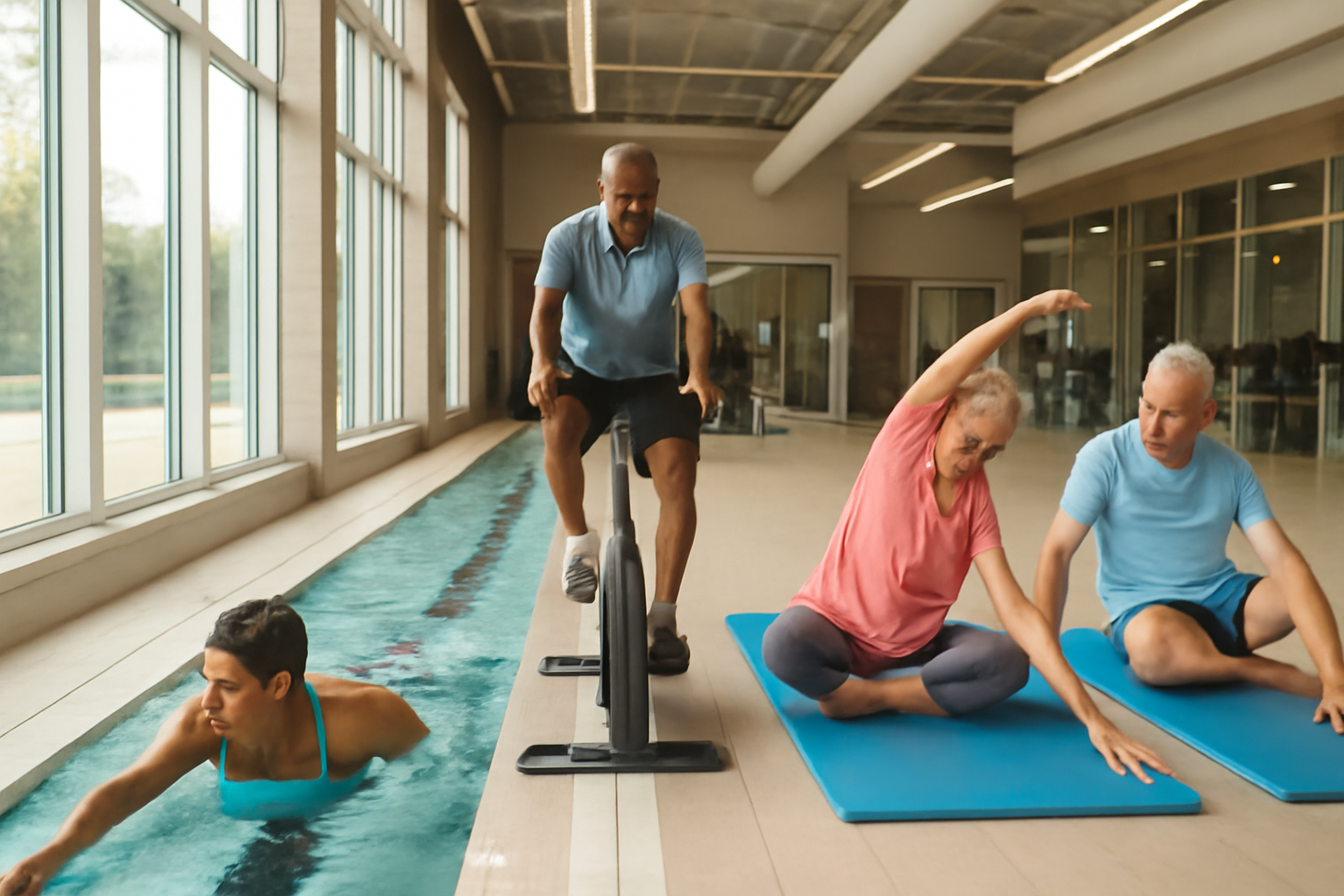
  • Core Training After 40: Stability, Back Pain Relief & Better Movement

    Core Training After 40: Stability, Back Pain Relief & Better Movement

    A strong core isn’t about six-pack abs — it’s the foundation that keeps your spine safe, your posture upright, and your daily life pain-free.

    Mark, 52, had lived with low-grade lower back pain for years. He’d tried stretching, switching office chairs, and even a new mattress. Nothing seemed to stick. It wasn’t until his physical therapist prescribed a structured core training program that the pain finally began to ease — and he started moving with a confidence he hadn’t felt in a decade.

    His story is far from unusual. According to the NIH, approximately 80% of Americans will experience back pain at some point in their lives, and it remains one of the leading causes of disability in adults aged 40 and older. What most people don’t realize is that the root cause is often not the spine itself — it’s the muscles surrounding it.

    In this guide, you’ll learn exactly what core training means for adults over 40, why it’s different from what you did in your 20s, which exercises are most effective and safest, and how to build a routine that reduces back pain, improves posture, and helps you move better in everyday life.

    What Is Core Training — And Why Does It Change After 40?

    When most people hear "core," they picture crunches and a flat stomach. But your core is actually a complex group of muscles that wraps around your entire midsection — front, sides, and back. It includes the rectus abdominis (the front ab muscles), the transverse abdominis (deep stabilizing muscle), the obliques (side muscles), the multifidus (deep spinal muscles), the pelvic floor, and the diaphragm.

    Together, these muscles form what clinicians call your "natural corset" — a cylinder of support that stabilizes your spine during every movement you make, from picking up groceries to reaching overhead.

    After 40, several physiological changes make core training both more challenging and more essential. Sarcopenia — the age-related loss of muscle mass — begins as early as your 30s and accelerates with each decade. Research published in the Journal of Cachexia, Sarcopenia and Muscle estimates that adults lose between 3% and 8% of muscle mass per decade after age 30, with that rate increasing after 60.

    Core muscles are not exempt from this decline. As deep stabilizers weaken, the spine becomes less supported, postural alignment shifts, and movements that were once effortless — bending, rotating, lifting — become sources of pain or injury risk. Core training after 40 isn’t about aesthetics. It’s about preserving function.

    Signs Your Core May Be Weak

    You don’t need a fitness test to recognize the early warning signs of core weakness. Many of them show up in everyday life:

    • Persistent lower back pain, especially after sitting or standing for extended periods
    • Poor posture — rounding of the shoulders, forward head position, or an exaggerated lower back curve
    • Balance problems or difficulty standing on one leg without wobbling
    • Pain or discomfort when transitioning from sitting to standing
    • Difficulty performing overhead activities like reaching into high cabinets
    • Fatigue in the lower back after short walks or light activity
    • Abdominal "coning" or doming during exertion, which may indicate core dysfunction

    A 2021 meta-analysis in the Journal of Physical Therapy Science found a significant association between core muscle weakness and chronic low back pain in adults, particularly in those who lead sedentary lifestyles — a growing concern for the desk-bound workforce aged 40 to 65.

    If you’re experiencing severe or radiating back pain, numbness in your legs, or loss of bladder control, these are red flags requiring immediate medical evaluation — not a core workout. We’ll address those warning signs in more detail below.

    Why Core Training Is Different After 40

    Core training in your 40s, 50s, and 60s must be approached with a different mindset than what popular fitness culture promotes. High-impact movements, aggressive spinal flexion (like traditional sit-ups), and breath-holding under load can all increase injury risk in this age group.

    The goal shifts from performance to stability and function. Here’s what clinical evidence tells us matters most:

    1. Deep muscle activation over superficial crunching. The transverse abdominis — your deepest abdominal muscle — is the primary spinal stabilizer. Most traditional ab exercises don’t effectively target it. Exercises like the dead bug, bird-dog, and plank progressions activate this muscle more efficiently, according to research from the American Council on Exercise.

    2. Anti-movement before movement. Clinical rehabilitation specialists often emphasize "anti-movement" core training — teaching your core to resist unwanted motion rather than create it. Exercises like the Pallof press, side planks, and suitcase carries train this stability pattern and have strong evidence for reducing lower back pain.

    3. Breathing mechanics matter. Intra-abdominal pressure — the internal support system of your spine — depends on coordinated breathing. Learning to exhale on exertion and avoid breath-holding is critical for protecting spinal discs during exercise, especially after 40 when disc hydration naturally decreases.

    If you’re also working on overall movement quality, our guide on Flexibility & Mobility Training for Adults 40+ covers complementary strategies that pair well with core work.

    The Most Effective Core Exercises for Adults Over 40

    The following exercises are widely recommended by physical therapists and certified strength and conditioning specialists for adults in this age group. Always begin with the foundational movements before progressing to more challenging variations.

    Foundation Level (Weeks 1–4)

    Diaphragmatic Breathing. Lie on your back with knees bent. Inhale through your nose, letting your belly rise (not your chest). Exhale slowly through pursed lips. This resets your breathing pattern and activates the deep core. Practice 5–10 breaths daily.

    Dead Bug. Lie on your back, arms reaching toward the ceiling, knees bent at 90 degrees (tabletop position). Slowly lower your right arm and left leg toward the floor while keeping your lower back pressed flat. Return and alternate. This activates the transverse abdominis without stressing the lumbar spine.

    Bird-Dog. Start on hands and knees, spine neutral. Extend your right arm and left leg simultaneously, hold for 3–5 seconds, and return. This trains spinal extension stability and is consistently cited in physical therapy literature as a foundational low-back rehabilitation exercise.

    Glute Bridge. Lie on your back with knees bent and feet flat. Press through your heels to lift your hips, squeezing your glutes at the top. The glutes are a critical component of posterior core stability — neglecting them is one of the most common gaps in core training programs.

    Intermediate Level (Weeks 5–10)

    Forearm Plank. Hold a forearm plank with your body in a straight line from head to heels. Focus on keeping your hips level and your lower back from sagging. Research from McGill University — led by Dr. Stuart McGill, one of the world’s leading spine biomechanics researchers — supports the plank as a superior spinal-neutral core exercise compared to sit-ups or crunches.

    Side Plank. Lie on your side and prop yourself up on your forearm, forming a diagonal line. This trains the lateral core and quadratus lumborum — a muscle frequently implicated in lower back pain. Start with 15–20 second holds and progress gradually.

    Pallof Press. Using a resistance band anchored at chest height, hold the band at your sternum and press it straight out in front of you, resisting the rotational pull. This anti-rotation exercise is highly effective for building functional core stability.

    Suitcase Carry. Hold a moderate weight (dumbbell or kettlebell) in one hand and walk in a straight line for 20–30 steps, keeping your torso completely upright. Switch sides. This functional movement trains anti-lateral flexion and mirrors real-life demands like carrying bags.

    Advanced Level (After 10 Weeks of Consistent Training)

    Single-Leg Deadlift (bodyweight or light load). Hinging at the hip on one leg trains posterior chain strength and hip-to-core coordination — a key injury prevention pattern for adults over 40.

    Cable or Band Chop/Lift. Diagonal pulling patterns that train rotational core strength in a controlled, safe range. These movements closely replicate how the core must work during daily life activities like getting in and out of cars or carrying children or grandchildren.

    For additional movement options that complement your core program, our guide on Low-Impact Exercise After 50: Best Workouts for Joints offers practical alternatives for those managing joint sensitivity.

    How to Build a Core Training Routine That Sticks

    Consistency matters far more than intensity. Clinical evidence consistently shows that even two to three focused core training sessions per week produce measurable improvements in spinal stability, pain reduction, and functional movement — particularly in adults over 40.

    Here’s a realistic framework:

    • Frequency: 2–3 days per week, with at least one rest day between sessions
    • Duration: 15–25 minutes of focused core work is sufficient; it doesn’t require a full gym session
    • Progression: Add difficulty every 2–3 weeks by increasing hold times, reps, or resistance — not by adding pain
    • Warm-up: Always begin with 5 minutes of light movement and diaphragmatic breathing before core exercises
    • Rest: Core muscles need recovery just like any other muscle group. Avoid daily intense core sessions

    A 2022 systematic review in the British Journal of Sports Medicine found that structured core stabilization programs performed 2–3 times per week for 8 or more weeks significantly reduced chronic low back pain and improved functional disability scores in adults aged 40 to 65.

    Pairing core training with regular walking is one of the most underrated combinations for spinal health. Learn how to structure your walking routine in our guide: Walking for Fitness After 50: Benefits and How to Start.

    Core Training and Back Pain: What the Evidence Actually Says

    It’s worth being precise here: core training is not a guaranteed cure for all types of back pain. Back pain has many causes — disc herniation, spinal stenosis, arthritis, nerve compression, and others — and some require specific medical treatment. What research does consistently support is that core stabilization training is among the most effective conservative (non-surgical) interventions for non-specific chronic low back pain, which accounts for approximately 85% of all back pain cases, according to the American Family Physician.

    The American College of Physicians currently recommends exercise therapy — including core stabilization — as a first-line treatment for chronic low back pain before considering medication in most cases. This represents a significant shift in clinical thinking and underscores how central movement is to spinal health management.

    That said, always work with your physician or a licensed physical therapist to identify the specific source of your back pain before starting any exercise program. This varies from person to person, and what helps one individual may be contraindicated for another with a different underlying cause.

    When to See Your Doctor: Red Flags You Shouldn’t Ignore

    Core training is appropriate for most adults over 40, but certain symptoms should prompt you to seek medical evaluation before beginning or continuing exercise:

    • Back pain that radiates down one or both legs (sciatica or possible nerve compression)
    • Numbness, tingling, or weakness in the legs or feet
    • Loss of bladder or bowel control — this is a medical emergency requiring immediate care
    • Back pain following a fall or injury
    • Pain that is severe, constant, or worsening despite rest
    • Night pain that wakes you from sleep without a positional cause
    • Unexplained weight loss accompanying back pain

    At your next routine appointment, consider telling your doctor: "I’ve been experiencing lower back pain and want to start a core strengthening program. Are there any restrictions I should be aware of given my medical history?" This gives your provider the opportunity to guide you safely.

    Frequently Asked Questions

    Is it safe to do core exercises every day after 40?

    Most clinical guidelines recommend 2–3 days per week for structured core training, allowing adequate muscle recovery between sessions. Light activities like diaphragmatic breathing and walking can be done daily. Overtraining without recovery can actually increase injury risk, particularly in connective tissue that becomes less elastic with age.

    Are sit-ups and crunches bad for adults over 40?

    Research from spinal biomechanics experts, including Dr. Stuart McGill at the University of Waterloo, suggests that repeated spinal flexion under load — as occurs with traditional sit-ups — can increase compressive force on lumbar discs. For most adults over 40, particularly those with any history of back issues, spine-neutral exercises like planks and dead bugs are safer and more functionally effective alternatives.

    How long before I notice results from core training?

    Research suggests that most people notice meaningful improvements in pain levels and movement quality within 6–8 weeks of consistent core training. Structural changes in muscle strength and coordination may take 10–12 weeks. This varies from person to person depending on starting fitness level, consistency, and any underlying conditions.

    Can core training help with posture?

    Clinical evidence strongly supports the relationship between core strength and posture. A stronger transverse abdominis and multifidus provide the support needed to maintain a neutral spine alignment during prolonged sitting and standing — both of which are major contributors to postural breakdown in adults who work desk jobs.

    Do I need equipment or a gym to train my core after 40?

    No. The most evidence-supported core exercises for adults over 40 — dead bugs, bird-dogs, glute bridges, and planks — require no equipment whatsoever. A resistance band (under $15) expands your options significantly. A gym is optional; consistency is not.

    Conclusion

    Core training after 40 isn’t about looking a certain way — it’s about moving with confidence, reducing pain, and protecting your body for the decades ahead. The science is clear: a structured, intelligent core program can meaningfully reduce low back pain, improve posture, and support the kind of functional independence that makes daily life richer.

    You don’t need complicated equipment or hours at the gym. You need consistency, sound technique, and a program built for how your body actually works at this stage of life. Start where you are, progress gradually, and partner with your healthcare provider to ensure your approach is tailored to your specific needs.

    Stronger from the inside out — that’s what core training over 40 can do for you.


    Medical Disclaimer: This article is for informational and educational purposes only. It does not constitute medical advice, diagnosis, or treatment. Always consult your physician or a qualified healthcare provider before making changes to your health routine or treatment plan.

    Medically reviewed by our editorial health team. Content follows evidence-based standards aligned with CDC and NIH guidelines.
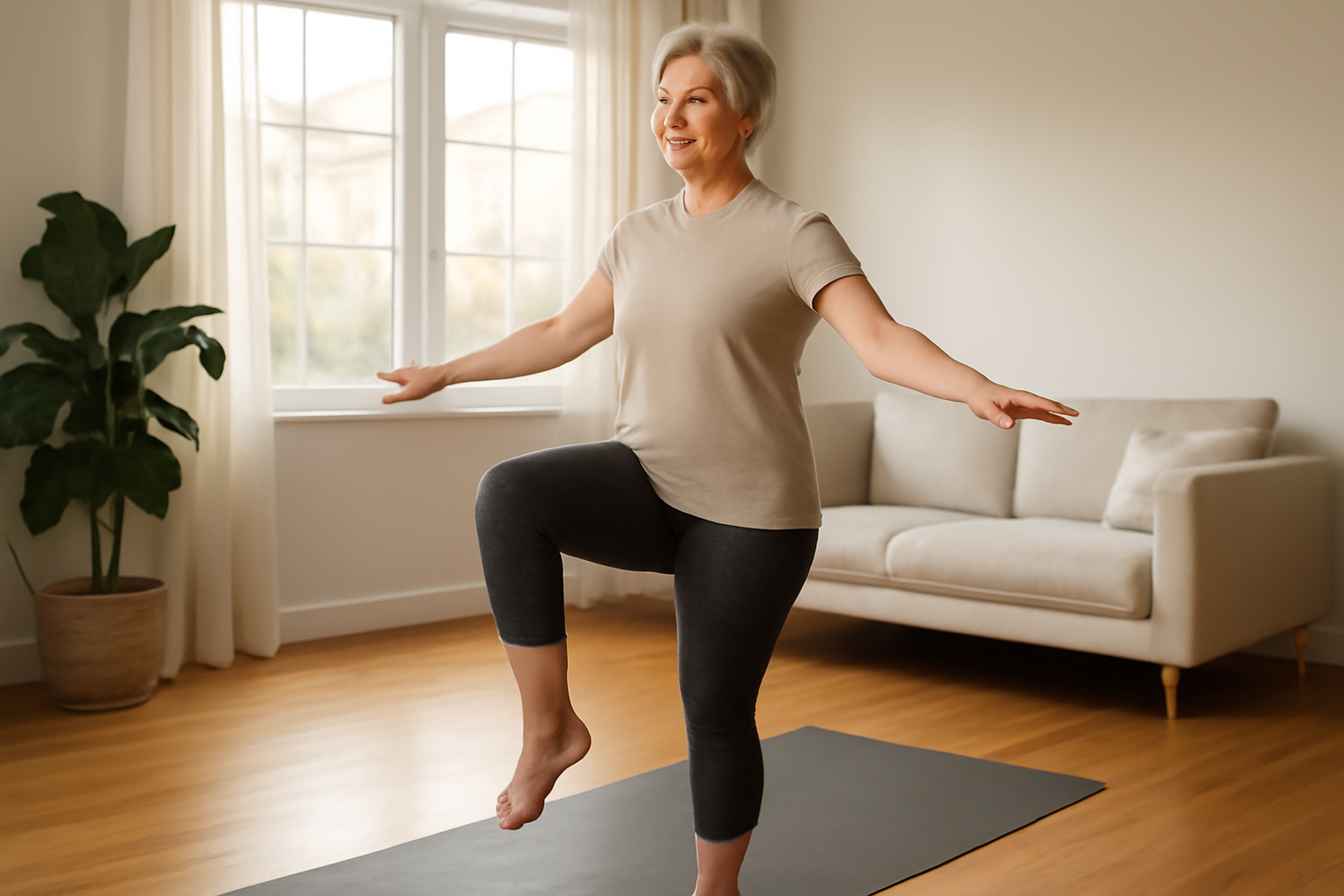
  • Low-Impact Exercise After 50: Best Workouts for Joints

    Low-Impact Exercise After 50: Best Workouts for Joints

    Your joints don’t have to pay the price for staying active — here’s how to exercise smarter, not harder, after 50.

    Introduction

    Margaret, 63, had always been active — weekend hikes, occasional jogs, a yoga class here and there. But after her orthopedist flagged early-stage osteoarthritis in her knees, she assumed her active days were behind her. “I thought exercise would just make things worse,” she told her primary care doctor.

    Her doctor’s response surprised her: stopping exercise was actually the bigger risk.

    According to the Centers for Disease Control and Prevention (CDC), nearly 54 million Americans have been diagnosed with arthritis, and physical inactivity among older adults increases risks for heart disease, type 2 diabetes, cognitive decline, and early mortality. Yet many adults over 50 scale back or abandon low-impact exercise precisely when they need it most — often out of fear of injury or pain.

    This guide will walk you through the safest, most effective low-impact workouts available for adults over 50, explain how to tailor them to your condition, and give you the clinical evidence behind each recommendation. Whether you’re managing joint pain, recovering from an injury, or simply looking for sustainable fitness habits, this is your starting point.

    What Is Low-Impact Exercise — and Why Does It Matter After 50?

    Low-impact exercise refers to any physical activity in which at least one foot remains in contact with the ground at all times — or in which your body weight is partially supported (as in swimming or cycling). This design significantly reduces the force placed on your joints, particularly the knees, hips, and lower back.

    High-impact activities like running or jump training can generate forces two to three times your body weight with each stride. Low-impact alternatives keep that load dramatically lower, making them appropriate for people dealing with arthritis, osteoporosis, previous joint replacements, or general age-related joint wear.

    But “low-impact” does not mean “low-benefit.” Research published in the Journal of Aging and Physical Activity consistently shows that low-impact exercise programs can match or exceed high-impact programs in improving cardiovascular fitness, muscle strength, balance, and emotional wellbeing — particularly in adults aged 50 and older.

    The American Heart Association (AHA) recommends that adults get at least 150 minutes of moderate-intensity aerobic activity per week, and low-impact workouts count fully toward that goal.

    Signs You Should Prioritize Low-Impact Over High-Impact Exercise

    Not everyone over 50 needs to avoid high-impact movement — but certain signs and conditions make low-impact the clinically smarter choice. Talk to your doctor if you recognize any of the following:

    Early signs that low-impact is the right fit:

    • Joint stiffness lasting more than 30 minutes in the morning
    • Knee, hip, or back pain that worsens with walking on hard surfaces
    • A recent diagnosis of osteoarthritis, osteoporosis, or bursitis
    • Recovery from a joint replacement surgery (hip or knee)
    • Breathlessness or elevated heart rate during moderate exertion
    • A history of stress fractures or bone density loss
    • Balance instability or a fear of falling

    Signs you may need medical clearance before any new exercise:

    • Chest pain or pressure during or after physical activity
    • Dizziness, lightheadedness, or fainting episodes
    • Swelling in the legs that doesn’t resolve with rest
    • Severe joint pain at rest or at night
    • Unexplained rapid weight change of more than 5 lbs in a week

    A 2024 NIH-supported review found that adults over 60 who experienced exercise-related musculoskeletal pain were significantly more likely to abandon fitness routines entirely — making injury prevention a critical public health concern, not just a personal one.

    The Best Low-Impact Exercises for Adults Over 50

    Clinical research and major health organizations have identified several exercise modalities that offer excellent cardiovascular, muscular, and neurological benefits while keeping joint stress low. Here’s what the evidence supports:

    1. Swimming and Water Aerobics

    Water supports up to 90% of your body weight, making aquatic exercise the most joint-friendly option available. The Arthritis Foundation recommends water-based exercise as a first-line activity for adults with moderate to severe joint disease.

    A clinical trial published in the Archives of Physical Medicine and Rehabilitation found that adults over 55 who participated in 12 weeks of water aerobics showed significant improvements in pain scores, walking speed, and lower-limb muscle strength compared to a sedentary control group.

    Swimming laps, water walking, and instructor-led aqua fitness classes are all effective options. Even 30 minutes three times a week can produce measurable results.

    2. Walking

    Walking remains the most widely recommended low-impact exercise in the US — and for good reason. It requires no equipment, no gym membership, and no learning curve. Research from Harvard Health suggests that walking at a brisk pace (approximately 3–3.5 mph) can reduce the risk of heart disease, type 2 diabetes, and stroke, even when started in the sixth or seventh decade of life.

    For adults new to structured fitness, starting with 10–15 minute flat-surface walks and gradually increasing duration is a clinically supported approach. Wearing supportive, cushioned footwear and choosing softer surfaces (grass, tracks, or rubberized paths) further reduces joint load.

    If you’re looking to build a consistent walking routine, our guide on Walking for Fitness After 50 provides a structured four-week plan.

    3. Cycling (Stationary or Outdoor)

    Cycling eliminates the ground-impact force entirely while delivering substantial cardiovascular and muscular benefits. The smooth, circular pedaling motion is particularly beneficial for adults with knee osteoarthritis, as it lubricates the joint without compressing it.

    The Mayo Clinic notes that stationary biking is often prescribed during cardiac rehabilitation and orthopedic recovery because it allows precise control over resistance and duration. Outdoor cycling adds the benefit of varied terrain and mental engagement, though road conditions and fall risk should be factored in for older adults with balance concerns.

    4. Yoga and Chair Yoga

    Yoga combines flexibility, balance, strength, and breathing — making it one of the most comprehensive low-impact options available. A meta-analysis of 17 randomized controlled trials published in the Journal of Geriatric Physical Therapy found that yoga interventions in adults over 55 produced significant improvements in flexibility, balance, and self-reported quality of life.

    Chair yoga — a modified version performed seated or with a chair for support — is ideal for adults with significant mobility limitations, severe arthritis, or post-surgical recovery. Many community centers and senior centers across the US now offer chair yoga classes specifically designed for this population.

    5. Tai Chi

    Tai chi is a slow, deliberate movement practice rooted in traditional Chinese martial arts, now extensively studied for its health benefits in older adults. Multiple NIH-funded studies have confirmed that regular tai chi practice improves balance, reduces fall risk, and decreases chronic pain — particularly in adults with fibromyalgia and osteoarthritis.

    A landmark study from Tufts Medical Center found that adults over 60 who practiced tai chi twice weekly for 12 weeks reduced their risk of falling by up to 45% compared to a control group. For those interested in fall prevention as a fitness goal, our article on Balance Training After 50 covers additional evidence-based strategies.

    6. Elliptical Training

    The elliptical machine replicates the walking or running motion while the feet remain in continuous contact with the pedals — virtually eliminating impact. Research from Cleveland Clinic shows that elliptical training produces cardiovascular effort comparable to jogging while exerting significantly less force on the knees and hips.

    This makes the elliptical an excellent option for adults who enjoy or previously engaged in running but now need a lower-impact alternative. Most elliptical machines allow you to adjust stride length and resistance, enabling progression as fitness improves.

    7. Resistance Band and Light Strength Training

    Low-impact does not have to mean cardio-only. Resistance band training and light weight exercises — performed with controlled, slow movement — provide critical muscle-strengthening benefits without joint-stressing momentum.

    The American College of Sports Medicine (ACSM) recommends that adults over 50 engage in muscle-strengthening activities at least two days per week. Maintaining muscle mass after 50 is directly linked to metabolic health, bone density, and independence. Our detailed breakdown of Strength Training After 50 offers guidance on integrating safe resistance work alongside low-impact cardio.

    How to Build a Low-Impact Weekly Routine

    Consistency beats intensity at every age — but it’s especially true after 50. Clinical evidence suggests that spreading activity across 4–5 days per week is more effective than cramming exercise into two long sessions.

    Here’s a sample evidence-based weekly framework:

    • Monday: 30-minute brisk walk + 10 minutes of gentle stretching
    • Tuesday: 30-minute stationary cycling or swimming
    • Wednesday: Rest or tai chi (20–30 minutes)
    • Thursday: Resistance band strength training (20–25 minutes)
    • Friday: 30-minute elliptical or water aerobics
    • Saturday: Yoga or chair yoga (30 minutes)
    • Sunday: Active rest — a leisurely walk, gardening, or light stretching

    This structure hits the AHA’s 150-minute weekly aerobic target, includes two days of muscle-strengthening as recommended by ACSM, and incorporates balance and flexibility work — a full spectrum of fitness in manageable daily doses.

    That said, this varies from person to person. If you’re managing a chronic condition or returning after a long period of inactivity, starting with three days per week and building up over 4–6 weeks is clinically appropriate.

    Living Well and Staying Consistent: Practical Tips

    Even the best workout plan fails without sustainable habits. Here’s what clinical research and behavioral science say about staying active long-term after 50:

    • Warm up every session: Five to ten minutes of gentle movement before exercise reduces injury risk and prepares your cardiovascular system. This is especially important for adults taking blood pressure medications, which can blunt the normal heart rate response.
    • Stay hydrated: Older adults have a reduced thirst sensation and are at higher risk for exercise-induced dehydration. The National Institute on Aging (NIA) recommends drinking water before, during, and after physical activity regardless of thirst.
    • Listen to your joints: Research suggests distinguishing between muscle fatigue (normal and expected) and sharp, pinching, or swelling joint pain (a signal to stop). The “two-hour rule” — if pain persists more than two hours after exercise, you likely overdid it — is a commonly used clinical guideline.
    • Track your progress: A simple fitness journal or a smartphone app that logs steps, duration, and how you felt post-workout increases adherence by up to 40%, according to behavioral research from the National Institutes of Health.
    • Social exercise matters: Group classes, walking partners, or even virtual fitness communities have been shown to significantly improve long-term adherence in adults over 55.

    When to Call Your Doctor — and What to Watch For

    Starting or modifying an exercise routine after 50 is generally safe — and strongly recommended by virtually every major health organization. However, certain signs during or after exercise require prompt medical attention.

    Call 911 or go to the emergency room immediately if you experience:

    • Chest pain, pressure, or tightness during or after exercise
    • Sudden shortness of breath disproportionate to the effort
    • Fainting or near-fainting
    • Sudden severe headache or vision changes
    • Rapid or irregular heartbeat with dizziness

    Schedule a non-emergency appointment if you notice:

    • Persistent joint swelling or warmth after exercise that lasts more than 24 hours
    • New or worsening pain in a specific joint that doesn’t improve with rest
    • Unusual fatigue after exercise that wasn’t present before
    • Significant muscle cramping that occurs frequently

    Before beginning any new fitness program, adults with cardiovascular disease, diabetes, osteoporosis, or a history of falls should get medical clearance from their physician. Many insurance plans — including Medicare — now cover fitness assessments and exercise prescriptions as part of preventive care.

    Frequently Asked Questions

    Q: Can low-impact exercise actually help with weight loss after 50?
    A: Yes — research suggests that consistent low-impact exercise, particularly when combined with attention to diet, supports meaningful weight management in adults over 50. It may be slower than high-intensity approaches, but it’s far more sustainable. A 2023 analysis from Johns Hopkins Medicine found that older adults who engaged in regular moderate-intensity activity lost comparable amounts of body fat to those doing higher-intensity programs, with significantly lower dropout rates.

    Q: Is it safe to exercise if I have osteoporosis?
    A: Clinical evidence strongly supports low-impact exercise for adults with osteoporosis — particularly weight-bearing activities like walking, which stimulate bone remodeling. However, high-impact activities and certain yoga poses that involve deep spinal flexion may increase fracture risk. Always consult your physician or a physical therapist for a personalized exercise plan if you have a confirmed osteoporosis diagnosis.

    Q: How long before I start seeing results from low-impact workouts?
    A: Most people notice improvements in energy, mood, and sleep within 2–3 weeks of consistent exercise. Measurable cardiovascular and strength improvements typically appear within 6–8 weeks, according to guidelines from the American College of Sports Medicine. This varies from person to person based on starting fitness level, frequency, and intensity.

    Q: Can I do low-impact exercise if I’ve had a knee or hip replacement?
    A: In most cases, yes — and it’s actively encouraged post-recovery. Swimming, cycling, and walking are commonly recommended by orthopedic surgeons after joint replacement. The timeline for returning to exercise and which activities are appropriate depend on your specific procedure and recovery progress, so your surgical team’s guidance should always take precedence.

    Q: What’s the difference between low-impact and low-intensity exercise?
    A: These terms are often confused but mean different things. “Low-impact” refers to reduced mechanical force on your joints — it says nothing about how hard your heart and muscles are working. You can have a high-intensity, low-impact workout (like vigorous swimming or fast cycling). “Low-intensity” means a lower cardiovascular and muscular effort level. Both have a place in a well-rounded fitness plan for adults over 50.

    Conclusion

    The science is clear and consistent: low-impact exercise is not a compromise — it’s a strategic, evidence-based choice that supports joint health, cardiovascular fitness, mental wellbeing, and longevity after 50. Whether you’re starting fresh, returning after injury, or managing a chronic condition, there’s a form of movement that works for your body right now.

    The most important step isn’t choosing the perfect workout — it’s choosing to start, and choosing to keep going. Talk to your doctor about your specific needs, find activities you genuinely enjoy, and build a routine that fits your life. Your body is built to move, and it’s never too late to give it the movement it deserves.


    Medical Disclaimer: This article is for informational and educational purposes only. It does not constitute medical advice, diagnosis, or treatment. Always consult your physician or a qualified healthcare provider before making changes to your health routine or treatment plan.

    Medically reviewed by our editorial health team. Content follows evidence-based standards aligned with CDC and NIH guidelines.

  • Balance Training After 50: Prevent Falls & Build Stability

    Balance Training After 50: Prevent Falls & Build Stability

    Falls are the leading cause of injury-related death in adults over 65 — but targeted balance training can dramatically reduce your risk starting today.

    Consider Margaret, a 62-year-old retired teacher from Ohio who had always considered herself healthy and active. Then, during a routine walk through her kitchen, she caught her foot on the rug edge and stumbled into the counter. She wasn’t hurt — that time. But the near-miss shook her. She realized her sense of balance wasn’t what it used to be, and she didn’t know what to do about it.

    Margaret’s experience is far from unique. According to the CDC, more than one in four adults aged 65 and older fall each year, and fall-related injuries send nearly 3 million older adults to emergency departments annually. Even more concerning, falling once doubles your chances of falling again.

    The good news? Balance is a trainable skill. Research consistently shows that adults who engage in regular balance training after 50 can meaningfully reduce their fall risk, improve coordination, and move through daily life with greater confidence. In this guide, you’ll learn exactly what balance training is, why your equilibrium changes as you age, and how to build a safe, effective routine — whether you’re starting from scratch or looking to level up.

    What Is Balance Training — and Why Does It Matter After 50?

    Balance training refers to exercises specifically designed to improve your body’s ability to maintain a stable, controlled position during both still and moving activities. In clinical terms, balance — also called postural stability — is your body’s capacity to keep your center of gravity within your base of support.

    Your balance system is actually a sophisticated network involving three major inputs: your visual system (what your eyes see), your vestibular system (sensors in your inner ear that detect motion and head position), and your proprioceptive system (nerve receptors in your muscles and joints that tell your brain where your body is in space). When these three systems communicate smoothly, you walk, climb stairs, and reach overhead without thinking twice.

    After age 50, each of these systems begins to show measurable decline. A landmark study published in the Journal of Gerontology found that postural sway — how much your body involuntarily shifts while standing still — increases significantly with each decade after 50. Muscle mass loss (sarcopenia), reduced joint flexibility, and slower neural processing all contribute to this shift.

    According to the National Institute on Aging (NIA), falls are the leading cause of both fatal and nonfatal injuries among older Americans. Hip fractures alone — one of the most common fall-related injuries — result in long-term disability in up to 50% of cases. The stakes couldn’t be higher, which is exactly why balance training deserves a dedicated place in every adult’s fitness routine after 50.

    Signs That Your Balance May Be Declining

    Balance loss is gradual, and many people don’t recognize it until after a fall has already occurred. Knowing the early warning signs allows you to act proactively.

    Early warning signs:

    • Feeling unsteady when standing up from a chair
    • Reaching for walls or furniture more than you used to
    • Difficulty walking on uneven ground, grass, or gravel
    • Trouble standing on one leg for even a few seconds
    • Hesitation at the top or bottom of staircases
    • Dizziness when turning your head quickly
    • Shuffling gait or shorter steps than before

    More advanced signs that warrant medical evaluation:

    • Frequent near-falls or actual falls in the past year
    • Loss of balance when eyes are closed (even briefly)
    • Vertigo — a spinning sensation — that lasts more than a few seconds
    • Sudden, unexplained drops (drop attacks) without loss of consciousness
    • Difficulty recovering after being bumped or jostled

    A clinical tool many physicians use is the Timed Up and Go (TUG) test — you rise from a chair, walk 10 feet, turn around, walk back, and sit down. Research published in Physical Therapy suggests that adults over 65 who take longer than 12 seconds to complete this task are at significantly elevated fall risk. Your doctor can administer this test during a routine visit.

    Why Balance Declines: Causes and Risk Factors

    Understanding what drives balance loss helps you address the root causes — not just the symptoms.

    Age-related physiological changes:

    • Muscle weakness: The CDC notes that adults lose roughly 3–5% of muscle mass per decade after age 30, accelerating after 60. Weak hip, core, and ankle muscles are directly linked to instability.
    • Reduced proprioception: Nerve conduction slows with age, meaning your body’s positional sensors become less accurate and slower to respond.
    • Inner ear changes: The vestibular system deteriorates with age, contributing to a condition called presbystasis — age-related balance decline.
    • Vision decline: Reduced depth perception, contrast sensitivity, and peripheral vision compromise one of balance’s three pillars.

    Lifestyle and medical risk factors:

    • Sedentary lifestyle (the most modifiable risk factor)
    • Vitamin D deficiency — linked by NIH research to both muscle weakness and fall risk
    • Certain medications, including sedatives, blood pressure drugs, and antihistamines
    • Chronic conditions such as peripheral neuropathy, Parkinson’s disease, arthritis, and inner ear disorders
    • Foot problems including bunions, plantar fasciitis, or ill-fitting footwear
    • Home hazards such as loose rugs, poor lighting, and lack of grab bars

    Research suggests that addressing even one or two modifiable risk factors — especially physical inactivity and medication side effects — can yield meaningful reductions in fall risk. This is why a conversation with your doctor about your fall risk profile is such a valuable first step.

    Diagnosis: When to Get a Balance Assessment

    If you’ve had a fall, or if several of the warning signs above resonate with you, scheduling a balance evaluation with your primary care physician or a physical therapist is a smart move.

    During a balance assessment, your provider may evaluate:

    • Gait analysis — observing how you walk, including stride length, arm swing, and foot clearance
    • Timed Up and Go (TUG) test — described above
    • Berg Balance Scale — a 14-item assessment of your ability to perform balance-challenging tasks
    • Romberg test — standing with feet together, first with eyes open, then closed, to assess vestibular and proprioceptive function
    • Medication review — identifying drugs that may impair balance or increase dizziness
    • Vision screening — checking whether corrected or uncorrected vision issues are contributing
    • Vitamin D and B12 blood levels — both deficiencies are associated with neuromuscular dysfunction

    The American Geriatrics Society recommends that all adults over 65 be screened for fall risk at least once a year during routine clinical care. If you’re between 50 and 64, proactively raising the topic with your doctor — especially if you’re sedentary or managing a chronic condition — is equally worthwhile.

    Balance Training: Exercises, Programs, and Evidence

    The scientific case for balance training is robust. A landmark meta-analysis published in The Cochrane Database of Systematic Reviews found that exercise programs targeting balance and strength reduced fall rates by approximately 23% in community-dwelling older adults. Here’s how to put that evidence to work.

    Foundational Balance Exercises

    These exercises are appropriate for most adults over 50, including beginners. Always perform them near a wall, sturdy chair, or countertop for safety. This varies from person to person — start where you are, not where you think you should be.

    1. Single-Leg Stand
    Stand on one foot for 10–30 seconds. Switch sides. Progress by closing your eyes or standing on a folded towel. Clinical evidence indicates this simple drill directly challenges your proprioceptive and vestibular systems simultaneously.

    2. Heel-to-Toe Walk (Tandem Walk)
    Walk in a straight line placing the heel of one foot directly in front of the toes of the other, as if walking a tightrope. This narrows your base of support, forcing your stabilizing muscles to engage more actively.

    3. Sit-to-Stand (Chair Rise)
    From a seated position, stand up without using your arms, then lower back down slowly. This builds the hip and quad strength essential for functional stability. Research published in JAMA Internal Medicine linked poor sit-to-stand performance with increased mortality risk in older adults — making this one of the most clinically meaningful exercises you can do.

    4. Standing Hip Abduction
    Holding a chair for support, lift one leg out to the side, keeping your torso upright. This targets the gluteus medius — a key hip stabilizer that weakens with age and sedentary behavior.

    5. Weight Shifts
    Standing with feet hip-width apart, slowly shift your weight onto your right foot, lifting your left foot slightly, then return. Alternate sides. This trains the ankle and hip muscles that manage lateral stability during walking.

    Evidence-Based Programs to Consider

    Tai Chi — Multiple NIH-funded studies confirm that Tai Chi reduces fall risk by 20–45% in older adults. Its slow, deliberate movements specifically train the balance systems while also improving confidence and mental focus.

    Yoga — Research from Harvard Health suggests that regular yoga practice improves balance, flexibility, and lower-body strength simultaneously — a powerful combination for fall prevention.

    Physical Therapy — A licensed physical therapist can design a fully personalized balance program based on your specific deficits. For high-risk individuals or those recovering from a fall, PT is often the most evidence-supported starting point.

    For a broader fitness foundation, pairing balance work with strength training after 50 and flexibility and mobility training creates a well-rounded routine that addresses all the major contributors to fall risk. You might also explore walking for fitness after 50, which builds cardiovascular health and functional leg strength simultaneously.

    Living With Balance Challenges: Daily Habits and Prevention Strategies

    Balance training in a gym or living room is only part of the equation. How you structure your daily environment and habits matters just as much.

    Home safety modifications (CDC-recommended):

    • Remove loose rugs or secure them with non-slip backing
    • Install grab bars in the shower, tub, and beside the toilet
    • Ensure stairways have secure handrails on both sides
    • Improve lighting in hallways, stairwells, and bathrooms
    • Keep frequently used items within easy reach to avoid climbing or overreaching

    Lifestyle habits that support balance:

    • Stay physically active daily — even short bouts of movement maintain neuromuscular coordination
    • Optimize Vitamin D intake — talk to your doctor about testing and appropriate supplementation; NIH research links deficiency to both muscle weakness and fall risk
    • Wear supportive, well-fitting footwear — avoid walking in socks, flip-flops, or worn-out shoes on hard floors
    • Review medications annually — ask your doctor or pharmacist whether any of your current drugs carry dizziness or sedation as a side effect
    • Stay hydrated — even mild dehydration can cause dizziness and impair cognitive processing that supports balance
    • Get your vision checked yearly — updated prescription lenses and treatment of cataracts or glaucoma meaningfully improve balance-related visual input

    Research suggests that a multi-pronged approach — combining exercise, home modification, and medication review — is significantly more effective at preventing falls than any single intervention alone. The CDC’s STEADI (Stopping Elderly Accidents, Deaths & Injuries) program provides a structured framework many healthcare providers use with their patients.

    When to Call Your Doctor — and Emergency Red Flags

    Not all balance issues are the same, and some require immediate medical attention.

    Call your doctor promptly if you experience:

    • A new or unexplained fall, even if you weren’t injured
    • Sudden onset of dizziness or vertigo lasting more than a few minutes
    • Progressive unsteadiness that worsens week over week
    • Numbness or tingling in your feet that’s getting worse
    • Muscle weakness in your legs that feels new or different

    Seek emergency care immediately if you experience:

    • Sudden loss of balance accompanied by chest pain, shortness of breath, or arm weakness — possible cardiac or stroke event
    • Severe vertigo with vomiting, hearing loss, and ear pain — possible labyrinthitis or vestibular neuritis requiring urgent evaluation
    • A fall with head impact, loss of consciousness, or inability to bear weight
    • Sudden visual changes combined with imbalance — possible stroke or transient ischemic attack (TIA)

    When you do see your doctor, come prepared. Mention how often you feel unsteady, whether you’ve had any falls or near-falls, which medications you’re currently taking, and whether your dizziness happens when moving your head, changing position, or occurs randomly. This information dramatically helps your provider pinpoint the cause.

    Frequently Asked Questions

    How often should I do balance training?
    Most clinical guidelines, including those from the American College of Sports Medicine, recommend balance exercises at least 2–3 times per week. Even brief daily practice — 10 to 15 minutes — produces meaningful improvements when done consistently over 8 to 12 weeks. Consistency matters more than duration.

    Is it too late to start balance training if I’m over 70?
    Absolutely not. Research published in The Journals of Gerontology consistently shows that adults in their 70s and 80s demonstrate significant improvements in balance, gait speed, and fall rates after structured training programs. The neuromuscular system retains plasticity well into older age.

    Can medications really affect my balance?
    Yes — and this is one of the most underrecognized contributors to fall risk. Certain blood pressure medications, sedatives, sleep aids, antihistamines, and even some antidepressants can cause dizziness, low blood pressure upon standing (orthostatic hypotension), or slowed reaction time. A comprehensive medication review with your doctor or pharmacist is strongly recommended if you’re concerned about balance.

    Are balance boards or wobble cushions useful?
    They can be, particularly as a progression tool once you’ve established foundational stability. Research suggests unstable surface training adds challenge to the proprioceptive system — but clinical evidence indicates that simpler floor-based exercises are equally or more effective for fall prevention in most community-dwelling older adults. Talk to a physical therapist before investing in equipment.

    Does strength training help with balance?
    Significantly. Hip, core, and ankle strength are foundational to postural stability. A combined program of strength and balance training consistently outperforms either approach alone in clinical trials. If you haven’t already, consider integrating targeted strength work alongside your balance exercises.

    The Bottom Line

    Balance doesn’t have to be something that quietly slips away as the years pass. With the right exercises, a safer home environment, and proactive conversations with your healthcare provider, you have real power to protect your stability and independence well into your later decades.

    Margaret — the retired teacher from Ohio — started a twice-weekly Tai Chi class at her local community center after speaking with her doctor about her near-fall. Six months later, she described feeling more grounded and confident than she had in years. Her story isn’t exceptional. It’s achievable.

    Start small, stay consistent, and work with your healthcare team. Your balance — and your future self — will thank you.


    Medical Disclaimer: This article is for informational and educational purposes only. It does not constitute medical advice, diagnosis, or treatment. Always consult your physician or a qualified healthcare provider before making changes to your health routine or treatment plan.

    Medically reviewed by our editorial health team. Content follows evidence-based standards aligned with CDC and NIH guidelines.