
Category: Fitness & Exercise

Find effective workout routines, strength training, cardio programs, flexibility exercises, and fitness tips for every level.

  • Walking for Fitness After 50: Benefits and How to Start

    Walking for Fitness After 50: Benefits and How to Start

    Walking for Fitness After 50: Benefits and How to Start

    One of the most underrated yet clinically proven forms of exercise may already be part of your daily routine — and doing it consistently could add years to your life.

    Introduction

    Margaret, 63, had tried the gym, signed up for a yoga class, and even borrowed her daughter’s stationary bike. Nothing stuck. But when her cardiologist told her to start walking 30 minutes a day after a borderline cholesterol reading, something clicked. Within six months, she had lost 14 pounds, her blood pressure had dropped, and she was sleeping better than she had in a decade.

    Margaret’s story is more common than you might think. According to the CDC, only about 28% of Americans aged 50 and older meet the recommended physical activity guidelines — yet walking for fitness is one of the most accessible, low-cost, and evidence-backed ways to close that gap.

    In this guide, you’ll learn exactly why walking for fitness after 50 is so effective, what the science says about its health benefits, how to build a safe and sustainable routine, and when to consult your doctor before lacing up your sneakers.


    What Is Fitness Walking — and Why Does It Matter After 50?

    Fitness walking — sometimes called brisk walking or purposeful walking — is defined as walking at a pace intentionally elevated above a casual stroll, typically between 2.5 and 4 miles per hour, with the primary goal of improving cardiovascular health, muscular endurance, and overall physical fitness.

    It’s not just a “light” activity. Research from the American Heart Association classifies brisk walking as moderate-intensity aerobic exercise, putting it in the same category as cycling on a level surface or water aerobics.

    Why does this matter especially after 50? Because your body changes in ways that make high-impact exercise riskier. Joint cartilage thins, bone density decreases, and recovery times lengthen. Walking delivers meaningful cardiovascular and metabolic benefits without the joint stress of running, jumping, or heavy lifting — making it the ideal entry point or long-term cornerstone of a fitness routine for adults in their 50s, 60s, and 70s.

    According to the NIH, regular walking can reduce the risk of heart disease, type 2 diabetes, osteoporosis, depression, and certain cancers. It’s one of the few interventions that delivers this breadth of benefit with minimal equipment and almost no financial barrier.


    Health Benefits of Walking After 50: What the Research Shows

    The clinical evidence supporting walking as a fitness tool for older adults is robust and growing. Here’s what current research indicates across several key health domains.

    Cardiovascular Health

    A landmark study published in the New England Journal of Medicine found that adults who walked at least 150 minutes per week had a 30% lower risk of cardiovascular events compared to sedentary peers. The American Heart Association echoes this, recommending 150 minutes of moderate-intensity aerobic activity — such as brisk walking — per week for adults.

    Regular walking helps lower LDL (“bad”) cholesterol, raise HDL (“good”) cholesterol, and reduce resting blood pressure, all of which are critical for heart health after 50.

    Blood Sugar and Metabolic Health

    Clinical evidence from the American Diabetes Association suggests that walking after meals — even for just 10 to 15 minutes — can significantly reduce post-meal blood sugar spikes in adults with or at risk for type 2 diabetes. A 2022 meta-analysis in Sports Medicine confirmed that short walks after eating were more effective at managing glucose than a single longer walk at another time of day.

    Bone Density and Joint Health

    Weight-bearing exercise like walking stimulates bone remodeling and may help slow bone loss associated with aging and osteoporosis. The National Osteoporosis Foundation notes that walking is one of the recommended weight-bearing activities to support bone health in adults over 50.

    Importantly, walking also strengthens the muscles around joints — particularly the knees and hips — reducing pain for many people with mild to moderate osteoarthritis. This varies from person to person, and individuals with severe joint conditions should consult their physician before starting.

    Mental Health and Cognitive Function

    Research suggests that regular aerobic walking is associated with reduced symptoms of depression and anxiety in older adults. A study from Harvard Health found that walking 35 minutes a day, five days a week, reduced depression risk by 26%.

    Even more compelling, a NIH-supported study found that older adults who walked regularly showed increased hippocampal volume — the brain region associated with memory — compared to sedentary peers, suggesting a protective effect against age-related cognitive decline.

    Weight Management

    A 45-minute brisk walk can burn approximately 200 to 300 calories depending on your body weight and pace. Combined with modest dietary adjustments, this can create a meaningful caloric deficit over time. Clinical evidence indicates that walking programs are one of the most sustainable long-term weight management strategies for adults over 50.


    Signs You’re Ready — and Red Flags to Watch For

    Most healthy adults over 50 can begin a walking program without special medical clearance. However, it’s important to pay attention to how your body responds, especially if you’re sedentary or managing a chronic condition.

    Signs you’re doing well:

    • You can hold a conversation while walking (the “talk test”)
    • Mild breathlessness but you’re not gasping
    • Mild muscle fatigue in legs after a session
    • You feel energized, not exhausted, within an hour of finishing

    Red flags — stop and seek medical attention if you experience:

    • Chest pain, pressure, or tightness during or after walking
    • Shortness of breath that feels disproportionate to your effort
    • Dizziness, lightheadedness, or near-fainting
    • Sudden sharp joint or bone pain (not typical muscle soreness)
    • Heart palpitations or irregular heartbeat
    • Leg pain, cramping, or numbness that worsens with activity (may indicate peripheral artery disease)

    If any of these occur, stop immediately and contact your doctor or call 911 in an emergency. These symptoms should never be dismissed as “just getting older.”


    How to Build a Walking Routine After 50: A Step-by-Step Plan

    One of the biggest mistakes adults make when starting a fitness walking program is doing too much too soon. A gradual, progressive approach is not only safer — research suggests it leads to better long-term adherence.

    Week 1-2: Establish the Habit

    Start with 15 to 20 minutes of walking at a comfortable pace, three to four days per week. Focus on consistency over intensity. The goal here is simply to make walking a regular part of your schedule, not to push your limits.

    Week 3-4: Increase Duration

    Add five minutes to each session. If you’re walking 20 minutes comfortably, move to 25 minutes. Keep the same number of days per week. Listen to your body — mild soreness is normal; sharp or persistent pain is not.

    Week 5-8: Add Intensity

    Once you can walk for 30 minutes comfortably, begin introducing short bursts of brisker walking. Walk at a moderate pace for four minutes, then speed up to a brisk pace for one minute, and repeat. This interval approach is supported by research from the Mayo Clinic as a way to boost cardiovascular adaptation without high-impact stress.

    Ongoing: Aim for 150+ Minutes Per Week

    Work toward meeting the CDC’s recommendation of at least 150 minutes of moderate-intensity aerobic activity weekly. This can be broken into five 30-minute sessions — or even ten 15-minute walks spread throughout the week. Current evidence suggests that accumulated short walks throughout the day are just as beneficial as one long session.

    Practical Tips to Stay Consistent

    • Wear supportive footwear. Invest in walking shoes with good arch support and cushioning. Your joints will thank you.
    • Warm up and cool down. Start each session with five minutes at a slower pace, and end with gentle stretching. For more on this, see our guide on Flexibility & Mobility Training: The Complete Guide for Adults 40+.
    • Hydrate before and after. Older adults are more susceptible to dehydration. Drink water even if you don’t feel thirsty.
    • Track your progress. A simple pedometer or smartphone app can provide motivation and data. Aiming for 7,000 to 10,000 steps per day is a widely cited benchmark.
    • Walk with a partner. Social walking increases accountability and enjoyment, which research from Johns Hopkins links to higher long-term adherence.
    • Vary your route. Mental engagement matters. Changing scenery reduces monotony and keeps you motivated.

    Walking vs. Other Exercises After 50: How It Fits In

    Walking is powerful, but it’s most effective as part of a well-rounded fitness approach. Most physicians and exercise physiologists recommend combining aerobic activity like walking with strength training and flexibility work for optimal health outcomes after 50.

    If you’re curious about complementary approaches, our articles on Strength Training After 50: Complete Guide to Safe Gains and Cardio After 50: Best Exercises for Heart Health offer detailed evidence-based guidance.

    That said, for adults who are just beginning their fitness journey, or those with joint issues, chronic conditions, or significant deconditioning, walking is often the ideal starting point. It builds an aerobic base, improves cardiovascular function, and enhances muscular endurance — all of which make other forms of exercise safer and more effective over time.


    Special Considerations: Walking With Chronic Conditions

    If you’re managing a chronic condition, walking may still be appropriate — and in many cases, highly beneficial — but individualized guidance from your healthcare provider is essential.

    Heart disease: Many cardiac rehabilitation programs are built around walking. Most physicians recommend it, but your target heart rate zone and intensity will need to be tailored to your specific condition and medications.

    Type 2 diabetes: Walking after meals is a clinically recognized strategy for glycemic control. The ADA recommends discussing exercise timing and blood sugar monitoring with your care team, especially if you take insulin or glucose-lowering medications.

    Osteoarthritis: Clinical evidence from the Arthritis Foundation indicates that walking actually reduces joint pain and stiffness for most people with mild to moderate osteoarthritis. Start slow, choose soft surfaces when possible, and consider walking poles for added stability and reduced knee impact.

    Hypertension: Regular brisk walking is a first-line lifestyle intervention for blood pressure management. Research suggests it can reduce systolic blood pressure by an average of 4 to 5 mmHg with consistent practice.

    Obesity: For adults with significant weight to lose, low-impact walking reduces injury risk compared to higher-intensity options. Even modest amounts of walking — 20 to 30 minutes daily — are associated with improvements in insulin sensitivity and metabolic markers independent of weight loss.


    When to Talk to Your Doctor Before Starting

    While walking is safe for most adults, certain situations warrant a medical conversation before you begin or intensify a routine.

    Consult your doctor first if you:

    • Have been diagnosed with heart disease, heart failure, or had a recent cardiac event
    • Have uncontrolled high blood pressure or blood sugar
    • Experience frequent dizziness or balance problems
    • Are recovering from surgery or a recent injury
    • Take medications that affect heart rate (such as beta-blockers) or cause dizziness
    • Have severe joint pain or a recent joint replacement
    • Have been sedentary for more than a year

    Your doctor can perform a basic fitness assessment, recommend a safe starting intensity, and flag any contraindications. In many cases, they’ll provide a green light with specific parameters — and many will be genuinely pleased that you’re asking.


    Frequently Asked Questions About Walking for Fitness After 50

    How much should I walk per day to lose weight after 50?
    Research suggests that 45 to 60 minutes of brisk walking most days of the week, combined with modest dietary changes, can support gradual, sustainable weight loss. Even 30 minutes daily offers meaningful metabolic benefits. Individual results vary based on starting weight, diet, and metabolism.

    Is walking enough exercise, or do I need to add strength training?
    Walking provides excellent cardiovascular and metabolic benefits, but most clinical guidelines — including those from the CDC and the American College of Sports Medicine — recommend combining aerobic exercise with muscle-strengthening activities at least twice per week for optimal health in adults over 50. Walking alone is a great start, but adding resistance training amplifies results.

    What’s the difference between regular walking and fitness walking?
    Fitness walking is intentionally brisk — typically 2.5 to 4 mph — with an upright posture, engaged core, and purposeful arm swing. It elevates your heart rate into a moderate-intensity zone (usually 50 to 70% of your maximum heart rate), distinguishing it from casual strolling, which provides fewer cardiovascular benefits.

    Can I walk every day, or do I need rest days?
    For most adults, moderate-intensity walking can be done daily without the recovery demands of high-intensity exercise. However, listening to your body matters. If you experience persistent joint pain or unusual fatigue, incorporating one or two rest days — or replacing a walk with gentle stretching — is appropriate.

    Does walking help with arthritis pain or make it worse?
    For most people with mild to moderate osteoarthritis, clinical evidence indicates that regular walking actually reduces pain and stiffness over time by lubricating joints, strengthening surrounding muscles, and improving circulation. Walking on softer surfaces and wearing supportive footwear can minimize discomfort. Always consult your physician if pain worsens.


    Conclusion

    Walking is not a “lesser” form of fitness — it’s one of the most clinically validated tools for improving cardiovascular health, managing weight, protecting bone density, and supporting mental well-being in adults over 50. The best part? You can start today, at whatever level of fitness you’re at.

    The key is consistency over intensity. A 20-minute walk done five days a week will deliver more long-term benefit than an occasional intense workout followed by weeks of inactivity. Build gradually, listen to your body, invest in good footwear, and don’t hesitate to bring your walking goals into your next doctor’s appointment.

    Your next step — literally — could be one of the most important decisions you make for your long-term health.


    Medical Disclaimer: This article is for informational and educational purposes only. It does not constitute medical advice, diagnosis, or treatment. Always consult your physician or a qualified healthcare provider before making changes to your health routine or treatment plan.

    Medically reviewed by our editorial health team. Content follows evidence-based standards aligned with CDC and NIH guidelines.

  • HIIT Workouts After 40: Benefits, Risks & How to Start

    HIIT Workouts After 40: Benefits, Risks & How to Start

    High-intensity interval training can be one of the most time-efficient ways to improve your cardiovascular health, metabolism, and body composition — but after 40, the approach matters as much as the effort.

    Mark, 47, had been sitting at a desk for most of his adult life. After his annual physical revealed creeping blood pressure numbers and a waistline that had expanded two inches in three years, his doctor gave him a direct message: “You need to move more — and it needs to count.” A colleague mentioned HIIT workouts. Mark had heard the term but assumed it was reserved for 25-year-olds at CrossFit gyms. He almost dismissed the idea entirely.

    What Mark didn’t know — and what research increasingly confirms — is that high-intensity interval training (HIIT) can be highly effective and safe for adults in their 40s, 50s, and even 60s when approached thoughtfully. According to the American College of Sports Medicine, HIIT has become one of the most studied and recommended exercise formats for improving metabolic health across all adult age groups.

    In this guide, you’ll learn exactly what HIIT is, how it affects the aging body, what the science says about its benefits and risks, and how to build a safe, sustainable program — even if you’re starting from scratch.

    What Is HIIT — And Why Does It Work?

    High-intensity interval training (HIIT) is a form of cardiovascular exercise that alternates between short bursts of intense effort and brief recovery periods. A typical session might involve 30 seconds of vigorous effort followed by 60 to 90 seconds of active rest, repeated for 15 to 30 minutes total.

    The “high intensity” in HIIT doesn’t necessarily mean jumping or sprinting. It means pushing your effort level to roughly 80 to 90 percent of your maximum heart rate during the work intervals. For someone in their 50s, that might look like a brisk uphill walk, a fast cycling bout, or a set of bodyweight squats performed with urgency.

    What makes HIIT physiologically powerful is a phenomenon known as excess post-exercise oxygen consumption (EPOC) — sometimes called the “afterburn effect.” After a HIIT session, your body continues to consume elevated levels of oxygen and burn calories for hours as it restores itself to baseline. A meta-analysis published in the British Journal of Sports Medicine found that HIIT produced significantly greater improvements in cardiorespiratory fitness compared to moderate-intensity continuous exercise in the same amount of time.

    For busy adults over 40 who struggle to find 60-minute workout windows, this efficiency is a meaningful advantage.

    How the Body Changes After 40 — And Why It Matters for HIIT

    Understanding what happens to your physiology after 40 is essential before diving into any high-intensity program. These changes don’t make HIIT off-limits — but they do shape how you should approach it.

    Key physiological shifts after age 40 include:

    • Decreased muscle mass (sarcopenia): Adults lose approximately 3 to 8 percent of muscle mass per decade after age 30, with the rate accelerating after 60, according to the NIH.
    • Reduced cardiovascular efficiency: Maximum heart rate declines with age, and the heart takes longer to recover between intense efforts.
    • Slower recovery: Connective tissues — tendons, ligaments, and cartilage — repair more slowly, increasing injury risk if recovery is inadequate.
    • Hormonal shifts: Declining estrogen (in women) and testosterone (in men) affect energy, endurance, and muscle preservation.
    • Joint sensitivity: Years of cumulative wear can make high-impact movements like running or jumping less well-tolerated.

    None of these changes mean HIIT is dangerous. They mean your program needs to be designed with them in mind — with proper warm-ups, modified movement choices, and strategic rest days built in.

    Research published in Cell Metabolism found that HIIT actually stimulated mitochondrial regeneration more effectively in older adults than in younger participants, suggesting the aging body may respond particularly well to this type of training stimulus.

    Health Benefits of HIIT for Adults Over 40

    Clinical evidence supporting HIIT for middle-aged and older adults has grown substantially over the past decade. Here’s what the research consistently shows:

    Cardiovascular health: The American Heart Association recognizes HIIT as an effective strategy for improving heart health. Studies show it can lower resting blood pressure, improve arterial flexibility, and increase VO2 max — a key marker of cardiovascular fitness — in adults with hypertension and metabolic syndrome.

    Blood sugar control: According to the American Diabetes Association, exercise is a cornerstone of type 2 diabetes management. Research suggests that HIIT improves insulin sensitivity more efficiently than steady-state cardio, with benefits seen in as few as two sessions per week. If you or someone you love is managing blood sugar levels, this is a clinically meaningful finding.

    Body composition: HIIT has been shown to reduce visceral fat — the dangerous fat stored around internal organs — more effectively than equal durations of moderate exercise. A 2022 systematic review in Obesity Reviews found HIIT was particularly effective at reducing abdominal fat in adults over 40.

    Mental health and cognitive function: Regular HIIT has been linked to reductions in anxiety and depressive symptoms, and emerging research from Harvard Health suggests that high-intensity exercise promotes brain-derived neurotrophic factor (BDNF), a protein associated with memory and cognitive resilience.

    Bone density: Weight-bearing HIIT movements can help maintain bone density — a growing concern after 40, especially for women approaching or in menopause. The National Osteoporosis Foundation recommends impact-bearing exercise as part of bone preservation strategies.

    For more on how aerobic exercise supports heart health as you age, see our guide on Cardio After 50: Best Exercises for Heart Health.

    Real Risks to Know — and How to Manage Them

    HIIT is not without risks, and transparency here is important. Jumping into high-intensity training without proper preparation is one of the most common mistakes adults over 40 make — and it can lead to setbacks that sideline your progress entirely.

    Primary risks include:

    • Musculoskeletal injury: Pulling a hamstring, straining a knee, or tweaking a shoulder are common when intensity is ramped up too quickly. Most injuries in this population are related to overuse or poor form rather than the HIIT format itself.
    • Cardiovascular stress: Adults with undiagnosed or poorly managed heart conditions face elevated risk during high-intensity exertion. The Mayo Clinic recommends cardiac clearance before starting HIIT, particularly for those with known risk factors.
    • Overtraining and adrenal fatigue: HIIT places significant stress on the central nervous system. More is not always better — clinical evidence indicates two to three HIIT sessions per week is optimal for most adults over 40.
    • Joint pain: High-impact versions of HIIT (jumping jacks, box jumps, running) can aggravate pre-existing joint conditions. Low-impact alternatives achieve similar cardiovascular results without the joint stress.

    The good news: all of these risks are substantially reduced with proper screening, progressive programming, and adequate recovery time built into your weekly schedule.

    How to Start HIIT Safely After 40: A Step-by-Step Approach

    Starting HIIT after 40 is less about intensity from day one and more about building a smart foundation. Here’s what most fitness professionals and exercise physiologists recommend:

    Step 1: Get medical clearance. Before starting any new vigorous exercise program, speak with your physician — especially if you have hypertension, diabetes, a history of heart disease, joint problems, or have been sedentary for more than a year. This is not just a formality; it can uncover risk factors that shape how your program should be structured.

    Step 2: Build a base first. If you haven’t been exercising regularly, spend four to six weeks doing moderate-intensity aerobic activity (brisk walking, cycling, swimming) before adding intervals. This conditions your cardiovascular system, tendons, and muscles for higher demands.

    Step 3: Choose low-impact HIIT exercises. You don’t need to jump to get your heart rate up. Effective low-impact HIIT movements include:

    • Fast-paced cycling (stationary bike)
    • Rowing machine intervals
    • Elliptical sprints
    • Brisk incline walking
    • Bodyweight squats and step-ups performed with speed
    • Swimming sprint intervals

    Step 4: Use a beginner interval ratio. Start with a 1:3 work-to-rest ratio — for example, 20 seconds of effort followed by 60 seconds of recovery. As your fitness improves over several weeks, gradually shift toward a 1:2 or 1:1 ratio.

    Step 5: Limit sessions to two per week initially. Give your body 48 hours between HIIT sessions. Fill remaining active days with moderate exercise, mobility work, or strength training. Recovery is when adaptation happens.

    Step 6: Always warm up and cool down. A five to ten minute dynamic warm-up (leg swings, arm circles, light cardio) prepares joints and muscles for high effort. A cool-down of equal length helps your heart rate return to baseline and reduces muscle soreness.

    Pairing HIIT with a solid strength training routine amplifies results significantly. If you haven’t explored resistance training yet, our guide on Strength Training After 40: Benefits, Safety & How to Start walks you through exactly how to begin.

    Living With HIIT in Your Weekly Routine

    The most sustainable HIIT program is one that fits realistically into your life. For most adults over 40, a well-structured week might look like this:

    • Monday: HIIT session (20 minutes) + 5-minute cool-down
    • Tuesday: Strength training or active recovery (yoga, walking)
    • Wednesday: Moderate cardio (30 minutes) or rest
    • Thursday: HIIT session (20 minutes) + 5-minute cool-down
    • Friday: Strength training or flexibility work
    • Saturday: Light activity — hiking, swimming, cycling at an easy pace
    • Sunday: Full rest or gentle stretching

    This structure gives you the metabolic and cardiovascular benefits of HIIT without overtaxing your recovery systems. As your fitness improves — typically within 8 to 12 weeks — you can add a third HIIT session or increase work interval duration.

    Nutrition also plays a critical role. Protein intake supports muscle repair after HIIT sessions. Most exercise physiologists recommend consuming 20 to 30 grams of high-quality protein within 30 to 60 minutes of completing a session. Hydration before, during, and after is equally important — HIIT produces significant sweat loss even in low-impact formats.

    Don’t overlook mobility. High-intensity work tightens muscles and can create imbalances over time. Incorporating regular flexibility and mobility sessions protects joint health and keeps you training consistently. Our complete guide on Flexibility & Mobility Training for Adults 40+ offers practical routines that complement HIIT perfectly.

    When to Call Your Doctor — Red Flags During or After HIIT

    Knowing when to push through discomfort and when to stop is one of the most important skills you can develop as an active adult. Here are clear signals that require immediate medical attention:

    Stop immediately and seek emergency care if you experience:

    • Chest pain, pressure, or tightness during or after exercise
    • Severe shortness of breath that doesn’t resolve quickly with rest
    • Heart palpitations or irregular heartbeat
    • Dizziness, lightheadedness, or fainting
    • Sudden severe pain in any joint or muscle
    • Numbness or tingling in the arms, jaw, or chest

    Schedule a non-emergency appointment with your doctor if you notice:

    • Persistent joint pain that worsens over several weeks
    • Unusual fatigue that doesn’t improve with rest days
    • Sleep disturbances or mood changes that correlate with your training schedule
    • Any new symptom that concerns you — even if it seems minor

    When you do see your doctor, be specific: describe what type of HIIT you’re doing, how often, and exactly when the symptom occurs. This specificity helps your physician give you actionable guidance.

    Frequently Asked Questions About HIIT After 40

    Is HIIT safe for people with high blood pressure?
    Research suggests HIIT can actually help lower blood pressure over time — but it requires careful management. Adults with hypertension should get physician clearance before starting, avoid breath-holding during effort (which spikes blood pressure), and begin with lower-intensity intervals. Cleveland Clinic researchers have noted that supervised HIIT is well-tolerated in most adults with controlled hypertension.

    How is HIIT different from regular cardio?
    Traditional moderate-intensity cardio keeps your heart rate at a steady 50 to 70 percent of maximum for an extended period. HIIT pushes you to 80 to 90 percent for short intervals, followed by recovery. The two approaches are not mutually exclusive — many adults over 40 benefit from combining both in their weekly routine.

    Will HIIT help me lose belly fat after 40?
    Clinical evidence indicates yes — particularly for visceral (abdominal) fat. A systematic review published in Obesity Reviews found HIIT to be more effective than moderate continuous exercise for reducing abdominal fat in adults. Results are enhanced when combined with a balanced, protein-rich diet.

    How long before I see results from HIIT?
    This varies from person to person, but most adults report noticeable improvements in energy and endurance within four to six weeks of consistent training. Measurable changes in body composition typically become apparent between eight and twelve weeks. Cardiovascular fitness improvements, as measured by VO2 max, can begin within two to four weeks according to NIH research.

    Can I do HIIT if I have arthritis or knee pain?
    Many adults with mild to moderate arthritis can participate in low-impact HIIT safely — cycling, swimming, and rowing are particularly joint-friendly options. However, the specific appropriateness depends on your type of arthritis, affected joints, and current symptom level. Always discuss this with your physician or a physical therapist before starting.

    The Bottom Line

    HIIT after 40 is not only possible — for many adults, it’s one of the most effective tools available for protecting long-term cardiovascular health, managing weight, and maintaining metabolic function. The key is starting smart: get medical clearance, build a foundation of moderate fitness, choose joint-friendly exercises, and give your body the recovery time it needs to adapt.

    You don’t need to run sprints or survive boot camp classes to benefit from high-intensity interval training. A 20-minute low-impact session on a stationary bike, done twice a week with purpose and consistency, can produce meaningful results. The research supports it, and your future health is worth the investment.

    Work with your physician, listen to your body, and build gradually. The best exercise program is the one you can sustain — and HIIT, done right, can be exactly that.


    Medical Disclaimer: This article is for informational and educational purposes only. It does not constitute medical advice, diagnosis, or treatment. Always consult your physician or a qualified healthcare provider before making changes to your health routine or treatment plan.

    Medically reviewed by our editorial health team. Content follows evidence-based standards aligned with CDC and NIH guidelines.

  • Flexibility & Mobility Training: The Complete Guide for Adults 40+

    Flexibility & Mobility Training: The Complete Guide for Adults 40+

    Flexibility & Mobility Training: The Complete Guide for Adults 40+

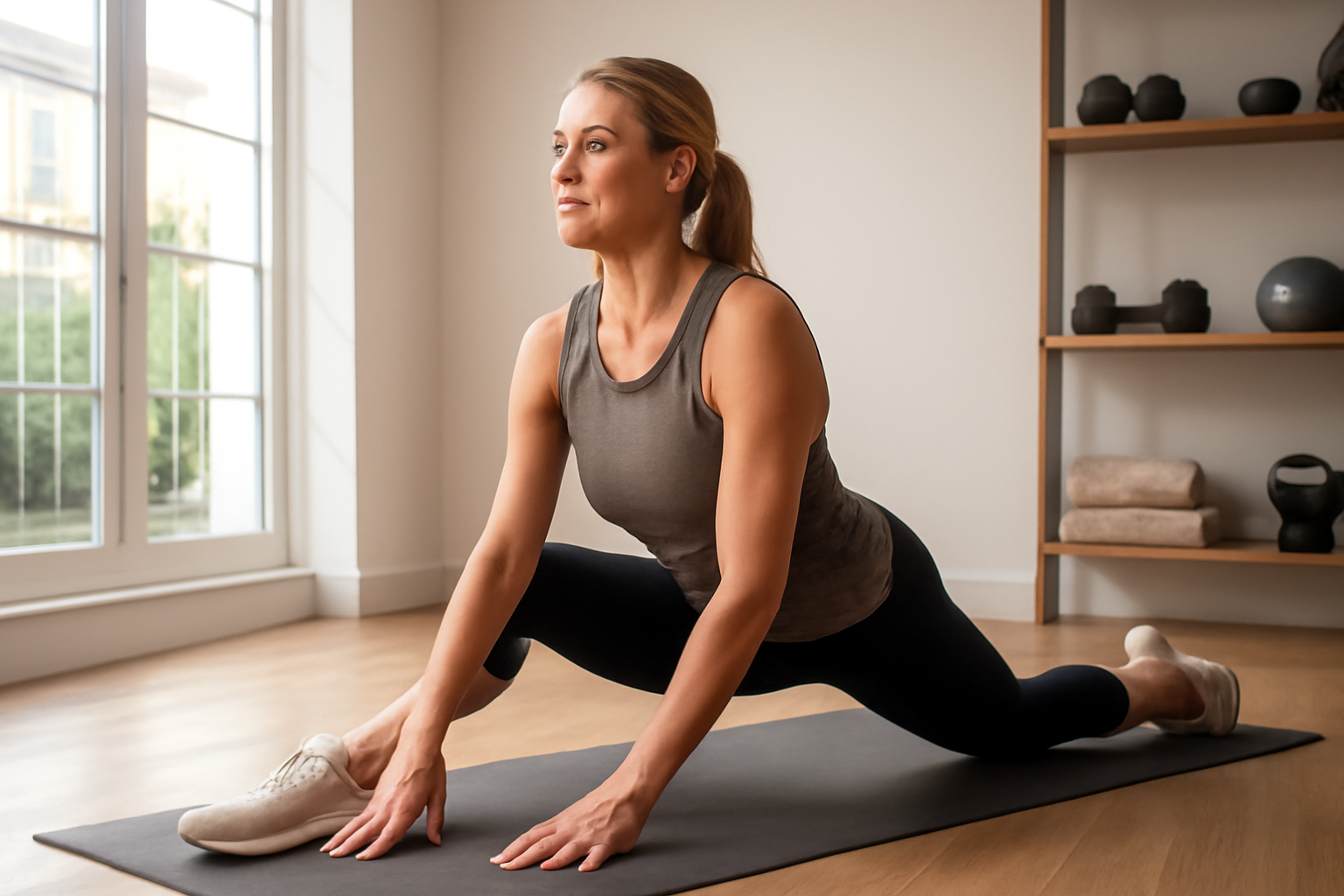
    Stiffness, limited range of motion, and joint discomfort aren’t inevitable — but they do require intentional effort to prevent.

    Why Flexibility and Mobility Matter More Than You Think

    Margaret, 54, noticed it first when she could no longer reach the back seat of her car without wincing. Then came the morning stiffness that lasted nearly an hour. Her doctor assured her there was no serious injury — just the gradual loss of flexibility and joint mobility that affects millions of American adults each decade after 40.

    According to the American College of Sports Medicine, flexibility declines by roughly 25 to 30 percent between the ages of 30 and 70 — and most people don’t notice it until daily tasks become harder. Reaching overhead, bending to tie your shoes, turning to check your blind spot while driving — these movements depend directly on your mobility.

    In this guide, you’ll learn what flexibility and mobility actually mean, why they diverge after 40, what the clinical research says about training both, and exactly how to build a sustainable, evidence-based routine — whether you’re recovering from injury, managing a chronic condition, or simply trying to stay active and independent for decades to come.


    What Are Flexibility and Mobility — and Are They the Same Thing?

    These two terms are often used interchangeably, but they describe different physical qualities that require different approaches to improve.

    Flexibility refers to the passive ability of a muscle or muscle group to lengthen. It’s the range of motion available when an external force — gravity, a strap, a partner — is applied. Doing a static hamstring stretch while lying on your back is a flexibility exercise.

    Mobility refers to your active ability to move a joint through its full range of motion under your own muscular control. Hip mobility, for example, determines how well you can squat, lunge, step up a curb, or get up from a low chair — all under your own power.

    You can have flexible muscles but poor mobility if you lack the strength or neuromuscular control to use that range of motion. This distinction matters clinically: research published in the Journal of Strength and Conditioning Research indicates that mobility-focused training — which combines flexibility with strength and motor control — produces more functional outcomes than static stretching alone.

    The NIH’s National Institute on Aging recognizes flexibility and balance work as two of the four essential components of physical fitness for older adults, alongside endurance and strength.


    How Aging Affects Your Muscles, Joints, and Connective Tissue

    Understanding what physically changes after 40 helps explain why a dedicated practice matters — and why the changes aren’t a life sentence.

    Several biological shifts happen gradually as you age:

    • Reduced collagen synthesis: Tendons and ligaments lose elasticity as collagen production slows after age 30. This makes connective tissue stiffer and more prone to injury under sudden loads.
    • Decreased synovial fluid: The lubricating fluid inside your joints becomes less abundant, increasing friction and discomfort during movement — particularly in the knees, hips, and spine.
    • Sarcopenia: Beginning around age 40, adults lose approximately 3 to 8 percent of muscle mass per decade (CDC), which directly reduces muscular support around joints and limits active range of motion.
    • Neurological slowing: Proprioception — your body’s sense of its own position in space — becomes less precise, reducing coordination and increasing fall risk.
    • Fascial thickening: The connective tissue surrounding muscles (fascia) tends to become denser and less supple, further restricting range of motion if left unaddressed.

    The encouraging clinical reality: a 2023 meta-analysis in Ageing Research Reviews found that consistent flexibility and mobility training can meaningfully slow these changes — and in some cases partially reverse functional limitations — even in adults beginning a program after age 60.


    Signs You May Need to Prioritize Mobility Work

    Flexibility and mobility loss rarely announces itself dramatically. Most people adapt to limitations gradually, without realizing how much movement they’ve lost. Watch for these signals:

    Early signs:

    • Morning stiffness lasting more than 15 to 20 minutes
    • Difficulty reaching overhead without discomfort
    • Tight hips when sitting for extended periods
    • Reduced stride length when walking
    • Needing to use your arms to push up from a chair
    • Feeling “locked up” in your thoracic spine (mid-back)

    More advanced signs:

    • Chronic low back pain with no structural diagnosis
    • Recurring muscle strains during low-intensity activity
    • Noticeable asymmetry — one hip, shoulder, or knee moving less freely than the other
    • Difficulty with balance tasks like standing on one leg
    • Pain during routine movements such as squatting or rotating your torso

    Research from Johns Hopkins Medicine suggests that reduced hip mobility, in particular, is one of the most underrecognized contributors to lower back pain in adults over 40. The hip and lumbar spine compensate for each other — when one is restricted, the other often bears disproportionate load.


    The Evidence-Based Benefits of Flexibility and Mobility Training

    This isn’t just about touching your toes. Clinical evidence points to meaningful, wide-ranging health benefits across multiple systems:

    Reduced injury risk: A systematic review in the British Journal of Sports Medicine found that regular flexibility training reduced musculoskeletal injury rates in recreational exercisers by up to 35 percent.

    Chronic pain reduction: The American College of Rheumatology includes stretching and range-of-motion exercises in its clinical guidelines for osteoarthritis management — one of the most prevalent conditions in US adults over 50, affecting an estimated 32.5 million Americans according to the CDC.

    Improved posture and spinal health: Mobility work targeting the thoracic spine and hip flexors has been shown to reduce compressive load on lumbar vertebrae, potentially decreasing the incidence of disc-related complaints.

    Better athletic performance: Whether you’re running, cycling, swimming, or lifting weights, adequate joint mobility allows for more efficient movement mechanics — which translates to better performance and less compensatory strain. If you’re also following a strength training program after 40, mobility work is especially important to maintain safe mechanics under load.

    Fall prevention: The CDC reports that falls are the leading cause of injury-related death in adults 65 and older. Research consistently shows that balance and mobility training significantly reduces fall risk — with some studies showing reductions of 23 percent or more.

    Mental health benefits: Mind-body mobility practices such as yoga and tai chi have demonstrated reductions in perceived stress, anxiety, and depressive symptoms in multiple randomized controlled trials reviewed by the NIH’s National Center for Complementary and Integrative Health.


    Types of Flexibility and Mobility Training: What Works and When

    Not all stretching and mobility work is created equal. Here’s what clinical evidence supports for adults over 40:

    Static Stretching

    Holding a stretch for 20 to 60 seconds without bouncing. Most physicians and physical therapists recommend static stretching after exercise — not before — when muscles are warm. Research suggests holding each stretch for a minimum of 30 seconds to produce lasting changes in muscle length.

    Dynamic Stretching and Warm-Up Mobility Drills

    Controlled, movement-based stretches performed through a range of motion — leg swings, hip circles, arm crossovers. These are ideal before workouts, as they increase blood flow, prepare joints for load, and activate neuromuscular pathways without the performance-reducing effects of static pre-exercise stretching.

    Yoga

    Multiple clinical trials, including studies reviewed by the Mayo Clinic, indicate that regular yoga practice improves flexibility, balance, and functional mobility in middle-aged and older adults, while also reducing chronic pain and improving sleep quality. Even two sessions per week produces measurable benefits within 8 weeks.

    Tai Chi

    Particularly well-supported for adults over 60, tai chi combines slow, deliberate movement with balance challenges. A meta-analysis in the Journal of the American Geriatrics Society found tai chi reduced fall frequency by 43 percent in older adults compared with control groups.

    Foam Rolling (Self-Myofascial Release)

    Using a foam roller or massage ball to apply pressure to tight muscle groups can temporarily reduce tissue stiffness and improve range of motion before stretching. Clinical evidence positions it best as a complement to — not a replacement for — active stretching and mobility work.

    Joint Mobility Drills (CARs)

    Controlled Articular Rotations (CARs) involve moving joints — hips, shoulders, thoracic spine, ankles — through their full active range of motion in a slow, controlled way. Developed and popularized in physiotherapy circles, CARs are increasingly recognized as one of the most efficient mobility maintenance tools available to adults of all ages.


    How to Build Your Flexibility and Mobility Routine

    The best program is one you’ll actually do consistently. Here’s an evidence-informed starting framework:

    Frequency: Most clinical guidelines recommend flexibility and mobility work at least 3 to 5 days per week. The American College of Sports Medicine suggests daily stretching for adults over 65 seeking to maintain or improve functional range of motion.

    Duration: Even 10 to 15 minutes per session produces measurable improvements when practiced consistently. A 20 to 30 minute dedicated mobility session 3 times weekly is a strong target for most adults over 40.

    Timing: Dynamic mobility work before exercise; static stretching after. A standalone morning mobility routine — even 10 minutes after a hot shower when tissues are warm — is one of the most consistent habits reported by adults who successfully maintain flexibility long term.

    Priority areas for adults 40+:

    • Hip flexors and hip rotators — critical for back health and lower body mechanics
    • Thoracic spine (mid-back) — stiffness here forces the neck and lower back to compensate
    • Hamstrings and calves — affect gait, posture, and knee health
    • Shoulder complex — overhead mobility affects daily function and upper body exercise safety
    • Ankle dorsiflexion — essential for squatting mechanics and fall prevention

    If you’re also incorporating cardiovascular exercise into your week, pairing it with regular mobility work creates a powerful combination. Adults interested in heart-healthy cardio programming may find it helpful to review evidence-based cardio exercise guidelines for adults over 50, which complement a full mobility practice well.

    Similarly, if you’re following a strength training program after 50, mobility work is not optional — it directly determines how safely and effectively you can lift as intensity increases.


    When to See a Doctor or Physical Therapist

    Most flexibility and mobility training is safe for healthy adults to begin independently. However, certain situations warrant professional evaluation before starting or continuing a program.

    See your doctor promptly if you experience:

    • Sudden, sharp joint pain during or after stretching
    • Swelling, warmth, or redness around a joint
    • Pain that worsens with rest or wakes you at night (possible inflammatory or autoimmune cause)
    • A “snapping” or “popping” sensation in a joint accompanied by pain or instability
    • Numbness or tingling that travels down an arm or leg during stretching

    Seek emergency care if you experience:

    • Sudden severe joint pain following an audible snap or pop
    • Inability to bear weight on a limb
    • Visible joint deformity
    • Loss of feeling in a limb

    Consider a physical therapist if:

    • You have a known musculoskeletal condition such as osteoarthritis, scoliosis, or a previous joint replacement
    • You’ve had a recent injury or surgery
    • Your mobility limitations are asymmetric (one side noticeably worse)
    • You’ve been stretching consistently for 8 weeks without improvement

    A licensed physical therapist can assess your specific movement patterns, identify compensations, and build a targeted program — a level of individualization that generic online programs cannot replicate. This varies from person to person, and professional guidance makes a meaningful difference in both safety and outcomes.


    Frequently Asked Questions

    Q: Is it too late to improve flexibility after 50 or 60?
    Absolutely not. Research published in Ageing Research Reviews confirms that adults who begin flexibility and mobility training after 60 show significant improvements in range of motion within 8 to 12 weeks. The body retains a meaningful capacity for adaptation throughout life — what changes is the timeline and the need for consistency.

    Q: How long should I hold a stretch?
    Clinical evidence suggests that holding a static stretch for 30 to 60 seconds produces the most consistent improvements in muscle length for adults over 40. Shorter holds (under 15 seconds) may feel good temporarily but don’t produce lasting changes in tissue flexibility. Most physicians and physical therapists recommend 2 to 4 repetitions per muscle group.

    Q: Can stretching help with chronic lower back pain?
    Research suggests yes, in many cases — but the cause of your back pain matters. Hip flexor tightness, hamstring restriction, and thoracic spine stiffness are all common contributors to mechanical low back pain that respond well to targeted mobility work. However, structural issues like herniated discs require professional guidance before beginning a stretching program. Always consult your physician first.

    Q: Should I stretch if I have osteoarthritis?
    The American College of Rheumatology explicitly recommends range-of-motion and flexibility exercises as part of osteoarthritis management. Gentle, low-load movement keeps joint cartilage nourished (cartilage has no direct blood supply and depends on movement to distribute synovial fluid). That said, approach is critical — your doctor or physical therapist can help identify which exercises are appropriate for your specific joints and disease stage.

    Q: What’s the difference between yoga for flexibility and physical therapy stretching?
    Yoga combines flexibility, balance, breath control, and mindfulness in a group or self-guided format — it’s excellent for general mobility maintenance and stress reduction. Physical therapy stretching is individually prescribed, diagnostically driven, and focused on correcting specific impairments. Both have clinical value; they serve different purposes and work well in combination for many adults.


    Moving Forward: Your Body Is Designed to Move

    Flexibility and mobility aren’t vanity fitness goals — they are functional necessities that determine how well you move through everyday life, how safely you exercise, and how independently you live as you age. Clinical evidence is clear: consistent, targeted mobility training produces real, measurable improvements at every stage of adulthood.

    You don’t need to become a yogi or spend hours on a mat. Even 10 to 15 focused minutes each day — targeting your hips, spine, and shoulders — can produce meaningful change within weeks. The best time to start was 10 years ago. The second-best time is today.

    Talk with your physician before beginning any new exercise program, especially if you’re managing a chronic condition or recovering from injury. A brief conversation can help you start safely and with confidence.


    Medical Disclaimer: This article is for informational and educational purposes only. It does not constitute medical advice, diagnosis, or treatment. Always consult your physician or a qualified healthcare provider before making changes to your health routine or treatment plan.

    Medically reviewed by our editorial health team. Content follows evidence-based standards aligned with CDC and NIH guidelines.
  • Cardio After 50: Best Exercises for Heart Health

    Cardio After 50: Best Exercises for Heart Health

    Your heart is a muscle — and like every other muscle in your body, it needs consistent, targeted work to stay strong as you age.

    James, 62, had always considered himself reasonably healthy. He walked the dog, mowed the lawn on weekends, and stayed away from fast food most of the time. But when his cardiologist told him his resting heart rate was too high and his cardiovascular fitness had declined significantly since his last checkup, he was caught off guard. “I thought staying active was enough,” he said. “Nobody told me there was a difference between being active and doing real cardio.”

    James’s experience is far from unusual. According to the American Heart Association, cardiovascular disease remains the leading cause of death in the United States, accounting for approximately one in every five deaths. And while your risk increases with age, the right approach to cardio exercise after 50 can meaningfully reduce that risk — sometimes dramatically.

    In this guide, you’ll learn exactly what cardio training means for adults over 50, which types of exercise are most effective, how to start safely, and how to build a sustainable routine that your heart — and your doctor — will appreciate.

    What Is Cardiovascular Exercise — And Why Does It Matter More After 50?

    Cardiovascular exercise, often called cardio or aerobic exercise, refers to any sustained physical activity that raises your heart rate and keeps it elevated for a period of time. Walking briskly, cycling, swimming, dancing, jogging, and rowing all qualify. The defining feature is that your heart and lungs are working harder to deliver oxygen to your working muscles.

    What changes after 50 is the urgency. As you age, your heart naturally becomes less efficient. The walls of your heart can stiffen slightly, your maximum heart rate decreases by roughly one beat per minute per year, and your blood vessels lose some of their elasticity. These changes are normal — but they’re also modifiable.

    Research published by the NIH has shown that adults who engage in regular aerobic exercise maintain significantly better cardiovascular function compared to sedentary peers of the same age. In some studies, fit older adults showed heart and vascular health markers comparable to people 20 to 30 years younger.

    This matters because cardiovascular disease doesn’t develop overnight. It builds over decades. The choices you make in your 50s and 60s have a direct, measurable impact on your heart health in your 70s and 80s.

    Signs Your Cardiovascular Fitness May Be Declining

    Many adults over 50 don’t realize their cardiovascular fitness has declined until they notice functional changes in everyday life. Here are the common early signs versus warning signs that require immediate attention.

    Early signs of declining cardiovascular fitness:

    • Getting winded climbing one or two flights of stairs
    • Noticeable breathlessness during activities that used to feel easy
    • Fatigue that sets in much earlier during physical tasks
    • Resting heart rate gradually creeping upward over time
    • Longer recovery time after mild exertion
    • Difficulty keeping up with grandchildren or younger friends during walks

    Red flags that require prompt medical evaluation:

    • Chest pain, pressure, tightness, or discomfort during or after exercise
    • Shortness of breath at rest or with minimal activity
    • Heart palpitations or an irregular heartbeat during exertion
    • Dizziness, lightheadedness, or fainting during physical activity
    • Swelling in the ankles or legs, especially if new or worsening

    A 2024 analysis published in the Journal of the American College of Cardiology found that low cardiorespiratory fitness — often measured by VO2 max, the maximum rate at which your body can use oxygen — is one of the strongest independent predictors of cardiovascular mortality in adults over 50. The good news: VO2 max is trainable at any age.

    Causes and Risk Factors That Make Cardio Even More Critical After 50

    Understanding what you’re up against helps you train smarter. Several biological and lifestyle factors converge after age 50 to increase cardiovascular risk.

    Age-related changes:

    • Arterial stiffening reduces the heart’s ability to pump blood efficiently
    • Declining estrogen levels in postmenopausal women sharply increase heart disease risk
    • Natural loss of muscle mass (sarcopenia) slows metabolism and raises cardiac workload
    • Reduced sensitivity to insulin increases risk of type 2 diabetes, a major cardiovascular risk factor

    Lifestyle-related risk factors:

    • Physical inactivity — the CDC reports that only 28% of American adults meet recommended aerobic activity guidelines
    • Excess body weight, particularly abdominal fat, which increases inflammatory burden on the heart
    • Chronic stress elevating cortisol levels and blood pressure
    • Poor sleep quality, which is associated with increased inflammation and hypertension
    • Smoking history, even if you quit years ago

    The compounding effect of these factors is why regular cardio training isn’t optional after 50 — it’s one of the most powerful interventions available outside of prescription medication. Research from Harvard Health has shown that moderate aerobic exercise can lower blood pressure, improve cholesterol levels, reduce blood sugar, and cut the overall risk of cardiovascular events by 30 to 40 percent.

    Getting a Proper Assessment Before You Start

    Before launching into a new cardio program after 50, a medical evaluation is not just advisable — it’s strongly recommended by most cardiologists and sports medicine physicians.

    What your doctor may evaluate:

    • Resting blood pressure and heart rate
    • Lipid panel (total cholesterol, LDL, HDL, triglycerides)
    • Fasting blood glucose and HbA1c (a measure of blood sugar over time)
    • Body mass index and waist circumference
    • Electrocardiogram (ECG) to check for any underlying heart rhythm abnormalities
    • Possibly a stress test if you have known risk factors or symptoms

    This baseline assessment gives you and your physician a clear picture of where your cardiovascular health stands — and helps identify any conditions that might require modifications to your exercise plan. For example, adults with uncontrolled hypertension may need to start at a lower intensity than their age-matched peers with normal blood pressure.

    If you have already started strength training after 50, share that information with your doctor as well. Combining resistance training with aerobic exercise offers compounding cardiovascular benefits, but your physician should know the full picture of your activity level.

    The Best Cardio Exercises for Adults Over 50

    The best cardio exercise for you is the one you’ll actually do consistently. That said, clinical evidence points to specific modalities that are both highly effective and joint-friendly for adults in this age group.

    1. Brisk Walking
    Don’t underestimate walking. A landmark study published in the New England Journal of Medicine found that walking at least 30 minutes five days per week was associated with a 30% reduction in cardiovascular events. It’s low-impact, accessible, and scalable as your fitness improves.

    2. Cycling (Outdoor or Stationary)
    Cycling is exceptional for cardiovascular fitness with minimal joint stress. Stationary bikes are particularly useful in winter months or for those with knee pain. Research suggests that regular cycling improves insulin sensitivity and lowers LDL cholesterol.

    3. Swimming and Water Aerobics
    The buoyancy of water reduces pressure on joints by up to 90%, making aquatic exercise ideal for adults managing arthritis, back pain, or previous injuries. The resistance of water simultaneously builds muscular endurance. The CDC specifically highlights water aerobics as one of the top exercise options for older adults.

    4. Rowing (Machine)
    Rowing engages approximately 86% of the body’s muscle groups while providing vigorous cardiovascular stimulus. When performed with proper technique, it places relatively low stress on the knees. Clinical evidence indicates rowing can significantly improve VO2 max in adults over 50.

    5. Zone 2 Training
    This is a specific approach — not a single exercise — gaining considerable attention in sports medicine. Zone 2 refers to exercising at a pace where you can hold a conversation but feel a definite cardiovascular effort (roughly 60-70% of your maximum heart rate). Research from institutions including Stanford Medicine suggests that Zone 2 training is particularly effective at improving mitochondrial function and metabolic health in older adults.

    6. Low-Impact Aerobics and Dance Classes
    Group fitness classes specifically designed for adults over 50 combine cardiovascular training with balance and coordination benefits. The social component also supports mental health — an often-overlooked dimension of heart health.

    What about high-intensity interval training (HIIT)?
    HIIT — short bursts of intense effort alternating with recovery periods — has strong evidence behind it. However, clinical evidence indicates it should be introduced gradually and only after a baseline of aerobic fitness is established. Most physicians recommend starting with low-to-moderate intensity before adding interval work. This approach is especially important for adults who have been sedentary or have any cardiovascular risk factors.

    Building a Safe, Effective Cardio Routine After 50

    The American Heart Association recommends that adults get at least 150 minutes of moderate-intensity aerobic activity or 75 minutes of vigorous aerobic activity per week. For adults over 50 who are also managing weight or cardiovascular risk, many cardiologists suggest working toward 200-300 minutes of moderate activity weekly.

    A practical 4-week starter framework:

    • Week 1-2: Three sessions per week, 20-25 minutes each at a conversational pace (Zone 2). Focus on consistency, not intensity.
    • Week 3-4: Add a fourth session. Extend two sessions to 30-35 minutes. Introduce one slightly faster-paced interval within each walk or ride.
    • Month 2 onward: Work toward four to five sessions weekly, 30-45 minutes each, with one session incorporating light interval work.

    Key training principles for adults over 50:

    • Always warm up for 5-10 minutes with gentle movement before increasing intensity
    • Cool down and stretch for at least 5 minutes after every session
    • Monitor your rate of perceived exertion (RPE) — you should feel challenged but able to hold a brief conversation
    • Allow at least one full rest day between more intense sessions
    • Hydrate before, during, and after exercise — older adults are more prone to dehydration

    If you are also incorporating resistance training — which complements cardio beautifully — you may find this resource on strength training after 40 helpful for structuring a balanced weekly routine.

    Living Well With a Heart-Healthy Cardio Practice

    Cardio training works best as part of a broader cardiovascular health strategy. Here’s how to stack the benefits:

    Nutrition: Clinical evidence supports a Mediterranean-style diet — rich in vegetables, fruits, whole grains, legumes, fish, and healthy fats — as one of the most effective dietary patterns for reducing cardiovascular risk. The American Heart Association endorses this approach.

    Sleep: Research published in the journal Circulation found that adults who sleep fewer than six hours per night have significantly higher rates of cardiovascular events. Prioritizing seven to nine hours of quality sleep amplifies the benefits of your cardio training.

    Stress management: Chronic psychological stress raises cortisol and adrenaline levels, contributing to hypertension and arterial inflammation. Mindfulness-based practices, including meditation and yoga, have clinical evidence supporting their role in improving heart rate variability and blood pressure — both meaningful cardiovascular markers.

    Consistency over intensity: Long-term studies consistently show that moderate, consistent cardio over years outperforms aggressive short-term exercise programs followed by inactivity. This varies from person to person, but building a habit — even a modest one — has far more lasting value than sporadic intense efforts.

    When to Call Your Doctor — Emergency Signs

    Most adults over 50 can begin or expand a cardio routine safely under medical guidance. But knowing when to stop and seek care is essential.

    Stop exercising immediately and seek emergency care if you experience:

    • Chest pain, pressure, or tightness — even mild — during or immediately after exercise
    • Sudden severe shortness of breath not proportional to your effort level
    • Loss of consciousness or near-fainting
    • Severe irregular heartbeat or palpitations that don’t resolve within a minute of rest
    • Sudden pain or numbness radiating to the jaw, left arm, or upper back

    Call your doctor promptly (non-emergency) if you notice:

    • Persistent fatigue that doesn’t improve with rest days
    • New or worsening ankle swelling
    • Significantly elevated blood pressure readings after exercise sessions
    • Unexplained weight gain of more than two to three pounds in a week
    • Any change in symptoms that you can’t explain

    At your next routine visit, discuss:

    • Your current cardio routine and goals
    • Whether a VO2 max assessment or stress test would be appropriate
    • Target heart rate ranges specific to your health history
    • Any medications that may affect your heart rate response to exercise (beta-blockers, for example, can blunt heart rate elevation)

    Frequently Asked Questions

    Is it too late to start cardio exercise in my 60s or 70s?
    Absolutely not. Research published by the NIH and Mayo Clinic consistently shows that adults who begin regular aerobic exercise later in life still gain significant cardiovascular, metabolic, and functional benefits. Starting at any age is better than not starting at all. The key is beginning gradually and with medical clearance.

    How do I know if I’m working hard enough during cardio?
    A simple method is the “talk test.” During moderate-intensity exercise, you should be able to speak in short sentences but not sing comfortably. For more precision, many physicians and trainers use heart rate zones. Clinical evidence suggests that most cardiovascular benefit for adults over 50 occurs at 60-80% of maximum heart rate. Your doctor can help you determine a safe target range.

    Can cardio exercise lower my blood pressure?
    Research suggests yes, significantly. The American Heart Association notes that regular aerobic exercise can lower systolic blood pressure (the top number) by an average of five to eight points in adults with hypertension — an effect comparable to some antihypertensive medications. However, cardio should complement, not replace, prescribed medication without your physician’s guidance.

    How does cardio interact with medications I may already be taking?
    This varies considerably. Beta-blockers, for example, reduce heart rate response during exercise, meaning your heart rate will not rise as much as expected — which can affect how you gauge workout intensity. Some diabetes medications can affect blood sugar during exercise. Always discuss your medications with your doctor before starting a new exercise program.

    What if my joints hurt during low-impact cardio?
    Joint discomfort is one of the most common barriers to cardio exercise for adults over 50. Water-based exercise is typically the most joint-friendly option, followed by stationary cycling and elliptical training. Clinical evidence from the Arthritis Foundation indicates that regular low-impact exercise actually reduces joint pain over time in most people with osteoarthritis by strengthening surrounding muscles and improving joint lubrication.

    Conclusion

    Your cardiovascular fitness after 50 is not a fixed number — it’s a dial you can turn in a positive direction, regardless of where you’re starting from. The clinical evidence is consistent and compelling: regular cardio exercise reduces heart disease risk, improves blood pressure and cholesterol, supports healthy blood sugar, protects brain health, and extends both the length and quality of life.

    You don’t need to run marathons or push yourself to your limit. Walking faster, swimming a few mornings a week, or riding a stationary bike consistently over months and years can transform your cardiovascular health in ways that genuinely matter.

    Talk to your doctor, get a baseline assessment, and start where you are. The best cardio routine is the one you can sustain — and the best time to start is now.


    Medical Disclaimer: This article is for informational and educational purposes only. It does not constitute medical advice, diagnosis, or treatment. Always consult your physician or a qualified healthcare provider before making changes to your health routine or treatment plan.

    Medically reviewed by our editorial health team. Content follows evidence-based standards aligned with CDC and NIH guidelines.

  • Strength Training After 50: Complete Guide to Safe Gains

    Strength Training After 50: Complete Guide to Safe Gains

    The right resistance program after 50 can rebuild muscle, protect your bones, and dramatically lower your risk of chronic disease — here’s exactly how to do it safely.

    James, 57, figured his days of lifting weights were behind him. After a nagging knee injury in his late 40s and a busy schedule that left little room for the gym, he assumed serious exercise was a young person’s game. Then his doctor delivered a wake-up call: his bone density scan showed early-stage osteopenia, his fasting blood sugar was creeping toward prediabetic levels, and he’d lost nearly eight pounds of muscle mass over the previous decade without realizing it.

    His story is far from unique. According to the National Institute on Aging, adults begin losing between 3% and 5% of their muscle mass per decade after age 30 — a process called sarcopenia — and that rate accelerates significantly after 50. By the time most people reach their mid-60s, the cumulative muscle loss can affect their ability to climb stairs, carry groceries, and even get up from a chair.

    The good news? Strength training after 50 is one of the most evidence-backed interventions in all of preventive medicine. In this guide, you’ll learn what the research actually says, how to train safely, what to expect, and how to build a sustainable program tailored to where your body is right now.

    What Is Sarcopenia — and Why Strength Training Counters It

    Sarcopenia is the medical term for the age-related loss of skeletal muscle mass, strength, and function. It isn’t just about looking less toned — it’s a physiological shift that affects metabolism, balance, insulin sensitivity, and your risk of falls and fractures.

    The CDC estimates that fall-related injuries send more than 3 million older adults to emergency departments each year in the United States, and weak leg and core muscles are one of the most significant contributing factors. Sarcopenia also drives metabolic changes: less muscle mass means a lower resting metabolic rate, which makes weight management harder and increases the risk of type 2 diabetes.

    Strength training — also called resistance training or weight training — works by placing mechanical stress on muscle fibers, prompting the body to repair and rebuild them thicker and stronger. This process, called muscle protein synthesis, remains active well into your 70s and 80s, though it becomes less efficient with age. That’s why how you train matters just as much as whether you train.

    Research published in the Journal of Strength and Conditioning Research has confirmed that older adults who follow structured resistance programs two to three times per week can reverse meaningful amounts of age-related muscle loss within 12 to 16 weeks — a finding that has shifted how most physicians and physical therapists approach senior and midlife wellness.

    Signs Your Body Is Ready — and Warning Signals to Watch

    Most healthy adults over 50 can begin a strength training program without any special medical clearance, particularly if they start gradually. That said, your body gives clear signals worth paying attention to before you pick up a weight.

    Signs you’re ready to begin:

    • You can walk briskly for 20 minutes without significant shortness of breath
    • You have no undiagnosed chest pain or pressure at rest or during activity
    • Your blood pressure is reasonably controlled (below 160/100 with or without medication)
    • You’ve discussed exercise with your doctor if you have a chronic condition like diabetes, heart disease, or osteoporosis
    • Any existing joint pain is mild and stable, not acute or newly worsening

    Red flags that require medical evaluation before training:

    • Chest pain, tightness, or pressure during any physical activity
    • Unexplained dizziness or lightheadedness
    • Severe joint pain, especially if recent or sudden in onset
    • Known heart disease, recent cardiac event, or uncontrolled arrhythmia
    • Diagnosis of severe osteoporosis or recent fragility fracture
    • Any neurological symptoms affecting balance or coordination

    The American College of Sports Medicine recommends that individuals over 45 who are sedentary consult their physician before starting a moderate-to-vigorous exercise program. This isn’t a barrier — it’s a safety check that most doctors complete in a single appointment.

    Causes of Accelerated Muscle Loss After 50

    Understanding what drives muscle loss after 50 helps you address it more effectively than just lifting heavier weights.

    Hormonal shifts play a major role. Testosterone levels in men decline roughly 1% per year after age 30, and this reduction accelerates after 50. In women, the sharp drop in estrogen during menopause — which affects approximately 1.3 million American women annually according to the NIH — is directly linked to accelerated loss of both muscle and bone density.

    Reduced protein synthesis efficiency is another key driver. Older muscles respond more slowly to the anabolic signal triggered by protein intake. Research from the University of Texas Medical Branch suggests that adults over 65 may need up to 50% more dietary protein per meal than younger adults to achieve the same muscle-building response.

    Chronic low-grade inflammation, known as "inflammaging," is increasingly recognized as a contributor to sarcopenia. Conditions like obesity, type 2 diabetes, cardiovascular disease, and even chronic stress elevate inflammatory markers that break down muscle tissue over time.

    Sedentary behavior compounds everything. The CDC reports that only 23% of American adults meet the federal guidelines for both aerobic and muscle-strengthening activity. After 50, the metabolic consequences of inactivity compound much faster than they do in younger adults.

    Genetic predisposition, certain medications (including corticosteroids and some statins), and prior injuries also contribute — this varies from person to person, which is why individualized programming matters.

    What to Expect: Getting Assessed and Starting Safely

    Before diving into a program, a brief functional assessment gives you a baseline and helps prevent injury. Many physical therapists, certified personal trainers with senior fitness credentials, and sports medicine physicians can perform this evaluation.

    Key assessments your provider or trainer may use include:

    • Grip strength test — a reliable proxy for overall muscular health and even cardiovascular risk
    • Chair stand test — how many times you can stand from a chair in 30 seconds, measuring lower body strength
    • Balance assessment — single-leg stance or tandem walk to gauge fall risk
    • Range of motion screening — identifying any joint restrictions that need to be accommodated

    If you have osteoporosis, a DEXA scan result gives your physician important context for recommending the right exercises. Individuals with osteoporosis can absolutely strength train, but certain movements — like forward spinal flexion under load — may need to be modified or avoided.

    Medical labs worth reviewing before or alongside a new training program include fasting glucose, HbA1c, vitamin D levels, and a basic metabolic panel. Low vitamin D — which the NIH estimates affects more than 40% of American adults — can impair both muscle function and bone health, making it harder to get results and easier to get hurt.

    Treatment and Training: Evidence-Based Approaches That Work After 50

    The most effective strength training programs for adults over 50 share several common design principles supported by clinical evidence.

    Frequency: Research consistently supports two to three full-body sessions per week, with at least 48 hours of recovery between sessions targeting the same muscle groups. More is not necessarily better — recovery slows with age, and overtraining is a real risk.

    Compound movements first: Exercises that work multiple joints and muscle groups simultaneously — such as squats, deadlifts, rows, chest presses, and overhead presses — deliver the greatest hormonal and functional benefit. Clinical evidence from the Mayo Clinic indicates these multi-joint movements also provide greater stimulus for bone density improvements than isolation exercises like bicep curls.

    Progressive overload: The principle of gradually increasing the challenge over time — whether through added weight, more repetitions, slower tempo, or reduced rest — is what drives continued adaptation. Most physicians and exercise physiologists recommend increasing resistance by no more than 5% to 10% per week to minimize injury risk.

    Rep ranges for health and strength: Most clinical guidelines for older adults support working in the 8 to 15 repetition range with moderate loads (roughly 60% to 80% of your maximum effort). This range builds muscle effectively while being easier on tendons and joints than very heavy, low-rep lifting.

    Mobility and flexibility integration: Incorporating dynamic warm-ups and cool-down stretching reduces injury risk significantly. A 2022 review in the British Journal of Sports Medicine found that structured warm-up protocols reduced training-related injury rates by up to 50% in older adult cohorts.

    Nutrition as a complement: Clinical evidence strongly supports consuming 25 to 40 grams of high-quality protein per meal — from sources like eggs, lean poultry, fish, dairy, or legumes — to maximize the anabolic window. The International Society of Sports Nutrition recommends that older adults prioritize protein distribution evenly across meals rather than consuming most protein at a single sitting. Always consult your physician or a registered dietitian before making significant dietary changes, especially if you have kidney disease.

    For those with significant osteoporosis, cardiovascular disease, or mobility limitations, working with a licensed physical therapist or certified strength and conditioning specialist with experience in older populations is highly recommended before training independently.

    If you’re just beginning your resistance training journey and are in your 40s, you may find additional foundational guidance in our article on Strength Training After 40: Benefits, Safety & How to Start, which covers the earlier-stage considerations in detail.

    Living Well and Staying Consistent After 50

    The biggest predictor of long-term success with strength training isn’t the program you choose — it’s whether you stay consistent with it over months and years. Research from Johns Hopkins Medicine confirms that adults who maintain resistance training for 12 months or longer see cumulative benefits in bone density, metabolic health, and functional independence that far exceed what short-term programs achieve.

    Practical strategies that support long-term adherence:

    • Schedule training sessions exactly like medical appointments — non-negotiable and in your calendar
    • Start with two sessions per week if three feels overwhelming; consistency beats frequency in the early stages
    • Track your workouts with a simple notebook or app — seeing progress is a powerful motivator
    • Train with a partner or join a small group class; social accountability significantly improves long-term adherence according to multiple behavioral health studies
    • Prioritize sleep — the NIH links poor sleep quality directly to impaired muscle recovery and elevated cortisol, which breaks down muscle tissue
    • Manage stress actively, as chronic psychological stress elevates cortisol and blunts the body’s anabolic response to exercise

    Prevention framing: If you don’t yet have sarcopenia, osteoporosis, or metabolic disease, strength training is among the most powerful preventive tools available. The American Heart Association now formally includes muscle-strengthening activity in its cardiovascular disease prevention guidelines, citing evidence that regular resistance training lowers blood pressure, improves insulin sensitivity, and reduces LDL cholesterol. Starting earlier — even if you’ve never trained before — dramatically changes your health trajectory over the next two to three decades.

    For a deeper look at programming principles that apply to your late 40s as well, revisit our piece on Strength Training After 40: Benefits, Safety & How to Start as a complement to this guide.

    When to Call Your Doctor — and Emergency Warning Signs

    Most discomfort in the early weeks of strength training is normal muscle soreness — a dull, achy feeling that peaks 24 to 48 hours after a workout and fades within a few days. This is called delayed onset muscle soreness (DOMS) and is a sign your muscles are adapting.

    Contact your doctor promptly if you experience:

    • Joint pain that is sharp, localized, or worsens with each session
    • Significant swelling around a joint that doesn’t resolve with rest and ice within 48 hours
    • Unusual fatigue or shortness of breath during low-intensity activity
    • Dark urine after intense exercise — this can signal rhabdomyolysis, a rare but serious condition where muscle breakdown overwhelms the kidneys
    • Numbness, tingling, or weakness in an arm or leg during or after training

    Call 911 or go to the emergency room immediately if you experience:

    • Chest pain, pressure, or tightness during or after exercise
    • Sudden severe headache
    • Loss of consciousness or near-fainting
    • Sudden inability to move a limb or speak clearly

    At your next routine appointment, bring your workout log and ask your doctor to review your blood pressure response to exercise, update your bone density status if you’re post-menopausal or have risk factors, and reassess your vitamin D and metabolic labs. Framing exercise as part of your medical care — not separate from it — is the approach most likely to yield lasting results.

    Frequently Asked Questions

    Is it safe to start strength training at 60 or 65 if I’ve never lifted weights before?

    Yes — research suggests that adults well into their 70s and 80s respond meaningfully to resistance training. The key is starting with lighter loads, focusing on form, and progressing slowly. A certified trainer with senior fitness experience or a physical therapist can help you start safely and confidently.

    How much protein do I actually need if I’m over 50 and strength training?

    Most clinical guidelines recommend approximately 1.2 to 1.6 grams of protein per kilogram of body weight per day for older adults engaged in regular resistance training. For a 170-pound person, that’s roughly 93 to 124 grams daily. However, individual needs vary, and anyone with kidney disease should discuss protein intake with their physician before increasing it.

    Will strength training make my osteoporosis worse?

    Clinical evidence from the NIH and the National Osteoporosis Foundation indicates that properly designed resistance training actually improves bone mineral density in individuals with osteopenia and mild osteoporosis. The key is avoiding high-impact or high-spinal-load movements that increase fracture risk. A physical therapist or bone health specialist can customize a safe program for your bone density level.

    How long before I see real results from strength training after 50?

    Most people notice improved energy, better sleep, and increased functional strength within four to six weeks. Visible muscle changes typically become apparent at eight to twelve weeks with consistent training and adequate protein intake. Bone density improvements, which require a longer stimulus, are generally measurable at six to twelve months. Patience and consistency are the most important variables.

    Can I strength train if I’m taking blood pressure medication or metformin?

    In most cases, yes — and exercise may actually enhance the effectiveness of both medications over time. However, certain blood pressure medications (particularly beta-blockers) blunt heart rate response during exercise, which can affect how you gauge intensity. Your prescribing physician can advise on any specific precautions and whether your medication dosage may need adjusting as your fitness improves.

    Conclusion

    Strength training after 50 isn’t about recapturing your 30-year-old body. It’s about protecting the body you have now — maintaining the muscle, bone, and metabolic function that make everything else in life easier and more enjoyable. The science is unambiguous: resistance training is one of the most powerful, accessible, and cost-effective health interventions available to adults in midlife and beyond.

    Starting is often the hardest part. But the research is clear that it’s never too late to begin, and that even modest consistency delivers measurable benefits. Talk with your doctor, get a baseline assessment if you haven’t already, and take that first step. Your future self — stronger, more independent, and more resilient — will thank you.

    This article is for informational and educational purposes only. It does not constitute medical advice, diagnosis, or treatment. Always consult your physician or a qualified healthcare provider before making changes to your health routine or treatment plan.

    Medically reviewed by our editorial health team. Content follows evidence-based standards aligned with CDC and NIH guidelines.

  • Strength Training After 40: Benefits, Safety & How to Start

    Strength Training After 40: Benefits, Safety & How to Start

    Strength Training After 40: Benefits, Safety & How to Start

    Building muscle after 40 isn’t just possible — clinical evidence suggests it may be one of the most important things you can do for your long-term health.

    Margaret, 52, hadn’t lifted a weight since college. After her annual physical, her doctor mentioned something that surprised her: she had lost nearly 8 pounds of muscle mass over the past decade — without gaining a pound on the scale. Her body fat percentage had quietly climbed, her bone density had dipped below optimal, and her resting metabolism had slowed significantly. "I thought staying thin meant I was healthy," she told her physician. She wasn’t alone in that assumption.

    According to the NIH, adults who do not engage in resistance training lose between 3 and 8 percent of their muscle mass per decade after age 30 — a process called sarcopenia. After age 60, that rate can accelerate dramatically. Yet the CDC reports that fewer than 25 percent of American adults meet the recommended guidelines for muscle-strengthening activities.

    If you’re between 40 and 70 and wondering whether strength training is safe or effective for you, this guide will walk you through everything you need to know — from the science behind muscle growth at midlife, to practical steps for starting safely, to warning signs you should never ignore.

    What Is Strength Training — and Why Does It Matter After 40?

    Strength training — also called resistance training or weight training — refers to any form of exercise that causes your muscles to contract against an external resistance. That resistance can come from free weights, machines, resistance bands, or even your own body weight.

    When you perform resistance exercises, you create microscopic stress in muscle fibers. Your body repairs those fibers and, over time, builds them back slightly stronger and denser. This process, called muscle protein synthesis, doesn’t stop with age — but it does slow down and require more deliberate effort to stimulate.

    Why does this matter so much after 40? Because muscle tissue is metabolically active. It burns calories at rest, supports your joints and bones, regulates blood sugar, and protects you from the kinds of falls and fractures that become increasingly dangerous with age. Research published by the American College of Sports Medicine indicates that regular resistance training can reduce the risk of type 2 diabetes, cardiovascular disease, osteoporosis, and all-cause mortality in middle-aged and older adults.

    In short, strength training is not just for athletes or young people. For adults in their 40s, 50s, 60s, and beyond, it may be the single most impactful form of exercise for preserving functional independence and long-term quality of life.

    Signs Your Body May Need More Strength Training

    Many adults don’t realize they’ve been losing muscle until the effects become noticeable. Here are some early and more advanced signs that your musculoskeletal health may need attention:

    Early Signs

    • Feeling fatigued after activities that didn’t used to tire you
    • Difficulty carrying groceries or climbing stairs
    • Noticeable changes in body composition even with stable weight
    • Slower metabolism or unexplained weight gain
    • Mild joint stiffness, especially in the knees or hips
    • Decreased grip strength or difficulty opening jars

    More Advanced Signs

    • Balance problems or increased risk of tripping
    • Chronic lower back pain linked to weak core muscles
    • Bone density loss confirmed by a DEXA scan
    • Elevated fasting blood glucose (linked to reduced muscle glucose uptake)
    • Significant loss of functional independence in daily tasks

    A study published in the Journal of the American Medical Association found that low muscle mass and strength in midlife adults was associated with a significantly higher risk of disability, metabolic syndrome, and premature mortality — independent of body weight or cardiovascular fitness. This makes strength training not merely a fitness preference, but a genuine preventive health strategy.

    Causes and Risk Factors for Muscle Loss After 40

    Understanding why muscle loss accelerates in midlife can help you take targeted action. The causes are both biological and behavioral.

    Biological Factors

    Hormonal changes play a significant role. Testosterone — a key driver of muscle protein synthesis — declines in men by roughly 1 to 2 percent per year after age 30. In women, estrogen levels drop sharply during perimenopause and menopause, which accelerates bone and muscle loss simultaneously. The NIH identifies these hormonal shifts as primary contributors to age-related sarcopenia.

    Reduced anabolic sensitivity is another factor. As we age, muscles become less responsive to the protein we eat and the exercise signals we send them — a phenomenon researchers call "anabolic resistance." This doesn’t mean strength training stops working; it means you may need to train more consistently and pay closer attention to protein intake to get the same results you’d have seen at 25.

    Lifestyle and Environmental Factors

    • Sedentary behavior: The CDC notes that American adults spend an average of 6 to 8 hours per day sitting, which accelerates muscle atrophy
    • Inadequate protein intake: Many adults over 50 consume far less protein than recommended for muscle maintenance
    • Poor sleep: Growth hormone, essential for muscle repair, is primarily released during deep sleep — and sleep quality often declines with age
    • Chronic inflammation: Conditions like obesity, metabolic syndrome, and unmanaged stress elevate inflammatory markers that break down muscle tissue
    • Certain medications: Statins, corticosteroids, and some blood pressure medications can affect muscle function; always discuss this with your prescribing physician

    Getting a Baseline: What to Expect Before You Start

    Before beginning any new exercise program — especially after a long period of inactivity — a conversation with your healthcare provider is strongly recommended. This is particularly important if you have cardiovascular disease, diabetes, osteoporosis, hypertension, or a history of joint injuries.

    Assessments Your Doctor May Recommend

    • Resting blood pressure and heart rate to establish cardiovascular safety for exercise
    • Fasting blood glucose and HbA1c if diabetes risk is a concern
    • DEXA scan to assess bone mineral density, especially in postmenopausal women
    • Basic metabolic panel to check kidney and liver function, relevant if you plan to increase protein intake
    • Functional movement screening by a physical therapist or certified trainer to identify muscular imbalances or mobility limitations

    The American Heart Association recommends that adults over 45 who have been sedentary for an extended period undergo a medical evaluation before starting a vigorous exercise program. Even if your doctor gives you the green light immediately, having that conversation ensures your program is designed with your individual health history in mind.

    This varies from person to person — some adults in their 60s are ready to begin moderate-to-vigorous resistance training immediately, while others may need to start with physical therapy or very light functional movement exercises first.

    Treatment Options: How to Build an Effective Strength Program After 40

    The good news: the fundamentals of effective strength training don’t change dramatically with age. What changes is the need for smarter programming, adequate recovery, and more mindful attention to form and injury prevention.

    Core Principles of Strength Training for Midlife Adults

    Frequency: Most clinical guidelines — including those from the CDC and ACSM — recommend strength training at least two days per week for all major muscle groups. Many adults in their 40s and 50s do well with three sessions per week, allowing 48 hours of recovery between training the same muscle group.

    Progressive overload: To continue gaining strength, you must gradually increase the challenge — either by adding weight, reps, sets, or reducing rest time. Without this progression, the body adapts and results plateau.

    Compound movements first: Exercises that engage multiple muscle groups simultaneously — such as squats, deadlifts, rows, chest presses, and overhead presses — deliver more metabolic and functional benefit than isolation exercises alone.

    Recommended Starting Approaches

    • Bodyweight training: Push-ups, squats, lunges, and planks are excellent starting points with zero equipment and minimal injury risk
    • Resistance bands: Highly effective for joint-friendly loading, especially for those with arthritis or recovering from injury
    • Machine-based training: Fixed movement paths reduce injury risk and are ideal for beginners learning form
    • Free weights (dumbbells and barbells): Highly effective for experienced exercisers; require more coaching initially to ensure safe technique
    • Working with a certified personal trainer (CPT): Research published by Johns Hopkins Medicine suggests that supervised resistance training programs produce significantly better outcomes in older adults than unsupervised self-directed exercise

    Nutrition as a Critical Complement

    No strength program works optimally without adequate protein intake. Current evidence suggests that adults over 50 may benefit from consuming between 1.2 and 1.6 grams of protein per kilogram of body weight daily — somewhat higher than traditional recommendations — to overcome anabolic resistance. The Mayo Clinic and Harvard Health both highlight protein timing (consuming protein within a couple of hours after training) as a strategy worth discussing with your physician or registered dietitian.

    Living With the Process: Managing Strength Training Long-Term

    Consistency matters far more than intensity, especially in the first six months. Many adults experience significant improvements in strength, energy, and body composition within eight to twelve weeks of beginning a regular program — and those changes tend to compound over time.

    Practical Day-to-Day Strategies

    • Schedule workouts like medical appointments — at the same time each week, non-negotiable
    • Prioritize sleep: aim for 7 to 9 hours per night to maximize muscle repair and hormonal recovery
    • Manage stress actively: chronically elevated cortisol levels can undermine muscle-building and bone density
    • Stay adequately hydrated: even mild dehydration can impair strength performance and increase injury risk
    • Track your progress: simple logs of weight used, reps completed, or photos taken every 4-6 weeks help maintain motivation and accountability

    Injury Prevention Essentials

    Always warm up with 5-10 minutes of light aerobic movement and dynamic stretching before lifting. Prioritize form over weight — poor technique is the leading cause of training-related injuries in older adults. Listen to your body: discomfort during an exercise can signal a movement problem, while sharp or radiating pain should stop training immediately.

    Clinical evidence from the Cleveland Clinic indicates that adults who incorporate regular flexibility and mobility work alongside resistance training experience significantly fewer musculoskeletal injuries and better long-term adherence to their programs.

    When to Call Your Doctor or Seek Emergency Care

    While strength training is safe for the vast majority of adults when performed correctly, certain symptoms require immediate medical attention.

    Stop Training and Seek Emergency Care Immediately If You Experience:

    • Chest pain, pressure, or tightness during or after exercise
    • Sudden shortness of breath disproportionate to your effort level
    • Dizziness, lightheadedness, or fainting
    • Heart palpitations or an irregular heartbeat
    • Sudden severe joint pain, especially in the knee, shoulder, or spine
    • Numbness or tingling radiating down an arm or leg

    Schedule a Prompt Doctor’s Visit If You Notice:

    • Persistent joint swelling or warmth after workouts that doesn’t resolve within 48 hours
    • Significant muscle soreness lasting more than 5-7 days (possible sign of overtraining or rhabdomyolysis, a rare but serious condition)
    • Dark, cola-colored urine after intense training (a key warning sign of rhabdomyolysis)
    • Unexplained weight loss, extreme fatigue, or fever alongside your exercise routine

    Tell your doctor specifically: what exercises you are doing, the intensity level, how many days per week, and any symptoms you’ve noticed. This information helps your physician rule out cardiac, orthopedic, or metabolic causes promptly.

    Frequently Asked Questions About Strength Training After 40

    Is it safe to start lifting weights if I have arthritis?

    Research suggests yes — in most cases. In fact, clinical evidence from the Arthritis Foundation indicates that resistance training can reduce joint pain, improve joint stability, and enhance quality of life in adults with osteoarthritis and rheumatoid arthritis. However, exercise selection and intensity must be tailored to your specific joints and disease activity. Always consult your rheumatologist or orthopedist before starting.

    How long will it take to see results?

    Most adults notice meaningful improvements in strength within 4 to 8 weeks. Visible changes in muscle tone and body composition typically take 8 to 16 weeks of consistent training. This varies from person to person based on genetics, starting fitness level, nutrition, sleep, and hormonal status.

    Do I need supplements to build muscle after 40?

    For most people, a well-balanced diet with adequate protein is the foundation. Research suggests that creatine monohydrate has a reasonable evidence base for supporting muscle strength and function in older adults, and Vitamin D deficiency — extremely common in Americans over 50 — can impair muscle function. Discuss any supplements with your physician before starting, as interactions with medications are possible.

    Can strength training help with weight loss?

    Clinical evidence indicates that resistance training supports weight management primarily by increasing resting metabolic rate — the number of calories your body burns at rest. While cardio burns more calories during the actual session, the muscle tissue built through strength training elevates your metabolism around the clock. Most experts from institutions like Harvard Medical School recommend combining both forms of exercise for optimal body composition outcomes.

    What if I have high blood pressure or heart disease?

    Strength training is generally considered safe — and beneficial — for adults with well-managed hypertension or stable cardiovascular disease, according to the American Heart Association. However, certain precautions apply: avoiding Valsalva maneuver (breath-holding during exertion), monitoring blood pressure before and after sessions, and working with a cardiac rehabilitation specialist when appropriate. Your cardiologist should be part of any exercise programming decision.

    Conclusion

    Strength training after 40 isn’t optional — for many adults, it may be the most powerful preventive health tool available. The evidence is clear: regular resistance exercise preserves muscle mass, protects bone density, improves metabolic health, reduces fall risk, and supports long-term independence. Margaret, from our opening story, began a supervised training program with her physician’s approval and a certified trainer’s guidance. Within six months, her body composition had shifted, her blood sugar had improved, and — perhaps most importantly — she felt capable again.

    You don’t need to become a competitive lifter. You just need to start, stay consistent, and listen to your body. Work with your healthcare team, find a qualified trainer if possible, fuel your muscles with adequate nutrition, and give yourself the recovery time you deserve. The best investment you can make in your health after 40 is the one you make today.

    Medical Disclaimer: This article is for informational and educational purposes only. It does not constitute medical advice, diagnosis, or treatment. Always consult your physician or a qualified healthcare provider before making changes to your health routine or treatment plan.

    Medically reviewed by our editorial health team. Content follows evidence-based standards aligned with CDC and NIH guidelines.