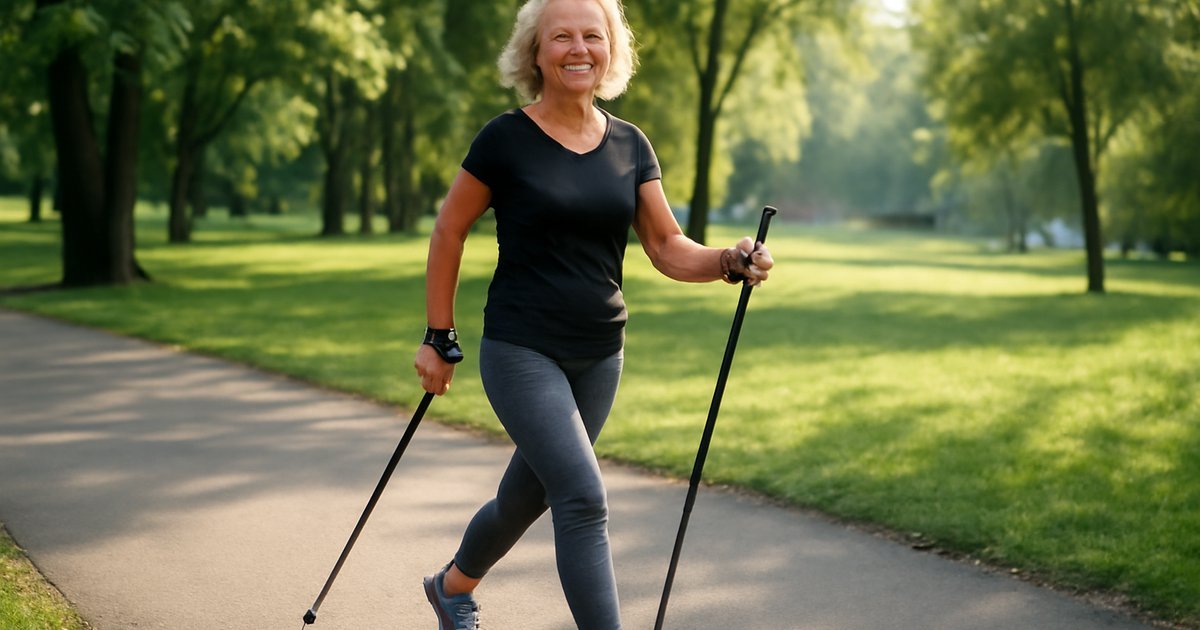
Tag: active aging

  • Nordic Walking After 50: Benefits, Technique & How to Start

    Nordic Walking After 50: Benefits, Technique & How to Start

    A low-impact, full-body workout that engages 90% of your muscles — and most people over 50 have never tried it.

    Introduction

    When David, 63, was told by his cardiologist to start exercising regularly after a mild cardiac event, he felt overwhelmed. Running was too hard on his knees. The gym felt intimidating. But then a friend introduced him to Nordic walking — and within three months, his blood pressure had dropped, his energy had returned, and he was logging four miles a day through his neighborhood.

    Nordic walking is one of the most effective yet underused fitness tools available to adults over 50. According to the CDC, fewer than 25% of American adults meet the recommended weekly guidelines for both aerobic and muscle-strengthening activity. Nordic walking can help close that gap — without a gym membership, without joint pain, and without complicated equipment.

    In this guide, you’ll learn exactly what Nordic walking is, how it differs from regular walking, what the clinical evidence says about its health benefits, and how to get started safely — even if you haven’t exercised in years.

    What Is Nordic Walking?

    Nordic walking is a full-body walking technique that uses specially designed poles to actively engage your upper body as you walk. It originated in Finland in the 1930s as an off-season training method for cross-country skiers, but it has since evolved into a mainstream fitness activity practiced by an estimated 12 million people across Europe — and is growing rapidly in the United States.

    Unlike hiking poles or trekking sticks, Nordic walking poles are used with a specific pushing motion that activates your arms, shoulders, chest, back, and core with every stride. The technique transforms ordinary walking into a full-body cardiovascular workout.

    According to research published by the American Journal of Preventive Medicine and supported by findings from the Cooper Institute, Nordic walking burns approximately 20–46% more calories than regular walking at the same pace — all without feeling significantly harder. This makes it especially valuable for adults managing weight, cardiovascular risk, or metabolic conditions.

    The poles also provide a slight stability advantage, which is particularly meaningful for older adults navigating uneven terrain or those recovering from injury. This isn’t a passive activity — it’s an active, full-body movement that doctors and physical therapists increasingly recommend for adults in their 50s, 60s, and beyond.

    Health Benefits of Nordic Walking After 50

    The clinical evidence behind Nordic walking is more robust than many people expect. Here’s what research suggests across key health areas:

    Cardiovascular Health

    A study published in the Journal of Cardiopulmonary Rehabilitation and Prevention found that Nordic walking significantly improved cardiovascular fitness — measured as VO2 max — in adults over 50, outperforming regular walking programs of equal duration. The upper-body engagement increases heart rate and oxygen consumption more effectively than standard walking, giving your heart a more meaningful workout.

    The American Heart Association recognizes brisk walking as a cornerstone of heart disease prevention. Nordic walking takes that benefit further by adding upper-body muscle recruitment, which elevates cardiac output without high-impact stress on the joints.

    Muscle Engagement and Bone Density

    Regular walking primarily works the lower body. Nordic walking, by contrast, engages up to 90% of the body’s skeletal muscles — including the latissimus dorsi, triceps, pectorals, and core stabilizers — according to research from the Finnish Central Association for Recreational Sports.

    This matters enormously for adults over 50. The NIH reports that muscle mass declines at a rate of 3–8% per decade after age 30, accelerating after 60 — a condition called sarcopenia. Weight-bearing activity also stimulates bone remodeling. Clinical evidence suggests that Nordic walking’s combination of ground-force impact and upper-body resistance may support bone density in postmenopausal women and older men.

    Balance, Posture, and Fall Prevention

    Falls are the leading cause of injury-related death among adults over 65 in the United States, according to the CDC. Nordic walking improves proprioception (your body’s sense of position and movement), activates stabilizing core muscles, and trains rhythmic coordination between the upper and lower body — all of which contribute to better balance and fall prevention.

    Physical therapists at Mayo Clinic and Cleveland Clinic have incorporated Nordic walking into rehabilitation programs for patients recovering from hip replacement, stroke, and Parkinson’s disease, citing its simultaneous benefit to gait, posture, and confidence.

    Mental Health and Mood

    Research suggests that outdoor exercise consistently outperforms indoor workouts in reducing symptoms of anxiety and depression. A 2022 meta-analysis published in Mental Health and Physical Activity found that structured walking programs in natural environments reduced depressive symptoms significantly in adults over 50. Nordic walking adds a social dimension — it’s commonly practiced in groups — which the NIH identifies as a protective factor for cognitive aging and emotional well-being.

    Weight Management and Metabolic Health

    For adults managing type 2 diabetes, metabolic syndrome, or weight challenges, Nordic walking offers a meaningful caloric advantage. Clinical evidence from the Cooper Institute indicates that the pole-assisted technique increases caloric expenditure by up to 46% compared to regular walking — without a perceived increase in exertion. This makes it an excellent tool for sustainable, long-term weight management.

    Proper Technique: How to Walk the Nordic Way

    Technique is what separates Nordic walking from simply walking with sticks. Using the poles correctly is essential — both for maximizing benefits and avoiding shoulder or wrist strain. Here’s what most physical therapists recommend for beginners:

    • Pole length: Your elbow should form a 90-degree angle when holding the pole grip with the tip touching the ground just behind your heel. Most poles are height-adjustable.
    • Grip and strap: Nordic walking poles come with a specialized wrist strap system. You should be able to open your hand fully and let the pole swing freely — the strap does the work, not a tight grip.
    • Arm swing: Think of the motion as a natural arm swing — opposite arm to opposite leg. The pole plants behind you as you push off, not in front of you like a hiking stick.
    • Push, don’t stab: The key movement is a backward push through the pole, driving through the ground behind your body. This is what activates your arms, chest, and core.
    • Upright posture: Keep your chest open, shoulders relaxed, and gaze forward. Avoid hunching over the poles.
    • Natural stride length: Don’t overextend. Let your stride feel natural and comfortable. Speed and distance will increase as your technique improves.

    Many Nordic walking instructors recommend starting with a short technique lesson — often available through local parks and recreation departments or certified Nordic walking coaches — before going solo. This varies from person to person, but most adults feel comfortable with the basic technique within two to three sessions.

    How to Get Started: A Beginner’s Plan

    You don’t need to be fit to start Nordic walking. This sport meets you exactly where you are. Here’s a practical four-week beginner framework:

    What You’ll Need

    • Nordic walking poles: Choose adjustable, lightweight poles with wrist straps designed specifically for Nordic walking — not hiking poles. Reputable brands include Leki, Exel, and Urban Poling. Expect to spend between $60 and $120 for a quality pair.
    • Supportive footwear: Wear walking shoes with good arch support and a slight heel cushion. Running shoes work well. Avoid flip-flops or flat-soled shoes.
    • Comfortable clothing: Dress in moisture-wicking layers appropriate for the weather.

    4-Week Beginner Program

    Week 1: Walk 20 minutes, 3 days per week. Focus entirely on arm swing and pole plant — don’t worry about speed. Let your body learn the rhythm.

    Week 2: Extend to 25–30 minutes per session, 3–4 days per week. Begin adding a moderate pace for 5-minute intervals, then return to a comfortable rhythm.

    Week 3: Walk 30–35 minutes, 4 days per week. Focus on the backward push through the pole. You should feel your triceps and upper back engaging.

    Week 4: Aim for 40 minutes, 4–5 days per week. At this point, many beginners notice improved endurance, reduced fatigue, and better posture throughout the day.

    After four weeks, most people can comfortably build toward the CDC’s recommended 150 minutes per week of moderate-intensity aerobic activity — entirely through Nordic walking. For additional recovery strategies between sessions, see our guide on Stretching and Recovery After 40: Feel Better, Move Longer.

    Who Should Consider Nordic Walking?

    Nordic walking is appropriate for a remarkably broad range of adults. It is especially beneficial for:

    • Adults over 50 looking for a sustainable, joint-friendly cardio routine
    • People managing hypertension, type 2 diabetes, or metabolic syndrome
    • Individuals recovering from knee, hip, or back issues (with physician clearance)
    • Those with mild balance concerns or early Parkinson’s disease
    • Adults who find gyms inaccessible, expensive, or unenjoyable
    • People returning to exercise after a long break

    It is also an excellent complement to other low-impact activities. Many adults pair Nordic walking with functional fitness training — see our related guide on Functional Fitness After 50: Move Better, Live Stronger — for a well-rounded weekly routine.

    Living With an Active Lifestyle: Staying Consistent

    Consistency is the single most important predictor of long-term fitness outcomes, according to research cited by the NIH. Nordic walking supports consistency because it’s enjoyable, adaptable, and doesn’t require recovery days the way high-intensity training does.

    Here are evidence-based strategies to help you stick with it:

    • Join a group: Nordic walking clubs exist in most US cities. Group walking significantly increases adherence rates — a finding supported by multiple behavioral health studies.
    • Track your progress: Use a fitness tracker or smartphone app to log distance, time, and steps. Seeing progress is a powerful motivator.
    • Vary your routes: Walking different paths — parks, trails, neighborhoods — reduces boredom and adds sensory stimulation that supports mental health.
    • Set small, specific goals: Rather than "I want to get fit," aim for "I will walk 30 minutes on Monday, Wednesday, and Friday this week."
    • Listen to your body: Mild muscle soreness after the first few sessions is normal, particularly in the arms and upper back. Sharp pain, joint discomfort, or chest symptoms are not normal — stop and consult your doctor.

    If you also enjoy indoor or morning movement, our article on Morning Exercise Routines for Adults Over 50 offers practical ideas to complement your Nordic walking schedule.

    When to Call Your Doctor or Seek Emergency Care

    Nordic walking is generally very safe for most adults, but there are important situations where medical attention is required. Know these warning signs:

    Stop Exercising Immediately and Call 911 If You Experience:

    • Chest pain, pressure, or tightness during or after exercise
    • Sudden shortness of breath that does not resolve with rest
    • Dizziness, fainting, or near-fainting
    • Irregular or very rapid heartbeat
    • Sudden severe pain in any joint or muscle

    Contact Your Doctor Before Starting If You Have:

    • Uncontrolled hypertension or recent cardiac event
    • Recent surgery or orthopedic injury
    • Peripheral artery disease or severe osteoporosis
    • Neurological conditions affecting balance or coordination
    • Any concern that has not been evaluated by a physician

    Most physicians will enthusiastically support Nordic walking as part of a preventive care plan — but it’s always wise to check in with your provider before starting a new exercise routine, particularly if you manage a chronic condition. Clinical evidence indicates that even a brief conversation with your doctor about exercise goals significantly improves adherence and safety outcomes.

    Frequently Asked Questions

    Is Nordic walking better than regular walking?

    Research suggests yes — for most adults over 50. Nordic walking burns significantly more calories, engages far more muscle groups, improves posture, and provides cardiovascular benefits comparable to jogging, but with a fraction of the joint impact. That said, any walking is beneficial. Nordic walking is an upgrade, not a requirement.

    Can I do Nordic walking with bad knees or arthritis?

    Many people with osteoarthritis or knee pain find Nordic walking more comfortable than regular walking because the poles distribute load across the upper body, reducing pressure on the knees by an estimated 25%, according to findings cited by the Arthritis Foundation. Always consult your orthopedist or rheumatologist before starting, especially after joint replacement surgery.

    How is Nordic walking different from hiking with trekking poles?

    The key difference is technique and pole design. Hiking poles are used for stability and balance — you plant them in front of you. Nordic walking poles are used actively, with a backward push that drives upper-body muscle engagement. The poles are also lighter, with a different strap system designed for dynamic movement. The technique is the workout — the poles alone don’t create the benefit.

    How many calories does Nordic walking burn?

    This varies from person to person based on weight, pace, terrain, and technique. Clinical evidence from the Cooper Institute suggests that a 150-pound adult walking at a moderate pace burns approximately 280–400 calories per hour with Nordic walking poles, compared to roughly 200–280 calories with regular walking at the same pace. Proper technique maximizes caloric burn.

    Do I need a certified instructor to start?

    You don’t need one, but a brief technique session — even a free YouTube tutorial from a certified Nordic walking instructor — can dramatically improve your form and the benefits you receive. Poor technique (using poles like hiking sticks rather than pushing through them) significantly reduces the upper-body benefits. Most local parks departments and senior wellness centers offer introductory sessions.

    Conclusion

    Nordic walking is one of those rare fitness tools that delivers genuine, evidence-based health benefits across multiple systems — cardiovascular, musculoskeletal, neurological, and psychological — without requiring extreme exertion, expensive equipment, or a gym membership. For adults over 50 who want to move more, feel stronger, and protect their long-term health, it deserves serious attention.

    You don’t need to be an athlete to benefit. You just need a pair of poles, a comfortable pair of shoes, and the willingness to take the first step. As always, talk with your physician before making significant changes to your activity level — especially if you’re managing a chronic condition. With the right guidance and a consistent routine, Nordic walking can become one of the most rewarding health habits of your 50s, 60s, and beyond.


    Medical Disclaimer: This article is for informational and educational purposes only. It does not constitute medical advice, diagnosis, or treatment. Always consult your physician or a qualified healthcare provider before making changes to your health routine or treatment plan.

    Medically reviewed by our editorial health team. Content follows evidence-based standards aligned with CDC and NIH guidelines.
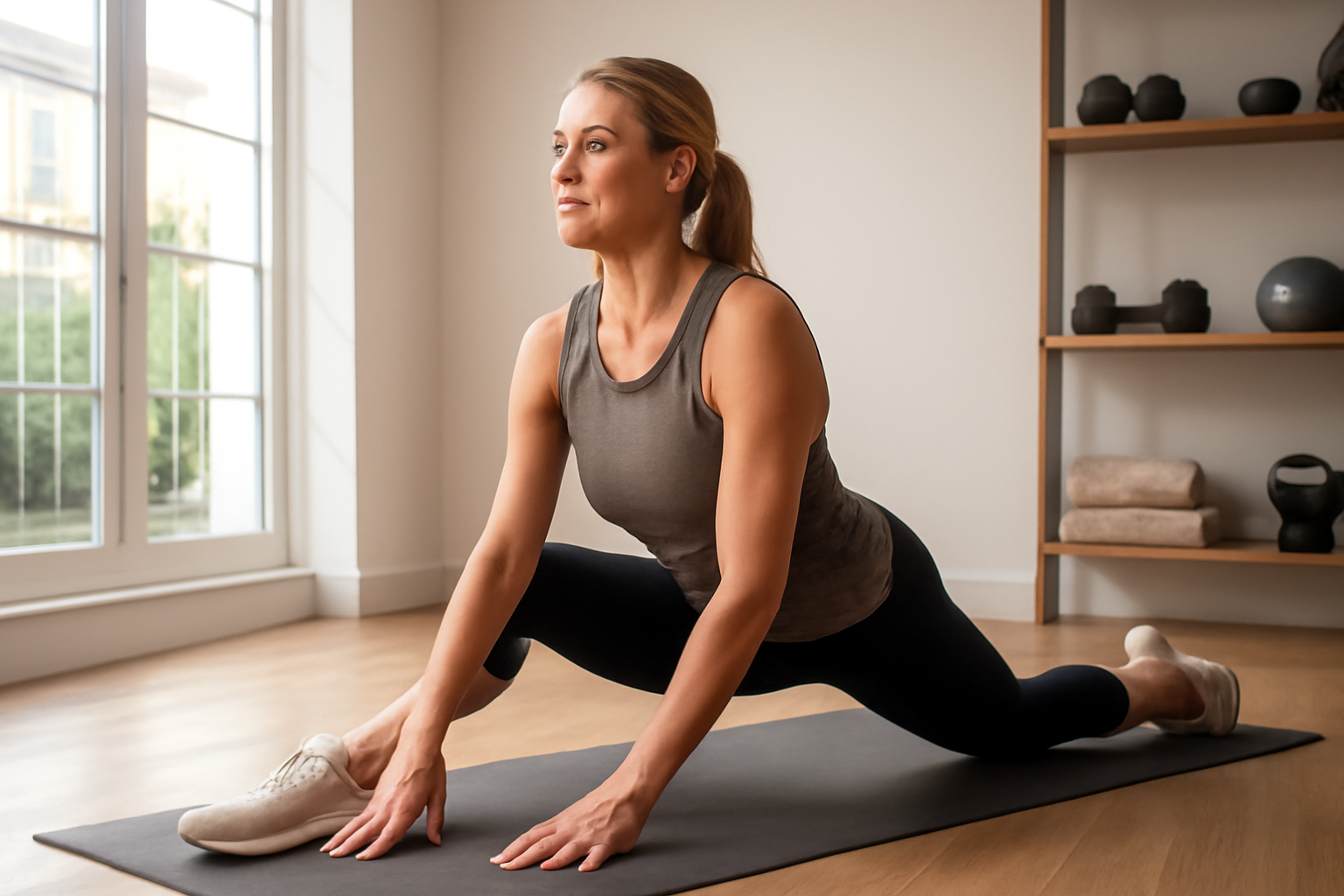
  • Flexibility & Mobility Training: The Complete Guide for Adults 40+

    Flexibility & Mobility Training: The Complete Guide for Adults 40+

    Flexibility & Mobility Training: The Complete Guide for Adults 40+

    Stiffness, limited range of motion, and joint discomfort aren’t inevitable — but they do require intentional effort to prevent.

    Why Flexibility and Mobility Matter More Than You Think

    Margaret, 54, noticed it first when she could no longer reach the back seat of her car without wincing. Then came the morning stiffness that lasted nearly an hour. Her doctor assured her there was no serious injury — just the gradual loss of flexibility and joint mobility that affects millions of American adults each decade after 40.

    According to the American College of Sports Medicine, flexibility declines by roughly 25 to 30 percent between the ages of 30 and 70 — and most people don’t notice it until daily tasks become harder. Reaching overhead, bending to tie your shoes, turning to check your blind spot while driving — these movements depend directly on your mobility.

    In this guide, you’ll learn what flexibility and mobility actually mean, why they diverge after 40, what the clinical research says about training both, and exactly how to build a sustainable, evidence-based routine — whether you’re recovering from injury, managing a chronic condition, or simply trying to stay active and independent for decades to come.


    What Are Flexibility and Mobility — and Are They the Same Thing?

    These two terms are often used interchangeably, but they describe different physical qualities that require different approaches to improve.

    Flexibility refers to the passive ability of a muscle or muscle group to lengthen. It’s the range of motion available when an external force — gravity, a strap, a partner — is applied. Doing a static hamstring stretch while lying on your back is a flexibility exercise.

    Mobility refers to your active ability to move a joint through its full range of motion under your own muscular control. Hip mobility, for example, determines how well you can squat, lunge, step up a curb, or get up from a low chair — all under your own power.

    You can have flexible muscles but poor mobility if you lack the strength or neuromuscular control to use that range of motion. This distinction matters clinically: research published in the Journal of Strength and Conditioning Research indicates that mobility-focused training — which combines flexibility with strength and motor control — produces more functional outcomes than static stretching alone.

    The NIH’s National Institute on Aging recognizes flexibility and balance work as two of the four essential components of physical fitness for older adults, alongside endurance and strength.


    How Aging Affects Your Muscles, Joints, and Connective Tissue

    Understanding what physically changes after 40 helps explain why a dedicated practice matters — and why the changes aren’t a life sentence.

    Several biological shifts happen gradually as you age:

    • Reduced collagen synthesis: Tendons and ligaments lose elasticity as collagen production slows after age 30. This makes connective tissue stiffer and more prone to injury under sudden loads.
    • Decreased synovial fluid: The lubricating fluid inside your joints becomes less abundant, increasing friction and discomfort during movement — particularly in the knees, hips, and spine.
    • Sarcopenia: Beginning around age 40, adults lose approximately 3 to 8 percent of muscle mass per decade (CDC), which directly reduces muscular support around joints and limits active range of motion.
    • Neurological slowing: Proprioception — your body’s sense of its own position in space — becomes less precise, reducing coordination and increasing fall risk.
    • Fascial thickening: The connective tissue surrounding muscles (fascia) tends to become denser and less supple, further restricting range of motion if left unaddressed.

    The encouraging clinical reality: a 2023 meta-analysis in Ageing Research Reviews found that consistent flexibility and mobility training can meaningfully slow these changes — and in some cases partially reverse functional limitations — even in adults beginning a program after age 60.


    Signs You May Need to Prioritize Mobility Work

    Flexibility and mobility loss rarely announces itself dramatically. Most people adapt to limitations gradually, without realizing how much movement they’ve lost. Watch for these signals:

    Early signs:

    • Morning stiffness lasting more than 15 to 20 minutes
    • Difficulty reaching overhead without discomfort
    • Tight hips when sitting for extended periods
    • Reduced stride length when walking
    • Needing to use your arms to push up from a chair
    • Feeling “locked up” in your thoracic spine (mid-back)

    More advanced signs:

    • Chronic low back pain with no structural diagnosis
    • Recurring muscle strains during low-intensity activity
    • Noticeable asymmetry — one hip, shoulder, or knee moving less freely than the other
    • Difficulty with balance tasks like standing on one leg
    • Pain during routine movements such as squatting or rotating your torso

    Research from Johns Hopkins Medicine suggests that reduced hip mobility, in particular, is one of the most underrecognized contributors to lower back pain in adults over 40. The hip and lumbar spine compensate for each other — when one is restricted, the other often bears disproportionate load.


    The Evidence-Based Benefits of Flexibility and Mobility Training

    This isn’t just about touching your toes. Clinical evidence points to meaningful, wide-ranging health benefits across multiple systems:

    Reduced injury risk: A systematic review in the British Journal of Sports Medicine found that regular flexibility training reduced musculoskeletal injury rates in recreational exercisers by up to 35 percent.

    Chronic pain reduction: The American College of Rheumatology includes stretching and range-of-motion exercises in its clinical guidelines for osteoarthritis management — one of the most prevalent conditions in US adults over 50, affecting an estimated 32.5 million Americans according to the CDC.

    Improved posture and spinal health: Mobility work targeting the thoracic spine and hip flexors has been shown to reduce compressive load on lumbar vertebrae, potentially decreasing the incidence of disc-related complaints.

    Better athletic performance: Whether you’re running, cycling, swimming, or lifting weights, adequate joint mobility allows for more efficient movement mechanics — which translates to better performance and less compensatory strain. If you’re also following a strength training program after 40, mobility work is especially important to maintain safe mechanics under load.

    Fall prevention: The CDC reports that falls are the leading cause of injury-related death in adults 65 and older. Research consistently shows that balance and mobility training significantly reduces fall risk — with some studies showing reductions of 23 percent or more.

    Mental health benefits: Mind-body mobility practices such as yoga and tai chi have demonstrated reductions in perceived stress, anxiety, and depressive symptoms in multiple randomized controlled trials reviewed by the NIH’s National Center for Complementary and Integrative Health.


    Types of Flexibility and Mobility Training: What Works and When

    Not all stretching and mobility work is created equal. Here’s what clinical evidence supports for adults over 40:

    Static Stretching

    Holding a stretch for 20 to 60 seconds without bouncing. Most physicians and physical therapists recommend static stretching after exercise — not before — when muscles are warm. Research suggests holding each stretch for a minimum of 30 seconds to produce lasting changes in muscle length.

    Dynamic Stretching and Warm-Up Mobility Drills

    Controlled, movement-based stretches performed through a range of motion — leg swings, hip circles, arm crossovers. These are ideal before workouts, as they increase blood flow, prepare joints for load, and activate neuromuscular pathways without the performance-reducing effects of static pre-exercise stretching.

    Yoga

    Multiple clinical trials, including studies reviewed by the Mayo Clinic, indicate that regular yoga practice improves flexibility, balance, and functional mobility in middle-aged and older adults, while also reducing chronic pain and improving sleep quality. Even two sessions per week produces measurable benefits within 8 weeks.

    Tai Chi

    Particularly well-supported for adults over 60, tai chi combines slow, deliberate movement with balance challenges. A meta-analysis in the Journal of the American Geriatrics Society found tai chi reduced fall frequency by 43 percent in older adults compared with control groups.

    Foam Rolling (Self-Myofascial Release)

    Using a foam roller or massage ball to apply pressure to tight muscle groups can temporarily reduce tissue stiffness and improve range of motion before stretching. Clinical evidence positions it best as a complement to — not a replacement for — active stretching and mobility work.

    Joint Mobility Drills (CARs)

    Controlled Articular Rotations (CARs) involve moving joints — hips, shoulders, thoracic spine, ankles — through their full active range of motion in a slow, controlled way. Developed and popularized in physiotherapy circles, CARs are increasingly recognized as one of the most efficient mobility maintenance tools available to adults of all ages.


    How to Build Your Flexibility and Mobility Routine

    The best program is one you’ll actually do consistently. Here’s an evidence-informed starting framework:

    Frequency: Most clinical guidelines recommend flexibility and mobility work at least 3 to 5 days per week. The American College of Sports Medicine suggests daily stretching for adults over 65 seeking to maintain or improve functional range of motion.

    Duration: Even 10 to 15 minutes per session produces measurable improvements when practiced consistently. A 20 to 30 minute dedicated mobility session 3 times weekly is a strong target for most adults over 40.

    Timing: Dynamic mobility work before exercise; static stretching after. A standalone morning mobility routine — even 10 minutes after a hot shower when tissues are warm — is one of the most consistent habits reported by adults who successfully maintain flexibility long term.

    Priority areas for adults 40+:

    • Hip flexors and hip rotators — critical for back health and lower body mechanics
    • Thoracic spine (mid-back) — stiffness here forces the neck and lower back to compensate
    • Hamstrings and calves — affect gait, posture, and knee health
    • Shoulder complex — overhead mobility affects daily function and upper body exercise safety
    • Ankle dorsiflexion — essential for squatting mechanics and fall prevention

    If you’re also incorporating cardiovascular exercise into your week, pairing it with regular mobility work creates a powerful combination. Adults interested in heart-healthy cardio programming may find it helpful to review evidence-based cardio exercise guidelines for adults over 50, which complement a full mobility practice well.

    Similarly, if you’re following a strength training program after 50, mobility work is not optional — it directly determines how safely and effectively you can lift as intensity increases.


    When to See a Doctor or Physical Therapist

    Most flexibility and mobility training is safe for healthy adults to begin independently. However, certain situations warrant professional evaluation before starting or continuing a program.

    See your doctor promptly if you experience:

    • Sudden, sharp joint pain during or after stretching
    • Swelling, warmth, or redness around a joint
    • Pain that worsens with rest or wakes you at night (possible inflammatory or autoimmune cause)
    • A “snapping” or “popping” sensation in a joint accompanied by pain or instability
    • Numbness or tingling that travels down an arm or leg during stretching

    Seek emergency care if you experience:

    • Sudden severe joint pain following an audible snap or pop
    • Inability to bear weight on a limb
    • Visible joint deformity
    • Loss of feeling in a limb

    Consider a physical therapist if:

    • You have a known musculoskeletal condition such as osteoarthritis, scoliosis, or a previous joint replacement
    • You’ve had a recent injury or surgery
    • Your mobility limitations are asymmetric (one side noticeably worse)
    • You’ve been stretching consistently for 8 weeks without improvement

    A licensed physical therapist can assess your specific movement patterns, identify compensations, and build a targeted program — a level of individualization that generic online programs cannot replicate. This varies from person to person, and professional guidance makes a meaningful difference in both safety and outcomes.


    Frequently Asked Questions

    Q: Is it too late to improve flexibility after 50 or 60?
    Absolutely not. Research published in Ageing Research Reviews confirms that adults who begin flexibility and mobility training after 60 show significant improvements in range of motion within 8 to 12 weeks. The body retains a meaningful capacity for adaptation throughout life — what changes is the timeline and the need for consistency.

    Q: How long should I hold a stretch?
    Clinical evidence suggests that holding a static stretch for 30 to 60 seconds produces the most consistent improvements in muscle length for adults over 40. Shorter holds (under 15 seconds) may feel good temporarily but don’t produce lasting changes in tissue flexibility. Most physicians and physical therapists recommend 2 to 4 repetitions per muscle group.

    Q: Can stretching help with chronic lower back pain?
    Research suggests yes, in many cases — but the cause of your back pain matters. Hip flexor tightness, hamstring restriction, and thoracic spine stiffness are all common contributors to mechanical low back pain that respond well to targeted mobility work. However, structural issues like herniated discs require professional guidance before beginning a stretching program. Always consult your physician first.

    Q: Should I stretch if I have osteoarthritis?
    The American College of Rheumatology explicitly recommends range-of-motion and flexibility exercises as part of osteoarthritis management. Gentle, low-load movement keeps joint cartilage nourished (cartilage has no direct blood supply and depends on movement to distribute synovial fluid). That said, approach is critical — your doctor or physical therapist can help identify which exercises are appropriate for your specific joints and disease stage.

    Q: What’s the difference between yoga for flexibility and physical therapy stretching?
    Yoga combines flexibility, balance, breath control, and mindfulness in a group or self-guided format — it’s excellent for general mobility maintenance and stress reduction. Physical therapy stretching is individually prescribed, diagnostically driven, and focused on correcting specific impairments. Both have clinical value; they serve different purposes and work well in combination for many adults.


    Moving Forward: Your Body Is Designed to Move

    Flexibility and mobility aren’t vanity fitness goals — they are functional necessities that determine how well you move through everyday life, how safely you exercise, and how independently you live as you age. Clinical evidence is clear: consistent, targeted mobility training produces real, measurable improvements at every stage of adulthood.

    You don’t need to become a yogi or spend hours on a mat. Even 10 to 15 focused minutes each day — targeting your hips, spine, and shoulders — can produce meaningful change within weeks. The best time to start was 10 years ago. The second-best time is today.

    Talk with your physician before beginning any new exercise program, especially if you’re managing a chronic condition or recovering from injury. A brief conversation can help you start safely and with confidence.


    Medical Disclaimer: This article is for informational and educational purposes only. It does not constitute medical advice, diagnosis, or treatment. Always consult your physician or a qualified healthcare provider before making changes to your health routine or treatment plan.

    Medically reviewed by our editorial health team. Content follows evidence-based standards aligned with CDC and NIH guidelines.