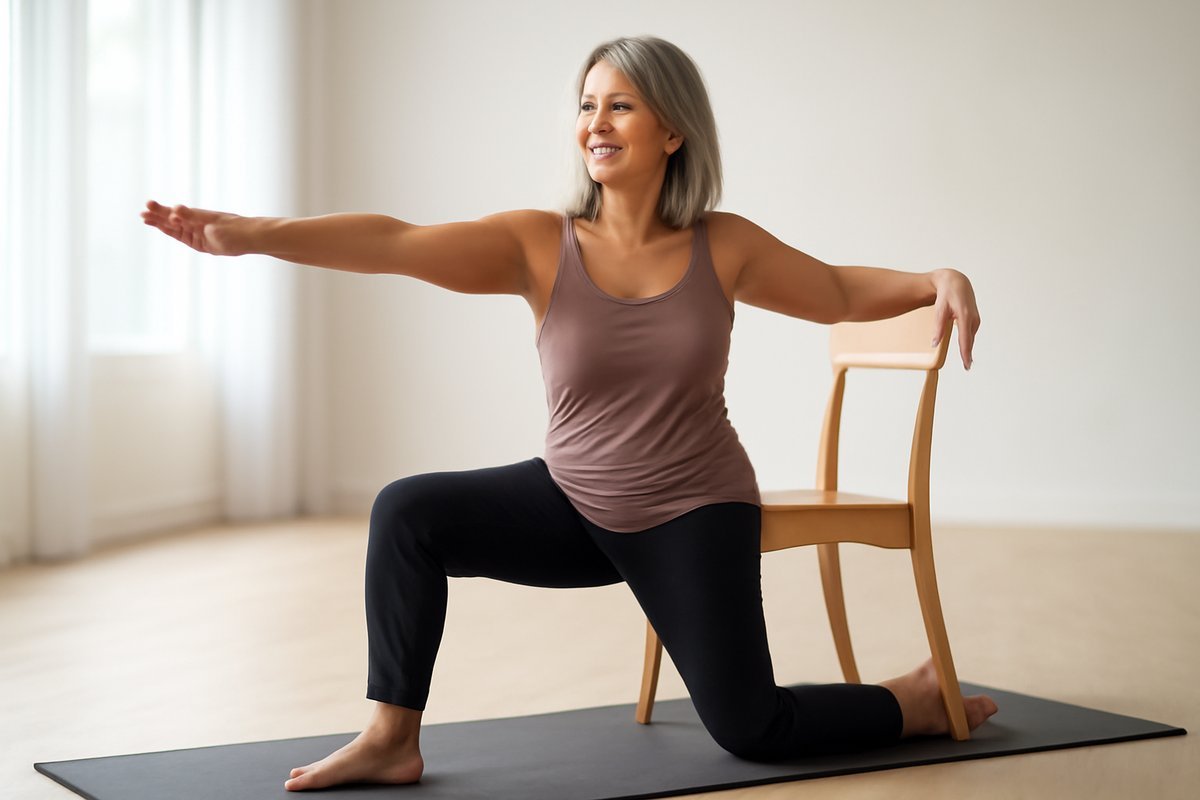
Discover how yoga can enhance flexibility, strength, and peace of mind, tailored for your body’s unique needs after 40.
As we navigate life after 40, many of us begin to notice subtle shifts in our bodies and minds. Perhaps you feel a bit stiffer in the mornings, find daily tasks requiring more effort, or grapple with increased stress from work and family responsibilities. You’re not alone. According to a 2017 report by the Centers for Disease Control and Prevention (CDC), nearly 1 in 7 U.S. adults had practiced yoga in the past 12 months, highlighting its growing appeal for health and wellness across age groups.
For adults over 40, finding an exercise routine that is both effective and gentle on the body can be a challenge. That’s where yoga, with its emphasis on mindful movement and body awareness, truly shines. This comprehensive guide will explore the profound benefits of yoga for adults over 40, delve into various styles to help you find your perfect fit, and provide essential safety tips to ensure a sustainable and injury-free practice.
What Is Yoga for Health and Wellness?
Yoga, an ancient practice originating in India, is a holistic discipline that meticulously combines physical postures (known as asanas), precise breathing techniques (pranayama), and meditation or relaxation. Far from being just a series of stretches, yoga aims to foster harmony between the mind, body, and spirit.
In the context of modern health and wellness, yoga is increasingly recognized for its therapeutic potential. Data from the National Center for Complementary and Integrative Health (NCCIH) indicates a significant surge in yoga adoption, with its use among U.S. adults dramatically increasing from 9.5% in 2012 to 14.3% in 2017. This upward trend underscores its growing acceptance as a valuable tool for physical fitness, mental clarity, and stress reduction.
For adults over 40, yoga offers a unique blend of benefits. It’s an accessible exercise that can be modified to suit various fitness levels and physical conditions, making it an excellent choice for maintaining vitality and enhancing overall well-being as you age.
Key Health Benefits of Yoga for Adults Over 40
Engaging in a regular yoga practice can bring a multitude of specific advantages tailored to the needs of adults over 40. These benefits extend beyond mere physical improvements, nurturing both your body and mind.
Enhanced Flexibility and Mobility
As we age, our muscles and connective tissues naturally become less pliable, leading to stiffness and reduced range of motion. Yoga actively combats this decline. Through sustained stretches and mindful movements, you can gradually increase your flexibility, making everyday tasks like bending, reaching, and twisting feel easier and more comfortable. A 2013 meta-analysis published in the Journal of Physical Activity and Health found that regular yoga practice significantly improves flexibility, particularly in the lower back and hamstrings. This enhanced flexibility and mobility is crucial for maintaining independence and quality of life.
Improved Strength and Balance
Many yoga postures require you to support your own body weight, effectively building lean muscle strength without the need for heavy equipment. This is particularly beneficial for maintaining muscle mass, which naturally diminishes with age. Moreover, holding balancing poses challenges your proprioception – your body’s sense of its position in space. Research supported by the National Institutes of Health (NIH) consistently shows that regular yoga practice can significantly enhance balance, which is a critical factor in preventing falls, a major concern for older adults.
Significant Stress Reduction and Mental Well-being
The combination of physical postures, focused breathing, and meditation inherent in yoga makes it a powerful antidote to stress. Yoga helps to activate the parasympathetic nervous system, responsible for the “rest and digest” response, counteracting the effects of chronic stress. Studies cited by Harvard Health Publishing highlight yoga’s effectiveness in reducing cortisol levels, the body’s primary stress hormone. This leads to profound improvements in mood, reduced anxiety, and enhanced mental clarity, helping you feel more centered and calm.
Management of Chronic Pain
For many adults over 40, chronic conditions like back pain, arthritis, and fibromyalgia can significantly impact daily life. Yoga offers a gentle yet effective approach to managing such discomfort. By strengthening supporting muscles, improving flexibility, and promoting relaxation, yoga can alleviate pain and improve functional capacity. A comprehensive review published in Complementary Therapies in Medicine noted that yoga can be an effective complementary therapy for chronic low back pain, showing greater improvement in pain and functional disability compared to usual care.
Common Yoga Styles and How to Choose
The world of yoga offers a diverse range of styles, each with its own pace, focus, and benefits. Understanding these differences can help you select a practice that best suits your goals, physical condition, and comfort level as an adult over 40.
- Hatha Yoga: Often considered a foundational style, Hatha yoga is characterized by its slower pace and longer holds in individual postures. It emphasizes basic poses and proper alignment, making it an excellent starting point for beginners or those seeking a gentler practice.
- Vinyasa Yoga: This dynamic style links movement with breath, creating a “flow” from one pose to the next. Vinyasa classes can vary widely in intensity but generally offer a more vigorous workout, building heat and strength. Look for “gentle Vinyasa” or “slow flow” classes if you’re new or prefer a less intense pace.
- Restorative Yoga: As its name suggests, this style focuses on deep relaxation and rejuvenation. Poses are held for extended periods, often with the support of props like blankets, bolsters, and blocks, allowing the body to fully release tension. Restorative yoga is perfect for stress relief, recovery, and those with limited mobility.
- Iyengar Yoga: Known for its meticulous attention to precise alignment and the extensive use of props (blocks, straps, chairs, ropes), Iyengar yoga emphasizes accuracy over flow. This style is particularly beneficial for individuals recovering from injuries, managing chronic conditions, or those who benefit from detailed instruction on proper form.
- Chair Yoga: An adapted form of yoga where poses are performed while seated or using a chair for support. This style is ideal for individuals with significant mobility limitations, balance issues, or those seeking a very gentle introduction to yoga.
When choosing a style, consider your current fitness level, any pre-existing health conditions, and what you hope to gain from your practice. Many studios offer introductory classes or trials, allowing you to sample different styles before committing.
Getting Started with Yoga: What to Expect
Embarking on your yoga journey can feel exciting and perhaps a little daunting. Knowing what to expect can help ease any apprehension and set you up for success.
Finding the Right Class or Instructor
Start by looking for “beginner,” “gentle,” or “restorative” classes, especially those specifically labeled for “seniors” or “all levels.” Many community centers, gyms, and dedicated yoga studios offer these options. Online platforms also provide a wealth of resources, but an in-person class with a qualified instructor can be invaluable for personalized feedback on form and alignment. Don’t hesitate to communicate any health concerns or physical limitations to your instructor before class begins.
Essential Equipment
You don’t need much to start. A good quality yoga mat provides cushioning and grip. Wear comfortable, breathable clothing that allows for a full range of motion. Beyond that, props such as yoga blocks, straps, and blankets are often available in studios or can be purchased for home use. These props are not for advanced practitioners; they are tools designed to support your body, help you find proper alignment, and make poses more accessible and comfortable.
A Typical Class Structure
Most yoga classes follow a general structure: beginning with a period of centering or gentle warm-up, moving into a sequence of standing and seated postures, and concluding with a cool-down and final relaxation, often in Savasana (Corpse Pose). Expect your instructor to guide you through various poses, offering cues for breath and alignment.
Embracing Modifications
One of the beautiful aspects of yoga is its adaptability. Most reputable instructors will offer modifications for poses, allowing you to adapt the practice to your body’s current capabilities. This might involve using a chair for support, bending your knees more deeply, or using blocks to bring the floor closer to you. Remember, yoga is about listening to your body and honoring its limits, not about achieving a perfect-looking pose.
Integrating Yoga into Your Daily Life
Consistency is key to unlocking the full spectrum of benefits that yoga offers. Integrating it seamlessly into your routine can transform not only your physical health but also your mental and emotional well-being.
Frequency and Duration
For noticeable benefits, most experts, including those at the American Council on Exercise (ACE), suggest aiming for two to three yoga sessions per week. Each session could range from 30 to 60 minutes, depending on your schedule and energy levels. However, even shorter, consistent practices – like 15-20 minutes daily – can be incredibly impactful for stress reduction and maintaining flexibility. Listen to your body and gradually build up your practice duration and intensity.
Home Practice vs. Studio Classes
Both home practice and studio classes offer unique advantages. Studio classes provide expert guidance, a sense of community, and a dedicated space away from distractions. They are excellent for learning proper form and receiving personalized adjustments. Home practice, on the other hand, offers flexibility and convenience. Many online platforms and apps provide guided yoga sessions that cater to all levels and styles. A combination of both can be ideal – attending studio classes for instruction and practicing at home for consistency.
Complementary Activities
Yoga complements other forms of exercise beautifully. For instance, pairing your yoga practice with cardiovascular activities like walking or cycling can create a well-rounded fitness regimen. Additionally, incorporating specific core strength training exercises can further enhance your yoga practice and provide greater stability in various poses.
Remember that integrating yoga is a personal journey. Be patient with yourself, celebrate small victories, and embrace the process of discovery and growth.
Preventing Injuries in Yoga
While yoga is generally considered safe, especially when practiced mindfully, injuries can occur, particularly if proper precautions aren’t taken. For adults over 40, who may have pre-existing conditions or reduced flexibility, understanding how to prevent injury is paramount.
- Listen to Your Body: This is the golden rule of yoga. Pain is a clear signal that something is wrong. While discomfort is a natural part of stretching and building strength, sharp, sudden, or persistent pain means you should immediately ease out of the pose. Never push yourself into a position that feels “wrong” or unstable.
- Prioritize Proper Alignment: Incorrect form is a leading cause of injury. Seek out qualified instructors who emphasize alignment cues and offer hands-on adjustments (with your permission). Don’t prioritize depth of a pose over correct alignment. Iyengar yoga, for instance, places a strong emphasis on precise alignment, which can be particularly beneficial for learning safe movement patterns.
- Don’t Force Flexibility: Flexibility improves over time with consistent practice. Trying to force your body into a deep stretch before it’s ready can strain muscles, ligaments, and joints. Embrace the philosophy of “ahimsa” or non-harming, extending it to your own body.
- Utilize Props: Blocks, straps, bolsters, and blankets are not signs of weakness – they are tools designed to support your body, reduce strain, and help you find safe alignment in various poses. Use them liberally to modify poses and make them more accessible to your current level of flexibility and strength.
- Communicate with Your Instructor: Before class, inform your instructor about any injuries, chronic conditions (like arthritis or back pain), or areas of concern. A good instructor can offer specific modifications or advise you on poses to avoid.
- Warm-Up and Cool-Down: Ensure your practice includes a gentle warm-up to prepare your muscles and joints for movement and a cool-down period to relax and integrate the benefits of your practice.
When to Consult Your Doctor About Yoga
While yoga offers numerous health benefits, it’s crucial to approach any new exercise regimen with appropriate medical consideration, especially for adults over 40 or those with existing health conditions.
Before You Begin: Pre-Existing Conditions
If you have any chronic health conditions such as heart disease, uncontrolled high blood pressure, severe arthritis, osteoporosis, herniated discs, or have recently undergone surgery, it is vital to consult your physician before starting yoga. Your doctor can advise you on any specific precautions or modifications you might need, or if certain styles of yoga should be avoided entirely. For example, individuals with severe osteoporosis may need to avoid certain deep forward folds or twists that put excessive pressure on the spine.
New or Worsening Pain
If you experience new or persistent pain that lasts beyond the usual muscle soreness — known as DOMS (Delayed Onset Muscle Soreness) — or if a pre-existing condition seems to worsen after starting yoga, it’s crucial to consult your physician. While some discomfort during stretching is normal, sharp, stabbing, or radiating pain is not and warrants medical attention.
Emergency Signs Requiring Immediate Care
Certain symptoms should never be ignored and require immediate medical evaluation. These red flags include:
- Sudden, severe pain in a joint or muscle.
- Numbness or tingling in the limbs, especially if accompanied by weakness.
- Dizziness, lightheadedness, or fainting during or after practice.
- Chest pain or unusual shortness of breath.
- Any symptoms of a stroke, such as sudden confusion, trouble speaking, or one-sided weakness.
These symptoms could indicate a serious underlying issue and require prompt medical attention.
What to Tell Your Doctor
When discussing your yoga practice with your doctor, be prepared to describe:
- The specific style of yoga you are practicing or plan to try.
- Any particular poses that cause discomfort or pain.
- The duration and frequency of your practice.
- Your medical history and any pre-existing conditions.
An open dialogue with your healthcare provider ensures that your yoga journey is safe, beneficial, and supports your overall health goals.
Frequently Asked Questions
Is yoga safe if I have arthritis?
Yes, for many forms of arthritis, yoga can be very beneficial. Gentle styles like Hatha, Restorative, or Chair Yoga, which emphasize slow movements, supported poses, and mindful breathing, can help improve joint flexibility, reduce pain, and strengthen surrounding muscles without excessive strain. It is crucial, however, to consult your doctor before starting and to inform your yoga instructor about your condition so they can suggest appropriate modifications.
How long does it take to see results from yoga?
The timeline for results varies greatly depending on the individual, consistency of practice, and what “results” you’re looking for. Many individuals report feeling increased calmness and improved sleep within a few weeks. Enhanced flexibility and balance can often be noticed within 1-3 months of consistent practice (2-3 times a week). Building significant strength may take longer, often 3-6 months. Patience and consistency are key.
Do I need to be flexible to start yoga?
Absolutely not. This is one of the most common misconceptions. Yoga is a practice designed to build flexibility over time, not to require it from the outset. Many poses can be modified to accommodate limited flexibility. The key is to start where you are and honor your body’s current capabilities, letting flexibility develop naturally with regular practice.
What’s the best yoga style for beginners over 40?
For adults over 40 who are new to yoga, Hatha yoga or Restorative yoga are often highly recommended due to their slower pace and emphasis on foundational poses and alignment. Gentle Vinyasa or Chair Yoga classes are also excellent choices, as they provide modifications and focus on accessible movements. It’s advisable to try a few different styles and instructors to find what resonates best with your body and preferences.
Can yoga help with weight loss?
While yoga is not typically as high-intensity as some traditional cardiovascular workouts, it can contribute to weight management in several ways. Vinyasa or Power Yoga styles can burn calories and build muscle, which boosts metabolism. More importantly, yoga cultivates mindfulness, which can reduce stress-related eating and improve dietary choices. It also enhances body awareness, encouraging healthier habits overall. For significant weight loss, it’s best combined with other forms of exercise and a balanced diet.
Conclusion
Embracing yoga as an adult over 40 can open doors to profound improvements in your physical and mental health. From enhanced flexibility and strength to significant stress reduction and better chronic pain management, the benefits are compelling. By understanding the different styles, starting gently, and prioritizing safety, you can cultivate a practice that supports your well-being for years to come.
Remember, your yoga journey is unique. Listen to your body, choose a style that resonates with you, and don’t hesitate to seek guidance from qualified instructors or medical professionals. With patience and consistency, yoga can become a cornerstone of your vibrant and healthy life.
MEDICAL DISCLAIMER
This article is for informational and educational purposes only. It does not constitute medical advice, diagnosis, or treatment. Always consult your physician or a qualified healthcare provider before making changes to your health routine or treatment plan.
AUTHOR LINE
Medically reviewed by our editorial health team. Content follows evidence-based standards aligned with CDC and NIH guidelines.