Posture Training for Adults Over 40: Fix Pain and Stand Tall
Poor posture isn’t just a cosmetic issue — it’s a leading driver of chronic pain, reduced lung capacity, and early functional decline in adults over 40.
Introduction
Mark, 52, spent decades hunched over a keyboard at his accounting firm. By the time he turned 50, he was waking up every morning with a stiff neck, a dull ache between his shoulder blades, and a growing sense that his body was quietly working against him. His doctor told him what millions of Americans hear every year: "Your posture is a big part of this problem."
Mark’s situation is far from unique. According to the National Institutes of Health (NIH), musculoskeletal disorders — many of them posture-related — affect more than 126 million Americans and are among the leading causes of disability and chronic pain in adults over 40.
The good news? Posture training is one of the most accessible, evidence-backed fitness strategies available — and it doesn’t require a gym membership or expensive equipment. In this guide, you’ll learn what poor posture really means, why it worsens with age, and exactly how to build a posture training routine that reduces pain, improves breathing, and helps you move better for decades to come.
What Is Posture Training?
Posture training refers to a structured approach to improving the alignment of your body — specifically how your head, spine, shoulders, hips, and feet relate to one another during standing, sitting, and movement. It goes far beyond simply "sitting up straight."
Good posture means your joints are stacked in a way that minimizes unnecessary stress on muscles, ligaments, and discs. When alignment breaks down — a common occurrence after 40 — your body compensates by overworking certain muscles while others become weak and underactive. This imbalance is the root cause of many common aches and movement limitations.
Clinical evidence from the American Physical Therapy Association (APTA) indicates that targeted postural exercise programs can significantly reduce neck and lower back pain, improve balance, and enhance respiratory function in middle-aged and older adults. Posture training typically includes a combination of strengthening exercises (for underactive muscles), stretching (for tight, shortened muscles), and movement retraining (rebuilding how you carry yourself daily).
This is not a passive endeavor. It’s an active fitness discipline that, when practiced consistently, delivers measurable health benefits.
Signs and Symptoms of Poor Posture
Poor posture often develops gradually, which is why many people don’t notice it until it’s already causing significant problems. Recognizing the signs early gives you the best chance at correction.
Early signs of postural dysfunction:
- Mild neck stiffness or tension, especially after sitting for long periods
- Rounded shoulders that feel difficult to pull back
- A tendency to lean forward when standing or walking
- Occasional lower back tightness that eases with movement
- Headaches originating at the base of the skull
- Fatigue during activities that shouldn’t feel tiring
More advanced signs requiring evaluation:
- Persistent neck or back pain lasting more than a few weeks
- Visible forward head posture (where your ears sit in front of your shoulders)
- Thoracic kyphosis — an exaggerated rounding of the upper back, sometimes called a "hump"
- Reduced range of motion in the shoulders or hips
- Numbness or tingling in the arms or hands
- Difficulty standing fully upright
- Breathing that feels shallow or restricted
A 2022 study published in the Journal of Orthopaedic Research found that adults over 45 with measurable forward head posture had a 2.4 times greater risk of neck-related disability compared to those with neutral head alignment. This underscores the importance of early intervention.
Red flag symptoms requiring immediate medical attention: sudden severe back pain, pain radiating down one or both legs, loss of bladder or bowel control, or progressive weakness in the limbs. These may indicate a serious spinal condition unrelated to posture training.
Causes and Risk Factors
Understanding what drives poor posture after 40 helps you address the root causes — not just the symptoms.
Biological changes with aging:
After 40, the intervertebral discs in your spine gradually lose fluid and height, reducing the cushioning between vertebrae. The deep stabilizing muscles of the spine — the multifidus and transverse abdominis — often weaken without regular targeted training. Hip flexors tighten from prolonged sitting, pulling the pelvis into an anterior tilt (a forward tilt that exaggerates lumbar curvature). Chest muscles shorten while the muscles between the shoulder blades lengthen and weaken.
Lifestyle and occupational factors:
- Sedentary work: Americans average 6-8 hours of sitting per day, according to the CDC
- Prolonged smartphone and device use, which encourages forward head positioning
- Lack of resistance training to maintain spinal muscle integrity
- Previous injuries that altered movement patterns
- Chronic stress, which increases muscle tension, particularly in the neck and upper trapezius
Hormonal and bone density changes:
For women going through menopause, declining estrogen accelerates bone density loss. The National Osteoporosis Foundation estimates that 10 million Americans have osteoporosis, and another 44 million have low bone mass — both of which affect spinal integrity and increase the risk of compression fractures that worsen kyphotic (rounded upper back) posture.
Who is most at risk? Adults who work desk jobs, those who have reduced their physical activity level, people with osteoporosis or arthritis, and individuals recovering from orthopedic injuries are particularly vulnerable to postural decline after 40.
Diagnosis: What to Expect
If you suspect your posture is contributing to pain or limited movement, a professional assessment is the most reliable starting point. Self-diagnosing from a mirror or phone camera has limits — a trained eye can identify compensation patterns you can’t see yourself.
Who can assess your posture:
- A physical therapist (PT) is often the most thorough option. They perform a full postural assessment, observe how you sit, stand, and move, and identify specific muscle imbalances
- Your primary care physician or an orthopedic specialist can rule out structural causes of pain and order imaging if needed
- A certified personal trainer with orthopedic specialization can assess and design corrective exercise programs
What a postural assessment typically involves:
- Visual analysis of standing alignment from the front, side, and back
- Range of motion testing for the spine, hips, and shoulders
- Muscle length testing (to identify tight vs. overstretched muscles)
- Strength testing of core, glute, and upper back muscles
- Gait analysis in some cases
When to seek evaluation sooner rather than later: If your posture-related discomfort is interfering with daily activities, if you’ve had a recent fall, or if you notice progressive changes in how you stand or walk, make an appointment promptly. According to the Mayo Clinic, early intervention in postural disorders typically yields significantly better outcomes than waiting until pain becomes chronic.
Posture Training: Exercises and Treatment Options
The most effective posture training programs combine targeted strengthening, intentional stretching, and movement awareness. Research suggests that a well-designed program practiced three to five times per week can produce noticeable improvements within eight to twelve weeks.
1. Strengthening Underactive Muscles
The muscles most commonly weakened in adults with poor posture include the deep cervical flexors (front of the neck), rhomboids and mid-trapezius (between the shoulder blades), lower trapezius, glutes, and deep core stabilizers.
Evidence-backed exercises include:
- Chin Tucks: Sitting or standing, gently draw your chin straight back (creating a "double chin"). Hold 5 seconds. Repeat 10 times. This targets the deep cervical flexors and counters forward head posture.
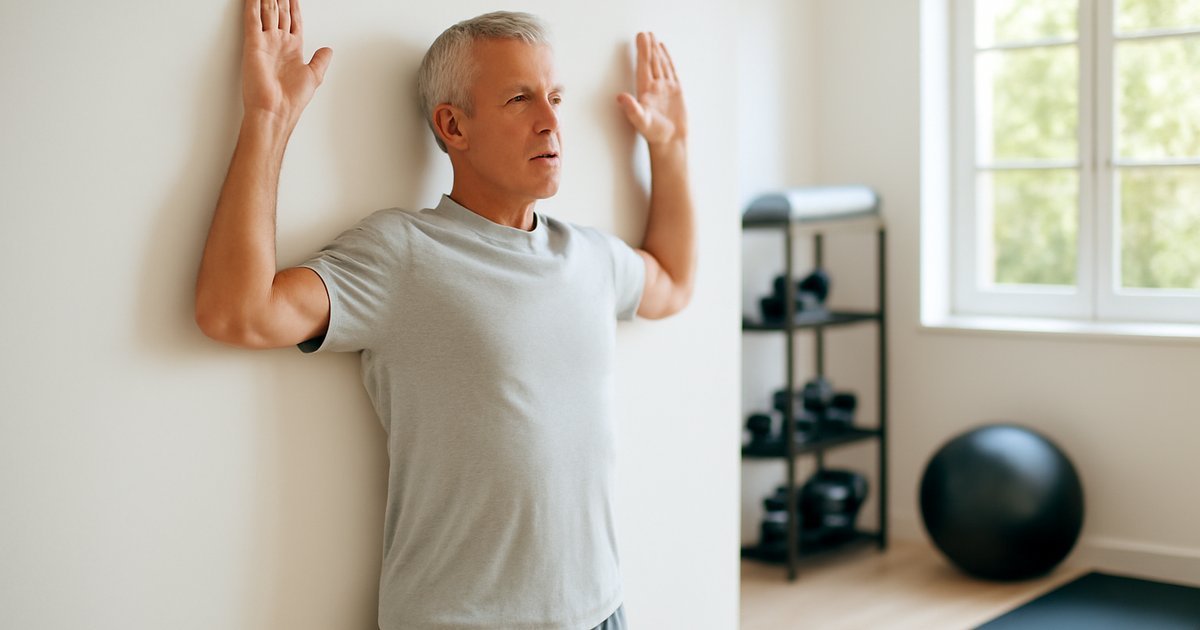
- Wall Angels: Stand with your back flat against a wall, arms raised in a "goalpost" position. Slowly slide arms up and down the wall while maintaining contact. This activates the lower trapezius and shoulder external rotators.
- Prone Y-T-W raises: Lie face down on a mat. Lift your arms into Y, T, and W shapes, squeezing the shoulder blades. This is one of the most effective exercises for mid and lower trapezius activation, according to research from the Journal of Physical Therapy Science.
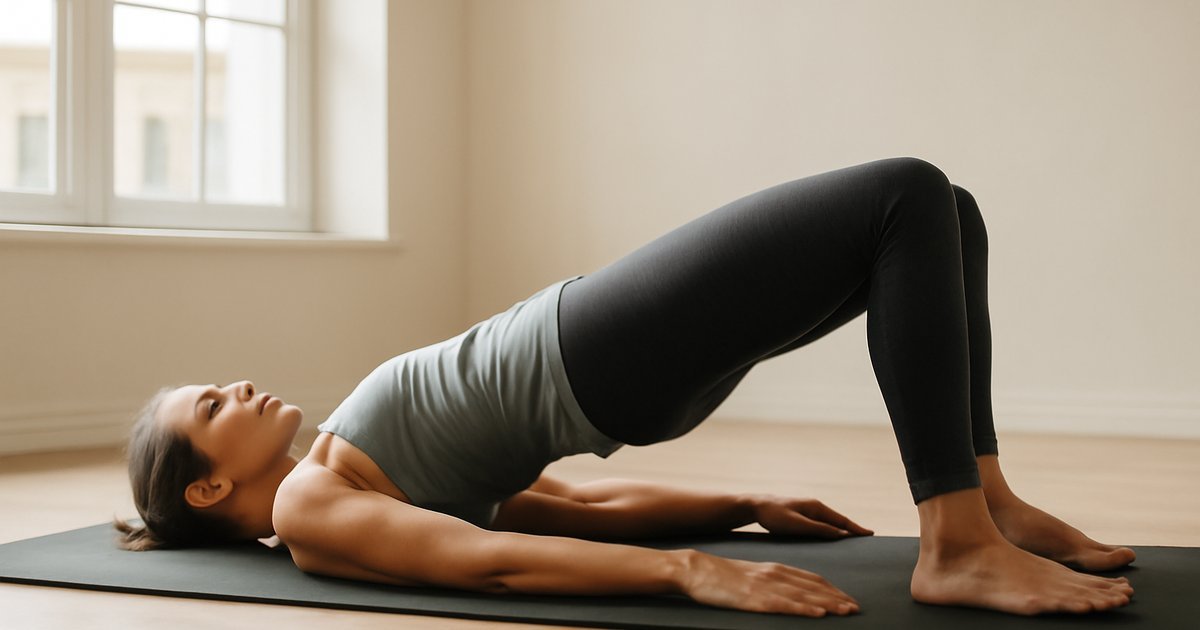
- Glute Bridges: Lying on your back with knees bent, press through your heels to lift your hips. Hold 2 seconds at the top. Glute weakness contributes to anterior pelvic tilt, which directly impacts lumbar posture.
- Dead Bug: Lying on your back, extend opposite arm and leg slowly while keeping your lower back flat on the floor. This builds deep core stability without stressing the spine.
If you’re looking to complement posture work with additional lower-body strength training, bodyweight squat progressions for adults over 40 are an excellent starting point for building the hip and glute strength that supports better pelvic alignment.
2. Stretching Overactive, Tight Muscles
These muscles are typically shortened and need regular lengthening:
- Chest Stretch (Pectoral Stretch): Stand in a doorway with arms at 90 degrees, gently lean forward. Hold 30 seconds, two to three times.
- Hip Flexor Stretch (Kneeling Lunge): From a kneeling position, shift your hips forward gently until you feel a stretch in the front of the rear hip. Hold 30-45 seconds per side.
- Upper Trapezius Stretch: Tilt your head to one side and gently apply light pressure with your hand. Hold 20-30 seconds per side.
- Thoracic Extension Over Foam Roller: Place a foam roller horizontally behind your mid-back and gently extend over it. This opens the thoracic spine and counteracts kyphosis.
For a deeper look at recovery and soft tissue work that complements posture training, our guide on resistance band workouts for adults over 50 includes exercises that target the upper back and rotator cuff — both critical for postural correction.
3. Conventional Medical Treatments
In cases where posture-related pain is moderate to severe, your physician may recommend:
- Formal physical therapy with a licensed PT — typically the gold standard for postural rehabilitation
- Chiropractic care as a complementary approach to manual spinal manipulation (evidence is moderate; most useful for short-term pain relief when combined with exercise)
- Ergonomic assessment and workplace modifications
- Anti-inflammatory medications as a short-term bridge while building corrective strength (discuss with your doctor)
- In rare cases, imaging or specialist referral for structural concerns
4. Movement and Lifestyle Modifications
- Set a timer to stand and move every 45-60 minutes during seated work
- Adjust your workstation so your monitor is at eye level and your feet rest flat on the floor
- Practice postural awareness during routine activities — walking, driving, and standing in line are all opportunities
- Carry bags and purses evenly distributed across your body, not on one shoulder
Living With Postural Changes: Daily Management and Prevention
Managing your posture isn’t a one-time fix — it’s an ongoing practice that rewards consistency. Clinical evidence indicates that combining exercise with environmental changes and body awareness training produces the most durable results.
Daily posture habits that make a measurable difference:
- Start each morning with 5-10 minutes of gentle mobility work — thoracic rotations, hip circles, and cat-cow stretches
- Use a lumbar support cushion when sitting for extended periods
- Sleep on a supportive mattress with a pillow that keeps your cervical spine neutral (neither too high nor too flat)
- Practice diaphragmatic breathing — breathing deeply into your belly engages your deep core stabilizers, which support spinal alignment
Prevention for younger adults (30s-40s):
The best time to invest in posture training is before significant imbalances develop. Adults in their 30s and early 40s who begin consistent postural strengthening, regular resistance training, and ergonomic awareness are far less likely to develop the chronic pain patterns seen in later decades. According to the CDC, physical inactivity in midlife is one of the strongest predictors of functional limitation after 65 — and posture training is a direct investment against that outcome.
Resistance band training is a particularly effective and joint-friendly method for building the upper back and shoulder strength that underpins better posture. You can explore structured options in our resistance band training guide for adults over 50.
When to Call Your Doctor or Seek Emergency Care
Posture training is generally safe for adults of all ages, but there are situations where professional medical evaluation is essential before starting or continuing an exercise program.
Call your doctor if you experience:
- Back or neck pain that doesn’t improve after 2-3 weeks of conservative self-care
- Pain that worsens with exercise rather than improving over time
- New or worsening balance problems
- Unexplained fatigue alongside postural changes
- Pain that disturbs your sleep regularly
- Any new postural deviation that appears suddenly rather than gradually
Seek emergency care immediately if you experience:
- Sudden, severe back pain after a fall or impact
- Radiating pain, numbness, or weakness in your arms or legs
- Loss of bladder or bowel control
- Severe dizziness or loss of balance with neck movement
These symptoms may indicate conditions such as a herniated disc, spinal stenosis, or a compression fracture — all of which require medical diagnosis before any exercise program is safe to continue.
What to tell your doctor at your next visit: Describe when you first noticed postural changes, which activities worsen or relieve symptoms, and any relevant occupational factors (long hours sitting, physical labor, repetitive movements). This information helps your provider make a more accurate assessment and appropriate referral if needed.
Frequently Asked Questions
Q: How long does it take to improve posture with exercise?
This varies from person to person, but research suggests most adults begin noticing meaningful improvements in pain and alignment within 8 to 12 weeks of consistent posture training — provided they practice three to five times per week and address both strengthening and stretching. Deeper structural improvements may take six months or longer.
Q: Can posture training help with chronic lower back pain?
Clinical evidence indicates it often can, especially when back pain is related to muscle imbalances, prolonged sitting, or spinal deconditioning. A 2023 meta-analysis in Spine found that exercise-based interventions targeting postural muscle strength significantly reduced chronic low back pain intensity in adults aged 40-70. However, it’s important to rule out structural causes of back pain with your physician first.
Q: Is it too late to fix my posture after 50 or 60?
Most physicians and physical therapists would say no — it is not too late. While some age-related spinal changes are permanent, the muscular component of posture is highly trainable at any age. Research from the Cleveland Clinic shows that progressive resistance training and postural exercise programs produce significant strength and alignment improvements even in adults in their 60s and 70s. The key is consistency and appropriate exercise selection.
Q: What’s the single most important posture muscle to train?
There is no single answer, as posture is a system — but most physical therapists emphasize the deep core stabilizers (particularly the transverse abdominis and multifidus) and the lower trapezius as foundational priorities. These muscles provide the structural support from which good alignment originates. Without them, surface-level posture cues like "pull your shoulders back" tend to be unsustainable.
Q: Should I use a posture corrector brace?
Posture braces may offer short-term pain relief and proprioceptive feedback (helping you feel when you’re slouching), but most evidence suggests they should not be used as a substitute for active training. Over-reliance on a brace can actually weaken the muscles you need to strengthen. Most physicians recommend using a brace sparingly, if at all, while focusing on a structured exercise program as the primary intervention.
Conclusion
Poor posture is not inevitable — and it doesn’t have to be permanent. For adults over 40, posture training represents one of the most practical and high-impact fitness investments available. By strengthening the muscles that support spinal alignment, stretching the structures that have grown tight from years of daily habits, and building greater body awareness, you can meaningfully reduce pain, move more freely, and stand taller at 50, 60, and beyond.
The key is to approach posture as a trainable skill, not a fixed trait. Start with professional guidance if you’re experiencing pain, build a consistent routine, and be patient with the process. Real, lasting postural change takes time — but it is well within reach for most adults who commit to it. As always, work with your physician or physical therapist to ensure your program is safe and appropriate for your individual health profile.
Medical Disclaimer: This article is for informational and educational purposes only. It does not constitute medical advice, diagnosis, or treatment. Always consult your physician or a qualified healthcare provider before making changes to your health routine or treatment plan.
Medically reviewed by our editorial health team. Content follows evidence-based standards aligned with CDC and NIH guidelines.