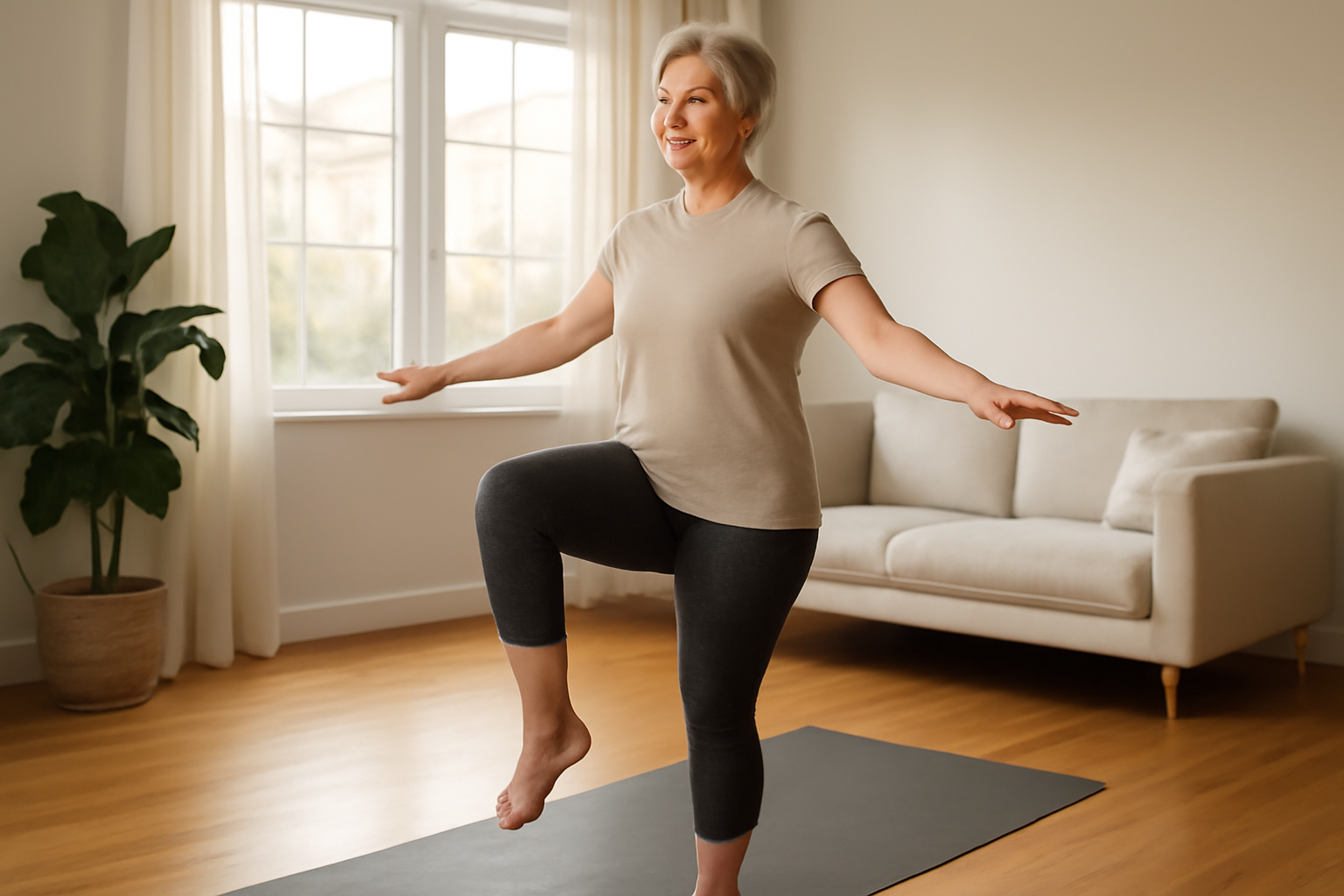
Tag: balance training after 50

  • Balance Training After 50: Prevent Falls & Build Stability

    Balance Training After 50: Prevent Falls & Build Stability

    Falls are the leading cause of injury-related death in adults over 65 — but targeted balance training can dramatically reduce your risk starting today.

    Consider Margaret, a 62-year-old retired teacher from Ohio who had always considered herself healthy and active. Then, during a routine walk through her kitchen, she caught her foot on the rug edge and stumbled into the counter. She wasn’t hurt — that time. But the near-miss shook her. She realized her sense of balance wasn’t what it used to be, and she didn’t know what to do about it.

    Margaret’s experience is far from unique. According to the CDC, more than one in four adults aged 65 and older fall each year, and fall-related injuries send nearly 3 million older adults to emergency departments annually. Even more concerning, falling once doubles your chances of falling again.

    The good news? Balance is a trainable skill. Research consistently shows that adults who engage in regular balance training after 50 can meaningfully reduce their fall risk, improve coordination, and move through daily life with greater confidence. In this guide, you’ll learn exactly what balance training is, why your equilibrium changes as you age, and how to build a safe, effective routine — whether you’re starting from scratch or looking to level up.

    What Is Balance Training — and Why Does It Matter After 50?

    Balance training refers to exercises specifically designed to improve your body’s ability to maintain a stable, controlled position during both still and moving activities. In clinical terms, balance — also called postural stability — is your body’s capacity to keep your center of gravity within your base of support.

    Your balance system is actually a sophisticated network involving three major inputs: your visual system (what your eyes see), your vestibular system (sensors in your inner ear that detect motion and head position), and your proprioceptive system (nerve receptors in your muscles and joints that tell your brain where your body is in space). When these three systems communicate smoothly, you walk, climb stairs, and reach overhead without thinking twice.

    After age 50, each of these systems begins to show measurable decline. A landmark study published in the Journal of Gerontology found that postural sway — how much your body involuntarily shifts while standing still — increases significantly with each decade after 50. Muscle mass loss (sarcopenia), reduced joint flexibility, and slower neural processing all contribute to this shift.

    According to the National Institute on Aging (NIA), falls are the leading cause of both fatal and nonfatal injuries among older Americans. Hip fractures alone — one of the most common fall-related injuries — result in long-term disability in up to 50% of cases. The stakes couldn’t be higher, which is exactly why balance training deserves a dedicated place in every adult’s fitness routine after 50.

    Signs That Your Balance May Be Declining

    Balance loss is gradual, and many people don’t recognize it until after a fall has already occurred. Knowing the early warning signs allows you to act proactively.

    Early warning signs:

    • Feeling unsteady when standing up from a chair
    • Reaching for walls or furniture more than you used to
    • Difficulty walking on uneven ground, grass, or gravel
    • Trouble standing on one leg for even a few seconds
    • Hesitation at the top or bottom of staircases
    • Dizziness when turning your head quickly
    • Shuffling gait or shorter steps than before

    More advanced signs that warrant medical evaluation:

    • Frequent near-falls or actual falls in the past year
    • Loss of balance when eyes are closed (even briefly)
    • Vertigo — a spinning sensation — that lasts more than a few seconds
    • Sudden, unexplained drops (drop attacks) without loss of consciousness
    • Difficulty recovering after being bumped or jostled

    A clinical tool many physicians use is the Timed Up and Go (TUG) test — you rise from a chair, walk 10 feet, turn around, walk back, and sit down. Research published in Physical Therapy suggests that adults over 65 who take longer than 12 seconds to complete this task are at significantly elevated fall risk. Your doctor can administer this test during a routine visit.

    Why Balance Declines: Causes and Risk Factors

    Understanding what drives balance loss helps you address the root causes — not just the symptoms.

    Age-related physiological changes:

    • Muscle weakness: The CDC notes that adults lose roughly 3–5% of muscle mass per decade after age 30, accelerating after 60. Weak hip, core, and ankle muscles are directly linked to instability.
    • Reduced proprioception: Nerve conduction slows with age, meaning your body’s positional sensors become less accurate and slower to respond.
    • Inner ear changes: The vestibular system deteriorates with age, contributing to a condition called presbystasis — age-related balance decline.
    • Vision decline: Reduced depth perception, contrast sensitivity, and peripheral vision compromise one of balance’s three pillars.

    Lifestyle and medical risk factors:

    • Sedentary lifestyle (the most modifiable risk factor)
    • Vitamin D deficiency — linked by NIH research to both muscle weakness and fall risk
    • Certain medications, including sedatives, blood pressure drugs, and antihistamines
    • Chronic conditions such as peripheral neuropathy, Parkinson’s disease, arthritis, and inner ear disorders
    • Foot problems including bunions, plantar fasciitis, or ill-fitting footwear
    • Home hazards such as loose rugs, poor lighting, and lack of grab bars

    Research suggests that addressing even one or two modifiable risk factors — especially physical inactivity and medication side effects — can yield meaningful reductions in fall risk. This is why a conversation with your doctor about your fall risk profile is such a valuable first step.

    Diagnosis: When to Get a Balance Assessment

    If you’ve had a fall, or if several of the warning signs above resonate with you, scheduling a balance evaluation with your primary care physician or a physical therapist is a smart move.

    During a balance assessment, your provider may evaluate:

    • Gait analysis — observing how you walk, including stride length, arm swing, and foot clearance
    • Timed Up and Go (TUG) test — described above
    • Berg Balance Scale — a 14-item assessment of your ability to perform balance-challenging tasks
    • Romberg test — standing with feet together, first with eyes open, then closed, to assess vestibular and proprioceptive function
    • Medication review — identifying drugs that may impair balance or increase dizziness
    • Vision screening — checking whether corrected or uncorrected vision issues are contributing
    • Vitamin D and B12 blood levels — both deficiencies are associated with neuromuscular dysfunction

    The American Geriatrics Society recommends that all adults over 65 be screened for fall risk at least once a year during routine clinical care. If you’re between 50 and 64, proactively raising the topic with your doctor — especially if you’re sedentary or managing a chronic condition — is equally worthwhile.

    Balance Training: Exercises, Programs, and Evidence

    The scientific case for balance training is robust. A landmark meta-analysis published in The Cochrane Database of Systematic Reviews found that exercise programs targeting balance and strength reduced fall rates by approximately 23% in community-dwelling older adults. Here’s how to put that evidence to work.

    Foundational Balance Exercises

    These exercises are appropriate for most adults over 50, including beginners. Always perform them near a wall, sturdy chair, or countertop for safety. This varies from person to person — start where you are, not where you think you should be.

    1. Single-Leg Stand
    Stand on one foot for 10–30 seconds. Switch sides. Progress by closing your eyes or standing on a folded towel. Clinical evidence indicates this simple drill directly challenges your proprioceptive and vestibular systems simultaneously.

    2. Heel-to-Toe Walk (Tandem Walk)
    Walk in a straight line placing the heel of one foot directly in front of the toes of the other, as if walking a tightrope. This narrows your base of support, forcing your stabilizing muscles to engage more actively.

    3. Sit-to-Stand (Chair Rise)
    From a seated position, stand up without using your arms, then lower back down slowly. This builds the hip and quad strength essential for functional stability. Research published in JAMA Internal Medicine linked poor sit-to-stand performance with increased mortality risk in older adults — making this one of the most clinically meaningful exercises you can do.

    4. Standing Hip Abduction
    Holding a chair for support, lift one leg out to the side, keeping your torso upright. This targets the gluteus medius — a key hip stabilizer that weakens with age and sedentary behavior.

    5. Weight Shifts
    Standing with feet hip-width apart, slowly shift your weight onto your right foot, lifting your left foot slightly, then return. Alternate sides. This trains the ankle and hip muscles that manage lateral stability during walking.

    Evidence-Based Programs to Consider

    Tai Chi — Multiple NIH-funded studies confirm that Tai Chi reduces fall risk by 20–45% in older adults. Its slow, deliberate movements specifically train the balance systems while also improving confidence and mental focus.

    Yoga — Research from Harvard Health suggests that regular yoga practice improves balance, flexibility, and lower-body strength simultaneously — a powerful combination for fall prevention.

    Physical Therapy — A licensed physical therapist can design a fully personalized balance program based on your specific deficits. For high-risk individuals or those recovering from a fall, PT is often the most evidence-supported starting point.

    For a broader fitness foundation, pairing balance work with strength training after 50 and flexibility and mobility training creates a well-rounded routine that addresses all the major contributors to fall risk. You might also explore walking for fitness after 50, which builds cardiovascular health and functional leg strength simultaneously.

    Living With Balance Challenges: Daily Habits and Prevention Strategies

    Balance training in a gym or living room is only part of the equation. How you structure your daily environment and habits matters just as much.

    Home safety modifications (CDC-recommended):

    • Remove loose rugs or secure them with non-slip backing
    • Install grab bars in the shower, tub, and beside the toilet
    • Ensure stairways have secure handrails on both sides
    • Improve lighting in hallways, stairwells, and bathrooms
    • Keep frequently used items within easy reach to avoid climbing or overreaching

    Lifestyle habits that support balance:

    • Stay physically active daily — even short bouts of movement maintain neuromuscular coordination
    • Optimize Vitamin D intake — talk to your doctor about testing and appropriate supplementation; NIH research links deficiency to both muscle weakness and fall risk
    • Wear supportive, well-fitting footwear — avoid walking in socks, flip-flops, or worn-out shoes on hard floors
    • Review medications annually — ask your doctor or pharmacist whether any of your current drugs carry dizziness or sedation as a side effect
    • Stay hydrated — even mild dehydration can cause dizziness and impair cognitive processing that supports balance
    • Get your vision checked yearly — updated prescription lenses and treatment of cataracts or glaucoma meaningfully improve balance-related visual input

    Research suggests that a multi-pronged approach — combining exercise, home modification, and medication review — is significantly more effective at preventing falls than any single intervention alone. The CDC’s STEADI (Stopping Elderly Accidents, Deaths & Injuries) program provides a structured framework many healthcare providers use with their patients.

    When to Call Your Doctor — and Emergency Red Flags

    Not all balance issues are the same, and some require immediate medical attention.

    Call your doctor promptly if you experience:

    • A new or unexplained fall, even if you weren’t injured
    • Sudden onset of dizziness or vertigo lasting more than a few minutes
    • Progressive unsteadiness that worsens week over week
    • Numbness or tingling in your feet that’s getting worse
    • Muscle weakness in your legs that feels new or different

    Seek emergency care immediately if you experience:

    • Sudden loss of balance accompanied by chest pain, shortness of breath, or arm weakness — possible cardiac or stroke event
    • Severe vertigo with vomiting, hearing loss, and ear pain — possible labyrinthitis or vestibular neuritis requiring urgent evaluation
    • A fall with head impact, loss of consciousness, or inability to bear weight
    • Sudden visual changes combined with imbalance — possible stroke or transient ischemic attack (TIA)

    When you do see your doctor, come prepared. Mention how often you feel unsteady, whether you’ve had any falls or near-falls, which medications you’re currently taking, and whether your dizziness happens when moving your head, changing position, or occurs randomly. This information dramatically helps your provider pinpoint the cause.

    Frequently Asked Questions

    How often should I do balance training?
    Most clinical guidelines, including those from the American College of Sports Medicine, recommend balance exercises at least 2–3 times per week. Even brief daily practice — 10 to 15 minutes — produces meaningful improvements when done consistently over 8 to 12 weeks. Consistency matters more than duration.

    Is it too late to start balance training if I’m over 70?
    Absolutely not. Research published in The Journals of Gerontology consistently shows that adults in their 70s and 80s demonstrate significant improvements in balance, gait speed, and fall rates after structured training programs. The neuromuscular system retains plasticity well into older age.

    Can medications really affect my balance?
    Yes — and this is one of the most underrecognized contributors to fall risk. Certain blood pressure medications, sedatives, sleep aids, antihistamines, and even some antidepressants can cause dizziness, low blood pressure upon standing (orthostatic hypotension), or slowed reaction time. A comprehensive medication review with your doctor or pharmacist is strongly recommended if you’re concerned about balance.

    Are balance boards or wobble cushions useful?
    They can be, particularly as a progression tool once you’ve established foundational stability. Research suggests unstable surface training adds challenge to the proprioceptive system — but clinical evidence indicates that simpler floor-based exercises are equally or more effective for fall prevention in most community-dwelling older adults. Talk to a physical therapist before investing in equipment.

    Does strength training help with balance?
    Significantly. Hip, core, and ankle strength are foundational to postural stability. A combined program of strength and balance training consistently outperforms either approach alone in clinical trials. If you haven’t already, consider integrating targeted strength work alongside your balance exercises.

    The Bottom Line

    Balance doesn’t have to be something that quietly slips away as the years pass. With the right exercises, a safer home environment, and proactive conversations with your healthcare provider, you have real power to protect your stability and independence well into your later decades.

    Margaret — the retired teacher from Ohio — started a twice-weekly Tai Chi class at her local community center after speaking with her doctor about her near-fall. Six months later, she described feeling more grounded and confident than she had in years. Her story isn’t exceptional. It’s achievable.

    Start small, stay consistent, and work with your healthcare team. Your balance — and your future self — will thank you.


    Medical Disclaimer: This article is for informational and educational purposes only. It does not constitute medical advice, diagnosis, or treatment. Always consult your physician or a qualified healthcare provider before making changes to your health routine or treatment plan.

    Medically reviewed by our editorial health team. Content follows evidence-based standards aligned with CDC and NIH guidelines.
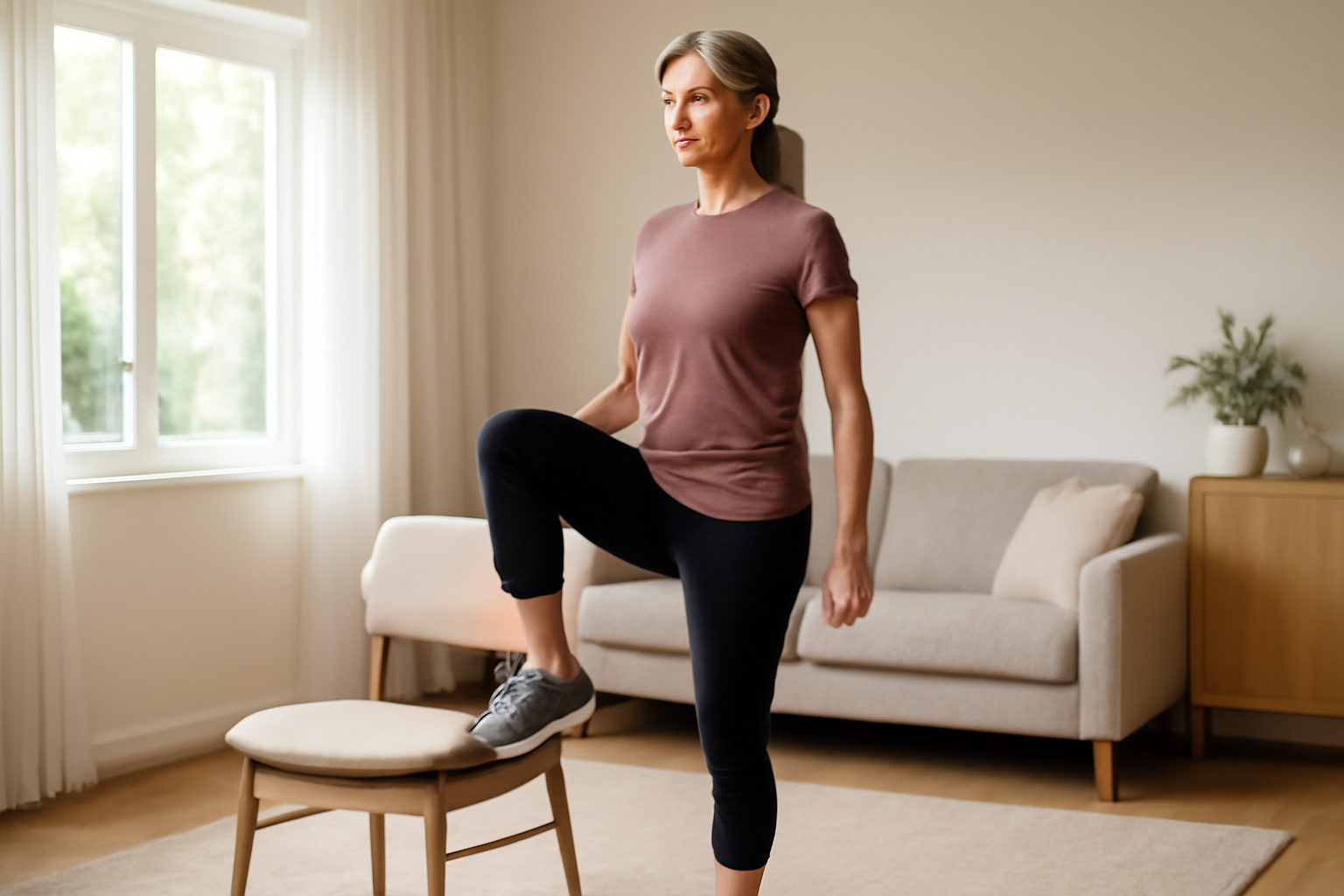
  • Balance Training After 50: Prevent Falls and Build Stability

    Balance Training After 50: Prevent Falls and Build Stability

    Falls are the leading cause of injury-related death among older adults in the United States — but research shows that targeted balance training can dramatically reduce your risk.

    Every 11 seconds, an older adult is treated in an emergency room for a fall-related injury. Every 19 minutes, one dies from a fall. According to the CDC, more than one in four adults over the age of 65 falls each year — and once you’ve fallen once, your risk of falling again doubles. These numbers are sobering, but they’re not inevitable.

    If you’re over 50 and starting to notice that your footing isn’t as steady as it once was — maybe you wobble when you stand up too fast, or you grip the handrail a little tighter on the stairs — you’re not imagining it. Balance naturally declines with age. But here’s what most people don’t realize: balance is a trainable skill. Just like strength or cardiovascular fitness, your stability can be improved at any age with the right exercises and consistency.

    In this guide, you’ll learn what causes balance to decline after 50, what the science says about fall prevention, and exactly which exercises clinical evidence supports for building lasting stability. Whether you’re completely new to structured exercise or looking to complement your current routine, this is your comprehensive starting point.

    Why Balance Declines After 50: The Science Behind Instability

    Balance isn’t a single system — it’s the result of three systems working together in real time: your vestibular system (inner ear), your visual system (eyesight and depth perception), and your proprioceptive system (sensory feedback from your muscles, joints, and skin that tells your brain where your body is in space). After 50, all three begin to decline.

    Research published in the Journal of Gerontology found that proprioceptive sensitivity decreases by approximately 30% between ages 50 and 80. This means the nerve signals that tell your brain where your foot is when you step onto uneven ground become slower and less reliable — creating that fraction-of-a-second delay that can lead to a stumble.

    Muscle loss plays an equally critical role. The NIH estimates that adults lose 3–8% of their muscle mass per decade after age 30, with the rate accelerating after 60. The muscles most responsible for balance — the hip abductors, glutes, calves, and deep core stabilizers — are often among the first to weaken from inactivity. Weaker stabilizing muscles mean your body has less capacity to make the split-second corrections that keep you upright.

    Other contributors include:

    • Age-related changes in inner ear fluid dynamics, reducing vestibular sensitivity
    • Reduced visual acuity and contrast sensitivity (especially in low light)
    • Side effects from common medications such as antihypertensives, sedatives, and diuretics
    • Chronic conditions like peripheral neuropathy, arthritis, or Parkinson’s disease
    • Reduced reaction time in the central nervous system

    Understanding the “why” matters because it shapes the “how.” Effective balance training doesn’t just work on wobbling — it targets all of these underlying systems simultaneously.

    Signs Your Balance Needs Attention

    Balance decline is gradual, which means many people adapt to it unconsciously — widening their stance, avoiding certain surfaces, or holding onto walls — without realizing it’s happening. Recognizing the early warning signs gives you the opportunity to intervene before a serious fall occurs.

    Early warning signs:

    • Feeling unsteady or dizzy when you stand up quickly
    • Needing to hold onto a wall, chair, or railing more often than before
    • Difficulty walking on uneven surfaces like grass or gravel
    • Trouble standing on one leg for more than 5–10 seconds
    • Shuffling your feet or taking shorter steps when walking
    • Feeling anxious or fearful about falling, even on flat ground

    More advanced warning signs:

    • Near-falls or actual falls with no clear cause (tripping over nothing)
    • Losing balance when turning your head or looking up
    • Difficulty navigating stairs without holding the railing with both hands
    • Losing your footing in the shower or on wet surfaces
    • Veering sideways when walking in a straight line

    A simple clinical screening tool called the Timed Up and Go (TUG) test is used by physicians to assess fall risk. You stand from a chair, walk 10 feet, turn around, and return to sitting. If it takes you longer than 12 seconds, clinical guidelines suggest a higher fall risk and a referral to a physical therapist for evaluation. Ask your doctor about this at your next visit.

    The Clinical Evidence for Balance Training

    Balance training isn’t a wellness trend — it’s one of the most evidence-backed interventions in preventive medicine for older adults. A landmark Cochrane Review analyzing 159 randomized controlled trials with over 79,000 participants concluded that exercise programs — particularly those including balance and functional training — reduced fall rates by an average of 23% in community-dwelling older adults.

    The American Geriatrics Society and the CDC’s STEADI (Stopping Elderly Accidents, Deaths, and Injuries) initiative both identify balance training as a first-line fall prevention strategy. These aren’t minor recommendations — they reflect decades of clinical research.

    Specifically, research supports the following types of training:

    • Tai Chi: A meta-analysis in JAMA Internal Medicine found that Tai Chi reduced fall risk by 45% in older adults over a 15-week program. Its slow, controlled movements train proprioception, weight shifting, and mental focus simultaneously.
    • Progressive balance exercises: Standing on one leg, tandem stance, and single-leg movements have been shown to improve postural stability within 6–8 weeks of consistent training.
    • Strength training combined with balance work: A study in the Journal of Strength and Conditioning Research found that combining lower-body resistance training with balance exercises reduced fall risk more effectively than either approach alone.

    The bottom line: balance training works, and the earlier you start, the greater the protective effect.

    Best Balance Exercises for Adults Over 50: A Complete Program

    The following exercises represent a clinically supported beginner-to-intermediate balance program. Most physical therapists and certified personal trainers working with older adults use variations of these movements. Always perform balance exercises near a wall, sturdy chair, or countertop for safety — especially when you’re just starting out.

    How to start: Aim for 3 sessions per week, with at least one rest day between sessions. Each session should take 20–30 minutes. Progress gradually — don’t rush to harder variations before mastering the basics.

    1. Single-Leg Stand

    Stand behind a chair with both hands lightly resting on the back. Slowly lift one foot a few inches off the floor and hold for 10–30 seconds. Switch sides. This is the foundation of all balance training — it directly trains the stabilizing muscles of your ankle, knee, and hip while stimulating proprioceptive feedback. Progress by moving your hands to your hips once you can hold for 30 seconds comfortably.

    2. Tandem Stance (Heel-to-Toe Standing)

    Stand with one foot directly in front of the other so your heel touches your front toe, like standing on a tightrope. Hold this position for 20–30 seconds, then switch feet. This position narrows your base of support and challenges your lateral stability — a critical skill for navigating tight spaces or uneven ground.

    3. Weight Shifts

    Stand with feet hip-width apart and slowly shift your weight from your right foot to your left, lifting each foot slightly as you shift. Perform 10–15 repetitions per side. Weight shifting replicates the mechanics of walking and directly trains the dynamic balance systems you use every day.

    4. Heel-to-Toe Walk (Tandem Walk)

    Walk in a straight line placing each foot directly in front of the other, heel touching toe with each step. Walk 10–15 steps forward and back. This is one of the most effective exercises for training dynamic balance — the kind you need when walking outdoors. Use a hallway wall for safety.

    5. Sit-to-Stand (Chair Squats)

    Sit in a sturdy chair, cross your arms over your chest, and stand up using only your legs — no pushing off with your arms. Slowly lower back down. Perform 10–15 repetitions. This exercise builds the glute and quadricep strength that prevents the “buckle” many people experience when their legs give way unexpectedly. Research from the NIH identifies sit-to-stand ability as one of the strongest predictors of fall risk in adults over 60.

    6. Calf Raises

    Stand behind a chair with hands lightly resting on the back. Rise up onto your toes, hold for 2 seconds, and lower slowly. Perform 15–20 repetitions. Your calves are your first line of defense against a forward fall — they generate the quick corrective force that catches you when you lose your footing.

    7. Marching in Place

    Standing upright, lift your knees one at a time as if marching, holding each lift for 1–2 seconds. Perform 10 repetitions per leg. This builds hip flexor strength and replicates the high-stepping needed to clear obstacles — a common cause of tripping falls.

    For a broader fitness foundation that supports your balance work, consider pairing this program with regular walking — which builds leg strength and spatial awareness — and flexibility training to maintain the joint mobility your balance system depends on. You can find evidence-based guidance in our Walking for Fitness After 50 guide and our Flexibility and Mobility Training guide for adults 40+.

    Lifestyle Strategies That Support Balance and Fall Prevention

    Exercise is the cornerstone of fall prevention, but clinical guidelines emphasize that a comprehensive approach addresses multiple risk factors simultaneously. The following strategies complement your balance training program with strong evidence behind them.

    Review your medications: The American Geriatrics Society’s Beers Criteria identifies more than 30 medication classes — including certain sleep aids, antihistamines, blood pressure medications, and antidepressants — that increase fall risk in older adults. If you’re taking four or more medications, ask your doctor for a medication review specifically focused on fall risk. This is one of the most underutilized fall prevention strategies available.

    Optimize your vision: The CDC notes that vision problems are a contributing factor in up to 30% of falls. Get your eyes checked annually, update your prescription if needed, and be cautious with bifocals on stairs — they distort depth perception at close range.

    Address vitamin D deficiency: Research from the NIH and multiple clinical trials links low vitamin D levels to reduced muscle strength and an increased risk of falls. A blood test (25-OH vitamin D) can determine your levels. Talk to your doctor about whether supplementation is appropriate for you.

    Make your home safer: The CDC estimates that over half of all falls happen at home. Key modifications include: removing loose rugs, installing grab bars in the bathroom, ensuring adequate lighting in hallways and stairwells, and keeping frequently used items within easy reach to avoid unstable reaching or standing on step stools.

    Wear supportive footwear: Slippers, flip-flops, and shoes with worn soles are significant fall hazards. Choose well-fitting shoes with a low, wide heel, non-slip soles, and firm ankle support. Walking barefoot on slippery floors should be avoided.

    Building lower-body strength through resistance training is also one of the most powerful complements to balance work. If you haven’t already, explore our Strength Training After 50 Complete Guide for a safe, evidence-based starting point.

    When to See Your Doctor: Red Flags and Professional Help

    While the exercises in this guide are designed to be safe for most healthy adults over 50, there are situations where professional evaluation should come first — and some symptoms that require immediate medical attention.

    See your doctor before starting a balance program if you:

    • Have had a fall in the past 12 months, with or without injury
    • Have been diagnosed with Parkinson’s disease, peripheral neuropathy, multiple sclerosis, or inner ear disorders
    • Experience frequent dizziness or vertigo (a spinning sensation)
    • Take medications associated with increased fall risk
    • Have significant joint pain that limits your movement

    Seek immediate medical care (call 911 or go to the ER) if you experience:

    • Sudden onset of severe dizziness, especially with nausea or vomiting
    • Loss of balance accompanied by weakness on one side of your body, slurred speech, or vision changes — these can be signs of stroke
    • A fall that results in significant pain, inability to bear weight, or visible deformity
    • Fainting or loss of consciousness, even briefly

    For ongoing balance concerns that don’t involve an emergency, ask your primary care provider for a referral to a physical therapist who specializes in fall prevention. A physical therapist can perform a comprehensive gait and balance assessment, identify your specific weaknesses, and design a program tailored precisely to your needs. Many physical therapy programs for balance are covered by Medicare and most major insurance plans.

    Frequently Asked Questions About Balance Training After 50

    How long does it take to see improvement in balance?
    Most clinical studies report measurable improvements in balance scores within 6–8 weeks of consistent training (3 sessions per week). That said, individual results vary depending on your starting point, health status, and consistency. Research suggests that even modest improvements in balance significantly reduce fall risk — so progress is meaningful even if it feels slow.

    Is yoga good for balance in older adults?
    Yes — clinical evidence indicates that yoga improves balance, flexibility, and lower-body strength in older adults. A review published in Complementary Therapies in Medicine found that yoga reduced fear of falling and improved functional balance in adults over 60. Chair yoga is an excellent starting option for those with limited mobility or joint pain.

    Can I do balance exercises if I have osteoporosis?
    In most cases, yes — but with specific precautions. The National Osteoporosis Foundation recommends balance and stability exercises for people with osteoporosis as part of a fall prevention strategy. However, certain movements that involve spinal flexion or twisting should be avoided. Always consult your physician or a physical therapist before starting if you have an osteoporosis diagnosis.

    Is it safe to do balance exercises alone at home?
    For most adults, yes — provided you always exercise near a wall or sturdy chair for support, wear appropriate footwear, and avoid pushing beyond your current ability level. If you’re high-risk for falls or have significant balance impairment, working with a physical therapist initially — even for just a few sessions — will help you exercise safely and effectively at home afterward.

    Does walking improve balance?
    Walking does contribute to balance by building leg strength, training your gait pattern, and keeping the proprioceptive system active. However, research suggests that walking alone is not sufficient to meaningfully reverse balance decline — targeted balance exercises that specifically challenge your stability systems are necessary. The two approaches work best together.

    Conclusion: Stability Is a Skill You Can Build at Any Age

    Falls are not an inevitable part of aging. They are largely preventable — and balance training is one of the most powerful tools medicine has identified to reduce your risk. The evidence is clear, the exercises are accessible, and the benefits extend well beyond fall prevention: better posture, more confidence, greater independence, and a body that continues to support the life you want to live.

    You don’t need a gym membership or specialized equipment to get started. You need a sturdy chair, a safe space, and a commitment to three sessions per week. Start with the basics, progress gradually, and listen to your body. Talk to your doctor about your current fall risk — especially if you’ve had any near-falls or noticed increasing unsteadiness. And remember that combining balance work with strength training, walking, and flexibility exercises gives you the most comprehensive protection available.

    Your stability is worth investing in. Start today.


    Medical Disclaimer: This article is for informational and educational purposes only. It does not constitute medical advice, diagnosis, or treatment. Always consult your physician or a qualified healthcare provider before making changes to your health routine or treatment plan.

    Medically reviewed by our editorial health team. Content follows evidence-based standards aligned with CDC and NIH guidelines.