
Tag: cardio for seniors

  • Interval Walking After 50: Boost Fitness, Heart Health & Energy

    Interval Walking After 50: Boost Fitness, Heart Health & Energy

    Interval Walking After 50: Boost Fitness, Heart Health & Energy

    A simple, evidence-backed way to get more from every walk — without running a single step.

    Why Your Regular Walk Might Not Be Enough Anymore

    Margaret, 63, had been walking 30 minutes every morning for two years. She felt good about her routine — until her annual checkup revealed her blood pressure and fasting glucose were still creeping upward. Her doctor asked a simple question: “Are you ever walking fast enough to feel slightly breathless?”

    Margaret’s answer was no. And that single change — adding short bursts of brisk walking to her routine — made a measurable difference within months.

    According to the CDC, fewer than 25% of adults aged 50 and older meet the recommended guidelines for aerobic physical activity. Many who do walk regularly stay at a comfortable, low-intensity pace that, while beneficial, may not be enough to drive meaningful improvements in cardiovascular health, blood sugar regulation, or metabolic fitness.

    Interval walking — alternating between brisk and moderate-paced segments — is one of the most accessible, low-risk strategies adults over 50 can use to amplify the benefits of a walking routine. No gym. No equipment. No running required.

    In this guide, you will learn what interval walking is, why the science strongly supports it for older adults, how to start safely, and how to build a sustainable routine that fits your life and health goals.

    What Is Interval Walking?

    Interval walking is a structured form of walking that alternates between two intensity levels: a moderate, comfortable pace and a brisk, faster pace that slightly elevates your heart rate and breathing.

    Unlike high-intensity interval training (HIIT), which often involves sprinting, jumping, or gym equipment, interval walking is entirely low-impact and adaptable to nearly any fitness level. The “intervals” simply refer to timed or distance-based shifts in your walking speed — for example, walking briskly for 1–2 minutes, then recovering at a comfortable pace for 2–3 minutes, and repeating that cycle throughout your session.

    This method is sometimes called “pace walking,” “structured walking,” or “walk intervals,” and it has been studied extensively in clinical settings as a practical tool for improving metabolic and cardiovascular health in middle-aged and older adults.

    Research published in Diabetologia and supported by findings from the Mayo Clinic and NIH suggests that interval walking produces significantly greater improvements in aerobic capacity, insulin sensitivity, and blood pressure control compared to continuous walking at the same total duration. In other words, it’s not just about how long you walk — it’s about how you walk.

    For adults over 50 managing weight, blood pressure, blood sugar, or simply trying to maintain independence and energy as they age, interval walking offers a compelling, doctor-friendly option that builds on what many already do.

    Health Benefits of Interval Walking After 50

    The benefits of interval walking extend well beyond basic calorie burning. Clinical evidence points to meaningful improvements across several key health markers — especially relevant for adults in their 50s, 60s, and 70s.

    Cardiovascular Health

    The American Heart Association identifies physical inactivity as a major modifiable risk factor for heart disease, the leading cause of death among US adults over 50. Research suggests that varying your walking intensity challenges your cardiovascular system in ways that sustained moderate walking does not, leading to greater improvements in VO2 max (a measure of aerobic efficiency) and heart rate variability.

    Blood Sugar and Insulin Sensitivity

    A landmark Danish study involving adults with type 2 diabetes found that participants who followed an interval walking program for four months experienced significantly better improvements in insulin sensitivity, aerobic capacity, and body fat percentage compared to those who walked continuously at a moderate pace — even when total walking time was equal. This is particularly relevant given that the CDC estimates 38 million Americans have diabetes, with adults over 45 representing the fastest-growing diagnosed group.

    Blood Pressure Regulation

    Clinical evidence indicates that aerobic exercise — including brisk walking intervals — can reduce systolic blood pressure (the top number) by an average of 4–9 mmHg in people with hypertension, according to findings reviewed by Johns Hopkins Medicine. For some adults, this effect rivals the impact of a low-dose antihypertensive medication.

    Weight and Metabolic Health

    Higher-intensity walking intervals increase your post-exercise oxygen consumption — meaning your body continues burning calories at an elevated rate even after the walk is over. Research suggests this “afterburn” effect is more pronounced with interval training than with steady-state moderate exercise.

    Bone Density and Joint Health

    Walking is a weight-bearing activity, which the NIH’s National Institute on Aging identifies as beneficial for maintaining bone density and reducing osteoporosis risk. Interval walking, by increasing the variety of load and pace, may provide slightly greater mechanical stimulus to bones compared to flat, uniform walking — though this varies from person to person.

    Mental Health and Cognitive Function

    Research from Harvard Health Publishing indicates that aerobic exercise that elevates heart rate — even moderately — supports brain-derived neurotrophic factor (BDNF) production, a protein linked to memory, learning, and mood regulation. Interval walking, by its nature, achieves these brief cardiovascular elevations that continuous easy walking may not reach.

    Signs You’re Ready to Try Interval Walking (And When to Check with Your Doctor First)

    Most adults over 50 can begin interval walking safely, especially if they already walk regularly. However, because interval walking does raise your heart rate more than leisurely walking, it’s worth reviewing a few important considerations before starting.

    You’re likely ready if you:

    • Can walk continuously for 20–30 minutes at a comfortable pace without dizziness or chest discomfort
    • Have no recent cardiac events or uncontrolled arrhythmias
    • Have stable, managed blood pressure (even on medication)
    • Experience no significant joint pain or instability during walking
    • Have your physician’s general clearance for moderate aerobic exercise

    Consult your doctor before starting if you:

    • Have been diagnosed with heart disease, heart failure, or have had a recent cardiac event
    • Experience chest pain, shortness of breath at rest, or unexplained dizziness
    • Have poorly controlled blood pressure or blood sugar
    • Have a history of falls, severe balance issues, or lower extremity joint problems
    • Are new to exercise entirely and have multiple chronic conditions

    The Mayo Clinic recommends that adults who have been sedentary for an extended period begin any new exercise program with medical guidance — particularly if they are over 60 or managing more than one chronic condition. This isn’t a barrier to starting; it’s simply smart preparation.

    How to Get Started: A Beginner Interval Walking Plan

    Starting interval walking doesn’t require a fitness tracker, a treadmill, or any special equipment. What matters most is consistency, awareness of how your body feels, and a gradual progression of intensity.

    Understanding Your Two Speeds

    Before you begin, learn to recognize the difference between your two walking intensities:

    • Moderate pace: You can hold a full conversation easily. Breathing is slightly deeper than at rest. This is your recovery interval.
    • Brisk pace: You can still speak, but in shorter sentences. You feel slightly warm, your breathing is noticeably elevated, and you sense mild exertion. This is your active interval.

    If you prefer numbers, most physicians use the Rate of Perceived Exertion (RPE) scale. Moderate pace sits around a 4–5 out of 10. Brisk pace targets a 6–7 out of 10. You should never feel pain, significant chest tightness, or feel unable to catch your breath during either phase.

    Week 1–2: Foundation Phase

    • Total time: 20–25 minutes, 3 days per week
    • Structure: 5-minute warm-up at easy pace → alternate 1 minute brisk / 3 minutes moderate → 5-minute cooldown
    • Goal: Build comfort with intentional speed changes

    Week 3–4: Building Phase

    • Total time: 25–30 minutes, 3–4 days per week
    • Structure: 5-minute warm-up → alternate 2 minutes brisk / 2 minutes moderate → 5-minute cooldown
    • Goal: Equal brisk-to-recovery ratio; notice improvements in comfort at brisk pace

    Week 5–6: Progression Phase

    • Total time: 30–40 minutes, 4 days per week
    • Structure: 5-minute warm-up → alternate 3 minutes brisk / 2 minutes moderate → 5-minute cooldown
    • Goal: Spend more time in the brisk zone; begin to feel this as your “normal” challenging walk

    This progression follows principles endorsed by the American College of Sports Medicine, which recommends increasing exercise volume by no more than 10% per week to minimize injury risk in older adults.

    If you enjoy walking outdoors, consider using landmarks (mailboxes, trees, blocks) to mark your intervals instead of watching a timer. Many adults over 50 find this approach more natural and enjoyable — and enjoyment, research suggests, is one of the strongest predictors of long-term exercise adherence.

    For related low-impact options that complement interval walking, you might also explore hiking for fitness after 50 or Nordic walking, both of which can incorporate interval-style intensity variations.

    Safety Tips and Common Mistakes to Avoid

    Interval walking is among the safest exercise approaches for adults over 50 — but a few key habits will help you stay injury-free and get the most from every session.

    Always warm up and cool down. Begin every session with 3–5 minutes of easy walking. End with another 3–5 minutes at a relaxed pace. This allows your heart rate to rise and fall gradually, reducing cardiovascular stress and muscle soreness. The Cleveland Clinic emphasizes that skipping the cooldown is one of the most common — and potentially problematic — exercise habits among older adults.

    Wear supportive footwear. Shoes matter more as we age. Look for walking shoes with good arch support, a cushioned midsole, and a stable heel counter. Replace shoes every 300–500 miles, or when you notice reduced cushioning.

    Stay hydrated. Older adults have a reduced thirst sensation relative to actual hydration needs, according to the NIH. Drink water before your walk, and carry a small bottle on sessions lasting longer than 20 minutes, especially in warm weather.

    Don’t push through pain. Mild muscle fatigue is normal. Sharp joint pain, chest discomfort, dizziness, or significant shortness of breath are not. Stop and rest — and consult your doctor if symptoms persist.

    Track your progress modestly. A simple walking log noting date, duration, and how you felt provides far more useful information than obsessing over pace or step counts. Progress after 50 is real but often gradual — and that’s completely normal.

    If you’re also working on core stability or recovery alongside your walking routine, the guides on stretching and recovery after 40 offer excellent complementary strategies.

    Living With Interval Walking: Making It a Long-Term Habit

    The most effective exercise plan is the one you actually stick to. Research from the NIH’s National Institute on Aging consistently identifies enjoyment, social connection, and habit anchoring as the top predictors of long-term exercise adherence in adults over 50.

    Here are practical strategies to make interval walking sustainable:

    • Anchor it to an existing habit. Walk after your morning coffee, during your lunch break, or after dinner. Habit stacking — attaching a new behavior to an established one — significantly improves consistency.
    • Walk with a partner. Walking with a friend or spouse adds accountability and social benefit. If a partner isn’t available, consider a local walking group. Many senior centers, YMCAs, and community parks host structured group walks.
    • Vary your routes. Novel environments reduce boredom and increase mental engagement. Alternate between neighborhood routes, parks, and trails when possible.
    • Use music or podcasts strategically. Some adults find that upbeat music naturally encourages a faster pace during brisk intervals. Podcasts or audiobooks can make longer sessions feel shorter.
    • Celebrate non-scale victories. Improved energy, better sleep, reduced knee stiffness, and a more stable mood are all meaningful outcomes — and often appear before changes in weight or lab values.

    For those looking to build an even more complete morning routine around their walking practice, the guide on morning exercise routines for adults over 50 offers structured, time-efficient approaches.

    When to Call Your Doctor — Emergency Signs

    While interval walking is safe for most adults, it’s important to know which symptoms during or after exercise should prompt immediate medical attention.

    Stop walking and seek emergency care immediately if you experience:

    • Chest pain, pressure, squeezing, or tightness
    • Pain radiating to your jaw, left arm, or back
    • Sudden severe shortness of breath unrelated to exertion level
    • Fainting or near-fainting (pre-syncope)
    • Sudden, severe headache or vision changes
    • Heart palpitations with dizziness or chest discomfort

    Contact your doctor within 24–48 hours if you notice:

    • Persistent joint swelling or sharp pain in knees, hips, or ankles after walks
    • Unusual fatigue that lasts more than a day following a session
    • Significant increase in resting heart rate over several days
    • Numbness or tingling in the feet or legs during or after walking

    At your next routine appointment, discuss:

    • Your new interval walking program and current intensity level
    • Any changes in blood pressure or blood sugar readings at home
    • Whether your current medications may affect heart rate response to exercise (some beta-blockers blunt heart rate elevation, for example)
    • Your interest in a monitored exercise stress test if you have cardiac risk factors and are significantly increasing intensity

    Frequently Asked Questions

    How is interval walking different from just walking faster?

    Interval walking involves a deliberate, structured alternation between two intensity levels — not simply walking faster overall. The recovery periods are just as important as the brisk periods. They allow your cardiovascular system to partially recover, which allows you to sustain the brisk intervals repeatedly and challenges your heart and metabolism in a way that steady fast walking does not.

    Can I do interval walking if I have arthritis or knee pain?

    Many adults with mild to moderate osteoarthritis can walk with intervals, though this varies significantly from person to person. The key is to avoid impact-heavy movements and to keep the brisk intervals at a pace that doesn’t aggravate joint pain. Clinical evidence from the Arthritis Foundation suggests that walking — particularly at a moderate brisk pace — can actually reduce joint stiffness over time when done consistently. Always consult your physician or a physical therapist if you have significant joint concerns before increasing walking intensity.

    How many days a week should I do interval walking?

    Most physicians and exercise specialists recommend starting with 3 days per week, allowing at least one rest or easy walking day between sessions. As your fitness improves, 4–5 days per week is a reasonable goal. The American Heart Association’s guidelines suggest at least 150 minutes per week of moderate-to-vigorous aerobic activity, which interval walking can help you achieve efficiently.

    Do I need a fitness tracker or heart rate monitor?

    No — and research suggests that perceived exertion (how hard you feel you’re working) is a reliable and practical guide for most adults over 50. That said, a fitness tracker can be a motivating tool for some people. If you have a heart rate-related condition or are on medications that affect heart rate, your doctor may recommend a target heart rate range, which a monitor can help you stay within.

    Will interval walking help me lose weight?

    Research suggests that interval walking can support weight management more effectively than continuous moderate walking, primarily by increasing caloric expenditure during and after exercise, and by improving insulin sensitivity and metabolic efficiency. However, weight outcomes vary considerably from person to person and are strongly influenced by dietary habits, sleep quality, hormonal factors, and other lifestyle variables. Interval walking is best viewed as one powerful component of a broader healthy lifestyle rather than a standalone weight-loss solution.

    Conclusion

    Interval walking is one of the most evidence-supported, accessible, and sustainable fitness strategies available to adults over 50. It takes something you may already be doing — walking — and makes it meaningfully more effective for your heart, blood sugar, weight, mood, and energy levels.

    You don’t need to run. You don’t need a gym membership. You don’t need to be at peak fitness. You just need a good pair of shoes, a safe route, and the willingness to pick up your pace for a minute or two at a time.

    Start where you are. Progress gradually. And always keep your physician informed about changes to your exercise routine — they are your best partner in building a plan that fits your health history and goals. The science is clear: it’s never too late to walk your way to better health.


    Medical Disclaimer: This article is for informational and educational purposes only. It does not constitute medical advice, diagnosis, or treatment. Always consult your physician or a qualified healthcare provider before making changes to your health routine or treatment plan.

    Medically reviewed by our editorial health team. Content follows evidence-based standards aligned with CDC and NIH guidelines.
  • Dance Fitness After 50: Fun, Health Benefits & How to Start

    Dance Fitness After 50: Fun, Health Benefits & How to Start

    Movement doesn’t have to feel like medicine — and for millions of Americans over 50, dance fitness is proving that staying active can actually be something you look forward to.

    When Exercise Feels Like a Chore — Until You Start Dancing

    Margaret, 63, had tried three different gym memberships over the past decade. Every time, she lasted about six weeks before the treadmill boredom took over. Then her community center offered a Zumba Gold class on Tuesday mornings. Within a month, she hadn’t missed a single session.

    "It doesn’t feel like exercise," she told her doctor at her next annual visit. "But somehow I’ve lost 12 pounds and my blood pressure is down."

    Margaret’s experience isn’t unusual. According to the CDC, fewer than 28% of American adults aged 50 and older meet the recommended guidelines for both aerobic and muscle-strengthening activity. The gap isn’t always about motivation — it’s often about finding movement that doesn’t feel punishing.

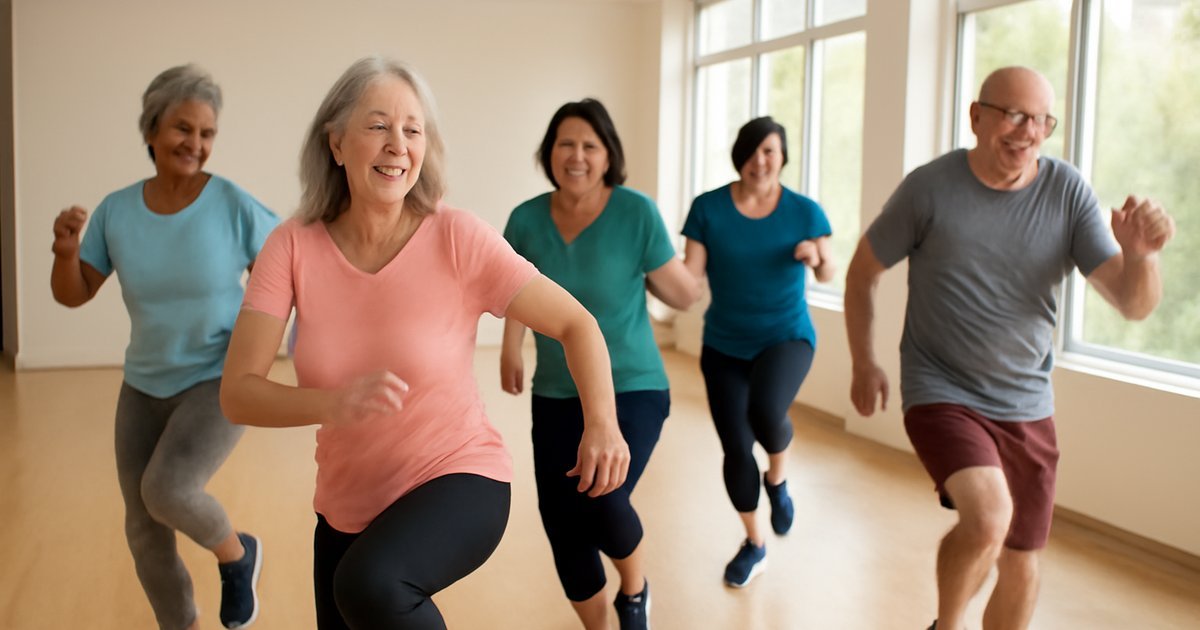
    Dance fitness — a broad category that includes structured classes like Zumba, ballroom-inspired workouts, line dancing, and low-impact aerobic dance — is emerging as one of the most accessible, sustainable, and genuinely enjoyable forms of exercise for adults over 50. In this guide, you’ll learn exactly what the research says, which styles work best for older adults, what health conditions it may support, and how to start safely.

    What Is Dance Fitness — and Why Does It Work So Well After 50?

    Dance fitness refers to structured physical activity that uses rhythmic movement, music, and choreography as its foundation. Unlike traditional cardio workouts, dance fitness engages multiple systems simultaneously: your cardiovascular system, your muscular system, your balance and coordination, and your brain’s cognitive function.

    This multi-system engagement is particularly valuable as you age. Research published in the New England Journal of Medicine found that frequent dancing was one of the strongest activity-based predictors of reduced dementia risk among leisure activities studied — stronger than cycling, swimming, or golf. The cognitive demand of remembering steps while moving to a beat appears to provide neurological benefits beyond what purely physical exercise offers.

    From a physiological standpoint, dance fitness typically qualifies as moderate-intensity aerobic exercise — exactly what the American Heart Association recommends as the cornerstone of cardiovascular health. Most adults burn between 200 and 400 calories per hour during a dance fitness class, depending on intensity, body weight, and participation level.

    Crucially, the enjoyment factor drives adherence. A 2016 study in the journal Complementary Therapies in Medicine found significantly higher long-term participation rates in dance-based exercise programs compared to conventional gym workouts among adults over 55 — a finding that matters enormously for real-world health outcomes.

    Signs Your Body Is Ready for Dance Fitness — and Signs to Check First

    Most adults over 50 can safely participate in beginner-level dance fitness classes with appropriate modifications. That said, it’s important to understand how your body may respond — especially if you’re new to regular exercise or managing a chronic condition.

    Signs your body is well-suited for dance fitness:

    • You can walk for 20-30 minutes without significant joint pain or breathlessness
    • You have reasonably stable balance (you can stand on one foot briefly without support)
    • Your blood pressure and heart conditions are currently managed and stable
    • You enjoy music and have some interest in rhythmic movement
    • You’re looking for low-to-moderate impact activity that won’t stress your joints

    Warning signs that warrant a doctor’s visit before starting:

    • Unexplained chest pain, pressure, or tightness during light activity
    • Severe shortness of breath with minimal exertion
    • Recent history of falls or significant balance impairment
    • Uncontrolled hypertension (blood pressure consistently above 160/100 mmHg)
    • Recent joint replacement surgery (within the past 6-12 months)
    • Dizziness or lightheadedness during standing or movement

    The American College of Sports Medicine recommends that adults with two or more cardiovascular risk factors — including hypertension, diabetes, obesity, or smoking history — consult a physician before starting a new moderate-to-vigorous exercise program. This isn’t a barrier; it’s simply a smart starting point.

    Health Benefits of Dance Fitness for Adults Over 50

    The evidence base for dance fitness has grown substantially over the past decade, and the findings are genuinely compelling for older adults.

    Cardiovascular Health

    A 2015 systematic review in the American Journal of Preventive Medicine analyzed 27 studies and found that regular dance participation significantly improved cardiovascular fitness markers including VO2 max (a measure of aerobic capacity), resting heart rate, and blood pressure. These improvements were comparable to those seen with other forms of moderate aerobic exercise.

    Bone Density

    Weight-bearing movement is essential for maintaining bone density after 50, particularly for postmenopausal women at risk of osteoporosis. According to the National Osteoporosis Foundation, approximately 10 million Americans have osteoporosis and another 44 million have low bone density. Dance fitness, which involves repeated weight-bearing steps and light impact, may help stimulate bone remodeling — though the degree of benefit varies based on dance style and individual bone health status.

    Balance and Fall Prevention

    The CDC reports that one in four Americans aged 65 and older falls each year, and falls are the leading cause of injury-related death in this age group. Dance fitness directly trains balance, proprioception (your body’s sense of its position in space), and lower-body strength — three of the primary factors associated with fall risk reduction. A 2021 meta-analysis in PLOS ONE found that dance-based interventions significantly improved balance scores in older adults compared to control groups.

    Cognitive Function

    Learning and recalling choreography activates working memory, spatial reasoning, and attention — cognitive functions that naturally decline with age. A landmark study from the Albert Einstein College of Medicine found that dancing reduced dementia risk by 76% — the highest risk reduction of any physical or cognitive leisure activity studied. While a single study shouldn’t be taken as definitive proof, the mechanism is well-supported by broader neuroscience research on dual-task training (doing something physical and mentally demanding simultaneously).

    Mental Health and Social Well-Being

    Aerobic exercise of any kind stimulates the release of endorphins and serotonin — neurotransmitters linked to mood regulation and reduced anxiety. But dance fitness adds a social layer that many other exercise forms don’t: group classes foster community, music elevates mood, and the playful nature of dance reduces the psychological heaviness that sometimes accompanies exercise after illness or major life transitions. Research suggests that social isolation is itself a significant health risk for adults over 50, making the community aspect of dance fitness a genuine clinical benefit.

    If you’re exploring other low-impact options that complement dance fitness, you might also find value in water aerobics after 50 or tai chi for adults over 50 — both of which offer overlapping benefits in balance, flexibility, and stress reduction.

    Best Dance Fitness Styles for Adults Over 50

    Not all dance fitness programs are created equal when it comes to accessibility for older adults. Here’s what clinical evidence and practical experience suggest about the most popular formats:

    Zumba Gold

    Specifically designed for active older adults, Zumba Gold uses the same Latin-inspired music and choreography as standard Zumba but at a lower intensity with simpler footwork, reduced jumping, and more balance support. It’s widely available at YMCAs, community centers, and senior centers across the US — and it’s one of the best-studied dance fitness formats for adults over 50.

    Line Dancing

    A staple of many senior centers and community halls, line dancing is genuinely accessible to beginners, requires no partner, and offers a strong social component. The repetitive patterns are cognitively engaging without being overwhelming, and impact level can be self-regulated.

    Ballroom and Swing-Inspired Classes

    Partner or solo ballroom fitness classes emphasize posture, footwork, and coordination. They’re excellent for core engagement and upper-body involvement, though they may require some adaptation for those with hip or knee concerns.

    Low-Impact Aerobic Dance (Step-Free)

    Many community fitness programs and online platforms now offer step-free aerobic dance classes specifically designed to eliminate jumping and high-impact movement. These are ideal for adults with joint concerns, osteoarthritis, or recent orthopedic surgery (after appropriate recovery).

    Dance-Inspired Chair Workouts

    For adults with significant mobility limitations, seated dance fitness combines rhythmic upper-body movement with music to deliver cardiovascular benefits and cognitive engagement. This can be a meaningful entry point before transitioning to standing formats. Our guide on chair yoga for adults over 60 covers similar principles if you’re looking for a complementary approach.

    How to Start Dance Fitness After 50: A Practical Plan

    Starting a new fitness routine after a long break — or for the first time — doesn’t have to be overwhelming. Clinical evidence supports a gradual, progressive approach that prioritizes consistency over intensity.

    Week 1-2: Orientation and Foundation
    Start with one class per week. Choose a beginner-level format (Zumba Gold, low-impact aerobic dance, or line dancing basics). Your goal in these first two weeks is simply to show up, learn basic footwork, and assess how your body responds. Don’t worry about keeping up perfectly — instructors expect variation among participants.

    Week 3-4: Building the Habit
    Add a second session per week. Pay attention to how you feel 24-48 hours after class. Some muscle soreness is normal; sharp joint pain, persistent swelling, or severe fatigue are signals to scale back and consult your doctor.

    Month 2 and Beyond: Progression
    Aim for 2-3 sessions per week, totaling 150 minutes of moderate activity — consistent with American Heart Association guidelines for adults. Consider complementing dance fitness with strength-focused activity 1-2 times per week. Our resource on functional fitness after 50 offers practical guidance for building that complementary strength base.

    Practical starting tips:

    • Wear supportive, non-slip shoes with lateral support — not running shoes, which are designed for forward motion, not side-to-side movement
    • Arrive 5-10 minutes early and tell the instructor you’re new and any physical limitations you have
    • Drink water before, during, and after class — older adults are more susceptible to dehydration
    • Use the rate of perceived exertion (RPE) scale: aim for a 5-6 out of 10 during class — you should be able to speak in short sentences but not carry on a full conversation effortlessly
    • Rest when you need to — stepping to the side and continuing upper-body movement while catching your breath is completely appropriate

    When to Call Your Doctor or Seek Emergency Care

    Dance fitness is safe for the vast majority of adults over 50, but it’s critical to know when something warrants urgent attention.

    Stop immediately and seek emergency care if you experience:

    • Chest pain, pressure, tightness, or a squeezing sensation
    • Pain radiating to your jaw, left arm, or back during activity
    • Sudden severe shortness of breath not related to exertion level
    • Fainting or near-fainting (presyncope)
    • Sudden severe headache during exercise
    • Loss of coordination, slurred speech, or facial drooping

    Contact your doctor within the next 1-2 days if you notice:

    • Persistent ankle or knee swelling after class
    • New or worsening joint pain that lasts more than 48 hours
    • Unusual fatigue that doesn’t resolve with rest
    • Heart palpitations or an irregular heartbeat during or after exercise
    • Dizziness that occurs repeatedly during class

    It’s also worth having a conversation with your physician before starting if you take medications that affect heart rate (such as beta-blockers) or blood pressure medications, as these can affect how your body responds to exercise and what heart rate targets are appropriate for you.

    Frequently Asked Questions About Dance Fitness After 50

    Q: Do I need any prior dance experience to join a dance fitness class?
    Absolutely not. Beginner formats like Zumba Gold and introductory line dancing are explicitly designed for people with no dance background. Instructors typically teach foundational steps progressively, and classes are structured so that following along imperfectly is completely expected and normal. Most regular participants will tell you they spent their first few classes simply feeling their way through — and that’s fine.

    Q: Is dance fitness appropriate if I have arthritis in my knees or hips?
    Many people with mild to moderate osteoarthritis participate successfully in low-impact dance fitness. The key is choosing step-free, low-impact formats and modifying movements that cause pain (for example, reducing the depth of a lunge or eliminating a twisting step). Research published in Arthritis Care and Research suggests that moderate aerobic activity can actually reduce arthritis pain and improve joint function over time. That said, consult your rheumatologist or orthopedic specialist before starting if your arthritis is severe or recently diagnosed.

    Q: How many calories does dance fitness burn?
    This varies considerably based on your body weight, the intensity of the class, and your level of participation. Most research estimates that moderate-intensity dance fitness burns approximately 200-400 calories per hour for adults in the 50-70 age range. Zumba Gold, being lower intensity than standard Zumba, typically falls toward the lower end of that range. While caloric burn matters, clinical evidence suggests that the greatest health benefits come from consistency over time — not any single workout.

    Q: Can dance fitness help with balance problems or fall risk?
    Research suggests yes — particularly styles that involve lateral (side-to-side) movement, weight shifts, and turns. A 2021 meta-analysis found statistically significant improvements in balance outcomes in older adults following dance-based exercise interventions. Balance improvement is gradual and builds over weeks to months of consistent participation. If you have a diagnosed balance disorder or significant fall history, speak with your doctor or a physical therapist about whether dance fitness is appropriate and which specific adaptations are recommended for your situation.

    Q: What if I feel self-conscious about dancing in a group setting?
    This is one of the most common reasons adults hesitate to try dance fitness — and one of the first things that tends to dissolve after the first class. Group fitness classes for adults over 50 are generally supportive, non-competitive environments where participants are focused on their own movement, not evaluating others. If group settings feel too daunting initially, many reputable online platforms offer guided beginner dance fitness videos you can try at home to build confidence before attending in person.

    Conclusion: Your Next Step Starts With One Song

    Dance fitness isn’t a magic solution — no single exercise is. But for adults over 50 who have struggled to find an activity they’ll actually sustain, it offers something rare: a form of movement that’s medically beneficial, cognitively engaging, socially connective, and genuinely enjoyable.

    The research is clear that regular moderate aerobic activity reduces cardiovascular disease risk, supports bone health, improves cognitive function, and elevates mood. Dance fitness delivers all of these benefits while adding the irreplaceable ingredient of fun — which, as any physician will tell you, is the real secret to long-term health behavior change.

    Talk to your doctor, find a beginner class near you, wear comfortable shoes, and give yourself permission to be a beginner. Your body — and your brain — will thank you for it.


    Medical Disclaimer: This article is for informational and educational purposes only. It does not constitute medical advice, diagnosis, or treatment. Always consult your physician or a qualified healthcare provider before making changes to your health routine or treatment plan.

    Medically reviewed by our editorial health team. Content follows evidence-based standards aligned with CDC and NIH guidelines.

  • Nordic Walking After 50: Benefits, Technique & How to Start

    Nordic Walking After 50: Benefits, Technique & How to Start

    A low-impact, full-body workout that engages 90% of your muscles — and most people over 50 have never tried it.

    Introduction

    When David, 63, was told by his cardiologist to start exercising regularly after a mild cardiac event, he felt overwhelmed. Running was too hard on his knees. The gym felt intimidating. But then a friend introduced him to Nordic walking — and within three months, his blood pressure had dropped, his energy had returned, and he was logging four miles a day through his neighborhood.

    Nordic walking is one of the most effective yet underused fitness tools available to adults over 50. According to the CDC, fewer than 25% of American adults meet the recommended weekly guidelines for both aerobic and muscle-strengthening activity. Nordic walking can help close that gap — without a gym membership, without joint pain, and without complicated equipment.

    In this guide, you’ll learn exactly what Nordic walking is, how it differs from regular walking, what the clinical evidence says about its health benefits, and how to get started safely — even if you haven’t exercised in years.

    What Is Nordic Walking?

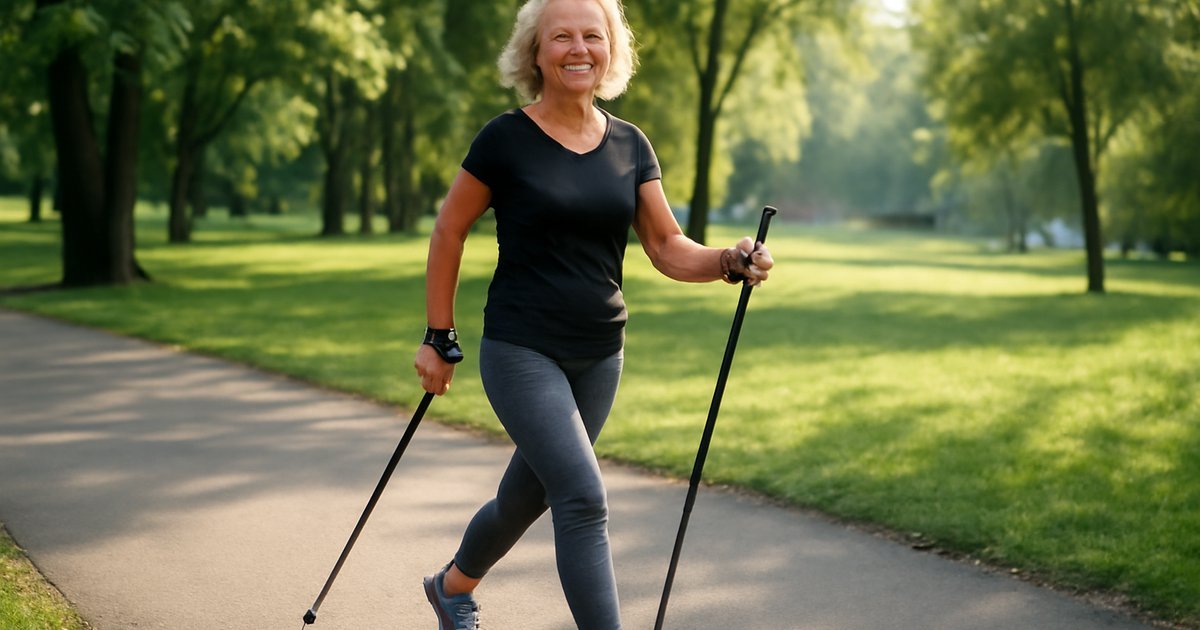
    Nordic walking is a full-body walking technique that uses specially designed poles to actively engage your upper body as you walk. It originated in Finland in the 1930s as an off-season training method for cross-country skiers, but it has since evolved into a mainstream fitness activity practiced by an estimated 12 million people across Europe — and is growing rapidly in the United States.

    Unlike hiking poles or trekking sticks, Nordic walking poles are used with a specific pushing motion that activates your arms, shoulders, chest, back, and core with every stride. The technique transforms ordinary walking into a full-body cardiovascular workout.

    According to research published by the American Journal of Preventive Medicine and supported by findings from the Cooper Institute, Nordic walking burns approximately 20–46% more calories than regular walking at the same pace — all without feeling significantly harder. This makes it especially valuable for adults managing weight, cardiovascular risk, or metabolic conditions.

    The poles also provide a slight stability advantage, which is particularly meaningful for older adults navigating uneven terrain or those recovering from injury. This isn’t a passive activity — it’s an active, full-body movement that doctors and physical therapists increasingly recommend for adults in their 50s, 60s, and beyond.

    Health Benefits of Nordic Walking After 50

    The clinical evidence behind Nordic walking is more robust than many people expect. Here’s what research suggests across key health areas:

    Cardiovascular Health

    A study published in the Journal of Cardiopulmonary Rehabilitation and Prevention found that Nordic walking significantly improved cardiovascular fitness — measured as VO2 max — in adults over 50, outperforming regular walking programs of equal duration. The upper-body engagement increases heart rate and oxygen consumption more effectively than standard walking, giving your heart a more meaningful workout.

    The American Heart Association recognizes brisk walking as a cornerstone of heart disease prevention. Nordic walking takes that benefit further by adding upper-body muscle recruitment, which elevates cardiac output without high-impact stress on the joints.

    Muscle Engagement and Bone Density

    Regular walking primarily works the lower body. Nordic walking, by contrast, engages up to 90% of the body’s skeletal muscles — including the latissimus dorsi, triceps, pectorals, and core stabilizers — according to research from the Finnish Central Association for Recreational Sports.

    This matters enormously for adults over 50. The NIH reports that muscle mass declines at a rate of 3–8% per decade after age 30, accelerating after 60 — a condition called sarcopenia. Weight-bearing activity also stimulates bone remodeling. Clinical evidence suggests that Nordic walking’s combination of ground-force impact and upper-body resistance may support bone density in postmenopausal women and older men.

    Balance, Posture, and Fall Prevention

    Falls are the leading cause of injury-related death among adults over 65 in the United States, according to the CDC. Nordic walking improves proprioception (your body’s sense of position and movement), activates stabilizing core muscles, and trains rhythmic coordination between the upper and lower body — all of which contribute to better balance and fall prevention.

    Physical therapists at Mayo Clinic and Cleveland Clinic have incorporated Nordic walking into rehabilitation programs for patients recovering from hip replacement, stroke, and Parkinson’s disease, citing its simultaneous benefit to gait, posture, and confidence.

    Mental Health and Mood

    Research suggests that outdoor exercise consistently outperforms indoor workouts in reducing symptoms of anxiety and depression. A 2022 meta-analysis published in Mental Health and Physical Activity found that structured walking programs in natural environments reduced depressive symptoms significantly in adults over 50. Nordic walking adds a social dimension — it’s commonly practiced in groups — which the NIH identifies as a protective factor for cognitive aging and emotional well-being.

    Weight Management and Metabolic Health

    For adults managing type 2 diabetes, metabolic syndrome, or weight challenges, Nordic walking offers a meaningful caloric advantage. Clinical evidence from the Cooper Institute indicates that the pole-assisted technique increases caloric expenditure by up to 46% compared to regular walking — without a perceived increase in exertion. This makes it an excellent tool for sustainable, long-term weight management.

    Proper Technique: How to Walk the Nordic Way

    Technique is what separates Nordic walking from simply walking with sticks. Using the poles correctly is essential — both for maximizing benefits and avoiding shoulder or wrist strain. Here’s what most physical therapists recommend for beginners:

    • Pole length: Your elbow should form a 90-degree angle when holding the pole grip with the tip touching the ground just behind your heel. Most poles are height-adjustable.
    • Grip and strap: Nordic walking poles come with a specialized wrist strap system. You should be able to open your hand fully and let the pole swing freely — the strap does the work, not a tight grip.
    • Arm swing: Think of the motion as a natural arm swing — opposite arm to opposite leg. The pole plants behind you as you push off, not in front of you like a hiking stick.
    • Push, don’t stab: The key movement is a backward push through the pole, driving through the ground behind your body. This is what activates your arms, chest, and core.
    • Upright posture: Keep your chest open, shoulders relaxed, and gaze forward. Avoid hunching over the poles.
    • Natural stride length: Don’t overextend. Let your stride feel natural and comfortable. Speed and distance will increase as your technique improves.

    Many Nordic walking instructors recommend starting with a short technique lesson — often available through local parks and recreation departments or certified Nordic walking coaches — before going solo. This varies from person to person, but most adults feel comfortable with the basic technique within two to three sessions.

    How to Get Started: A Beginner’s Plan

    You don’t need to be fit to start Nordic walking. This sport meets you exactly where you are. Here’s a practical four-week beginner framework:

    What You’ll Need

    • Nordic walking poles: Choose adjustable, lightweight poles with wrist straps designed specifically for Nordic walking — not hiking poles. Reputable brands include Leki, Exel, and Urban Poling. Expect to spend between $60 and $120 for a quality pair.
    • Supportive footwear: Wear walking shoes with good arch support and a slight heel cushion. Running shoes work well. Avoid flip-flops or flat-soled shoes.
    • Comfortable clothing: Dress in moisture-wicking layers appropriate for the weather.

    4-Week Beginner Program

    Week 1: Walk 20 minutes, 3 days per week. Focus entirely on arm swing and pole plant — don’t worry about speed. Let your body learn the rhythm.

    Week 2: Extend to 25–30 minutes per session, 3–4 days per week. Begin adding a moderate pace for 5-minute intervals, then return to a comfortable rhythm.

    Week 3: Walk 30–35 minutes, 4 days per week. Focus on the backward push through the pole. You should feel your triceps and upper back engaging.

    Week 4: Aim for 40 minutes, 4–5 days per week. At this point, many beginners notice improved endurance, reduced fatigue, and better posture throughout the day.

    After four weeks, most people can comfortably build toward the CDC’s recommended 150 minutes per week of moderate-intensity aerobic activity — entirely through Nordic walking. For additional recovery strategies between sessions, see our guide on Stretching and Recovery After 40: Feel Better, Move Longer.

    Who Should Consider Nordic Walking?

    Nordic walking is appropriate for a remarkably broad range of adults. It is especially beneficial for:

    • Adults over 50 looking for a sustainable, joint-friendly cardio routine
    • People managing hypertension, type 2 diabetes, or metabolic syndrome
    • Individuals recovering from knee, hip, or back issues (with physician clearance)
    • Those with mild balance concerns or early Parkinson’s disease
    • Adults who find gyms inaccessible, expensive, or unenjoyable
    • People returning to exercise after a long break

    It is also an excellent complement to other low-impact activities. Many adults pair Nordic walking with functional fitness training — see our related guide on Functional Fitness After 50: Move Better, Live Stronger — for a well-rounded weekly routine.

    Living With an Active Lifestyle: Staying Consistent

    Consistency is the single most important predictor of long-term fitness outcomes, according to research cited by the NIH. Nordic walking supports consistency because it’s enjoyable, adaptable, and doesn’t require recovery days the way high-intensity training does.

    Here are evidence-based strategies to help you stick with it:

    • Join a group: Nordic walking clubs exist in most US cities. Group walking significantly increases adherence rates — a finding supported by multiple behavioral health studies.
    • Track your progress: Use a fitness tracker or smartphone app to log distance, time, and steps. Seeing progress is a powerful motivator.
    • Vary your routes: Walking different paths — parks, trails, neighborhoods — reduces boredom and adds sensory stimulation that supports mental health.
    • Set small, specific goals: Rather than "I want to get fit," aim for "I will walk 30 minutes on Monday, Wednesday, and Friday this week."
    • Listen to your body: Mild muscle soreness after the first few sessions is normal, particularly in the arms and upper back. Sharp pain, joint discomfort, or chest symptoms are not normal — stop and consult your doctor.

    If you also enjoy indoor or morning movement, our article on Morning Exercise Routines for Adults Over 50 offers practical ideas to complement your Nordic walking schedule.

    When to Call Your Doctor or Seek Emergency Care

    Nordic walking is generally very safe for most adults, but there are important situations where medical attention is required. Know these warning signs:

    Stop Exercising Immediately and Call 911 If You Experience:

    • Chest pain, pressure, or tightness during or after exercise
    • Sudden shortness of breath that does not resolve with rest
    • Dizziness, fainting, or near-fainting
    • Irregular or very rapid heartbeat
    • Sudden severe pain in any joint or muscle

    Contact Your Doctor Before Starting If You Have:

    • Uncontrolled hypertension or recent cardiac event
    • Recent surgery or orthopedic injury
    • Peripheral artery disease or severe osteoporosis
    • Neurological conditions affecting balance or coordination
    • Any concern that has not been evaluated by a physician

    Most physicians will enthusiastically support Nordic walking as part of a preventive care plan — but it’s always wise to check in with your provider before starting a new exercise routine, particularly if you manage a chronic condition. Clinical evidence indicates that even a brief conversation with your doctor about exercise goals significantly improves adherence and safety outcomes.

    Frequently Asked Questions

    Is Nordic walking better than regular walking?

    Research suggests yes — for most adults over 50. Nordic walking burns significantly more calories, engages far more muscle groups, improves posture, and provides cardiovascular benefits comparable to jogging, but with a fraction of the joint impact. That said, any walking is beneficial. Nordic walking is an upgrade, not a requirement.

    Can I do Nordic walking with bad knees or arthritis?

    Many people with osteoarthritis or knee pain find Nordic walking more comfortable than regular walking because the poles distribute load across the upper body, reducing pressure on the knees by an estimated 25%, according to findings cited by the Arthritis Foundation. Always consult your orthopedist or rheumatologist before starting, especially after joint replacement surgery.

    How is Nordic walking different from hiking with trekking poles?

    The key difference is technique and pole design. Hiking poles are used for stability and balance — you plant them in front of you. Nordic walking poles are used actively, with a backward push that drives upper-body muscle engagement. The poles are also lighter, with a different strap system designed for dynamic movement. The technique is the workout — the poles alone don’t create the benefit.

    How many calories does Nordic walking burn?

    This varies from person to person based on weight, pace, terrain, and technique. Clinical evidence from the Cooper Institute suggests that a 150-pound adult walking at a moderate pace burns approximately 280–400 calories per hour with Nordic walking poles, compared to roughly 200–280 calories with regular walking at the same pace. Proper technique maximizes caloric burn.

    Do I need a certified instructor to start?

    You don’t need one, but a brief technique session — even a free YouTube tutorial from a certified Nordic walking instructor — can dramatically improve your form and the benefits you receive. Poor technique (using poles like hiking sticks rather than pushing through them) significantly reduces the upper-body benefits. Most local parks departments and senior wellness centers offer introductory sessions.

    Conclusion

    Nordic walking is one of those rare fitness tools that delivers genuine, evidence-based health benefits across multiple systems — cardiovascular, musculoskeletal, neurological, and psychological — without requiring extreme exertion, expensive equipment, or a gym membership. For adults over 50 who want to move more, feel stronger, and protect their long-term health, it deserves serious attention.

    You don’t need to be an athlete to benefit. You just need a pair of poles, a comfortable pair of shoes, and the willingness to take the first step. As always, talk with your physician before making significant changes to your activity level — especially if you’re managing a chronic condition. With the right guidance and a consistent routine, Nordic walking can become one of the most rewarding health habits of your 50s, 60s, and beyond.


    Medical Disclaimer: This article is for informational and educational purposes only. It does not constitute medical advice, diagnosis, or treatment. Always consult your physician or a qualified healthcare provider before making changes to your health routine or treatment plan.

    Medically reviewed by our editorial health team. Content follows evidence-based standards aligned with CDC and NIH guidelines.