Pilates may be one of the most underrated tools for adults over 40 who want to move better, hurt less, and build lasting functional strength.
Introduction
Margaret, 54, had spent years managing lower back pain that flared up every time she sat too long at her desk or tried to keep up with her grandchildren. Physical therapy helped temporarily, but the pain kept coming back. A friend suggested Pilates. Within three months of twice-weekly sessions, Margaret told her doctor she felt stronger in her core, stood taller, and had gone from daily discomfort to occasional mild soreness.
Her experience is far from unusual. According to the National Institutes of Health, low back pain affects approximately 80% of Americans at some point in their lives, and adults over 40 bear a disproportionate share of that burden. Pilates — a low-impact, precision-based exercise method originally developed in the early 20th century — has accumulated a growing body of clinical evidence supporting its benefits for core strength, postural alignment, flexibility, and chronic pain management.
In this guide, you will learn what Pilates is, how it works, who it benefits most, what the research says, and how to start safely after 40 — whether you are a complete beginner or returning to exercise after a long break.
What Is Pilates?
Pilates is a structured exercise system that emphasizes controlled movement, core engagement, breathing mechanics, and postural alignment. It was developed by Joseph Pilates in the 1920s and originally called “Contrology.” Today it is practiced worldwide in two primary forms: mat-based Pilates and reformer Pilates, which uses a spring-resistance machine.
Unlike high-impact workouts, Pilates is designed to train the deep stabilizing muscles of the spine and pelvis — often called the “powerhouse” in Pilates terminology — which correspond to what clinicians call the core musculature, including the transversus abdominis, multifidus, pelvic floor, and diaphragm.
According to the American College of Sports Medicine (ACSM), Pilates qualifies as a muscle-strengthening activity that can complement aerobic exercise recommendations for adults. It is particularly well-suited for individuals managing joint sensitivity, recovering from injury, or experiencing the postural changes that naturally accompany aging.
In the United States, the Pilates industry has grown substantially, with millions of Americans practicing regularly in studios, gyms, and at home. Its appeal to the 40-and-older population is driven by its adaptability — nearly every exercise can be modified for different fitness levels and physical limitations.
Key Benefits of Pilates After 40
The benefits of Pilates for adults in midlife and beyond are supported by a growing number of peer-reviewed studies. Here is what clinical evidence indicates across several health domains:
Core Strength and Spinal Stability
The deep muscles of the abdomen and back begin to weaken with age, contributing to instability, poor posture, and increased injury risk. Pilates directly targets these muscles through slow, intentional movements that require sustained engagement rather than momentum.
A 2021 meta-analysis published in the journal PLOS ONE found that Pilates exercise significantly improved core muscle strength and endurance in adults with chronic low back pain compared to no exercise or general exercise. Clinical evidence indicates that even short-term Pilates programs — as few as 8 to 12 weeks — can produce measurable improvements in core stability.
Posture and Spinal Alignment
After 40, many adults develop rounded shoulders, forward head posture, or lumbar flattening — often from years of desk work, driving, and reduced physical activity. These postural changes can contribute to neck pain, upper back tension, and reduced breathing capacity.
Pilates exercises consistently reinforce spinal extension, scapular retraction (pulling the shoulder blades together and down), and neutral spine positioning. Research suggests that regular Pilates practice improves postural awareness and spinal alignment, which can reduce the muscular strain patterns that cause chronic discomfort.
Flexibility and Joint Mobility
Joint stiffness is a common complaint after 40, often resulting from reduced collagen elasticity, sedentary habits, and the early stages of osteoarthritis. Pilates incorporates dynamic stretching and lengthening movements that support joint mobility without placing excessive stress on cartilage or connective tissue.
According to research reviewed by Mayo Clinic, Pilates has shown effectiveness in improving flexibility in older adults, particularly in the hamstrings, hip flexors, and thoracic spine — areas that commonly restrict movement in midlife.
Balance and Fall Prevention
The CDC reports that falls are the leading cause of injury-related death among adults 65 and older, and balance begins to decline measurably in the mid-40s. Pilates challenges proprioception — the body's sense of its own position in space — through single-leg exercises, unstable surface variations, and slow controlled movements that require balance and coordination.
A clinical review in the Journal of Aging and Physical Activity found that Pilates-based interventions significantly improved static and dynamic balance in older adults, suggesting a meaningful role in fall prevention programming. If you want to explore other evidence-based balance strategies, our guide on Core Training After 40: Stability, Back Pain Relief & Better Movement covers complementary approaches in depth.
Chronic Pain Management
Beyond back pain, research suggests Pilates may benefit adults managing fibromyalgia, osteoarthritis, and postural pain syndromes. Clinical evidence indicates it works by improving neuromuscular control — essentially teaching the body to move more efficiently and with less compensatory strain on painful areas.
Mental Health and Stress Reduction
Pilates requires focused attention on breathing and movement, which activates the parasympathetic nervous system — your body's rest-and-digest response. Many practitioners report reduced anxiety and improved mood after sessions. Research suggests this mind-body connection may contribute to lower perceived stress levels over time. For adults managing chronic stress alongside physical health goals, this dual benefit makes Pilates particularly valuable.
Who Should Consider Pilates After 40?
Pilates is broadly appropriate for adults over 40, but it is especially well-matched for those who:
- Experience chronic or recurring low back pain
- Have been told by a physician to avoid high-impact exercise
- Are recovering from orthopedic surgery or injury (with medical clearance)
- Notice postural changes such as rounding of the upper back
- Want to complement existing aerobic routines like walking, swimming, or cycling
- Are managing early-stage osteoporosis or osteopenia (with guidance — see precautions below)
- Are returning to exercise after a long period of inactivity
- Want to improve athletic performance or movement quality in other sports
This varies from person to person, and individuals with acute injuries, uncontrolled osteoporosis, or recent spinal surgery should consult their physician before beginning any Pilates program.
Pilates vs. Other Low-Impact Options: How It Fits Your Routine
Pilates works best as a complement to, not a replacement for, aerobic exercise. The American Heart Association recommends at least 150 minutes of moderate-intensity aerobic activity per week for cardiovascular health — something Pilates alone does not fully satisfy.
However, when paired with activities like walking, swimming, or water aerobics, Pilates fills a critical gap by addressing the muscular endurance, alignment, and core stability that aerobic exercise alone does not develop. Many physical therapists now incorporate Pilates-based exercises into rehabilitation protocols precisely because of this complementary role.
Compared to yoga, Pilates places a stronger emphasis on spinal mechanics and core activation, while yoga tends to offer more flexibility and mindfulness components. Both have value, and many adults over 40 benefit from including elements of each in their weekly routine.
How to Get Started: A Practical Guide
Starting Pilates after 40 does not require a studio membership, expensive equipment, or prior fitness experience. Here is what most physicians and certified Pilates instructors recommend for beginners:
Step 1: Get Medical Clearance
If you have been inactive for more than a year, manage a chronic condition, or have a history of spinal or joint problems, speak with your doctor before beginning. Most adults over 40 are cleared for mat Pilates without restriction, but your physician may suggest specific modifications.
Step 2: Choose Your Format
Mat Pilates: Performed on a yoga mat using your own body weight. It is accessible, affordable, and effective for beginners. It is ideal for home practice using guided videos from credentialed instructors.
Reformer Pilates: Uses a spring-loaded sliding machine that adds resistance and support simultaneously. It is typically offered in studios and allows for greater exercise variety. Research suggests the reformer may be particularly effective for rehabilitation due to its ability to offload body weight while still engaging the core.
Step 3: Start With Foundational Exercises
Clinical instructors typically begin new adult students with foundational movements that establish core connection and breathing patterns before progressing to more challenging work. Key beginner exercises include:
- Pelvic tilt and imprint: Teaches neutral spine awareness and deep abdominal engagement
- Hundred (modified): Builds core endurance with controlled breathing
- Single leg stretch: Challenges coordination and abdominal control
- Cat-cow variations: Improves spinal mobility and awareness
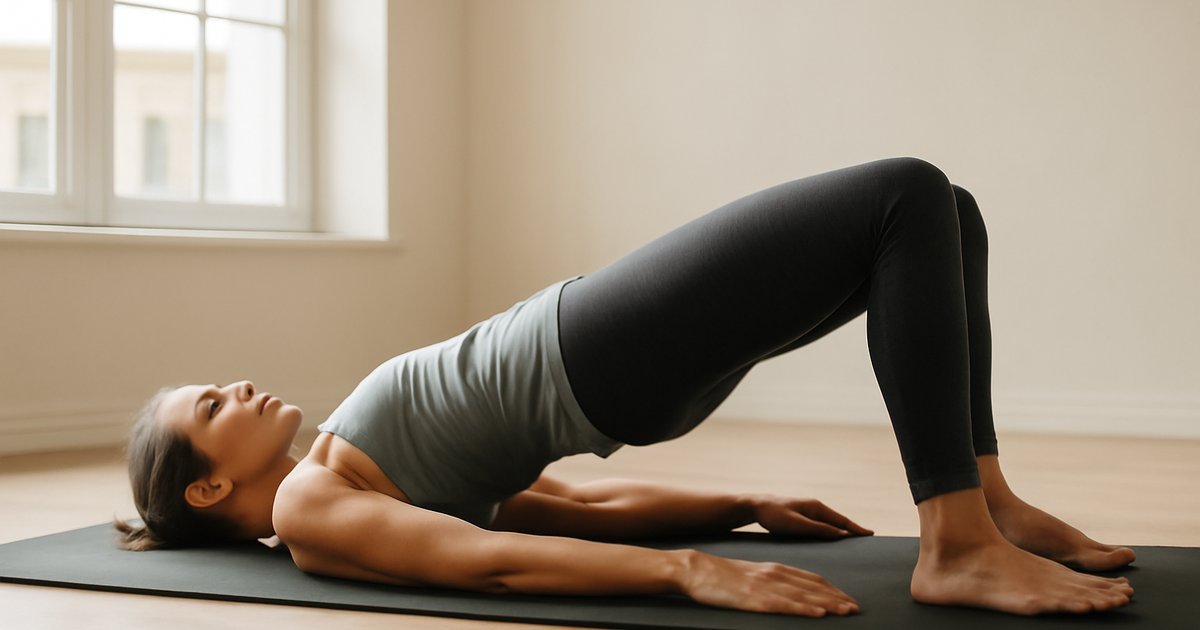
- Bridging (glute bridge): Activates the posterior chain — glutes, hamstrings, and lower back stabilizers
- Side-lying clam: Targets hip abductors and external rotators, critical for knee and hip stability
Step 4: Establish a Consistent Schedule
Most Pilates instructors and physical therapists recommend starting with two to three sessions per week for 30 to 45 minutes each. Clinical evidence from multiple trials suggests that meaningful improvements in core strength and pain reduction are typically observed after 6 to 12 weeks of consistent practice.
Step 5: Work With a Certified Instructor Initially
If possible, invest in at least a few sessions with a certified Pilates instructor (look for NCPT — Nationally Certified Pilates Teacher — credential) before practicing independently. Proper form in Pilates is nuanced, and small alignment errors can reduce effectiveness or, in rare cases, aggravate existing conditions. One-on-one or small group instruction significantly accelerates the learning curve.
Important Precautions for Adults Over 40
While Pilates is considered safe for most adults, certain precautions apply specifically to the over-40 population:
- Osteoporosis: Spinal flexion exercises (curling forward) may increase vertebral fracture risk in individuals with significant bone density loss. If you have been diagnosed with osteoporosis, ask your physician and instructor about extension-based modifications. The National Osteoporosis Foundation provides specific exercise guidance for this population.
- Hip or knee replacements: Certain Pilates positions require hip rotation ranges that may be contraindicated post-replacement. Always disclose surgical history to your instructor.
- Herniated discs: Some spinal flexion exercises may be inappropriate depending on the location and severity of your disc injury. A physical therapist can advise on safe modifications.
- Diastasis recti: A separation of the abdominal muscles common after pregnancy — exercises that create excessive intra-abdominal pressure should be avoided until the condition is addressed with a specialist.
When to Call Your Doctor
Most discomfort when starting Pilates is mild muscle soreness — normal for the first one to two weeks. However, contact your physician if you experience:
- Sharp or shooting pain in your spine, neck, or limbs during or after exercise
- Numbness or tingling that radiates down your arms or legs
- Sudden worsening of existing back or joint pain
- Chest pain, shortness of breath, or dizziness during exercise
- Pain that persists for more than 48 hours after a session
Seek emergency care immediately if you experience chest pain, severe shortness of breath, sudden weakness, or loss of bladder or bowel control during or after exercise. These are potential red flags for cardiovascular or neurological emergencies.
Frequently Asked Questions
Is Pilates safe if I have never exercised before?
Yes. Pilates is widely considered one of the safest entry points into exercise for sedentary adults, particularly beginners over 40. The emphasis on controlled, low-impact movement makes it accessible even without prior fitness experience. Starting with a certified instructor is strongly recommended.
How long before I see results from Pilates?
Research suggests most adults notice improvements in posture, core awareness, and mild pain reduction within 6 to 8 weeks of consistent twice-weekly practice. Strength and movement quality gains typically become more pronounced by weeks 10 to 12. Individual results vary based on consistency, starting fitness level, and whether modifications are used.
Can Pilates replace my strength training?
Pilates builds muscular endurance and functional strength, particularly in the core and stabilizing muscles, but it generally does not provide the progressive overload needed to increase bone density or build significant muscle mass in the way that resistance training does. Most physicians and exercise physiologists recommend combining Pilates with some form of resistance training for comprehensive fitness after 40.
Is mat Pilates as effective as reformer Pilates?
Both forms have demonstrated clinical benefits. Mat Pilates is more accessible and can be highly effective for core strengthening and flexibility. Reformer Pilates offers greater exercise variety and spring-assisted support, which may be beneficial for those with mobility limitations or in rehabilitation settings. Clinical evidence does not firmly establish one as superior to the other for general adult fitness.
Can Pilates help with menopause-related changes?
Research suggests Pilates may offer meaningful benefits for perimenopausal and postmenopausal women, including improvements in balance, posture, and musculoskeletal pain — all of which can be affected by hormonal changes. Some studies also indicate potential benefits for mood and sleep quality, though more research is needed. Always discuss exercise plans with your physician in the context of your complete health picture.
Conclusion
Pilates is not a trend — it is a clinically supported, adaptable, and time-tested approach to movement that fits remarkably well into the health priorities of adults over 40. Whether your goal is to reduce back pain, improve posture, move more freely, or simply build a stronger foundation for the rest of your active life, Pilates offers a practical and evidence-backed path forward.
Starting does not require perfection or peak fitness — just consistency, patience, and ideally a qualified instructor who can guide you safely. Talk with your doctor about whether Pilates is right for your specific health situation, and consider it as a powerful complement to the aerobic and resistance activities that support long-term health.
Your body at 40, 50, or 60 is still capable of remarkable adaptation. Pilates is one of the tools that can help you tap into that potential.
Medical Disclaimer: This article is for informational and educational purposes only. It does not constitute medical advice, diagnosis, or treatment. Always consult your physician or a qualified healthcare provider before making changes to your health routine or treatment plan.
Medically reviewed by our editorial health team. Content follows evidence-based standards aligned with CDC and NIH guidelines.