Tag: exercise after 50

  • Interval Walking After 50: Boost Fitness, Heart Health & Energy

    Interval Walking After 50: Boost Fitness, Heart Health & Energy

    Interval Walking After 50: Boost Fitness, Heart Health & Energy

    A simple, evidence-backed way to get more from every walk — without running a single step.

    Why Your Regular Walk Might Not Be Enough Anymore

    Margaret, 63, had been walking 30 minutes every morning for two years. She felt good about her routine — until her annual checkup revealed her blood pressure and fasting glucose were still creeping upward. Her doctor asked a simple question: “Are you ever walking fast enough to feel slightly breathless?”

    Margaret’s answer was no. And that single change — adding short bursts of brisk walking to her routine — made a measurable difference within months.

    According to the CDC, fewer than 25% of adults aged 50 and older meet the recommended guidelines for aerobic physical activity. Many who do walk regularly stay at a comfortable, low-intensity pace that, while beneficial, may not be enough to drive meaningful improvements in cardiovascular health, blood sugar regulation, or metabolic fitness.

    Interval walking — alternating between brisk and moderate-paced segments — is one of the most accessible, low-risk strategies adults over 50 can use to amplify the benefits of a walking routine. No gym. No equipment. No running required.

    In this guide, you will learn what interval walking is, why the science strongly supports it for older adults, how to start safely, and how to build a sustainable routine that fits your life and health goals.

    What Is Interval Walking?

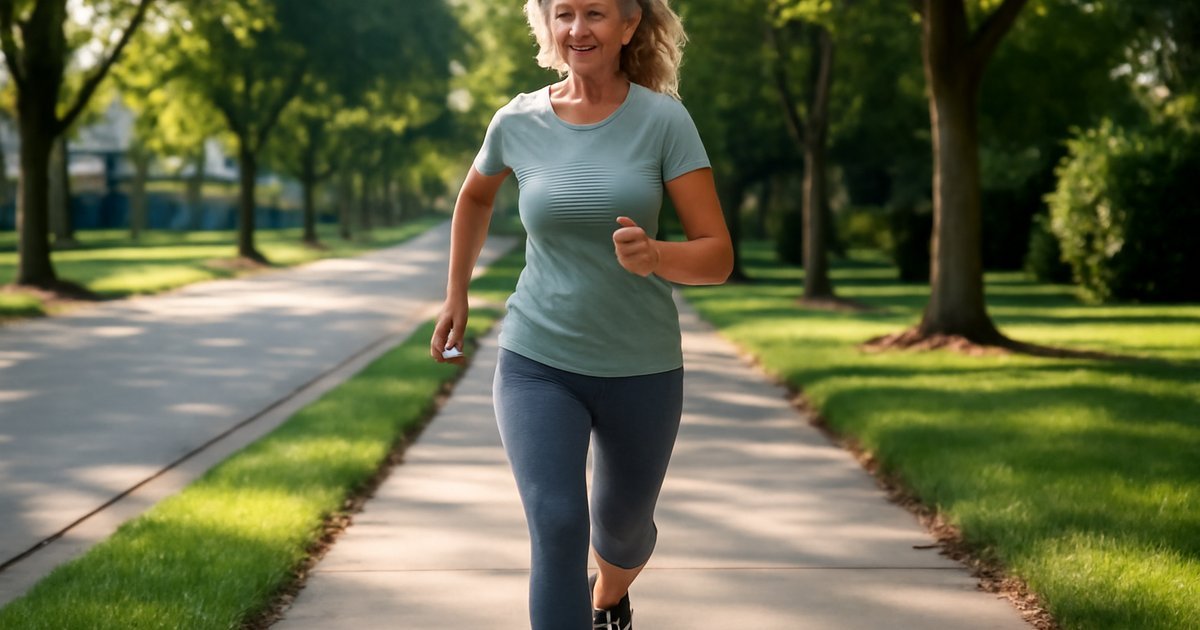
    Interval walking is a structured form of walking that alternates between two intensity levels: a moderate, comfortable pace and a brisk, faster pace that slightly elevates your heart rate and breathing.

    Unlike high-intensity interval training (HIIT), which often involves sprinting, jumping, or gym equipment, interval walking is entirely low-impact and adaptable to nearly any fitness level. The “intervals” simply refer to timed or distance-based shifts in your walking speed — for example, walking briskly for 1–2 minutes, then recovering at a comfortable pace for 2–3 minutes, and repeating that cycle throughout your session.

    This method is sometimes called “pace walking,” “structured walking,” or “walk intervals,” and it has been studied extensively in clinical settings as a practical tool for improving metabolic and cardiovascular health in middle-aged and older adults.

    Research published in Diabetologia and supported by findings from the Mayo Clinic and NIH suggests that interval walking produces significantly greater improvements in aerobic capacity, insulin sensitivity, and blood pressure control compared to continuous walking at the same total duration. In other words, it’s not just about how long you walk — it’s about how you walk.

    For adults over 50 managing weight, blood pressure, blood sugar, or simply trying to maintain independence and energy as they age, interval walking offers a compelling, doctor-friendly option that builds on what many already do.

    Health Benefits of Interval Walking After 50

    The benefits of interval walking extend well beyond basic calorie burning. Clinical evidence points to meaningful improvements across several key health markers — especially relevant for adults in their 50s, 60s, and 70s.

    Cardiovascular Health

    The American Heart Association identifies physical inactivity as a major modifiable risk factor for heart disease, the leading cause of death among US adults over 50. Research suggests that varying your walking intensity challenges your cardiovascular system in ways that sustained moderate walking does not, leading to greater improvements in VO2 max (a measure of aerobic efficiency) and heart rate variability.

    Blood Sugar and Insulin Sensitivity

    A landmark Danish study involving adults with type 2 diabetes found that participants who followed an interval walking program for four months experienced significantly better improvements in insulin sensitivity, aerobic capacity, and body fat percentage compared to those who walked continuously at a moderate pace — even when total walking time was equal. This is particularly relevant given that the CDC estimates 38 million Americans have diabetes, with adults over 45 representing the fastest-growing diagnosed group.

    Blood Pressure Regulation

    Clinical evidence indicates that aerobic exercise — including brisk walking intervals — can reduce systolic blood pressure (the top number) by an average of 4–9 mmHg in people with hypertension, according to findings reviewed by Johns Hopkins Medicine. For some adults, this effect rivals the impact of a low-dose antihypertensive medication.

    Weight and Metabolic Health

    Higher-intensity walking intervals increase your post-exercise oxygen consumption — meaning your body continues burning calories at an elevated rate even after the walk is over. Research suggests this “afterburn” effect is more pronounced with interval training than with steady-state moderate exercise.

    Bone Density and Joint Health

    Walking is a weight-bearing activity, which the NIH’s National Institute on Aging identifies as beneficial for maintaining bone density and reducing osteoporosis risk. Interval walking, by increasing the variety of load and pace, may provide slightly greater mechanical stimulus to bones compared to flat, uniform walking — though this varies from person to person.

    Mental Health and Cognitive Function

    Research from Harvard Health Publishing indicates that aerobic exercise that elevates heart rate — even moderately — supports brain-derived neurotrophic factor (BDNF) production, a protein linked to memory, learning, and mood regulation. Interval walking, by its nature, achieves these brief cardiovascular elevations that continuous easy walking may not reach.

    Signs You’re Ready to Try Interval Walking (And When to Check with Your Doctor First)

    Most adults over 50 can begin interval walking safely, especially if they already walk regularly. However, because interval walking does raise your heart rate more than leisurely walking, it’s worth reviewing a few important considerations before starting.

    You’re likely ready if you:

    • Can walk continuously for 20–30 minutes at a comfortable pace without dizziness or chest discomfort
    • Have no recent cardiac events or uncontrolled arrhythmias
    • Have stable, managed blood pressure (even on medication)
    • Experience no significant joint pain or instability during walking
    • Have your physician’s general clearance for moderate aerobic exercise

    Consult your doctor before starting if you:

    • Have been diagnosed with heart disease, heart failure, or have had a recent cardiac event
    • Experience chest pain, shortness of breath at rest, or unexplained dizziness
    • Have poorly controlled blood pressure or blood sugar
    • Have a history of falls, severe balance issues, or lower extremity joint problems
    • Are new to exercise entirely and have multiple chronic conditions

    The Mayo Clinic recommends that adults who have been sedentary for an extended period begin any new exercise program with medical guidance — particularly if they are over 60 or managing more than one chronic condition. This isn’t a barrier to starting; it’s simply smart preparation.

    How to Get Started: A Beginner Interval Walking Plan

    Starting interval walking doesn’t require a fitness tracker, a treadmill, or any special equipment. What matters most is consistency, awareness of how your body feels, and a gradual progression of intensity.

    Understanding Your Two Speeds

    Before you begin, learn to recognize the difference between your two walking intensities:

    • Moderate pace: You can hold a full conversation easily. Breathing is slightly deeper than at rest. This is your recovery interval.
    • Brisk pace: You can still speak, but in shorter sentences. You feel slightly warm, your breathing is noticeably elevated, and you sense mild exertion. This is your active interval.

    If you prefer numbers, most physicians use the Rate of Perceived Exertion (RPE) scale. Moderate pace sits around a 4–5 out of 10. Brisk pace targets a 6–7 out of 10. You should never feel pain, significant chest tightness, or feel unable to catch your breath during either phase.

    Week 1–2: Foundation Phase

    • Total time: 20–25 minutes, 3 days per week
    • Structure: 5-minute warm-up at easy pace → alternate 1 minute brisk / 3 minutes moderate → 5-minute cooldown
    • Goal: Build comfort with intentional speed changes

    Week 3–4: Building Phase

    • Total time: 25–30 minutes, 3–4 days per week
    • Structure: 5-minute warm-up → alternate 2 minutes brisk / 2 minutes moderate → 5-minute cooldown
    • Goal: Equal brisk-to-recovery ratio; notice improvements in comfort at brisk pace

    Week 5–6: Progression Phase

    • Total time: 30–40 minutes, 4 days per week
    • Structure: 5-minute warm-up → alternate 3 minutes brisk / 2 minutes moderate → 5-minute cooldown
    • Goal: Spend more time in the brisk zone; begin to feel this as your “normal” challenging walk

    This progression follows principles endorsed by the American College of Sports Medicine, which recommends increasing exercise volume by no more than 10% per week to minimize injury risk in older adults.

    If you enjoy walking outdoors, consider using landmarks (mailboxes, trees, blocks) to mark your intervals instead of watching a timer. Many adults over 50 find this approach more natural and enjoyable — and enjoyment, research suggests, is one of the strongest predictors of long-term exercise adherence.

    For related low-impact options that complement interval walking, you might also explore hiking for fitness after 50 or Nordic walking, both of which can incorporate interval-style intensity variations.

    Safety Tips and Common Mistakes to Avoid

    Interval walking is among the safest exercise approaches for adults over 50 — but a few key habits will help you stay injury-free and get the most from every session.

    Always warm up and cool down. Begin every session with 3–5 minutes of easy walking. End with another 3–5 minutes at a relaxed pace. This allows your heart rate to rise and fall gradually, reducing cardiovascular stress and muscle soreness. The Cleveland Clinic emphasizes that skipping the cooldown is one of the most common — and potentially problematic — exercise habits among older adults.

    Wear supportive footwear. Shoes matter more as we age. Look for walking shoes with good arch support, a cushioned midsole, and a stable heel counter. Replace shoes every 300–500 miles, or when you notice reduced cushioning.

    Stay hydrated. Older adults have a reduced thirst sensation relative to actual hydration needs, according to the NIH. Drink water before your walk, and carry a small bottle on sessions lasting longer than 20 minutes, especially in warm weather.

    Don’t push through pain. Mild muscle fatigue is normal. Sharp joint pain, chest discomfort, dizziness, or significant shortness of breath are not. Stop and rest — and consult your doctor if symptoms persist.

    Track your progress modestly. A simple walking log noting date, duration, and how you felt provides far more useful information than obsessing over pace or step counts. Progress after 50 is real but often gradual — and that’s completely normal.

    If you’re also working on core stability or recovery alongside your walking routine, the guides on stretching and recovery after 40 offer excellent complementary strategies.

    Living With Interval Walking: Making It a Long-Term Habit

    The most effective exercise plan is the one you actually stick to. Research from the NIH’s National Institute on Aging consistently identifies enjoyment, social connection, and habit anchoring as the top predictors of long-term exercise adherence in adults over 50.

    Here are practical strategies to make interval walking sustainable:

    • Anchor it to an existing habit. Walk after your morning coffee, during your lunch break, or after dinner. Habit stacking — attaching a new behavior to an established one — significantly improves consistency.
    • Walk with a partner. Walking with a friend or spouse adds accountability and social benefit. If a partner isn’t available, consider a local walking group. Many senior centers, YMCAs, and community parks host structured group walks.
    • Vary your routes. Novel environments reduce boredom and increase mental engagement. Alternate between neighborhood routes, parks, and trails when possible.
    • Use music or podcasts strategically. Some adults find that upbeat music naturally encourages a faster pace during brisk intervals. Podcasts or audiobooks can make longer sessions feel shorter.
    • Celebrate non-scale victories. Improved energy, better sleep, reduced knee stiffness, and a more stable mood are all meaningful outcomes — and often appear before changes in weight or lab values.

    For those looking to build an even more complete morning routine around their walking practice, the guide on morning exercise routines for adults over 50 offers structured, time-efficient approaches.

    When to Call Your Doctor — Emergency Signs

    While interval walking is safe for most adults, it’s important to know which symptoms during or after exercise should prompt immediate medical attention.

    Stop walking and seek emergency care immediately if you experience:

    • Chest pain, pressure, squeezing, or tightness
    • Pain radiating to your jaw, left arm, or back
    • Sudden severe shortness of breath unrelated to exertion level
    • Fainting or near-fainting (pre-syncope)
    • Sudden, severe headache or vision changes
    • Heart palpitations with dizziness or chest discomfort

    Contact your doctor within 24–48 hours if you notice:

    • Persistent joint swelling or sharp pain in knees, hips, or ankles after walks
    • Unusual fatigue that lasts more than a day following a session
    • Significant increase in resting heart rate over several days
    • Numbness or tingling in the feet or legs during or after walking

    At your next routine appointment, discuss:

    • Your new interval walking program and current intensity level
    • Any changes in blood pressure or blood sugar readings at home
    • Whether your current medications may affect heart rate response to exercise (some beta-blockers blunt heart rate elevation, for example)
    • Your interest in a monitored exercise stress test if you have cardiac risk factors and are significantly increasing intensity

    Frequently Asked Questions

    How is interval walking different from just walking faster?

    Interval walking involves a deliberate, structured alternation between two intensity levels — not simply walking faster overall. The recovery periods are just as important as the brisk periods. They allow your cardiovascular system to partially recover, which allows you to sustain the brisk intervals repeatedly and challenges your heart and metabolism in a way that steady fast walking does not.

    Can I do interval walking if I have arthritis or knee pain?

    Many adults with mild to moderate osteoarthritis can walk with intervals, though this varies significantly from person to person. The key is to avoid impact-heavy movements and to keep the brisk intervals at a pace that doesn’t aggravate joint pain. Clinical evidence from the Arthritis Foundation suggests that walking — particularly at a moderate brisk pace — can actually reduce joint stiffness over time when done consistently. Always consult your physician or a physical therapist if you have significant joint concerns before increasing walking intensity.

    How many days a week should I do interval walking?

    Most physicians and exercise specialists recommend starting with 3 days per week, allowing at least one rest or easy walking day between sessions. As your fitness improves, 4–5 days per week is a reasonable goal. The American Heart Association’s guidelines suggest at least 150 minutes per week of moderate-to-vigorous aerobic activity, which interval walking can help you achieve efficiently.

    Do I need a fitness tracker or heart rate monitor?

    No — and research suggests that perceived exertion (how hard you feel you’re working) is a reliable and practical guide for most adults over 50. That said, a fitness tracker can be a motivating tool for some people. If you have a heart rate-related condition or are on medications that affect heart rate, your doctor may recommend a target heart rate range, which a monitor can help you stay within.

    Will interval walking help me lose weight?

    Research suggests that interval walking can support weight management more effectively than continuous moderate walking, primarily by increasing caloric expenditure during and after exercise, and by improving insulin sensitivity and metabolic efficiency. However, weight outcomes vary considerably from person to person and are strongly influenced by dietary habits, sleep quality, hormonal factors, and other lifestyle variables. Interval walking is best viewed as one powerful component of a broader healthy lifestyle rather than a standalone weight-loss solution.

    Conclusion

    Interval walking is one of the most evidence-supported, accessible, and sustainable fitness strategies available to adults over 50. It takes something you may already be doing — walking — and makes it meaningfully more effective for your heart, blood sugar, weight, mood, and energy levels.

    You don’t need to run. You don’t need a gym membership. You don’t need to be at peak fitness. You just need a good pair of shoes, a safe route, and the willingness to pick up your pace for a minute or two at a time.

    Start where you are. Progress gradually. And always keep your physician informed about changes to your exercise routine — they are your best partner in building a plan that fits your health history and goals. The science is clear: it’s never too late to walk your way to better health.


    Medical Disclaimer: This article is for informational and educational purposes only. It does not constitute medical advice, diagnosis, or treatment. Always consult your physician or a qualified healthcare provider before making changes to your health routine or treatment plan.

    Medically reviewed by our editorial health team. Content follows evidence-based standards aligned with CDC and NIH guidelines.
  • Functional Fitness After 50: Move Better, Live Stronger

    Functional Fitness After 50: Move Better, Live Stronger

    The exercises that help you carry groceries, climb stairs, and get up from the floor without pain — and how to start doing them today.

    Introduction

    Margaret, 63, had been hitting the treadmill three times a week for years. She looked fit. But when she tried to lift a heavy bag from an overhead bin during a flight, she pulled a muscle in her shoulder. "I thought I was in shape," she told her physical therapist. "Turns out I was fit for the gym — but not for real life."

    Margaret’s story is more common than most people realize. According to the CDC, adults over 50 are among the fastest-growing segments of the US population, and physical function — the ability to perform everyday activities without pain or limitation — is one of the strongest predictors of long-term health and independence.

    Functional fitness is an approach to exercise specifically designed to train your body for real-life movements: bending, reaching, pushing, pulling, twisting, and carrying. It’s not about lifting the heaviest weight or running the fastest mile. It’s about building the strength, balance, and mobility that make daily life easier and safer.

    In this guide, you’ll learn what functional fitness is, why it matters so much after 50, and how to build a safe, effective routine — even if you haven’t exercised in years.

    What Is Functional Fitness?

    Functional fitness refers to exercise that trains your muscles and joints to work together in ways that mirror real-world movements. Rather than isolating a single muscle on a machine, functional training uses compound movements — exercises that recruit multiple muscle groups simultaneously.

    Think about what you do every day: getting up from a chair, picking something up off the floor, pushing open a heavy door, carrying a laundry basket. Each of these actions requires coordination, balance, and strength from several body parts working in sync. Functional fitness trains exactly those patterns.

    According to the National Institute on Aging (NIA), a branch of the NIH, maintaining physical function is a primary goal of healthy aging — and functional movement training is one of the most evidence-supported ways to achieve it.

    This approach is especially powerful for adults over 50 because it simultaneously addresses the four pillars of physical health that tend to decline with age: strength, balance, flexibility, and endurance.

    Why Functional Fitness Matters More After 50

    Starting around age 30, adults begin losing muscle mass at a rate of approximately 3 to 5 percent per decade — a process called sarcopenia. After 50, that loss can accelerate if not actively countered through resistance-based movement.

    The consequences go far beyond aesthetics. Loss of muscle and functional strength is directly linked to increased fall risk, reduced mobility, greater dependence on others, and higher rates of chronic disease. The CDC reports that falls are the leading cause of injury-related death among Americans over 65, with 3 million older adults treated in emergency departments for fall injuries each year.

    Functional fitness addresses this risk at its root. By training the muscles and movement patterns that stabilize the body during daily activities, it builds the kind of resilience that keeps you independent, confident, and mobile well into your later decades.

    Research published in the Journal of Aging and Physical Activity found that older adults who engaged in functional resistance training showed significant improvements in walking speed, balance, and self-reported quality of life compared to those doing traditional machine-based exercise. This variation in outcomes is well-documented — individual results depend on baseline fitness, health conditions, and consistency.

    Key Functional Movement Patterns to Train

    Functional fitness is built around six foundational movement patterns. Training all six ensures your body is prepared for the full range of activities daily life demands.

    1. Squat (sitting and standing)
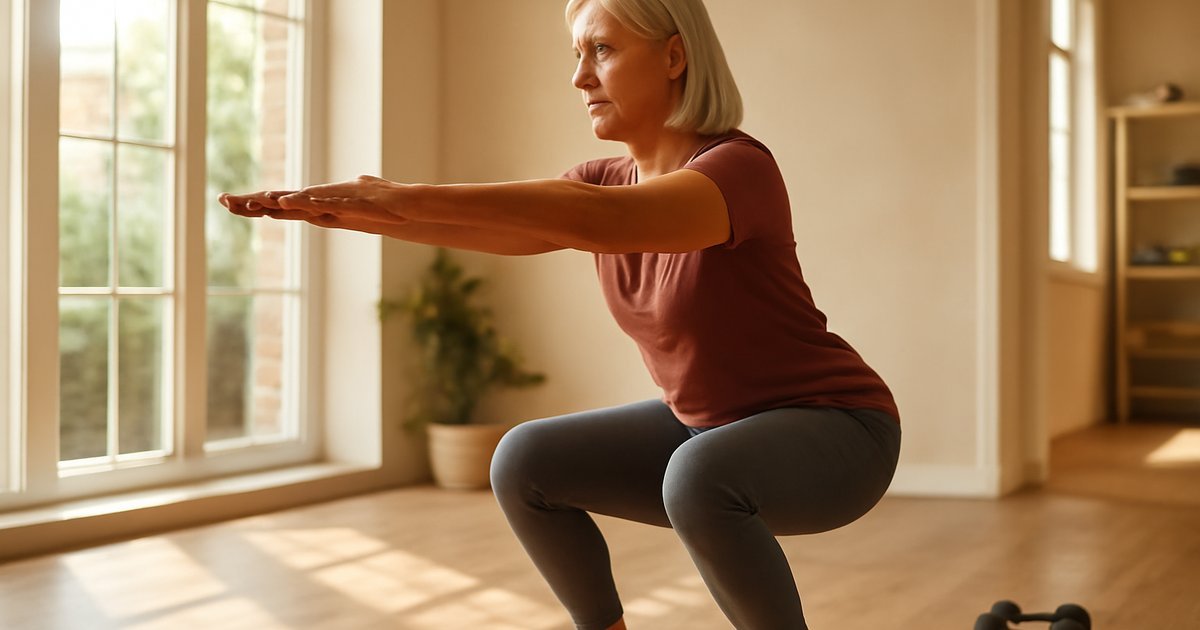
    The squat pattern mirrors getting up from a chair or a toilet. It trains your quadriceps, glutes, hamstrings, and core. For beginners, a chair squat — standing up from a seated position and slowly lowering back down — is a safe, effective starting point.

    2. Hinge (bending forward)
    The hip hinge mimics picking something up off the floor or loading the dishwasher. It trains the posterior chain — the glutes, hamstrings, and lower back. A Romanian deadlift with light dumbbells or a resistance band is a classic hinge exercise that most adults can learn safely.

    3. Push (pushing away from the body)
    Pushing movements train the chest, shoulders, and triceps. Wall push-ups or tabletop push-ups are excellent low-impact starting points for adults who haven’t trained upper body strength in a while.

    4. Pull (pulling toward the body)
    Pulling trains the upper back, biceps, and rear shoulders — muscles critical for posture and carrying. Resistance band rows are an approachable, joint-friendly option. If you’re interested in band-based training, our guide on Resistance Band Workouts: Strength & Mobility for All Ages offers a detailed introduction.

    5. Carry (moving while holding a load)
    Farmer’s carries — simply walking while holding a weight in each hand — build grip strength, core stability, and upright posture. They train the body exactly as grocery shopping does.

    6. Rotation (twisting)
    Rotational movements train the obliques and thoracic spine, preparing you for tasks like reaching across your body or looking over your shoulder while driving. Standing torso rotations with a light medicine ball or just bodyweight are safe starting points.

    A Sample Functional Fitness Routine for Adults Over 50

    Clinical evidence suggests that most adults over 50 benefit from at least two to three days of strength-focused functional training per week, with rest days or gentle movement — like walking or stretching — in between. The American College of Sports Medicine (ACSM) recommends that older adults perform muscle-strengthening activities on two or more days per week.

    Here is a beginner-to-intermediate weekly structure:

    Day 1 — Lower Body & Core Stability

    • Chair squats: 3 sets of 10–12 reps
    • Romanian deadlift with dumbbells or band: 3 sets of 10 reps
    • Standing calf raises: 3 sets of 15 reps
    • Dead bug (core stability): 3 sets of 8 reps per side
    • Side-lying hip abduction: 2 sets of 12 reps per side

    Day 2 — Upper Body & Posture

    • Wall push-ups or incline push-ups: 3 sets of 10–12 reps
    • Resistance band rows: 3 sets of 12 reps
    • Band pull-aparts: 3 sets of 15 reps
    • Overhead reach with band: 3 sets of 10 reps
    • Farmer’s carry: 3 rounds of 30 steps

    Day 3 — Balance, Mobility & Full-Body Integration

    • Single-leg stance: 3 sets of 30 seconds per side
    • Step-ups onto a low platform: 3 sets of 10 reps per leg
    • Lateral band walks: 3 sets of 12 steps per direction
    • Standing torso rotations: 3 sets of 10 per side
    • Hip flexor stretch (kneeling or standing): 2 sets of 30 seconds per side

    Always warm up for 5 to 10 minutes with gentle walking or light movement before beginning any strength work. Cool down with static stretching, focusing on the muscle groups you trained. If you’re also interested in structured low-impact options to complement this routine, you may find our article on Water Aerobics After 50: Benefits, Safety & How to Start a useful pairing for cardiovascular fitness.

    Safety: What to Know Before You Start

    Functional fitness is designed to be accessible — but that doesn’t mean it’s completely without risk, especially if you have existing health conditions. Research suggests that most exercise-related injuries in older adults result not from exercise itself, but from doing too much, too soon, without proper form.

    Here are the most important safety principles for adults over 50 starting a functional fitness program:

    • Get medical clearance first. If you have cardiovascular disease, osteoporosis, joint replacement, or uncontrolled hypertension, consult your physician before beginning a new exercise routine. Most doctors strongly support functional training — but your specific health history matters.
    • Start with bodyweight or very light resistance. Mastering movement form before adding load protects your joints and reduces injury risk significantly.
    • Prioritize form over speed or weight. Slow, controlled repetitions are more effective and far safer than rushing through exercises.
    • Listen to pain signals. Muscle fatigue is expected. Sharp, joint, or radiating pain is a warning sign to stop and evaluate.
    • Rest and recover. Muscle repair happens during rest. Adequate sleep supports your training outcomes — something our guide on Better Sleep After 50: Causes, Tips & When to See a Doctor covers in depth.
    • Consider working with a certified personal trainer or physical therapist at least initially. A professional can assess your movement quality and correct imbalances before they lead to injury.

    When to Call Your Doctor or Seek Emergency Care

    Most functional fitness discomforts — mild muscle soreness, slight fatigue, minor stiffness — are normal and resolve within 24 to 72 hours. However, some symptoms during or after exercise require immediate attention.

    Seek emergency care immediately if you experience:

    • Chest pain, pressure, or tightness during or after exercise
    • Severe shortness of breath that doesn’t resolve quickly with rest
    • Dizziness, lightheadedness, or fainting
    • Heart palpitations or an irregular, racing heartbeat
    • Sudden, severe joint or muscle pain (which may indicate a tear or fracture)
    • Numbness, tingling, or weakness radiating down an arm or leg

    Schedule a non-emergency appointment with your doctor if you notice:

    • Joint swelling that persists more than 48 hours after exercise
    • Persistent pain that worsens over multiple training sessions
    • Unusual fatigue that doesn’t improve with rest
    • Any new symptom that concerns you, even if it seems minor

    The American Heart Association recommends that adults with known cardiovascular risk factors discuss their exercise plans with a physician before significantly increasing activity intensity.

    Frequently Asked Questions

    Q: Is functional fitness the same as physical therapy?
    A: They share many exercises and principles, but they’re not the same. Physical therapy is a medically supervised rehabilitation process for specific injuries or conditions. Functional fitness is a preventive and performance-based training approach for generally healthy adults. That said, many physical therapists incorporate functional movement principles into their programs — and many people transition from PT to functional fitness training after recovering from an injury.

    Q: How soon will I see results from functional fitness training?
    A: This varies from person to person, but clinical evidence suggests that most adults begin noticing improvements in strength, balance, and daily ease of movement within four to eight weeks of consistent training. Neurological adaptations — how efficiently your brain coordinates movement — can occur even faster, often within the first two to three weeks.

    Q: Can I do functional fitness if I have osteoporosis?
    A: Research suggests that weight-bearing and resistance exercise can be beneficial for bone density, even in people with osteoporosis. However, certain movements — such as deep forward bends or high-impact jumps — may need to be modified or avoided. A physician or physical therapist familiar with osteoporosis should guide your specific program before you begin.

    Q: Do I need any equipment to start?
    A: No. Many of the most effective functional exercises require only your bodyweight — chair squats, wall push-ups, single-leg stands, and farmer’s carries with household objects. As you progress, a pair of light dumbbells and one or two resistance bands significantly expand your options at minimal cost.

    Q: How does functional fitness compare to yoga or Pilates?
    A: All three approaches complement each other well. Functional fitness emphasizes strength and movement pattern training. Yoga targets flexibility, breath, and mind-body connection. Pilates focuses on deep core stability and postural alignment. For many adults over 50, combining functional fitness with yoga or Pilates — on alternating days — offers the broadest physical benefits. Our articles on Yoga for Adults Over 40 and Pilates After 40: Core Strength, Posture & Pain Relief explore those approaches in detail.

    Conclusion

    Functional fitness isn’t a trend — it’s a smarter way to think about what exercise is actually for. After 50, the goal isn’t just to look fit. It’s to feel capable, move confidently, and maintain the independence that makes life meaningful.

    The good news is that the research is clear: it’s never too late to start. Even adults who begin functional training in their 60s or 70s show meaningful improvements in strength, balance, and quality of life. You don’t need a gym membership or a complicated program. You need consistent, purposeful movement that prepares your body for the life you want to live.

    Talk to your doctor, start with what you can do today, and build from there. Your future self — the one who carries their own groceries, climbs stairs without holding the rail, and gets up from the floor with ease — will thank you.


    Medical Disclaimer: This article is for informational and educational purposes only. It does not constitute medical advice, diagnosis, or treatment. Always consult your physician or a qualified healthcare provider before making changes to your health routine or treatment plan.

    Medically reviewed by our editorial health team. Content follows evidence-based standards aligned with CDC and NIH guidelines.

  • Walking for Fitness After 50: Benefits and How to Start

    Walking for Fitness After 50: Benefits and How to Start

    Walking for Fitness After 50: Benefits and How to Start

    One of the most underrated yet clinically proven forms of exercise may already be part of your daily routine — and doing it consistently could add years to your life.

    Introduction

    Margaret, 63, had tried the gym, signed up for a yoga class, and even borrowed her daughter’s stationary bike. Nothing stuck. But when her cardiologist told her to start walking 30 minutes a day after a borderline cholesterol reading, something clicked. Within six months, she had lost 14 pounds, her blood pressure had dropped, and she was sleeping better than she had in a decade.

    Margaret’s story is more common than you might think. According to the CDC, only about 28% of Americans aged 50 and older meet the recommended physical activity guidelines — yet walking for fitness is one of the most accessible, low-cost, and evidence-backed ways to close that gap.

    In this guide, you’ll learn exactly why walking for fitness after 50 is so effective, what the science says about its health benefits, how to build a safe and sustainable routine, and when to consult your doctor before lacing up your sneakers.


    What Is Fitness Walking — and Why Does It Matter After 50?

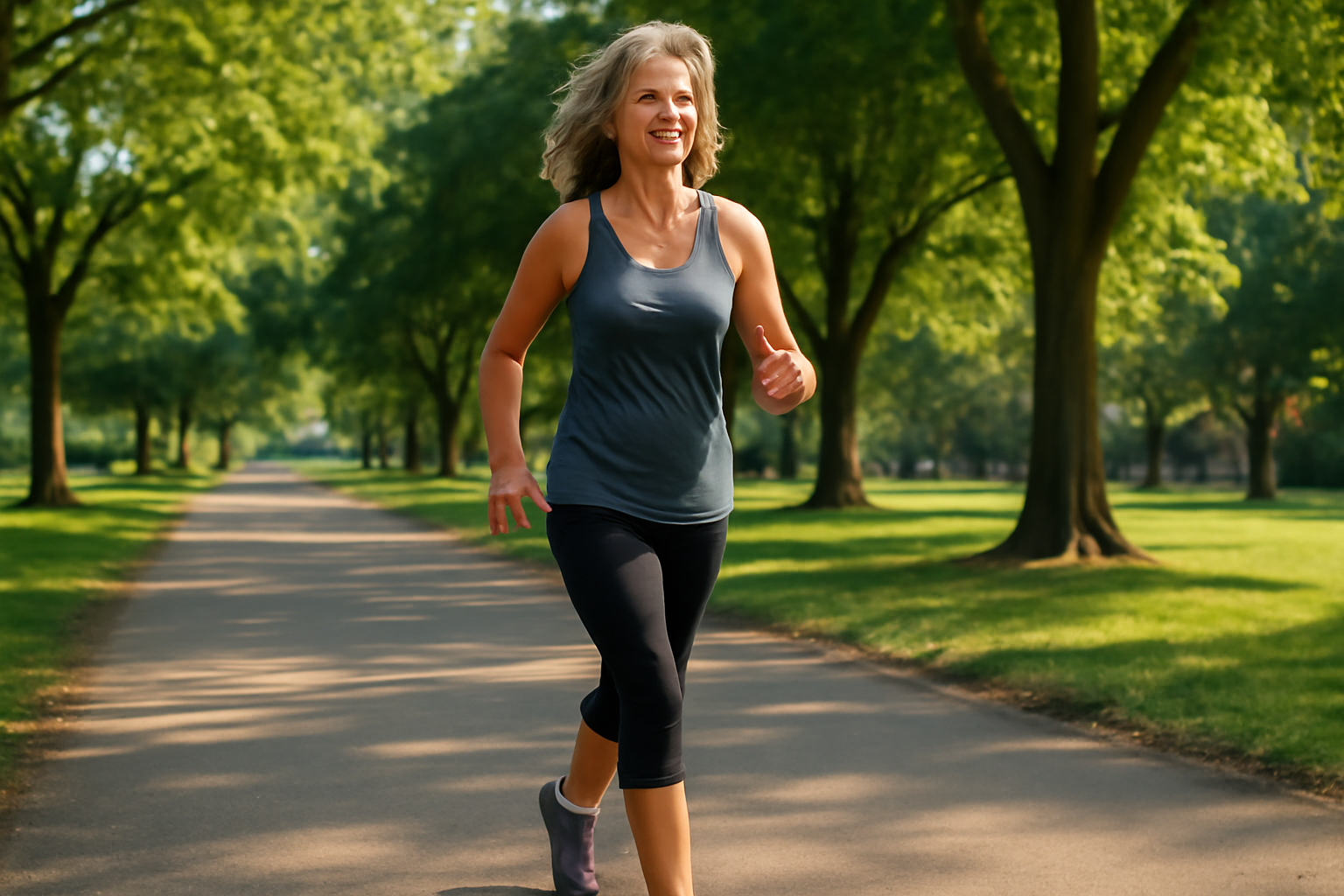
    Fitness walking — sometimes called brisk walking or purposeful walking — is defined as walking at a pace intentionally elevated above a casual stroll, typically between 2.5 and 4 miles per hour, with the primary goal of improving cardiovascular health, muscular endurance, and overall physical fitness.

    It’s not just a “light” activity. Research from the American Heart Association classifies brisk walking as moderate-intensity aerobic exercise, putting it in the same category as cycling on a level surface or water aerobics.

    Why does this matter especially after 50? Because your body changes in ways that make high-impact exercise riskier. Joint cartilage thins, bone density decreases, and recovery times lengthen. Walking delivers meaningful cardiovascular and metabolic benefits without the joint stress of running, jumping, or heavy lifting — making it the ideal entry point or long-term cornerstone of a fitness routine for adults in their 50s, 60s, and 70s.

    According to the NIH, regular walking can reduce the risk of heart disease, type 2 diabetes, osteoporosis, depression, and certain cancers. It’s one of the few interventions that delivers this breadth of benefit with minimal equipment and almost no financial barrier.


    Health Benefits of Walking After 50: What the Research Shows

    The clinical evidence supporting walking as a fitness tool for older adults is robust and growing. Here’s what current research indicates across several key health domains.

    Cardiovascular Health

    A landmark study published in the New England Journal of Medicine found that adults who walked at least 150 minutes per week had a 30% lower risk of cardiovascular events compared to sedentary peers. The American Heart Association echoes this, recommending 150 minutes of moderate-intensity aerobic activity — such as brisk walking — per week for adults.

    Regular walking helps lower LDL (“bad”) cholesterol, raise HDL (“good”) cholesterol, and reduce resting blood pressure, all of which are critical for heart health after 50.

    Blood Sugar and Metabolic Health

    Clinical evidence from the American Diabetes Association suggests that walking after meals — even for just 10 to 15 minutes — can significantly reduce post-meal blood sugar spikes in adults with or at risk for type 2 diabetes. A 2022 meta-analysis in Sports Medicine confirmed that short walks after eating were more effective at managing glucose than a single longer walk at another time of day.

    Bone Density and Joint Health

    Weight-bearing exercise like walking stimulates bone remodeling and may help slow bone loss associated with aging and osteoporosis. The National Osteoporosis Foundation notes that walking is one of the recommended weight-bearing activities to support bone health in adults over 50.

    Importantly, walking also strengthens the muscles around joints — particularly the knees and hips — reducing pain for many people with mild to moderate osteoarthritis. This varies from person to person, and individuals with severe joint conditions should consult their physician before starting.

    Mental Health and Cognitive Function

    Research suggests that regular aerobic walking is associated with reduced symptoms of depression and anxiety in older adults. A study from Harvard Health found that walking 35 minutes a day, five days a week, reduced depression risk by 26%.

    Even more compelling, a NIH-supported study found that older adults who walked regularly showed increased hippocampal volume — the brain region associated with memory — compared to sedentary peers, suggesting a protective effect against age-related cognitive decline.

    Weight Management

    A 45-minute brisk walk can burn approximately 200 to 300 calories depending on your body weight and pace. Combined with modest dietary adjustments, this can create a meaningful caloric deficit over time. Clinical evidence indicates that walking programs are one of the most sustainable long-term weight management strategies for adults over 50.


    Signs You’re Ready — and Red Flags to Watch For

    Most healthy adults over 50 can begin a walking program without special medical clearance. However, it’s important to pay attention to how your body responds, especially if you’re sedentary or managing a chronic condition.

    Signs you’re doing well:

    • You can hold a conversation while walking (the “talk test”)
    • Mild breathlessness but you’re not gasping
    • Mild muscle fatigue in legs after a session
    • You feel energized, not exhausted, within an hour of finishing

    Red flags — stop and seek medical attention if you experience:

    • Chest pain, pressure, or tightness during or after walking
    • Shortness of breath that feels disproportionate to your effort
    • Dizziness, lightheadedness, or near-fainting
    • Sudden sharp joint or bone pain (not typical muscle soreness)
    • Heart palpitations or irregular heartbeat
    • Leg pain, cramping, or numbness that worsens with activity (may indicate peripheral artery disease)

    If any of these occur, stop immediately and contact your doctor or call 911 in an emergency. These symptoms should never be dismissed as “just getting older.”


    How to Build a Walking Routine After 50: A Step-by-Step Plan

    One of the biggest mistakes adults make when starting a fitness walking program is doing too much too soon. A gradual, progressive approach is not only safer — research suggests it leads to better long-term adherence.

    Week 1-2: Establish the Habit

    Start with 15 to 20 minutes of walking at a comfortable pace, three to four days per week. Focus on consistency over intensity. The goal here is simply to make walking a regular part of your schedule, not to push your limits.

    Week 3-4: Increase Duration

    Add five minutes to each session. If you’re walking 20 minutes comfortably, move to 25 minutes. Keep the same number of days per week. Listen to your body — mild soreness is normal; sharp or persistent pain is not.

    Week 5-8: Add Intensity

    Once you can walk for 30 minutes comfortably, begin introducing short bursts of brisker walking. Walk at a moderate pace for four minutes, then speed up to a brisk pace for one minute, and repeat. This interval approach is supported by research from the Mayo Clinic as a way to boost cardiovascular adaptation without high-impact stress.

    Ongoing: Aim for 150+ Minutes Per Week

    Work toward meeting the CDC’s recommendation of at least 150 minutes of moderate-intensity aerobic activity weekly. This can be broken into five 30-minute sessions — or even ten 15-minute walks spread throughout the week. Current evidence suggests that accumulated short walks throughout the day are just as beneficial as one long session.

    Practical Tips to Stay Consistent

    • Wear supportive footwear. Invest in walking shoes with good arch support and cushioning. Your joints will thank you.
    • Warm up and cool down. Start each session with five minutes at a slower pace, and end with gentle stretching. For more on this, see our guide on Flexibility & Mobility Training: The Complete Guide for Adults 40+.
    • Hydrate before and after. Older adults are more susceptible to dehydration. Drink water even if you don’t feel thirsty.
    • Track your progress. A simple pedometer or smartphone app can provide motivation and data. Aiming for 7,000 to 10,000 steps per day is a widely cited benchmark.
    • Walk with a partner. Social walking increases accountability and enjoyment, which research from Johns Hopkins links to higher long-term adherence.
    • Vary your route. Mental engagement matters. Changing scenery reduces monotony and keeps you motivated.

    Walking vs. Other Exercises After 50: How It Fits In

    Walking is powerful, but it’s most effective as part of a well-rounded fitness approach. Most physicians and exercise physiologists recommend combining aerobic activity like walking with strength training and flexibility work for optimal health outcomes after 50.

    If you’re curious about complementary approaches, our articles on Strength Training After 50: Complete Guide to Safe Gains and Cardio After 50: Best Exercises for Heart Health offer detailed evidence-based guidance.

    That said, for adults who are just beginning their fitness journey, or those with joint issues, chronic conditions, or significant deconditioning, walking is often the ideal starting point. It builds an aerobic base, improves cardiovascular function, and enhances muscular endurance — all of which make other forms of exercise safer and more effective over time.


    Special Considerations: Walking With Chronic Conditions

    If you’re managing a chronic condition, walking may still be appropriate — and in many cases, highly beneficial — but individualized guidance from your healthcare provider is essential.

    Heart disease: Many cardiac rehabilitation programs are built around walking. Most physicians recommend it, but your target heart rate zone and intensity will need to be tailored to your specific condition and medications.

    Type 2 diabetes: Walking after meals is a clinically recognized strategy for glycemic control. The ADA recommends discussing exercise timing and blood sugar monitoring with your care team, especially if you take insulin or glucose-lowering medications.

    Osteoarthritis: Clinical evidence from the Arthritis Foundation indicates that walking actually reduces joint pain and stiffness for most people with mild to moderate osteoarthritis. Start slow, choose soft surfaces when possible, and consider walking poles for added stability and reduced knee impact.

    Hypertension: Regular brisk walking is a first-line lifestyle intervention for blood pressure management. Research suggests it can reduce systolic blood pressure by an average of 4 to 5 mmHg with consistent practice.

    Obesity: For adults with significant weight to lose, low-impact walking reduces injury risk compared to higher-intensity options. Even modest amounts of walking — 20 to 30 minutes daily — are associated with improvements in insulin sensitivity and metabolic markers independent of weight loss.


    When to Talk to Your Doctor Before Starting

    While walking is safe for most adults, certain situations warrant a medical conversation before you begin or intensify a routine.

    Consult your doctor first if you:

    • Have been diagnosed with heart disease, heart failure, or had a recent cardiac event
    • Have uncontrolled high blood pressure or blood sugar
    • Experience frequent dizziness or balance problems
    • Are recovering from surgery or a recent injury
    • Take medications that affect heart rate (such as beta-blockers) or cause dizziness
    • Have severe joint pain or a recent joint replacement
    • Have been sedentary for more than a year

    Your doctor can perform a basic fitness assessment, recommend a safe starting intensity, and flag any contraindications. In many cases, they’ll provide a green light with specific parameters — and many will be genuinely pleased that you’re asking.


    Frequently Asked Questions About Walking for Fitness After 50

    How much should I walk per day to lose weight after 50?
    Research suggests that 45 to 60 minutes of brisk walking most days of the week, combined with modest dietary changes, can support gradual, sustainable weight loss. Even 30 minutes daily offers meaningful metabolic benefits. Individual results vary based on starting weight, diet, and metabolism.

    Is walking enough exercise, or do I need to add strength training?
    Walking provides excellent cardiovascular and metabolic benefits, but most clinical guidelines — including those from the CDC and the American College of Sports Medicine — recommend combining aerobic exercise with muscle-strengthening activities at least twice per week for optimal health in adults over 50. Walking alone is a great start, but adding resistance training amplifies results.

    What’s the difference between regular walking and fitness walking?
    Fitness walking is intentionally brisk — typically 2.5 to 4 mph — with an upright posture, engaged core, and purposeful arm swing. It elevates your heart rate into a moderate-intensity zone (usually 50 to 70% of your maximum heart rate), distinguishing it from casual strolling, which provides fewer cardiovascular benefits.

    Can I walk every day, or do I need rest days?
    For most adults, moderate-intensity walking can be done daily without the recovery demands of high-intensity exercise. However, listening to your body matters. If you experience persistent joint pain or unusual fatigue, incorporating one or two rest days — or replacing a walk with gentle stretching — is appropriate.

    Does walking help with arthritis pain or make it worse?
    For most people with mild to moderate osteoarthritis, clinical evidence indicates that regular walking actually reduces pain and stiffness over time by lubricating joints, strengthening surrounding muscles, and improving circulation. Walking on softer surfaces and wearing supportive footwear can minimize discomfort. Always consult your physician if pain worsens.


    Conclusion

    Walking is not a “lesser” form of fitness — it’s one of the most clinically validated tools for improving cardiovascular health, managing weight, protecting bone density, and supporting mental well-being in adults over 50. The best part? You can start today, at whatever level of fitness you’re at.

    The key is consistency over intensity. A 20-minute walk done five days a week will deliver more long-term benefit than an occasional intense workout followed by weeks of inactivity. Build gradually, listen to your body, invest in good footwear, and don’t hesitate to bring your walking goals into your next doctor’s appointment.

    Your next step — literally — could be one of the most important decisions you make for your long-term health.


    Medical Disclaimer: This article is for informational and educational purposes only. It does not constitute medical advice, diagnosis, or treatment. Always consult your physician or a qualified healthcare provider before making changes to your health routine or treatment plan.

    Medically reviewed by our editorial health team. Content follows evidence-based standards aligned with CDC and NIH guidelines.