Tag: exercise for older adults

  • Treadmill Workouts for Adults Over 50: Safe, Effective Cardio

    Treadmill Workouts for Adults Over 50: Safe, Effective Cardio

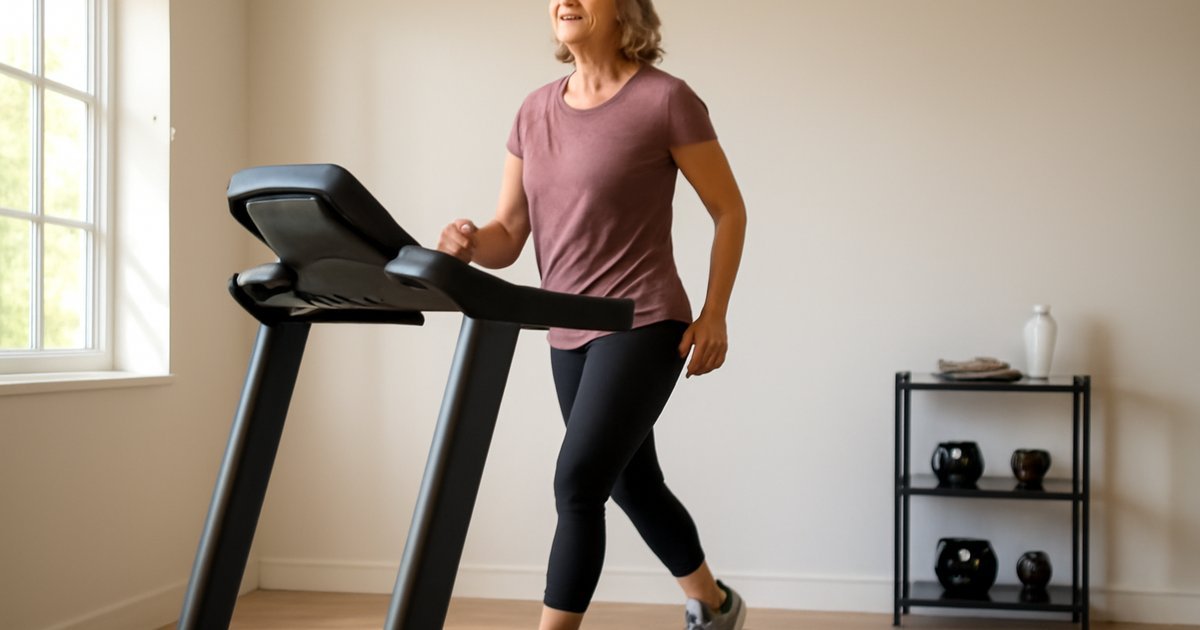
    A treadmill is more than a convenient workout machine — for adults over 50, it can be one of the safest, most effective tools for building cardiovascular fitness, managing weight, and protecting long-term health.

    James, 63, had been managing mild hypertension for several years. His cardiologist recommended regular aerobic exercise, but Chicago winters made outdoor walking nearly impossible for months at a time. When he started using a treadmill at his local gym three days a week, his blood pressure readings improved noticeably within four months — and he finally felt like he had a sustainable routine.

    James’s experience reflects what research consistently shows. According to the CDC, fewer than 25% of American adults aged 50 and older meet the recommended guidelines for both aerobic and muscle-strengthening activity. Yet regular cardio exercise remains one of the most evidence-backed strategies for reducing the risk of heart disease, type 2 diabetes, and cognitive decline — three conditions that disproportionately affect this age group.

    In this guide, you’ll learn how treadmill workouts can safely support your fitness goals after 50, what science says about the benefits, how to structure your sessions, and what mistakes to avoid.

    Why Treadmill Exercise Is Especially Well-Suited for Adults Over 50

    As you age, your body changes in ways that affect how you should exercise. Joint cartilage thins, recovery time lengthens, and balance becomes more of a factor. Treadmill walking and jogging address many of these concerns with a level of control that outdoor terrain simply can’t offer.

    Unlike sidewalks or trails, a treadmill provides a consistent, cushioned surface that reduces impact stress on your knees, hips, and ankles. You control the pace precisely, you can grab handrails if needed, and you can stop immediately if something feels wrong. That combination of safety and adaptability makes it an ideal option for adults managing arthritis, recovering from injury, or returning to exercise after a long break.

    Clinical evidence supports the long-term value of this approach. A study published in the American Journal of Preventive Medicine found that regular moderate-intensity walking — including treadmill walking — significantly reduced all-cause mortality risk in older adults, with even 75 minutes of walking per week producing measurable benefits.

    Weather independence is another underrated advantage. Consistent exercise requires consistent access, and a treadmill removes the seasonal barriers that derail outdoor routines. Whether it’s freezing in January or dangerously hot in July, your workout stays on schedule.

    Health Benefits of Treadmill Workouts After 50

    The benefits of regular treadmill exercise extend well beyond calorie burning. For adults in the 50-to-70 age range, consistent aerobic activity affects nearly every system in the body.

    Cardiovascular health: The American Heart Association recommends at least 150 minutes of moderate-intensity aerobic activity per week for adults. Treadmill walking at a brisk pace qualifies as moderate-intensity and has been shown to lower resting heart rate, improve cholesterol profiles, and reduce blood pressure over time.

    Metabolic function: Research from the NIH indicates that regular aerobic exercise improves insulin sensitivity, which is critical for adults at risk of or managing type 2 diabetes. Even 30-minute treadmill sessions five days a week can contribute meaningfully to blood sugar regulation.

    Bone density: Weight-bearing exercise, which includes walking and light jogging on a treadmill, helps maintain bone mineral density. The National Osteoporosis Foundation notes that impact-based movement stimulates bone-forming cells, which is particularly important for postmenopausal women who face accelerated bone loss.

    Mental health and cognition: Aerobic exercise has been linked to reduced symptoms of anxiety and depression, improved sleep quality, and slower cognitive decline. A 2023 meta-analysis in the journal Neurology found that regular moderate cardio exercise was associated with a measurably lower risk of developing dementia in adults over 60.

    Weight management: Metabolism naturally slows after 50, making weight management more challenging. Treadmill sessions — especially when combined with incline variations — increase calorie expenditure and support healthy body composition.

    Getting Started Safely: What to Do Before You Step On

    Before beginning any new exercise program, most physicians recommend a basic health check — particularly for adults over 50 who haven’t been regularly active. This typically includes a review of blood pressure, resting heart rate, and any musculoskeletal concerns that could affect your gait or joint stability.

    Ask your doctor about your target heart rate zone. For moderate-intensity exercise, most adults should aim for 50–70% of their maximum heart rate. A common estimate is 220 minus your age, though this varies from person to person. Many treadmills have built-in heart rate monitors, or you can use a wearable fitness tracker to stay within a safe range.

    Invest in proper footwear before you start. Running or walking shoes with adequate arch support, cushioning, and a secure fit reduce the risk of plantar fasciitis, shin splints, and ankle instability — all more common in older adults. Replace shoes every 300 to 500 miles.

    Start with shorter sessions — even 10 to 15 minutes — if you’re new to regular exercise. Research suggests that short bouts of activity accumulated throughout the day offer cardiovascular benefits comparable to single longer sessions, making it easier to build consistency without overexertion.

    Treadmill Workout Plans Designed for Adults Over 50

    These workout structures are general frameworks. Always adjust pace and duration based on how your body feels, and listen to your healthcare provider’s guidance.

    Week 1–2: Foundation Walking (Beginner Level)

    • Warm-up: 5 minutes at 2.0–2.5 mph, flat surface
    • Main set: 15–20 minutes at 2.8–3.2 mph
    • Cool-down: 5 minutes at 2.0 mph
    • Frequency: 3 days per week

    This phase is about establishing habit and testing your joints’ response. If you experience any joint pain, adjust your pace or consult a physical therapist before progressing.

    Week 3–4: Building Endurance (Intermediate Level)

    • Warm-up: 5 minutes at 2.5 mph
    • Main set: 25–30 minutes at 3.0–3.5 mph
    • Cool-down: 5 minutes at 2.0 mph
    • Frequency: 4 days per week

    Week 5–6: Adding Incline (Moderate Challenge)

    • Warm-up: 5 minutes flat at 2.5 mph
    • Main set: 20 minutes alternating 2 minutes at 1% incline and 2 minutes at 4–5% incline, pace 3.0–3.5 mph
    • Cool-down: 5 minutes flat at 2.0 mph
    • Frequency: 4 days per week

    Incline training engages the glutes, calves, and hamstrings more intensely than flat walking, increasing calorie burn and strengthening muscles that support knee and hip stability. According to Mayo Clinic, even a 1% incline more accurately replicates outdoor walking conditions and improves overall workout quality.

    Week 7+: Interval Treadmill Training (Advanced Option)

    • Warm-up: 5 minutes at 2.5–3.0 mph
    • Intervals: 8 rounds of 1 minute brisk walk/light jog (3.5–4.5 mph) followed by 2 minutes recovery walk (2.5 mph)
    • Cool-down: 5 minutes at 2.0 mph
    • Frequency: 3–4 days per week

    Interval training — alternating between higher and lower intensity — has been shown in clinical research to improve VO2 max (your body’s oxygen-processing efficiency), which declines with age. For a deeper look at how interval-style cardio supports fitness in this age group, see our guide on Interval Walking After 50: Boost Fitness, Heart Health & Energy.

    Common Mistakes to Avoid on the Treadmill

    Even experienced exercisers make errors that reduce effectiveness or increase injury risk. These are the most common issues to watch for.

    Holding the handrails too tightly. Gripping the rails for extended periods alters your posture, reduces calorie burn, and can cause shoulder or wrist strain. Use handrails only for balance support if needed — not as a crutch. If you find yourself relying on them heavily, reduce your speed or incline.

    Skipping the warm-up and cool-down. For adults over 50, muscles and connective tissues need more time to prepare for exertion and recover afterward. A five-minute gradual warm-up increases blood flow to muscles and reduces injury risk. A proper cool-down — slowing your pace gradually — helps prevent dizziness and reduces post-exercise muscle soreness.

    Overstriding. Taking excessively long steps, especially at higher speeds, puts extra strain on the knees and lower back. Aim for a natural stride length with your foot landing roughly under your center of mass.

    Looking down at the belt. Watching the treadmill belt while walking disrupts your posture and can contribute to neck stiffness. Keep your gaze forward, shoulders relaxed, and arms swinging naturally at your sides.

    Increasing intensity too quickly. Clinical evidence suggests that increasing weekly training volume by no more than 10% at a time is a widely used guideline for reducing overuse injury risk — often called the "10% rule" in sports medicine. If you’re adding time, speed, or incline, do it gradually.

    If you’re also incorporating strength work alongside your treadmill sessions, our article on Stretching and Recovery After 40: Feel Better, Move Longer provides practical recovery strategies that complement aerobic training.

    Living With a Treadmill Routine: Making It Sustainable

    Consistency is the most important variable in any fitness program. A moderate routine you follow for years will always outperform an intense program you abandon in three weeks.

    Schedule your sessions the way you schedule appointments — put them in your calendar and treat them as non-negotiable. Research from Johns Hopkins suggests that morning exercisers are more likely to maintain long-term exercise habits, though the best time to work out is ultimately the time that fits your life reliably.

    Track your progress with a simple log. Note your duration, speed, incline, and how you felt. Seeing gradual improvement — even small increases — is one of the most powerful motivators for continuing.

    Combine treadmill cardio with complementary modalities for a complete fitness program. Strength training twice a week supports the muscle mass that naturally declines after 50, while activities like yoga or stretching improve flexibility and reduce injury risk. Our resource on Home Workouts for Adults Over 50: No Gym Required offers additional options if you prefer training at home.

    If motivation is an issue, try listening to podcasts, audiobooks, or music playlists that you only access during treadmill sessions — this "temptation bundling" technique, studied by behavioral economists at the University of Pennsylvania, makes the activity more enjoyable and rewarding over time.

    When to Call Your Doctor or Seek Emergency Care

    Treadmill exercise is safe for the vast majority of adults over 50, but there are warning signs you should never ignore during or after a workout.

    Call 911 immediately if you experience:

    • Chest pain, pressure, or tightness during or after exercise
    • Sudden shortness of breath that does not resolve with rest
    • Dizziness, fainting, or loss of consciousness
    • Rapid or irregular heartbeat that feels alarming or doesn’t settle
    • Sudden severe pain in your arm, jaw, or back during exertion

    Contact your doctor soon if you notice:

    • Persistent joint pain that worsens over several sessions
    • Unusual fatigue or breathlessness at your normal workout intensity
    • Swelling in the legs or ankles after exercise
    • Consistent muscle cramps or weakness that affects your gait

    Before your next appointment, note any symptoms you’ve experienced, your current workout routine, and any changes in how your body responds to exercise. This gives your healthcare provider the context needed to offer personalized guidance.

    Frequently Asked Questions

    How long should I walk on a treadmill if I’m over 50 and just starting out?

    Start with 15 to 20 minutes per session at a comfortable pace, three days per week. Clinical evidence supports accumulating activity gradually — even 10-minute sessions are beneficial and can be extended as your endurance improves. The CDC recommends working toward 150 minutes of moderate-intensity cardio per week, but getting there gradually is both safe and effective.

    Is treadmill walking good for my knees at this age?

    For most adults over 50, treadmill walking is gentler on the knees than outdoor walking on hard pavement because the belt provides cushioning. However, this varies from person to person. If you have existing knee osteoarthritis, start at a slower pace and consult your orthopedic provider or physical therapist about appropriate intensity levels.

    Should I use the incline feature on the treadmill?

    Yes — gradually. Incline walking increases calorie expenditure, engages the posterior chain (glutes, hamstrings, calves), and more accurately simulates real-world walking. Most physicians and fitness specialists suggest starting with a 1–2% incline before progressing. Avoid very steep inclines if you have hip or lower back issues.

    Can treadmill exercise help with weight loss after 50?

    Treadmill cardio contributes to a calorie deficit when combined with a balanced diet, which supports weight management. However, research suggests that strength training is equally important after 50 because preserving muscle mass keeps your resting metabolism from declining. Treadmill workouts are most effective as part of a comprehensive routine that includes resistance training.

    How do I know if I’m working hard enough on the treadmill?

    A useful test is the "talk test." During moderate-intensity exercise, you should be able to hold a conversation but not sing comfortably. If you can speak only a few words before needing to catch your breath, you may be working too hard. Using a heart rate monitor to stay within your target zone (50–70% of maximum heart rate for moderate intensity) adds an objective measure.

    Conclusion

    Treadmill workouts offer adults over 50 a controlled, adaptable, and scientifically supported path to better cardiovascular health, stronger bones, improved mood, and greater energy. You don’t need to run marathons or spend hours on the machine — consistent, moderate sessions tailored to your current fitness level are enough to produce meaningful, lasting change.

    The key is starting where you are, progressing gradually, and staying committed to the process. Your body is capable of significant improvement at any age, and every session counts. Work with your healthcare provider to establish a plan that fits your health history, and revisit it regularly as your fitness evolves. The treadmill is simply a tool — how you use it makes all the difference.

    This article is for informational and educational purposes only. It does not constitute medical advice, diagnosis, or treatment. Always consult your physician or a qualified healthcare provider before making changes to your health routine or treatment plan.

    Medically reviewed by our editorial health team. Content follows evidence-based standards aligned with CDC and NIH guidelines.
  • Low-Impact Exercise After 50: Best Workouts for Joints

    Low-Impact Exercise After 50: Best Workouts for Joints

    Your joints don’t have to pay the price for staying active — here’s how to exercise smarter, not harder, after 50.

    Introduction

    Margaret, 63, had always been active — weekend hikes, occasional jogs, a yoga class here and there. But after her orthopedist flagged early-stage osteoarthritis in her knees, she assumed her active days were behind her. “I thought exercise would just make things worse,” she told her primary care doctor.

    Her doctor’s response surprised her: stopping exercise was actually the bigger risk.

    According to the Centers for Disease Control and Prevention (CDC), nearly 54 million Americans have been diagnosed with arthritis, and physical inactivity among older adults increases risks for heart disease, type 2 diabetes, cognitive decline, and early mortality. Yet many adults over 50 scale back or abandon low-impact exercise precisely when they need it most — often out of fear of injury or pain.

    This guide will walk you through the safest, most effective low-impact workouts available for adults over 50, explain how to tailor them to your condition, and give you the clinical evidence behind each recommendation. Whether you’re managing joint pain, recovering from an injury, or simply looking for sustainable fitness habits, this is your starting point.

    What Is Low-Impact Exercise — and Why Does It Matter After 50?

    Low-impact exercise refers to any physical activity in which at least one foot remains in contact with the ground at all times — or in which your body weight is partially supported (as in swimming or cycling). This design significantly reduces the force placed on your joints, particularly the knees, hips, and lower back.

    High-impact activities like running or jump training can generate forces two to three times your body weight with each stride. Low-impact alternatives keep that load dramatically lower, making them appropriate for people dealing with arthritis, osteoporosis, previous joint replacements, or general age-related joint wear.

    But “low-impact” does not mean “low-benefit.” Research published in the Journal of Aging and Physical Activity consistently shows that low-impact exercise programs can match or exceed high-impact programs in improving cardiovascular fitness, muscle strength, balance, and emotional wellbeing — particularly in adults aged 50 and older.

    The American Heart Association (AHA) recommends that adults get at least 150 minutes of moderate-intensity aerobic activity per week, and low-impact workouts count fully toward that goal.

    Signs You Should Prioritize Low-Impact Over High-Impact Exercise

    Not everyone over 50 needs to avoid high-impact movement — but certain signs and conditions make low-impact the clinically smarter choice. Talk to your doctor if you recognize any of the following:

    Early signs that low-impact is the right fit:

    • Joint stiffness lasting more than 30 minutes in the morning
    • Knee, hip, or back pain that worsens with walking on hard surfaces
    • A recent diagnosis of osteoarthritis, osteoporosis, or bursitis
    • Recovery from a joint replacement surgery (hip or knee)
    • Breathlessness or elevated heart rate during moderate exertion
    • A history of stress fractures or bone density loss
    • Balance instability or a fear of falling

    Signs you may need medical clearance before any new exercise:

    • Chest pain or pressure during or after physical activity
    • Dizziness, lightheadedness, or fainting episodes
    • Swelling in the legs that doesn’t resolve with rest
    • Severe joint pain at rest or at night
    • Unexplained rapid weight change of more than 5 lbs in a week

    A 2024 NIH-supported review found that adults over 60 who experienced exercise-related musculoskeletal pain were significantly more likely to abandon fitness routines entirely — making injury prevention a critical public health concern, not just a personal one.

    The Best Low-Impact Exercises for Adults Over 50

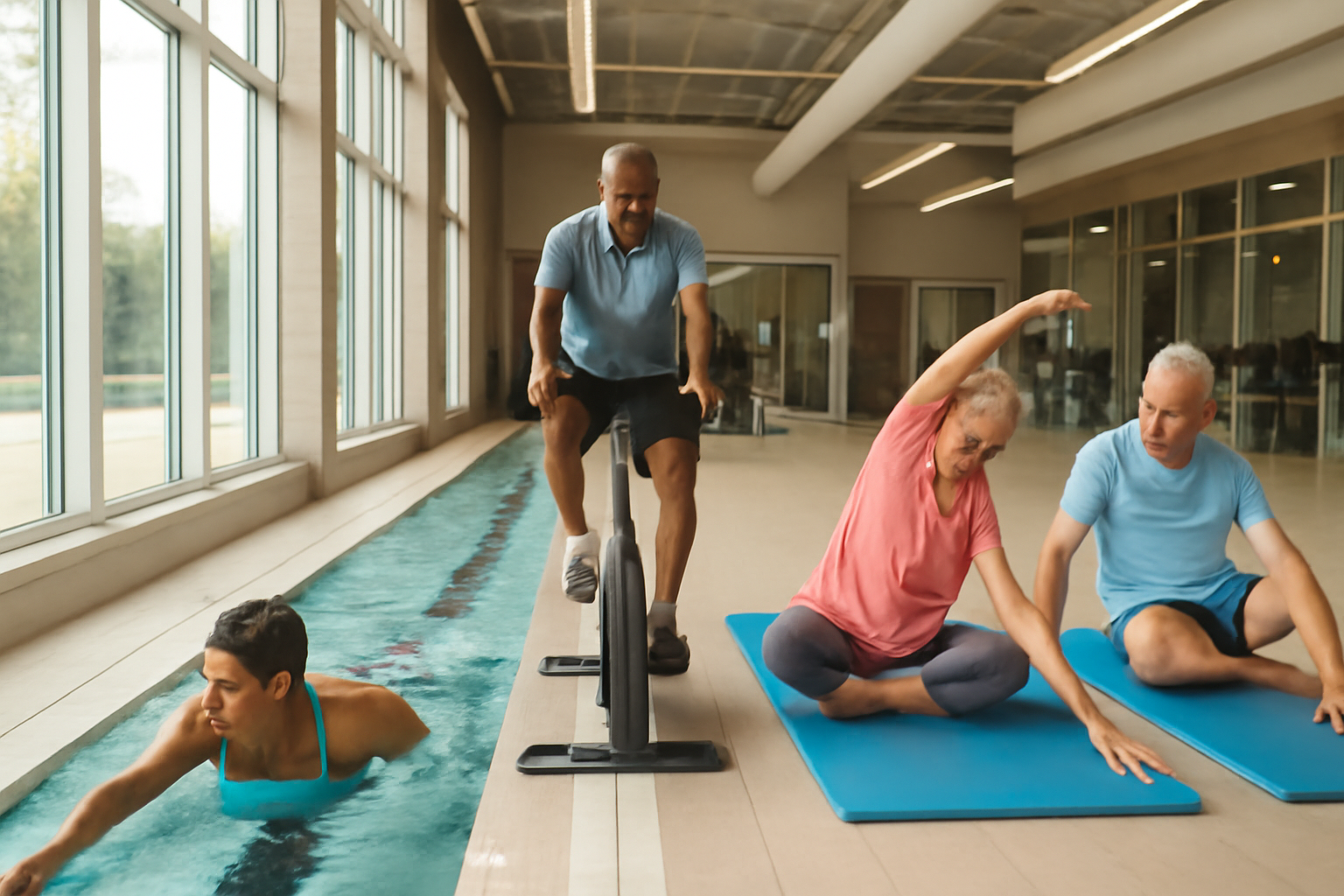
    Clinical research and major health organizations have identified several exercise modalities that offer excellent cardiovascular, muscular, and neurological benefits while keeping joint stress low. Here’s what the evidence supports:

    1. Swimming and Water Aerobics

    Water supports up to 90% of your body weight, making aquatic exercise the most joint-friendly option available. The Arthritis Foundation recommends water-based exercise as a first-line activity for adults with moderate to severe joint disease.

    A clinical trial published in the Archives of Physical Medicine and Rehabilitation found that adults over 55 who participated in 12 weeks of water aerobics showed significant improvements in pain scores, walking speed, and lower-limb muscle strength compared to a sedentary control group.

    Swimming laps, water walking, and instructor-led aqua fitness classes are all effective options. Even 30 minutes three times a week can produce measurable results.

    2. Walking

    Walking remains the most widely recommended low-impact exercise in the US — and for good reason. It requires no equipment, no gym membership, and no learning curve. Research from Harvard Health suggests that walking at a brisk pace (approximately 3–3.5 mph) can reduce the risk of heart disease, type 2 diabetes, and stroke, even when started in the sixth or seventh decade of life.

    For adults new to structured fitness, starting with 10–15 minute flat-surface walks and gradually increasing duration is a clinically supported approach. Wearing supportive, cushioned footwear and choosing softer surfaces (grass, tracks, or rubberized paths) further reduces joint load.

    If you’re looking to build a consistent walking routine, our guide on Walking for Fitness After 50 provides a structured four-week plan.

    3. Cycling (Stationary or Outdoor)

    Cycling eliminates the ground-impact force entirely while delivering substantial cardiovascular and muscular benefits. The smooth, circular pedaling motion is particularly beneficial for adults with knee osteoarthritis, as it lubricates the joint without compressing it.

    The Mayo Clinic notes that stationary biking is often prescribed during cardiac rehabilitation and orthopedic recovery because it allows precise control over resistance and duration. Outdoor cycling adds the benefit of varied terrain and mental engagement, though road conditions and fall risk should be factored in for older adults with balance concerns.

    4. Yoga and Chair Yoga

    Yoga combines flexibility, balance, strength, and breathing — making it one of the most comprehensive low-impact options available. A meta-analysis of 17 randomized controlled trials published in the Journal of Geriatric Physical Therapy found that yoga interventions in adults over 55 produced significant improvements in flexibility, balance, and self-reported quality of life.

    Chair yoga — a modified version performed seated or with a chair for support — is ideal for adults with significant mobility limitations, severe arthritis, or post-surgical recovery. Many community centers and senior centers across the US now offer chair yoga classes specifically designed for this population.

    5. Tai Chi

    Tai chi is a slow, deliberate movement practice rooted in traditional Chinese martial arts, now extensively studied for its health benefits in older adults. Multiple NIH-funded studies have confirmed that regular tai chi practice improves balance, reduces fall risk, and decreases chronic pain — particularly in adults with fibromyalgia and osteoarthritis.

    A landmark study from Tufts Medical Center found that adults over 60 who practiced tai chi twice weekly for 12 weeks reduced their risk of falling by up to 45% compared to a control group. For those interested in fall prevention as a fitness goal, our article on Balance Training After 50 covers additional evidence-based strategies.

    6. Elliptical Training

    The elliptical machine replicates the walking or running motion while the feet remain in continuous contact with the pedals — virtually eliminating impact. Research from Cleveland Clinic shows that elliptical training produces cardiovascular effort comparable to jogging while exerting significantly less force on the knees and hips.

    This makes the elliptical an excellent option for adults who enjoy or previously engaged in running but now need a lower-impact alternative. Most elliptical machines allow you to adjust stride length and resistance, enabling progression as fitness improves.

    7. Resistance Band and Light Strength Training

    Low-impact does not have to mean cardio-only. Resistance band training and light weight exercises — performed with controlled, slow movement — provide critical muscle-strengthening benefits without joint-stressing momentum.

    The American College of Sports Medicine (ACSM) recommends that adults over 50 engage in muscle-strengthening activities at least two days per week. Maintaining muscle mass after 50 is directly linked to metabolic health, bone density, and independence. Our detailed breakdown of Strength Training After 50 offers guidance on integrating safe resistance work alongside low-impact cardio.

    How to Build a Low-Impact Weekly Routine

    Consistency beats intensity at every age — but it’s especially true after 50. Clinical evidence suggests that spreading activity across 4–5 days per week is more effective than cramming exercise into two long sessions.

    Here’s a sample evidence-based weekly framework:

    • Monday: 30-minute brisk walk + 10 minutes of gentle stretching
    • Tuesday: 30-minute stationary cycling or swimming
    • Wednesday: Rest or tai chi (20–30 minutes)
    • Thursday: Resistance band strength training (20–25 minutes)
    • Friday: 30-minute elliptical or water aerobics
    • Saturday: Yoga or chair yoga (30 minutes)
    • Sunday: Active rest — a leisurely walk, gardening, or light stretching

    This structure hits the AHA’s 150-minute weekly aerobic target, includes two days of muscle-strengthening as recommended by ACSM, and incorporates balance and flexibility work — a full spectrum of fitness in manageable daily doses.

    That said, this varies from person to person. If you’re managing a chronic condition or returning after a long period of inactivity, starting with three days per week and building up over 4–6 weeks is clinically appropriate.

    Living Well and Staying Consistent: Practical Tips

    Even the best workout plan fails without sustainable habits. Here’s what clinical research and behavioral science say about staying active long-term after 50:

    • Warm up every session: Five to ten minutes of gentle movement before exercise reduces injury risk and prepares your cardiovascular system. This is especially important for adults taking blood pressure medications, which can blunt the normal heart rate response.
    • Stay hydrated: Older adults have a reduced thirst sensation and are at higher risk for exercise-induced dehydration. The National Institute on Aging (NIA) recommends drinking water before, during, and after physical activity regardless of thirst.
    • Listen to your joints: Research suggests distinguishing between muscle fatigue (normal and expected) and sharp, pinching, or swelling joint pain (a signal to stop). The “two-hour rule” — if pain persists more than two hours after exercise, you likely overdid it — is a commonly used clinical guideline.
    • Track your progress: A simple fitness journal or a smartphone app that logs steps, duration, and how you felt post-workout increases adherence by up to 40%, according to behavioral research from the National Institutes of Health.
    • Social exercise matters: Group classes, walking partners, or even virtual fitness communities have been shown to significantly improve long-term adherence in adults over 55.

    When to Call Your Doctor — and What to Watch For

    Starting or modifying an exercise routine after 50 is generally safe — and strongly recommended by virtually every major health organization. However, certain signs during or after exercise require prompt medical attention.

    Call 911 or go to the emergency room immediately if you experience:

    • Chest pain, pressure, or tightness during or after exercise
    • Sudden shortness of breath disproportionate to the effort
    • Fainting or near-fainting
    • Sudden severe headache or vision changes
    • Rapid or irregular heartbeat with dizziness

    Schedule a non-emergency appointment if you notice:

    • Persistent joint swelling or warmth after exercise that lasts more than 24 hours
    • New or worsening pain in a specific joint that doesn’t improve with rest
    • Unusual fatigue after exercise that wasn’t present before
    • Significant muscle cramping that occurs frequently

    Before beginning any new fitness program, adults with cardiovascular disease, diabetes, osteoporosis, or a history of falls should get medical clearance from their physician. Many insurance plans — including Medicare — now cover fitness assessments and exercise prescriptions as part of preventive care.

    Frequently Asked Questions

    Q: Can low-impact exercise actually help with weight loss after 50?
    A: Yes — research suggests that consistent low-impact exercise, particularly when combined with attention to diet, supports meaningful weight management in adults over 50. It may be slower than high-intensity approaches, but it’s far more sustainable. A 2023 analysis from Johns Hopkins Medicine found that older adults who engaged in regular moderate-intensity activity lost comparable amounts of body fat to those doing higher-intensity programs, with significantly lower dropout rates.

    Q: Is it safe to exercise if I have osteoporosis?
    A: Clinical evidence strongly supports low-impact exercise for adults with osteoporosis — particularly weight-bearing activities like walking, which stimulate bone remodeling. However, high-impact activities and certain yoga poses that involve deep spinal flexion may increase fracture risk. Always consult your physician or a physical therapist for a personalized exercise plan if you have a confirmed osteoporosis diagnosis.

    Q: How long before I start seeing results from low-impact workouts?
    A: Most people notice improvements in energy, mood, and sleep within 2–3 weeks of consistent exercise. Measurable cardiovascular and strength improvements typically appear within 6–8 weeks, according to guidelines from the American College of Sports Medicine. This varies from person to person based on starting fitness level, frequency, and intensity.

    Q: Can I do low-impact exercise if I’ve had a knee or hip replacement?
    A: In most cases, yes — and it’s actively encouraged post-recovery. Swimming, cycling, and walking are commonly recommended by orthopedic surgeons after joint replacement. The timeline for returning to exercise and which activities are appropriate depend on your specific procedure and recovery progress, so your surgical team’s guidance should always take precedence.

    Q: What’s the difference between low-impact and low-intensity exercise?
    A: These terms are often confused but mean different things. “Low-impact” refers to reduced mechanical force on your joints — it says nothing about how hard your heart and muscles are working. You can have a high-intensity, low-impact workout (like vigorous swimming or fast cycling). “Low-intensity” means a lower cardiovascular and muscular effort level. Both have a place in a well-rounded fitness plan for adults over 50.

    Conclusion

    The science is clear and consistent: low-impact exercise is not a compromise — it’s a strategic, evidence-based choice that supports joint health, cardiovascular fitness, mental wellbeing, and longevity after 50. Whether you’re starting fresh, returning after injury, or managing a chronic condition, there’s a form of movement that works for your body right now.

    The most important step isn’t choosing the perfect workout — it’s choosing to start, and choosing to keep going. Talk to your doctor about your specific needs, find activities you genuinely enjoy, and build a routine that fits your life. Your body is built to move, and it’s never too late to give it the movement it deserves.


    Medical Disclaimer: This article is for informational and educational purposes only. It does not constitute medical advice, diagnosis, or treatment. Always consult your physician or a qualified healthcare provider before making changes to your health routine or treatment plan.

    Medically reviewed by our editorial health team. Content follows evidence-based standards aligned with CDC and NIH guidelines.