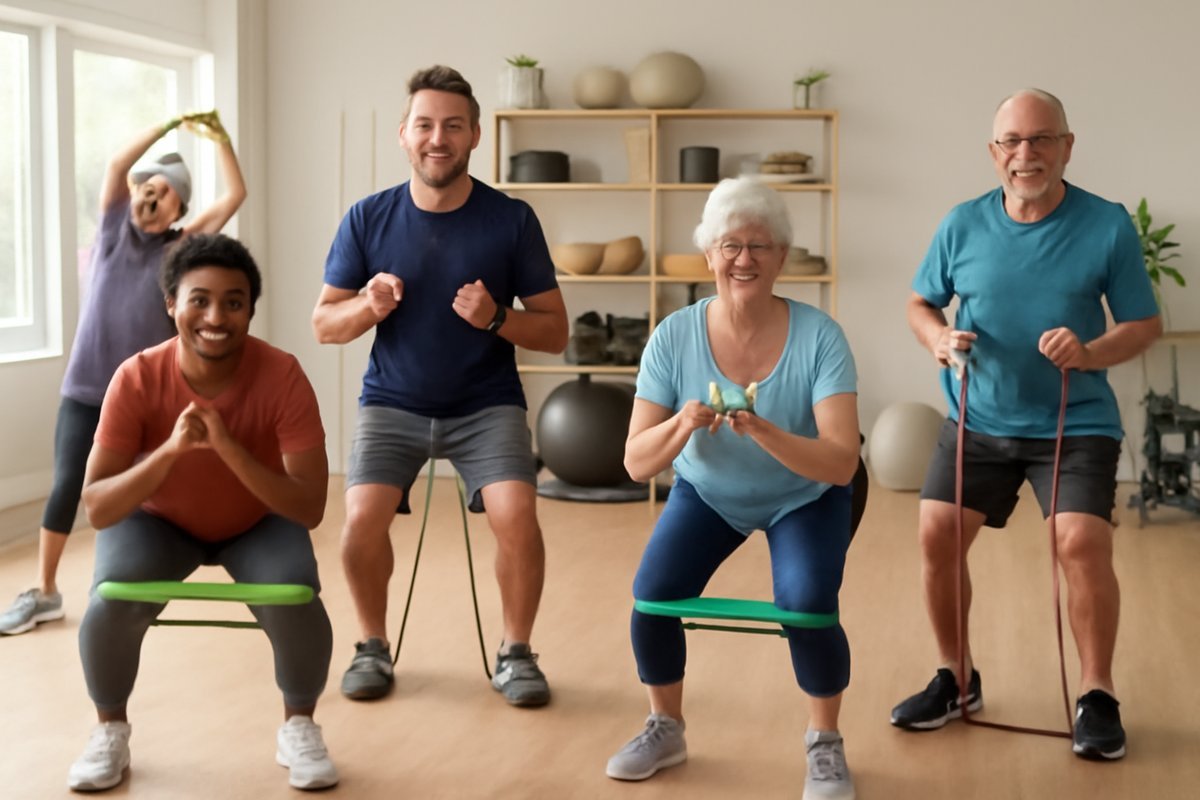
Joining a group fitness class after 40 could be one of the most powerful health decisions you make — for your body and your mind.
Why Group Fitness Deserves a Second Look After 40
Linda, 54, hadn’t set foot in a gym in over a decade. Between a demanding job and caring for her aging mother, exercise had slipped to the bottom of her priority list. Then a coworker convinced her to try a Saturday morning group fitness class at the local community center. Three months later, Linda had lost 12 pounds, her blood pressure had dropped, and — perhaps more surprisingly — she had made three close friends.
Linda’s story isn’t unique. According to the CDC, fewer than 25% of American adults aged 40 and older meet the recommended weekly guidelines for both aerobic and muscle-strengthening activities. Yet the same research consistently shows that adults who exercise in group settings are significantly more likely to stick with their routines long-term.
In this guide, you’ll learn what group fitness classes are, which types are best suited for adults over 40, the real health benefits backed by clinical evidence, and how to start safely — even if you haven’t exercised in years.
What Are Group Fitness Classes?
Group fitness classes are structured exercise sessions led by a certified instructor, typically held in a gym, community center, studio, or even online. They bring together anywhere from a handful of participants to dozens of people working toward similar goals in a shared environment.
Unlike solo gym workouts, group classes offer scheduled programming, professional guidance, and a built-in social component that many adults find motivating and enjoyable.
Common formats include:
- Cardio-based classes: Zumba, step aerobics, kickboxing, dance cardio
- Strength-focused classes: BodyPump, kettlebell circuits, boot camp
- Mind-body classes: Yoga, Pilates, tai chi, barre
- Low-impact classes: Water aerobics, chair yoga, gentle stretch
- Cycling classes: Indoor cycling (spin), recumbent cycling groups
According to the American College of Sports Medicine (ACSM), group exercise remains one of the top fitness trends in the United States, driven largely by adults over 40 seeking structured, social, and professionally guided physical activity.
Health Benefits of Group Fitness for Adults Over 40
The benefits of group fitness extend well beyond calorie burn. Clinical evidence supports a wide range of physical, mental, and social health outcomes — especially meaningful as the body changes with age.
Cardiovascular Health
Regular participation in group aerobic classes — like cycling, Zumba, or step aerobics — can meaningfully reduce cardiovascular risk. The American Heart Association recommends at least 150 minutes of moderate-intensity aerobic activity per week for adults, and a structured group class schedule makes that goal far more achievable.
A study published in The Journal of the American Osteopathic Association found that participants in group fitness classes reported significantly greater improvements in mental, physical, and emotional quality of life compared to those who exercised alone — including reduced perceived stress levels, a major contributor to heart disease.
Muscle Preservation and Bone Density
After age 40, adults lose approximately 3–8% of muscle mass per decade — a process called sarcopenia. This accelerates after 60. Strength-based group classes, such as BodyPump or circuit training, provide resistance training that research suggests can slow this loss significantly.
Bone density also declines with age, increasing osteoporosis risk — particularly in postmenopausal women. According to the NIH, weight-bearing group fitness formats like barre, aerobics, and dance classes stimulate bone remodeling and can help maintain bone mineral density over time.
Weight Management
Managing weight becomes more challenging after 40 due to hormonal shifts, metabolic changes, and reduced lean muscle mass. Group fitness classes that combine cardio and strength training offer a practical, consistent approach to energy expenditure and metabolic conditioning.
Research from the Mayo Clinic suggests that regular participation in mixed-format group classes (combining cardio and resistance work) is associated with better long-term weight maintenance than either type of exercise performed alone.
Mental Health and Cognitive Function
Exercise is one of the most evidence-supported interventions for depression and anxiety. Group fitness adds a social layer that amplifies those benefits. The CDC notes that regular physical activity reduces symptoms of anxiety and depression and supports cognitive function — critical considerations as adults approach their 50s and 60s.
Mind-body group formats like yoga and tai chi have also been shown in multiple peer-reviewed studies to reduce cortisol levels, improve sleep quality, and enhance emotional regulation. If you’re interested in exploring these options, our guide on Yoga for Adults Over 40 covers the evidence and how to get started safely.
Accountability and Social Connection
One of the most clinically underappreciated aspects of group fitness is its impact on adherence — meaning, how likely you are to keep exercising over time. Research published in the journal Obesity found that exercising with others significantly increases workout frequency and duration compared to solo exercise, regardless of fitness level.
Social isolation is also a growing public health concern. The Surgeon General’s 2023 Advisory on Loneliness identified it as a major risk factor for premature death, comparable to smoking 15 cigarettes a day. Group fitness classes provide a consistent, structured opportunity for meaningful social interaction — something many adults lose as work and family demands evolve.
Best Types of Group Fitness Classes for Adults Over 40
Not every group class is created equal, and your ideal format depends on your fitness level, any existing health conditions, and personal preferences. Here’s a breakdown of the most recommended options.
Low-Impact Aerobics and Dance Classes
Zumba, dance cardio, and modified step aerobics are excellent entry points for adults returning to exercise. They elevate heart rate without excessive joint stress, and the music-driven format makes them highly enjoyable. Clinical evidence suggests that enjoyment is one of the strongest predictors of long-term exercise adherence.
Strength and Circuit Training Classes
BodyPump, kettlebell classes, and circuit training formats combine resistance exercises with cardiovascular conditioning. Most qualified instructors offer modifications for varying fitness levels. These classes directly address sarcopenia and metabolic decline — two of the most impactful age-related health changes after 40.
For adults who prefer resistance training without heavy equipment, our article on Resistance Band Workouts for Adults provides an accessible complement to group class programming.
Mind-Body Classes: Yoga, Pilates, and Tai Chi
These formats emphasize breath, balance, flexibility, and body awareness. They are particularly valuable for managing chronic pain, improving posture, and reducing anxiety. Pilates, for example, is strongly supported by evidence for core strength and low back pain relief — common concerns for adults over 40.
Our in-depth guide on Pilates After 40 explores how this method supports spine health and everyday movement patterns.
Water Aerobics and Aquatic Classes
For adults with arthritis, joint pain, or obesity, water-based group classes offer full-body conditioning with minimal impact. The buoyancy of water reduces joint load by up to 90% compared to land-based exercise, according to the Arthritis Foundation — making aquatic classes one of the most accessible options available.
Indoor Cycling Classes
Spin classes provide intense cardiovascular training in a seated position, which reduces stress on knees and hips compared to running. Most studios offer beginner-friendly formats. Research suggests indoor cycling significantly improves VO2 max (a measure of cardiovascular fitness) and lower-body muscle endurance in middle-aged adults.
How to Start Group Fitness Safely After 40
Starting a new exercise program after 40 — especially in a group setting — requires some thoughtful preparation. This varies from person to person, but the following principles apply broadly.
- Get medical clearance first: If you have cardiovascular disease, diabetes, joint issues, or any chronic condition, speak with your physician before beginning a new exercise program. Most doctors support group fitness and can help you identify appropriate formats and intensity levels.
- Start with beginner or all-levels classes: Many studios label classes by intensity. Look for "beginner," "all levels," or "low impact" designations to ease into the format without overexertion.
- Arrive early and speak to the instructor: A good group fitness instructor will want to know about any injuries, limitations, or health conditions you have. They can offer personalized modifications during class.
- Listen to your body: Muscle soreness 24–48 hours after a new class is normal (called DOMS — delayed onset muscle soreness). Sharp joint pain, chest tightness, or dizziness are not normal and require immediate attention.
- Progress gradually: Most fitness experts recommend beginning with two group classes per week and increasing frequency over four to six weeks as your fitness improves.
- Prioritize recovery: Adults over 40 typically require longer recovery between intense sessions. Incorporating rest days and gentler formats like yoga or stretching classes between high-intensity sessions supports long-term progress and injury prevention.
What to Tell Your Doctor — and When to Seek Help Immediately
Before starting any group fitness program, it’s worth having an honest conversation with your primary care provider. Let them know:
- Your current activity level and history
- Any chronic conditions (heart disease, diabetes, osteoporosis, arthritis)
- Current medications that may affect exercise response (beta-blockers, diuretics, insulin)
- Any recent injuries or surgeries
- Your fitness goals and the class types you’re considering
Stop exercising and seek emergency care immediately if you experience:
- Chest pain, pressure, or tightness during or after exercise
- Shortness of breath disproportionate to your effort level
- Sudden dizziness, fainting, or loss of consciousness
- Heart palpitations or irregular heartbeat
- Sudden severe pain in a joint or muscle
- Numbness or weakness in an arm or leg
These symptoms require immediate medical evaluation and should never be dismissed as "just part of getting older."
Frequently Asked Questions
Is group fitness appropriate if I have no prior exercise experience?
Absolutely. Many group fitness formats are specifically designed for beginners or deconditioned adults. Look for classes labeled "beginner," "gentle," or "all levels." Speak to the instructor beforehand so they can offer appropriate modifications throughout the class.
How many group fitness classes per week should adults over 40 attend?
Clinical evidence indicates that most adults over 40 benefit from two to four structured exercise sessions per week. A balanced approach might include two strength-focused classes and one or two cardio or mind-body classes per week, with at least one full rest day. This varies from person to person based on health status and fitness level.
Can group fitness classes help with weight loss after menopause?
Research suggests that a combination of aerobic group classes and strength-based classes, paired with balanced nutrition, can support healthy weight management during and after menopause. Hormonal changes during this period affect fat distribution and metabolism, making consistent resistance training especially important. Always discuss weight management goals with your healthcare provider.
What if I have knee or hip pain — are group classes still safe?
Many group formats are well-suited for adults with joint pain, particularly water aerobics, chair yoga, and low-impact aerobics. A good instructor can provide modifications to reduce joint stress. That said, clinical evidence indicates that certain high-impact formats — such as plyometrics-heavy boot camp or jumping-intensive cardio — should be avoided or significantly modified if you have active knee or hip issues. Always consult your physician or a physical therapist before choosing a class format.
Are online group fitness classes as effective as in-person ones?
Research published during and following the COVID-19 pandemic found that virtual group fitness classes produce comparable cardiovascular and strength benefits to in-person sessions when participants maintain consistent attendance and exercise intensity. The social benefit may be slightly reduced in virtual formats, though many platforms now include live interaction features that help replicate the community experience.
Conclusion
Group fitness classes represent one of the most well-rounded, evidence-supported approaches to staying active after 40. They combine structured programming, expert instruction, cardiovascular conditioning, strength training, and the powerful motivational force of community — all in one format.
Whether you’re managing a chronic condition, returning to exercise after a long break, or simply looking for a more engaging way to stay fit, there’s a group class designed for exactly where you are right now. The key is to start conservatively, listen to your body, and work in partnership with your healthcare provider.
Your best decade of fitness may still be ahead of you — and you don’t have to pursue it alone.
Medical Disclaimer: This article is for informational and educational purposes only. It does not constitute medical advice, diagnosis, or treatment. Always consult your physician or a qualified healthcare provider before making changes to your health routine or treatment plan.
Medically reviewed by our editorial health team. Content follows evidence-based standards aligned with CDC and NIH guidelines.