Tag: fitness over 50

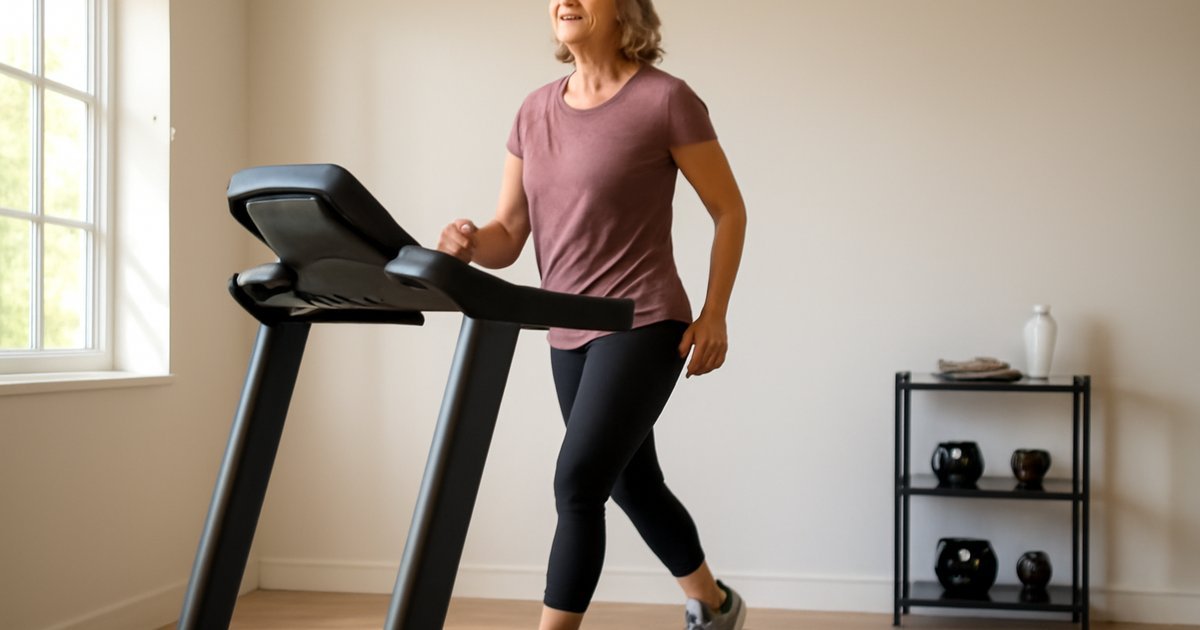
  • Treadmill Workouts for Adults Over 50: Safe, Effective Cardio

    Treadmill Workouts for Adults Over 50: Safe, Effective Cardio

    A treadmill is more than a convenient workout machine — for adults over 50, it can be one of the safest, most effective tools for building cardiovascular fitness, managing weight, and protecting long-term health.

    James, 63, had been managing mild hypertension for several years. His cardiologist recommended regular aerobic exercise, but Chicago winters made outdoor walking nearly impossible for months at a time. When he started using a treadmill at his local gym three days a week, his blood pressure readings improved noticeably within four months — and he finally felt like he had a sustainable routine.

    James’s experience reflects what research consistently shows. According to the CDC, fewer than 25% of American adults aged 50 and older meet the recommended guidelines for both aerobic and muscle-strengthening activity. Yet regular cardio exercise remains one of the most evidence-backed strategies for reducing the risk of heart disease, type 2 diabetes, and cognitive decline — three conditions that disproportionately affect this age group.

    In this guide, you’ll learn how treadmill workouts can safely support your fitness goals after 50, what science says about the benefits, how to structure your sessions, and what mistakes to avoid.

    Why Treadmill Exercise Is Especially Well-Suited for Adults Over 50

    As you age, your body changes in ways that affect how you should exercise. Joint cartilage thins, recovery time lengthens, and balance becomes more of a factor. Treadmill walking and jogging address many of these concerns with a level of control that outdoor terrain simply can’t offer.

    Unlike sidewalks or trails, a treadmill provides a consistent, cushioned surface that reduces impact stress on your knees, hips, and ankles. You control the pace precisely, you can grab handrails if needed, and you can stop immediately if something feels wrong. That combination of safety and adaptability makes it an ideal option for adults managing arthritis, recovering from injury, or returning to exercise after a long break.

    Clinical evidence supports the long-term value of this approach. A study published in the American Journal of Preventive Medicine found that regular moderate-intensity walking — including treadmill walking — significantly reduced all-cause mortality risk in older adults, with even 75 minutes of walking per week producing measurable benefits.

    Weather independence is another underrated advantage. Consistent exercise requires consistent access, and a treadmill removes the seasonal barriers that derail outdoor routines. Whether it’s freezing in January or dangerously hot in July, your workout stays on schedule.

    Health Benefits of Treadmill Workouts After 50

    The benefits of regular treadmill exercise extend well beyond calorie burning. For adults in the 50-to-70 age range, consistent aerobic activity affects nearly every system in the body.

    Cardiovascular health: The American Heart Association recommends at least 150 minutes of moderate-intensity aerobic activity per week for adults. Treadmill walking at a brisk pace qualifies as moderate-intensity and has been shown to lower resting heart rate, improve cholesterol profiles, and reduce blood pressure over time.

    Metabolic function: Research from the NIH indicates that regular aerobic exercise improves insulin sensitivity, which is critical for adults at risk of or managing type 2 diabetes. Even 30-minute treadmill sessions five days a week can contribute meaningfully to blood sugar regulation.

    Bone density: Weight-bearing exercise, which includes walking and light jogging on a treadmill, helps maintain bone mineral density. The National Osteoporosis Foundation notes that impact-based movement stimulates bone-forming cells, which is particularly important for postmenopausal women who face accelerated bone loss.

    Mental health and cognition: Aerobic exercise has been linked to reduced symptoms of anxiety and depression, improved sleep quality, and slower cognitive decline. A 2023 meta-analysis in the journal Neurology found that regular moderate cardio exercise was associated with a measurably lower risk of developing dementia in adults over 60.

    Weight management: Metabolism naturally slows after 50, making weight management more challenging. Treadmill sessions — especially when combined with incline variations — increase calorie expenditure and support healthy body composition.

    Getting Started Safely: What to Do Before You Step On

    Before beginning any new exercise program, most physicians recommend a basic health check — particularly for adults over 50 who haven’t been regularly active. This typically includes a review of blood pressure, resting heart rate, and any musculoskeletal concerns that could affect your gait or joint stability.

    Ask your doctor about your target heart rate zone. For moderate-intensity exercise, most adults should aim for 50–70% of their maximum heart rate. A common estimate is 220 minus your age, though this varies from person to person. Many treadmills have built-in heart rate monitors, or you can use a wearable fitness tracker to stay within a safe range.

    Invest in proper footwear before you start. Running or walking shoes with adequate arch support, cushioning, and a secure fit reduce the risk of plantar fasciitis, shin splints, and ankle instability — all more common in older adults. Replace shoes every 300 to 500 miles.

    Start with shorter sessions — even 10 to 15 minutes — if you’re new to regular exercise. Research suggests that short bouts of activity accumulated throughout the day offer cardiovascular benefits comparable to single longer sessions, making it easier to build consistency without overexertion.

    Treadmill Workout Plans Designed for Adults Over 50

    These workout structures are general frameworks. Always adjust pace and duration based on how your body feels, and listen to your healthcare provider’s guidance.

    Week 1–2: Foundation Walking (Beginner Level)

    • Warm-up: 5 minutes at 2.0–2.5 mph, flat surface
    • Main set: 15–20 minutes at 2.8–3.2 mph
    • Cool-down: 5 minutes at 2.0 mph
    • Frequency: 3 days per week

    This phase is about establishing habit and testing your joints’ response. If you experience any joint pain, adjust your pace or consult a physical therapist before progressing.

    Week 3–4: Building Endurance (Intermediate Level)

    • Warm-up: 5 minutes at 2.5 mph
    • Main set: 25–30 minutes at 3.0–3.5 mph
    • Cool-down: 5 minutes at 2.0 mph
    • Frequency: 4 days per week

    Week 5–6: Adding Incline (Moderate Challenge)

    • Warm-up: 5 minutes flat at 2.5 mph
    • Main set: 20 minutes alternating 2 minutes at 1% incline and 2 minutes at 4–5% incline, pace 3.0–3.5 mph
    • Cool-down: 5 minutes flat at 2.0 mph
    • Frequency: 4 days per week

    Incline training engages the glutes, calves, and hamstrings more intensely than flat walking, increasing calorie burn and strengthening muscles that support knee and hip stability. According to Mayo Clinic, even a 1% incline more accurately replicates outdoor walking conditions and improves overall workout quality.

    Week 7+: Interval Treadmill Training (Advanced Option)

    • Warm-up: 5 minutes at 2.5–3.0 mph
    • Intervals: 8 rounds of 1 minute brisk walk/light jog (3.5–4.5 mph) followed by 2 minutes recovery walk (2.5 mph)
    • Cool-down: 5 minutes at 2.0 mph
    • Frequency: 3–4 days per week

    Interval training — alternating between higher and lower intensity — has been shown in clinical research to improve VO2 max (your body’s oxygen-processing efficiency), which declines with age. For a deeper look at how interval-style cardio supports fitness in this age group, see our guide on Interval Walking After 50: Boost Fitness, Heart Health & Energy.

    Common Mistakes to Avoid on the Treadmill

    Even experienced exercisers make errors that reduce effectiveness or increase injury risk. These are the most common issues to watch for.

    Holding the handrails too tightly. Gripping the rails for extended periods alters your posture, reduces calorie burn, and can cause shoulder or wrist strain. Use handrails only for balance support if needed — not as a crutch. If you find yourself relying on them heavily, reduce your speed or incline.

    Skipping the warm-up and cool-down. For adults over 50, muscles and connective tissues need more time to prepare for exertion and recover afterward. A five-minute gradual warm-up increases blood flow to muscles and reduces injury risk. A proper cool-down — slowing your pace gradually — helps prevent dizziness and reduces post-exercise muscle soreness.

    Overstriding. Taking excessively long steps, especially at higher speeds, puts extra strain on the knees and lower back. Aim for a natural stride length with your foot landing roughly under your center of mass.

    Looking down at the belt. Watching the treadmill belt while walking disrupts your posture and can contribute to neck stiffness. Keep your gaze forward, shoulders relaxed, and arms swinging naturally at your sides.

    Increasing intensity too quickly. Clinical evidence suggests that increasing weekly training volume by no more than 10% at a time is a widely used guideline for reducing overuse injury risk — often called the "10% rule" in sports medicine. If you’re adding time, speed, or incline, do it gradually.

    If you’re also incorporating strength work alongside your treadmill sessions, our article on Stretching and Recovery After 40: Feel Better, Move Longer provides practical recovery strategies that complement aerobic training.

    Living With a Treadmill Routine: Making It Sustainable

    Consistency is the most important variable in any fitness program. A moderate routine you follow for years will always outperform an intense program you abandon in three weeks.

    Schedule your sessions the way you schedule appointments — put them in your calendar and treat them as non-negotiable. Research from Johns Hopkins suggests that morning exercisers are more likely to maintain long-term exercise habits, though the best time to work out is ultimately the time that fits your life reliably.

    Track your progress with a simple log. Note your duration, speed, incline, and how you felt. Seeing gradual improvement — even small increases — is one of the most powerful motivators for continuing.

    Combine treadmill cardio with complementary modalities for a complete fitness program. Strength training twice a week supports the muscle mass that naturally declines after 50, while activities like yoga or stretching improve flexibility and reduce injury risk. Our resource on Home Workouts for Adults Over 50: No Gym Required offers additional options if you prefer training at home.

    If motivation is an issue, try listening to podcasts, audiobooks, or music playlists that you only access during treadmill sessions — this "temptation bundling" technique, studied by behavioral economists at the University of Pennsylvania, makes the activity more enjoyable and rewarding over time.

    When to Call Your Doctor or Seek Emergency Care

    Treadmill exercise is safe for the vast majority of adults over 50, but there are warning signs you should never ignore during or after a workout.

    Call 911 immediately if you experience:

    • Chest pain, pressure, or tightness during or after exercise
    • Sudden shortness of breath that does not resolve with rest
    • Dizziness, fainting, or loss of consciousness
    • Rapid or irregular heartbeat that feels alarming or doesn’t settle
    • Sudden severe pain in your arm, jaw, or back during exertion

    Contact your doctor soon if you notice:

    • Persistent joint pain that worsens over several sessions
    • Unusual fatigue or breathlessness at your normal workout intensity
    • Swelling in the legs or ankles after exercise
    • Consistent muscle cramps or weakness that affects your gait

    Before your next appointment, note any symptoms you’ve experienced, your current workout routine, and any changes in how your body responds to exercise. This gives your healthcare provider the context needed to offer personalized guidance.

    Frequently Asked Questions

    How long should I walk on a treadmill if I’m over 50 and just starting out?

    Start with 15 to 20 minutes per session at a comfortable pace, three days per week. Clinical evidence supports accumulating activity gradually — even 10-minute sessions are beneficial and can be extended as your endurance improves. The CDC recommends working toward 150 minutes of moderate-intensity cardio per week, but getting there gradually is both safe and effective.

    Is treadmill walking good for my knees at this age?

    For most adults over 50, treadmill walking is gentler on the knees than outdoor walking on hard pavement because the belt provides cushioning. However, this varies from person to person. If you have existing knee osteoarthritis, start at a slower pace and consult your orthopedic provider or physical therapist about appropriate intensity levels.

    Should I use the incline feature on the treadmill?

    Yes — gradually. Incline walking increases calorie expenditure, engages the posterior chain (glutes, hamstrings, calves), and more accurately simulates real-world walking. Most physicians and fitness specialists suggest starting with a 1–2% incline before progressing. Avoid very steep inclines if you have hip or lower back issues.

    Can treadmill exercise help with weight loss after 50?

    Treadmill cardio contributes to a calorie deficit when combined with a balanced diet, which supports weight management. However, research suggests that strength training is equally important after 50 because preserving muscle mass keeps your resting metabolism from declining. Treadmill workouts are most effective as part of a comprehensive routine that includes resistance training.

    How do I know if I’m working hard enough on the treadmill?

    A useful test is the "talk test." During moderate-intensity exercise, you should be able to hold a conversation but not sing comfortably. If you can speak only a few words before needing to catch your breath, you may be working too hard. Using a heart rate monitor to stay within your target zone (50–70% of maximum heart rate for moderate intensity) adds an objective measure.

    Conclusion

    Treadmill workouts offer adults over 50 a controlled, adaptable, and scientifically supported path to better cardiovascular health, stronger bones, improved mood, and greater energy. You don’t need to run marathons or spend hours on the machine — consistent, moderate sessions tailored to your current fitness level are enough to produce meaningful, lasting change.

    The key is starting where you are, progressing gradually, and staying committed to the process. Your body is capable of significant improvement at any age, and every session counts. Work with your healthcare provider to establish a plan that fits your health history, and revisit it regularly as your fitness evolves. The treadmill is simply a tool — how you use it makes all the difference.

    This article is for informational and educational purposes only. It does not constitute medical advice, diagnosis, or treatment. Always consult your physician or a qualified healthcare provider before making changes to your health routine or treatment plan.

    Medically reviewed by our editorial health team. Content follows evidence-based standards aligned with CDC and NIH guidelines.

  • Kettlebell Training After 40: Build Strength and Power

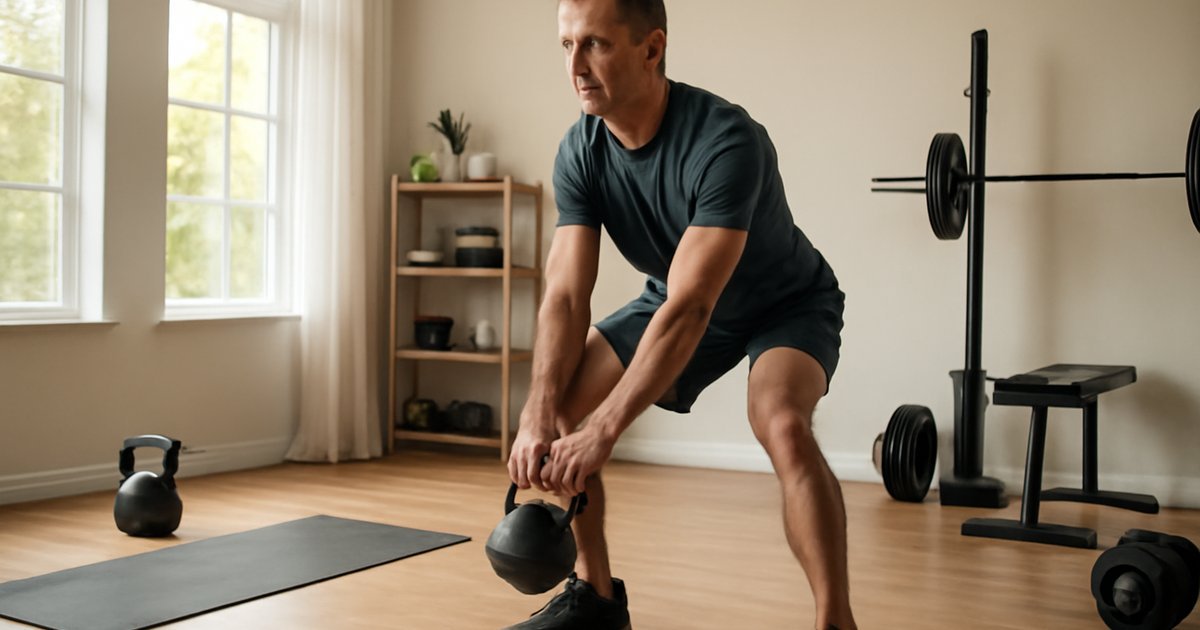
    Kettlebell Training After 40: Build Strength and Power

    Kettlebell Training After 40: Build Strength and Power

    One compact iron weight. A complete workout strategy that builds muscle, torches fat, and protects your joints well into your 50s and 60s.

    Introduction

    Michael, 52, had spent years avoiding the weight room after a lower back injury convinced him that lifting was off the table. Then his physical therapist suggested kettlebells. Within four months, he had lost 18 pounds, eliminated his chronic back pain, and was moving better than he had in his 30s.

    Stories like Michael’s are becoming more common — and the science backs them up. According to the American College of Sports Medicine, adults lose up to 8 percent of muscle mass per decade after age 30, and that rate accelerates after 60. Maintaining muscle isn’t just about looking fit. It’s directly tied to metabolic health, bone density, fall prevention, and longevity.

    Kettlebell training for adults over 40 offers something rare: a single piece of equipment that delivers cardiovascular conditioning, strength training, mobility work, and functional movement — all at once. In this guide, you’ll learn exactly how kettlebells work, why they’re especially well-suited to bodies over 40, and how to build a safe, effective routine starting today.

    What Is Kettlebell Training?

    A kettlebell is a cast-iron or steel weight shaped like a cannonball with a flat base and a looped handle on top. Unlike dumbbells, the weight of a kettlebell is distributed away from your hand, which forces your body to stabilize constantly during movement. This off-center loading is precisely what makes kettlebells so effective for building functional strength.

    Kettlebell training involves dynamic, compound movements — exercises that engage multiple muscle groups and joints simultaneously. Common movements include the swing, goblet squat, Turkish get-up, clean, press, and deadlift. These movements mimic real-life activities like lifting grocery bags, carrying children or grandchildren, and rising from a chair.

    According to the NIH’s National Institute on Aging, functional strength training — the kind that builds capacity for everyday tasks — is one of the most important interventions for healthy aging. Kettlebells are uniquely designed for exactly this type of training.

    In the US, kettlebell fitness has grown substantially over the past decade, moving from niche athletic circles into mainstream gym programming and home fitness. You’ll find them in physical therapy clinics, CrossFit boxes, senior fitness centers, and living rooms across the country.

    Why Kettlebells Are Especially Effective After 40

    Adults over 40 face a specific set of physiological challenges: declining muscle mass (sarcopenia), reduced bone density, stiffer joints, slower recovery, and hormonal shifts that make fat gain easier and muscle retention harder. Kettlebell training directly addresses every one of these concerns.

    A 2021 systematic review published in the Journal of Strength and Conditioning Research found that kettlebell training significantly improved muscular strength, power, and aerobic capacity in adults aged 40 and older. Participants also showed measurable improvements in balance and core stability — two factors critical for fall prevention.

    Here’s why kettlebells work so well for this age group:

    • Hip-hinge movements protect the spine. The foundational kettlebell swing teaches proper hip-hinge mechanics, which actually reduces lower back strain rather than causing it — when performed correctly.
    • Low impact on joints. Unlike running or jumping exercises, most kettlebell movements are low-impact, making them appropriate for people with knee or hip concerns.
    • Builds bone density. Weight-bearing resistance training is one of the few proven strategies for maintaining bone mineral density after menopause and andropause. The CDC recommends muscle-strengthening activities at least two days per week for all adults.
    • Cardiovascular benefits without long cardio sessions. Research from the American Council on Exercise found that a 20-minute kettlebell workout can burn approximately 400 calories — equivalent to running at a 6-minute-per-mile pace.
    • Improves grip strength. Grip strength is now recognized by the NIH as a reliable biomarker of overall health and longevity. Kettlebell training builds grip strength consistently across all movements.

    If you’ve already been incorporating stretching and recovery into your routine after 40, kettlebell training fits naturally as your primary strength component.

    Key Kettlebell Movements for Adults Over 40

    You don’t need a complex program to get results. These five foundational movements cover the entire body and are appropriate for beginners with proper instruction.

    1. Kettlebell Deadlift

    The safest entry point for most beginners. Place the kettlebell between your feet, hinge at the hips, grip the handle, and stand tall by driving through your heels. This teaches the hip hinge pattern that underpins the swing, clean, and snatch.

    2. Kettlebell Swing

    The signature kettlebell movement. The swing is a ballistic hip hinge — you drive the bell forward using explosive hip extension, not arm strength. It builds posterior chain power (glutes, hamstrings, lower back), improves cardiovascular conditioning, and burns significant calories. Clinical evidence indicates the swing is also beneficial for improving spinal stability when learned correctly.

    3. Goblet Squat

    Hold the kettlebell close to your chest with both hands and squat to depth. This self-correcting movement naturally promotes an upright torso, making it safer for people with previous back issues than barbell squats. It builds quad, glute, and core strength simultaneously.

    4. Single-Arm Press

    Pressing a kettlebell overhead with one arm at a time forces your core and obliques to brace and stabilize, building anti-rotation strength — the kind that protects your spine in daily life. Research suggests overhead pressing is one of the most effective movements for shoulder health and upper body strength in older adults.

    5. Turkish Get-Up

    Often called the most comprehensive single exercise ever designed, the Turkish get-up takes you from lying flat on the floor to standing upright while holding a weight overhead. It trains mobility, stability, coordination, and strength in a single slow, deliberate movement. Many physical therapists use it as a rehabilitation tool. For adults over 40, it also directly trains the ability to get up from the floor — a key predictor of longevity according to research published in the European Journal of Preventive Cardiology.

    How to Build Your Kettlebell Routine

    Starting too heavy or too fast is the most common mistake adults over 40 make with kettlebells. Most men in this age group should begin with a 16 kg (35 lb) bell for swings and a 12 kg (26 lb) for pressing movements. Most women typically start with 8-12 kg (18-26 lb) for swings and 6-8 kg for presses. That said, this varies significantly from person to person based on training history and current fitness level.

    A beginner-friendly weekly structure might look like this:

    • Day 1 (Monday): Deadlifts, goblet squats, single-arm press — 3 sets of 8-10 reps each
    • Day 2 (Wednesday): Kettlebell swings — 5 sets of 10 reps, Turkish get-up — 3 sets per side
    • Day 3 (Friday): Full-body circuit combining swing, goblet squat, and press — 3 rounds

    Rest at least one day between sessions. For adults over 50, adding an extra rest day is completely appropriate. Recovery is part of the training. You can complement your kettlebell days with interval walking to boost cardiovascular fitness on off days.

    Safety Considerations and Injury Prevention

    Kettlebells are safe when used correctly — but that qualifier matters. The ballistic nature of movements like swings and cleans means that poor form amplifies injury risk rather than reducing it.

    Clinical evidence strongly suggests that working with a certified kettlebell instructor (look for StrongFirst or NSCA-certified trainers) for at least two to four sessions before training alone significantly reduces injury risk for beginners.

    Safety essentials for adults over 40:

    • Always warm up for 8-10 minutes before lifting — include hip openers, thoracic rotations, and light cardio
    • Never train to failure with kettlebells; stop each set with one to two reps in reserve
    • Train on a non-slip surface with adequate space around you
    • Listen to your joints: dull muscle soreness is normal; sharp joint pain is a signal to stop
    • Progress weight slowly — only when current weight feels completely controlled for all reps
    • Keep core braced throughout every movement

    Individuals with existing orthopedic conditions — rotator cuff injuries, herniated discs, or severe osteoporosis — should obtain medical clearance before beginning kettlebell training. Most physicians will support the activity once they understand its controlled, hip-hinge-based mechanics.

    If you’re also exploring complementary training, our guide on bodyweight training after 40 pairs well with kettlebell work for a balanced program.

    Living With a Kettlebell Practice: Long-Term Results

    One of the most consistent findings in exercise science is that the best workout is the one you actually keep doing. Kettlebell training has a remarkably high adherence rate among adults over 40 — largely because sessions are short, results are visible quickly, and the equipment footprint is minimal.

    Most adults who train consistently with kettlebells for 8-12 weeks report measurable improvements in:

    • Resting posture and reduced back pain
    • Hip and shoulder mobility
    • Cardiovascular endurance
    • Sleep quality (linked to resistance training by multiple NIH-funded studies)
    • Body composition — reduced fat mass, increased lean muscle
    • Confidence in daily physical tasks

    A 2020 study published in PLOS ONE found that kettlebell training for 8 weeks produced significant improvements in both physical fitness and quality-of-life scores in adults aged 40-65 — comparable to results seen with traditional gym-based strength training programs requiring far more equipment and time.

    Beyond the physical changes, many practitioners report that kettlebell training feels meditative — the focused, rhythmic nature of swings and get-ups demands full mental presence, which research suggests may reduce cortisol levels and improve mood through a mechanism similar to mindfulness-based exercise.

    When to Talk to Your Doctor

    Before starting any new strength training program, especially if you are over 50 or managing a chronic condition, consulting your primary care physician is the responsible first step. This is not a formality — it’s good medicine.

    Schedule a visit before starting kettlebell training if you have:

    • Uncontrolled hypertension or recent cardiac events
    • A diagnosed spinal condition such as spondylolisthesis or severe disc herniation
    • Severe osteoporosis (T-score below -2.5 on a DEXA scan)
    • Recent joint replacement surgery
    • Unmanaged type 2 diabetes

    Seek immediate medical care if during training you experience:

    • Chest tightness, pressure, or pain
    • Sudden shortness of breath disproportionate to effort
    • Dizziness, lightheadedness, or fainting
    • Sharp, shooting pain in your spine, shoulder, or knee
    • Heart palpitations or irregular heartbeat

    These are red flags that require evaluation before continuing exercise of any kind.

    Frequently Asked Questions

    Is kettlebell training safe for adults with arthritis?

    For many people with mild to moderate osteoarthritis, low-impact strength training — including kettlebell work — is actively recommended by rheumatologists. The Arthritis Foundation notes that resistance training reduces joint pain by strengthening the muscles that support affected joints. That said, individual variation is significant. Work with your doctor and a qualified trainer to modify movements as needed, and avoid ballistic exercises during flare-ups.

    How heavy should I start with a kettlebell?

    Most fitness professionals recommend that beginners prioritize technique over load. Starting lighter than you think you need to — and progressing only when form is flawless — is the consistent advice from certified kettlebell coaches. Attempting to swing too heavy too soon is the leading cause of kettlebell-related lower back strain.

    Can kettlebell training replace cardio?

    Research suggests it can partially replace steady-state cardio for adults seeking cardiovascular health benefits. High-repetition kettlebell swings elevate heart rate to cardio-training zones (65-85% of maximum heart rate) and produce meaningful aerobic adaptations. However, for adults with specific cardiovascular health goals, most cardiologists recommend a combination of resistance training and dedicated aerobic activity. Discuss your individual targets with your physician.

    How soon will I see results from kettlebell training?

    Most adults notice measurable improvements in strength, energy, and posture within four to six weeks of consistent training. Body composition changes — visible muscle tone and fat reduction — typically become apparent at eight to twelve weeks. This varies from person to person based on training frequency, nutrition, sleep, and hormonal factors.

    Do I need more than one kettlebell?

    You can build a complete, effective program with a single kettlebell. As you advance, having two bells of the same weight opens up double-bell exercises, and a lighter bell is useful for pressing while you use a heavier one for swings. Many experienced practitioners own three kettlebells of different weights. But starting with one is entirely sufficient.

    Conclusion

    Kettlebell training is one of the most time-efficient, evidence-backed, and age-appropriate fitness tools available to adults over 40. In under 30 minutes, three times per week, you can build meaningful strength, improve your cardiovascular fitness, protect your joints, and reclaim the physical confidence that aging can quietly erode.

    Michael’s story isn’t unusual — it’s what consistent, intelligent training looks like at 52. The key is starting with proper technique, choosing an appropriate weight, listening to your body, and giving recovery the same respect you give training.

    As always, the most important first step is a conversation with your doctor. Bring this information, ask about your individual considerations, and get cleared to begin. Then pick up the bell.

    Medical Disclaimer: This article is for informational and educational purposes only. It does not constitute medical advice, diagnosis, or treatment. Always consult your physician or a qualified healthcare provider before making changes to your health routine or treatment plan.

    Medically reviewed by our editorial health team. Content follows evidence-based standards aligned with CDC and NIH guidelines.
  • Outdoor Fitness After 50: Nature Workouts for Body & Mind

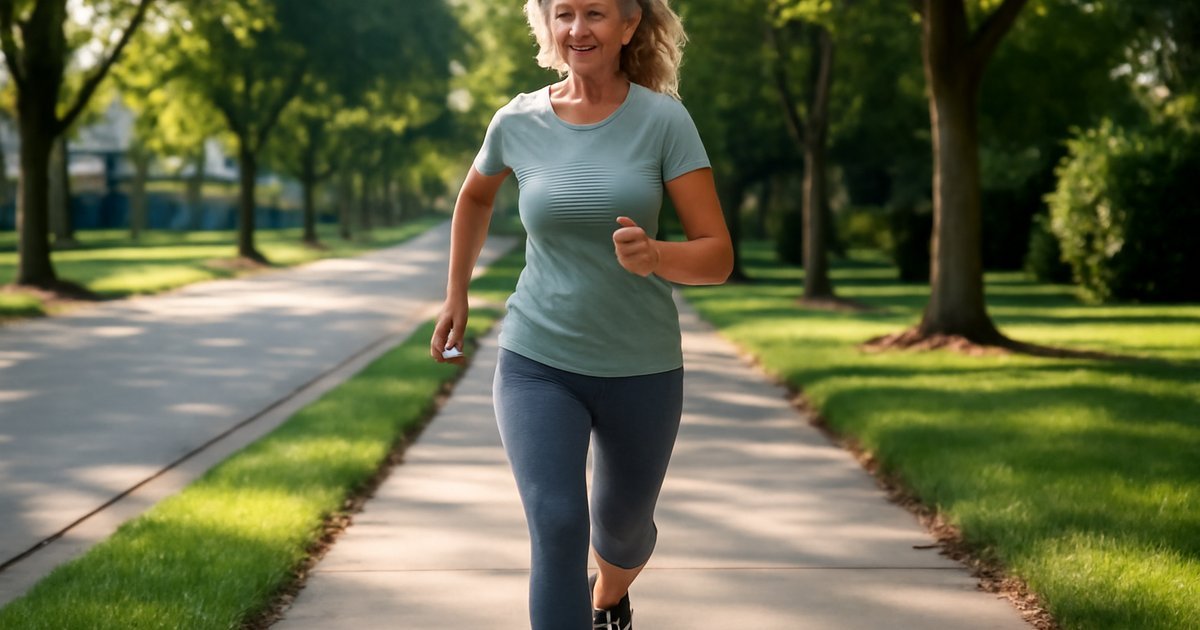
    Outdoor Fitness After 50: Nature Workouts for Body & Mind

    Fresh air, natural terrain, and sunlight may be some of the most underrated fitness tools available to adults over 50.

    Introduction

    Margaret, 63, had tried treadmills, gym classes, and stationary bikes — but nothing stuck. Then her doctor suggested something different: take your exercise outside. Within three months of walking local trails and doing simple park workouts, she had lost 14 pounds, cut her blood pressure medication in half, and, perhaps most importantly, she actually looked forward to exercising.

    Her story is not unusual. According to the CDC, fewer than 28% of Americans aged 50 and older meet the recommended weekly aerobic activity guidelines — and a significant barrier is motivation. Outdoor fitness for adults over 50 offers a compelling solution: research consistently shows that exercising in natural environments boosts adherence, improves mood, and delivers measurable physical health benefits beyond what indoor exercise alone provides.

    In this guide, you will learn why outdoor exercise matters after 50, which activities are safest and most effective, how to build a sustainable outdoor routine, and when to talk to your doctor before starting.

    What Is Outdoor Fitness — and Why Does It Matter After 50?

    Outdoor fitness refers to any structured or semi-structured physical activity performed in open-air natural or semi-natural environments — parks, trails, beaches, neighborhood sidewalks, gardens, or open fields. It ranges from walking and jogging to bodyweight circuits, tai chi in a park, or kayaking on a local lake.

    After age 50, the body undergoes changes that make the type and context of exercise increasingly important. Muscle mass naturally declines at roughly 1–2% per year after 50 (a process called sarcopenia), bone density decreases, joint flexibility narrows, and cardiovascular efficiency gradually drops. These shifts make consistent, enjoyable physical activity not just beneficial — but medically essential.

    A 2019 meta-analysis published in Environmental Health Perspectives found that spending at least 120 minutes per week in natural outdoor environments was associated with significantly better self-reported health and wellbeing. For older adults, the benefits compound: sunlight exposure supports vitamin D synthesis (critical for bone health), varied terrain challenges balance and coordination, and the psychological lift of nature reduces cortisol — the body’s primary stress hormone.

    The NIH notes that adults who exercise outdoors report higher rates of enjoyment and are more likely to continue their routines long-term compared to those who exercise exclusively indoors — a finding that matters enormously for adults who have struggled with consistency in the past.

    Key Health Benefits of Exercising Outdoors After 50

    Understanding why outdoor fitness works can help motivate you to build it into your life. Clinical evidence points to several distinct advantages over indoor-only exercise:

    Cardiovascular Health

    The American Heart Association recommends at least 150 minutes of moderate-intensity aerobic activity per week for adults. Walking briskly through a park, cycling on a trail, or doing light resistance exercises outdoors all qualify. A study from Harvard Health found that adults who walked outdoors burned up to 16% more calories per mile than those walking on flat treadmill surfaces, largely due to natural terrain variability.

    Bone Density and Joint Health

    Weight-bearing outdoor activities — hiking, walking on uneven ground, garden-based fitness — apply gentle stress to bones, which stimulates bone-building cells called osteoblasts. This is especially important for postmenopausal women, who lose bone density rapidly in the years following menopause. The National Osteoporosis Foundation endorses weight-bearing outdoor exercise as a frontline strategy for bone preservation.

    Mental Health and Cognitive Function

    Research published in the journal Proceedings of the National Academy of Sciences found that walking in nature — compared to urban environments — significantly reduced rumination (repetitive negative thinking) and lowered activity in the part of the brain associated with depression. For adults over 50, who face elevated rates of anxiety, loneliness, and depression, this is a meaningful clinical benefit.

    Emerging evidence also suggests that outdoor physical activity may support cognitive resilience. A 2021 NIH-backed study found that regular aerobic outdoor exercise was associated with larger hippocampal volume in adults over 60 — a region of the brain critical for memory formation.

    Balance, Coordination, and Fall Prevention

    The CDC reports that one in four Americans over age 65 falls each year, making fall prevention a top priority in senior health. Walking on natural, uneven surfaces — grass, gravel paths, gentle slopes — challenges the proprioceptive system (your body’s internal sense of position and balance) in ways flat gym floors cannot replicate. Over time, this builds the neuromuscular coordination that prevents falls.

    Vitamin D Synthesis

    Vitamin D deficiency affects roughly 42% of American adults, according to research published in the Nutrition Research journal. Spending 15–30 minutes outdoors in sunlight (depending on skin tone and geography) supports natural vitamin D production, which plays a role in bone health, immune function, and muscle performance — all of which become more important after 50.

    Best Outdoor Fitness Activities for Adults Over 50

    Not every outdoor workout suits every body. The best activity is one that matches your current fitness level, joint health, and personal enjoyment. Here are evidence-supported options with varying intensity levels:

    Brisk Walking and Trail Walking

    Walking remains the most accessible, low-impact, and broadly recommended outdoor exercise for adults over 50. Clinical evidence from the Mayo Clinic confirms that brisk walking — maintaining a pace where you can speak but not sing — delivers comparable cardiovascular benefits to jogging for older adults without the joint stress. If you want to increase intensity without impact, interval walking — alternating between a fast and moderate pace — is a research-backed strategy to boost caloric burn and cardiovascular conditioning.

    For those seeking more challenge and scenic variety, hiking on local trails adds elevation change, terrain variability, and longer duration, all of which increase the exercise’s physiological benefits.

    Outdoor Bodyweight Training

    Parks with outdoor fitness equipment — increasingly common across the US — allow adults to perform push-ups, modified pull-ups, step-ups, and seated dips in fresh air. Research suggests that resistance training at least twice per week significantly slows age-related muscle loss. If you are new to strength movements, bodyweight training is an excellent entry point that requires no equipment and can be scaled to any fitness level.

    Cycling Outdoors

    Cycling on bike paths or gentle roads is a joint-friendly cardiovascular workout that builds leg strength and endurance simultaneously. According to the Cleveland Clinic, regular cycling in adults over 50 is associated with improved insulin sensitivity, healthier cholesterol profiles, and reduced cardiovascular risk.

    Outdoor Yoga and Tai Chi

    Performing yoga or tai chi in a park or backyard combines the mental benefits of natural environments with the physical benefits of flexibility, balance, and mindful movement. The NIH’s National Center for Complementary and Integrative Health recognizes tai chi as an evidence-based practice for improving balance and reducing fall risk in older adults.

    Swimming and Water Activities

    Outdoor swimming — in lakes, pools, or the ocean — provides a near-zero-impact full-body workout ideal for adults with arthritis or joint pain. The buoyancy of water reduces effective body weight by up to 90%, dramatically lowering stress on hips, knees, and the spine.

    Gardening as Fitness

    Often overlooked, vigorous gardening — digging, raking, hauling, squatting — qualifies as moderate-intensity physical activity. The CDC recognizes gardening as a valid contributor to weekly activity goals for older adults. It also provides the added cognitive benefit of purposeful outdoor engagement.

    How to Build a Safe Outdoor Fitness Routine After 50

    Starting or expanding an outdoor fitness routine requires a thoughtful approach — particularly if you have existing health conditions or have been sedentary for some time.

    Start with a medical clearance. Before beginning a new exercise program, speak with your primary care physician, especially if you have cardiovascular disease, diabetes, osteoporosis, or chronic joint conditions. This varies from person to person, and individualized guidance protects you from injury or overexertion.

    Build gradually. Clinical guidelines from the American College of Sports Medicine recommend increasing weekly exercise volume by no more than 10% per week to reduce injury risk. If you are starting from little activity, begin with 20-minute outdoor walks three times per week and build from there.

    Warm up and cool down. Natural terrain demands good range of motion. Spend 5–10 minutes performing gentle dynamic stretches before heading out, and allow another 5–10 minutes of static stretching at the end. Evidence consistently supports stretching as a tool for injury prevention and post-exercise recovery in adults over 40.

    Dress for conditions. Wear moisture-wicking, breathable layers in warm weather. In cold weather, layer clothing and protect extremities. Always wear sunscreen (SPF 30 or higher) and a hat for sun-exposed activities.

    Stay hydrated. Thirst sensation decreases with age, making dehydration a common and underappreciated risk for older adults during outdoor exercise. The Mayo Clinic recommends drinking water before, during, and after outdoor activity — even when you do not feel thirsty.

    Use appropriate footwear. Supportive, well-fitting athletic footwear reduces the risk of ankle sprains, plantar fasciitis, and knee pain — common issues for adults over 50 who are new to outdoor terrain training.

    Exercise with a partner or group. Social accountability significantly improves adherence to exercise routines. Consider joining a local walking club, outdoor yoga group, or fitness community. Research from Johns Hopkins Medicine confirms that social support is one of the strongest predictors of long-term exercise consistency in older adults.

    Safety Considerations Specific to Adults Over 50

    Outdoor fitness comes with environmental variables that require awareness, particularly for adults managing chronic conditions:

    • Heat safety: Adults over 50 are more vulnerable to heat exhaustion and heat stroke due to reduced sweating efficiency and cardiovascular changes. Exercise outdoors during cooler morning or evening hours in summer. Know the signs of heat exhaustion: heavy sweating, weakness, cool or pale skin, nausea, and dizziness.
    • Sun and skin protection: Increased sun exposure raises the risk of skin damage and skin cancer. Apply broad-spectrum SPF 30+ sunscreen at least 15 minutes before heading outside, and reapply every two hours.
    • Uneven terrain and falls: Start on even, well-maintained paths and progress to more varied terrain as balance and confidence improve.
    • Medication considerations: Some medications — including certain blood pressure drugs, diuretics, and antihistamines — affect hydration, heart rate response, or heat tolerance. Ask your physician or pharmacist how your medications might interact with outdoor exertion.
    • Air quality: Check your local air quality index (AQI) before exercising outdoors, particularly if you have asthma, COPD, or cardiovascular disease. The EPA’s AirNow website provides real-time AQI data by zip code.

    When to Call Your Doctor or Seek Emergency Care

    Most outdoor fitness activities are safe for healthy adults over 50 when approached gradually and with appropriate precautions. However, certain symptoms demand immediate medical attention:

    Call 911 immediately if you experience:

    • Chest pain or pressure during or after exercise
    • Sudden shortness of breath that does not resolve quickly with rest
    • Severe dizziness, fainting, or loss of consciousness
    • Rapid or irregular heartbeat that feels alarming or does not self-correct
    • Sudden weakness or numbness on one side of the body

    Schedule a prompt appointment with your doctor if you notice:

    • Persistent joint pain lasting more than 72 hours after activity
    • Swelling in your ankles, feet, or legs following exercise
    • Unusual fatigue that does not improve with rest
    • A fall, even if you feel fine afterward
    • Significant changes in your resting heart rate or blood pressure readings

    At your next routine visit, tell your doctor what outdoor activities you are doing, how long you exercise per session, and any symptoms you have noticed. This information helps your care team provide the most relevant and personalized guidance.

    Frequently Asked Questions

    How much outdoor exercise do adults over 50 need each week?

    The CDC and American Heart Association both recommend at least 150 minutes of moderate-intensity aerobic activity per week for adults — which breaks down to about 30 minutes, five days per week. Resistance-based activities (such as bodyweight exercises or hiking with a pack) should be added at least twice per week. Research suggests that even smaller amounts — as little as 60 minutes per week — provide measurable health benefits for previously sedentary adults over 50.

    Is outdoor exercise safe if I have arthritis or knee pain?

    In most cases, yes — but the type of activity matters significantly. Low-impact options like walking on soft surfaces, cycling, outdoor swimming, and chair-assisted exercises tend to be well-tolerated by adults with arthritis. Clinical evidence from the Arthritis Foundation supports regular, gentle movement as a key tool for reducing joint pain and stiffness. Always work with your physician or a physical therapist to identify activities appropriate for your specific condition.

    What is the best time of day for outdoor exercise after 50?

    Most physicians recommend morning or late afternoon for outdoor exercise. Morning workouts benefit from cooler temperatures, lower UV intensity, and tend to support better sleep patterns. In summer, avoid exercising between 10 a.m. and 3 p.m. when UV radiation and heat are at their peak. This varies from person to person based on schedule, medications, and personal preference.

    Can outdoor exercise help with depression and anxiety in older adults?

    Research suggests it can play a meaningful supportive role. A systematic review published in the International Journal of Environmental Research and Public Health found that green exercise — physical activity in natural settings — produced greater reductions in depression and anxiety symptoms compared to indoor exercise alone. However, outdoor fitness should be viewed as a complement to, not a replacement for, professional mental health treatment when clinically warranted.

    Do I need any special equipment to start outdoor fitness after 50?

    Most outdoor fitness activities require minimal equipment. Supportive athletic footwear appropriate for the terrain is the most important investment. A water bottle, sun protection (hat, sunscreen), and weather-appropriate clothing round out the basics. For activities like cycling, a properly fitted helmet is essential for safety. High-cost equipment is rarely necessary to begin an effective outdoor fitness routine.

    Conclusion

    Outdoor fitness after 50 is not just about burning calories or hitting step counts — it is about building a sustainable relationship with movement that your body and mind can sustain for decades. The combination of natural terrain, fresh air, sunlight, and social opportunity creates a uniquely powerful environment for long-term health.

    Whether you start with a 20-minute park walk three mornings a week, join an outdoor yoga group, or explore local bike trails on weekends, the most important step is simply beginning — at the level that is right for you, today. Work with your healthcare provider to tailor an outdoor fitness plan that fits your health history and goals. Small, consistent efforts made in the right environment add up to profound results over time.

    This article is for informational and educational purposes only. It does not constitute medical advice, diagnosis, or treatment. Always consult your physician or a qualified healthcare provider before making changes to your health routine or treatment plan.

    Medically reviewed by our editorial health team. Content follows evidence-based standards aligned with CDC and NIH guidelines.
  • Interval Walking After 50: Boost Fitness, Heart Health & Energy

    Interval Walking After 50: Boost Fitness, Heart Health & Energy

    Interval Walking After 50: Boost Fitness, Heart Health & Energy

    A simple, evidence-backed way to get more from every walk — without running a single step.

    Why Your Regular Walk Might Not Be Enough Anymore

    Margaret, 63, had been walking 30 minutes every morning for two years. She felt good about her routine — until her annual checkup revealed her blood pressure and fasting glucose were still creeping upward. Her doctor asked a simple question: “Are you ever walking fast enough to feel slightly breathless?”

    Margaret’s answer was no. And that single change — adding short bursts of brisk walking to her routine — made a measurable difference within months.

    According to the CDC, fewer than 25% of adults aged 50 and older meet the recommended guidelines for aerobic physical activity. Many who do walk regularly stay at a comfortable, low-intensity pace that, while beneficial, may not be enough to drive meaningful improvements in cardiovascular health, blood sugar regulation, or metabolic fitness.

    Interval walking — alternating between brisk and moderate-paced segments — is one of the most accessible, low-risk strategies adults over 50 can use to amplify the benefits of a walking routine. No gym. No equipment. No running required.

    In this guide, you will learn what interval walking is, why the science strongly supports it for older adults, how to start safely, and how to build a sustainable routine that fits your life and health goals.

    What Is Interval Walking?

    Interval walking is a structured form of walking that alternates between two intensity levels: a moderate, comfortable pace and a brisk, faster pace that slightly elevates your heart rate and breathing.

    Unlike high-intensity interval training (HIIT), which often involves sprinting, jumping, or gym equipment, interval walking is entirely low-impact and adaptable to nearly any fitness level. The “intervals” simply refer to timed or distance-based shifts in your walking speed — for example, walking briskly for 1–2 minutes, then recovering at a comfortable pace for 2–3 minutes, and repeating that cycle throughout your session.

    This method is sometimes called “pace walking,” “structured walking,” or “walk intervals,” and it has been studied extensively in clinical settings as a practical tool for improving metabolic and cardiovascular health in middle-aged and older adults.

    Research published in Diabetologia and supported by findings from the Mayo Clinic and NIH suggests that interval walking produces significantly greater improvements in aerobic capacity, insulin sensitivity, and blood pressure control compared to continuous walking at the same total duration. In other words, it’s not just about how long you walk — it’s about how you walk.

    For adults over 50 managing weight, blood pressure, blood sugar, or simply trying to maintain independence and energy as they age, interval walking offers a compelling, doctor-friendly option that builds on what many already do.

    Health Benefits of Interval Walking After 50

    The benefits of interval walking extend well beyond basic calorie burning. Clinical evidence points to meaningful improvements across several key health markers — especially relevant for adults in their 50s, 60s, and 70s.

    Cardiovascular Health

    The American Heart Association identifies physical inactivity as a major modifiable risk factor for heart disease, the leading cause of death among US adults over 50. Research suggests that varying your walking intensity challenges your cardiovascular system in ways that sustained moderate walking does not, leading to greater improvements in VO2 max (a measure of aerobic efficiency) and heart rate variability.

    Blood Sugar and Insulin Sensitivity

    A landmark Danish study involving adults with type 2 diabetes found that participants who followed an interval walking program for four months experienced significantly better improvements in insulin sensitivity, aerobic capacity, and body fat percentage compared to those who walked continuously at a moderate pace — even when total walking time was equal. This is particularly relevant given that the CDC estimates 38 million Americans have diabetes, with adults over 45 representing the fastest-growing diagnosed group.

    Blood Pressure Regulation

    Clinical evidence indicates that aerobic exercise — including brisk walking intervals — can reduce systolic blood pressure (the top number) by an average of 4–9 mmHg in people with hypertension, according to findings reviewed by Johns Hopkins Medicine. For some adults, this effect rivals the impact of a low-dose antihypertensive medication.

    Weight and Metabolic Health

    Higher-intensity walking intervals increase your post-exercise oxygen consumption — meaning your body continues burning calories at an elevated rate even after the walk is over. Research suggests this “afterburn” effect is more pronounced with interval training than with steady-state moderate exercise.

    Bone Density and Joint Health

    Walking is a weight-bearing activity, which the NIH’s National Institute on Aging identifies as beneficial for maintaining bone density and reducing osteoporosis risk. Interval walking, by increasing the variety of load and pace, may provide slightly greater mechanical stimulus to bones compared to flat, uniform walking — though this varies from person to person.

    Mental Health and Cognitive Function

    Research from Harvard Health Publishing indicates that aerobic exercise that elevates heart rate — even moderately — supports brain-derived neurotrophic factor (BDNF) production, a protein linked to memory, learning, and mood regulation. Interval walking, by its nature, achieves these brief cardiovascular elevations that continuous easy walking may not reach.

    Signs You’re Ready to Try Interval Walking (And When to Check with Your Doctor First)

    Most adults over 50 can begin interval walking safely, especially if they already walk regularly. However, because interval walking does raise your heart rate more than leisurely walking, it’s worth reviewing a few important considerations before starting.

    You’re likely ready if you:

    • Can walk continuously for 20–30 minutes at a comfortable pace without dizziness or chest discomfort
    • Have no recent cardiac events or uncontrolled arrhythmias
    • Have stable, managed blood pressure (even on medication)
    • Experience no significant joint pain or instability during walking
    • Have your physician’s general clearance for moderate aerobic exercise

    Consult your doctor before starting if you:

    • Have been diagnosed with heart disease, heart failure, or have had a recent cardiac event
    • Experience chest pain, shortness of breath at rest, or unexplained dizziness
    • Have poorly controlled blood pressure or blood sugar
    • Have a history of falls, severe balance issues, or lower extremity joint problems
    • Are new to exercise entirely and have multiple chronic conditions

    The Mayo Clinic recommends that adults who have been sedentary for an extended period begin any new exercise program with medical guidance — particularly if they are over 60 or managing more than one chronic condition. This isn’t a barrier to starting; it’s simply smart preparation.

    How to Get Started: A Beginner Interval Walking Plan

    Starting interval walking doesn’t require a fitness tracker, a treadmill, or any special equipment. What matters most is consistency, awareness of how your body feels, and a gradual progression of intensity.

    Understanding Your Two Speeds

    Before you begin, learn to recognize the difference between your two walking intensities:

    • Moderate pace: You can hold a full conversation easily. Breathing is slightly deeper than at rest. This is your recovery interval.
    • Brisk pace: You can still speak, but in shorter sentences. You feel slightly warm, your breathing is noticeably elevated, and you sense mild exertion. This is your active interval.

    If you prefer numbers, most physicians use the Rate of Perceived Exertion (RPE) scale. Moderate pace sits around a 4–5 out of 10. Brisk pace targets a 6–7 out of 10. You should never feel pain, significant chest tightness, or feel unable to catch your breath during either phase.

    Week 1–2: Foundation Phase

    • Total time: 20–25 minutes, 3 days per week
    • Structure: 5-minute warm-up at easy pace → alternate 1 minute brisk / 3 minutes moderate → 5-minute cooldown
    • Goal: Build comfort with intentional speed changes

    Week 3–4: Building Phase

    • Total time: 25–30 minutes, 3–4 days per week
    • Structure: 5-minute warm-up → alternate 2 minutes brisk / 2 minutes moderate → 5-minute cooldown
    • Goal: Equal brisk-to-recovery ratio; notice improvements in comfort at brisk pace

    Week 5–6: Progression Phase

    • Total time: 30–40 minutes, 4 days per week
    • Structure: 5-minute warm-up → alternate 3 minutes brisk / 2 minutes moderate → 5-minute cooldown
    • Goal: Spend more time in the brisk zone; begin to feel this as your “normal” challenging walk

    This progression follows principles endorsed by the American College of Sports Medicine, which recommends increasing exercise volume by no more than 10% per week to minimize injury risk in older adults.

    If you enjoy walking outdoors, consider using landmarks (mailboxes, trees, blocks) to mark your intervals instead of watching a timer. Many adults over 50 find this approach more natural and enjoyable — and enjoyment, research suggests, is one of the strongest predictors of long-term exercise adherence.

    For related low-impact options that complement interval walking, you might also explore hiking for fitness after 50 or Nordic walking, both of which can incorporate interval-style intensity variations.

    Safety Tips and Common Mistakes to Avoid

    Interval walking is among the safest exercise approaches for adults over 50 — but a few key habits will help you stay injury-free and get the most from every session.

    Always warm up and cool down. Begin every session with 3–5 minutes of easy walking. End with another 3–5 minutes at a relaxed pace. This allows your heart rate to rise and fall gradually, reducing cardiovascular stress and muscle soreness. The Cleveland Clinic emphasizes that skipping the cooldown is one of the most common — and potentially problematic — exercise habits among older adults.

    Wear supportive footwear. Shoes matter more as we age. Look for walking shoes with good arch support, a cushioned midsole, and a stable heel counter. Replace shoes every 300–500 miles, or when you notice reduced cushioning.

    Stay hydrated. Older adults have a reduced thirst sensation relative to actual hydration needs, according to the NIH. Drink water before your walk, and carry a small bottle on sessions lasting longer than 20 minutes, especially in warm weather.

    Don’t push through pain. Mild muscle fatigue is normal. Sharp joint pain, chest discomfort, dizziness, or significant shortness of breath are not. Stop and rest — and consult your doctor if symptoms persist.

    Track your progress modestly. A simple walking log noting date, duration, and how you felt provides far more useful information than obsessing over pace or step counts. Progress after 50 is real but often gradual — and that’s completely normal.

    If you’re also working on core stability or recovery alongside your walking routine, the guides on stretching and recovery after 40 offer excellent complementary strategies.

    Living With Interval Walking: Making It a Long-Term Habit

    The most effective exercise plan is the one you actually stick to. Research from the NIH’s National Institute on Aging consistently identifies enjoyment, social connection, and habit anchoring as the top predictors of long-term exercise adherence in adults over 50.

    Here are practical strategies to make interval walking sustainable:

    • Anchor it to an existing habit. Walk after your morning coffee, during your lunch break, or after dinner. Habit stacking — attaching a new behavior to an established one — significantly improves consistency.
    • Walk with a partner. Walking with a friend or spouse adds accountability and social benefit. If a partner isn’t available, consider a local walking group. Many senior centers, YMCAs, and community parks host structured group walks.
    • Vary your routes. Novel environments reduce boredom and increase mental engagement. Alternate between neighborhood routes, parks, and trails when possible.
    • Use music or podcasts strategically. Some adults find that upbeat music naturally encourages a faster pace during brisk intervals. Podcasts or audiobooks can make longer sessions feel shorter.
    • Celebrate non-scale victories. Improved energy, better sleep, reduced knee stiffness, and a more stable mood are all meaningful outcomes — and often appear before changes in weight or lab values.

    For those looking to build an even more complete morning routine around their walking practice, the guide on morning exercise routines for adults over 50 offers structured, time-efficient approaches.

    When to Call Your Doctor — Emergency Signs

    While interval walking is safe for most adults, it’s important to know which symptoms during or after exercise should prompt immediate medical attention.

    Stop walking and seek emergency care immediately if you experience:

    • Chest pain, pressure, squeezing, or tightness
    • Pain radiating to your jaw, left arm, or back
    • Sudden severe shortness of breath unrelated to exertion level
    • Fainting or near-fainting (pre-syncope)
    • Sudden, severe headache or vision changes
    • Heart palpitations with dizziness or chest discomfort

    Contact your doctor within 24–48 hours if you notice:

    • Persistent joint swelling or sharp pain in knees, hips, or ankles after walks
    • Unusual fatigue that lasts more than a day following a session
    • Significant increase in resting heart rate over several days
    • Numbness or tingling in the feet or legs during or after walking

    At your next routine appointment, discuss:

    • Your new interval walking program and current intensity level
    • Any changes in blood pressure or blood sugar readings at home
    • Whether your current medications may affect heart rate response to exercise (some beta-blockers blunt heart rate elevation, for example)
    • Your interest in a monitored exercise stress test if you have cardiac risk factors and are significantly increasing intensity

    Frequently Asked Questions

    How is interval walking different from just walking faster?

    Interval walking involves a deliberate, structured alternation between two intensity levels — not simply walking faster overall. The recovery periods are just as important as the brisk periods. They allow your cardiovascular system to partially recover, which allows you to sustain the brisk intervals repeatedly and challenges your heart and metabolism in a way that steady fast walking does not.

    Can I do interval walking if I have arthritis or knee pain?

    Many adults with mild to moderate osteoarthritis can walk with intervals, though this varies significantly from person to person. The key is to avoid impact-heavy movements and to keep the brisk intervals at a pace that doesn’t aggravate joint pain. Clinical evidence from the Arthritis Foundation suggests that walking — particularly at a moderate brisk pace — can actually reduce joint stiffness over time when done consistently. Always consult your physician or a physical therapist if you have significant joint concerns before increasing walking intensity.

    How many days a week should I do interval walking?

    Most physicians and exercise specialists recommend starting with 3 days per week, allowing at least one rest or easy walking day between sessions. As your fitness improves, 4–5 days per week is a reasonable goal. The American Heart Association’s guidelines suggest at least 150 minutes per week of moderate-to-vigorous aerobic activity, which interval walking can help you achieve efficiently.

    Do I need a fitness tracker or heart rate monitor?

    No — and research suggests that perceived exertion (how hard you feel you’re working) is a reliable and practical guide for most adults over 50. That said, a fitness tracker can be a motivating tool for some people. If you have a heart rate-related condition or are on medications that affect heart rate, your doctor may recommend a target heart rate range, which a monitor can help you stay within.

    Will interval walking help me lose weight?

    Research suggests that interval walking can support weight management more effectively than continuous moderate walking, primarily by increasing caloric expenditure during and after exercise, and by improving insulin sensitivity and metabolic efficiency. However, weight outcomes vary considerably from person to person and are strongly influenced by dietary habits, sleep quality, hormonal factors, and other lifestyle variables. Interval walking is best viewed as one powerful component of a broader healthy lifestyle rather than a standalone weight-loss solution.

    Conclusion

    Interval walking is one of the most evidence-supported, accessible, and sustainable fitness strategies available to adults over 50. It takes something you may already be doing — walking — and makes it meaningfully more effective for your heart, blood sugar, weight, mood, and energy levels.

    You don’t need to run. You don’t need a gym membership. You don’t need to be at peak fitness. You just need a good pair of shoes, a safe route, and the willingness to pick up your pace for a minute or two at a time.

    Start where you are. Progress gradually. And always keep your physician informed about changes to your exercise routine — they are your best partner in building a plan that fits your health history and goals. The science is clear: it’s never too late to walk your way to better health.


    Medical Disclaimer: This article is for informational and educational purposes only. It does not constitute medical advice, diagnosis, or treatment. Always consult your physician or a qualified healthcare provider before making changes to your health routine or treatment plan.

    Medically reviewed by our editorial health team. Content follows evidence-based standards aligned with CDC and NIH guidelines.
  • Dance Fitness After 50: Fun, Health Benefits & How to Start

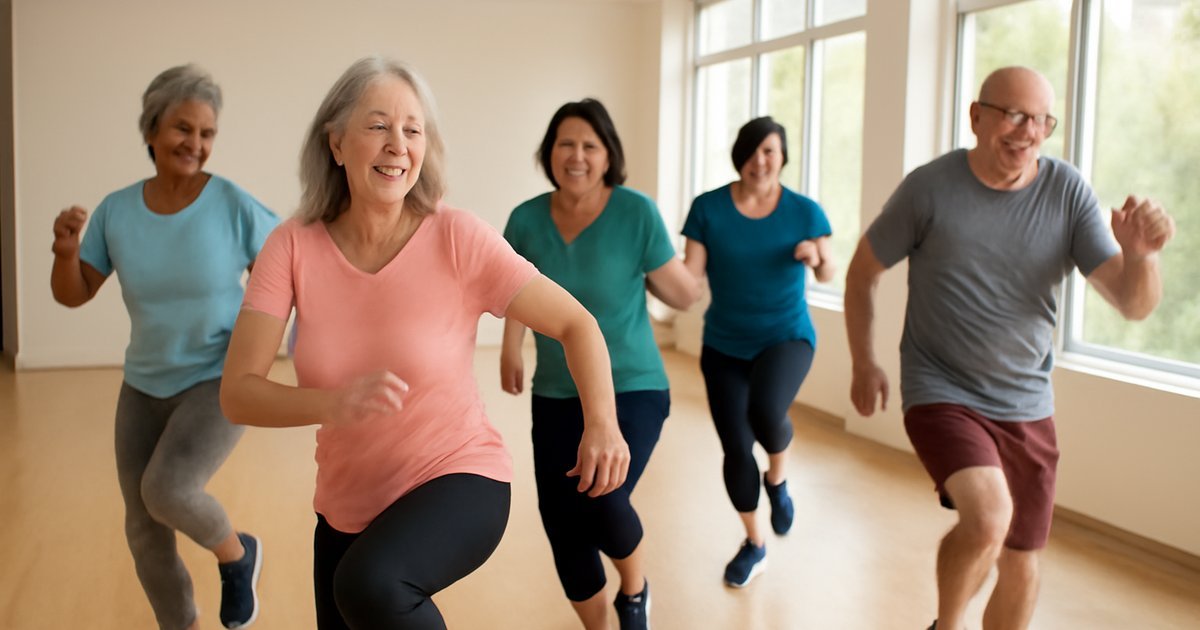
    Dance Fitness After 50: Fun, Health Benefits & How to Start

    Movement doesn’t have to feel like medicine — and for millions of Americans over 50, dance fitness is proving that staying active can actually be something you look forward to.

    When Exercise Feels Like a Chore — Until You Start Dancing

    Margaret, 63, had tried three different gym memberships over the past decade. Every time, she lasted about six weeks before the treadmill boredom took over. Then her community center offered a Zumba Gold class on Tuesday mornings. Within a month, she hadn’t missed a single session.

    "It doesn’t feel like exercise," she told her doctor at her next annual visit. "But somehow I’ve lost 12 pounds and my blood pressure is down."

    Margaret’s experience isn’t unusual. According to the CDC, fewer than 28% of American adults aged 50 and older meet the recommended guidelines for both aerobic and muscle-strengthening activity. The gap isn’t always about motivation — it’s often about finding movement that doesn’t feel punishing.

    Dance fitness — a broad category that includes structured classes like Zumba, ballroom-inspired workouts, line dancing, and low-impact aerobic dance — is emerging as one of the most accessible, sustainable, and genuinely enjoyable forms of exercise for adults over 50. In this guide, you’ll learn exactly what the research says, which styles work best for older adults, what health conditions it may support, and how to start safely.

    What Is Dance Fitness — and Why Does It Work So Well After 50?

    Dance fitness refers to structured physical activity that uses rhythmic movement, music, and choreography as its foundation. Unlike traditional cardio workouts, dance fitness engages multiple systems simultaneously: your cardiovascular system, your muscular system, your balance and coordination, and your brain’s cognitive function.

    This multi-system engagement is particularly valuable as you age. Research published in the New England Journal of Medicine found that frequent dancing was one of the strongest activity-based predictors of reduced dementia risk among leisure activities studied — stronger than cycling, swimming, or golf. The cognitive demand of remembering steps while moving to a beat appears to provide neurological benefits beyond what purely physical exercise offers.

    From a physiological standpoint, dance fitness typically qualifies as moderate-intensity aerobic exercise — exactly what the American Heart Association recommends as the cornerstone of cardiovascular health. Most adults burn between 200 and 400 calories per hour during a dance fitness class, depending on intensity, body weight, and participation level.

    Crucially, the enjoyment factor drives adherence. A 2016 study in the journal Complementary Therapies in Medicine found significantly higher long-term participation rates in dance-based exercise programs compared to conventional gym workouts among adults over 55 — a finding that matters enormously for real-world health outcomes.

    Signs Your Body Is Ready for Dance Fitness — and Signs to Check First

    Most adults over 50 can safely participate in beginner-level dance fitness classes with appropriate modifications. That said, it’s important to understand how your body may respond — especially if you’re new to regular exercise or managing a chronic condition.

    Signs your body is well-suited for dance fitness:

    • You can walk for 20-30 minutes without significant joint pain or breathlessness
    • You have reasonably stable balance (you can stand on one foot briefly without support)
    • Your blood pressure and heart conditions are currently managed and stable
    • You enjoy music and have some interest in rhythmic movement
    • You’re looking for low-to-moderate impact activity that won’t stress your joints

    Warning signs that warrant a doctor’s visit before starting:

    • Unexplained chest pain, pressure, or tightness during light activity
    • Severe shortness of breath with minimal exertion
    • Recent history of falls or significant balance impairment
    • Uncontrolled hypertension (blood pressure consistently above 160/100 mmHg)
    • Recent joint replacement surgery (within the past 6-12 months)
    • Dizziness or lightheadedness during standing or movement

    The American College of Sports Medicine recommends that adults with two or more cardiovascular risk factors — including hypertension, diabetes, obesity, or smoking history — consult a physician before starting a new moderate-to-vigorous exercise program. This isn’t a barrier; it’s simply a smart starting point.

    Health Benefits of Dance Fitness for Adults Over 50

    The evidence base for dance fitness has grown substantially over the past decade, and the findings are genuinely compelling for older adults.

    Cardiovascular Health

    A 2015 systematic review in the American Journal of Preventive Medicine analyzed 27 studies and found that regular dance participation significantly improved cardiovascular fitness markers including VO2 max (a measure of aerobic capacity), resting heart rate, and blood pressure. These improvements were comparable to those seen with other forms of moderate aerobic exercise.

    Bone Density

    Weight-bearing movement is essential for maintaining bone density after 50, particularly for postmenopausal women at risk of osteoporosis. According to the National Osteoporosis Foundation, approximately 10 million Americans have osteoporosis and another 44 million have low bone density. Dance fitness, which involves repeated weight-bearing steps and light impact, may help stimulate bone remodeling — though the degree of benefit varies based on dance style and individual bone health status.

    Balance and Fall Prevention

    The CDC reports that one in four Americans aged 65 and older falls each year, and falls are the leading cause of injury-related death in this age group. Dance fitness directly trains balance, proprioception (your body’s sense of its position in space), and lower-body strength — three of the primary factors associated with fall risk reduction. A 2021 meta-analysis in PLOS ONE found that dance-based interventions significantly improved balance scores in older adults compared to control groups.

    Cognitive Function

    Learning and recalling choreography activates working memory, spatial reasoning, and attention — cognitive functions that naturally decline with age. A landmark study from the Albert Einstein College of Medicine found that dancing reduced dementia risk by 76% — the highest risk reduction of any physical or cognitive leisure activity studied. While a single study shouldn’t be taken as definitive proof, the mechanism is well-supported by broader neuroscience research on dual-task training (doing something physical and mentally demanding simultaneously).

    Mental Health and Social Well-Being

    Aerobic exercise of any kind stimulates the release of endorphins and serotonin — neurotransmitters linked to mood regulation and reduced anxiety. But dance fitness adds a social layer that many other exercise forms don’t: group classes foster community, music elevates mood, and the playful nature of dance reduces the psychological heaviness that sometimes accompanies exercise after illness or major life transitions. Research suggests that social isolation is itself a significant health risk for adults over 50, making the community aspect of dance fitness a genuine clinical benefit.

    If you’re exploring other low-impact options that complement dance fitness, you might also find value in water aerobics after 50 or tai chi for adults over 50 — both of which offer overlapping benefits in balance, flexibility, and stress reduction.

    Best Dance Fitness Styles for Adults Over 50

    Not all dance fitness programs are created equal when it comes to accessibility for older adults. Here’s what clinical evidence and practical experience suggest about the most popular formats:

    Zumba Gold

    Specifically designed for active older adults, Zumba Gold uses the same Latin-inspired music and choreography as standard Zumba but at a lower intensity with simpler footwork, reduced jumping, and more balance support. It’s widely available at YMCAs, community centers, and senior centers across the US — and it’s one of the best-studied dance fitness formats for adults over 50.

    Line Dancing

    A staple of many senior centers and community halls, line dancing is genuinely accessible to beginners, requires no partner, and offers a strong social component. The repetitive patterns are cognitively engaging without being overwhelming, and impact level can be self-regulated.

    Ballroom and Swing-Inspired Classes

    Partner or solo ballroom fitness classes emphasize posture, footwork, and coordination. They’re excellent for core engagement and upper-body involvement, though they may require some adaptation for those with hip or knee concerns.

    Low-Impact Aerobic Dance (Step-Free)

    Many community fitness programs and online platforms now offer step-free aerobic dance classes specifically designed to eliminate jumping and high-impact movement. These are ideal for adults with joint concerns, osteoarthritis, or recent orthopedic surgery (after appropriate recovery).

    Dance-Inspired Chair Workouts

    For adults with significant mobility limitations, seated dance fitness combines rhythmic upper-body movement with music to deliver cardiovascular benefits and cognitive engagement. This can be a meaningful entry point before transitioning to standing formats. Our guide on chair yoga for adults over 60 covers similar principles if you’re looking for a complementary approach.

    How to Start Dance Fitness After 50: A Practical Plan

    Starting a new fitness routine after a long break — or for the first time — doesn’t have to be overwhelming. Clinical evidence supports a gradual, progressive approach that prioritizes consistency over intensity.

    Week 1-2: Orientation and Foundation
    Start with one class per week. Choose a beginner-level format (Zumba Gold, low-impact aerobic dance, or line dancing basics). Your goal in these first two weeks is simply to show up, learn basic footwork, and assess how your body responds. Don’t worry about keeping up perfectly — instructors expect variation among participants.

    Week 3-4: Building the Habit
    Add a second session per week. Pay attention to how you feel 24-48 hours after class. Some muscle soreness is normal; sharp joint pain, persistent swelling, or severe fatigue are signals to scale back and consult your doctor.

    Month 2 and Beyond: Progression
    Aim for 2-3 sessions per week, totaling 150 minutes of moderate activity — consistent with American Heart Association guidelines for adults. Consider complementing dance fitness with strength-focused activity 1-2 times per week. Our resource on functional fitness after 50 offers practical guidance for building that complementary strength base.

    Practical starting tips:

    • Wear supportive, non-slip shoes with lateral support — not running shoes, which are designed for forward motion, not side-to-side movement
    • Arrive 5-10 minutes early and tell the instructor you’re new and any physical limitations you have
    • Drink water before, during, and after class — older adults are more susceptible to dehydration
    • Use the rate of perceived exertion (RPE) scale: aim for a 5-6 out of 10 during class — you should be able to speak in short sentences but not carry on a full conversation effortlessly
    • Rest when you need to — stepping to the side and continuing upper-body movement while catching your breath is completely appropriate

    When to Call Your Doctor or Seek Emergency Care

    Dance fitness is safe for the vast majority of adults over 50, but it’s critical to know when something warrants urgent attention.

    Stop immediately and seek emergency care if you experience:

    • Chest pain, pressure, tightness, or a squeezing sensation
    • Pain radiating to your jaw, left arm, or back during activity
    • Sudden severe shortness of breath not related to exertion level
    • Fainting or near-fainting (presyncope)
    • Sudden severe headache during exercise
    • Loss of coordination, slurred speech, or facial drooping

    Contact your doctor within the next 1-2 days if you notice:

    • Persistent ankle or knee swelling after class
    • New or worsening joint pain that lasts more than 48 hours
    • Unusual fatigue that doesn’t resolve with rest
    • Heart palpitations or an irregular heartbeat during or after exercise
    • Dizziness that occurs repeatedly during class

    It’s also worth having a conversation with your physician before starting if you take medications that affect heart rate (such as beta-blockers) or blood pressure medications, as these can affect how your body responds to exercise and what heart rate targets are appropriate for you.

    Frequently Asked Questions About Dance Fitness After 50

    Q: Do I need any prior dance experience to join a dance fitness class?
    Absolutely not. Beginner formats like Zumba Gold and introductory line dancing are explicitly designed for people with no dance background. Instructors typically teach foundational steps progressively, and classes are structured so that following along imperfectly is completely expected and normal. Most regular participants will tell you they spent their first few classes simply feeling their way through — and that’s fine.

    Q: Is dance fitness appropriate if I have arthritis in my knees or hips?
    Many people with mild to moderate osteoarthritis participate successfully in low-impact dance fitness. The key is choosing step-free, low-impact formats and modifying movements that cause pain (for example, reducing the depth of a lunge or eliminating a twisting step). Research published in Arthritis Care and Research suggests that moderate aerobic activity can actually reduce arthritis pain and improve joint function over time. That said, consult your rheumatologist or orthopedic specialist before starting if your arthritis is severe or recently diagnosed.

    Q: How many calories does dance fitness burn?
    This varies considerably based on your body weight, the intensity of the class, and your level of participation. Most research estimates that moderate-intensity dance fitness burns approximately 200-400 calories per hour for adults in the 50-70 age range. Zumba Gold, being lower intensity than standard Zumba, typically falls toward the lower end of that range. While caloric burn matters, clinical evidence suggests that the greatest health benefits come from consistency over time — not any single workout.

    Q: Can dance fitness help with balance problems or fall risk?
    Research suggests yes — particularly styles that involve lateral (side-to-side) movement, weight shifts, and turns. A 2021 meta-analysis found statistically significant improvements in balance outcomes in older adults following dance-based exercise interventions. Balance improvement is gradual and builds over weeks to months of consistent participation. If you have a diagnosed balance disorder or significant fall history, speak with your doctor or a physical therapist about whether dance fitness is appropriate and which specific adaptations are recommended for your situation.

    Q: What if I feel self-conscious about dancing in a group setting?
    This is one of the most common reasons adults hesitate to try dance fitness — and one of the first things that tends to dissolve after the first class. Group fitness classes for adults over 50 are generally supportive, non-competitive environments where participants are focused on their own movement, not evaluating others. If group settings feel too daunting initially, many reputable online platforms offer guided beginner dance fitness videos you can try at home to build confidence before attending in person.

    Conclusion: Your Next Step Starts With One Song

    Dance fitness isn’t a magic solution — no single exercise is. But for adults over 50 who have struggled to find an activity they’ll actually sustain, it offers something rare: a form of movement that’s medically beneficial, cognitively engaging, socially connective, and genuinely enjoyable.

    The research is clear that regular moderate aerobic activity reduces cardiovascular disease risk, supports bone health, improves cognitive function, and elevates mood. Dance fitness delivers all of these benefits while adding the irreplaceable ingredient of fun — which, as any physician will tell you, is the real secret to long-term health behavior change.

    Talk to your doctor, find a beginner class near you, wear comfortable shoes, and give yourself permission to be a beginner. Your body — and your brain — will thank you for it.


    Medical Disclaimer: This article is for informational and educational purposes only. It does not constitute medical advice, diagnosis, or treatment. Always consult your physician or a qualified healthcare provider before making changes to your health routine or treatment plan.

    Medically reviewed by our editorial health team. Content follows evidence-based standards aligned with CDC and NIH guidelines.
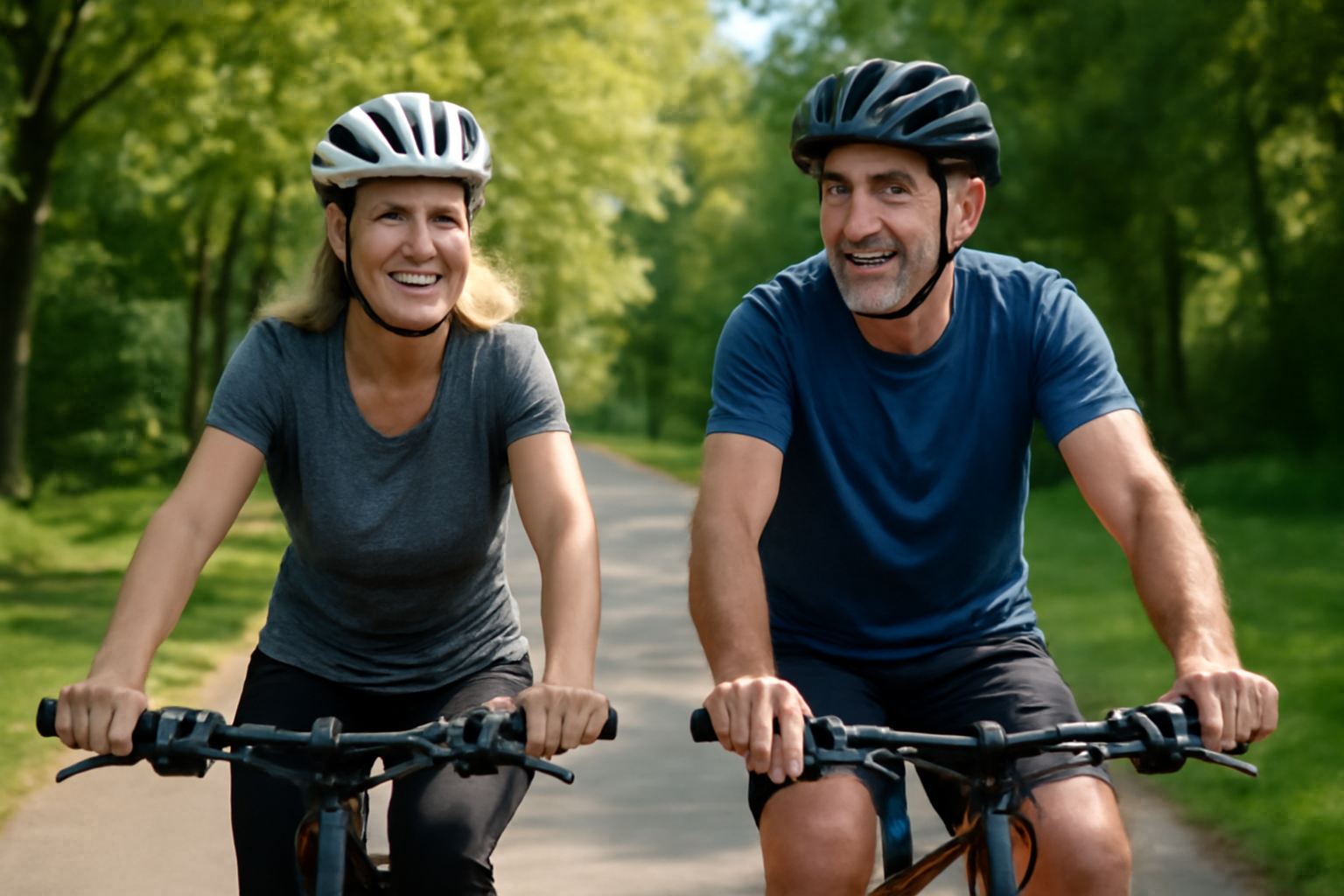
  • Functional Fitness After 50: Move Better, Live Stronger

    Functional Fitness After 50: Move Better, Live Stronger

    The exercises that help you carry groceries, climb stairs, and get up from the floor without pain — and how to start doing them today.

    Introduction

    Margaret, 63, had been hitting the treadmill three times a week for years. She looked fit. But when she tried to lift a heavy bag from an overhead bin during a flight, she pulled a muscle in her shoulder. "I thought I was in shape," she told her physical therapist. "Turns out I was fit for the gym — but not for real life."

    Margaret’s story is more common than most people realize. According to the CDC, adults over 50 are among the fastest-growing segments of the US population, and physical function — the ability to perform everyday activities without pain or limitation — is one of the strongest predictors of long-term health and independence.

    Functional fitness is an approach to exercise specifically designed to train your body for real-life movements: bending, reaching, pushing, pulling, twisting, and carrying. It’s not about lifting the heaviest weight or running the fastest mile. It’s about building the strength, balance, and mobility that make daily life easier and safer.

    In this guide, you’ll learn what functional fitness is, why it matters so much after 50, and how to build a safe, effective routine — even if you haven’t exercised in years.

    What Is Functional Fitness?

    Functional fitness refers to exercise that trains your muscles and joints to work together in ways that mirror real-world movements. Rather than isolating a single muscle on a machine, functional training uses compound movements — exercises that recruit multiple muscle groups simultaneously.

    Think about what you do every day: getting up from a chair, picking something up off the floor, pushing open a heavy door, carrying a laundry basket. Each of these actions requires coordination, balance, and strength from several body parts working in sync. Functional fitness trains exactly those patterns.

    According to the National Institute on Aging (NIA), a branch of the NIH, maintaining physical function is a primary goal of healthy aging — and functional movement training is one of the most evidence-supported ways to achieve it.

    This approach is especially powerful for adults over 50 because it simultaneously addresses the four pillars of physical health that tend to decline with age: strength, balance, flexibility, and endurance.

    Why Functional Fitness Matters More After 50

    Starting around age 30, adults begin losing muscle mass at a rate of approximately 3 to 5 percent per decade — a process called sarcopenia. After 50, that loss can accelerate if not actively countered through resistance-based movement.

    The consequences go far beyond aesthetics. Loss of muscle and functional strength is directly linked to increased fall risk, reduced mobility, greater dependence on others, and higher rates of chronic disease. The CDC reports that falls are the leading cause of injury-related death among Americans over 65, with 3 million older adults treated in emergency departments for fall injuries each year.

    Functional fitness addresses this risk at its root. By training the muscles and movement patterns that stabilize the body during daily activities, it builds the kind of resilience that keeps you independent, confident, and mobile well into your later decades.

    Research published in the Journal of Aging and Physical Activity found that older adults who engaged in functional resistance training showed significant improvements in walking speed, balance, and self-reported quality of life compared to those doing traditional machine-based exercise. This variation in outcomes is well-documented — individual results depend on baseline fitness, health conditions, and consistency.

    Key Functional Movement Patterns to Train

    Functional fitness is built around six foundational movement patterns. Training all six ensures your body is prepared for the full range of activities daily life demands.

    1. Squat (sitting and standing)
    The squat pattern mirrors getting up from a chair or a toilet. It trains your quadriceps, glutes, hamstrings, and core. For beginners, a chair squat — standing up from a seated position and slowly lowering back down — is a safe, effective starting point.

    2. Hinge (bending forward)
    The hip hinge mimics picking something up off the floor or loading the dishwasher. It trains the posterior chain — the glutes, hamstrings, and lower back. A Romanian deadlift with light dumbbells or a resistance band is a classic hinge exercise that most adults can learn safely.

    3. Push (pushing away from the body)
    Pushing movements train the chest, shoulders, and triceps. Wall push-ups or tabletop push-ups are excellent low-impact starting points for adults who haven’t trained upper body strength in a while.

    4. Pull (pulling toward the body)
    Pulling trains the upper back, biceps, and rear shoulders — muscles critical for posture and carrying. Resistance band rows are an approachable, joint-friendly option. If you’re interested in band-based training, our guide on Resistance Band Workouts: Strength & Mobility for All Ages offers a detailed introduction.

    5. Carry (moving while holding a load)
    Farmer’s carries — simply walking while holding a weight in each hand — build grip strength, core stability, and upright posture. They train the body exactly as grocery shopping does.

    6. Rotation (twisting)
    Rotational movements train the obliques and thoracic spine, preparing you for tasks like reaching across your body or looking over your shoulder while driving. Standing torso rotations with a light medicine ball or just bodyweight are safe starting points.

    A Sample Functional Fitness Routine for Adults Over 50

    Clinical evidence suggests that most adults over 50 benefit from at least two to three days of strength-focused functional training per week, with rest days or gentle movement — like walking or stretching — in between. The American College of Sports Medicine (ACSM) recommends that older adults perform muscle-strengthening activities on two or more days per week.

    Here is a beginner-to-intermediate weekly structure:

    Day 1 — Lower Body & Core Stability

    • Chair squats: 3 sets of 10–12 reps
    • Romanian deadlift with dumbbells or band: 3 sets of 10 reps
    • Standing calf raises: 3 sets of 15 reps
    • Dead bug (core stability): 3 sets of 8 reps per side
    • Side-lying hip abduction: 2 sets of 12 reps per side

    Day 2 — Upper Body & Posture

    • Wall push-ups or incline push-ups: 3 sets of 10–12 reps
    • Resistance band rows: 3 sets of 12 reps
    • Band pull-aparts: 3 sets of 15 reps
    • Overhead reach with band: 3 sets of 10 reps
    • Farmer’s carry: 3 rounds of 30 steps

    Day 3 — Balance, Mobility & Full-Body Integration

    • Single-leg stance: 3 sets of 30 seconds per side
    • Step-ups onto a low platform: 3 sets of 10 reps per leg
    • Lateral band walks: 3 sets of 12 steps per direction
    • Standing torso rotations: 3 sets of 10 per side
    • Hip flexor stretch (kneeling or standing): 2 sets of 30 seconds per side

    Always warm up for 5 to 10 minutes with gentle walking or light movement before beginning any strength work. Cool down with static stretching, focusing on the muscle groups you trained. If you’re also interested in structured low-impact options to complement this routine, you may find our article on Water Aerobics After 50: Benefits, Safety & How to Start a useful pairing for cardiovascular fitness.

    Safety: What to Know Before You Start

    Functional fitness is designed to be accessible — but that doesn’t mean it’s completely without risk, especially if you have existing health conditions. Research suggests that most exercise-related injuries in older adults result not from exercise itself, but from doing too much, too soon, without proper form.

    Here are the most important safety principles for adults over 50 starting a functional fitness program:

    • Get medical clearance first. If you have cardiovascular disease, osteoporosis, joint replacement, or uncontrolled hypertension, consult your physician before beginning a new exercise routine. Most doctors strongly support functional training — but your specific health history matters.
    • Start with bodyweight or very light resistance. Mastering movement form before adding load protects your joints and reduces injury risk significantly.
    • Prioritize form over speed or weight. Slow, controlled repetitions are more effective and far safer than rushing through exercises.
    • Listen to pain signals. Muscle fatigue is expected. Sharp, joint, or radiating pain is a warning sign to stop and evaluate.
    • Rest and recover. Muscle repair happens during rest. Adequate sleep supports your training outcomes — something our guide on Better Sleep After 50: Causes, Tips & When to See a Doctor covers in depth.
    • Consider working with a certified personal trainer or physical therapist at least initially. A professional can assess your movement quality and correct imbalances before they lead to injury.

    When to Call Your Doctor or Seek Emergency Care

    Most functional fitness discomforts — mild muscle soreness, slight fatigue, minor stiffness — are normal and resolve within 24 to 72 hours. However, some symptoms during or after exercise require immediate attention.

    Seek emergency care immediately if you experience:

    • Chest pain, pressure, or tightness during or after exercise
    • Severe shortness of breath that doesn’t resolve quickly with rest
    • Dizziness, lightheadedness, or fainting
    • Heart palpitations or an irregular, racing heartbeat
    • Sudden, severe joint or muscle pain (which may indicate a tear or fracture)
    • Numbness, tingling, or weakness radiating down an arm or leg

    Schedule a non-emergency appointment with your doctor if you notice:

    • Joint swelling that persists more than 48 hours after exercise
    • Persistent pain that worsens over multiple training sessions
    • Unusual fatigue that doesn’t improve with rest
    • Any new symptom that concerns you, even if it seems minor

    The American Heart Association recommends that adults with known cardiovascular risk factors discuss their exercise plans with a physician before significantly increasing activity intensity.

    Frequently Asked Questions

    Q: Is functional fitness the same as physical therapy?
    A: They share many exercises and principles, but they’re not the same. Physical therapy is a medically supervised rehabilitation process for specific injuries or conditions. Functional fitness is a preventive and performance-based training approach for generally healthy adults. That said, many physical therapists incorporate functional movement principles into their programs — and many people transition from PT to functional fitness training after recovering from an injury.

    Q: How soon will I see results from functional fitness training?
    A: This varies from person to person, but clinical evidence suggests that most adults begin noticing improvements in strength, balance, and daily ease of movement within four to eight weeks of consistent training. Neurological adaptations — how efficiently your brain coordinates movement — can occur even faster, often within the first two to three weeks.

    Q: Can I do functional fitness if I have osteoporosis?
    A: Research suggests that weight-bearing and resistance exercise can be beneficial for bone density, even in people with osteoporosis. However, certain movements — such as deep forward bends or high-impact jumps — may need to be modified or avoided. A physician or physical therapist familiar with osteoporosis should guide your specific program before you begin.

    Q: Do I need any equipment to start?
    A: No. Many of the most effective functional exercises require only your bodyweight — chair squats, wall push-ups, single-leg stands, and farmer’s carries with household objects. As you progress, a pair of light dumbbells and one or two resistance bands significantly expand your options at minimal cost.

    Q: How does functional fitness compare to yoga or Pilates?
    A: All three approaches complement each other well. Functional fitness emphasizes strength and movement pattern training. Yoga targets flexibility, breath, and mind-body connection. Pilates focuses on deep core stability and postural alignment. For many adults over 50, combining functional fitness with yoga or Pilates — on alternating days — offers the broadest physical benefits. Our articles on Yoga for Adults Over 40 and Pilates After 40: Core Strength, Posture & Pain Relief explore those approaches in detail.

    Conclusion

    Functional fitness isn’t a trend — it’s a smarter way to think about what exercise is actually for. After 50, the goal isn’t just to look fit. It’s to feel capable, move confidently, and maintain the independence that makes life meaningful.

    The good news is that the research is clear: it’s never too late to start. Even adults who begin functional training in their 60s or 70s show meaningful improvements in strength, balance, and quality of life. You don’t need a gym membership or a complicated program. You need consistent, purposeful movement that prepares your body for the life you want to live.

    Talk to your doctor, start with what you can do today, and build from there. Your future self — the one who carries their own groceries, climbs stairs without holding the rail, and gets up from the floor with ease — will thank you.


    Medical Disclaimer: This article is for informational and educational purposes only. It does not constitute medical advice, diagnosis, or treatment. Always consult your physician or a qualified healthcare provider before making changes to your health routine or treatment plan.

    Medically reviewed by our editorial health team. Content follows evidence-based standards aligned with CDC and NIH guidelines.
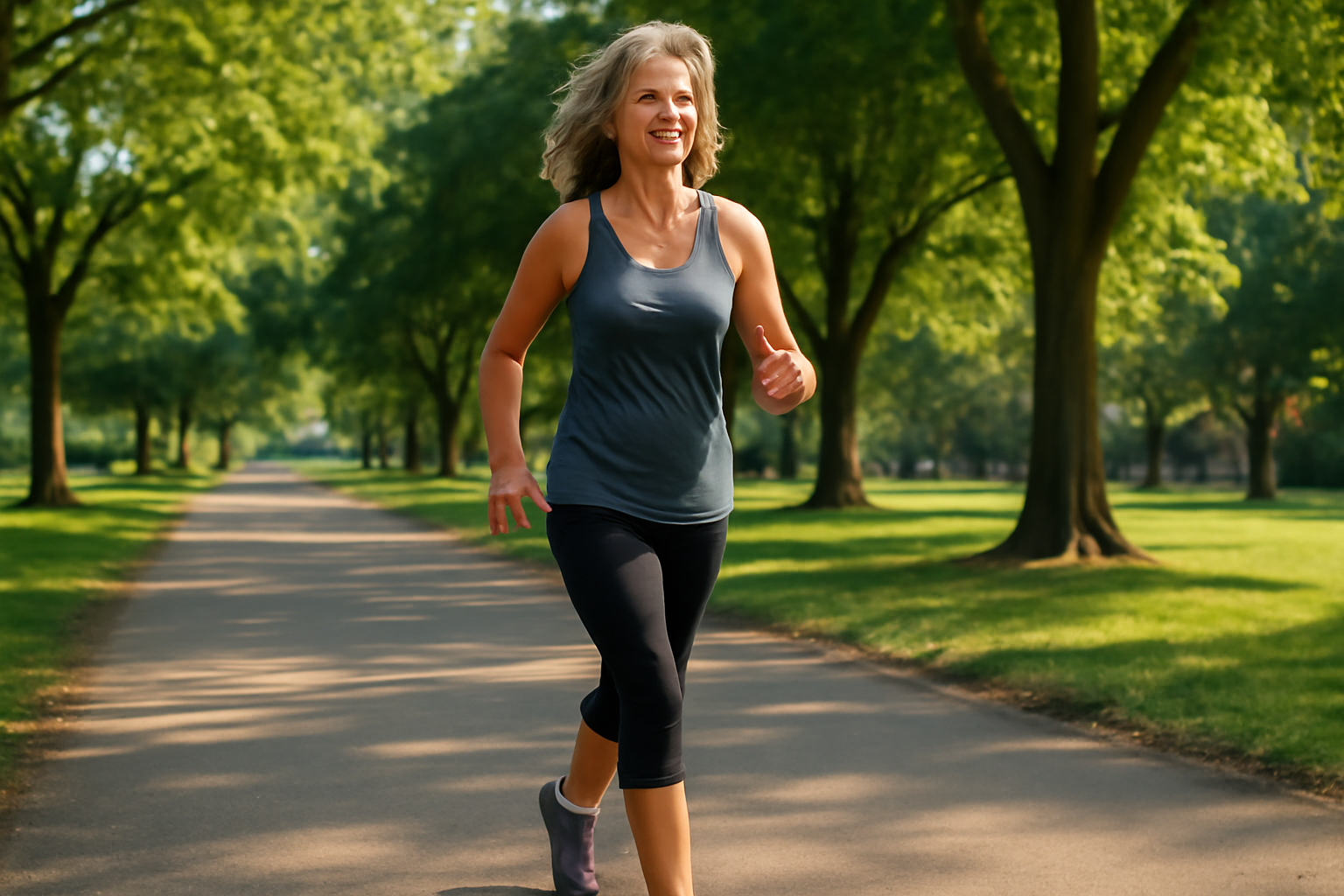
  • Cycling After 50: Benefits, Safety Tips & How to Start

    Cycling After 50: Benefits, Safety Tips & How to Start

    Cycling is one of the most joint-friendly, heart-strengthening, and mood-boosting exercises available to adults over 50 — and research confirms it can add quality years to your life.

    Consider Tom, 63, who had spent most of his adult life behind a desk. After his doctor flagged borderline high blood pressure and rising cholesterol at his annual checkup, Tom decided to dust off the old bicycle in his garage. Six months later, his blood pressure had dropped into a healthy range, he had lost 14 pounds, and — perhaps most importantly — he was sleeping better and feeling sharper at work.

    Tom’s story isn’t unusual. According to the CDC, fewer than 25% of American adults meet the recommended weekly guidelines for both aerobic and muscle-strengthening activity. For adults over 50, that gap grows even wider — and the consequences range from cardiovascular disease to cognitive decline.

    Cycling offers a compelling solution. Whether you prefer a road bike, a stationary cycle, or an e-bike, this guide will walk you through the proven health benefits of cycling after 50, how to ride safely with aging joints and bones, and exactly how to build a sustainable routine — even if you haven’t been on a bike in decades.

    What Makes Cycling Ideal for Adults Over 50?

    Cycling is classified as a low-impact aerobic exercise, meaning it elevates your heart rate and burns calories without the repetitive pounding stress associated with running or jumping. For adults over 50 — many of whom deal with arthritis, knee discomfort, or reduced bone density — this distinction matters enormously.

    Unlike walking, cycling also allows you to sustain a moderate-to-vigorous intensity for longer durations, which is where many of its cardiovascular and metabolic benefits accumulate. And because the saddle supports a significant portion of your body weight, your knees, hips, and ankles are spared the impact forces that often sideline older exercisers.

    A landmark study published in the Journal of the American Geriatrics Society found that regular cyclists in their 50s and 60s showed biological aging markers — including cardiovascular efficiency and muscle mass preservation — comparable to people 20 to 30 years younger. That is not a minor finding.

    Clinical evidence also indicates that cycling is accessible across a wide fitness spectrum. You can start at an easy, conversational pace and gradually increase intensity as your fitness improves. This scalability makes it one of the most beginner-friendly exercises for midlife and older adults.

    Health Benefits of Cycling After 50: What the Research Shows

    The benefits of regular cycling extend far beyond weight management. Here is what clinical research and major health institutions consistently identify:

    Cardiovascular health: The American Heart Association recommends at least 150 minutes of moderate-intensity aerobic activity per week for heart health. Cycling fits squarely within that recommendation. Research published in the European Heart Journal found that adults who cycled regularly had a significantly lower risk of cardiovascular events compared to non-cyclists, even after adjusting for other lifestyle factors.

    Blood pressure and cholesterol management: Regular moderate-intensity aerobic exercise — including cycling — is consistently associated with reductions in systolic blood pressure and improvements in HDL (“good”) cholesterol. The NIH notes that exercise-induced improvements in blood pressure can rival the effects of certain antihypertensive medications in mildly hypertensive adults, though this varies from person to person and should never be used to replace prescribed treatment without physician guidance.

    Weight and metabolic health: A 30-minute moderate cycling session can burn between 200 and 300 calories depending on your body weight and effort level. Over time, this caloric expenditure supports healthy weight maintenance — a critical factor for reducing the risk of type 2 diabetes, joint strain, and metabolic syndrome.

    Muscle strength and joint health: Cycling engages the quadriceps, hamstrings, glutes, and calves in a controlled, low-impact motion. For adults with knee osteoarthritis — a condition affecting more than 32 million Americans according to the CDC — cycling is frequently recommended by orthopedic specialists as a safe way to strengthen the muscles surrounding the knee without aggravating joint surfaces.

    Cognitive function and mental health: Research suggests that regular aerobic exercise increases blood flow to the brain and supports the production of brain-derived neurotrophic factor (BDNF), a protein linked to memory, learning, and mood regulation. A 2023 meta-analysis published in Neuroscience & Biobehavioral Reviews found that aerobic exercise — including cycling — was associated with meaningful reductions in symptoms of depression and anxiety in adults over 50.

    Balance and fall prevention: While cycling itself doesn’t train static balance the same way yoga or tai chi does, it does strengthen the lower body and improve proprioception (your body’s sense of position in space), both of which contribute to fall resistance. If fall prevention is a specific concern, consider pairing cycling with dedicated balance training after 50.

    Getting Started Safely: What You Need to Know First

    Before you clip in or push off, a few safety and preparation steps will help protect your health and make your experience more enjoyable from day one.

    See your doctor first. If you have been sedentary for more than six months, have a known cardiovascular condition, manage diabetes, or have orthopedic concerns, schedule a checkup before starting any new exercise program. Your physician can help identify any contraindications and may suggest a cardiac stress test or musculoskeletal evaluation.

    Choose the right bike for your body:

    • Road bikes — best for distance and speed, but the forward-lean position can stress the lower back and wrists
    • Hybrid bikes — a versatile middle ground with a more upright posture; ideal for most beginners over 50
    • Recumbent bikes — seated in a reclined chair-like position; excellent for people with lower back pain or balance concerns
    • Stationary bikes — indoor cycling with zero traffic risk; a great starting point for deconditioned adults
    • E-bikes — electric-assist bikes allow you to cover more distance with less exertion; research suggests e-bike riders still achieve meaningful aerobic benefit and are significantly more likely to ride consistently

    Get a proper bike fit. An improperly fitted bike is one of the most common causes of cycling-related pain and injury. Most local bike shops offer fitting services. Key adjustments include seat height (your knee should have a slight bend at the bottom of the pedal stroke), handlebar height (upright enough to avoid neck strain), and reach (you should not feel cramped or overstretched).

    Wear a helmet — every single ride. The CDC reports that head injuries account for the majority of cycling fatalities in the US. A properly fitted helmet reduces the risk of serious head injury by up to 85%, according to the Insurance Institute for Highway Safety.

    Other essential gear:

    • Padded cycling shorts to reduce saddle discomfort
    • Bright or reflective clothing for visibility
    • Lights (front and rear) for low-light conditions
    • A water bottle or hydration pack — dehydration risk increases with age
    • Sunscreen — UV exposure during outdoor rides is cumulative and significant

    How to Build a Cycling Routine After 50: A Week-by-Week Plan

    The most common mistake new cyclists make is doing too much too soon. Research on exercise adherence consistently shows that gradual progression reduces injury risk and dramatically improves long-term consistency.

    Most physicians and exercise physiologists recommend using the Rate of Perceived Exertion (RPE) scale rather than obsessing over speed or mileage when starting out. On a scale of 1 to 10, aim for a 5-6 (moderate effort — you can speak in short sentences but not hold a full conversation).

    Weeks 1–2: Foundation

    • 3 rides per week, 15–20 minutes each
    • Flat terrain or stationary bike at low resistance
    • RPE: 4–5 (light to moderate effort)
    • Focus on form, breathing, and getting comfortable in the saddle

    Weeks 3–4: Building Endurance

    • 3–4 rides per week, 20–30 minutes each
    • Introduce gentle rolling terrain if outdoors
    • RPE: 5–6 (moderate effort)
    • Add a 5-minute warm-up and cool-down at low intensity

    Weeks 5–8: Progressive Aerobic Base

    • 4 rides per week, 30–45 minutes each
    • One longer ride per week (45–60 minutes at easy pace)
    • RPE: 5–7; one ride per week at 7 (vigorous effort)
    • Begin incorporating light hills or increased resistance

    Month 3 and Beyond: Maintenance and Variety

    • Aim for 150–300 minutes of moderate cycling per week (consistent with AHA guidelines)
    • Mix intensity levels: two moderate rides, one easy recovery ride, one slightly harder effort
    • Consider joining a local cycling club for social motivation and route variety

    Complement your cycling with core training after 40 to strengthen the stabilizing muscles that support your spine and pelvis during rides. And on recovery days, incorporating low-impact cross-training exercises like swimming or walking can maintain your aerobic base without fatiguing the same muscle groups.

    Common Cycling Injuries After 50 — And How to Prevent Them

    Most cycling-related discomfort is preventable with proper setup, technique, and progression. Here are the most frequent issues and evidence-based prevention strategies:

    Knee pain: Often caused by a saddle that is too low (forces the knee into excessive flexion) or too high (causes overextension). Raise or lower the seat in small increments and consult a bike fitter. Strengthening the quadriceps and glutes also reduces knee loading during the pedal stroke.

    Lower back pain: Typically results from excessive forward lean, tight hamstrings, or weak core muscles. Raising the handlebars, reducing ride duration initially, and adding targeted core exercises can resolve most cases.

    Saddle soreness: Almost universal among new cyclists. Padded shorts, a properly contoured saddle, and chamois cream reduce friction. Most saddle discomfort resolves within the first 2–3 weeks as tissues adapt.

    Hand and wrist numbness: Caused by excessive weight on the handlebars or gripping too tightly. Padded gloves, ergonomic grips, and adjusting handlebar height typically resolve this issue.

    Overuse injuries: Tendons and connective tissue take longer to adapt than cardiovascular fitness in adults over 50. Avoid increasing weekly mileage by more than 10% per week — a widely cited guideline in sports medicine.

    When to See Your Doctor: Red Flags While Cycling

    Most exercise-related sensations are normal — mild muscle fatigue, slightly elevated heart rate, temporary breathlessness. But certain symptoms require immediate attention and should never be dismissed as “just exercise.”

    Stop riding and call 911 immediately if you experience:

    • Chest pain, pressure, or tightness during or after a ride
    • Pain radiating to the jaw, left arm, or upper back
    • Sudden severe shortness of breath disproportionate to your effort level
    • Heart palpitations that feel irregular, rapid, or accompanied by dizziness
    • Fainting or near-fainting (syncope)
    • Sudden, severe joint pain with swelling — this may indicate an acute injury

    Schedule a doctor’s appointment if you notice:

    • Persistent knee, hip, or lower back pain lasting more than a week despite rest
    • Numbness or tingling in the hands or feet that does not resolve post-ride
    • Unusual fatigue that worsens over multiple weeks of training
    • Any new or unexplained symptom that concerns you

    Always tell your doctor you have started a cycling routine. This context helps them interpret any new symptoms accurately and can guide adjustments to medications (some blood pressure medications, for example, can affect heart rate response during exercise).

    Frequently Asked Questions About Cycling After 50

    Is cycling safe if I have knee arthritis?
    For most people with knee osteoarthritis, cycling is not only safe but actively recommended by rheumatologists and orthopedic specialists. The low-impact, circular pedaling motion lubricates the joint and strengthens surrounding muscles without the compressive forces of running or stair-climbing. This varies from person to person, so consult your physician before starting — especially if arthritis is moderate to severe.

    How many days per week should I cycle to see results?
    Research suggests that 3–4 days per week of moderate cycling is sufficient to produce meaningful cardiovascular, metabolic, and mental health improvements. Consistency over months matters more than any single week of high volume.

    Can cycling help with weight loss after 50?
    Clinical evidence indicates that cycling contributes to a caloric deficit necessary for weight loss, especially when combined with a nutritious diet. However, weight loss after 50 typically progresses more slowly due to hormonal and metabolic changes. Most experts recommend focusing on fitness improvements — energy, strength, cardiovascular markers — rather than scale weight alone.

    Is an e-bike a “real” workout?
    Yes. A 2019 study published in Transportation Research Interdisciplinary Perspectives found that e-bike riders achieved heart rates in the moderate-intensity zone during typical commutes and recreational rides. E-bikes also dramatically increase the likelihood that older or deconditioned adults will ride consistently — which is ultimately the most important variable for health outcomes.

    What if I haven’t ridden a bike in 20 years?
    Motor memory for cycling is remarkably durable — the saying “it’s like riding a bike” is backed by neuroscience. Starting on a stationary bike eliminates balance and traffic concerns entirely while you rebuild confidence and fitness. Most people transition to outdoor cycling within a few weeks of indoor training.

    Conclusion: Your Wheels, Your Health

    Cycling after 50 is not about racing or recapturing your youth. It is about giving your heart, joints, muscles, and mind a sustainable, evidence-backed tool for feeling better — today and for the decades ahead.

    The research is clear: regular cycling reduces cardiovascular risk, supports healthy weight, protects joint function, and improves mood and cognitive function. And unlike many fitness activities, it adapts to where you are right now — whether that means a 15-minute stationary bike session or a 45-minute trail ride on a Sunday morning.

    Start where you are, progress gradually, and make sure your doctor is part of the conversation. The best workout is always the one you can do consistently — and for millions of Americans over 50, cycling is exactly that.

    This article is for informational and educational purposes only. It does not constitute medical advice, diagnosis, or treatment. Always consult your physician or a qualified healthcare provider before making changes to your health routine or treatment plan.

    Medically reviewed by our editorial health team. Content follows evidence-based standards aligned with CDC and NIH guidelines.
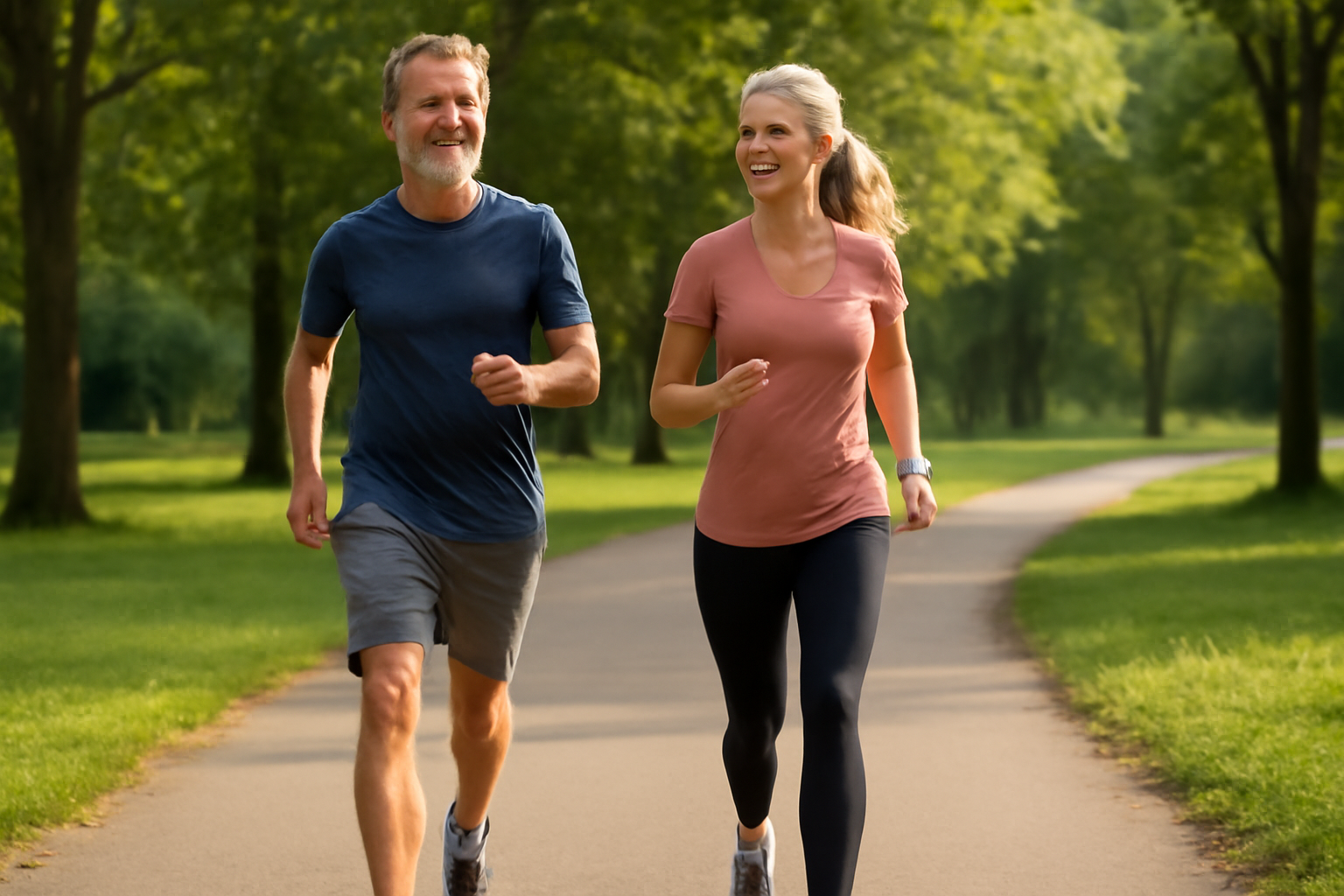
  • Walking for Fitness After 50: Benefits and How to Start

    Walking for Fitness After 50: Benefits and How to Start

    Walking for Fitness After 50: Benefits and How to Start

    One of the most underrated yet clinically proven forms of exercise may already be part of your daily routine — and doing it consistently could add years to your life.

    Introduction

    Margaret, 63, had tried the gym, signed up for a yoga class, and even borrowed her daughter’s stationary bike. Nothing stuck. But when her cardiologist told her to start walking 30 minutes a day after a borderline cholesterol reading, something clicked. Within six months, she had lost 14 pounds, her blood pressure had dropped, and she was sleeping better than she had in a decade.

    Margaret’s story is more common than you might think. According to the CDC, only about 28% of Americans aged 50 and older meet the recommended physical activity guidelines — yet walking for fitness is one of the most accessible, low-cost, and evidence-backed ways to close that gap.

    In this guide, you’ll learn exactly why walking for fitness after 50 is so effective, what the science says about its health benefits, how to build a safe and sustainable routine, and when to consult your doctor before lacing up your sneakers.


    What Is Fitness Walking — and Why Does It Matter After 50?

    Fitness walking — sometimes called brisk walking or purposeful walking — is defined as walking at a pace intentionally elevated above a casual stroll, typically between 2.5 and 4 miles per hour, with the primary goal of improving cardiovascular health, muscular endurance, and overall physical fitness.

    It’s not just a “light” activity. Research from the American Heart Association classifies brisk walking as moderate-intensity aerobic exercise, putting it in the same category as cycling on a level surface or water aerobics.

    Why does this matter especially after 50? Because your body changes in ways that make high-impact exercise riskier. Joint cartilage thins, bone density decreases, and recovery times lengthen. Walking delivers meaningful cardiovascular and metabolic benefits without the joint stress of running, jumping, or heavy lifting — making it the ideal entry point or long-term cornerstone of a fitness routine for adults in their 50s, 60s, and 70s.

    According to the NIH, regular walking can reduce the risk of heart disease, type 2 diabetes, osteoporosis, depression, and certain cancers. It’s one of the few interventions that delivers this breadth of benefit with minimal equipment and almost no financial barrier.


    Health Benefits of Walking After 50: What the Research Shows

    The clinical evidence supporting walking as a fitness tool for older adults is robust and growing. Here’s what current research indicates across several key health domains.

    Cardiovascular Health

    A landmark study published in the New England Journal of Medicine found that adults who walked at least 150 minutes per week had a 30% lower risk of cardiovascular events compared to sedentary peers. The American Heart Association echoes this, recommending 150 minutes of moderate-intensity aerobic activity — such as brisk walking — per week for adults.

    Regular walking helps lower LDL (“bad”) cholesterol, raise HDL (“good”) cholesterol, and reduce resting blood pressure, all of which are critical for heart health after 50.

    Blood Sugar and Metabolic Health

    Clinical evidence from the American Diabetes Association suggests that walking after meals — even for just 10 to 15 minutes — can significantly reduce post-meal blood sugar spikes in adults with or at risk for type 2 diabetes. A 2022 meta-analysis in Sports Medicine confirmed that short walks after eating were more effective at managing glucose than a single longer walk at another time of day.

    Bone Density and Joint Health

    Weight-bearing exercise like walking stimulates bone remodeling and may help slow bone loss associated with aging and osteoporosis. The National Osteoporosis Foundation notes that walking is one of the recommended weight-bearing activities to support bone health in adults over 50.

    Importantly, walking also strengthens the muscles around joints — particularly the knees and hips — reducing pain for many people with mild to moderate osteoarthritis. This varies from person to person, and individuals with severe joint conditions should consult their physician before starting.

    Mental Health and Cognitive Function

    Research suggests that regular aerobic walking is associated with reduced symptoms of depression and anxiety in older adults. A study from Harvard Health found that walking 35 minutes a day, five days a week, reduced depression risk by 26%.

    Even more compelling, a NIH-supported study found that older adults who walked regularly showed increased hippocampal volume — the brain region associated with memory — compared to sedentary peers, suggesting a protective effect against age-related cognitive decline.

    Weight Management

    A 45-minute brisk walk can burn approximately 200 to 300 calories depending on your body weight and pace. Combined with modest dietary adjustments, this can create a meaningful caloric deficit over time. Clinical evidence indicates that walking programs are one of the most sustainable long-term weight management strategies for adults over 50.


    Signs You’re Ready — and Red Flags to Watch For

    Most healthy adults over 50 can begin a walking program without special medical clearance. However, it’s important to pay attention to how your body responds, especially if you’re sedentary or managing a chronic condition.

    Signs you’re doing well:

    • You can hold a conversation while walking (the “talk test”)
    • Mild breathlessness but you’re not gasping
    • Mild muscle fatigue in legs after a session
    • You feel energized, not exhausted, within an hour of finishing

    Red flags — stop and seek medical attention if you experience:

    • Chest pain, pressure, or tightness during or after walking
    • Shortness of breath that feels disproportionate to your effort
    • Dizziness, lightheadedness, or near-fainting
    • Sudden sharp joint or bone pain (not typical muscle soreness)
    • Heart palpitations or irregular heartbeat
    • Leg pain, cramping, or numbness that worsens with activity (may indicate peripheral artery disease)

    If any of these occur, stop immediately and contact your doctor or call 911 in an emergency. These symptoms should never be dismissed as “just getting older.”


    How to Build a Walking Routine After 50: A Step-by-Step Plan

    One of the biggest mistakes adults make when starting a fitness walking program is doing too much too soon. A gradual, progressive approach is not only safer — research suggests it leads to better long-term adherence.

    Week 1-2: Establish the Habit

    Start with 15 to 20 minutes of walking at a comfortable pace, three to four days per week. Focus on consistency over intensity. The goal here is simply to make walking a regular part of your schedule, not to push your limits.

    Week 3-4: Increase Duration

    Add five minutes to each session. If you’re walking 20 minutes comfortably, move to 25 minutes. Keep the same number of days per week. Listen to your body — mild soreness is normal; sharp or persistent pain is not.

    Week 5-8: Add Intensity

    Once you can walk for 30 minutes comfortably, begin introducing short bursts of brisker walking. Walk at a moderate pace for four minutes, then speed up to a brisk pace for one minute, and repeat. This interval approach is supported by research from the Mayo Clinic as a way to boost cardiovascular adaptation without high-impact stress.

    Ongoing: Aim for 150+ Minutes Per Week

    Work toward meeting the CDC’s recommendation of at least 150 minutes of moderate-intensity aerobic activity weekly. This can be broken into five 30-minute sessions — or even ten 15-minute walks spread throughout the week. Current evidence suggests that accumulated short walks throughout the day are just as beneficial as one long session.

    Practical Tips to Stay Consistent

    • Wear supportive footwear. Invest in walking shoes with good arch support and cushioning. Your joints will thank you.
    • Warm up and cool down. Start each session with five minutes at a slower pace, and end with gentle stretching. For more on this, see our guide on Flexibility & Mobility Training: The Complete Guide for Adults 40+.
    • Hydrate before and after. Older adults are more susceptible to dehydration. Drink water even if you don’t feel thirsty.
    • Track your progress. A simple pedometer or smartphone app can provide motivation and data. Aiming for 7,000 to 10,000 steps per day is a widely cited benchmark.
    • Walk with a partner. Social walking increases accountability and enjoyment, which research from Johns Hopkins links to higher long-term adherence.
    • Vary your route. Mental engagement matters. Changing scenery reduces monotony and keeps you motivated.

    Walking vs. Other Exercises After 50: How It Fits In

    Walking is powerful, but it’s most effective as part of a well-rounded fitness approach. Most physicians and exercise physiologists recommend combining aerobic activity like walking with strength training and flexibility work for optimal health outcomes after 50.

    If you’re curious about complementary approaches, our articles on Strength Training After 50: Complete Guide to Safe Gains and Cardio After 50: Best Exercises for Heart Health offer detailed evidence-based guidance.

    That said, for adults who are just beginning their fitness journey, or those with joint issues, chronic conditions, or significant deconditioning, walking is often the ideal starting point. It builds an aerobic base, improves cardiovascular function, and enhances muscular endurance — all of which make other forms of exercise safer and more effective over time.


    Special Considerations: Walking With Chronic Conditions

    If you’re managing a chronic condition, walking may still be appropriate — and in many cases, highly beneficial — but individualized guidance from your healthcare provider is essential.

    Heart disease: Many cardiac rehabilitation programs are built around walking. Most physicians recommend it, but your target heart rate zone and intensity will need to be tailored to your specific condition and medications.

    Type 2 diabetes: Walking after meals is a clinically recognized strategy for glycemic control. The ADA recommends discussing exercise timing and blood sugar monitoring with your care team, especially if you take insulin or glucose-lowering medications.

    Osteoarthritis: Clinical evidence from the Arthritis Foundation indicates that walking actually reduces joint pain and stiffness for most people with mild to moderate osteoarthritis. Start slow, choose soft surfaces when possible, and consider walking poles for added stability and reduced knee impact.

    Hypertension: Regular brisk walking is a first-line lifestyle intervention for blood pressure management. Research suggests it can reduce systolic blood pressure by an average of 4 to 5 mmHg with consistent practice.

    Obesity: For adults with significant weight to lose, low-impact walking reduces injury risk compared to higher-intensity options. Even modest amounts of walking — 20 to 30 minutes daily — are associated with improvements in insulin sensitivity and metabolic markers independent of weight loss.


    When to Talk to Your Doctor Before Starting

    While walking is safe for most adults, certain situations warrant a medical conversation before you begin or intensify a routine.

    Consult your doctor first if you:

    • Have been diagnosed with heart disease, heart failure, or had a recent cardiac event
    • Have uncontrolled high blood pressure or blood sugar
    • Experience frequent dizziness or balance problems
    • Are recovering from surgery or a recent injury
    • Take medications that affect heart rate (such as beta-blockers) or cause dizziness
    • Have severe joint pain or a recent joint replacement
    • Have been sedentary for more than a year

    Your doctor can perform a basic fitness assessment, recommend a safe starting intensity, and flag any contraindications. In many cases, they’ll provide a green light with specific parameters — and many will be genuinely pleased that you’re asking.


    Frequently Asked Questions About Walking for Fitness After 50

    How much should I walk per day to lose weight after 50?
    Research suggests that 45 to 60 minutes of brisk walking most days of the week, combined with modest dietary changes, can support gradual, sustainable weight loss. Even 30 minutes daily offers meaningful metabolic benefits. Individual results vary based on starting weight, diet, and metabolism.

    Is walking enough exercise, or do I need to add strength training?
    Walking provides excellent cardiovascular and metabolic benefits, but most clinical guidelines — including those from the CDC and the American College of Sports Medicine — recommend combining aerobic exercise with muscle-strengthening activities at least twice per week for optimal health in adults over 50. Walking alone is a great start, but adding resistance training amplifies results.

    What’s the difference between regular walking and fitness walking?
    Fitness walking is intentionally brisk — typically 2.5 to 4 mph — with an upright posture, engaged core, and purposeful arm swing. It elevates your heart rate into a moderate-intensity zone (usually 50 to 70% of your maximum heart rate), distinguishing it from casual strolling, which provides fewer cardiovascular benefits.

    Can I walk every day, or do I need rest days?
    For most adults, moderate-intensity walking can be done daily without the recovery demands of high-intensity exercise. However, listening to your body matters. If you experience persistent joint pain or unusual fatigue, incorporating one or two rest days — or replacing a walk with gentle stretching — is appropriate.

    Does walking help with arthritis pain or make it worse?
    For most people with mild to moderate osteoarthritis, clinical evidence indicates that regular walking actually reduces pain and stiffness over time by lubricating joints, strengthening surrounding muscles, and improving circulation. Walking on softer surfaces and wearing supportive footwear can minimize discomfort. Always consult your physician if pain worsens.


    Conclusion

    Walking is not a “lesser” form of fitness — it’s one of the most clinically validated tools for improving cardiovascular health, managing weight, protecting bone density, and supporting mental well-being in adults over 50. The best part? You can start today, at whatever level of fitness you’re at.

    The key is consistency over intensity. A 20-minute walk done five days a week will deliver more long-term benefit than an occasional intense workout followed by weeks of inactivity. Build gradually, listen to your body, invest in good footwear, and don’t hesitate to bring your walking goals into your next doctor’s appointment.

    Your next step — literally — could be one of the most important decisions you make for your long-term health.


    Medical Disclaimer: This article is for informational and educational purposes only. It does not constitute medical advice, diagnosis, or treatment. Always consult your physician or a qualified healthcare provider before making changes to your health routine or treatment plan.

    Medically reviewed by our editorial health team. Content follows evidence-based standards aligned with CDC and NIH guidelines.
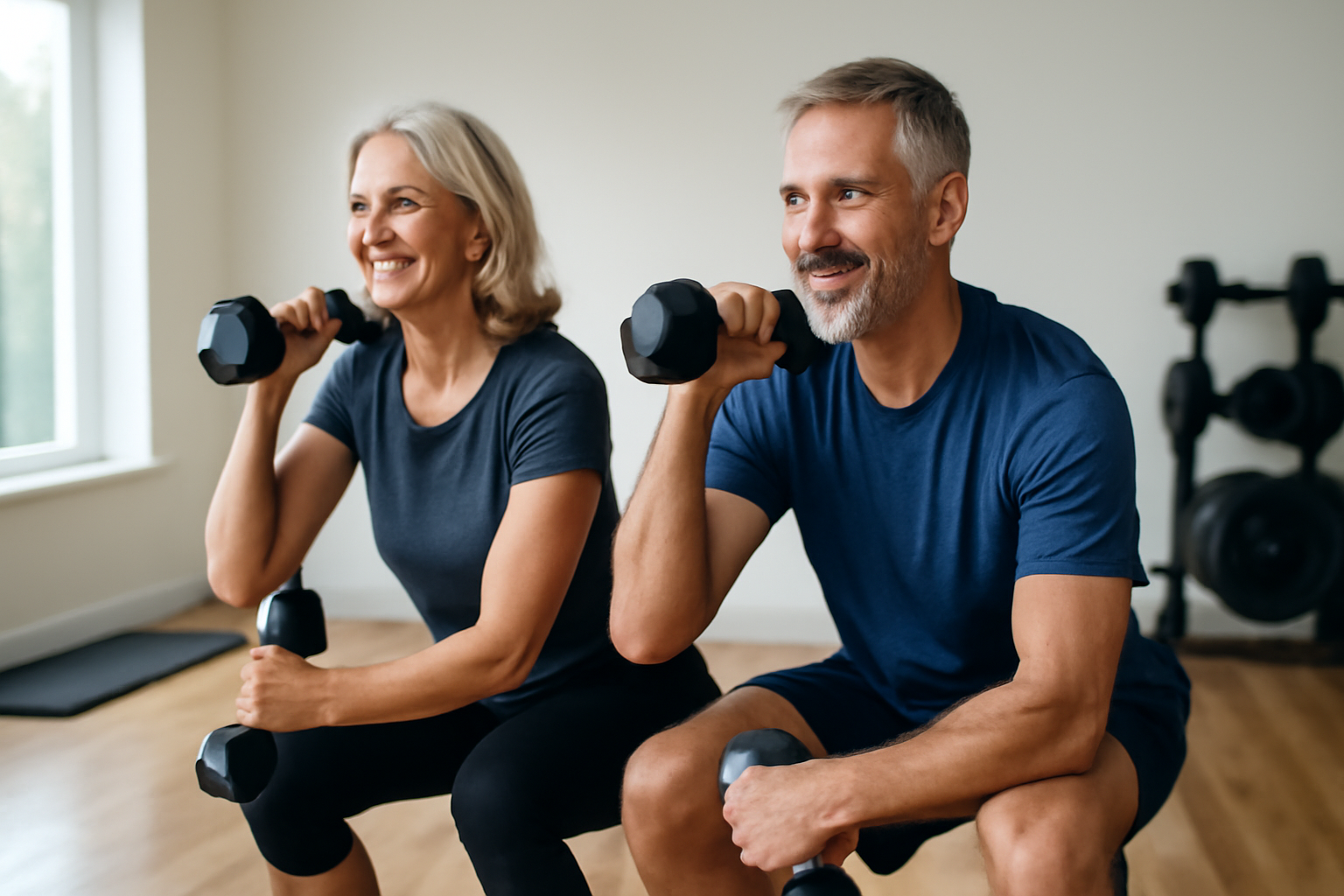
  • Cardio After 50: Best Exercises for Heart Health

    Cardio After 50: Best Exercises for Heart Health

    Your heart is a muscle — and like every other muscle in your body, it needs consistent, targeted work to stay strong as you age.

    James, 62, had always considered himself reasonably healthy. He walked the dog, mowed the lawn on weekends, and stayed away from fast food most of the time. But when his cardiologist told him his resting heart rate was too high and his cardiovascular fitness had declined significantly since his last checkup, he was caught off guard. “I thought staying active was enough,” he said. “Nobody told me there was a difference between being active and doing real cardio.”

    James’s experience is far from unusual. According to the American Heart Association, cardiovascular disease remains the leading cause of death in the United States, accounting for approximately one in every five deaths. And while your risk increases with age, the right approach to cardio exercise after 50 can meaningfully reduce that risk — sometimes dramatically.

    In this guide, you’ll learn exactly what cardio training means for adults over 50, which types of exercise are most effective, how to start safely, and how to build a sustainable routine that your heart — and your doctor — will appreciate.

    What Is Cardiovascular Exercise — And Why Does It Matter More After 50?

    Cardiovascular exercise, often called cardio or aerobic exercise, refers to any sustained physical activity that raises your heart rate and keeps it elevated for a period of time. Walking briskly, cycling, swimming, dancing, jogging, and rowing all qualify. The defining feature is that your heart and lungs are working harder to deliver oxygen to your working muscles.

    What changes after 50 is the urgency. As you age, your heart naturally becomes less efficient. The walls of your heart can stiffen slightly, your maximum heart rate decreases by roughly one beat per minute per year, and your blood vessels lose some of their elasticity. These changes are normal — but they’re also modifiable.

    Research published by the NIH has shown that adults who engage in regular aerobic exercise maintain significantly better cardiovascular function compared to sedentary peers of the same age. In some studies, fit older adults showed heart and vascular health markers comparable to people 20 to 30 years younger.

    This matters because cardiovascular disease doesn’t develop overnight. It builds over decades. The choices you make in your 50s and 60s have a direct, measurable impact on your heart health in your 70s and 80s.

    Signs Your Cardiovascular Fitness May Be Declining

    Many adults over 50 don’t realize their cardiovascular fitness has declined until they notice functional changes in everyday life. Here are the common early signs versus warning signs that require immediate attention.

    Early signs of declining cardiovascular fitness:

    • Getting winded climbing one or two flights of stairs
    • Noticeable breathlessness during activities that used to feel easy
    • Fatigue that sets in much earlier during physical tasks
    • Resting heart rate gradually creeping upward over time
    • Longer recovery time after mild exertion
    • Difficulty keeping up with grandchildren or younger friends during walks

    Red flags that require prompt medical evaluation:

    • Chest pain, pressure, tightness, or discomfort during or after exercise
    • Shortness of breath at rest or with minimal activity
    • Heart palpitations or an irregular heartbeat during exertion
    • Dizziness, lightheadedness, or fainting during physical activity
    • Swelling in the ankles or legs, especially if new or worsening

    A 2024 analysis published in the Journal of the American College of Cardiology found that low cardiorespiratory fitness — often measured by VO2 max, the maximum rate at which your body can use oxygen — is one of the strongest independent predictors of cardiovascular mortality in adults over 50. The good news: VO2 max is trainable at any age.

    Causes and Risk Factors That Make Cardio Even More Critical After 50

    Understanding what you’re up against helps you train smarter. Several biological and lifestyle factors converge after age 50 to increase cardiovascular risk.

    Age-related changes:

    • Arterial stiffening reduces the heart’s ability to pump blood efficiently
    • Declining estrogen levels in postmenopausal women sharply increase heart disease risk
    • Natural loss of muscle mass (sarcopenia) slows metabolism and raises cardiac workload
    • Reduced sensitivity to insulin increases risk of type 2 diabetes, a major cardiovascular risk factor

    Lifestyle-related risk factors:

    • Physical inactivity — the CDC reports that only 28% of American adults meet recommended aerobic activity guidelines
    • Excess body weight, particularly abdominal fat, which increases inflammatory burden on the heart
    • Chronic stress elevating cortisol levels and blood pressure
    • Poor sleep quality, which is associated with increased inflammation and hypertension
    • Smoking history, even if you quit years ago

    The compounding effect of these factors is why regular cardio training isn’t optional after 50 — it’s one of the most powerful interventions available outside of prescription medication. Research from Harvard Health has shown that moderate aerobic exercise can lower blood pressure, improve cholesterol levels, reduce blood sugar, and cut the overall risk of cardiovascular events by 30 to 40 percent.

    Getting a Proper Assessment Before You Start

    Before launching into a new cardio program after 50, a medical evaluation is not just advisable — it’s strongly recommended by most cardiologists and sports medicine physicians.

    What your doctor may evaluate:

    • Resting blood pressure and heart rate
    • Lipid panel (total cholesterol, LDL, HDL, triglycerides)
    • Fasting blood glucose and HbA1c (a measure of blood sugar over time)
    • Body mass index and waist circumference
    • Electrocardiogram (ECG) to check for any underlying heart rhythm abnormalities
    • Possibly a stress test if you have known risk factors or symptoms

    This baseline assessment gives you and your physician a clear picture of where your cardiovascular health stands — and helps identify any conditions that might require modifications to your exercise plan. For example, adults with uncontrolled hypertension may need to start at a lower intensity than their age-matched peers with normal blood pressure.

    If you have already started strength training after 50, share that information with your doctor as well. Combining resistance training with aerobic exercise offers compounding cardiovascular benefits, but your physician should know the full picture of your activity level.

    The Best Cardio Exercises for Adults Over 50

    The best cardio exercise for you is the one you’ll actually do consistently. That said, clinical evidence points to specific modalities that are both highly effective and joint-friendly for adults in this age group.

    1. Brisk Walking
    Don’t underestimate walking. A landmark study published in the New England Journal of Medicine found that walking at least 30 minutes five days per week was associated with a 30% reduction in cardiovascular events. It’s low-impact, accessible, and scalable as your fitness improves.

    2. Cycling (Outdoor or Stationary)
    Cycling is exceptional for cardiovascular fitness with minimal joint stress. Stationary bikes are particularly useful in winter months or for those with knee pain. Research suggests that regular cycling improves insulin sensitivity and lowers LDL cholesterol.

    3. Swimming and Water Aerobics
    The buoyancy of water reduces pressure on joints by up to 90%, making aquatic exercise ideal for adults managing arthritis, back pain, or previous injuries. The resistance of water simultaneously builds muscular endurance. The CDC specifically highlights water aerobics as one of the top exercise options for older adults.

    4. Rowing (Machine)
    Rowing engages approximately 86% of the body’s muscle groups while providing vigorous cardiovascular stimulus. When performed with proper technique, it places relatively low stress on the knees. Clinical evidence indicates rowing can significantly improve VO2 max in adults over 50.

    5. Zone 2 Training
    This is a specific approach — not a single exercise — gaining considerable attention in sports medicine. Zone 2 refers to exercising at a pace where you can hold a conversation but feel a definite cardiovascular effort (roughly 60-70% of your maximum heart rate). Research from institutions including Stanford Medicine suggests that Zone 2 training is particularly effective at improving mitochondrial function and metabolic health in older adults.

    6. Low-Impact Aerobics and Dance Classes
    Group fitness classes specifically designed for adults over 50 combine cardiovascular training with balance and coordination benefits. The social component also supports mental health — an often-overlooked dimension of heart health.

    What about high-intensity interval training (HIIT)?
    HIIT — short bursts of intense effort alternating with recovery periods — has strong evidence behind it. However, clinical evidence indicates it should be introduced gradually and only after a baseline of aerobic fitness is established. Most physicians recommend starting with low-to-moderate intensity before adding interval work. This approach is especially important for adults who have been sedentary or have any cardiovascular risk factors.

    Building a Safe, Effective Cardio Routine After 50

    The American Heart Association recommends that adults get at least 150 minutes of moderate-intensity aerobic activity or 75 minutes of vigorous aerobic activity per week. For adults over 50 who are also managing weight or cardiovascular risk, many cardiologists suggest working toward 200-300 minutes of moderate activity weekly.

    A practical 4-week starter framework:

    • Week 1-2: Three sessions per week, 20-25 minutes each at a conversational pace (Zone 2). Focus on consistency, not intensity.
    • Week 3-4: Add a fourth session. Extend two sessions to 30-35 minutes. Introduce one slightly faster-paced interval within each walk or ride.
    • Month 2 onward: Work toward four to five sessions weekly, 30-45 minutes each, with one session incorporating light interval work.

    Key training principles for adults over 50:

    • Always warm up for 5-10 minutes with gentle movement before increasing intensity
    • Cool down and stretch for at least 5 minutes after every session
    • Monitor your rate of perceived exertion (RPE) — you should feel challenged but able to hold a brief conversation
    • Allow at least one full rest day between more intense sessions
    • Hydrate before, during, and after exercise — older adults are more prone to dehydration

    If you are also incorporating resistance training — which complements cardio beautifully — you may find this resource on strength training after 40 helpful for structuring a balanced weekly routine.

    Living Well With a Heart-Healthy Cardio Practice

    Cardio training works best as part of a broader cardiovascular health strategy. Here’s how to stack the benefits:

    Nutrition: Clinical evidence supports a Mediterranean-style diet — rich in vegetables, fruits, whole grains, legumes, fish, and healthy fats — as one of the most effective dietary patterns for reducing cardiovascular risk. The American Heart Association endorses this approach.

    Sleep: Research published in the journal Circulation found that adults who sleep fewer than six hours per night have significantly higher rates of cardiovascular events. Prioritizing seven to nine hours of quality sleep amplifies the benefits of your cardio training.

    Stress management: Chronic psychological stress raises cortisol and adrenaline levels, contributing to hypertension and arterial inflammation. Mindfulness-based practices, including meditation and yoga, have clinical evidence supporting their role in improving heart rate variability and blood pressure — both meaningful cardiovascular markers.

    Consistency over intensity: Long-term studies consistently show that moderate, consistent cardio over years outperforms aggressive short-term exercise programs followed by inactivity. This varies from person to person, but building a habit — even a modest one — has far more lasting value than sporadic intense efforts.

    When to Call Your Doctor — Emergency Signs

    Most adults over 50 can begin or expand a cardio routine safely under medical guidance. But knowing when to stop and seek care is essential.

    Stop exercising immediately and seek emergency care if you experience:

    • Chest pain, pressure, or tightness — even mild — during or immediately after exercise
    • Sudden severe shortness of breath not proportional to your effort level
    • Loss of consciousness or near-fainting
    • Severe irregular heartbeat or palpitations that don’t resolve within a minute of rest
    • Sudden pain or numbness radiating to the jaw, left arm, or upper back

    Call your doctor promptly (non-emergency) if you notice:

    • Persistent fatigue that doesn’t improve with rest days
    • New or worsening ankle swelling
    • Significantly elevated blood pressure readings after exercise sessions
    • Unexplained weight gain of more than two to three pounds in a week
    • Any change in symptoms that you can’t explain

    At your next routine visit, discuss:

    • Your current cardio routine and goals
    • Whether a VO2 max assessment or stress test would be appropriate
    • Target heart rate ranges specific to your health history
    • Any medications that may affect your heart rate response to exercise (beta-blockers, for example, can blunt heart rate elevation)

    Frequently Asked Questions

    Is it too late to start cardio exercise in my 60s or 70s?
    Absolutely not. Research published by the NIH and Mayo Clinic consistently shows that adults who begin regular aerobic exercise later in life still gain significant cardiovascular, metabolic, and functional benefits. Starting at any age is better than not starting at all. The key is beginning gradually and with medical clearance.

    How do I know if I’m working hard enough during cardio?
    A simple method is the “talk test.” During moderate-intensity exercise, you should be able to speak in short sentences but not sing comfortably. For more precision, many physicians and trainers use heart rate zones. Clinical evidence suggests that most cardiovascular benefit for adults over 50 occurs at 60-80% of maximum heart rate. Your doctor can help you determine a safe target range.

    Can cardio exercise lower my blood pressure?
    Research suggests yes, significantly. The American Heart Association notes that regular aerobic exercise can lower systolic blood pressure (the top number) by an average of five to eight points in adults with hypertension — an effect comparable to some antihypertensive medications. However, cardio should complement, not replace, prescribed medication without your physician’s guidance.

    How does cardio interact with medications I may already be taking?
    This varies considerably. Beta-blockers, for example, reduce heart rate response during exercise, meaning your heart rate will not rise as much as expected — which can affect how you gauge workout intensity. Some diabetes medications can affect blood sugar during exercise. Always discuss your medications with your doctor before starting a new exercise program.

    What if my joints hurt during low-impact cardio?
    Joint discomfort is one of the most common barriers to cardio exercise for adults over 50. Water-based exercise is typically the most joint-friendly option, followed by stationary cycling and elliptical training. Clinical evidence from the Arthritis Foundation indicates that regular low-impact exercise actually reduces joint pain over time in most people with osteoarthritis by strengthening surrounding muscles and improving joint lubrication.

    Conclusion

    Your cardiovascular fitness after 50 is not a fixed number — it’s a dial you can turn in a positive direction, regardless of where you’re starting from. The clinical evidence is consistent and compelling: regular cardio exercise reduces heart disease risk, improves blood pressure and cholesterol, supports healthy blood sugar, protects brain health, and extends both the length and quality of life.

    You don’t need to run marathons or push yourself to your limit. Walking faster, swimming a few mornings a week, or riding a stationary bike consistently over months and years can transform your cardiovascular health in ways that genuinely matter.

    Talk to your doctor, get a baseline assessment, and start where you are. The best cardio routine is the one you can sustain — and the best time to start is now.


    Medical Disclaimer: This article is for informational and educational purposes only. It does not constitute medical advice, diagnosis, or treatment. Always consult your physician or a qualified healthcare provider before making changes to your health routine or treatment plan.

    Medically reviewed by our editorial health team. Content follows evidence-based standards aligned with CDC and NIH guidelines.

  • Strength Training After 50: Complete Guide to Safe Gains

    Strength Training After 50: Complete Guide to Safe Gains

    The right resistance program after 50 can rebuild muscle, protect your bones, and dramatically lower your risk of chronic disease — here’s exactly how to do it safely.

    James, 57, figured his days of lifting weights were behind him. After a nagging knee injury in his late 40s and a busy schedule that left little room for the gym, he assumed serious exercise was a young person’s game. Then his doctor delivered a wake-up call: his bone density scan showed early-stage osteopenia, his fasting blood sugar was creeping toward prediabetic levels, and he’d lost nearly eight pounds of muscle mass over the previous decade without realizing it.

    His story is far from unique. According to the National Institute on Aging, adults begin losing between 3% and 5% of their muscle mass per decade after age 30 — a process called sarcopenia — and that rate accelerates significantly after 50. By the time most people reach their mid-60s, the cumulative muscle loss can affect their ability to climb stairs, carry groceries, and even get up from a chair.

    The good news? Strength training after 50 is one of the most evidence-backed interventions in all of preventive medicine. In this guide, you’ll learn what the research actually says, how to train safely, what to expect, and how to build a sustainable program tailored to where your body is right now.

    What Is Sarcopenia — and Why Strength Training Counters It

    Sarcopenia is the medical term for the age-related loss of skeletal muscle mass, strength, and function. It isn’t just about looking less toned — it’s a physiological shift that affects metabolism, balance, insulin sensitivity, and your risk of falls and fractures.

    The CDC estimates that fall-related injuries send more than 3 million older adults to emergency departments each year in the United States, and weak leg and core muscles are one of the most significant contributing factors. Sarcopenia also drives metabolic changes: less muscle mass means a lower resting metabolic rate, which makes weight management harder and increases the risk of type 2 diabetes.

    Strength training — also called resistance training or weight training — works by placing mechanical stress on muscle fibers, prompting the body to repair and rebuild them thicker and stronger. This process, called muscle protein synthesis, remains active well into your 70s and 80s, though it becomes less efficient with age. That’s why how you train matters just as much as whether you train.

    Research published in the Journal of Strength and Conditioning Research has confirmed that older adults who follow structured resistance programs two to three times per week can reverse meaningful amounts of age-related muscle loss within 12 to 16 weeks — a finding that has shifted how most physicians and physical therapists approach senior and midlife wellness.

    Signs Your Body Is Ready — and Warning Signals to Watch

    Most healthy adults over 50 can begin a strength training program without any special medical clearance, particularly if they start gradually. That said, your body gives clear signals worth paying attention to before you pick up a weight.

    Signs you’re ready to begin:

    • You can walk briskly for 20 minutes without significant shortness of breath
    • You have no undiagnosed chest pain or pressure at rest or during activity
    • Your blood pressure is reasonably controlled (below 160/100 with or without medication)
    • You’ve discussed exercise with your doctor if you have a chronic condition like diabetes, heart disease, or osteoporosis
    • Any existing joint pain is mild and stable, not acute or newly worsening

    Red flags that require medical evaluation before training:

    • Chest pain, tightness, or pressure during any physical activity
    • Unexplained dizziness or lightheadedness
    • Severe joint pain, especially if recent or sudden in onset
    • Known heart disease, recent cardiac event, or uncontrolled arrhythmia
    • Diagnosis of severe osteoporosis or recent fragility fracture
    • Any neurological symptoms affecting balance or coordination

    The American College of Sports Medicine recommends that individuals over 45 who are sedentary consult their physician before starting a moderate-to-vigorous exercise program. This isn’t a barrier — it’s a safety check that most doctors complete in a single appointment.

    Causes of Accelerated Muscle Loss After 50

    Understanding what drives muscle loss after 50 helps you address it more effectively than just lifting heavier weights.

    Hormonal shifts play a major role. Testosterone levels in men decline roughly 1% per year after age 30, and this reduction accelerates after 50. In women, the sharp drop in estrogen during menopause — which affects approximately 1.3 million American women annually according to the NIH — is directly linked to accelerated loss of both muscle and bone density.

    Reduced protein synthesis efficiency is another key driver. Older muscles respond more slowly to the anabolic signal triggered by protein intake. Research from the University of Texas Medical Branch suggests that adults over 65 may need up to 50% more dietary protein per meal than younger adults to achieve the same muscle-building response.

    Chronic low-grade inflammation, known as "inflammaging," is increasingly recognized as a contributor to sarcopenia. Conditions like obesity, type 2 diabetes, cardiovascular disease, and even chronic stress elevate inflammatory markers that break down muscle tissue over time.

    Sedentary behavior compounds everything. The CDC reports that only 23% of American adults meet the federal guidelines for both aerobic and muscle-strengthening activity. After 50, the metabolic consequences of inactivity compound much faster than they do in younger adults.

    Genetic predisposition, certain medications (including corticosteroids and some statins), and prior injuries also contribute — this varies from person to person, which is why individualized programming matters.

    What to Expect: Getting Assessed and Starting Safely

    Before diving into a program, a brief functional assessment gives you a baseline and helps prevent injury. Many physical therapists, certified personal trainers with senior fitness credentials, and sports medicine physicians can perform this evaluation.

    Key assessments your provider or trainer may use include:

    • Grip strength test — a reliable proxy for overall muscular health and even cardiovascular risk
    • Chair stand test — how many times you can stand from a chair in 30 seconds, measuring lower body strength
    • Balance assessment — single-leg stance or tandem walk to gauge fall risk
    • Range of motion screening — identifying any joint restrictions that need to be accommodated

    If you have osteoporosis, a DEXA scan result gives your physician important context for recommending the right exercises. Individuals with osteoporosis can absolutely strength train, but certain movements — like forward spinal flexion under load — may need to be modified or avoided.

    Medical labs worth reviewing before or alongside a new training program include fasting glucose, HbA1c, vitamin D levels, and a basic metabolic panel. Low vitamin D — which the NIH estimates affects more than 40% of American adults — can impair both muscle function and bone health, making it harder to get results and easier to get hurt.

    Treatment and Training: Evidence-Based Approaches That Work After 50

    The most effective strength training programs for adults over 50 share several common design principles supported by clinical evidence.

    Frequency: Research consistently supports two to three full-body sessions per week, with at least 48 hours of recovery between sessions targeting the same muscle groups. More is not necessarily better — recovery slows with age, and overtraining is a real risk.

    Compound movements first: Exercises that work multiple joints and muscle groups simultaneously — such as squats, deadlifts, rows, chest presses, and overhead presses — deliver the greatest hormonal and functional benefit. Clinical evidence from the Mayo Clinic indicates these multi-joint movements also provide greater stimulus for bone density improvements than isolation exercises like bicep curls.

    Progressive overload: The principle of gradually increasing the challenge over time — whether through added weight, more repetitions, slower tempo, or reduced rest — is what drives continued adaptation. Most physicians and exercise physiologists recommend increasing resistance by no more than 5% to 10% per week to minimize injury risk.

    Rep ranges for health and strength: Most clinical guidelines for older adults support working in the 8 to 15 repetition range with moderate loads (roughly 60% to 80% of your maximum effort). This range builds muscle effectively while being easier on tendons and joints than very heavy, low-rep lifting.

    Mobility and flexibility integration: Incorporating dynamic warm-ups and cool-down stretching reduces injury risk significantly. A 2022 review in the British Journal of Sports Medicine found that structured warm-up protocols reduced training-related injury rates by up to 50% in older adult cohorts.

    Nutrition as a complement: Clinical evidence strongly supports consuming 25 to 40 grams of high-quality protein per meal — from sources like eggs, lean poultry, fish, dairy, or legumes — to maximize the anabolic window. The International Society of Sports Nutrition recommends that older adults prioritize protein distribution evenly across meals rather than consuming most protein at a single sitting. Always consult your physician or a registered dietitian before making significant dietary changes, especially if you have kidney disease.

    For those with significant osteoporosis, cardiovascular disease, or mobility limitations, working with a licensed physical therapist or certified strength and conditioning specialist with experience in older populations is highly recommended before training independently.

    If you’re just beginning your resistance training journey and are in your 40s, you may find additional foundational guidance in our article on Strength Training After 40: Benefits, Safety & How to Start, which covers the earlier-stage considerations in detail.

    Living Well and Staying Consistent After 50

    The biggest predictor of long-term success with strength training isn’t the program you choose — it’s whether you stay consistent with it over months and years. Research from Johns Hopkins Medicine confirms that adults who maintain resistance training for 12 months or longer see cumulative benefits in bone density, metabolic health, and functional independence that far exceed what short-term programs achieve.

    Practical strategies that support long-term adherence:

    • Schedule training sessions exactly like medical appointments — non-negotiable and in your calendar
    • Start with two sessions per week if three feels overwhelming; consistency beats frequency in the early stages
    • Track your workouts with a simple notebook or app — seeing progress is a powerful motivator
    • Train with a partner or join a small group class; social accountability significantly improves long-term adherence according to multiple behavioral health studies
    • Prioritize sleep — the NIH links poor sleep quality directly to impaired muscle recovery and elevated cortisol, which breaks down muscle tissue
    • Manage stress actively, as chronic psychological stress elevates cortisol and blunts the body’s anabolic response to exercise

    Prevention framing: If you don’t yet have sarcopenia, osteoporosis, or metabolic disease, strength training is among the most powerful preventive tools available. The American Heart Association now formally includes muscle-strengthening activity in its cardiovascular disease prevention guidelines, citing evidence that regular resistance training lowers blood pressure, improves insulin sensitivity, and reduces LDL cholesterol. Starting earlier — even if you’ve never trained before — dramatically changes your health trajectory over the next two to three decades.

    For a deeper look at programming principles that apply to your late 40s as well, revisit our piece on Strength Training After 40: Benefits, Safety & How to Start as a complement to this guide.

    When to Call Your Doctor — and Emergency Warning Signs

    Most discomfort in the early weeks of strength training is normal muscle soreness — a dull, achy feeling that peaks 24 to 48 hours after a workout and fades within a few days. This is called delayed onset muscle soreness (DOMS) and is a sign your muscles are adapting.

    Contact your doctor promptly if you experience:

    • Joint pain that is sharp, localized, or worsens with each session
    • Significant swelling around a joint that doesn’t resolve with rest and ice within 48 hours
    • Unusual fatigue or shortness of breath during low-intensity activity
    • Dark urine after intense exercise — this can signal rhabdomyolysis, a rare but serious condition where muscle breakdown overwhelms the kidneys
    • Numbness, tingling, or weakness in an arm or leg during or after training

    Call 911 or go to the emergency room immediately if you experience:

    • Chest pain, pressure, or tightness during or after exercise
    • Sudden severe headache
    • Loss of consciousness or near-fainting
    • Sudden inability to move a limb or speak clearly

    At your next routine appointment, bring your workout log and ask your doctor to review your blood pressure response to exercise, update your bone density status if you’re post-menopausal or have risk factors, and reassess your vitamin D and metabolic labs. Framing exercise as part of your medical care — not separate from it — is the approach most likely to yield lasting results.

    Frequently Asked Questions

    Is it safe to start strength training at 60 or 65 if I’ve never lifted weights before?

    Yes — research suggests that adults well into their 70s and 80s respond meaningfully to resistance training. The key is starting with lighter loads, focusing on form, and progressing slowly. A certified trainer with senior fitness experience or a physical therapist can help you start safely and confidently.

    How much protein do I actually need if I’m over 50 and strength training?

    Most clinical guidelines recommend approximately 1.2 to 1.6 grams of protein per kilogram of body weight per day for older adults engaged in regular resistance training. For a 170-pound person, that’s roughly 93 to 124 grams daily. However, individual needs vary, and anyone with kidney disease should discuss protein intake with their physician before increasing it.

    Will strength training make my osteoporosis worse?

    Clinical evidence from the NIH and the National Osteoporosis Foundation indicates that properly designed resistance training actually improves bone mineral density in individuals with osteopenia and mild osteoporosis. The key is avoiding high-impact or high-spinal-load movements that increase fracture risk. A physical therapist or bone health specialist can customize a safe program for your bone density level.

    How long before I see real results from strength training after 50?

    Most people notice improved energy, better sleep, and increased functional strength within four to six weeks. Visible muscle changes typically become apparent at eight to twelve weeks with consistent training and adequate protein intake. Bone density improvements, which require a longer stimulus, are generally measurable at six to twelve months. Patience and consistency are the most important variables.

    Can I strength train if I’m taking blood pressure medication or metformin?

    In most cases, yes — and exercise may actually enhance the effectiveness of both medications over time. However, certain blood pressure medications (particularly beta-blockers) blunt heart rate response during exercise, which can affect how you gauge intensity. Your prescribing physician can advise on any specific precautions and whether your medication dosage may need adjusting as your fitness improves.

    Conclusion

    Strength training after 50 isn’t about recapturing your 30-year-old body. It’s about protecting the body you have now — maintaining the muscle, bone, and metabolic function that make everything else in life easier and more enjoyable. The science is unambiguous: resistance training is one of the most powerful, accessible, and cost-effective health interventions available to adults in midlife and beyond.

    Starting is often the hardest part. But the research is clear that it’s never too late to begin, and that even modest consistency delivers measurable benefits. Talk with your doctor, get a baseline assessment if you haven’t already, and take that first step. Your future self — stronger, more independent, and more resilient — will thank you.

    This article is for informational and educational purposes only. It does not constitute medical advice, diagnosis, or treatment. Always consult your physician or a qualified healthcare provider before making changes to your health routine or treatment plan.

    Medically reviewed by our editorial health team. Content follows evidence-based standards aligned with CDC and NIH guidelines.