Tag: healthy aging exercise

  • Strength Training After 50: Build Muscle Safely

    Strength Training After 50: Build Muscle Safely

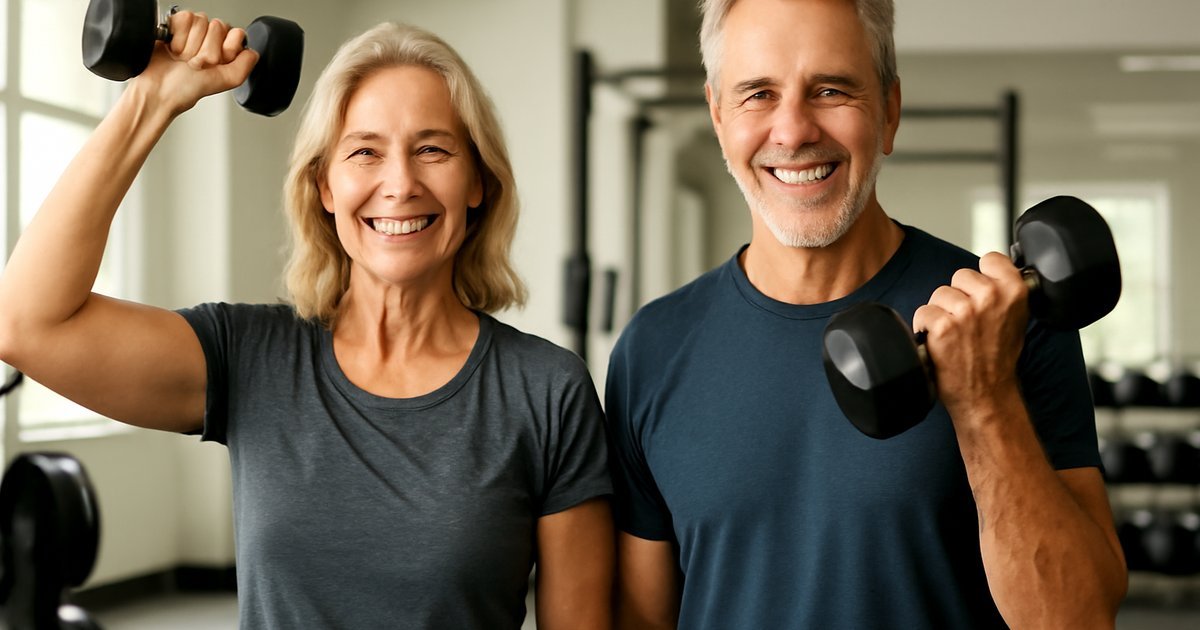
    Strength Training After 50: Build Muscle Safely and Effectively

    After 50, strategic strength training isn’t just about looking fit — it may be the most powerful thing you can do for your long-term health and independence.

    When David turned 53, his doctor gave him a wake-up call: he had lost nearly 12 pounds of muscle mass since his late 30s without even realizing it. His energy was lower, his balance had started to slip, and his lower back ached after sitting at his desk. His physician’s first recommendation wasn’t a new medication — it was a structured strength training program.

    David’s story isn’t unusual. According to the National Institutes of Health (NIH), adults begin losing 3 to 5 percent of muscle mass per decade after age 30 — a process known as sarcopenia — and the rate accelerates significantly after age 50. By age 70, some individuals may have lost up to 30 percent of their peak muscle mass.

    The good news is that research consistently shows that strength training after 50 can reverse much of this decline. In this guide, you will learn how to build muscle safely after 50, what exercises work best, how often to train, and what warning signs to watch for along the way.


    What Is Strength Training — and Why Does It Matter After 50?

    Strength training — also called resistance training or weight training — is any exercise that requires your muscles to work against a load or resistance. That includes free weights, machines, resistance bands, bodyweight movements, and even everyday activities like carrying groceries up stairs.

    After 50, the importance of strength training goes far beyond aesthetics. Clinical evidence indicates that regular resistance training supports:

    • Preservation and growth of lean muscle tissue
    • Improved bone mineral density, reducing fracture risk
    • Better blood sugar regulation and insulin sensitivity
    • Lower blood pressure and improved cardiovascular markers
    • Enhanced mental health, including reduced symptoms of depression and anxiety
    • Greater functional independence in daily life

    A landmark study published in the Journal of the American Medical Association found that adults over 50 who engaged in progressive resistance training at least twice per week saw meaningful improvements in strength, mobility, and quality of life — regardless of their starting fitness level.

    According to the CDC, fewer than 25 percent of American adults over 50 meet the recommended guidelines for muscle-strengthening activities. This gap has real consequences for chronic disease risk, fall-related injuries, and long-term independence.


    Signs You May Be Losing Muscle — and Why Strength Training Helps

    Many adults over 50 experience muscle loss gradually, often dismissing early signs as simply "getting older." Recognizing these signals is the first step toward addressing them.

    Early warning signs of muscle loss (sarcopenia):

    • Feeling weaker when lifting or carrying objects you used to handle easily
    • Fatigue after activities that didn’t tire you before
    • Slower walking speed or difficulty climbing stairs
    • Increased difficulty getting up from a chair without using your arms
    • Unexplained weight gain despite no change in diet (muscle loss often masks fat gain)
    • Poor balance or feeling unsteady

    More advanced indicators:

    • Noticeable decrease in limb size (arms and legs appearing thinner)
    • Falls or near-falls with increasing frequency
    • Chronic joint pain due to reduced muscular support
    • Significant difficulty with daily physical tasks

    Research from the American College of Sports Medicine (ACSM) confirms that progressive resistance training performed two to three times per week is one of the most effective clinical interventions for reversing sarcopenia in adults over 50. This varies from person to person, but consistent training typically produces measurable strength gains within six to eight weeks.


    Causes and Risk Factors for Muscle Loss After 50

    Understanding why muscle loss accelerates after 50 helps explain why strength training is so essential — and why certain individuals face a higher risk than others.

    Biological causes:

    • Hormonal changes: Declining levels of testosterone, estrogen, and growth hormone reduce the body’s ability to synthesize new muscle protein
    • Reduced anabolic sensitivity: After 50, muscles become less responsive to normal protein intake and exercise stimulation, requiring more deliberate effort
    • Chronic low-grade inflammation: Associated with aging, this can accelerate muscle breakdown
    • Mitochondrial decline: The energy-producing structures in muscle cells become less efficient with age

    Lifestyle and environmental risk factors:

    • Sedentary behavior (sitting for more than 8 hours per day)
    • Inadequate protein intake — the NIH recommends that adults over 50 consume 1.0 to 1.2 grams of protein per kilogram of body weight daily to preserve muscle
    • Poor sleep quality, which impairs muscle recovery and hormone regulation
    • Smoking and excessive alcohol consumption
    • Chronic illness such as Type 2 diabetes, heart disease, or COPD
    • Long periods of immobility following illness or injury

    According to the CDC, adults who are physically inactive are twice as likely to experience significant age-related muscle decline compared to those who engage in regular resistance exercise.


    Before You Start: Medical Clearance and Assessment

    Before starting a strength training program after 50, a conversation with your physician is strongly recommended — especially if you have any of the following conditions:

    • Cardiovascular disease or a history of heart attack
    • High blood pressure or uncontrolled hypertension
    • Osteoporosis or significant joint pain
    • Type 1 or Type 2 diabetes
    • Recent surgery or musculoskeletal injury
    • Balance or neurological disorders

    Your doctor may order baseline labs, a blood pressure check, or even a stress test depending on your risk profile. The American Heart Association (AHA) recommends that sedentary adults over 45 consult a physician before beginning vigorous exercise programs.

    What a fitness assessment typically includes:

    • Grip strength measurement (a validated marker of overall muscle health)
    • Gait speed and balance testing
    • Functional movement screening
    • Cardiovascular fitness baseline (resting heart rate, blood pressure)
    • Review of any orthopedic limitations

    Many fitness professionals who work with adults over 50 are trained in corrective exercise and can design programs that accommodate past injuries or chronic conditions. Look for a Certified Strength and Conditioning Specialist (CSCS) or a trainer with a National Academy of Sports Medicine (NASM) credential and specific experience with older adult populations.


    Effective Strength Training Approaches for Adults Over 50

    The most effective strength training program for adults over 50 follows one core principle: progressive overload — gradually increasing the challenge placed on your muscles over time. Research from Harvard Health confirms that this systematic approach is what drives actual muscle growth and strength gains, even in adults well into their 70s and beyond.

    Below are the most evidence-supported methods and how they apply at this life stage.

    Free Weights (Dumbbells and Barbells)

    Free weights engage stabilizing muscles and promote functional strength that translates directly to real-life movements. Research suggests that compound movements — those that work multiple muscle groups at once — deliver the highest return per workout session.

    Best compound movements for adults over 50:

    • Goblet squat: Builds leg and core strength with reduced spinal load compared to traditional barbell squats
    • Dumbbell deadlift: Strengthens the posterior chain (glutes, hamstrings, lower back) safely
    • Dumbbell bench press: Builds chest and shoulder strength with better range of motion control than barbells
    • Dumbbell row: Targets the back muscles essential for posture and shoulder health
    • Overhead press (light to moderate weight): Builds shoulder strength and stability

    If you’re just starting out, most physicians and trainers recommend beginning with lighter weights — typically ones where you can complete 12 to 15 repetitions with good form but still feel challenged by the final few reps.

    Machine-Based Training

    Machines are particularly valuable for adults over 50 who are new to strength training or returning after a long break. They guide movement patterns, reducing the skill barrier and injury risk associated with free weights.

    Clinical evidence indicates that machine-based leg press, seated row, chest press, and lat pulldown exercises effectively stimulate muscle growth in older adults with minimal joint stress when performed through a controlled range of motion.

    Resistance Bands

    Resistance bands offer a joint-friendly alternative that research has shown to produce strength and muscle gains comparable to weight machines in untrained adults. They are especially valuable for shoulder, hip, and knee rehabilitation exercises. For more on this approach, see our guide on Resistance Band Workouts for Adults Over 50.

    Bodyweight Training

    Don’t underestimate your own body weight. Push-ups, modified squats, glute bridges, wall sits, and step-ups can provide meaningful resistance for adults who are deconditioned or managing pain. As strength improves, bodyweight movements can be made progressively harder through leverage changes or added movement complexity. Our article on Bodyweight Squat Progressions for Adults Over 40 offers a practical starting point.

    Sample Weekly Structure

    Most guidelines from the ACSM and CDC recommend adults over 50 aim for two to three strength training sessions per week, allowing at least 48 hours of recovery between sessions working the same muscle groups.

    Day Focus Example Activities
    Monday Lower Body Goblet squat, leg press, glute bridge, calf raise
    Wednesday Upper Body Dumbbell row, chest press, overhead press, bicep curl
    Friday Full Body / Core Deadlift, step-up, plank, resistance band exercises

    This structure aligns with recommendations from Johns Hopkins Medicine, which emphasizes that consistency over time — not extreme intensity — is the primary driver of long-term results for older adults.


    Living With Strength Training: Nutrition, Recovery, and Staying Consistent

    Strength training after 50 works best when it’s supported by smart nutrition and adequate recovery — both of which change as we age.

    Protein intake: Research from the NIH and the American Dietetic Association suggests that adults over 50 need more protein per pound of body weight than younger adults to achieve the same level of muscle protein synthesis. Spreading protein intake across three to four meals — rather than consuming most at dinner — appears to be especially effective for muscle maintenance. Good sources include lean meats, fish, eggs, Greek yogurt, cottage cheese, legumes, and fortified plant-based options.

    Recovery and sleep: Muscle repair primarily occurs during sleep. The National Sleep Foundation recommends seven to nine hours for adults in this age group. Inadequate sleep blunts muscle growth signals and increases injury risk.

    Warm-up and cool-down: Adults over 50 benefit from five to ten minutes of dynamic warm-up (light movement, hip circles, shoulder rolls, gentle squats) before lifting and five to ten minutes of gentle stretching afterward. This varies from person to person, but skipping these steps is a common cause of injury in older adult exercisers. For a comprehensive approach to post-workout flexibility, visit our guide on Posture Training for Adults Over 40.

    Joint care: If you experience joint discomfort, reducing range of motion slightly, switching to a resistance band, or choosing machine-based alternatives are reasonable modifications. Persistent joint pain lasting more than 72 hours after exercise should be evaluated by your physician.

    Staying consistent: Research consistently shows that two to three sessions per week maintained for 12 or more weeks produces the most significant and lasting improvements in strength, bone density, and metabolic health for adults in this age group.


    When to Call Your Doctor — Red Flags During Strength Training

    Most discomfort during early strength training is normal — muscle soreness 24 to 48 hours after a session is a natural sign that muscles are adapting. However, certain symptoms require prompt medical attention.

    Stop exercising immediately and seek emergency care if you experience:

    • Chest pain, pressure, or tightness during or after exercise
    • Sudden shortness of breath disproportionate to exercise intensity
    • Dizziness, lightheadedness, or fainting
    • Heart palpitations or irregular heartbeat
    • Sudden severe pain in a muscle or joint (may indicate a tear or fracture)
    • Numbness or tingling spreading down an arm or leg

    Schedule a non-emergency appointment with your doctor if:

    • Joint pain persists for more than three days after a workout
    • You notice consistent swelling in a joint after training
    • You feel persistent fatigue that doesn’t improve with rest
    • You experience any new symptoms you weren’t having before starting your program
    • Your blood pressure readings at home are consistently higher than usual

    At your next scheduled visit, bring a log of your workouts, including exercises, weights, sets, and any symptoms you’ve noticed. This gives your physician a clear picture to work with.


    Frequently Asked Questions About Strength Training After 50

    Q: Is it safe to lift heavy weights after 50?
    A: Research suggests that lifting challenging weights — appropriate to your current fitness level — is safe and beneficial for most adults over 50 without serious cardiovascular or musculoskeletal contraindications. The key is progressing gradually, using proper form, and having medical clearance. Most physicians recommend starting with moderate weights and increasing resistance over several weeks rather than beginning with maximum loads.

    Q: How long does it take to see results from strength training after 50?
    A: Most adults notice improvements in energy, daily functional strength, and mood within three to four weeks. Visible muscle changes and measurable strength gains typically become apparent after six to twelve weeks of consistent training, two to three times per week. This varies from person to person depending on starting fitness level, nutrition, sleep quality, and training consistency.

    Q: Should I use machines or free weights as a beginner over 50?
    A: Clinical evidence indicates that both are effective. Machines offer a guided, lower-skill path that many beginners over 50 find more accessible and safer when starting out. Free weights build additional balance and stabilizer muscle strength. Many fitness professionals recommend starting with machines and progressing to free weights as confidence and technique improve.

    Q: Can strength training help with bone density after 50?
    A: Yes. According to the National Osteoporosis Foundation, weight-bearing and resistance exercises are among the most effective non-pharmacological interventions for improving and maintaining bone mineral density in adults over 50. Research suggests that compound movements — like squats, deadlifts, and loaded step-ups — are particularly effective for stimulating bone remodeling in the hips and spine.

    Q: Do I need protein supplements to build muscle after 50?
    A: Most physicians and registered dietitians agree that whole food sources of protein are the preferred approach. However, if meeting daily protein targets through food alone is difficult, a high-quality whey or plant-based protein supplement can be a practical complement. Clinical evidence indicates that overall daily protein intake — not the specific source — is the primary driver of muscle protein synthesis. Always consult your doctor before adding supplements, especially if you have kidney disease or other conditions.


    Conclusion: Strength Is Built at Any Age — Including Yours

    The research is clear and empowering: strength training after 50 is not only safe for most adults — it is one of the most evidence-backed investments you can make in your long-term health. From protecting your bones and metabolism to preserving your independence and reducing your risk of chronic disease, the benefits extend well beyond the gym.

    You don’t need to train like an athlete or spend hours at the gym. Two to three focused sessions per week, combined with adequate protein and sleep, are enough to produce meaningful and lasting results. Start where you are, progress gradually, and work in partnership with your healthcare provider.

    Strength training after 50 isn’t about turning back the clock. It’s about building the strongest, most capable version of yourself going forward — and that is always worth starting today.


    Medical Disclaimer: This article is for informational and educational purposes only. It does not constitute medical advice, diagnosis, or treatment. Always consult your physician or a qualified healthcare provider before making changes to your health routine or treatment plan.

    Medically reviewed by our editorial health team. Content follows evidence-based standards aligned with CDC and NIH guidelines.
  • Dance Fitness After 50: Fun, Health Benefits & How to Start

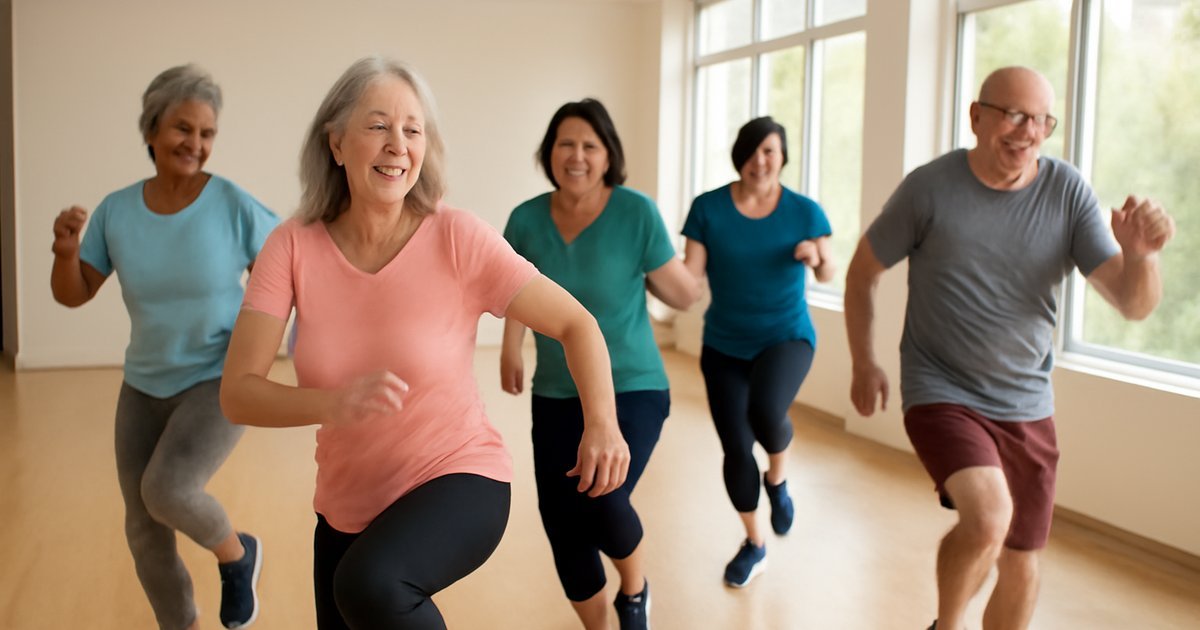
    Dance Fitness After 50: Fun, Health Benefits & How to Start

    Movement doesn’t have to feel like medicine — and for millions of Americans over 50, dance fitness is proving that staying active can actually be something you look forward to.

    When Exercise Feels Like a Chore — Until You Start Dancing

    Margaret, 63, had tried three different gym memberships over the past decade. Every time, she lasted about six weeks before the treadmill boredom took over. Then her community center offered a Zumba Gold class on Tuesday mornings. Within a month, she hadn’t missed a single session.

    "It doesn’t feel like exercise," she told her doctor at her next annual visit. "But somehow I’ve lost 12 pounds and my blood pressure is down."

    Margaret’s experience isn’t unusual. According to the CDC, fewer than 28% of American adults aged 50 and older meet the recommended guidelines for both aerobic and muscle-strengthening activity. The gap isn’t always about motivation — it’s often about finding movement that doesn’t feel punishing.

    Dance fitness — a broad category that includes structured classes like Zumba, ballroom-inspired workouts, line dancing, and low-impact aerobic dance — is emerging as one of the most accessible, sustainable, and genuinely enjoyable forms of exercise for adults over 50. In this guide, you’ll learn exactly what the research says, which styles work best for older adults, what health conditions it may support, and how to start safely.

    What Is Dance Fitness — and Why Does It Work So Well After 50?

    Dance fitness refers to structured physical activity that uses rhythmic movement, music, and choreography as its foundation. Unlike traditional cardio workouts, dance fitness engages multiple systems simultaneously: your cardiovascular system, your muscular system, your balance and coordination, and your brain’s cognitive function.

    This multi-system engagement is particularly valuable as you age. Research published in the New England Journal of Medicine found that frequent dancing was one of the strongest activity-based predictors of reduced dementia risk among leisure activities studied — stronger than cycling, swimming, or golf. The cognitive demand of remembering steps while moving to a beat appears to provide neurological benefits beyond what purely physical exercise offers.

    From a physiological standpoint, dance fitness typically qualifies as moderate-intensity aerobic exercise — exactly what the American Heart Association recommends as the cornerstone of cardiovascular health. Most adults burn between 200 and 400 calories per hour during a dance fitness class, depending on intensity, body weight, and participation level.

    Crucially, the enjoyment factor drives adherence. A 2016 study in the journal Complementary Therapies in Medicine found significantly higher long-term participation rates in dance-based exercise programs compared to conventional gym workouts among adults over 55 — a finding that matters enormously for real-world health outcomes.

    Signs Your Body Is Ready for Dance Fitness — and Signs to Check First

    Most adults over 50 can safely participate in beginner-level dance fitness classes with appropriate modifications. That said, it’s important to understand how your body may respond — especially if you’re new to regular exercise or managing a chronic condition.

    Signs your body is well-suited for dance fitness:

    • You can walk for 20-30 minutes without significant joint pain or breathlessness
    • You have reasonably stable balance (you can stand on one foot briefly without support)
    • Your blood pressure and heart conditions are currently managed and stable
    • You enjoy music and have some interest in rhythmic movement
    • You’re looking for low-to-moderate impact activity that won’t stress your joints

    Warning signs that warrant a doctor’s visit before starting:

    • Unexplained chest pain, pressure, or tightness during light activity
    • Severe shortness of breath with minimal exertion
    • Recent history of falls or significant balance impairment
    • Uncontrolled hypertension (blood pressure consistently above 160/100 mmHg)
    • Recent joint replacement surgery (within the past 6-12 months)
    • Dizziness or lightheadedness during standing or movement

    The American College of Sports Medicine recommends that adults with two or more cardiovascular risk factors — including hypertension, diabetes, obesity, or smoking history — consult a physician before starting a new moderate-to-vigorous exercise program. This isn’t a barrier; it’s simply a smart starting point.

    Health Benefits of Dance Fitness for Adults Over 50

    The evidence base for dance fitness has grown substantially over the past decade, and the findings are genuinely compelling for older adults.

    Cardiovascular Health

    A 2015 systematic review in the American Journal of Preventive Medicine analyzed 27 studies and found that regular dance participation significantly improved cardiovascular fitness markers including VO2 max (a measure of aerobic capacity), resting heart rate, and blood pressure. These improvements were comparable to those seen with other forms of moderate aerobic exercise.

    Bone Density

    Weight-bearing movement is essential for maintaining bone density after 50, particularly for postmenopausal women at risk of osteoporosis. According to the National Osteoporosis Foundation, approximately 10 million Americans have osteoporosis and another 44 million have low bone density. Dance fitness, which involves repeated weight-bearing steps and light impact, may help stimulate bone remodeling — though the degree of benefit varies based on dance style and individual bone health status.

    Balance and Fall Prevention

    The CDC reports that one in four Americans aged 65 and older falls each year, and falls are the leading cause of injury-related death in this age group. Dance fitness directly trains balance, proprioception (your body’s sense of its position in space), and lower-body strength — three of the primary factors associated with fall risk reduction. A 2021 meta-analysis in PLOS ONE found that dance-based interventions significantly improved balance scores in older adults compared to control groups.

    Cognitive Function

    Learning and recalling choreography activates working memory, spatial reasoning, and attention — cognitive functions that naturally decline with age. A landmark study from the Albert Einstein College of Medicine found that dancing reduced dementia risk by 76% — the highest risk reduction of any physical or cognitive leisure activity studied. While a single study shouldn’t be taken as definitive proof, the mechanism is well-supported by broader neuroscience research on dual-task training (doing something physical and mentally demanding simultaneously).

    Mental Health and Social Well-Being

    Aerobic exercise of any kind stimulates the release of endorphins and serotonin — neurotransmitters linked to mood regulation and reduced anxiety. But dance fitness adds a social layer that many other exercise forms don’t: group classes foster community, music elevates mood, and the playful nature of dance reduces the psychological heaviness that sometimes accompanies exercise after illness or major life transitions. Research suggests that social isolation is itself a significant health risk for adults over 50, making the community aspect of dance fitness a genuine clinical benefit.

    If you’re exploring other low-impact options that complement dance fitness, you might also find value in water aerobics after 50 or tai chi for adults over 50 — both of which offer overlapping benefits in balance, flexibility, and stress reduction.

    Best Dance Fitness Styles for Adults Over 50

    Not all dance fitness programs are created equal when it comes to accessibility for older adults. Here’s what clinical evidence and practical experience suggest about the most popular formats:

    Zumba Gold

    Specifically designed for active older adults, Zumba Gold uses the same Latin-inspired music and choreography as standard Zumba but at a lower intensity with simpler footwork, reduced jumping, and more balance support. It’s widely available at YMCAs, community centers, and senior centers across the US — and it’s one of the best-studied dance fitness formats for adults over 50.

    Line Dancing

    A staple of many senior centers and community halls, line dancing is genuinely accessible to beginners, requires no partner, and offers a strong social component. The repetitive patterns are cognitively engaging without being overwhelming, and impact level can be self-regulated.

    Ballroom and Swing-Inspired Classes

    Partner or solo ballroom fitness classes emphasize posture, footwork, and coordination. They’re excellent for core engagement and upper-body involvement, though they may require some adaptation for those with hip or knee concerns.

    Low-Impact Aerobic Dance (Step-Free)

    Many community fitness programs and online platforms now offer step-free aerobic dance classes specifically designed to eliminate jumping and high-impact movement. These are ideal for adults with joint concerns, osteoarthritis, or recent orthopedic surgery (after appropriate recovery).

    Dance-Inspired Chair Workouts

    For adults with significant mobility limitations, seated dance fitness combines rhythmic upper-body movement with music to deliver cardiovascular benefits and cognitive engagement. This can be a meaningful entry point before transitioning to standing formats. Our guide on chair yoga for adults over 60 covers similar principles if you’re looking for a complementary approach.

    How to Start Dance Fitness After 50: A Practical Plan

    Starting a new fitness routine after a long break — or for the first time — doesn’t have to be overwhelming. Clinical evidence supports a gradual, progressive approach that prioritizes consistency over intensity.

    Week 1-2: Orientation and Foundation
    Start with one class per week. Choose a beginner-level format (Zumba Gold, low-impact aerobic dance, or line dancing basics). Your goal in these first two weeks is simply to show up, learn basic footwork, and assess how your body responds. Don’t worry about keeping up perfectly — instructors expect variation among participants.

    Week 3-4: Building the Habit
    Add a second session per week. Pay attention to how you feel 24-48 hours after class. Some muscle soreness is normal; sharp joint pain, persistent swelling, or severe fatigue are signals to scale back and consult your doctor.

    Month 2 and Beyond: Progression
    Aim for 2-3 sessions per week, totaling 150 minutes of moderate activity — consistent with American Heart Association guidelines for adults. Consider complementing dance fitness with strength-focused activity 1-2 times per week. Our resource on functional fitness after 50 offers practical guidance for building that complementary strength base.

    Practical starting tips:

    • Wear supportive, non-slip shoes with lateral support — not running shoes, which are designed for forward motion, not side-to-side movement
    • Arrive 5-10 minutes early and tell the instructor you’re new and any physical limitations you have
    • Drink water before, during, and after class — older adults are more susceptible to dehydration
    • Use the rate of perceived exertion (RPE) scale: aim for a 5-6 out of 10 during class — you should be able to speak in short sentences but not carry on a full conversation effortlessly
    • Rest when you need to — stepping to the side and continuing upper-body movement while catching your breath is completely appropriate

    When to Call Your Doctor or Seek Emergency Care

    Dance fitness is safe for the vast majority of adults over 50, but it’s critical to know when something warrants urgent attention.

    Stop immediately and seek emergency care if you experience:

    • Chest pain, pressure, tightness, or a squeezing sensation
    • Pain radiating to your jaw, left arm, or back during activity
    • Sudden severe shortness of breath not related to exertion level
    • Fainting or near-fainting (presyncope)
    • Sudden severe headache during exercise
    • Loss of coordination, slurred speech, or facial drooping

    Contact your doctor within the next 1-2 days if you notice:

    • Persistent ankle or knee swelling after class
    • New or worsening joint pain that lasts more than 48 hours
    • Unusual fatigue that doesn’t resolve with rest
    • Heart palpitations or an irregular heartbeat during or after exercise
    • Dizziness that occurs repeatedly during class

    It’s also worth having a conversation with your physician before starting if you take medications that affect heart rate (such as beta-blockers) or blood pressure medications, as these can affect how your body responds to exercise and what heart rate targets are appropriate for you.

    Frequently Asked Questions About Dance Fitness After 50

    Q: Do I need any prior dance experience to join a dance fitness class?
    Absolutely not. Beginner formats like Zumba Gold and introductory line dancing are explicitly designed for people with no dance background. Instructors typically teach foundational steps progressively, and classes are structured so that following along imperfectly is completely expected and normal. Most regular participants will tell you they spent their first few classes simply feeling their way through — and that’s fine.

    Q: Is dance fitness appropriate if I have arthritis in my knees or hips?
    Many people with mild to moderate osteoarthritis participate successfully in low-impact dance fitness. The key is choosing step-free, low-impact formats and modifying movements that cause pain (for example, reducing the depth of a lunge or eliminating a twisting step). Research published in Arthritis Care and Research suggests that moderate aerobic activity can actually reduce arthritis pain and improve joint function over time. That said, consult your rheumatologist or orthopedic specialist before starting if your arthritis is severe or recently diagnosed.

    Q: How many calories does dance fitness burn?
    This varies considerably based on your body weight, the intensity of the class, and your level of participation. Most research estimates that moderate-intensity dance fitness burns approximately 200-400 calories per hour for adults in the 50-70 age range. Zumba Gold, being lower intensity than standard Zumba, typically falls toward the lower end of that range. While caloric burn matters, clinical evidence suggests that the greatest health benefits come from consistency over time — not any single workout.

    Q: Can dance fitness help with balance problems or fall risk?
    Research suggests yes — particularly styles that involve lateral (side-to-side) movement, weight shifts, and turns. A 2021 meta-analysis found statistically significant improvements in balance outcomes in older adults following dance-based exercise interventions. Balance improvement is gradual and builds over weeks to months of consistent participation. If you have a diagnosed balance disorder or significant fall history, speak with your doctor or a physical therapist about whether dance fitness is appropriate and which specific adaptations are recommended for your situation.

    Q: What if I feel self-conscious about dancing in a group setting?
    This is one of the most common reasons adults hesitate to try dance fitness — and one of the first things that tends to dissolve after the first class. Group fitness classes for adults over 50 are generally supportive, non-competitive environments where participants are focused on their own movement, not evaluating others. If group settings feel too daunting initially, many reputable online platforms offer guided beginner dance fitness videos you can try at home to build confidence before attending in person.

    Conclusion: Your Next Step Starts With One Song

    Dance fitness isn’t a magic solution — no single exercise is. But for adults over 50 who have struggled to find an activity they’ll actually sustain, it offers something rare: a form of movement that’s medically beneficial, cognitively engaging, socially connective, and genuinely enjoyable.

    The research is clear that regular moderate aerobic activity reduces cardiovascular disease risk, supports bone health, improves cognitive function, and elevates mood. Dance fitness delivers all of these benefits while adding the irreplaceable ingredient of fun — which, as any physician will tell you, is the real secret to long-term health behavior change.

    Talk to your doctor, find a beginner class near you, wear comfortable shoes, and give yourself permission to be a beginner. Your body — and your brain — will thank you for it.


    Medical Disclaimer: This article is for informational and educational purposes only. It does not constitute medical advice, diagnosis, or treatment. Always consult your physician or a qualified healthcare provider before making changes to your health routine or treatment plan.

    Medically reviewed by our editorial health team. Content follows evidence-based standards aligned with CDC and NIH guidelines.