Tag: healthy aging

  • Morning Exercise Routines for Adults Over 50

    Morning Exercise Routines for Adults Over 50

    Morning Exercise Routines for Adults Over 50

    Starting your day with movement may be one of the most powerful health decisions you make — especially after 50.

    Why Morning Exercise Matters More After 50

    Mark, 63, used to hit the snooze button three times before dragging himself out of bed. Stiff knees, low energy, and a busy afternoon schedule made exercise feel like a distant priority. Then his doctor pointed to something he could not ignore: his resting heart rate had crept up, his blood pressure was borderline high, and his muscle mass had declined noticeably over two years.

    His doctor’s recommendation was simple: start moving in the morning, before the day gets away from you.

    Mark is far from alone. According to the CDC, fewer than 25% of Americans aged 50 and older meet the recommended guidelines for both aerobic and muscle-strengthening activity each week. And yet, physical activity in midlife and beyond is one of the most evidence-backed strategies for reducing the risk of heart disease, type 2 diabetes, cognitive decline, and falls.

    This guide walks you through why morning exercise is particularly effective for adults over 50, what types of workouts work best, how to build a sustainable routine, and when to check in with your doctor before starting.

    What Happens to Your Body After 50 — and Why Timing Matters

    After your 50th birthday, your body goes through measurable physiological changes that directly affect how you respond to exercise.

    Muscle mass naturally declines at a rate of 3–8% per decade after age 30, according to research published through the NIH’s National Institute on Aging — a process called sarcopenia. Bone density decreases. Joints may become stiffer, especially after prolonged rest. Metabolic rate slows, making weight management more challenging.

    Morning exercise addresses several of these changes directly. Studies suggest that working out earlier in the day may help regulate cortisol (the stress hormone that peaks naturally in the morning), improve sleep quality at night, and establish stronger habit consistency — because fewer scheduling conflicts arise before the rest of your day begins.

    Research published in Obesity journal also found that adults who exercised in the morning tended to be more physically active throughout the entire day compared to those who exercised later. That ripple effect adds up significantly over weeks and months.

    Signs You Need to Prioritize Morning Movement

    You may benefit most from a structured morning exercise routine if you recognize any of the following:

    • Morning stiffness lasting more than 30 minutes — often a sign your joints and muscles need regular mobilization
    • Afternoon energy crashes — morning exercise can stabilize blood sugar and boost daytime energy
    • Difficulty falling or staying asleep — regular physical activity is a proven sleep aid for adults over 50
    • Feeling unsteady or off-balance — balance and coordination decline with age and improve with consistent practice
    • Low motivation to exercise later in the day — decision fatigue is real, and morning routines bypass it
    • Gradual weight gain — particularly around the midsection, which increases cardiovascular risk

    A 2022 meta-analysis in the British Journal of Sports Medicine found that even moderate-intensity morning exercise significantly reduced all-cause mortality risk in adults over 50 — independent of other lifestyle factors.

    Causes of Exercise Avoidance After 50: What Gets in the Way

    Understanding why adults in this age group tend to exercise less helps you build a routine that sticks.

    Joint pain and fear of injury are among the most commonly cited barriers. Many adults assume that pain means they should rest — but in most cases, gentle, progressive movement actually reduces chronic joint pain over time. Clinical evidence from the American College of Rheumatology indicates that low-impact exercise consistently outperforms rest for managing osteoarthritis symptoms.

    Time pressure is another major factor. Adults in their 50s and 60s are frequently managing careers, caregiving responsibilities, and household demands simultaneously. Morning routines sidestep the unpredictability of afternoon schedules.

    Not knowing where to start is genuinely common. If you have not exercised consistently in years, the idea of a workout can feel overwhelming. The good news: research suggests that even 10–15 minutes of moderate morning movement produces measurable cardiovascular and metabolic benefits when done consistently.

    Underlying health conditions — including hypertension, type 2 diabetes, arthritis, or heart disease — can create uncertainty about what is safe. This is why a conversation with your physician before starting a new routine is always recommended.

    Diagnosis: Knowing Where You Stand Before You Start

    Before launching into a morning exercise routine, it’s worth getting a clear picture of your current health status — particularly if you have been sedentary for more than six months or have any chronic condition.

    Most physicians recommend the following before starting a new exercise program after 50:

    • Resting blood pressure and heart rate check — to establish your baseline and identify any cardiovascular concerns
    • Blood glucose and HbA1c — relevant if you have or are at risk for type 2 diabetes
    • Basic metabolic panel — to assess kidney and liver function, which affect hydration and recovery
    • Bone density screening (DEXA scan) — recommended for women over 65 and earlier for those with risk factors, according to the U.S. Preventive Services Task Force
    • Gait and balance assessment — many primary care providers can perform a simple walk test

    If you receive clearance from your doctor, you’re ready to build your morning routine progressively and safely.

    The Best Morning Exercise Types for Adults Over 50

    Not all workouts are created equal for this age group. The most effective morning routines for adults over 50 combine four essential elements: mobility, strength, cardiovascular conditioning, and balance. Most physicians recommend beginning with 20–30 minutes and building gradually.

    1. Gentle Mobility and Warm-Up (5–7 minutes)

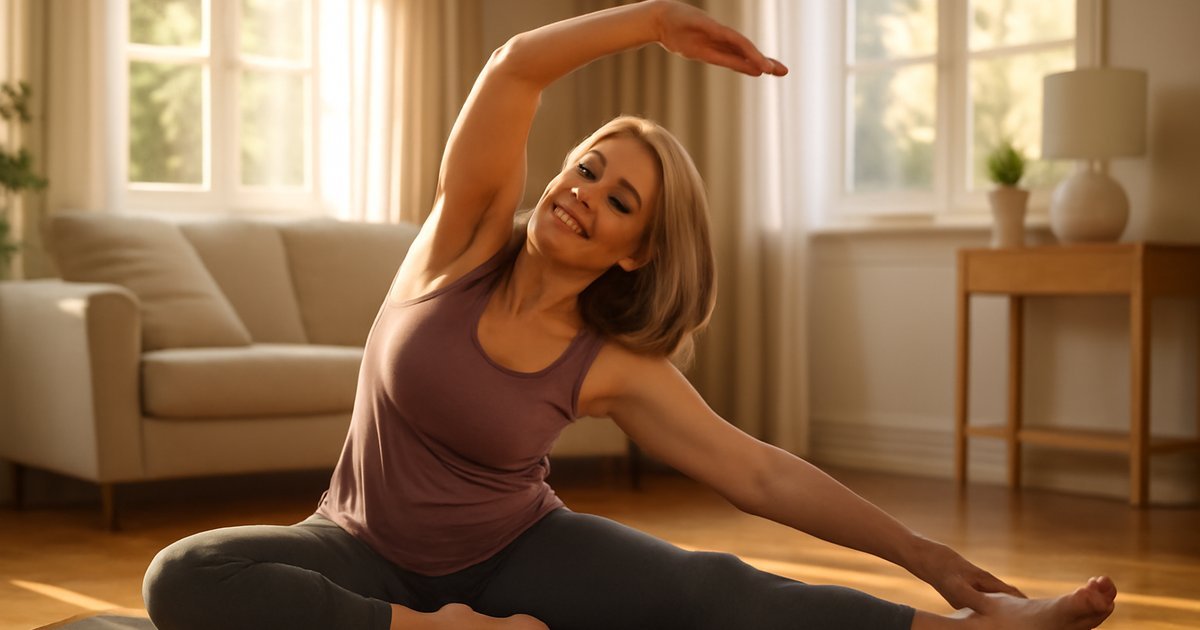
    After a night of sleep, your joints and connective tissue need time to warm up. Skipping this step increases injury risk significantly. Start with slow neck rolls, shoulder circles, hip circles, and ankle rotations. Progress to gentle standing cat-cow movements and side bends.

    This is not wasted time — it is injury prevention. Clinical evidence from Mayo Clinic indicates that a structured warm-up reduces soft tissue injury risk by up to 50% in older adults.

    2. Strength Training (10–15 minutes)

    Preserving and building muscle mass is one of the most critical health priorities after 50. Morning is an excellent time for bodyweight strength work because cortisol levels are naturally elevated, supporting energy production without relying on caffeine.

    Effective options include:

    • Wall push-ups or modified push-ups
    • Chair-assisted squats
    • Standing hip hinges (deadlift pattern without weight)
    • Step-ups using a low stair
    • Resistance band rows and presses

    The American College of Sports Medicine recommends two to three days of muscle-strengthening activity per week for adults over 50, with at least one rest day between sessions targeting the same muscle groups.

    If you’re interested in expanding your strength routine, our guide on Pilates After 40: Core Strength, Posture & Pain Relief offers complementary exercises that pair well with morning strength work.

    3. Low-Impact Cardiovascular Movement (10–15 minutes)

    Cardiovascular exercise strengthens the heart, improves circulation, supports weight management, and reduces the risk of stroke and type 2 diabetes. The American Heart Association recommends at least 150 minutes of moderate-intensity aerobic activity per week for adults — which translates to roughly 20–25 minutes most mornings.

    The best low-impact morning cardio options for adults over 50 include:

    • Brisk walking (indoors or outdoors)
    • Marching in place with arm swings
    • Stationary cycling
    • Gentle swimming or water walking
    • Low-impact dance movement

    Research suggests that just 22 minutes of daily moderate-intensity walking is associated with a significant reduction in cardiovascular mortality risk in adults over 50 — a finding highlighted in a 2023 study published in the European Heart Journal.

    For a deeper look at one of the most accessible options, see our article on Water Aerobics After 50: Benefits, Safety & How to Start.

    4. Balance and Cool-Down (5 minutes)

    Falls are the leading cause of injury-related death among adults over 65 in the United States, according to the CDC. Incorporating 5 minutes of balance work into your morning routine can significantly reduce your fall risk over time.

    Simple balance exercises include:

    • Single-leg stands (holding a chair for support if needed)
    • Heel-to-toe walking in a straight line
    • Side leg raises while standing
    • Slow weight shifts from foot to foot

    Finish with 2–3 minutes of gentle stretching — hamstrings, hip flexors, calves, and chest — to return your heart rate to baseline and improve long-term flexibility.

    Living With This Routine: Practical Day-to-Day Tips

    The science is clear — the challenge is consistency. Here’s what clinical evidence and behavioral research suggest actually works:

    Lay out your clothes the night before. Reducing morning friction is one of the most reliable predictors of exercise adherence, according to behavioral research from Stanford University’s Behavior Design Lab.

    Start with just 10 minutes. Research published in JAMA Internal Medicine confirms that even short bouts of physical activity accumulated throughout the day provide meaningful cardiovascular and metabolic benefits. Begin small and build from there.

    Keep a simple log. Tracking your activity — even on a paper notepad — reinforces the habit loop and provides a record you can share with your doctor.

    Hydrate before you move. After 7–8 hours without fluid intake, your joints and muscles will perform better with even a full glass of water consumed before exercise.

    Use the buddy system. Adults who exercise with a partner or group are significantly more likely to maintain their routine long-term. Consider exploring options covered in our guide on Group Fitness Classes After 40: Benefits, Types & Tips.

    Listen to your body — but don’t mistake discomfort for danger. Mild muscle soreness 24–48 hours after exercise is normal and expected. Sharp joint pain, chest tightness, dizziness, or shortness of breath are not normal and require you to stop immediately.

    This varies from person to person — your ideal morning routine will depend on your fitness level, health conditions, preferences, and schedule. What matters most is finding a combination that you can do consistently, not perfectly.

    When to Call Your Doctor — Emergency Signs and Checkpoints

    Morning exercise is safe for most adults over 50 when approached progressively and with medical awareness. However, certain symptoms require immediate attention:

    Call 911 or seek emergency care immediately if you experience:

    • Chest pain, pressure, or tightness during or after exercise
    • Sudden shortness of breath not explained by exertion level
    • Dizziness, fainting, or near-fainting
    • Rapid or irregular heartbeat accompanied by lightheadedness
    • Sudden severe headache
    • Numbness or weakness on one side of the body

    Schedule a non-urgent appointment with your doctor if you notice:

    • Joint swelling or pain that worsens with exercise
    • Persistent fatigue that does not improve after a few weeks of routine
    • Unexplained weight gain or loss despite consistent activity
    • Blood pressure readings consistently above 140/90 mmHg
    • Muscle cramps or spasms that are frequent or severe

    At your next routine visit, tell your doctor what type of exercise you’re doing, for how long, at what intensity, and how your body is responding. This allows your care team to make appropriate adjustments to your overall health plan.

    Frequently Asked Questions

    Q: Is it safe to exercise first thing in the morning before eating?
    For most healthy adults over 50, a light morning workout on an empty stomach is generally safe. Clinical evidence suggests that fasted morning exercise may support fat metabolism. However, if you have type 2 diabetes or take blood pressure or heart medications, your doctor may advise eating something small beforehand. This is highly individual — always confirm with your provider.

    Q: How long before I see results from a morning exercise routine?
    Research suggests that noticeable improvements in energy, sleep quality, and mood can appear within 2–4 weeks of consistent moderate exercise. Measurable cardiovascular and strength gains typically emerge after 6–12 weeks. Patience and consistency are the most important variables.

    Q: What if I have arthritis? Can I still exercise in the morning?
    Yes — in fact, most rheumatologists and the Arthritis Foundation recommend gentle daily movement as a frontline strategy for managing arthritis symptoms. Morning stiffness may make the first few minutes uncomfortable, but a proper warm-up and low-impact movement typically reduce that discomfort significantly. Always work with your doctor to identify movements appropriate for your specific joints.

    Q: How many days a week should I exercise in the morning?
    Most physicians and the CDC recommend at least 5 days of moderate aerobic activity per week, combined with 2 days of strength training. For beginners, starting with 3–4 mornings per week and building gradually is both safe and effective. Rest and recovery are equally important after 50.

    Q: What should I do if I miss several days?
    Missing days is normal and does not erase your progress. Research in behavioral health suggests that focusing on restarting — rather than making up for lost sessions — produces better long-term outcomes. Simply begin again at a slightly reduced intensity and rebuild from there.

    Conclusion

    A consistent morning exercise routine is one of the most impactful, evidence-backed investments you can make in your health after 50. It doesn’t require an expensive gym membership, hours of your time, or a perfect fitness level to begin. It requires starting — even if that means 10 minutes of gentle movement before your first cup of coffee.

    The research is compelling: regular physical activity in the morning supports heart health, muscle preservation, bone density, metabolic function, mood, and sleep quality — all of which matter enormously in the decades ahead.

    Talk to your doctor about what’s appropriate for your specific health situation, start slowly, listen to your body, and build from there. Your future self will thank you for every morning you choose to move.


    Medical Disclaimer: This article is for informational and educational purposes only. It does not constitute medical advice, diagnosis, or treatment. Always consult your physician or a qualified healthcare provider before making changes to your health routine or treatment plan.

    Medically reviewed by our editorial health team. Content follows evidence-based standards aligned with CDC and NIH guidelines.
  • Group Fitness Classes After 40: Benefits, Types & Tips

    Group Fitness Classes After 40: Benefits, Types & Tips

    Joining a group fitness class after 40 could be one of the most powerful health decisions you make — for your body and your mind.

    Why Group Fitness Deserves a Second Look After 40

    Linda, 54, hadn’t set foot in a gym in over a decade. Between a demanding job and caring for her aging mother, exercise had slipped to the bottom of her priority list. Then a coworker convinced her to try a Saturday morning group fitness class at the local community center. Three months later, Linda had lost 12 pounds, her blood pressure had dropped, and — perhaps more surprisingly — she had made three close friends.

    Linda’s story isn’t unique. According to the CDC, fewer than 25% of American adults aged 40 and older meet the recommended weekly guidelines for both aerobic and muscle-strengthening activities. Yet the same research consistently shows that adults who exercise in group settings are significantly more likely to stick with their routines long-term.

    In this guide, you’ll learn what group fitness classes are, which types are best suited for adults over 40, the real health benefits backed by clinical evidence, and how to start safely — even if you haven’t exercised in years.

    What Are Group Fitness Classes?

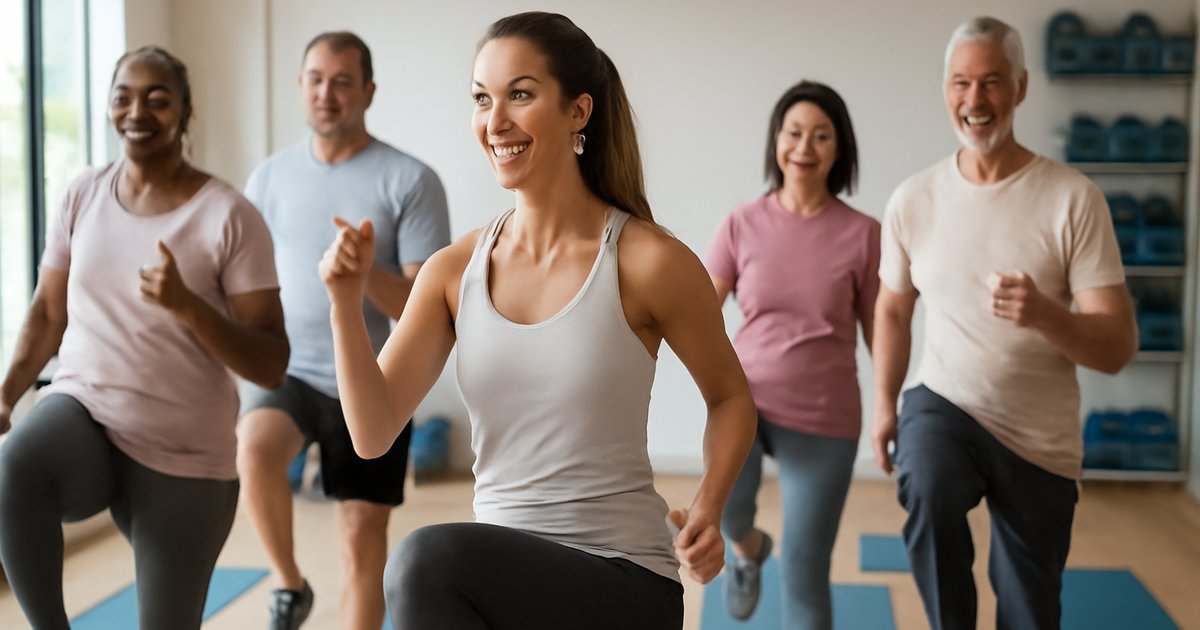
    Group fitness classes are structured exercise sessions led by a certified instructor, typically held in a gym, community center, studio, or even online. They bring together anywhere from a handful of participants to dozens of people working toward similar goals in a shared environment.

    Unlike solo gym workouts, group classes offer scheduled programming, professional guidance, and a built-in social component that many adults find motivating and enjoyable.

    Common formats include:

    • Cardio-based classes: Zumba, step aerobics, kickboxing, dance cardio
    • Strength-focused classes: BodyPump, kettlebell circuits, boot camp
    • Mind-body classes: Yoga, Pilates, tai chi, barre
    • Low-impact classes: Water aerobics, chair yoga, gentle stretch
    • Cycling classes: Indoor cycling (spin), recumbent cycling groups

    According to the American College of Sports Medicine (ACSM), group exercise remains one of the top fitness trends in the United States, driven largely by adults over 40 seeking structured, social, and professionally guided physical activity.

    Health Benefits of Group Fitness for Adults Over 40

    The benefits of group fitness extend well beyond calorie burn. Clinical evidence supports a wide range of physical, mental, and social health outcomes — especially meaningful as the body changes with age.

    Cardiovascular Health

    Regular participation in group aerobic classes — like cycling, Zumba, or step aerobics — can meaningfully reduce cardiovascular risk. The American Heart Association recommends at least 150 minutes of moderate-intensity aerobic activity per week for adults, and a structured group class schedule makes that goal far more achievable.

    A study published in The Journal of the American Osteopathic Association found that participants in group fitness classes reported significantly greater improvements in mental, physical, and emotional quality of life compared to those who exercised alone — including reduced perceived stress levels, a major contributor to heart disease.

    Muscle Preservation and Bone Density

    After age 40, adults lose approximately 3–8% of muscle mass per decade — a process called sarcopenia. This accelerates after 60. Strength-based group classes, such as BodyPump or circuit training, provide resistance training that research suggests can slow this loss significantly.

    Bone density also declines with age, increasing osteoporosis risk — particularly in postmenopausal women. According to the NIH, weight-bearing group fitness formats like barre, aerobics, and dance classes stimulate bone remodeling and can help maintain bone mineral density over time.

    Weight Management

    Managing weight becomes more challenging after 40 due to hormonal shifts, metabolic changes, and reduced lean muscle mass. Group fitness classes that combine cardio and strength training offer a practical, consistent approach to energy expenditure and metabolic conditioning.

    Research from the Mayo Clinic suggests that regular participation in mixed-format group classes (combining cardio and resistance work) is associated with better long-term weight maintenance than either type of exercise performed alone.

    Mental Health and Cognitive Function

    Exercise is one of the most evidence-supported interventions for depression and anxiety. Group fitness adds a social layer that amplifies those benefits. The CDC notes that regular physical activity reduces symptoms of anxiety and depression and supports cognitive function — critical considerations as adults approach their 50s and 60s.

    Mind-body group formats like yoga and tai chi have also been shown in multiple peer-reviewed studies to reduce cortisol levels, improve sleep quality, and enhance emotional regulation. If you’re interested in exploring these options, our guide on Yoga for Adults Over 40 covers the evidence and how to get started safely.

    Accountability and Social Connection

    One of the most clinically underappreciated aspects of group fitness is its impact on adherence — meaning, how likely you are to keep exercising over time. Research published in the journal Obesity found that exercising with others significantly increases workout frequency and duration compared to solo exercise, regardless of fitness level.

    Social isolation is also a growing public health concern. The Surgeon General’s 2023 Advisory on Loneliness identified it as a major risk factor for premature death, comparable to smoking 15 cigarettes a day. Group fitness classes provide a consistent, structured opportunity for meaningful social interaction — something many adults lose as work and family demands evolve.

    Best Types of Group Fitness Classes for Adults Over 40

    Not every group class is created equal, and your ideal format depends on your fitness level, any existing health conditions, and personal preferences. Here’s a breakdown of the most recommended options.

    Low-Impact Aerobics and Dance Classes

    Zumba, dance cardio, and modified step aerobics are excellent entry points for adults returning to exercise. They elevate heart rate without excessive joint stress, and the music-driven format makes them highly enjoyable. Clinical evidence suggests that enjoyment is one of the strongest predictors of long-term exercise adherence.

    Strength and Circuit Training Classes

    BodyPump, kettlebell classes, and circuit training formats combine resistance exercises with cardiovascular conditioning. Most qualified instructors offer modifications for varying fitness levels. These classes directly address sarcopenia and metabolic decline — two of the most impactful age-related health changes after 40.

    For adults who prefer resistance training without heavy equipment, our article on Resistance Band Workouts for Adults provides an accessible complement to group class programming.

    Mind-Body Classes: Yoga, Pilates, and Tai Chi

    These formats emphasize breath, balance, flexibility, and body awareness. They are particularly valuable for managing chronic pain, improving posture, and reducing anxiety. Pilates, for example, is strongly supported by evidence for core strength and low back pain relief — common concerns for adults over 40.

    Our in-depth guide on Pilates After 40 explores how this method supports spine health and everyday movement patterns.

    Water Aerobics and Aquatic Classes

    For adults with arthritis, joint pain, or obesity, water-based group classes offer full-body conditioning with minimal impact. The buoyancy of water reduces joint load by up to 90% compared to land-based exercise, according to the Arthritis Foundation — making aquatic classes one of the most accessible options available.

    Indoor Cycling Classes

    Spin classes provide intense cardiovascular training in a seated position, which reduces stress on knees and hips compared to running. Most studios offer beginner-friendly formats. Research suggests indoor cycling significantly improves VO2 max (a measure of cardiovascular fitness) and lower-body muscle endurance in middle-aged adults.

    How to Start Group Fitness Safely After 40

    Starting a new exercise program after 40 — especially in a group setting — requires some thoughtful preparation. This varies from person to person, but the following principles apply broadly.

    • Get medical clearance first: If you have cardiovascular disease, diabetes, joint issues, or any chronic condition, speak with your physician before beginning a new exercise program. Most doctors support group fitness and can help you identify appropriate formats and intensity levels.
    • Start with beginner or all-levels classes: Many studios label classes by intensity. Look for "beginner," "all levels," or "low impact" designations to ease into the format without overexertion.
    • Arrive early and speak to the instructor: A good group fitness instructor will want to know about any injuries, limitations, or health conditions you have. They can offer personalized modifications during class.
    • Listen to your body: Muscle soreness 24–48 hours after a new class is normal (called DOMS — delayed onset muscle soreness). Sharp joint pain, chest tightness, or dizziness are not normal and require immediate attention.
    • Progress gradually: Most fitness experts recommend beginning with two group classes per week and increasing frequency over four to six weeks as your fitness improves.
    • Prioritize recovery: Adults over 40 typically require longer recovery between intense sessions. Incorporating rest days and gentler formats like yoga or stretching classes between high-intensity sessions supports long-term progress and injury prevention.

    What to Tell Your Doctor — and When to Seek Help Immediately

    Before starting any group fitness program, it’s worth having an honest conversation with your primary care provider. Let them know:

    • Your current activity level and history
    • Any chronic conditions (heart disease, diabetes, osteoporosis, arthritis)
    • Current medications that may affect exercise response (beta-blockers, diuretics, insulin)
    • Any recent injuries or surgeries
    • Your fitness goals and the class types you’re considering

    Stop exercising and seek emergency care immediately if you experience:

    • Chest pain, pressure, or tightness during or after exercise
    • Shortness of breath disproportionate to your effort level
    • Sudden dizziness, fainting, or loss of consciousness
    • Heart palpitations or irregular heartbeat
    • Sudden severe pain in a joint or muscle
    • Numbness or weakness in an arm or leg

    These symptoms require immediate medical evaluation and should never be dismissed as "just part of getting older."

    Frequently Asked Questions

    Is group fitness appropriate if I have no prior exercise experience?

    Absolutely. Many group fitness formats are specifically designed for beginners or deconditioned adults. Look for classes labeled "beginner," "gentle," or "all levels." Speak to the instructor beforehand so they can offer appropriate modifications throughout the class.

    How many group fitness classes per week should adults over 40 attend?

    Clinical evidence indicates that most adults over 40 benefit from two to four structured exercise sessions per week. A balanced approach might include two strength-focused classes and one or two cardio or mind-body classes per week, with at least one full rest day. This varies from person to person based on health status and fitness level.

    Can group fitness classes help with weight loss after menopause?

    Research suggests that a combination of aerobic group classes and strength-based classes, paired with balanced nutrition, can support healthy weight management during and after menopause. Hormonal changes during this period affect fat distribution and metabolism, making consistent resistance training especially important. Always discuss weight management goals with your healthcare provider.

    What if I have knee or hip pain — are group classes still safe?

    Many group formats are well-suited for adults with joint pain, particularly water aerobics, chair yoga, and low-impact aerobics. A good instructor can provide modifications to reduce joint stress. That said, clinical evidence indicates that certain high-impact formats — such as plyometrics-heavy boot camp or jumping-intensive cardio — should be avoided or significantly modified if you have active knee or hip issues. Always consult your physician or a physical therapist before choosing a class format.

    Are online group fitness classes as effective as in-person ones?

    Research published during and following the COVID-19 pandemic found that virtual group fitness classes produce comparable cardiovascular and strength benefits to in-person sessions when participants maintain consistent attendance and exercise intensity. The social benefit may be slightly reduced in virtual formats, though many platforms now include live interaction features that help replicate the community experience.

    Conclusion

    Group fitness classes represent one of the most well-rounded, evidence-supported approaches to staying active after 40. They combine structured programming, expert instruction, cardiovascular conditioning, strength training, and the powerful motivational force of community — all in one format.

    Whether you’re managing a chronic condition, returning to exercise after a long break, or simply looking for a more engaging way to stay fit, there’s a group class designed for exactly where you are right now. The key is to start conservatively, listen to your body, and work in partnership with your healthcare provider.

    Your best decade of fitness may still be ahead of you — and you don’t have to pursue it alone.


    Medical Disclaimer: This article is for informational and educational purposes only. It does not constitute medical advice, diagnosis, or treatment. Always consult your physician or a qualified healthcare provider before making changes to your health routine or treatment plan.

    Medically reviewed by our editorial health team. Content follows evidence-based standards aligned with CDC and NIH guidelines.
  • Functional Fitness After 50: Move Better, Live Stronger

    Functional Fitness After 50: Move Better, Live Stronger

    The exercises that help you carry groceries, climb stairs, and get up from the floor without pain — and how to start doing them today.

    Introduction

    Margaret, 63, had been hitting the treadmill three times a week for years. She looked fit. But when she tried to lift a heavy bag from an overhead bin during a flight, she pulled a muscle in her shoulder. "I thought I was in shape," she told her physical therapist. "Turns out I was fit for the gym — but not for real life."

    Margaret’s story is more common than most people realize. According to the CDC, adults over 50 are among the fastest-growing segments of the US population, and physical function — the ability to perform everyday activities without pain or limitation — is one of the strongest predictors of long-term health and independence.

    Functional fitness is an approach to exercise specifically designed to train your body for real-life movements: bending, reaching, pushing, pulling, twisting, and carrying. It’s not about lifting the heaviest weight or running the fastest mile. It’s about building the strength, balance, and mobility that make daily life easier and safer.

    In this guide, you’ll learn what functional fitness is, why it matters so much after 50, and how to build a safe, effective routine — even if you haven’t exercised in years.

    What Is Functional Fitness?

    Functional fitness refers to exercise that trains your muscles and joints to work together in ways that mirror real-world movements. Rather than isolating a single muscle on a machine, functional training uses compound movements — exercises that recruit multiple muscle groups simultaneously.

    Think about what you do every day: getting up from a chair, picking something up off the floor, pushing open a heavy door, carrying a laundry basket. Each of these actions requires coordination, balance, and strength from several body parts working in sync. Functional fitness trains exactly those patterns.

    According to the National Institute on Aging (NIA), a branch of the NIH, maintaining physical function is a primary goal of healthy aging — and functional movement training is one of the most evidence-supported ways to achieve it.

    This approach is especially powerful for adults over 50 because it simultaneously addresses the four pillars of physical health that tend to decline with age: strength, balance, flexibility, and endurance.

    Why Functional Fitness Matters More After 50

    Starting around age 30, adults begin losing muscle mass at a rate of approximately 3 to 5 percent per decade — a process called sarcopenia. After 50, that loss can accelerate if not actively countered through resistance-based movement.

    The consequences go far beyond aesthetics. Loss of muscle and functional strength is directly linked to increased fall risk, reduced mobility, greater dependence on others, and higher rates of chronic disease. The CDC reports that falls are the leading cause of injury-related death among Americans over 65, with 3 million older adults treated in emergency departments for fall injuries each year.

    Functional fitness addresses this risk at its root. By training the muscles and movement patterns that stabilize the body during daily activities, it builds the kind of resilience that keeps you independent, confident, and mobile well into your later decades.

    Research published in the Journal of Aging and Physical Activity found that older adults who engaged in functional resistance training showed significant improvements in walking speed, balance, and self-reported quality of life compared to those doing traditional machine-based exercise. This variation in outcomes is well-documented — individual results depend on baseline fitness, health conditions, and consistency.

    Key Functional Movement Patterns to Train

    Functional fitness is built around six foundational movement patterns. Training all six ensures your body is prepared for the full range of activities daily life demands.

    1. Squat (sitting and standing)
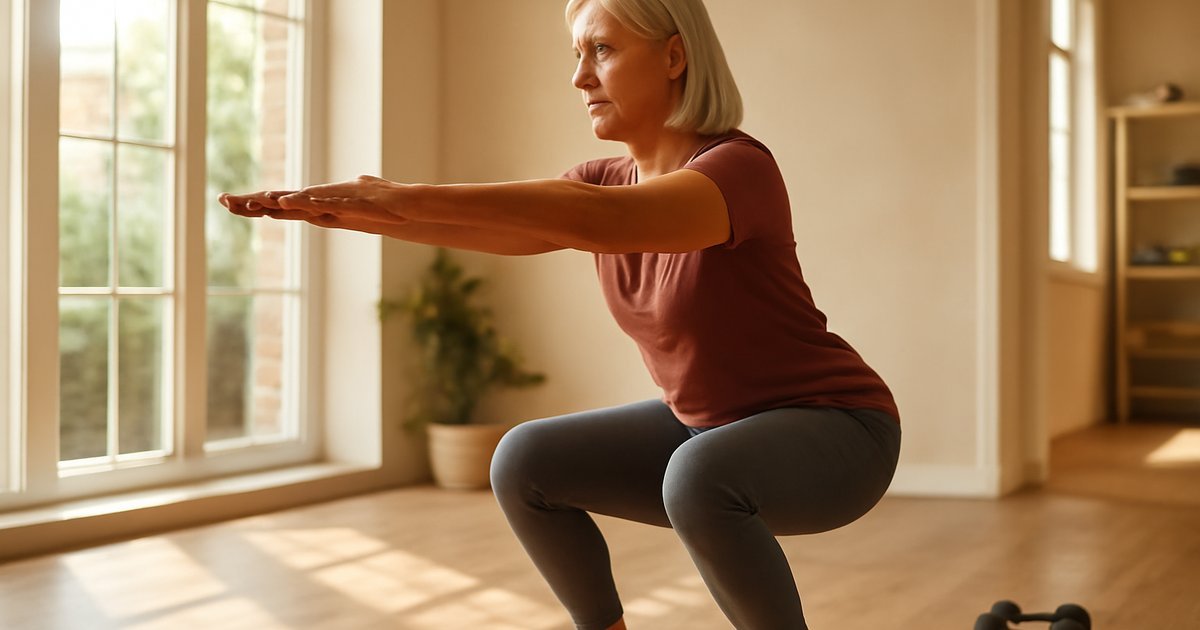
    The squat pattern mirrors getting up from a chair or a toilet. It trains your quadriceps, glutes, hamstrings, and core. For beginners, a chair squat — standing up from a seated position and slowly lowering back down — is a safe, effective starting point.

    2. Hinge (bending forward)
    The hip hinge mimics picking something up off the floor or loading the dishwasher. It trains the posterior chain — the glutes, hamstrings, and lower back. A Romanian deadlift with light dumbbells or a resistance band is a classic hinge exercise that most adults can learn safely.

    3. Push (pushing away from the body)
    Pushing movements train the chest, shoulders, and triceps. Wall push-ups or tabletop push-ups are excellent low-impact starting points for adults who haven’t trained upper body strength in a while.

    4. Pull (pulling toward the body)
    Pulling trains the upper back, biceps, and rear shoulders — muscles critical for posture and carrying. Resistance band rows are an approachable, joint-friendly option. If you’re interested in band-based training, our guide on Resistance Band Workouts: Strength & Mobility for All Ages offers a detailed introduction.

    5. Carry (moving while holding a load)
    Farmer’s carries — simply walking while holding a weight in each hand — build grip strength, core stability, and upright posture. They train the body exactly as grocery shopping does.

    6. Rotation (twisting)
    Rotational movements train the obliques and thoracic spine, preparing you for tasks like reaching across your body or looking over your shoulder while driving. Standing torso rotations with a light medicine ball or just bodyweight are safe starting points.

    A Sample Functional Fitness Routine for Adults Over 50

    Clinical evidence suggests that most adults over 50 benefit from at least two to three days of strength-focused functional training per week, with rest days or gentle movement — like walking or stretching — in between. The American College of Sports Medicine (ACSM) recommends that older adults perform muscle-strengthening activities on two or more days per week.

    Here is a beginner-to-intermediate weekly structure:

    Day 1 — Lower Body & Core Stability

    • Chair squats: 3 sets of 10–12 reps
    • Romanian deadlift with dumbbells or band: 3 sets of 10 reps
    • Standing calf raises: 3 sets of 15 reps
    • Dead bug (core stability): 3 sets of 8 reps per side
    • Side-lying hip abduction: 2 sets of 12 reps per side

    Day 2 — Upper Body & Posture

    • Wall push-ups or incline push-ups: 3 sets of 10–12 reps
    • Resistance band rows: 3 sets of 12 reps
    • Band pull-aparts: 3 sets of 15 reps
    • Overhead reach with band: 3 sets of 10 reps
    • Farmer’s carry: 3 rounds of 30 steps

    Day 3 — Balance, Mobility & Full-Body Integration

    • Single-leg stance: 3 sets of 30 seconds per side
    • Step-ups onto a low platform: 3 sets of 10 reps per leg
    • Lateral band walks: 3 sets of 12 steps per direction
    • Standing torso rotations: 3 sets of 10 per side
    • Hip flexor stretch (kneeling or standing): 2 sets of 30 seconds per side

    Always warm up for 5 to 10 minutes with gentle walking or light movement before beginning any strength work. Cool down with static stretching, focusing on the muscle groups you trained. If you’re also interested in structured low-impact options to complement this routine, you may find our article on Water Aerobics After 50: Benefits, Safety & How to Start a useful pairing for cardiovascular fitness.

    Safety: What to Know Before You Start

    Functional fitness is designed to be accessible — but that doesn’t mean it’s completely without risk, especially if you have existing health conditions. Research suggests that most exercise-related injuries in older adults result not from exercise itself, but from doing too much, too soon, without proper form.

    Here are the most important safety principles for adults over 50 starting a functional fitness program:

    • Get medical clearance first. If you have cardiovascular disease, osteoporosis, joint replacement, or uncontrolled hypertension, consult your physician before beginning a new exercise routine. Most doctors strongly support functional training — but your specific health history matters.
    • Start with bodyweight or very light resistance. Mastering movement form before adding load protects your joints and reduces injury risk significantly.
    • Prioritize form over speed or weight. Slow, controlled repetitions are more effective and far safer than rushing through exercises.
    • Listen to pain signals. Muscle fatigue is expected. Sharp, joint, or radiating pain is a warning sign to stop and evaluate.
    • Rest and recover. Muscle repair happens during rest. Adequate sleep supports your training outcomes — something our guide on Better Sleep After 50: Causes, Tips & When to See a Doctor covers in depth.
    • Consider working with a certified personal trainer or physical therapist at least initially. A professional can assess your movement quality and correct imbalances before they lead to injury.

    When to Call Your Doctor or Seek Emergency Care

    Most functional fitness discomforts — mild muscle soreness, slight fatigue, minor stiffness — are normal and resolve within 24 to 72 hours. However, some symptoms during or after exercise require immediate attention.

    Seek emergency care immediately if you experience:

    • Chest pain, pressure, or tightness during or after exercise
    • Severe shortness of breath that doesn’t resolve quickly with rest
    • Dizziness, lightheadedness, or fainting
    • Heart palpitations or an irregular, racing heartbeat
    • Sudden, severe joint or muscle pain (which may indicate a tear or fracture)
    • Numbness, tingling, or weakness radiating down an arm or leg

    Schedule a non-emergency appointment with your doctor if you notice:

    • Joint swelling that persists more than 48 hours after exercise
    • Persistent pain that worsens over multiple training sessions
    • Unusual fatigue that doesn’t improve with rest
    • Any new symptom that concerns you, even if it seems minor

    The American Heart Association recommends that adults with known cardiovascular risk factors discuss their exercise plans with a physician before significantly increasing activity intensity.

    Frequently Asked Questions

    Q: Is functional fitness the same as physical therapy?
    A: They share many exercises and principles, but they’re not the same. Physical therapy is a medically supervised rehabilitation process for specific injuries or conditions. Functional fitness is a preventive and performance-based training approach for generally healthy adults. That said, many physical therapists incorporate functional movement principles into their programs — and many people transition from PT to functional fitness training after recovering from an injury.

    Q: How soon will I see results from functional fitness training?
    A: This varies from person to person, but clinical evidence suggests that most adults begin noticing improvements in strength, balance, and daily ease of movement within four to eight weeks of consistent training. Neurological adaptations — how efficiently your brain coordinates movement — can occur even faster, often within the first two to three weeks.

    Q: Can I do functional fitness if I have osteoporosis?
    A: Research suggests that weight-bearing and resistance exercise can be beneficial for bone density, even in people with osteoporosis. However, certain movements — such as deep forward bends or high-impact jumps — may need to be modified or avoided. A physician or physical therapist familiar with osteoporosis should guide your specific program before you begin.

    Q: Do I need any equipment to start?
    A: No. Many of the most effective functional exercises require only your bodyweight — chair squats, wall push-ups, single-leg stands, and farmer’s carries with household objects. As you progress, a pair of light dumbbells and one or two resistance bands significantly expand your options at minimal cost.

    Q: How does functional fitness compare to yoga or Pilates?
    A: All three approaches complement each other well. Functional fitness emphasizes strength and movement pattern training. Yoga targets flexibility, breath, and mind-body connection. Pilates focuses on deep core stability and postural alignment. For many adults over 50, combining functional fitness with yoga or Pilates — on alternating days — offers the broadest physical benefits. Our articles on Yoga for Adults Over 40 and Pilates After 40: Core Strength, Posture & Pain Relief explore those approaches in detail.

    Conclusion

    Functional fitness isn’t a trend — it’s a smarter way to think about what exercise is actually for. After 50, the goal isn’t just to look fit. It’s to feel capable, move confidently, and maintain the independence that makes life meaningful.

    The good news is that the research is clear: it’s never too late to start. Even adults who begin functional training in their 60s or 70s show meaningful improvements in strength, balance, and quality of life. You don’t need a gym membership or a complicated program. You need consistent, purposeful movement that prepares your body for the life you want to live.

    Talk to your doctor, start with what you can do today, and build from there. Your future self — the one who carries their own groceries, climbs stairs without holding the rail, and gets up from the floor with ease — will thank you.


    Medical Disclaimer: This article is for informational and educational purposes only. It does not constitute medical advice, diagnosis, or treatment. Always consult your physician or a qualified healthcare provider before making changes to your health routine or treatment plan.

    Medically reviewed by our editorial health team. Content follows evidence-based standards aligned with CDC and NIH guidelines.

  • Cycling After 50: Benefits, Safety Tips & How to Start

    Cycling After 50: Benefits, Safety Tips & How to Start

    Cycling is one of the most joint-friendly, heart-strengthening, and mood-boosting exercises available to adults over 50 — and research confirms it can add quality years to your life.

    Consider Tom, 63, who had spent most of his adult life behind a desk. After his doctor flagged borderline high blood pressure and rising cholesterol at his annual checkup, Tom decided to dust off the old bicycle in his garage. Six months later, his blood pressure had dropped into a healthy range, he had lost 14 pounds, and — perhaps most importantly — he was sleeping better and feeling sharper at work.

    Tom’s story isn’t unusual. According to the CDC, fewer than 25% of American adults meet the recommended weekly guidelines for both aerobic and muscle-strengthening activity. For adults over 50, that gap grows even wider — and the consequences range from cardiovascular disease to cognitive decline.

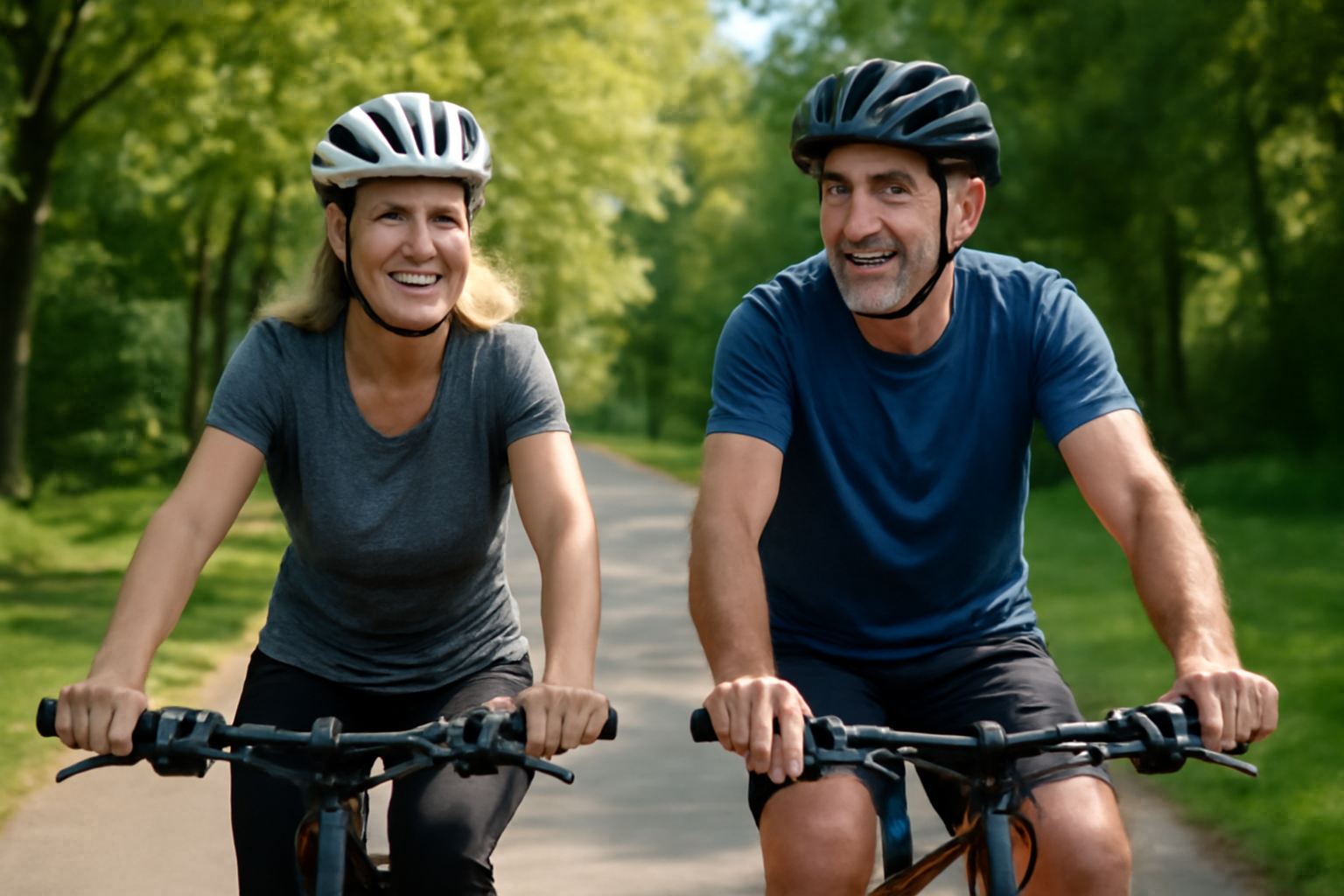
    Cycling offers a compelling solution. Whether you prefer a road bike, a stationary cycle, or an e-bike, this guide will walk you through the proven health benefits of cycling after 50, how to ride safely with aging joints and bones, and exactly how to build a sustainable routine — even if you haven’t been on a bike in decades.

    What Makes Cycling Ideal for Adults Over 50?

    Cycling is classified as a low-impact aerobic exercise, meaning it elevates your heart rate and burns calories without the repetitive pounding stress associated with running or jumping. For adults over 50 — many of whom deal with arthritis, knee discomfort, or reduced bone density — this distinction matters enormously.

    Unlike walking, cycling also allows you to sustain a moderate-to-vigorous intensity for longer durations, which is where many of its cardiovascular and metabolic benefits accumulate. And because the saddle supports a significant portion of your body weight, your knees, hips, and ankles are spared the impact forces that often sideline older exercisers.

    A landmark study published in the Journal of the American Geriatrics Society found that regular cyclists in their 50s and 60s showed biological aging markers — including cardiovascular efficiency and muscle mass preservation — comparable to people 20 to 30 years younger. That is not a minor finding.

    Clinical evidence also indicates that cycling is accessible across a wide fitness spectrum. You can start at an easy, conversational pace and gradually increase intensity as your fitness improves. This scalability makes it one of the most beginner-friendly exercises for midlife and older adults.

    Health Benefits of Cycling After 50: What the Research Shows

    The benefits of regular cycling extend far beyond weight management. Here is what clinical research and major health institutions consistently identify:

    Cardiovascular health: The American Heart Association recommends at least 150 minutes of moderate-intensity aerobic activity per week for heart health. Cycling fits squarely within that recommendation. Research published in the European Heart Journal found that adults who cycled regularly had a significantly lower risk of cardiovascular events compared to non-cyclists, even after adjusting for other lifestyle factors.

    Blood pressure and cholesterol management: Regular moderate-intensity aerobic exercise — including cycling — is consistently associated with reductions in systolic blood pressure and improvements in HDL (“good”) cholesterol. The NIH notes that exercise-induced improvements in blood pressure can rival the effects of certain antihypertensive medications in mildly hypertensive adults, though this varies from person to person and should never be used to replace prescribed treatment without physician guidance.

    Weight and metabolic health: A 30-minute moderate cycling session can burn between 200 and 300 calories depending on your body weight and effort level. Over time, this caloric expenditure supports healthy weight maintenance — a critical factor for reducing the risk of type 2 diabetes, joint strain, and metabolic syndrome.

    Muscle strength and joint health: Cycling engages the quadriceps, hamstrings, glutes, and calves in a controlled, low-impact motion. For adults with knee osteoarthritis — a condition affecting more than 32 million Americans according to the CDC — cycling is frequently recommended by orthopedic specialists as a safe way to strengthen the muscles surrounding the knee without aggravating joint surfaces.

    Cognitive function and mental health: Research suggests that regular aerobic exercise increases blood flow to the brain and supports the production of brain-derived neurotrophic factor (BDNF), a protein linked to memory, learning, and mood regulation. A 2023 meta-analysis published in Neuroscience & Biobehavioral Reviews found that aerobic exercise — including cycling — was associated with meaningful reductions in symptoms of depression and anxiety in adults over 50.

    Balance and fall prevention: While cycling itself doesn’t train static balance the same way yoga or tai chi does, it does strengthen the lower body and improve proprioception (your body’s sense of position in space), both of which contribute to fall resistance. If fall prevention is a specific concern, consider pairing cycling with dedicated balance training after 50.

    Getting Started Safely: What You Need to Know First

    Before you clip in or push off, a few safety and preparation steps will help protect your health and make your experience more enjoyable from day one.

    See your doctor first. If you have been sedentary for more than six months, have a known cardiovascular condition, manage diabetes, or have orthopedic concerns, schedule a checkup before starting any new exercise program. Your physician can help identify any contraindications and may suggest a cardiac stress test or musculoskeletal evaluation.

    Choose the right bike for your body:

    • Road bikes — best for distance and speed, but the forward-lean position can stress the lower back and wrists
    • Hybrid bikes — a versatile middle ground with a more upright posture; ideal for most beginners over 50
    • Recumbent bikes — seated in a reclined chair-like position; excellent for people with lower back pain or balance concerns
    • Stationary bikes — indoor cycling with zero traffic risk; a great starting point for deconditioned adults
    • E-bikes — electric-assist bikes allow you to cover more distance with less exertion; research suggests e-bike riders still achieve meaningful aerobic benefit and are significantly more likely to ride consistently

    Get a proper bike fit. An improperly fitted bike is one of the most common causes of cycling-related pain and injury. Most local bike shops offer fitting services. Key adjustments include seat height (your knee should have a slight bend at the bottom of the pedal stroke), handlebar height (upright enough to avoid neck strain), and reach (you should not feel cramped or overstretched).

    Wear a helmet — every single ride. The CDC reports that head injuries account for the majority of cycling fatalities in the US. A properly fitted helmet reduces the risk of serious head injury by up to 85%, according to the Insurance Institute for Highway Safety.

    Other essential gear:

    • Padded cycling shorts to reduce saddle discomfort
    • Bright or reflective clothing for visibility
    • Lights (front and rear) for low-light conditions
    • A water bottle or hydration pack — dehydration risk increases with age
    • Sunscreen — UV exposure during outdoor rides is cumulative and significant

    How to Build a Cycling Routine After 50: A Week-by-Week Plan

    The most common mistake new cyclists make is doing too much too soon. Research on exercise adherence consistently shows that gradual progression reduces injury risk and dramatically improves long-term consistency.

    Most physicians and exercise physiologists recommend using the Rate of Perceived Exertion (RPE) scale rather than obsessing over speed or mileage when starting out. On a scale of 1 to 10, aim for a 5-6 (moderate effort — you can speak in short sentences but not hold a full conversation).

    Weeks 1–2: Foundation

    • 3 rides per week, 15–20 minutes each
    • Flat terrain or stationary bike at low resistance
    • RPE: 4–5 (light to moderate effort)
    • Focus on form, breathing, and getting comfortable in the saddle

    Weeks 3–4: Building Endurance

    • 3–4 rides per week, 20–30 minutes each
    • Introduce gentle rolling terrain if outdoors
    • RPE: 5–6 (moderate effort)
    • Add a 5-minute warm-up and cool-down at low intensity

    Weeks 5–8: Progressive Aerobic Base

    • 4 rides per week, 30–45 minutes each
    • One longer ride per week (45–60 minutes at easy pace)
    • RPE: 5–7; one ride per week at 7 (vigorous effort)
    • Begin incorporating light hills or increased resistance

    Month 3 and Beyond: Maintenance and Variety

    • Aim for 150–300 minutes of moderate cycling per week (consistent with AHA guidelines)
    • Mix intensity levels: two moderate rides, one easy recovery ride, one slightly harder effort
    • Consider joining a local cycling club for social motivation and route variety

    Complement your cycling with core training after 40 to strengthen the stabilizing muscles that support your spine and pelvis during rides. And on recovery days, incorporating low-impact cross-training exercises like swimming or walking can maintain your aerobic base without fatiguing the same muscle groups.

    Common Cycling Injuries After 50 — And How to Prevent Them

    Most cycling-related discomfort is preventable with proper setup, technique, and progression. Here are the most frequent issues and evidence-based prevention strategies:

    Knee pain: Often caused by a saddle that is too low (forces the knee into excessive flexion) or too high (causes overextension). Raise or lower the seat in small increments and consult a bike fitter. Strengthening the quadriceps and glutes also reduces knee loading during the pedal stroke.

    Lower back pain: Typically results from excessive forward lean, tight hamstrings, or weak core muscles. Raising the handlebars, reducing ride duration initially, and adding targeted core exercises can resolve most cases.

    Saddle soreness: Almost universal among new cyclists. Padded shorts, a properly contoured saddle, and chamois cream reduce friction. Most saddle discomfort resolves within the first 2–3 weeks as tissues adapt.

    Hand and wrist numbness: Caused by excessive weight on the handlebars or gripping too tightly. Padded gloves, ergonomic grips, and adjusting handlebar height typically resolve this issue.

    Overuse injuries: Tendons and connective tissue take longer to adapt than cardiovascular fitness in adults over 50. Avoid increasing weekly mileage by more than 10% per week — a widely cited guideline in sports medicine.

    When to See Your Doctor: Red Flags While Cycling

    Most exercise-related sensations are normal — mild muscle fatigue, slightly elevated heart rate, temporary breathlessness. But certain symptoms require immediate attention and should never be dismissed as “just exercise.”

    Stop riding and call 911 immediately if you experience:

    • Chest pain, pressure, or tightness during or after a ride
    • Pain radiating to the jaw, left arm, or upper back
    • Sudden severe shortness of breath disproportionate to your effort level
    • Heart palpitations that feel irregular, rapid, or accompanied by dizziness
    • Fainting or near-fainting (syncope)
    • Sudden, severe joint pain with swelling — this may indicate an acute injury

    Schedule a doctor’s appointment if you notice:

    • Persistent knee, hip, or lower back pain lasting more than a week despite rest
    • Numbness or tingling in the hands or feet that does not resolve post-ride
    • Unusual fatigue that worsens over multiple weeks of training
    • Any new or unexplained symptom that concerns you

    Always tell your doctor you have started a cycling routine. This context helps them interpret any new symptoms accurately and can guide adjustments to medications (some blood pressure medications, for example, can affect heart rate response during exercise).

    Frequently Asked Questions About Cycling After 50

    Is cycling safe if I have knee arthritis?
    For most people with knee osteoarthritis, cycling is not only safe but actively recommended by rheumatologists and orthopedic specialists. The low-impact, circular pedaling motion lubricates the joint and strengthens surrounding muscles without the compressive forces of running or stair-climbing. This varies from person to person, so consult your physician before starting — especially if arthritis is moderate to severe.

    How many days per week should I cycle to see results?
    Research suggests that 3–4 days per week of moderate cycling is sufficient to produce meaningful cardiovascular, metabolic, and mental health improvements. Consistency over months matters more than any single week of high volume.

    Can cycling help with weight loss after 50?
    Clinical evidence indicates that cycling contributes to a caloric deficit necessary for weight loss, especially when combined with a nutritious diet. However, weight loss after 50 typically progresses more slowly due to hormonal and metabolic changes. Most experts recommend focusing on fitness improvements — energy, strength, cardiovascular markers — rather than scale weight alone.

    Is an e-bike a “real” workout?
    Yes. A 2019 study published in Transportation Research Interdisciplinary Perspectives found that e-bike riders achieved heart rates in the moderate-intensity zone during typical commutes and recreational rides. E-bikes also dramatically increase the likelihood that older or deconditioned adults will ride consistently — which is ultimately the most important variable for health outcomes.

    What if I haven’t ridden a bike in 20 years?
    Motor memory for cycling is remarkably durable — the saying “it’s like riding a bike” is backed by neuroscience. Starting on a stationary bike eliminates balance and traffic concerns entirely while you rebuild confidence and fitness. Most people transition to outdoor cycling within a few weeks of indoor training.

    Conclusion: Your Wheels, Your Health

    Cycling after 50 is not about racing or recapturing your youth. It is about giving your heart, joints, muscles, and mind a sustainable, evidence-backed tool for feeling better — today and for the decades ahead.

    The research is clear: regular cycling reduces cardiovascular risk, supports healthy weight, protects joint function, and improves mood and cognitive function. And unlike many fitness activities, it adapts to where you are right now — whether that means a 15-minute stationary bike session or a 45-minute trail ride on a Sunday morning.

    Start where you are, progress gradually, and make sure your doctor is part of the conversation. The best workout is always the one you can do consistently — and for millions of Americans over 50, cycling is exactly that.

    This article is for informational and educational purposes only. It does not constitute medical advice, diagnosis, or treatment. Always consult your physician or a qualified healthcare provider before making changes to your health routine or treatment plan.

    Medically reviewed by our editorial health team. Content follows evidence-based standards aligned with CDC and NIH guidelines.