Tag: joint health

  • Water Aerobics After 50: Benefits, Safety & How to Start

    Water Aerobics After 50: Benefits, Safety & How to Start

    Water Aerobics After 50: Benefits, Safety & How to Start

    One of the most effective low-impact workouts for joint health, cardiovascular fitness, and strength — and most adults over 50 haven’t tried it yet.

    Introduction

    When Margaret, 63, was told by her orthopedic surgeon that her knees could no longer handle her daily morning jogs, she was devastated. Running had been her stress outlet, her social ritual, her identity. What her surgeon recommended instead surprised her: water aerobics.

    “I thought it was just for older people who couldn’t do real exercise,” she admitted. Six months later, she had lost 14 pounds, lowered her blood pressure by 9 points, and — most importantly — was moving without pain for the first time in years.

    Margaret’s story isn’t unusual. According to the Centers for Disease Control and Prevention (CDC), nearly 58 million Americans suffer from some form of arthritis, and joint pain is among the leading reasons adults over 50 stop exercising altogether. But stopping movement is one of the worst decisions for long-term health.

    Water aerobics — also called aquatic exercise or aqua fitness — offers a science-backed alternative that protects your joints while delivering genuine cardiovascular, strength, and flexibility benefits. In this guide, you’ll learn exactly what water aerobics does for your body, how to start safely, and how to build a sustainable routine that keeps you active well into your later decades.

    What Is Water Aerobics?

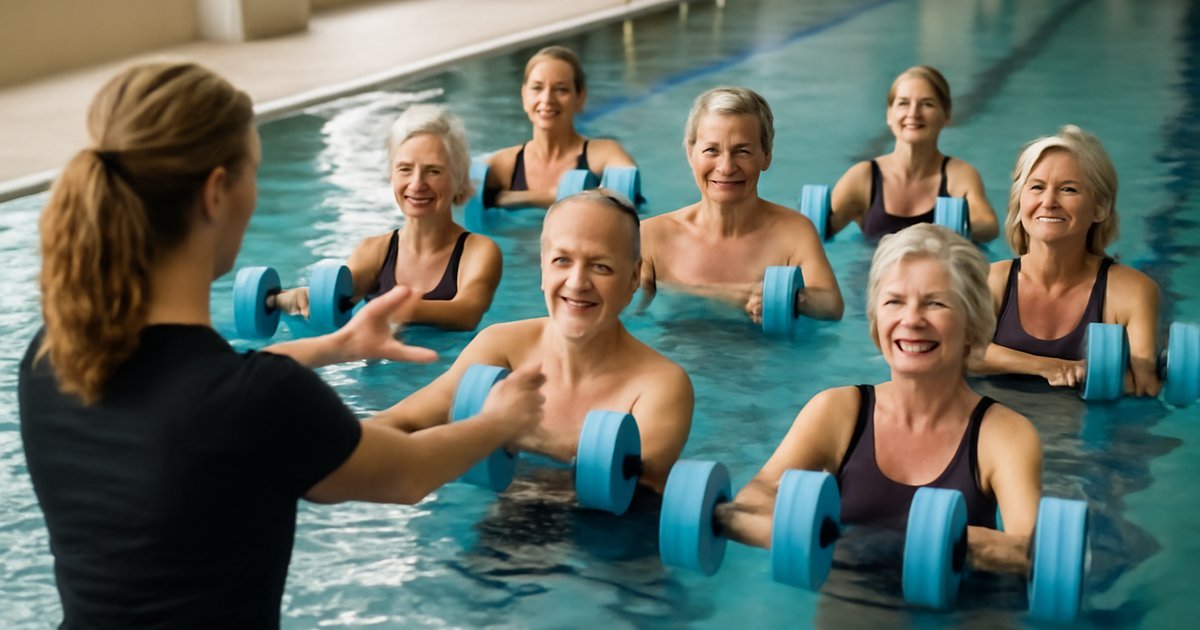
    Water aerobics is a form of aerobic exercise performed in shallow water — typically a pool with water depth between waist and chest height. Unlike swimming laps, most water aerobics exercises are done in a standing or upright position, meaning you don’t need to know how to swim to participate.

    The water provides two things that make it uniquely effective for older adults: buoyancy and resistance. Buoyancy reduces the effective weight your joints must support — according to research published by the Arthritis Foundation, immersion in water up to your waist reduces the load on your joints by approximately 50%. Immersion up to your neck reduces it by about 90%. That means your cardiovascular system and muscles can work hard while your knees, hips, and spine experience a fraction of the usual impact.

    Water also provides natural resistance in every direction. When you push your arm forward underwater, the water pushes back. This multidirectional resistance helps build muscular strength and endurance without the need for weights — though water dumbbells and resistance tools can be added as you progress.

    In the United States, water aerobics classes are widely available through YMCAs, community recreation centers, senior centers, and private gyms. Many programs are specifically designed for adults aged 50 and older, with certified aquatic fitness instructors leading structured group sessions.

    Health Benefits of Water Aerobics for Adults Over 50

    The benefits of aquatic exercise go well beyond joint comfort. Research from the National Institutes of Health (NIH) and multiple independent clinical studies supports water aerobics as a legitimate, multidimensional fitness approach for middle-aged and older adults.

    Cardiovascular Health

    A 2019 meta-analysis published in the Journal of Aging and Physical Activity found that aquatic exercise programs significantly improved VO2 max — a key measure of cardiovascular fitness — in adults over 55. The heart works just as hard in water as it does on land, but without the pounding that land-based cardio delivers to your joints.

    The American Heart Association recommends that adults get at least 150 minutes of moderate-intensity aerobic activity per week. Water aerobics can fully satisfy that recommendation while actually being enjoyable — which matters for long-term adherence.

    Muscle Strength and Endurance

    After age 40, adults lose approximately 1–2% of muscle mass per year in a process called sarcopenia — age-related muscle loss. By age 70, many people have lost up to 25% of their peak muscle mass, according to the NIH. This contributes to weakness, fatigue, and increased fall risk.

    Aquatic exercise helps counter sarcopenia by providing consistent muscular resistance. Clinical evidence indicates that water-based resistance training can produce meaningful strength gains comparable to moderate land-based weight training, particularly in the lower body — the legs, glutes, and core.

    Joint Pain and Arthritis Management

    The CDC identifies aquatic exercise as one of the most recommended physical activities for people living with arthritis. Water’s buoyancy reduces joint stress, warm water promotes muscle relaxation, and the hydrostatic pressure of being submerged can help reduce swelling and inflammation around joints.

    Research published in the journal Physical Therapy found that adults with knee osteoarthritis who participated in 12 weeks of aquatic exercise reported significantly less pain and better physical function compared to a control group. This is one reason rheumatologists and physical therapists frequently recommend pool exercise as part of a comprehensive arthritis management plan.

    Balance and Fall Prevention

    Falls are a major public health concern for adults over 65. The CDC reports that falls are the leading cause of injury-related death in older Americans. Water aerobics improves balance by challenging your proprioception — your body’s internal sense of position and movement — in a forgiving environment. If you lose your balance in a pool, the water slows your fall and typically prevents injury.

    Consistent aquatic exercise has been shown to improve functional balance scores, which translates to real-world stability and reduced fall risk. If fall prevention is a priority for you, you might also find our guide on Low-Impact Exercise After 50: Best Workouts for Joints a useful complement to this information.

    Mental Health and Mood

    Exercise-induced endorphin release doesn’t require land-based workouts. Aquatic exercise has been associated with reduced symptoms of depression and anxiety in older adults, with group water aerobics classes offering the added social benefit of community connection — a significant factor in mental well-being for adults over 50.

    Who Should Consider Water Aerobics?

    Water aerobics is particularly well-suited for adults managing any of the following conditions — though you should always get clearance from your physician before starting any new exercise program:

    • Osteoarthritis or rheumatoid arthritis — reduced joint load makes movement possible when land exercise isn’t
    • Chronic low back pain — water supports the spine while core muscles are strengthened
    • Obesity or overweight — pool exercise allows effective workouts without excess joint stress
    • Hypertension or cardiovascular disease — aquatic cardio is heart-healthy and adjustable in intensity
    • Post-surgical recovery (with physician clearance) — many physical therapy programs use water-based rehabilitation
    • Osteoporosis — while weight-bearing exercise is also important for bone density, aquatic exercise builds the muscle strength that helps prevent falls and fractures
    • General deconditioning — if you’ve been inactive and need a low-barrier entry point back to fitness

    This varies from person to person — individual health status, current fitness level, and any active medical conditions should guide your approach. A conversation with your primary care provider is always the right first step.

    Getting Started: What to Expect in Your First Sessions

    Starting water aerobics is far less intimidating than many people expect. Here’s a practical roadmap for your first few weeks:

    Before You Begin

    • Get medical clearance from your doctor, especially if you have heart disease, uncontrolled hypertension, open wounds, or recent surgery
    • Find a pool with a water aerobics program — your local YMCA or community recreation center is a great starting point
    • Invest in a comfortable swimsuit, water shoes (which improve traction on pool surfaces), and optionally a swim cap if desired
    • Look for classes specifically labeled “Aqua Fit for Seniors,” “Gentle Water Aerobics,” or “Arthritis Aquatics” for the most appropriate pace

    Your First Two Weeks

    Start with two sessions per week, each lasting 30–45 minutes. Your instructor will guide the class through a warm-up, aerobic phase, resistance exercises, and cool-down. Expect some muscle soreness after your first few sessions — this is normal and indicates your muscles are adapting.

    Clinical evidence suggests that it takes approximately 4–6 weeks of consistent aquatic exercise before most adults begin noticing meaningful improvements in cardiovascular endurance and lower-body strength. Patience in the early phase is key.

    Building a Sustainable Routine

    Aim to progress toward three to four sessions per week over the course of 8–12 weeks. You can also combine water aerobics with other low-impact activities for a well-rounded fitness plan. Our articles on Core Training After 40: Stability, Back Pain Relief & Better Movement and Resistance Band Workouts: Strength & Mobility for All Ages cover complementary land-based exercises that pair well with aquatic training.

    Sample Water Aerobics Exercises for Beginners

    These exercises are commonly used in beginner and senior aquatic classes. Perform each for 30–60 seconds, resting as needed:

    • Water walking — walk forward and backward across the pool, swinging arms naturally; this builds cardiovascular endurance and leg strength
    • Leg kicks (front and side) — hold the pool edge or a noodle and kick your legs in controlled movements to target hip flexors and abductors
    • Arm curls with water dumbbells — mimic a bicep curl motion using foam dumbbells, which resist your movement in both directions
    • Jumping jacks (modified) — step wide and narrow rather than jumping to reduce impact while still working the cardiovascular system
    • Flutter kicks — hold the pool wall and kick your legs in a controlled flutter motion to target glutes and hamstrings
    • Core rotation — standing chest-deep, rotate your torso left and right while holding your arms extended; the water resistance works your obliques effectively
    • High knees march — march in place bringing your knees toward the water surface; great for hip flexor strength and cardio

    A certified aquatic fitness instructor can help you adapt these movements to your current ability level and any specific physical limitations you may have.

    Safety Tips You Shouldn’t Skip

    Water aerobics is inherently low-risk, but a few important precautions apply:

    • Never exercise alone if you have a cardiac condition or are a non-swimmer — always have a lifeguard present
    • Stay hydrated — many people underestimate fluid loss during pool exercise because they don’t feel sweaty; drink water before and after your session
    • Watch pool surfaces — wet decks are slippery; use pool shoes and move carefully when entering or exiting the pool
    • Monitor your exertion — most physicians recommend using the “talk test” during moderate-intensity exercise: you should be able to speak in short sentences but not sing comfortably
    • Communicate with your instructor — always inform them of any health conditions, recent surgeries, or medications that affect exercise response
    • Chlorine sensitivity — if you experience skin or eye irritation, speak to the facility about pool chemistry or consider goggles and rinsing off immediately after sessions

    When to Call Your Doctor or Seek Emergency Care

    While water aerobics is one of the safest forms of exercise available, certain symptoms require immediate attention. Stop exercising and seek emergency care if you experience:

    • Chest pain, tightness, or pressure during or after exercise
    • Sudden shortness of breath that doesn’t resolve with rest
    • Dizziness, fainting, or near-fainting during activity
    • Irregular or racing heartbeat that persists after you stop exercising
    • Sudden, severe joint pain — not muscle soreness, but sharp joint pain
    • Numbness or weakness in your arms, legs, or face

    At your next routine appointment, discuss water aerobics with your doctor if you have:

    • Uncontrolled blood pressure or a recent cardiovascular event
    • Diabetes — aquatic exercise can affect blood glucose levels, and your medication plan may need adjustment
    • Active skin infections, open wounds, or recent surgery — these can be contraindications for pool entry
    • Any ear conditions — water exposure can aggravate certain ear problems; ear plugs may be recommended

    Frequently Asked Questions

    Do I need to know how to swim to do water aerobics?
    No. The vast majority of water aerobics exercises are performed in shallow water where you can stand flat-footed on the pool floor. Swimming ability is not required. Many participants are non-swimmers or have a fear of water, and the format accommodates this comfortably.

    Will water aerobics help me lose weight?
    Research suggests that regular aquatic exercise contributes to weight management when combined with a balanced diet. A 45-minute water aerobics class can burn approximately 400–500 calories depending on your body weight and exercise intensity, according to estimates aligned with NIH physical activity guidelines. However, weight loss outcomes vary significantly from person to person and depend on overall caloric balance.

    Is water aerobics effective for building bone density?
    This is an important nuance. Because water aerobics is non-weight-bearing, it does not stimulate bone-building the same way that walking, jogging, or resistance training on land does. If osteoporosis or bone density is a primary concern, your physician may recommend combining aquatic exercise with some weight-bearing activity as well. Water aerobics remains highly valuable for building the muscle strength that reduces fracture risk from falls.

    How is water aerobics different from swimming laps?
    Swimming laps is a horizontal, technique-dependent activity focused primarily on cardiovascular endurance. Water aerobics is performed vertically, uses structured movements targeting multiple muscle groups, and requires no swimming technique. Many people find water aerobics more accessible and more socially engaging than lap swimming.

    How soon will I see results from water aerobics?
    Most adults report feeling better — less joint stiffness, improved mood, and more energy — within the first two to three weeks. Measurable improvements in cardiovascular fitness and strength typically appear after four to eight weeks of consistent practice (two to four sessions per week). Clinical evidence indicates that meaningful functional improvements in older adults — including better balance and reduced pain — are generally observed after 10–12 weeks.

    Conclusion

    Water aerobics isn’t a compromise — it’s a genuinely powerful fitness tool that happens to be kind to your body. For adults over 50 managing joint pain, recovering from injury, or simply looking for a sustainable way to stay active, the pool may be one of the smartest environments you can exercise in.

    The evidence is clear: aquatic exercise improves cardiovascular health, builds meaningful muscle strength, reduces joint pain, and supports balance — all while minimizing the impact that can sideline so many active adults.

    If you’ve been hesitant to start because you’re not sure you’re “fit enough” or you think it’s not a "real" workout, let the research change your mind. Talk to your doctor, find a class near you, and give it eight weeks. Your joints — and your whole body — may thank you more than you expect.


    Medical Disclaimer: This article is for informational and educational purposes only. It does not constitute medical advice, diagnosis, or treatment. Always consult your physician or a qualified healthcare provider before making changes to your health routine or treatment plan.

    Medically reviewed by our editorial health team. Content follows evidence-based standards aligned with CDC and NIH guidelines.
  • Flexibility & Mobility Training: The Complete Guide for Adults 40+

    Flexibility & Mobility Training: The Complete Guide for Adults 40+

    Flexibility & Mobility Training: The Complete Guide for Adults 40+

    Stiffness, limited range of motion, and joint discomfort aren’t inevitable — but they do require intentional effort to prevent.

    Why Flexibility and Mobility Matter More Than You Think

    Margaret, 54, noticed it first when she could no longer reach the back seat of her car without wincing. Then came the morning stiffness that lasted nearly an hour. Her doctor assured her there was no serious injury — just the gradual loss of flexibility and joint mobility that affects millions of American adults each decade after 40.

    According to the American College of Sports Medicine, flexibility declines by roughly 25 to 30 percent between the ages of 30 and 70 — and most people don’t notice it until daily tasks become harder. Reaching overhead, bending to tie your shoes, turning to check your blind spot while driving — these movements depend directly on your mobility.

    In this guide, you’ll learn what flexibility and mobility actually mean, why they diverge after 40, what the clinical research says about training both, and exactly how to build a sustainable, evidence-based routine — whether you’re recovering from injury, managing a chronic condition, or simply trying to stay active and independent for decades to come.


    What Are Flexibility and Mobility — and Are They the Same Thing?

    These two terms are often used interchangeably, but they describe different physical qualities that require different approaches to improve.

    Flexibility refers to the passive ability of a muscle or muscle group to lengthen. It’s the range of motion available when an external force — gravity, a strap, a partner — is applied. Doing a static hamstring stretch while lying on your back is a flexibility exercise.

    Mobility refers to your active ability to move a joint through its full range of motion under your own muscular control. Hip mobility, for example, determines how well you can squat, lunge, step up a curb, or get up from a low chair — all under your own power.

    You can have flexible muscles but poor mobility if you lack the strength or neuromuscular control to use that range of motion. This distinction matters clinically: research published in the Journal of Strength and Conditioning Research indicates that mobility-focused training — which combines flexibility with strength and motor control — produces more functional outcomes than static stretching alone.

    The NIH’s National Institute on Aging recognizes flexibility and balance work as two of the four essential components of physical fitness for older adults, alongside endurance and strength.


    How Aging Affects Your Muscles, Joints, and Connective Tissue

    Understanding what physically changes after 40 helps explain why a dedicated practice matters — and why the changes aren’t a life sentence.

    Several biological shifts happen gradually as you age:

    • Reduced collagen synthesis: Tendons and ligaments lose elasticity as collagen production slows after age 30. This makes connective tissue stiffer and more prone to injury under sudden loads.
    • Decreased synovial fluid: The lubricating fluid inside your joints becomes less abundant, increasing friction and discomfort during movement — particularly in the knees, hips, and spine.
    • Sarcopenia: Beginning around age 40, adults lose approximately 3 to 8 percent of muscle mass per decade (CDC), which directly reduces muscular support around joints and limits active range of motion.
    • Neurological slowing: Proprioception — your body’s sense of its own position in space — becomes less precise, reducing coordination and increasing fall risk.
    • Fascial thickening: The connective tissue surrounding muscles (fascia) tends to become denser and less supple, further restricting range of motion if left unaddressed.

    The encouraging clinical reality: a 2023 meta-analysis in Ageing Research Reviews found that consistent flexibility and mobility training can meaningfully slow these changes — and in some cases partially reverse functional limitations — even in adults beginning a program after age 60.


    Signs You May Need to Prioritize Mobility Work

    Flexibility and mobility loss rarely announces itself dramatically. Most people adapt to limitations gradually, without realizing how much movement they’ve lost. Watch for these signals:

    Early signs:

    • Morning stiffness lasting more than 15 to 20 minutes
    • Difficulty reaching overhead without discomfort
    • Tight hips when sitting for extended periods
    • Reduced stride length when walking
    • Needing to use your arms to push up from a chair
    • Feeling “locked up” in your thoracic spine (mid-back)

    More advanced signs:

    • Chronic low back pain with no structural diagnosis
    • Recurring muscle strains during low-intensity activity
    • Noticeable asymmetry — one hip, shoulder, or knee moving less freely than the other
    • Difficulty with balance tasks like standing on one leg
    • Pain during routine movements such as squatting or rotating your torso

    Research from Johns Hopkins Medicine suggests that reduced hip mobility, in particular, is one of the most underrecognized contributors to lower back pain in adults over 40. The hip and lumbar spine compensate for each other — when one is restricted, the other often bears disproportionate load.


    The Evidence-Based Benefits of Flexibility and Mobility Training

    This isn’t just about touching your toes. Clinical evidence points to meaningful, wide-ranging health benefits across multiple systems:

    Reduced injury risk: A systematic review in the British Journal of Sports Medicine found that regular flexibility training reduced musculoskeletal injury rates in recreational exercisers by up to 35 percent.

    Chronic pain reduction: The American College of Rheumatology includes stretching and range-of-motion exercises in its clinical guidelines for osteoarthritis management — one of the most prevalent conditions in US adults over 50, affecting an estimated 32.5 million Americans according to the CDC.

    Improved posture and spinal health: Mobility work targeting the thoracic spine and hip flexors has been shown to reduce compressive load on lumbar vertebrae, potentially decreasing the incidence of disc-related complaints.

    Better athletic performance: Whether you’re running, cycling, swimming, or lifting weights, adequate joint mobility allows for more efficient movement mechanics — which translates to better performance and less compensatory strain. If you’re also following a strength training program after 40, mobility work is especially important to maintain safe mechanics under load.

    Fall prevention: The CDC reports that falls are the leading cause of injury-related death in adults 65 and older. Research consistently shows that balance and mobility training significantly reduces fall risk — with some studies showing reductions of 23 percent or more.

    Mental health benefits: Mind-body mobility practices such as yoga and tai chi have demonstrated reductions in perceived stress, anxiety, and depressive symptoms in multiple randomized controlled trials reviewed by the NIH’s National Center for Complementary and Integrative Health.


    Types of Flexibility and Mobility Training: What Works and When

    Not all stretching and mobility work is created equal. Here’s what clinical evidence supports for adults over 40:

    Static Stretching

    Holding a stretch for 20 to 60 seconds without bouncing. Most physicians and physical therapists recommend static stretching after exercise — not before — when muscles are warm. Research suggests holding each stretch for a minimum of 30 seconds to produce lasting changes in muscle length.

    Dynamic Stretching and Warm-Up Mobility Drills

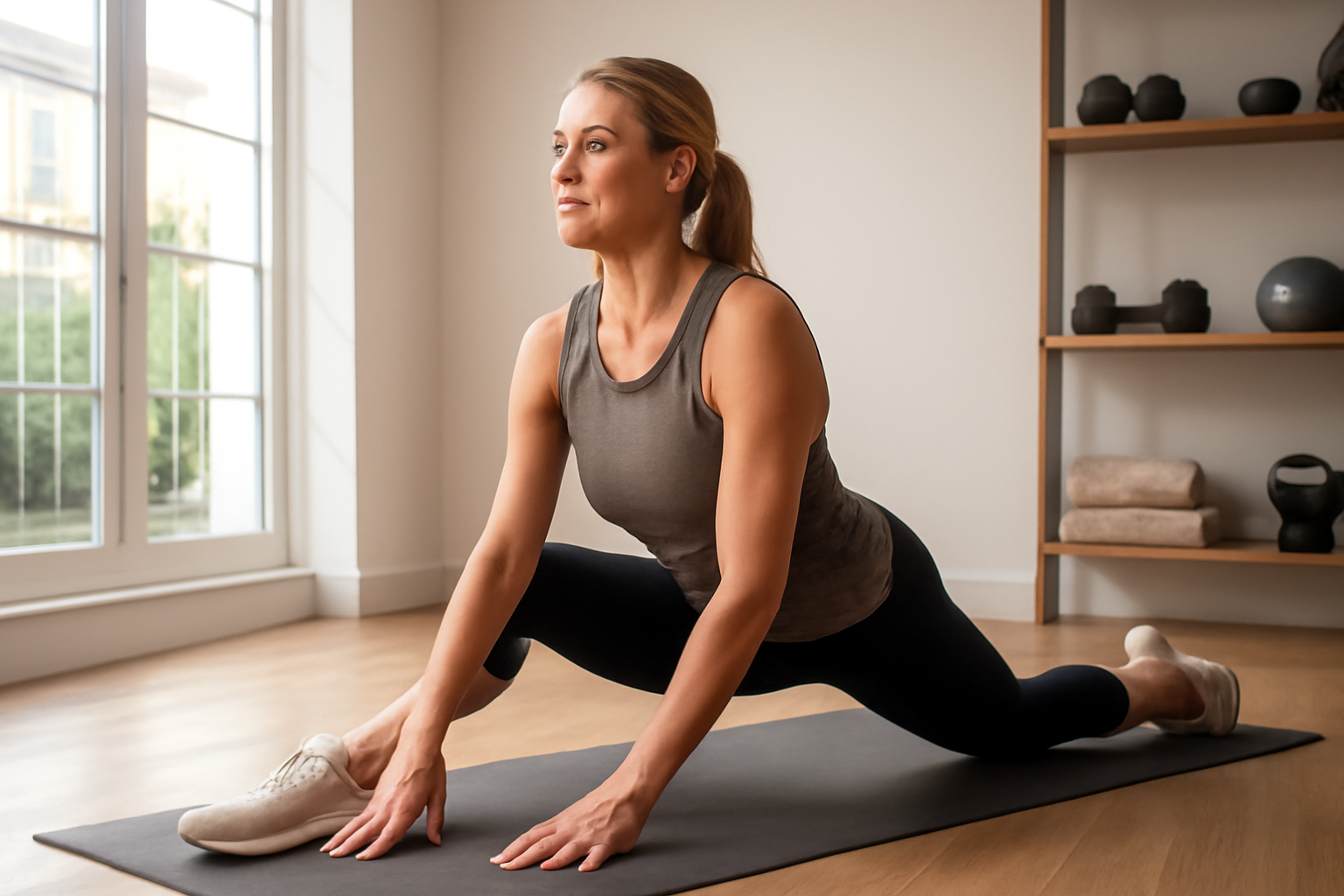
    Controlled, movement-based stretches performed through a range of motion — leg swings, hip circles, arm crossovers. These are ideal before workouts, as they increase blood flow, prepare joints for load, and activate neuromuscular pathways without the performance-reducing effects of static pre-exercise stretching.

    Yoga

    Multiple clinical trials, including studies reviewed by the Mayo Clinic, indicate that regular yoga practice improves flexibility, balance, and functional mobility in middle-aged and older adults, while also reducing chronic pain and improving sleep quality. Even two sessions per week produces measurable benefits within 8 weeks.

    Tai Chi

    Particularly well-supported for adults over 60, tai chi combines slow, deliberate movement with balance challenges. A meta-analysis in the Journal of the American Geriatrics Society found tai chi reduced fall frequency by 43 percent in older adults compared with control groups.

    Foam Rolling (Self-Myofascial Release)

    Using a foam roller or massage ball to apply pressure to tight muscle groups can temporarily reduce tissue stiffness and improve range of motion before stretching. Clinical evidence positions it best as a complement to — not a replacement for — active stretching and mobility work.

    Joint Mobility Drills (CARs)

    Controlled Articular Rotations (CARs) involve moving joints — hips, shoulders, thoracic spine, ankles — through their full active range of motion in a slow, controlled way. Developed and popularized in physiotherapy circles, CARs are increasingly recognized as one of the most efficient mobility maintenance tools available to adults of all ages.


    How to Build Your Flexibility and Mobility Routine

    The best program is one you’ll actually do consistently. Here’s an evidence-informed starting framework:

    Frequency: Most clinical guidelines recommend flexibility and mobility work at least 3 to 5 days per week. The American College of Sports Medicine suggests daily stretching for adults over 65 seeking to maintain or improve functional range of motion.

    Duration: Even 10 to 15 minutes per session produces measurable improvements when practiced consistently. A 20 to 30 minute dedicated mobility session 3 times weekly is a strong target for most adults over 40.

    Timing: Dynamic mobility work before exercise; static stretching after. A standalone morning mobility routine — even 10 minutes after a hot shower when tissues are warm — is one of the most consistent habits reported by adults who successfully maintain flexibility long term.

    Priority areas for adults 40+:

    • Hip flexors and hip rotators — critical for back health and lower body mechanics
    • Thoracic spine (mid-back) — stiffness here forces the neck and lower back to compensate
    • Hamstrings and calves — affect gait, posture, and knee health
    • Shoulder complex — overhead mobility affects daily function and upper body exercise safety
    • Ankle dorsiflexion — essential for squatting mechanics and fall prevention

    If you’re also incorporating cardiovascular exercise into your week, pairing it with regular mobility work creates a powerful combination. Adults interested in heart-healthy cardio programming may find it helpful to review evidence-based cardio exercise guidelines for adults over 50, which complement a full mobility practice well.

    Similarly, if you’re following a strength training program after 50, mobility work is not optional — it directly determines how safely and effectively you can lift as intensity increases.


    When to See a Doctor or Physical Therapist

    Most flexibility and mobility training is safe for healthy adults to begin independently. However, certain situations warrant professional evaluation before starting or continuing a program.

    See your doctor promptly if you experience:

    • Sudden, sharp joint pain during or after stretching
    • Swelling, warmth, or redness around a joint
    • Pain that worsens with rest or wakes you at night (possible inflammatory or autoimmune cause)
    • A “snapping” or “popping” sensation in a joint accompanied by pain or instability
    • Numbness or tingling that travels down an arm or leg during stretching

    Seek emergency care if you experience:

    • Sudden severe joint pain following an audible snap or pop
    • Inability to bear weight on a limb
    • Visible joint deformity
    • Loss of feeling in a limb

    Consider a physical therapist if:

    • You have a known musculoskeletal condition such as osteoarthritis, scoliosis, or a previous joint replacement
    • You’ve had a recent injury or surgery
    • Your mobility limitations are asymmetric (one side noticeably worse)
    • You’ve been stretching consistently for 8 weeks without improvement

    A licensed physical therapist can assess your specific movement patterns, identify compensations, and build a targeted program — a level of individualization that generic online programs cannot replicate. This varies from person to person, and professional guidance makes a meaningful difference in both safety and outcomes.


    Frequently Asked Questions

    Q: Is it too late to improve flexibility after 50 or 60?
    Absolutely not. Research published in Ageing Research Reviews confirms that adults who begin flexibility and mobility training after 60 show significant improvements in range of motion within 8 to 12 weeks. The body retains a meaningful capacity for adaptation throughout life — what changes is the timeline and the need for consistency.

    Q: How long should I hold a stretch?
    Clinical evidence suggests that holding a static stretch for 30 to 60 seconds produces the most consistent improvements in muscle length for adults over 40. Shorter holds (under 15 seconds) may feel good temporarily but don’t produce lasting changes in tissue flexibility. Most physicians and physical therapists recommend 2 to 4 repetitions per muscle group.

    Q: Can stretching help with chronic lower back pain?
    Research suggests yes, in many cases — but the cause of your back pain matters. Hip flexor tightness, hamstring restriction, and thoracic spine stiffness are all common contributors to mechanical low back pain that respond well to targeted mobility work. However, structural issues like herniated discs require professional guidance before beginning a stretching program. Always consult your physician first.

    Q: Should I stretch if I have osteoarthritis?
    The American College of Rheumatology explicitly recommends range-of-motion and flexibility exercises as part of osteoarthritis management. Gentle, low-load movement keeps joint cartilage nourished (cartilage has no direct blood supply and depends on movement to distribute synovial fluid). That said, approach is critical — your doctor or physical therapist can help identify which exercises are appropriate for your specific joints and disease stage.

    Q: What’s the difference between yoga for flexibility and physical therapy stretching?
    Yoga combines flexibility, balance, breath control, and mindfulness in a group or self-guided format — it’s excellent for general mobility maintenance and stress reduction. Physical therapy stretching is individually prescribed, diagnostically driven, and focused on correcting specific impairments. Both have clinical value; they serve different purposes and work well in combination for many adults.


    Moving Forward: Your Body Is Designed to Move

    Flexibility and mobility aren’t vanity fitness goals — they are functional necessities that determine how well you move through everyday life, how safely you exercise, and how independently you live as you age. Clinical evidence is clear: consistent, targeted mobility training produces real, measurable improvements at every stage of adulthood.

    You don’t need to become a yogi or spend hours on a mat. Even 10 to 15 focused minutes each day — targeting your hips, spine, and shoulders — can produce meaningful change within weeks. The best time to start was 10 years ago. The second-best time is today.

    Talk with your physician before beginning any new exercise program, especially if you’re managing a chronic condition or recovering from injury. A brief conversation can help you start safely and with confidence.


    Medical Disclaimer: This article is for informational and educational purposes only. It does not constitute medical advice, diagnosis, or treatment. Always consult your physician or a qualified healthcare provider before making changes to your health routine or treatment plan.

    Medically reviewed by our editorial health team. Content follows evidence-based standards aligned with CDC and NIH guidelines.