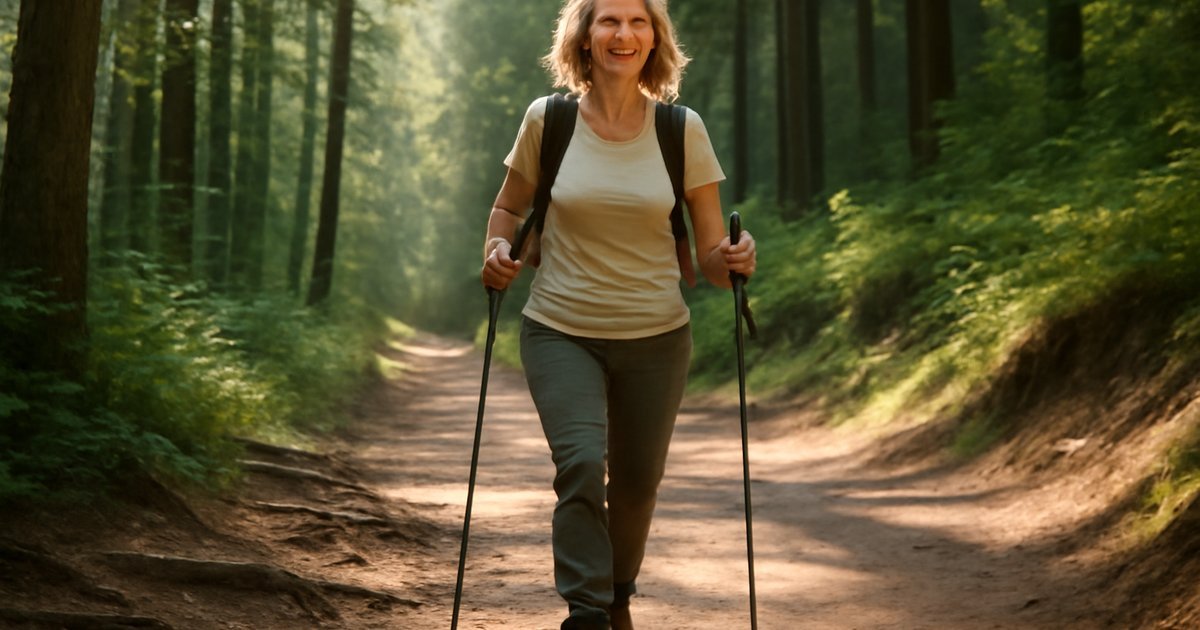
One of the most accessible and rewarding outdoor workouts for adults over 50 delivers full-body benefits — and all you need is a good pair of shoes.
When David, 63, was told by his cardiologist to “get moving,” he pictured crowded gyms and complicated machines. What he found instead was a local trail five minutes from his home. Six months later, his blood pressure had dropped, he had lost 18 pounds, and — perhaps most importantly — he actually looked forward to his workouts for the first time in decades.
David’s experience isn’t unusual. Hiking has become one of the most popular fitness activities among Americans over 50, and the science behind it is compelling. According to the American Hiking Society, more than 57 million Americans hit the trails each year, with adults over 50 representing one of the fastest-growing groups of new hikers.
In this guide, you’ll learn exactly why hiking is so effective for your health after 50, how to start safely regardless of your current fitness level, what gear you actually need, and how to build a sustainable trail routine that delivers lasting results.
What Is Hiking — and Why Does It Count as Fitness?
Hiking is sustained walking on natural terrain — trails, hills, forests, or mountains — often involving uneven ground, elevation changes, and varying surfaces. Unlike treadmill walking, hiking engages your body in three dimensions, requiring constant micro-adjustments for balance and posture.
From a clinical standpoint, hiking qualifies as moderate-intensity aerobic exercise, the type the U.S. Department of Health and Human Services specifically recommends for adults. The Physical Activity Guidelines for Americans recommend at least 150 minutes of moderate-intensity aerobic activity per week — a goal that hiking can easily fulfill.
What makes hiking particularly effective is its combination of cardiovascular conditioning, muscular endurance, and balance training all in one activity. When you walk uphill, your glutes, hamstrings, and calves work harder than on flat ground. When you navigate uneven terrain, your core and stabilizing muscles activate continuously. According to research published by the NIH, hiking on varied terrain can burn 40 to 60 percent more calories than walking on a flat surface at the same pace.
For adults over 50, this multidimensional engagement makes hiking especially valuable — and it’s gentler on the joints than running or jumping, making it accessible even for those managing arthritis or mild knee discomfort.
Health Benefits of Hiking After 50
The benefits of hiking extend well beyond calorie burn. Clinical research has documented meaningful improvements across multiple health domains that are especially relevant as we age.
Cardiovascular Health
Hiking consistently elevates heart rate into the moderate-intensity zone, strengthening the heart muscle and improving circulation. The American Heart Association notes that regular moderate aerobic exercise like hiking can lower the risk of heart disease, the leading cause of death in the United States, by up to 35 percent. For adults already managing high blood pressure or elevated cholesterol, clinical evidence suggests that regular hiking helps reduce both markers over time.
Bone Density and Osteoporosis Prevention
Weight-bearing exercise is one of the most evidence-backed strategies for maintaining bone density after 50. According to the National Osteoporosis Foundation, approximately 54 million Americans have low bone density or osteoporosis — and women over 50 face a one-in-two lifetime risk of an osteoporosis-related fracture. Because hiking is a weight-bearing activity that loads bones through natural movement, research suggests it helps preserve bone mineral density in the hips and spine, two of the most fracture-prone sites.
Joint Health and Mobility
Contrary to what some people assume, moderate joint loading through activities like hiking actually supports cartilage health by promoting the circulation of synovial fluid — the joint’s natural lubricant. The Arthritis Foundation recommends low-to-moderate impact activities like hiking as a cornerstone of joint health management for adults with osteoarthritis.
Blood Sugar Regulation
For the more than 38 million Americans living with diabetes, according to the CDC, and the tens of millions more with prediabetes, hiking offers meaningful metabolic benefits. Research published through the American Diabetes Association indicates that sustained moderate activity like hiking improves insulin sensitivity and helps stabilize blood glucose levels, both during and for hours after the activity.
Mental Health and Cognitive Function
Spending time in natural environments while exercising produces a compounded mental health benefit. A Stanford University study found that participants who walked in natural settings showed significantly reduced activity in the prefrontal brain regions associated with repetitive negative thinking — a hallmark of depression and anxiety. Additionally, the CDC reports that regular physical activity is associated with a reduced risk of cognitive decline and dementia, concerns that weigh heavily on adults over 50.
Balance and Fall Prevention
Navigating uneven trail terrain is one of the most effective natural balance trainers available. The CDC reports that falls are the leading cause of injury-related death among adults over 65, making balance improvement a critical health priority. Hiking consistently challenges proprioception — your body’s ability to sense its own position — which research suggests translates to improved stability in everyday life. If you’re working on fall prevention, you may also want to explore dedicated Pilates exercises for core strength and stability, which pair excellently with a hiking routine.
Getting Started: What You Need Before Your First Hike
One of the great advantages of hiking is its low barrier to entry. You don’t need a gym membership, expensive equipment, or a high baseline fitness level. But a thoughtful start makes all the difference in staying safe and injury-free.
Medical Clearance
If you have cardiovascular disease, joint replacement history, diabetes, or any condition that affects your balance or stamina, check with your physician before beginning a hiking program. Most people over 50 can safely start with flat, easy trails — but your doctor can help you identify any modifications you may need.
The Right Footwear
This is the single most important investment you’ll make. Trail hiking shoes or low-cut hiking boots with good ankle support, a grippy outsole, and proper arch support significantly reduce the risk of ankle rolls and plantar fasciitis. Visit a specialty outdoor retailer where staff can assess your gait and recommend the right fit.
Trekking Poles
For adults over 50, trekking poles are not optional extras — they’re functional tools. Research suggests that poles reduce compressive force on the knees by up to 25 percent on descents, making them especially valuable for anyone with knee arthritis or a history of knee surgery. They also improve balance on uneven terrain and provide an upper-body workout by engaging the arms and core. This full-body engagement is similar to what you’d find in Nordic walking, a related fitness modality worth exploring.
Hydration and Nutrition
Dehydration accelerates fatigue and impairs balance — two concerns that matter more after 50, when the sensation of thirst becomes less reliable. Bring at least 16 to 20 ounces of water per hour of hiking, more in heat or humidity. If your hike exceeds 90 minutes, bring a light snack with carbohydrates and protein to maintain energy levels.
Sun and Skin Protection
Apply broad-spectrum SPF 30 or higher sunscreen before heading out, wear moisture-wicking clothing with UV protection, and use a hat with a brim. The American Cancer Society recommends these precautions as essential parts of any extended outdoor activity.
How to Build a Safe Hiking Routine After 50
The most common mistake new hikers make — at any age — is doing too much too soon. A progressive approach protects your joints, builds your aerobic base, and ensures that hiking stays enjoyable rather than painful.
Start With Easy, Flat Trails
Begin with well-marked trails under two miles with minimal elevation gain. State parks, nature preserves, and urban greenway trails often have paved or well-groomed surfaces ideal for beginners. Apps like AllTrails allow you to filter hikes by difficulty, length, and elevation — useful for finding exactly the right starting point.
Progress Gradually
Most physicians and physical therapists recommend increasing hiking distance or elevation by no more than 10 percent per week. This rule, borrowed from running medicine, applies well to hiking and helps prevent overuse injuries like stress fractures, IT band syndrome, and tendinitis.
A Sample 8-Week Beginner Hiking Plan:
- Weeks 1-2: Two hikes per week, 1 to 1.5 miles, flat terrain, comfortable pace
- Weeks 3-4: Two to three hikes per week, 1.5 to 2.5 miles, introduce gentle slopes
- Weeks 5-6: Three hikes per week, 2.5 to 3.5 miles, moderate elevation gain (200-400 feet)
- Weeks 7-8: Three hikes per week, 3.5 to 5 miles, varied terrain with more significant elevation
Rest days between hikes are not optional — they’re when your muscles and connective tissue adapt and strengthen. Many adults over 50 find that alternating hiking days with gentler activities like stretching or yoga produces the best results. Consider pairing your hiking routine with a dedicated stretching and recovery program to reduce soreness and improve flexibility.
Warm Up and Cool Down
Spend five to ten minutes walking on flat ground before any significant incline. After your hike, stretch your calves, hamstrings, hip flexors, and quadriceps while your muscles are warm. Clinical evidence consistently shows that post-activity stretching improves recovery and reduces delayed-onset muscle soreness in adults over 40.
Hiking Safety: What Every Adult Over 50 Should Know
Enjoying the outdoors safely requires a few practical habits that become second nature with time.
- Tell someone your plan: Always let a friend or family member know where you’re hiking and when you expect to return.
- Check the weather: Avoid hiking in extreme heat — particularly above 90°F — which significantly increases cardiovascular strain. The CDC identifies heat stroke as a serious risk for older adults.
- Carry a charged phone: Even on short hikes, a charged phone with your GPS enabled provides a critical safety net.
- Know your limits: Fatigue is a major contributor to trail accidents. If you feel significantly tired, short of breath, or dizzy at any point, stop, hydrate, rest, and turn back if necessary.
- Hike with a partner when possible: Trail companions provide both safety and motivation — and research consistently shows that social exercise leads to greater long-term adherence.
- Watch the terrain: Most trail injuries in older adults occur on the descent, when tired legs and reduced attention increase the risk of slips. Slow down going downhill and use your trekking poles actively.
When to Call Your Doctor — and Emergency Warning Signs
Most hiking discomfort is normal muscle fatigue or mild soreness. However, certain symptoms require immediate medical attention.
Call 911 or seek emergency care immediately if you experience:
- Chest pain, pressure, or tightness during or after hiking
- Sudden severe shortness of breath disproportionate to your exertion level
- Dizziness, fainting, or loss of consciousness
- Sudden severe joint or muscle pain, especially with swelling
- Signs of heat stroke: confusion, hot and dry skin, rapid heartbeat, loss of consciousness
- Symptoms of a heart attack: pain radiating to the jaw, left arm, or back
Schedule a non-emergency appointment with your doctor if you notice:
- Persistent knee, hip, or ankle pain that doesn’t resolve within a few days of rest
- Swelling in the lower legs or feet that appears after hiking
- Unusual fatigue or breathlessness on trails that previously felt manageable
- Numbness or tingling in the feet during or after activity
Frequently Asked Questions About Hiking After 50
Is hiking safe if I have knee arthritis?
For most people with mild to moderate knee osteoarthritis, hiking on relatively flat, soft trails is not only safe but beneficial. The Arthritis Foundation recommends low-impact weight-bearing exercise for joint health. Trekking poles, supportive footwear, and knee sleeves can reduce discomfort significantly. That said, always confirm with your orthopedist or rheumatologist before starting, especially if you have severe arthritis or a history of joint replacement.
How many calories does hiking burn?
Calorie burn during hiking varies based on body weight, terrain, pace, and pack weight. According to NIH data, a 160-pound adult burns approximately 430 to 500 calories per hour hiking on moderate terrain — significantly more than flat walking at the same pace. Adding a loaded backpack or steeper terrain increases expenditure further.
Do I need special gear to start hiking?
For beginner hikes, you need good-fitting athletic or hiking shoes, comfortable moisture-wicking clothing, a water bottle, and sunscreen. You don’t need expensive technical gear to start. As you progress to longer or more challenging trails, investing in hiking boots, trekking poles, and a daypack becomes worthwhile.
Can hiking help with weight loss after 50?
Clinical evidence suggests that regular hiking, combined with a balanced diet, supports healthy weight management after 50. A 2020 study in the journal Obesity found that adults who engaged in moderate outdoor physical activity three or more times per week showed greater sustained weight loss than those doing equivalent indoor exercise — likely due to improved adherence and the psychological benefits of nature exposure.
How is hiking different from regular walking for fitness?
Hiking engages more muscle groups than flat walking due to terrain variation, elevation changes, and the need for balance. It also tends to sustain moderate heart rate elevation longer and burns significantly more calories per hour. Many adults find trail hiking more engaging and motivating than treadmill or sidewalk walking, which improves long-term consistency — the most important factor in any fitness program.
Conclusion: Your Trail Is Waiting
Hiking after 50 is more than a pleasant outdoor activity — it’s a scientifically supported, doctor-endorsed approach to cardiovascular health, bone strength, mental wellness, and balance. The trail doesn’t care about your age, your current fitness level, or how long it’s been since you were last active. It simply asks that you show up, move at your own pace, and let the terrain do the rest.
Start small. Pick a flat, easy trail near your home. Bring water, wear good shoes, and tell someone where you’re going. Then take the first step. Consistency over time — not speed or distance — is what transforms hiking from a weekend outing into a health-changing habit.
Always discuss new exercise programs with your healthcare provider, especially if you manage chronic conditions. With the right preparation and a gradual approach, hiking can become one of the most rewarding fitness choices you make in the second half of your life.
This article is for informational and educational purposes only. It does not constitute medical advice, diagnosis, or treatment. Always consult your physician or a qualified healthcare provider before making changes to your health routine or treatment plan.
Medically reviewed by our editorial health team. Content follows evidence-based standards aligned with CDC and NIH guidelines.