Tag: mind-body fitness

  • Group Fitness Classes After 40: Benefits, Types & Tips

    Group Fitness Classes After 40: Benefits, Types & Tips

    Joining a group fitness class after 40 could be one of the most powerful health decisions you make — for your body and your mind.

    Why Group Fitness Deserves a Second Look After 40

    Linda, 54, hadn’t set foot in a gym in over a decade. Between a demanding job and caring for her aging mother, exercise had slipped to the bottom of her priority list. Then a coworker convinced her to try a Saturday morning group fitness class at the local community center. Three months later, Linda had lost 12 pounds, her blood pressure had dropped, and — perhaps more surprisingly — she had made three close friends.

    Linda’s story isn’t unique. According to the CDC, fewer than 25% of American adults aged 40 and older meet the recommended weekly guidelines for both aerobic and muscle-strengthening activities. Yet the same research consistently shows that adults who exercise in group settings are significantly more likely to stick with their routines long-term.

    In this guide, you’ll learn what group fitness classes are, which types are best suited for adults over 40, the real health benefits backed by clinical evidence, and how to start safely — even if you haven’t exercised in years.

    What Are Group Fitness Classes?

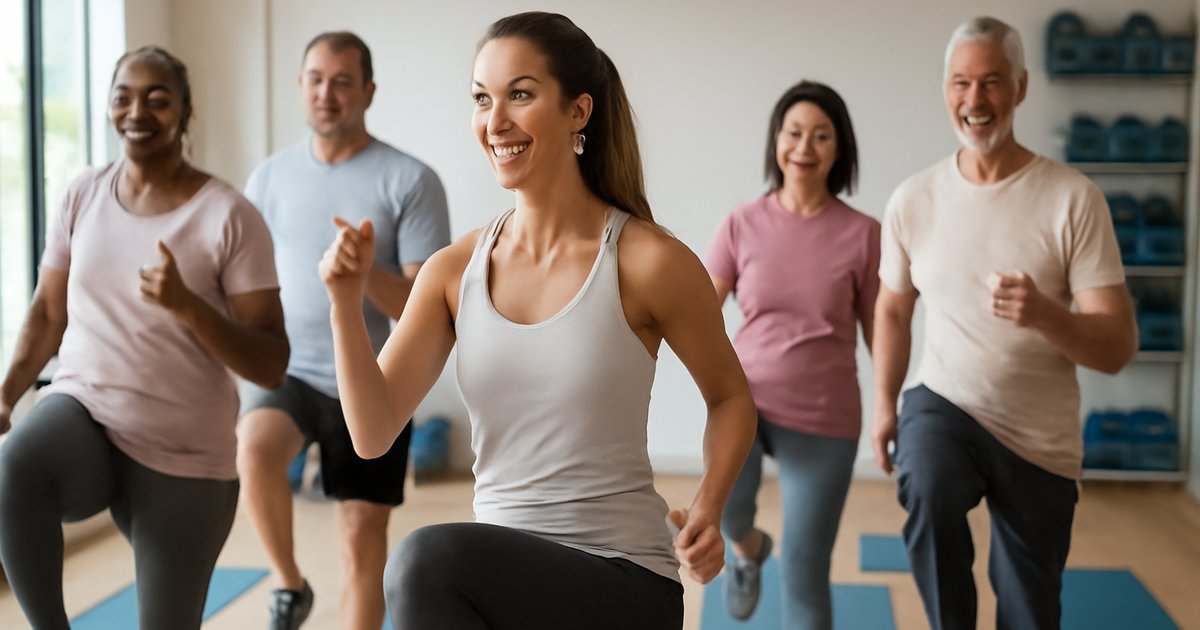
    Group fitness classes are structured exercise sessions led by a certified instructor, typically held in a gym, community center, studio, or even online. They bring together anywhere from a handful of participants to dozens of people working toward similar goals in a shared environment.

    Unlike solo gym workouts, group classes offer scheduled programming, professional guidance, and a built-in social component that many adults find motivating and enjoyable.

    Common formats include:

    • Cardio-based classes: Zumba, step aerobics, kickboxing, dance cardio
    • Strength-focused classes: BodyPump, kettlebell circuits, boot camp
    • Mind-body classes: Yoga, Pilates, tai chi, barre
    • Low-impact classes: Water aerobics, chair yoga, gentle stretch
    • Cycling classes: Indoor cycling (spin), recumbent cycling groups

    According to the American College of Sports Medicine (ACSM), group exercise remains one of the top fitness trends in the United States, driven largely by adults over 40 seeking structured, social, and professionally guided physical activity.

    Health Benefits of Group Fitness for Adults Over 40

    The benefits of group fitness extend well beyond calorie burn. Clinical evidence supports a wide range of physical, mental, and social health outcomes — especially meaningful as the body changes with age.

    Cardiovascular Health

    Regular participation in group aerobic classes — like cycling, Zumba, or step aerobics — can meaningfully reduce cardiovascular risk. The American Heart Association recommends at least 150 minutes of moderate-intensity aerobic activity per week for adults, and a structured group class schedule makes that goal far more achievable.

    A study published in The Journal of the American Osteopathic Association found that participants in group fitness classes reported significantly greater improvements in mental, physical, and emotional quality of life compared to those who exercised alone — including reduced perceived stress levels, a major contributor to heart disease.

    Muscle Preservation and Bone Density

    After age 40, adults lose approximately 3–8% of muscle mass per decade — a process called sarcopenia. This accelerates after 60. Strength-based group classes, such as BodyPump or circuit training, provide resistance training that research suggests can slow this loss significantly.

    Bone density also declines with age, increasing osteoporosis risk — particularly in postmenopausal women. According to the NIH, weight-bearing group fitness formats like barre, aerobics, and dance classes stimulate bone remodeling and can help maintain bone mineral density over time.

    Weight Management

    Managing weight becomes more challenging after 40 due to hormonal shifts, metabolic changes, and reduced lean muscle mass. Group fitness classes that combine cardio and strength training offer a practical, consistent approach to energy expenditure and metabolic conditioning.

    Research from the Mayo Clinic suggests that regular participation in mixed-format group classes (combining cardio and resistance work) is associated with better long-term weight maintenance than either type of exercise performed alone.

    Mental Health and Cognitive Function

    Exercise is one of the most evidence-supported interventions for depression and anxiety. Group fitness adds a social layer that amplifies those benefits. The CDC notes that regular physical activity reduces symptoms of anxiety and depression and supports cognitive function — critical considerations as adults approach their 50s and 60s.

    Mind-body group formats like yoga and tai chi have also been shown in multiple peer-reviewed studies to reduce cortisol levels, improve sleep quality, and enhance emotional regulation. If you’re interested in exploring these options, our guide on Yoga for Adults Over 40 covers the evidence and how to get started safely.

    Accountability and Social Connection

    One of the most clinically underappreciated aspects of group fitness is its impact on adherence — meaning, how likely you are to keep exercising over time. Research published in the journal Obesity found that exercising with others significantly increases workout frequency and duration compared to solo exercise, regardless of fitness level.

    Social isolation is also a growing public health concern. The Surgeon General’s 2023 Advisory on Loneliness identified it as a major risk factor for premature death, comparable to smoking 15 cigarettes a day. Group fitness classes provide a consistent, structured opportunity for meaningful social interaction — something many adults lose as work and family demands evolve.

    Best Types of Group Fitness Classes for Adults Over 40

    Not every group class is created equal, and your ideal format depends on your fitness level, any existing health conditions, and personal preferences. Here’s a breakdown of the most recommended options.

    Low-Impact Aerobics and Dance Classes

    Zumba, dance cardio, and modified step aerobics are excellent entry points for adults returning to exercise. They elevate heart rate without excessive joint stress, and the music-driven format makes them highly enjoyable. Clinical evidence suggests that enjoyment is one of the strongest predictors of long-term exercise adherence.

    Strength and Circuit Training Classes

    BodyPump, kettlebell classes, and circuit training formats combine resistance exercises with cardiovascular conditioning. Most qualified instructors offer modifications for varying fitness levels. These classes directly address sarcopenia and metabolic decline — two of the most impactful age-related health changes after 40.

    For adults who prefer resistance training without heavy equipment, our article on Resistance Band Workouts for Adults provides an accessible complement to group class programming.

    Mind-Body Classes: Yoga, Pilates, and Tai Chi

    These formats emphasize breath, balance, flexibility, and body awareness. They are particularly valuable for managing chronic pain, improving posture, and reducing anxiety. Pilates, for example, is strongly supported by evidence for core strength and low back pain relief — common concerns for adults over 40.

    Our in-depth guide on Pilates After 40 explores how this method supports spine health and everyday movement patterns.

    Water Aerobics and Aquatic Classes

    For adults with arthritis, joint pain, or obesity, water-based group classes offer full-body conditioning with minimal impact. The buoyancy of water reduces joint load by up to 90% compared to land-based exercise, according to the Arthritis Foundation — making aquatic classes one of the most accessible options available.

    Indoor Cycling Classes

    Spin classes provide intense cardiovascular training in a seated position, which reduces stress on knees and hips compared to running. Most studios offer beginner-friendly formats. Research suggests indoor cycling significantly improves VO2 max (a measure of cardiovascular fitness) and lower-body muscle endurance in middle-aged adults.

    How to Start Group Fitness Safely After 40

    Starting a new exercise program after 40 — especially in a group setting — requires some thoughtful preparation. This varies from person to person, but the following principles apply broadly.

    • Get medical clearance first: If you have cardiovascular disease, diabetes, joint issues, or any chronic condition, speak with your physician before beginning a new exercise program. Most doctors support group fitness and can help you identify appropriate formats and intensity levels.
    • Start with beginner or all-levels classes: Many studios label classes by intensity. Look for "beginner," "all levels," or "low impact" designations to ease into the format without overexertion.
    • Arrive early and speak to the instructor: A good group fitness instructor will want to know about any injuries, limitations, or health conditions you have. They can offer personalized modifications during class.
    • Listen to your body: Muscle soreness 24–48 hours after a new class is normal (called DOMS — delayed onset muscle soreness). Sharp joint pain, chest tightness, or dizziness are not normal and require immediate attention.
    • Progress gradually: Most fitness experts recommend beginning with two group classes per week and increasing frequency over four to six weeks as your fitness improves.
    • Prioritize recovery: Adults over 40 typically require longer recovery between intense sessions. Incorporating rest days and gentler formats like yoga or stretching classes between high-intensity sessions supports long-term progress and injury prevention.

    What to Tell Your Doctor — and When to Seek Help Immediately

    Before starting any group fitness program, it’s worth having an honest conversation with your primary care provider. Let them know:

    • Your current activity level and history
    • Any chronic conditions (heart disease, diabetes, osteoporosis, arthritis)
    • Current medications that may affect exercise response (beta-blockers, diuretics, insulin)
    • Any recent injuries or surgeries
    • Your fitness goals and the class types you’re considering

    Stop exercising and seek emergency care immediately if you experience:

    • Chest pain, pressure, or tightness during or after exercise
    • Shortness of breath disproportionate to your effort level
    • Sudden dizziness, fainting, or loss of consciousness
    • Heart palpitations or irregular heartbeat
    • Sudden severe pain in a joint or muscle
    • Numbness or weakness in an arm or leg

    These symptoms require immediate medical evaluation and should never be dismissed as "just part of getting older."

    Frequently Asked Questions

    Is group fitness appropriate if I have no prior exercise experience?

    Absolutely. Many group fitness formats are specifically designed for beginners or deconditioned adults. Look for classes labeled "beginner," "gentle," or "all levels." Speak to the instructor beforehand so they can offer appropriate modifications throughout the class.

    How many group fitness classes per week should adults over 40 attend?

    Clinical evidence indicates that most adults over 40 benefit from two to four structured exercise sessions per week. A balanced approach might include two strength-focused classes and one or two cardio or mind-body classes per week, with at least one full rest day. This varies from person to person based on health status and fitness level.

    Can group fitness classes help with weight loss after menopause?

    Research suggests that a combination of aerobic group classes and strength-based classes, paired with balanced nutrition, can support healthy weight management during and after menopause. Hormonal changes during this period affect fat distribution and metabolism, making consistent resistance training especially important. Always discuss weight management goals with your healthcare provider.

    What if I have knee or hip pain — are group classes still safe?

    Many group formats are well-suited for adults with joint pain, particularly water aerobics, chair yoga, and low-impact aerobics. A good instructor can provide modifications to reduce joint stress. That said, clinical evidence indicates that certain high-impact formats — such as plyometrics-heavy boot camp or jumping-intensive cardio — should be avoided or significantly modified if you have active knee or hip issues. Always consult your physician or a physical therapist before choosing a class format.

    Are online group fitness classes as effective as in-person ones?

    Research published during and following the COVID-19 pandemic found that virtual group fitness classes produce comparable cardiovascular and strength benefits to in-person sessions when participants maintain consistent attendance and exercise intensity. The social benefit may be slightly reduced in virtual formats, though many platforms now include live interaction features that help replicate the community experience.

    Conclusion

    Group fitness classes represent one of the most well-rounded, evidence-supported approaches to staying active after 40. They combine structured programming, expert instruction, cardiovascular conditioning, strength training, and the powerful motivational force of community — all in one format.

    Whether you’re managing a chronic condition, returning to exercise after a long break, or simply looking for a more engaging way to stay fit, there’s a group class designed for exactly where you are right now. The key is to start conservatively, listen to your body, and work in partnership with your healthcare provider.

    Your best decade of fitness may still be ahead of you — and you don’t have to pursue it alone.


    Medical Disclaimer: This article is for informational and educational purposes only. It does not constitute medical advice, diagnosis, or treatment. Always consult your physician or a qualified healthcare provider before making changes to your health routine or treatment plan.

    Medically reviewed by our editorial health team. Content follows evidence-based standards aligned with CDC and NIH guidelines.
  • Tai Chi for Adults Over 50: Balance, Strength & Calm

    Tai Chi for Adults Over 50: Balance, Strength & Calm

    Tai Chi for Adults Over 50: Balance, Strength & Calm

    A gentle, evidence-backed practice that builds balance, eases joint pain, and lowers stress — one slow, mindful movement at a time.

    Margaret, 63, had already survived one bad fall — a tumble on her back porch that fractured her wrist and left her afraid to walk on uneven ground. Her doctor suggested she try tai chi. “I figured it was just waving your arms around,” she later admitted. Six months later, she was moving with more confidence than she had in a decade.

    Margaret’s story is far from unique. According to the CDC, falls are the leading cause of injury and injury-related death among adults 65 and older in the United States — and one in four older adults falls each year. But the risks begin building long before age 65, often quietly, through declining muscle strength, slower reaction times, and reduced joint flexibility.

    Tai chi, an ancient Chinese martial art practiced today as a low-impact mind-body exercise, has earned serious attention from American researchers and clinicians for its ability to address exactly these issues. In this guide, you’ll learn what tai chi is, what the science says about its benefits for adults over 50, how to get started safely, and what to realistically expect from a consistent practice.

    What Is Tai Chi?

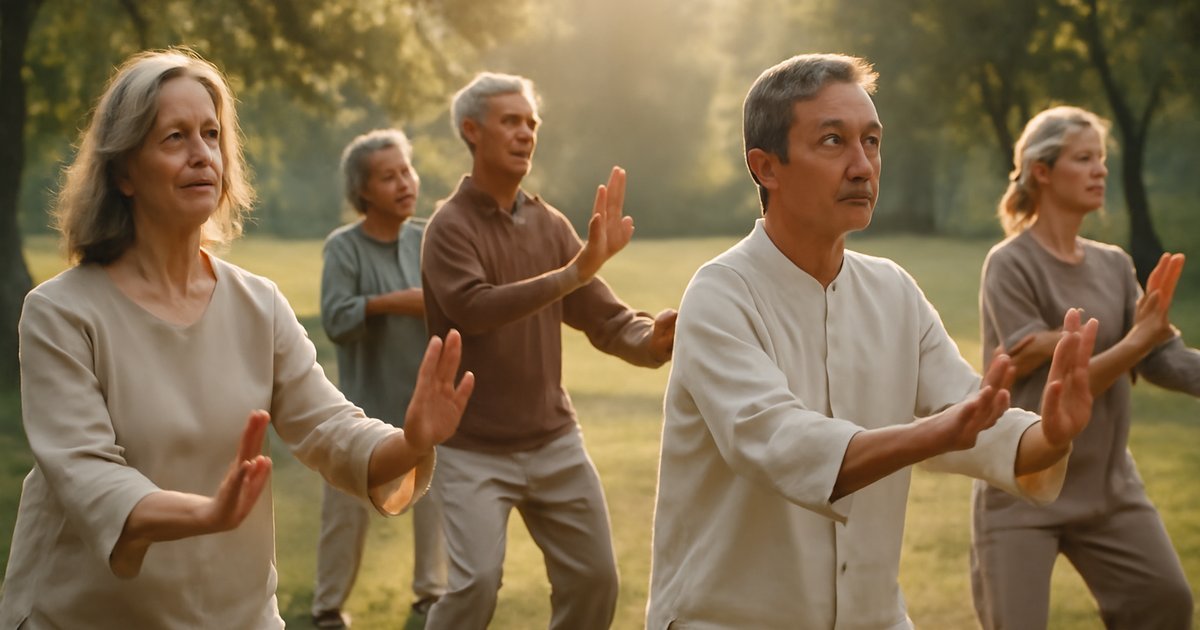
    Tai chi (formally called tai chi chuan, or taijiquan) is a form of low-intensity exercise rooted in Chinese martial arts tradition. It involves a series of slow, flowing movements performed in a standing position, typically coordinated with focused breathing and mental attention.

    Unlike high-intensity workouts, tai chi places minimal stress on joints and connective tissue. Movements are deliberate and continuous — one posture flowing seamlessly into the next — creating what practitioners often describe as “meditation in motion.”

    Several styles exist, including Yang, Wu, and Chen. For older adults and beginners, the Yang style is most commonly taught in community centers, senior facilities, and YMCAs across the United States because of its gentle, expansive movements and moderate pace.

    The National Center for Complementary and Integrative Health (NCCIH), a branch of the NIH, classifies tai chi as a “mind and body practice” and has funded multiple clinical studies investigating its health applications. This isn’t fringe wellness — it’s a practice backed by a growing body of peer-reviewed evidence.

    Health Benefits of Tai Chi: What the Research Shows

    If you’re wondering whether tai chi is “real exercise,” the clinical literature provides a clear answer: yes, and with benefits that go well beyond what many traditional gym workouts offer for adults over 50.

    Balance and Fall Prevention

    This is where tai chi’s evidence base is strongest. A landmark review published in JAMA Internal Medicine found that tai chi reduced fall frequency by up to 43% in older adults compared to control groups. The NIH’s National Institute on Aging specifically lists tai chi as a recommended practice for fall prevention in older adults.

    Tai chi improves balance by training proprioception — your body’s internal sense of where it is in space — along with ankle strength, hip stability, and the neuromuscular coordination required to recover from a stumble before it becomes a fall.

    Joint Health and Chronic Pain

    Clinical evidence indicates that tai chi can meaningfully reduce pain and stiffness in adults with osteoarthritis, particularly in the knees and hips. A well-cited clinical trial published in the New England Journal of Medicine found that tai chi was as effective as physical therapy for reducing knee pain in adults with osteoarthritis — a striking finding given how widely PT is prescribed.

    Research also suggests benefits for people with fibromyalgia. A randomized controlled trial at Tufts Medical Center found that tai chi participants reported significantly greater improvements in pain, fatigue, and physical function compared to a wellness education control group after 12 weeks.

    Cardiovascular and Metabolic Health

    Tai chi isn’t high-intensity cardio, but research suggests it offers modest cardiovascular benefits — particularly for people managing hypertension. A meta-analysis published in Preventive Cardiology found that regular tai chi practice was associated with meaningful reductions in both systolic and diastolic blood pressure in adults with elevated readings.

    Some studies have also observed improvements in fasting blood glucose and cholesterol profiles, though most physicians consider these complementary benefits rather than primary treatment strategies.

    Mental Health and Stress Relief

    The mind-body connection in tai chi is not incidental — it’s built into the practice. The combination of slow movement, breath focus, and present-moment attention activates the parasympathetic nervous system, the body’s “rest and digest” mode, which counteracts the chronic stress response.

    A review published in BMC Complementary Medicine and Therapies found that tai chi was associated with reduced symptoms of anxiety and depression across multiple study populations. Research also suggests improvements in sleep quality — relevant for the millions of adults over 50 who struggle with sleep disruption. If sleep is a challenge for you, Better Sleep After 50: Causes, Tips & When to See a Doctor offers additional evidence-based strategies.

    Cognitive Function

    Emerging research is exploring tai chi’s potential effects on brain health. A study published in the Journal of Alzheimer’s Disease found that older adults who practiced tai chi showed improvements in memory and executive function compared to controls. Researchers theorize that the dual demands of tai chi — physical movement plus mental sequencing — may provide meaningful cognitive stimulation. This is an active area of investigation, and while results are promising, most experts view tai chi as a complement to, not a replacement for, other brain health strategies.

    Signs Tai Chi Might Be Right for You

    Tai chi isn’t just for one type of person. Research suggests it may be particularly beneficial if you experience one or more of the following:

    • Frequent stumbling or near-falls — even minor ones that you chalk up to clumsiness
    • Joint stiffness or pain from osteoarthritis, especially in knees, hips, or ankles
    • Elevated blood pressure managed with lifestyle strategies in addition to medication
    • Chronic stress, anxiety, or poor sleep that hasn’t fully responded to other approaches
    • Recovering from injury or surgery and cleared by your doctor for gentle movement
    • Looking for social, low-impact exercise that can be practiced indoors or outdoors
    • Sedentary lifestyle and need for a gentle starting point that builds gradually

    This varies from person to person. Some adults take to tai chi immediately and notice improvements in balance within weeks; others find it takes longer to build the coordination and body awareness the practice requires. Both experiences are completely normal.

    How to Get Started: A Practical Guide

    One of tai chi’s most accessible features is its low barrier to entry. You don’t need equipment, athletic ability, or prior fitness experience. Here’s how to begin thoughtfully and safely.

    Talk to Your Doctor First

    If you have significant joint problems, cardiovascular conditions, osteoporosis, or neurological issues, a brief conversation with your physician is wise before starting any new exercise program. Tai chi is gentle, but your doctor may have specific form modifications or precautions relevant to your situation.

    Find a Qualified Instructor

    Video tutorials online can supplement learning, but starting with a live instructor — even for a few sessions — is strongly recommended. A qualified teacher can correct your posture, help you avoid compensating movements that can cause strain, and keep you progressing safely.

    Look for classes at:

    • Local YMCAs or community recreation centers
    • Senior centers or hospital wellness programs
    • University continuing education departments
    • Dedicated tai chi or martial arts schools

    Ask instructors about their training background and experience teaching older adults or beginners specifically.

    Start With a Beginner Program

    The full traditional Yang-style form contains 108 postures — far too much for a beginner. Look for an abbreviated form, such as the simplified 24-movement form or the evidence-based Tai Chi: Moving for Better Balance program, developed with CDC support and validated in clinical trials for fall prevention in older adults.

    Practice Frequency and Duration

    Clinical studies that demonstrated significant balance and pain benefits typically involved sessions of 45 to 60 minutes, two to three times per week, over 12 to 24 weeks. Most experts recommend starting with 20 to 30-minute sessions and building gradually.

    Consistency matters more than duration. Three 20-minute sessions per week will outperform one 90-minute session every few weeks, both neurologically and physically. If you are also incorporating other movement practices, tai chi pairs beautifully with yoga or pilates — you may find it useful to explore Yoga for Adults Over 40: Benefits, Styles & Safety or Pilates After 40: Core Strength, Posture & Pain Relief as complementary options.

    What to Wear and Where to Practice

    Wear loose, comfortable clothing and flat, flexible shoes with good grip — avoid thick-soled sneakers, which can reduce ground-feel and proprioceptive feedback. Tai chi can be practiced indoors or outdoors on any reasonably flat, non-slippery surface. Most practitioners enjoy outdoor morning sessions when weather permits.

    Living With a Regular Tai Chi Practice: What to Expect

    Setting realistic expectations makes the difference between sticking with tai chi long-term and abandoning it after a few weeks.

    Weeks 1-4: You’ll likely feel slightly awkward as you learn to move slowly and deliberately — the opposite of how most of us move in daily life. Some muscle soreness in the legs and hips is normal as stabilizing muscles engage that haven’t been worked in this way before.

    Weeks 5-12: Most practitioners begin noticing improvements in balance and ease of movement. Research suggests significant measurable improvements in balance metrics typically emerge in this timeframe with regular practice.

    Month 3 and beyond: This is where the deeper benefits tend to accumulate — improved postural control, greater joint comfort, better stress response, and the social connection that comes from a regular class. Many adults report that tai chi becomes something they genuinely look forward to, rather than a chore.

    If stress management is also a priority alongside your physical fitness goals, pairing tai chi with other evidence-based strategies outlined in Chronic Stress: Signs, Health Risks & How to Manage It may provide additional benefit.

    When to Talk to Your Doctor: Precautions and Red Flags

    Tai chi is among the safest forms of exercise available for older adults, but there are situations where medical guidance is important before or during practice.

    Consult your doctor before starting if you:

    • Have been recently diagnosed with heart failure, unstable angina, or a cardiac arrhythmia
    • Are recovering from a hip or knee replacement (your surgeon should clear you)
    • Have severe osteoporosis or a recent fracture
    • Experience significant dizziness or vertigo that hasn’t been evaluated
    • Have Parkinson’s disease or a neurological condition affecting movement

    Stop and seek medical attention if during or after practice you experience:

    • Chest pain, pressure, or tightness
    • Sudden shortness of breath disproportionate to effort
    • Dizziness, lightheadedness, or near-fainting
    • Sudden sharp joint or muscle pain, especially in the hips or knees
    • Heart palpitations that are new or unusual for you

    These symptoms are rare during tai chi given its low intensity, but they warrant prompt evaluation regardless of activity. Trust your body and communicate any concerns to your healthcare provider without delay.

    Frequently Asked Questions

    Is tai chi enough exercise on its own, or do I need to add other workouts?

    Tai chi provides meaningful benefits for balance, flexibility, and stress reduction, but most physical therapists and physicians recommend it as part of a broader fitness plan for older adults. The American Heart Association and CDC guidelines recommend at least 150 minutes of moderate aerobic activity per week, along with muscle-strengthening activities twice weekly. Tai chi can contribute to both goals but may not fully replace dedicated cardio or resistance training depending on your fitness objectives. Discuss your overall program with your doctor or a certified fitness professional.

    How long before I notice results from tai chi?

    Research suggests most people notice subjective improvements — feeling more grounded, less tense, moving more easily — within four to six weeks of consistent practice (two to three times per week). Measurable improvements in balance tests and self-reported pain scores typically appear in clinical studies after 8 to 12 weeks. Individual results vary based on your starting fitness level, consistency, and the quality of instruction you receive.

    Can I practice tai chi if I have bad knees or arthritis?

    Clinical evidence actually supports tai chi specifically for knee osteoarthritis. However, form matters significantly — practicing with bent knees deeper than your comfort allows can aggravate symptoms. A qualified instructor can modify postures to reduce knee load while preserving the balance and flow benefits of the practice. Always inform your instructor about your joint concerns before the first class.

    Is tai chi safe for people with osteoporosis?

    Generally, yes — with appropriate modifications. A review published in the Journal of Bone and Mineral Research found that tai chi may help slow bone density loss and reduce fall risk in older adults with osteoporosis. However, some forward-bending movements may not be appropriate for those with significant vertebral fragility. Your physician and instructor should be informed of your diagnosis so movements can be adapted accordingly.

    Does tai chi help with anxiety and depression?

    Research suggests it can be a useful complementary tool. Multiple studies have found reductions in anxiety and depressive symptoms among regular practitioners, likely related to breath regulation, present-moment focus, and physical activity itself. Clinical evidence indicates tai chi is not a replacement for professional mental health treatment, including therapy or medication, for diagnosed anxiety or depressive disorders — but it may meaningfully support your overall mental wellness as part of a broader care plan.

    Conclusion

    Tai chi is one of the most well-studied and clinically supported low-impact exercises available to adults over 50. Its benefits — documented in peer-reviewed research across balance, joint health, cardiovascular function, mental wellness, and cognitive health — make it a genuinely versatile addition to any fitness or preventive health strategy.

    You don’t need to be athletic, flexible, or coordinated to begin. You simply need a willingness to move slowly, pay attention, and give yourself time to adapt. The evidence strongly suggests it’s worth it.

    As with any new health practice, the right first step is a conversation with your doctor — especially if you’re managing existing conditions. From there, finding a qualified instructor and committing to consistency will take you further than any single session ever could. Margaret’s confidence didn’t come back overnight. But it came back.


    Medical Disclaimer: This article is for informational and educational purposes only. It does not constitute medical advice, diagnosis, or treatment. Always consult your physician or a qualified healthcare provider before making changes to your health routine or treatment plan.

    Medically reviewed by our editorial health team. Content follows evidence-based standards aligned with CDC and NIH guidelines.