Tag: mobility training

  • Foam Rolling After 40: Recovery, Mobility, and Pain Relief

    Foam Rolling After 40: Recovery, Mobility, and Pain Relief

    Could a simple foam cylinder be one of the most effective recovery tools you are not using yet?

    Mark, 52, had been strength training consistently for two years. His workouts were solid, but he always felt stiff the next morning — tight hamstrings, an aching lower back, and hips that never quite loosened up. His physical therapist suggested he try foam rolling before and after sessions. Within three weeks, Mark noticed he was recovering faster, moving more freely, and spending less time fighting soreness.

    If you are over 40 and dealing with muscle tightness, joint stiffness, or slow recovery between workouts, foam rolling — also called self-myofascial release (SMR) — may be a missing piece of your fitness routine. According to the American College of Sports Medicine, flexibility and recovery become increasingly important components of a balanced exercise program as we age. This guide will explain what foam rolling is, how it works, what the research says, and exactly how to use it safely and effectively after 40.

    What Is Foam Rolling and Self-Myofascial Release?

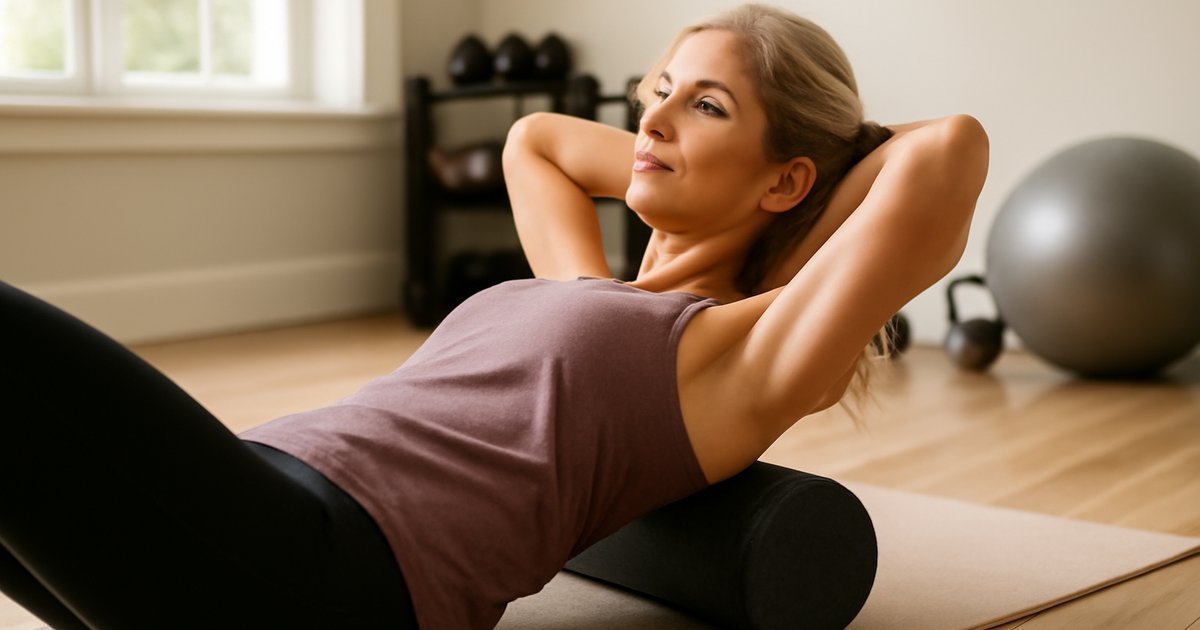
    Foam rolling is a form of self-myofascial release — a technique that applies gentle, sustained pressure to the soft tissues of the body to reduce tension in the fascia. Fascia is the thin, web-like connective tissue that wraps around your muscles, organs, and joints throughout your entire body.

    When fascia becomes tight or develops adhesions — sometimes called “knots” — it can restrict movement, cause discomfort, and affect your posture and muscle function. Foam rolling works by applying controlled pressure to these areas, helping to release tightness and restore normal tissue mobility.

    Think of it like a deep tissue massage you perform on yourself using a cylindrical foam roller, a massage ball, or similar tools. It is widely used by physical therapists, athletic trainers, and fitness professionals as part of warm-up and cool-down protocols.

    A 2019 review published in the Journal of Sport Rehabilitation found that foam rolling significantly improved short-term flexibility and reduced muscle soreness after exercise — without negatively affecting strength or performance. For adults over 40, whose connective tissue naturally becomes less elastic over time, these benefits are particularly valuable.

    Why Foam Rolling Matters More After 40

    After the age of 40, several physiological changes affect how your body moves and recovers. Muscle recovery slows, collagen production decreases, and fascial tissue tends to become stiffer and less pliable. These changes are normal — but they do not have to limit your activity level.

    According to the NIH National Institute on Aging, maintaining flexibility and soft tissue health is directly linked to injury prevention and independent function as we age. Adults who neglect mobility and recovery are at greater risk of overuse injuries, joint pain, and declining range of motion over time.

    Foam rolling addresses several age-related challenges at once:

    • Reduced delayed onset muscle soreness (DOMS): The deep aching you feel 24 to 48 hours after a hard workout tends to last longer after 40. Research in the Journal of Athletic Training found that foam rolling for 20 minutes post-exercise significantly reduced DOMS and improved muscle performance in the days that followed.
    • Improved circulation: Applying pressure to soft tissue increases blood flow to the area, delivering oxygen and nutrients that support repair and recovery.
    • Better joint range of motion: A 2015 study in the International Journal of Sports Physical Therapy found that foam rolling increased hip flexor and hamstring flexibility more effectively than static stretching alone when used consistently.
    • Postural support: Chronic tightness in the chest, hip flexors, and thoracic spine (mid-back) is common in adults who sit for long periods. Foam rolling these areas can complement posture correction efforts.

    This varies from person to person depending on activity level, existing conditions, and tissue sensitivity — but most adults over 40 report noticeable improvements within two to four weeks of consistent practice.

    Key Areas to Target: Common Tight Spots After 40

    Foam rolling is most effective when you focus on areas where tension tends to accumulate. For adults over 40, clinical evidence indicates the following regions are the highest priority:

    Thoracic spine (upper and mid-back): Years of sitting, driving, and screen time compress this area. Rolling the thoracic spine can improve posture and reduce upper back stiffness. This is one of the safest and most immediately effective areas to target.

    Hip flexors and quadriceps: These muscles are chronically shortened in people who sit for extended periods. Tightness here contributes to lower back pain and reduced hip mobility during walking, climbing stairs, or exercise.

    IT band and outer thigh: The iliotibial band runs along the outside of your thigh and is a frequent source of knee and hip discomfort, especially in runners and cyclists. Rolling this area requires patience — it can be sensitive at first.

    Calves and Achilles area: Calf tightness is strongly associated with plantar fasciitis (heel pain) and ankle stiffness. Rolling the calves regularly supports ankle mobility and can reduce foot discomfort.

    Glutes and piriformis: The piriformis is a small muscle deep in the glute that can compress the sciatic nerve when tight, contributing to pain that radiates down the leg. A massage ball is often more effective than a foam roller for this area.

    Lats and mid-back: Important for shoulder health and upper body movement. Tightness here affects posture and overhead mobility, which matters for activities like reaching, lifting, and swimming.

    How to Foam Roll Safely and Effectively

    Proper technique matters — especially after 40. Rolling incorrectly or too aggressively can cause bruising, irritate nerves, or worsen existing inflammation. Follow these evidence-based guidelines for safe, effective sessions:

    Start slow and use light pressure. If you are new to foam rolling, begin with a softer roller (smooth surface, moderate density). High-density or ridged rollers are more intense and better suited for those with experience.

    Roll slowly. Move approximately one inch per second over the target area. Rushing reduces the effectiveness of the technique and increases the risk of discomfort.

    Pause on tender spots. When you find a tender area — what physical therapists call a “trigger point” — hold gentle sustained pressure on that spot for 20 to 30 seconds until you feel the tension begin to release. Do not roll aggressively back and forth over these points.

    Breathe. Deep, steady breathing helps your nervous system relax and allows the tissue to release more fully. If you find yourself holding your breath, the pressure may be too intense.

    Duration per area: Spend 60 to 90 seconds on each muscle group. A full-body foam rolling session typically takes 10 to 20 minutes.

    Frequency: Most clinical recommendations suggest foam rolling four to seven days per week for maintenance — either before exercise, after exercise, or on rest days. Daily practice appears to produce the best results for flexibility and recovery, according to research from the Journal of Sports Sciences.

    Hydrate afterward. Foam rolling mobilizes fluid in the tissues. Drinking water after a session supports circulation and tissue recovery.

    Foam Rolling Routines for Adults Over 40

    Here are two practical foam rolling routines you can use depending on your goal:

    Pre-Workout Routine (8-10 minutes) — Activation and Mobility

    • Thoracic spine: 60-90 seconds
    • Hip flexors (each side): 60 seconds
    • Quads (each side): 60 seconds
    • Calves (each side): 45 seconds
    • Glutes (each side): 45 seconds

    Keep pressure moderate before a workout. The goal is to improve range of motion and circulation — not to fatigue the tissue.

    Post-Workout or Rest Day Routine (15-20 minutes) — Recovery and Release

    • IT band/outer thigh (each side): 90 seconds
    • Hamstrings (each side): 60-90 seconds
    • Glutes and piriformis (each side): 60 seconds (use massage ball)
    • Lats (each side): 60 seconds
    • Calves and Achilles (each side): 60 seconds
    • Thoracic spine: 90 seconds

    This session is ideal after strength training, cardio, or activities like hiking after 50 or outdoor fitness sessions that load the lower body significantly. Pairing foam rolling with rowing machine workouts or strength training is especially effective for managing full-body recovery.

    What to Avoid: Foam Rolling Mistakes and Contraindications

    Foam rolling is generally safe for most healthy adults, but there are important situations where caution — or medical clearance — is needed.

    Areas to avoid rolling directly:

    • The lumbar spine (lower back) — rolling directly on the bony structures of the lower back can increase pain and risk injury. Instead, target the glutes, hip flexors, and thoracic spine to relieve lower back tension indirectly.
    • The neck — highly sensitive structures including nerves and blood vessels make direct neck rolling risky. Consult a physical therapist for neck tension.
    • Over bony prominences, joints, or areas of active inflammation
    • Over bruised, swollen, or broken skin

    Conditions requiring physician clearance before foam rolling:

    • Deep vein thrombosis (DVT) or a history of blood clots
    • Severe osteoporosis — the pressure involved may be inappropriate depending on bone density
    • Peripheral neuropathy (nerve damage affecting sensation)
    • Recent surgery or injury in the target area
    • Active inflammation from conditions such as rheumatoid arthritis or gout during flare-ups

    If you have any chronic condition or take blood thinners, always consult your physician or a licensed physical therapist before beginning a foam rolling program.

    When to Call Your Doctor: Red Flags to Know

    Most muscle soreness and stiffness responds well to foam rolling, but certain symptoms indicate something more serious that requires prompt medical attention.

    Seek immediate medical care if you experience:

    • Sudden, severe, or sharp pain during foam rolling that was not present before
    • Numbness, tingling, or weakness in an arm or leg that persists after stopping
    • Swelling, redness, or warmth in a specific area — especially the calf — which may indicate a blood clot
    • Pain that radiates down the leg from the lower back with associated bladder or bowel changes — this is a medical emergency

    Schedule a visit with your doctor or physical therapist if:

    • Muscle or joint pain persists for more than two weeks despite rest and self-care
    • You have recurrent pain in the same location that keeps returning
    • You are unsure which areas to target or which pressure level is appropriate for your condition
    • You have been diagnosed with any condition affecting your bones, nerves, or circulation

    Frequently Asked Questions

    Q: Is foam rolling safe for people with arthritis?
    A: Research suggests that gentle foam rolling around — not directly over — arthritic joints may help relieve surrounding muscle tension and improve mobility. However, it is important to avoid rolling over inflamed joints and to work with a physical therapist to develop an appropriate approach. Always consult your rheumatologist or primary care physician first, particularly if you have rheumatoid arthritis.

    Q: How is foam rolling different from stretching?
    A: Stretching primarily lengthens muscle fibers. Foam rolling targets the fascia — the connective tissue surrounding the muscles — and helps release adhesions and trigger points that restrict movement. Clinical evidence indicates that combining both techniques produces greater flexibility gains than either method alone.

    Q: Can foam rolling reduce lower back pain?
    A: Foam rolling the muscles around the lower back — including the glutes, hip flexors, thoracic spine, and hamstrings — may indirectly reduce lower back pain by addressing the surrounding tissue tightness that contributes to it. Do not roll directly on the lumbar vertebrae. A 2020 study in PLOS ONE found that self-myofascial release reduced perceived lower back pain in office workers over a four-week period when combined with targeted stretching.

    Q: Does foam rolling actually break up scar tissue?
    A: The mechanism is still being studied. Current research suggests foam rolling works primarily by stimulating the nervous system to reduce muscle tone and improve tissue extensibility, rather than physically breaking up scar tissue. Most physicians and physical therapists describe it as a neurological response — the tissue relaxes under sustained pressure. Scar tissue from surgery or significant injury typically requires hands-on physical therapy to address effectively.

    Q: How long before I notice results from foam rolling?
    A: Many people notice immediate improvements in range of motion after their first session. Long-term improvements in flexibility, posture, and recovery time typically develop over two to four weeks of consistent daily or near-daily practice. This varies from person to person based on activity level, tissue condition, and consistency of use.

    Conclusion

    Foam rolling is one of the most accessible and well-supported recovery tools available to adults over 40 — and it requires no gym membership, expensive equipment, or extensive training to use effectively. When practiced consistently and with proper technique, self-myofascial release can help you move better, recover faster, and reduce the muscle tension and stiffness that often accumulates with age and activity.

    It works best as a complement to your existing fitness routine — not a replacement for medical care, professional physical therapy, or the guidance of your physician. If you have existing conditions or concerns, talk with your healthcare provider before starting. A few minutes of foam rolling each day could make a meaningful difference in how you feel and perform for years to come.

    This article is for informational and educational purposes only. It does not constitute medical advice, diagnosis, or treatment. Always consult your physician or a qualified healthcare provider before making changes to your health routine or treatment plan.

    Medically reviewed by our editorial health team. Content follows evidence-based standards aligned with CDC and NIH guidelines.
  • Stretching and Recovery After 40: Feel Better, Move Longer

    Stretching and Recovery After 40: Feel Better, Move Longer

    The workout is only half the story — what you do afterward may matter just as much for your long-term health and mobility.

    Introduction

    Marcus, 54, had been faithfully hitting the gym three times a week for years. He lifted weights, kept his heart rate up, and stayed consistent. But by Thursday of each week, his shoulders ached, his lower back felt locked up, and he dreaded getting out of bed in the morning. Sound familiar?

    According to the American College of Sports Medicine, adults over 40 experience a measurable decline in muscle elasticity, connective tissue flexibility, and recovery speed — all factors that make post-exercise recovery not just helpful, but essential. Yet stretching and recovery routines remain the most skipped part of most adults’ fitness plans.

    This guide will walk you through why stretching and recovery matter more as you age, the most effective techniques supported by clinical evidence, and how to build a routine that keeps you moving without pain — for years to come.

    What Are Stretching and Recovery — And Why Do They Change After 40?

    Stretching refers to deliberately lengthening muscles and connective tissues to improve range of motion and reduce tension. Recovery, in the fitness context, encompasses all the strategies your body uses — and that you can support — to repair tissue, reduce inflammation, and restore energy after physical exertion.

    These two concepts are deeply linked. Stretching after exercise helps flush metabolic byproducts like lactic acid from muscles, reduces delayed onset muscle soreness (DOMS), and maintains joint mobility over time.

    After 40, the game changes. Research published by the NIH shows that sarcopenia — the gradual loss of muscle mass — begins as early as age 30 and accelerates after 40, reducing recovery efficiency. Meanwhile, collagen production slows, making tendons and ligaments less pliable and more injury-prone.

    The good news: consistent stretching and smart recovery habits can meaningfully offset these changes. This isn’t about being younger — it’s about staying capable.

    Signs Your Body Needs More Recovery Attention

    Many adults over 40 push through signs that their body needs more recovery time. Learning to recognize these signals is a core part of sustainable fitness.

    Early warning signs:

    • Persistent muscle soreness lasting more than 72 hours after exercise
    • Joint stiffness in the morning that takes more than 30 minutes to ease
    • Reduced range of motion in your shoulders, hips, or lower back
    • Trouble sleeping due to muscle tension or discomfort
    • A general feeling of “heaviness” or fatigue during workouts
    • Decreased performance or motivation over several weeks

    More serious signs to discuss with your doctor:

    • Sharp or shooting pain during or after stretching
    • Swelling or warmth around a joint
    • Numbness or tingling in limbs after exercise
    • Pain that radiates from the back into the legs or arms

    A 2022 meta-analysis cited by the National Institutes of Health found that inadequate recovery is a leading contributor to overuse injuries in recreational athletes over 40 — a population that is increasingly active but often underestimating recovery needs.

    Causes of Poor Recovery After 40

    Understanding why recovery slows as we age helps you make smarter choices — not just push harder.

    Hormonal shifts: Declining levels of testosterone (in men) and estrogen (in women) reduce the body’s ability to repair muscle tissue efficiently. The Mayo Clinic notes that these hormonal changes also affect sleep quality, which is when most cellular repair occurs.

    Reduced hydration efficiency: The body’s thirst signals become less reliable with age, making dehydration more common — and dehydration significantly impairs muscle recovery and flexibility.

    Increased systemic inflammation: Chronic low-grade inflammation, which is more common after 40 especially in adults with conditions like hypertension or metabolic syndrome, slows tissue repair and amplifies soreness.

    Lifestyle compounding factors: High-stress jobs, poor sleep, sedentary hours between workouts, and inadequate nutrition all add up. The CDC reports that nearly 40% of US adults over 45 report regularly getting fewer than 7 hours of sleep — a direct impediment to physical recovery.

    Types of Stretching: What the Evidence Supports

    Not all stretching is created equal, and understanding the differences helps you choose the right technique at the right time.

    Static stretching involves holding a position for 15 to 60 seconds. Clinical evidence from the American College of Sports Medicine indicates this is most effective after a workout, when muscles are warm, to improve long-term flexibility and reduce post-exercise tension. Avoid long static stretches before strength training — research suggests they can temporarily reduce power output.

    Dynamic stretching uses controlled, flowing movements — leg swings, arm circles, hip rotations — to warm up the joints and muscles before activity. For adults over 40, clinical guidelines recommend 5 to 10 minutes of dynamic stretching before any moderate-intensity workout.

    Proprioceptive Neuromuscular Facilitation (PNF) stretching involves alternating between contracting and relaxing a muscle while it is being stretched, often with a partner or resistance band. Johns Hopkins Medicine notes that PNF is among the most effective techniques for increasing range of motion, particularly in the hamstrings and hip flexors — two areas that commonly tighten with age and sitting.

    Myofascial release — using a foam roller or massage ball to apply pressure to specific areas — targets the fascia (connective tissue surrounding muscles) to reduce tightness and improve circulation. Research suggests 60 to 90 seconds of sustained pressure on a tender spot can significantly reduce muscle stiffness in the hours after exercise.

    If you’re looking for low-impact movement that incorporates both stretching and mindful recovery, Pilates After 40 and Tai Chi for Adults Over 50 are two excellent evidence-supported options worth exploring.

    Building an Effective Recovery Routine After 40

    Recovery is not passive — it requires intentional habits built around your lifestyle and schedule.

    Post-workout cool-down (10-15 minutes): Never skip this. After any moderate to intense workout, spend at least 10 minutes bringing your heart rate down gradually, followed by 5 minutes of static stretching targeting the major muscle groups you worked. Focus on the chest, shoulders, hip flexors, hamstrings, calves, and lower back.

    Sleep: the non-negotiable recovery tool: The NIH emphasizes that deep sleep stages are when human growth hormone — critical for muscle repair — is released most abundantly. Most adults over 40 need 7 to 9 hours of quality sleep per night for adequate recovery. If sleep is a struggle for you, our guide on Better Sleep After 50 offers practical, evidence-based strategies.

    Hydration: Aim for at least half your body weight in ounces of water per day, and more on workout days. Muscles are approximately 75% water — adequate hydration directly supports elasticity and recovery speed.

    Nutrition for recovery: Clinical evidence supports consuming protein within 30 to 60 minutes after exercise to stimulate muscle protein synthesis. The American College of Sports Medicine recommends 1.2 to 1.6 grams of protein per kilogram of body weight per day for active adults over 40. Anti-inflammatory foods — including omega-3-rich fish, berries, leafy greens, and turmeric — may also support faster recovery, though dietary approaches should complement, not replace, medical treatment for inflammatory conditions.

    Active recovery days: Instead of full rest days, consider light walking, gentle yoga, or swimming at low intensity. These activities promote blood flow to sore muscles without adding stress. Research suggests active recovery reduces DOMS more effectively than complete rest for adults over 40.

    Temperature therapy: Cold exposure (ice packs or cold showers) can reduce acute inflammation after intense workouts, while heat (warm baths or heating pads) helps relax chronic muscle tension and improve flexibility before stretching. This varies from person to person — talk to your doctor if you have cardiovascular or circulatory conditions before using temperature therapy.

    Key Stretches Every Adult Over 40 Should Know

    These are the stretches most commonly recommended by physical therapists for adults managing the wear of daily life and regular exercise.

    Hip flexor stretch: Kneel on one knee, push the hips forward gently until you feel a stretch at the front of the hip. Hold 30 seconds each side. This addresses one of the most commonly tight areas in adults who sit for extended periods.

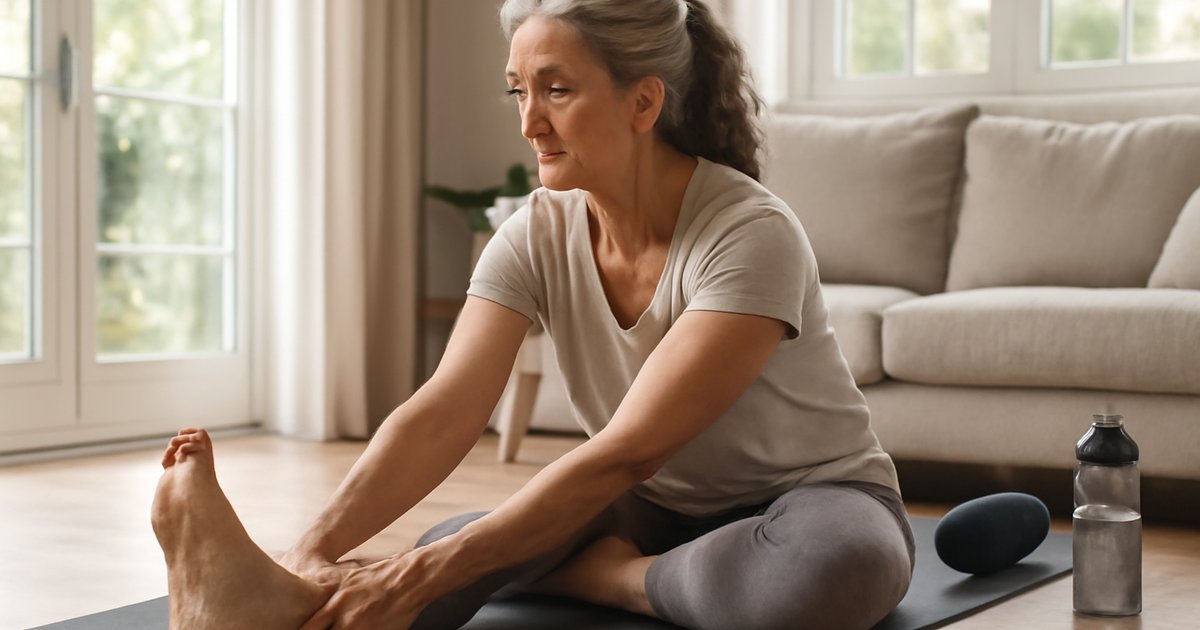
    Supine hamstring stretch: Lie on your back, loop a towel or strap around one foot, and gently straighten the leg toward the ceiling. Hold 30 to 45 seconds. The Cleveland Clinic highlights tight hamstrings as a leading contributor to lower back pain in adults over 40.

    Chest and shoulder opener: Clasp hands behind your back, gently squeeze shoulder blades together, and lift your arms slightly. Hold 20 to 30 seconds. This counteracts the forward-rounded posture common from screen time and driving.

    Cat-cow spinal mobilization: On all fours, alternate between arching and rounding your back in slow, controlled movements. Perform 10 to 15 repetitions. Spine mobility is especially important after 40 as disc hydration and flexibility naturally decrease.

    Seated piriformis stretch: Sit with one ankle crossed over the opposite knee. Gently press down on the crossed knee and lean forward slightly. Hold 30 seconds. This targets the piriformis muscle, which when tight can contribute to sciatic nerve irritation.

    If you want to integrate stretching into a broader morning movement practice, our Morning Exercise Routines for Adults Over 50 guide offers a complete framework you can adapt.

    When to Call Your Doctor — Emergency Signs

    Most stretching-related discomfort is temporary and manageable. However, certain symptoms require prompt medical evaluation.

    Seek immediate care if you experience:

    • A sudden “pop” or snap during a stretch followed by intense pain or inability to bear weight
    • Chest pain, shortness of breath, or dizziness during or after exercise
    • Rapid swelling in a joint following stretching or exercise
    • Numbness, tingling, or weakness that persists in arms or legs

    Talk to your doctor at your next visit if:

    • Muscle soreness regularly lasts more than 4 days after workouts
    • You have been unable to improve your range of motion despite 4 to 6 weeks of consistent stretching
    • You experience recurring pain in the same joint or muscle group
    • You have a diagnosed condition like osteoporosis, osteoarthritis, or a herniated disc that may require modified stretching protocols

    Your doctor or a licensed physical therapist can assess your specific biomechanics and recommend a personalized stretching protocol that accounts for your medical history.

    Frequently Asked Questions

    How long should I stretch after a workout?
    Most physical therapists and sports medicine guidelines recommend at least 10 minutes of post-workout stretching, holding each stretch for 20 to 60 seconds. This is not wasted time — it is part of the workout. Research suggests consistent post-exercise stretching over 8 weeks produces measurable improvements in flexibility and reduces injury risk in adults over 40.

    Is it normal for stretching to feel uncomfortable after 40?
    Some tension or mild discomfort during a stretch is normal. Sharp pain, joint pain, or pain that persists after releasing the stretch is not. Clinical evidence suggests that stretching to about 70 to 80% of your maximum range — not forcing the stretch — is most effective and safest for adults with aging connective tissues.

    How many rest days do I need each week after 40?
    This varies from person to person based on your fitness level, training intensity, and overall health. Most guidelines suggest at least one to two full or active recovery days per week for adults engaged in moderate-to-high intensity exercise. Listen to your body, and prioritize quality sleep as your primary recovery tool.

    Can stretching help with chronic back pain?
    Clinical evidence from the NIH and Mayo Clinic supports regular, targeted stretching as a component of managing chronic low back pain, particularly for tightness in the hamstrings, hip flexors, and piriformis muscles. However, stretching should always be part of a broader treatment plan developed with your physician or physical therapist — not a standalone cure.

    Does foam rolling actually work?
    Research suggests that foam rolling (self-myofascial release) can reduce muscle soreness and improve short-term range of motion when used consistently after exercise. A 2021 review cited by the Journal of Athletic Training found that foam rolling for 1 to 2 minutes per muscle group post-workout resulted in significant reductions in DOMS in the 24 to 72 hours following exercise.

    Conclusion

    Stretching and recovery are not optional extras — they are the foundation that makes everything else in your fitness routine sustainable. After 40, your body is not less capable; it simply communicates more clearly what it needs.

    With the right combination of targeted stretching, active recovery, quality sleep, and smart nutrition, you can maintain strong mobility, reduce chronic pain, and keep doing the activities you love well into your 60s, 70s, and beyond.

    Start small. Add 10 minutes of post-workout stretching this week. Build from there. Your body will respond — and your future self will be grateful.

    Always work with your healthcare provider or a licensed physical therapist to tailor any new stretching or recovery plan to your individual health needs and history.


    This article is for informational and educational purposes only. It does not constitute medical advice, diagnosis, or treatment. Always consult your physician or a qualified healthcare provider before making changes to your health routine or treatment plan.

    Medically reviewed by our editorial health team. Content follows evidence-based standards aligned with CDC and NIH guidelines.

  • Functional Fitness After 50: Move Better, Live Stronger

    Functional Fitness After 50: Move Better, Live Stronger

    The exercises that help you carry groceries, climb stairs, and get up from the floor without pain — and how to start doing them today.

    Introduction

    Margaret, 63, had been hitting the treadmill three times a week for years. She looked fit. But when she tried to lift a heavy bag from an overhead bin during a flight, she pulled a muscle in her shoulder. "I thought I was in shape," she told her physical therapist. "Turns out I was fit for the gym — but not for real life."

    Margaret’s story is more common than most people realize. According to the CDC, adults over 50 are among the fastest-growing segments of the US population, and physical function — the ability to perform everyday activities without pain or limitation — is one of the strongest predictors of long-term health and independence.

    Functional fitness is an approach to exercise specifically designed to train your body for real-life movements: bending, reaching, pushing, pulling, twisting, and carrying. It’s not about lifting the heaviest weight or running the fastest mile. It’s about building the strength, balance, and mobility that make daily life easier and safer.

    In this guide, you’ll learn what functional fitness is, why it matters so much after 50, and how to build a safe, effective routine — even if you haven’t exercised in years.

    What Is Functional Fitness?

    Functional fitness refers to exercise that trains your muscles and joints to work together in ways that mirror real-world movements. Rather than isolating a single muscle on a machine, functional training uses compound movements — exercises that recruit multiple muscle groups simultaneously.

    Think about what you do every day: getting up from a chair, picking something up off the floor, pushing open a heavy door, carrying a laundry basket. Each of these actions requires coordination, balance, and strength from several body parts working in sync. Functional fitness trains exactly those patterns.

    According to the National Institute on Aging (NIA), a branch of the NIH, maintaining physical function is a primary goal of healthy aging — and functional movement training is one of the most evidence-supported ways to achieve it.

    This approach is especially powerful for adults over 50 because it simultaneously addresses the four pillars of physical health that tend to decline with age: strength, balance, flexibility, and endurance.

    Why Functional Fitness Matters More After 50

    Starting around age 30, adults begin losing muscle mass at a rate of approximately 3 to 5 percent per decade — a process called sarcopenia. After 50, that loss can accelerate if not actively countered through resistance-based movement.

    The consequences go far beyond aesthetics. Loss of muscle and functional strength is directly linked to increased fall risk, reduced mobility, greater dependence on others, and higher rates of chronic disease. The CDC reports that falls are the leading cause of injury-related death among Americans over 65, with 3 million older adults treated in emergency departments for fall injuries each year.

    Functional fitness addresses this risk at its root. By training the muscles and movement patterns that stabilize the body during daily activities, it builds the kind of resilience that keeps you independent, confident, and mobile well into your later decades.

    Research published in the Journal of Aging and Physical Activity found that older adults who engaged in functional resistance training showed significant improvements in walking speed, balance, and self-reported quality of life compared to those doing traditional machine-based exercise. This variation in outcomes is well-documented — individual results depend on baseline fitness, health conditions, and consistency.

    Key Functional Movement Patterns to Train

    Functional fitness is built around six foundational movement patterns. Training all six ensures your body is prepared for the full range of activities daily life demands.

    1. Squat (sitting and standing)
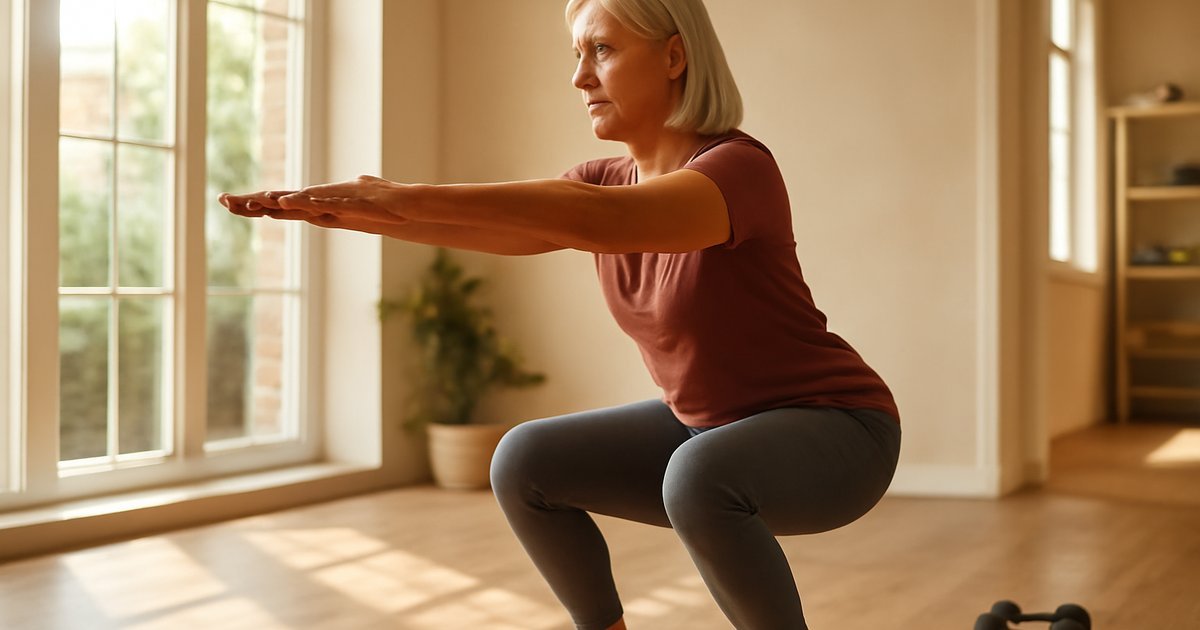
    The squat pattern mirrors getting up from a chair or a toilet. It trains your quadriceps, glutes, hamstrings, and core. For beginners, a chair squat — standing up from a seated position and slowly lowering back down — is a safe, effective starting point.

    2. Hinge (bending forward)
    The hip hinge mimics picking something up off the floor or loading the dishwasher. It trains the posterior chain — the glutes, hamstrings, and lower back. A Romanian deadlift with light dumbbells or a resistance band is a classic hinge exercise that most adults can learn safely.

    3. Push (pushing away from the body)
    Pushing movements train the chest, shoulders, and triceps. Wall push-ups or tabletop push-ups are excellent low-impact starting points for adults who haven’t trained upper body strength in a while.

    4. Pull (pulling toward the body)
    Pulling trains the upper back, biceps, and rear shoulders — muscles critical for posture and carrying. Resistance band rows are an approachable, joint-friendly option. If you’re interested in band-based training, our guide on Resistance Band Workouts: Strength & Mobility for All Ages offers a detailed introduction.

    5. Carry (moving while holding a load)
    Farmer’s carries — simply walking while holding a weight in each hand — build grip strength, core stability, and upright posture. They train the body exactly as grocery shopping does.

    6. Rotation (twisting)
    Rotational movements train the obliques and thoracic spine, preparing you for tasks like reaching across your body or looking over your shoulder while driving. Standing torso rotations with a light medicine ball or just bodyweight are safe starting points.

    A Sample Functional Fitness Routine for Adults Over 50

    Clinical evidence suggests that most adults over 50 benefit from at least two to three days of strength-focused functional training per week, with rest days or gentle movement — like walking or stretching — in between. The American College of Sports Medicine (ACSM) recommends that older adults perform muscle-strengthening activities on two or more days per week.

    Here is a beginner-to-intermediate weekly structure:

    Day 1 — Lower Body & Core Stability

    • Chair squats: 3 sets of 10–12 reps
    • Romanian deadlift with dumbbells or band: 3 sets of 10 reps
    • Standing calf raises: 3 sets of 15 reps
    • Dead bug (core stability): 3 sets of 8 reps per side
    • Side-lying hip abduction: 2 sets of 12 reps per side

    Day 2 — Upper Body & Posture

    • Wall push-ups or incline push-ups: 3 sets of 10–12 reps
    • Resistance band rows: 3 sets of 12 reps
    • Band pull-aparts: 3 sets of 15 reps
    • Overhead reach with band: 3 sets of 10 reps
    • Farmer’s carry: 3 rounds of 30 steps

    Day 3 — Balance, Mobility & Full-Body Integration

    • Single-leg stance: 3 sets of 30 seconds per side
    • Step-ups onto a low platform: 3 sets of 10 reps per leg
    • Lateral band walks: 3 sets of 12 steps per direction
    • Standing torso rotations: 3 sets of 10 per side
    • Hip flexor stretch (kneeling or standing): 2 sets of 30 seconds per side

    Always warm up for 5 to 10 minutes with gentle walking or light movement before beginning any strength work. Cool down with static stretching, focusing on the muscle groups you trained. If you’re also interested in structured low-impact options to complement this routine, you may find our article on Water Aerobics After 50: Benefits, Safety & How to Start a useful pairing for cardiovascular fitness.

    Safety: What to Know Before You Start

    Functional fitness is designed to be accessible — but that doesn’t mean it’s completely without risk, especially if you have existing health conditions. Research suggests that most exercise-related injuries in older adults result not from exercise itself, but from doing too much, too soon, without proper form.

    Here are the most important safety principles for adults over 50 starting a functional fitness program:

    • Get medical clearance first. If you have cardiovascular disease, osteoporosis, joint replacement, or uncontrolled hypertension, consult your physician before beginning a new exercise routine. Most doctors strongly support functional training — but your specific health history matters.
    • Start with bodyweight or very light resistance. Mastering movement form before adding load protects your joints and reduces injury risk significantly.
    • Prioritize form over speed or weight. Slow, controlled repetitions are more effective and far safer than rushing through exercises.
    • Listen to pain signals. Muscle fatigue is expected. Sharp, joint, or radiating pain is a warning sign to stop and evaluate.
    • Rest and recover. Muscle repair happens during rest. Adequate sleep supports your training outcomes — something our guide on Better Sleep After 50: Causes, Tips & When to See a Doctor covers in depth.
    • Consider working with a certified personal trainer or physical therapist at least initially. A professional can assess your movement quality and correct imbalances before they lead to injury.

    When to Call Your Doctor or Seek Emergency Care

    Most functional fitness discomforts — mild muscle soreness, slight fatigue, minor stiffness — are normal and resolve within 24 to 72 hours. However, some symptoms during or after exercise require immediate attention.

    Seek emergency care immediately if you experience:

    • Chest pain, pressure, or tightness during or after exercise
    • Severe shortness of breath that doesn’t resolve quickly with rest
    • Dizziness, lightheadedness, or fainting
    • Heart palpitations or an irregular, racing heartbeat
    • Sudden, severe joint or muscle pain (which may indicate a tear or fracture)
    • Numbness, tingling, or weakness radiating down an arm or leg

    Schedule a non-emergency appointment with your doctor if you notice:

    • Joint swelling that persists more than 48 hours after exercise
    • Persistent pain that worsens over multiple training sessions
    • Unusual fatigue that doesn’t improve with rest
    • Any new symptom that concerns you, even if it seems minor

    The American Heart Association recommends that adults with known cardiovascular risk factors discuss their exercise plans with a physician before significantly increasing activity intensity.

    Frequently Asked Questions

    Q: Is functional fitness the same as physical therapy?
    A: They share many exercises and principles, but they’re not the same. Physical therapy is a medically supervised rehabilitation process for specific injuries or conditions. Functional fitness is a preventive and performance-based training approach for generally healthy adults. That said, many physical therapists incorporate functional movement principles into their programs — and many people transition from PT to functional fitness training after recovering from an injury.

    Q: How soon will I see results from functional fitness training?
    A: This varies from person to person, but clinical evidence suggests that most adults begin noticing improvements in strength, balance, and daily ease of movement within four to eight weeks of consistent training. Neurological adaptations — how efficiently your brain coordinates movement — can occur even faster, often within the first two to three weeks.

    Q: Can I do functional fitness if I have osteoporosis?
    A: Research suggests that weight-bearing and resistance exercise can be beneficial for bone density, even in people with osteoporosis. However, certain movements — such as deep forward bends or high-impact jumps — may need to be modified or avoided. A physician or physical therapist familiar with osteoporosis should guide your specific program before you begin.

    Q: Do I need any equipment to start?
    A: No. Many of the most effective functional exercises require only your bodyweight — chair squats, wall push-ups, single-leg stands, and farmer’s carries with household objects. As you progress, a pair of light dumbbells and one or two resistance bands significantly expand your options at minimal cost.

    Q: How does functional fitness compare to yoga or Pilates?
    A: All three approaches complement each other well. Functional fitness emphasizes strength and movement pattern training. Yoga targets flexibility, breath, and mind-body connection. Pilates focuses on deep core stability and postural alignment. For many adults over 50, combining functional fitness with yoga or Pilates — on alternating days — offers the broadest physical benefits. Our articles on Yoga for Adults Over 40 and Pilates After 40: Core Strength, Posture & Pain Relief explore those approaches in detail.

    Conclusion

    Functional fitness isn’t a trend — it’s a smarter way to think about what exercise is actually for. After 50, the goal isn’t just to look fit. It’s to feel capable, move confidently, and maintain the independence that makes life meaningful.

    The good news is that the research is clear: it’s never too late to start. Even adults who begin functional training in their 60s or 70s show meaningful improvements in strength, balance, and quality of life. You don’t need a gym membership or a complicated program. You need consistent, purposeful movement that prepares your body for the life you want to live.

    Talk to your doctor, start with what you can do today, and build from there. Your future self — the one who carries their own groceries, climbs stairs without holding the rail, and gets up from the floor with ease — will thank you.


    Medical Disclaimer: This article is for informational and educational purposes only. It does not constitute medical advice, diagnosis, or treatment. Always consult your physician or a qualified healthcare provider before making changes to your health routine or treatment plan.

    Medically reviewed by our editorial health team. Content follows evidence-based standards aligned with CDC and NIH guidelines.