Tag: muscle building after 40

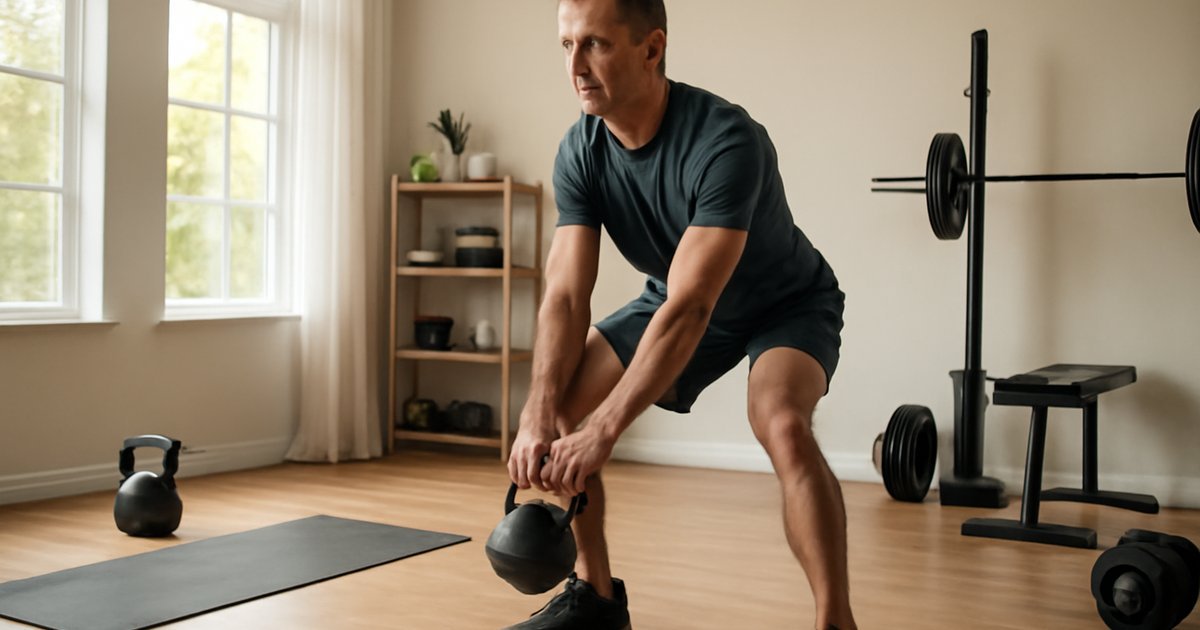
  • Kettlebell Training After 40: Build Strength and Power

    Kettlebell Training After 40: Build Strength and Power

    Kettlebell Training After 40: Build Strength and Power

    One compact iron weight. A complete workout strategy that builds muscle, torches fat, and protects your joints well into your 50s and 60s.

    Introduction

    Michael, 52, had spent years avoiding the weight room after a lower back injury convinced him that lifting was off the table. Then his physical therapist suggested kettlebells. Within four months, he had lost 18 pounds, eliminated his chronic back pain, and was moving better than he had in his 30s.

    Stories like Michael’s are becoming more common — and the science backs them up. According to the American College of Sports Medicine, adults lose up to 8 percent of muscle mass per decade after age 30, and that rate accelerates after 60. Maintaining muscle isn’t just about looking fit. It’s directly tied to metabolic health, bone density, fall prevention, and longevity.

    Kettlebell training for adults over 40 offers something rare: a single piece of equipment that delivers cardiovascular conditioning, strength training, mobility work, and functional movement — all at once. In this guide, you’ll learn exactly how kettlebells work, why they’re especially well-suited to bodies over 40, and how to build a safe, effective routine starting today.

    What Is Kettlebell Training?

    A kettlebell is a cast-iron or steel weight shaped like a cannonball with a flat base and a looped handle on top. Unlike dumbbells, the weight of a kettlebell is distributed away from your hand, which forces your body to stabilize constantly during movement. This off-center loading is precisely what makes kettlebells so effective for building functional strength.

    Kettlebell training involves dynamic, compound movements — exercises that engage multiple muscle groups and joints simultaneously. Common movements include the swing, goblet squat, Turkish get-up, clean, press, and deadlift. These movements mimic real-life activities like lifting grocery bags, carrying children or grandchildren, and rising from a chair.

    According to the NIH’s National Institute on Aging, functional strength training — the kind that builds capacity for everyday tasks — is one of the most important interventions for healthy aging. Kettlebells are uniquely designed for exactly this type of training.

    In the US, kettlebell fitness has grown substantially over the past decade, moving from niche athletic circles into mainstream gym programming and home fitness. You’ll find them in physical therapy clinics, CrossFit boxes, senior fitness centers, and living rooms across the country.

    Why Kettlebells Are Especially Effective After 40

    Adults over 40 face a specific set of physiological challenges: declining muscle mass (sarcopenia), reduced bone density, stiffer joints, slower recovery, and hormonal shifts that make fat gain easier and muscle retention harder. Kettlebell training directly addresses every one of these concerns.

    A 2021 systematic review published in the Journal of Strength and Conditioning Research found that kettlebell training significantly improved muscular strength, power, and aerobic capacity in adults aged 40 and older. Participants also showed measurable improvements in balance and core stability — two factors critical for fall prevention.

    Here’s why kettlebells work so well for this age group:

    • Hip-hinge movements protect the spine. The foundational kettlebell swing teaches proper hip-hinge mechanics, which actually reduces lower back strain rather than causing it — when performed correctly.
    • Low impact on joints. Unlike running or jumping exercises, most kettlebell movements are low-impact, making them appropriate for people with knee or hip concerns.
    • Builds bone density. Weight-bearing resistance training is one of the few proven strategies for maintaining bone mineral density after menopause and andropause. The CDC recommends muscle-strengthening activities at least two days per week for all adults.
    • Cardiovascular benefits without long cardio sessions. Research from the American Council on Exercise found that a 20-minute kettlebell workout can burn approximately 400 calories — equivalent to running at a 6-minute-per-mile pace.
    • Improves grip strength. Grip strength is now recognized by the NIH as a reliable biomarker of overall health and longevity. Kettlebell training builds grip strength consistently across all movements.

    If you’ve already been incorporating stretching and recovery into your routine after 40, kettlebell training fits naturally as your primary strength component.

    Key Kettlebell Movements for Adults Over 40

    You don’t need a complex program to get results. These five foundational movements cover the entire body and are appropriate for beginners with proper instruction.

    1. Kettlebell Deadlift

    The safest entry point for most beginners. Place the kettlebell between your feet, hinge at the hips, grip the handle, and stand tall by driving through your heels. This teaches the hip hinge pattern that underpins the swing, clean, and snatch.

    2. Kettlebell Swing

    The signature kettlebell movement. The swing is a ballistic hip hinge — you drive the bell forward using explosive hip extension, not arm strength. It builds posterior chain power (glutes, hamstrings, lower back), improves cardiovascular conditioning, and burns significant calories. Clinical evidence indicates the swing is also beneficial for improving spinal stability when learned correctly.

    3. Goblet Squat

    Hold the kettlebell close to your chest with both hands and squat to depth. This self-correcting movement naturally promotes an upright torso, making it safer for people with previous back issues than barbell squats. It builds quad, glute, and core strength simultaneously.

    4. Single-Arm Press

    Pressing a kettlebell overhead with one arm at a time forces your core and obliques to brace and stabilize, building anti-rotation strength — the kind that protects your spine in daily life. Research suggests overhead pressing is one of the most effective movements for shoulder health and upper body strength in older adults.

    5. Turkish Get-Up

    Often called the most comprehensive single exercise ever designed, the Turkish get-up takes you from lying flat on the floor to standing upright while holding a weight overhead. It trains mobility, stability, coordination, and strength in a single slow, deliberate movement. Many physical therapists use it as a rehabilitation tool. For adults over 40, it also directly trains the ability to get up from the floor — a key predictor of longevity according to research published in the European Journal of Preventive Cardiology.

    How to Build Your Kettlebell Routine

    Starting too heavy or too fast is the most common mistake adults over 40 make with kettlebells. Most men in this age group should begin with a 16 kg (35 lb) bell for swings and a 12 kg (26 lb) for pressing movements. Most women typically start with 8-12 kg (18-26 lb) for swings and 6-8 kg for presses. That said, this varies significantly from person to person based on training history and current fitness level.

    A beginner-friendly weekly structure might look like this:

    • Day 1 (Monday): Deadlifts, goblet squats, single-arm press — 3 sets of 8-10 reps each
    • Day 2 (Wednesday): Kettlebell swings — 5 sets of 10 reps, Turkish get-up — 3 sets per side
    • Day 3 (Friday): Full-body circuit combining swing, goblet squat, and press — 3 rounds

    Rest at least one day between sessions. For adults over 50, adding an extra rest day is completely appropriate. Recovery is part of the training. You can complement your kettlebell days with interval walking to boost cardiovascular fitness on off days.

    Safety Considerations and Injury Prevention

    Kettlebells are safe when used correctly — but that qualifier matters. The ballistic nature of movements like swings and cleans means that poor form amplifies injury risk rather than reducing it.

    Clinical evidence strongly suggests that working with a certified kettlebell instructor (look for StrongFirst or NSCA-certified trainers) for at least two to four sessions before training alone significantly reduces injury risk for beginners.

    Safety essentials for adults over 40:

    • Always warm up for 8-10 minutes before lifting — include hip openers, thoracic rotations, and light cardio
    • Never train to failure with kettlebells; stop each set with one to two reps in reserve
    • Train on a non-slip surface with adequate space around you
    • Listen to your joints: dull muscle soreness is normal; sharp joint pain is a signal to stop
    • Progress weight slowly — only when current weight feels completely controlled for all reps
    • Keep core braced throughout every movement

    Individuals with existing orthopedic conditions — rotator cuff injuries, herniated discs, or severe osteoporosis — should obtain medical clearance before beginning kettlebell training. Most physicians will support the activity once they understand its controlled, hip-hinge-based mechanics.

    If you’re also exploring complementary training, our guide on bodyweight training after 40 pairs well with kettlebell work for a balanced program.

    Living With a Kettlebell Practice: Long-Term Results

    One of the most consistent findings in exercise science is that the best workout is the one you actually keep doing. Kettlebell training has a remarkably high adherence rate among adults over 40 — largely because sessions are short, results are visible quickly, and the equipment footprint is minimal.

    Most adults who train consistently with kettlebells for 8-12 weeks report measurable improvements in:

    • Resting posture and reduced back pain
    • Hip and shoulder mobility
    • Cardiovascular endurance
    • Sleep quality (linked to resistance training by multiple NIH-funded studies)
    • Body composition — reduced fat mass, increased lean muscle
    • Confidence in daily physical tasks

    A 2020 study published in PLOS ONE found that kettlebell training for 8 weeks produced significant improvements in both physical fitness and quality-of-life scores in adults aged 40-65 — comparable to results seen with traditional gym-based strength training programs requiring far more equipment and time.

    Beyond the physical changes, many practitioners report that kettlebell training feels meditative — the focused, rhythmic nature of swings and get-ups demands full mental presence, which research suggests may reduce cortisol levels and improve mood through a mechanism similar to mindfulness-based exercise.

    When to Talk to Your Doctor

    Before starting any new strength training program, especially if you are over 50 or managing a chronic condition, consulting your primary care physician is the responsible first step. This is not a formality — it’s good medicine.

    Schedule a visit before starting kettlebell training if you have:

    • Uncontrolled hypertension or recent cardiac events
    • A diagnosed spinal condition such as spondylolisthesis or severe disc herniation
    • Severe osteoporosis (T-score below -2.5 on a DEXA scan)
    • Recent joint replacement surgery
    • Unmanaged type 2 diabetes

    Seek immediate medical care if during training you experience:

    • Chest tightness, pressure, or pain
    • Sudden shortness of breath disproportionate to effort
    • Dizziness, lightheadedness, or fainting
    • Sharp, shooting pain in your spine, shoulder, or knee
    • Heart palpitations or irregular heartbeat

    These are red flags that require evaluation before continuing exercise of any kind.

    Frequently Asked Questions

    Is kettlebell training safe for adults with arthritis?

    For many people with mild to moderate osteoarthritis, low-impact strength training — including kettlebell work — is actively recommended by rheumatologists. The Arthritis Foundation notes that resistance training reduces joint pain by strengthening the muscles that support affected joints. That said, individual variation is significant. Work with your doctor and a qualified trainer to modify movements as needed, and avoid ballistic exercises during flare-ups.

    How heavy should I start with a kettlebell?

    Most fitness professionals recommend that beginners prioritize technique over load. Starting lighter than you think you need to — and progressing only when form is flawless — is the consistent advice from certified kettlebell coaches. Attempting to swing too heavy too soon is the leading cause of kettlebell-related lower back strain.

    Can kettlebell training replace cardio?

    Research suggests it can partially replace steady-state cardio for adults seeking cardiovascular health benefits. High-repetition kettlebell swings elevate heart rate to cardio-training zones (65-85% of maximum heart rate) and produce meaningful aerobic adaptations. However, for adults with specific cardiovascular health goals, most cardiologists recommend a combination of resistance training and dedicated aerobic activity. Discuss your individual targets with your physician.

    How soon will I see results from kettlebell training?

    Most adults notice measurable improvements in strength, energy, and posture within four to six weeks of consistent training. Body composition changes — visible muscle tone and fat reduction — typically become apparent at eight to twelve weeks. This varies from person to person based on training frequency, nutrition, sleep, and hormonal factors.

    Do I need more than one kettlebell?

    You can build a complete, effective program with a single kettlebell. As you advance, having two bells of the same weight opens up double-bell exercises, and a lighter bell is useful for pressing while you use a heavier one for swings. Many experienced practitioners own three kettlebells of different weights. But starting with one is entirely sufficient.

    Conclusion

    Kettlebell training is one of the most time-efficient, evidence-backed, and age-appropriate fitness tools available to adults over 40. In under 30 minutes, three times per week, you can build meaningful strength, improve your cardiovascular fitness, protect your joints, and reclaim the physical confidence that aging can quietly erode.

    Michael’s story isn’t unusual — it’s what consistent, intelligent training looks like at 52. The key is starting with proper technique, choosing an appropriate weight, listening to your body, and giving recovery the same respect you give training.

    As always, the most important first step is a conversation with your doctor. Bring this information, ask about your individual considerations, and get cleared to begin. Then pick up the bell.

    Medical Disclaimer: This article is for informational and educational purposes only. It does not constitute medical advice, diagnosis, or treatment. Always consult your physician or a qualified healthcare provider before making changes to your health routine or treatment plan.

    Medically reviewed by our editorial health team. Content follows evidence-based standards aligned with CDC and NIH guidelines.

  • Bodyweight Training After 40: Build Strength Without a Gym

    Bodyweight Training After 40: Build Strength Without a Gym

    Bodyweight Training After 40: Build Strength Without a Gym

    No equipment, no excuses — just proven movement patterns that build real strength at any age.

    When David turned 44, his doctor told him something he wasn’t expecting: his muscle mass had dropped significantly since his mid-30s, and if he didn’t start resistance training soon, the consequences for his bone density, metabolism, and joint health would compound quickly. David assumed he needed a gym membership, heavy weights, and a personal trainer to make a difference. He was wrong.

    Bodyweight training — exercises that use your own body as resistance — has emerged as one of the most evidence-backed, accessible, and joint-friendly forms of strength training available to adults over 40. According to the CDC, adults lose between 3% and 5% of muscle mass per decade starting in their 30s, a process called sarcopenia. Without intervention, this muscle loss accelerates metabolic slowdown, increases fall risk, and contributes to chronic disease progression.

    The good news? You don’t need a single piece of equipment to reverse course. In this guide, you’ll learn exactly what bodyweight training is, why it works especially well after 40, how to build a safe and effective routine, and when to check in with your doctor.

    What Is Bodyweight Training?

    Bodyweight training is a form of resistance exercise where you use your own body weight — rather than dumbbells, machines, or barbells — to create muscular load. Movements like push-ups, squats, lunges, planks, and hip hinges all fall under this umbrella.

    Unlike weight machines that isolate single muscles, bodyweight exercises typically engage multiple muscle groups simultaneously. This means you’re training for functional strength — the kind that helps you carry groceries, climb stairs, get up from the floor, or recover your balance when you stumble.

    The American College of Sports Medicine classifies bodyweight training as a legitimate form of progressive resistance training. When performed with proper technique and sufficient challenge, it stimulates muscle protein synthesis, improves neuromuscular coordination, and enhances metabolic health — all critical priorities for adults in their 40s, 50s, and 60s.

    Bodyweight training is not the same as stretching or yoga, though it complements both. It applies mechanical tension to muscles and connective tissue, triggering the same adaptive responses as traditional weightlifting — just without the equipment or gym costs.

    Why Bodyweight Training Works Especially Well After 40

    After 40, the fitness equation changes. Recovery takes longer, joints may be more sensitive, and hormonal shifts — declining estrogen in women and gradually decreasing testosterone in men — affect how quickly muscle is built and maintained. Clinical evidence suggests that these physiological changes make training smarter, not necessarily harder, the most effective path forward.

    A 2021 meta-analysis published in the journal PLOS ONE found that bodyweight resistance training programs produced significant improvements in muscle strength, body composition, and functional capacity in adults aged 40 and older — comparable to results seen with free-weight training programs of similar duration.

    Here’s why bodyweight training is particularly well-suited to this life stage:

    • Joint-friendly loading: Bodyweight exercises distribute force more evenly across joints than heavy barbell exercises. This is meaningful if you’re managing early arthritis, knee discomfort, or a history of injury.
    • Lower injury risk: You can’t drop a barbell on yourself. The controlled, scalable nature of bodyweight movements reduces acute injury risk while still providing enough stimulus for adaptation.
    • Built-in proprioception training: Many bodyweight movements challenge your balance and body awareness simultaneously — a critical benefit as proprioception (your body’s sense of position in space) naturally declines with age.
    • Scalable difficulty: Push-ups can be done from the knees, a flat surface, or elevated surfaces to increase difficulty. Squats can progress from chair-assisted to single-leg variations. The ceiling on difficulty is surprisingly high.
    • No barrier to entry: You can train in your living room, backyard, or a hotel room. Consistency matters more than setting, and removing obstacles to consistency matters enormously.

    Research from the NIH confirms that adults who maintain resistance training throughout their 40s and 50s experience significantly slower rates of sarcopenia, better insulin sensitivity, and reduced cardiovascular risk markers compared to sedentary peers.

    Signs You Need More Muscle (and Less Excuses)

    Many adults over 40 don’t realize how much functional muscle mass they’ve already lost. The signs often develop gradually, making them easy to dismiss as “just getting older.”

    Early signs that muscle loss is affecting you:

    • You feel winded climbing two flights of stairs
    • Carrying groceries or luggage feels significantly harder than it used to
    • You avoid getting up from low chairs or the floor without using your arms
    • Your posture has noticeably rounded or your back aches more than it used to
    • You’ve gained fat around the midsection without dramatic dietary changes
    • Balance feels less reliable, especially on uneven surfaces

    More advanced warning signs:

    • Difficulty performing basic daily tasks without fatigue
    • Frequent minor injuries from low-effort activities
    • Significant reduction in grip strength (a validated clinical marker of overall muscle health)
    • Blood sugar regulation issues linked to reduced muscle tissue

    According to the NIH’s National Institute on Aging, grip strength decline is one of the most reliable physical predictors of future disability and mortality risk in adults over 50. The earlier you address muscle loss, the more functional reserve you preserve.

    How to Build a Bodyweight Routine After 40

    Building an effective bodyweight routine after 40 requires three things: movement variety that covers major muscle groups, progressive overload (gradually making exercises harder over time), and adequate recovery between sessions.

    Most physicians and certified strength coaches recommend starting with two to three sessions per week on non-consecutive days. Research published by the American Heart Association supports this frequency as sufficient for meaningful health benefits, including improved blood pressure, blood sugar regulation, and lean muscle maintenance.

    The six movement patterns your routine should include:

    1. Push (chest, shoulders, triceps): Push-ups in any variation — incline, decline, standard, or close-grip
    2. Pull (upper back, biceps): Doorframe rows, towel rows, or if you have access to a bar, bodyweight rows or dead hangs
    3. Hinge (hamstrings, glutes, lower back): Hip hinges, single-leg deadlifts, glute bridges, and Romanian deadlift patterns without weight
    4. Squat (quads, glutes, calves): Goblet squat pattern, chair squats, split squats, or eventually pistol squat progressions
    5. Core anti-rotation and stability: Planks, dead bugs, bird dogs — movements that train the core to resist movement rather than create it
    6. Gait and locomotion: Reverse lunges, lateral lunges, step-ups — patterns that train movement through space

    A sample beginner session (30-40 minutes):

    • Incline push-ups: 3 sets of 8-12 reps
    • Chair-assisted squats: 3 sets of 10-15 reps
    • Glute bridges: 3 sets of 12-15 reps
    • Doorframe rows: 3 sets of 8-10 reps
    • Dead bug: 3 sets of 6-8 reps per side
    • Reverse lunges: 2 sets of 8 per leg

    Rest 60 to 90 seconds between sets. Prioritize form over speed. This varies from person to person — if you’re managing joint issues, cardiovascular conditions, or recovering from injury, consult your doctor before starting any new exercise program.

    If you’re looking to complement your bodyweight training with lower-body-focused movement, our guide on Functional Fitness After 50 offers excellent progressions for everyday movement patterns.

    Progressive Overload Without Adding Weight

    One of the most common misconceptions about bodyweight training is that it plateaus quickly. In reality, research suggests that progressive overload — the principle of gradually increasing training demand — is entirely achievable without ever touching a dumbbell.

    Ways to make bodyweight exercises progressively harder:

    • Leverage changes: Elevating your feet during push-ups increases load on the chest and shoulders. Elevating hands decreases it. The angle of your body changes the mechanical disadvantage dramatically.
    • Range of motion: Deepening a squat or adding a pause at the bottom increases time under tension and muscle recruitment.
    • Tempo manipulation: A 3-second lowering phase (eccentric) followed by a 1-second pause and 1-second lift dramatically increases difficulty without adding weight.
    • Unilateral progression: Moving from two-leg squats to single-leg variations, or from two-arm push-ups to archer push-ups, essentially doubles the load on each limb.
    • Volume increases: Adding an extra set, more reps, or an additional session per week over time.
    • Rest reduction: Shortening rest periods (from 90 to 60 seconds, for example) increases metabolic demand.

    Clinical evidence from the Journal of Strength and Conditioning Research indicates that when progressive overload is applied systematically, bodyweight programs drive muscle hypertrophy (growth) and strength gains comparable to moderate-load free-weight programs in adults over 40.

    For adults new to structured movement who want to ease into this type of training, our Pilates After 40 guide offers an excellent parallel approach to core strength and postural alignment.

    Safety, Recovery, and What to Watch For

    After 40, recovery becomes as important as the training itself. Connective tissue — tendons and ligaments — adapts more slowly than muscle, meaning you may feel stronger before your joints are fully ready for increased demand. Most physicians recommend treating soreness as data, not a badge of honor.

    Safety principles for bodyweight training after 40:

    • Always warm up for at least 5-10 minutes with light movement: marching in place, arm circles, hip openers, and gentle dynamic stretches
    • Learn the difference between productive discomfort (muscle fatigue, mild burn) and warning pain (sharp, joint-located, or radiating)
    • Allow at least one full rest day between strength training sessions targeting the same muscle groups
    • Sleep and protein intake directly support muscle repair — clinical evidence suggests adults over 40 may benefit from slightly higher protein intake (approximately 0.7 to 1.0 grams per pound of body weight), though individual needs vary
    • Hydrate adequately before, during, and after sessions

    Red flags requiring immediate medical attention:

    • Chest pain, pressure, or tightness during or after exercise
    • Sudden severe shortness of breath disproportionate to effort
    • Dizziness, lightheadedness, or fainting
    • Sharp, sudden joint pain that doesn’t resolve with rest
    • Heart palpitations or irregular heartbeat during exertion
    • Numbness or tingling in arms or legs during exercise

    If you experience any of these symptoms, stop exercising immediately and seek medical evaluation. These are not expected side effects of bodyweight training — they warrant prompt attention.

    For adults who want to pair their strength work with complementary low-impact cardio, our guide on Water Aerobics After 50 provides an excellent joint-friendly option that supports cardiovascular health without taxing the same recovery systems.

    When to Call Your Doctor

    Before starting any new exercise program, especially if you’re managing a chronic condition like hypertension, type 2 diabetes, osteoporosis, or heart disease, a conversation with your primary care physician is strongly recommended.

    Ask your doctor specifically about:

    • Whether your current medications affect exercise tolerance or heart rate response
    • Any movement patterns to avoid based on your musculoskeletal history
    • Whether a referral to a physical therapist for a movement assessment would be beneficial
    • Target heart rate zones if you plan to combine bodyweight training with cardio

    The American Heart Association recommends that adults with two or more cardiovascular risk factors — including high blood pressure, elevated cholesterol, smoking history, or family history of heart disease — undergo physician clearance before beginning a vigorous exercise program.

    At your next visit, you might say: “I want to start a bodyweight strength training program two to three times a week. Given my current health history, is there anything I should modify or monitor?” This framing invites collaboration rather than a blanket restriction.

    Frequently Asked Questions

    Can bodyweight training build real muscle after 40, or is it just for toning?

    Research suggests that bodyweight training absolutely builds muscle after 40 when performed with sufficient intensity and progressive overload. The distinction between “toning” and “building muscle” is largely semantic — what you’re doing in both cases is increasing muscle protein content and definition. Clinical trials have demonstrated measurable hypertrophy in older adults using bodyweight-only programs.

    How many days per week should I do bodyweight training?

    Most clinical evidence supports two to three sessions per week for adults over 40, with at least one rest day between sessions targeting the same muscle groups. This frequency is sufficient for meaningful strength and muscle gains while allowing connective tissue and the nervous system adequate recovery time. Some individuals respond well to four sessions using an upper/lower body split — this varies from person to person.

    Is bodyweight training safe if I have knee or hip arthritis?

    For many people with mild to moderate osteoarthritis, appropriately modified bodyweight training is not only safe but therapeutically beneficial. The Arthritis Foundation notes that strengthening the muscles around arthritic joints reduces pain and improves function. However, specific modifications depend on your individual presentation — always consult your orthopedist or physical therapist before beginning.

    How long before I see results from bodyweight training?

    Research indicates that most adults notice improvements in strength and daily functional capacity within four to six weeks of consistent training. Visible changes in muscle definition typically take eight to twelve weeks and depend heavily on diet, sleep quality, and training consistency. Neurological adaptations — meaning your muscles learn to fire more efficiently — happen fastest, often within the first two to three weeks.

    Do I need protein supplements to make bodyweight training effective?

    No supplement is required. Most adults over 40 can meet their protein needs through whole food sources — eggs, poultry, fish, legumes, dairy, and lean meats. Research does suggest that distributing protein intake across three to four meals daily (rather than concentrating it at dinner) may optimize muscle protein synthesis after training. Consult a registered dietitian for personalized guidance based on your health status and goals.

    The Bottom Line

    Bodyweight training is one of the most accessible, evidence-backed tools available to adults over 40 who want to protect their muscle mass, joint health, metabolism, and long-term independence. You don’t need a gym, expensive equipment, or decades of athletic experience to start. You need consistency, progressive challenge, and a commitment to listening to your body.

    Start with two sessions per week. Master the basics. Progress gradually. Track how you feel — not just in the gym, but in daily life. If climbing stairs feels easier, if your posture improves, if you can get up off the floor without using your hands — those are the real metrics that matter.

    Bodyweight training isn’t a compromise when you can’t get to the gym. For many adults over 40, clinical evidence suggests it may be the smartest, most sustainable form of strength training you can do. Talk to your doctor, start where you are, and build from there.


    Medical Disclaimer: This article is for informational and educational purposes only. It does not constitute medical advice, diagnosis, or treatment. Always consult your physician or a qualified healthcare provider before making changes to your health routine or treatment plan.

    Medically reviewed by our editorial health team. Content follows evidence-based standards aligned with CDC and NIH guidelines.