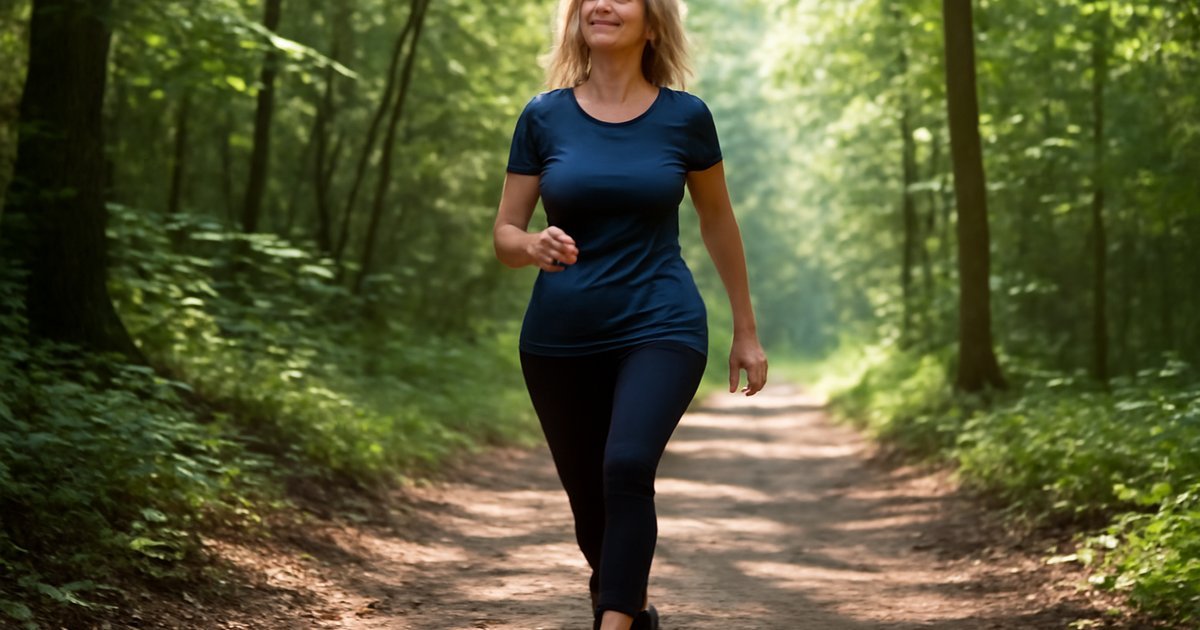
Fresh air, natural terrain, and sunlight may be some of the most underrated fitness tools available to adults over 50.
Introduction
Margaret, 63, had tried treadmills, gym classes, and stationary bikes — but nothing stuck. Then her doctor suggested something different: take your exercise outside. Within three months of walking local trails and doing simple park workouts, she had lost 14 pounds, cut her blood pressure medication in half, and, perhaps most importantly, she actually looked forward to exercising.
Her story is not unusual. According to the CDC, fewer than 28% of Americans aged 50 and older meet the recommended weekly aerobic activity guidelines — and a significant barrier is motivation. Outdoor fitness for adults over 50 offers a compelling solution: research consistently shows that exercising in natural environments boosts adherence, improves mood, and delivers measurable physical health benefits beyond what indoor exercise alone provides.
In this guide, you will learn why outdoor exercise matters after 50, which activities are safest and most effective, how to build a sustainable outdoor routine, and when to talk to your doctor before starting.
What Is Outdoor Fitness — and Why Does It Matter After 50?
Outdoor fitness refers to any structured or semi-structured physical activity performed in open-air natural or semi-natural environments — parks, trails, beaches, neighborhood sidewalks, gardens, or open fields. It ranges from walking and jogging to bodyweight circuits, tai chi in a park, or kayaking on a local lake.
After age 50, the body undergoes changes that make the type and context of exercise increasingly important. Muscle mass naturally declines at roughly 1–2% per year after 50 (a process called sarcopenia), bone density decreases, joint flexibility narrows, and cardiovascular efficiency gradually drops. These shifts make consistent, enjoyable physical activity not just beneficial — but medically essential.
A 2019 meta-analysis published in Environmental Health Perspectives found that spending at least 120 minutes per week in natural outdoor environments was associated with significantly better self-reported health and wellbeing. For older adults, the benefits compound: sunlight exposure supports vitamin D synthesis (critical for bone health), varied terrain challenges balance and coordination, and the psychological lift of nature reduces cortisol — the body’s primary stress hormone.
The NIH notes that adults who exercise outdoors report higher rates of enjoyment and are more likely to continue their routines long-term compared to those who exercise exclusively indoors — a finding that matters enormously for adults who have struggled with consistency in the past.
Key Health Benefits of Exercising Outdoors After 50
Understanding why outdoor fitness works can help motivate you to build it into your life. Clinical evidence points to several distinct advantages over indoor-only exercise:
Cardiovascular Health
The American Heart Association recommends at least 150 minutes of moderate-intensity aerobic activity per week for adults. Walking briskly through a park, cycling on a trail, or doing light resistance exercises outdoors all qualify. A study from Harvard Health found that adults who walked outdoors burned up to 16% more calories per mile than those walking on flat treadmill surfaces, largely due to natural terrain variability.
Bone Density and Joint Health
Weight-bearing outdoor activities — hiking, walking on uneven ground, garden-based fitness — apply gentle stress to bones, which stimulates bone-building cells called osteoblasts. This is especially important for postmenopausal women, who lose bone density rapidly in the years following menopause. The National Osteoporosis Foundation endorses weight-bearing outdoor exercise as a frontline strategy for bone preservation.
Mental Health and Cognitive Function
Research published in the journal Proceedings of the National Academy of Sciences found that walking in nature — compared to urban environments — significantly reduced rumination (repetitive negative thinking) and lowered activity in the part of the brain associated with depression. For adults over 50, who face elevated rates of anxiety, loneliness, and depression, this is a meaningful clinical benefit.
Emerging evidence also suggests that outdoor physical activity may support cognitive resilience. A 2021 NIH-backed study found that regular aerobic outdoor exercise was associated with larger hippocampal volume in adults over 60 — a region of the brain critical for memory formation.
Balance, Coordination, and Fall Prevention
The CDC reports that one in four Americans over age 65 falls each year, making fall prevention a top priority in senior health. Walking on natural, uneven surfaces — grass, gravel paths, gentle slopes — challenges the proprioceptive system (your body’s internal sense of position and balance) in ways flat gym floors cannot replicate. Over time, this builds the neuromuscular coordination that prevents falls.
Vitamin D Synthesis
Vitamin D deficiency affects roughly 42% of American adults, according to research published in the Nutrition Research journal. Spending 15–30 minutes outdoors in sunlight (depending on skin tone and geography) supports natural vitamin D production, which plays a role in bone health, immune function, and muscle performance — all of which become more important after 50.
Best Outdoor Fitness Activities for Adults Over 50
Not every outdoor workout suits every body. The best activity is one that matches your current fitness level, joint health, and personal enjoyment. Here are evidence-supported options with varying intensity levels:
Brisk Walking and Trail Walking
Walking remains the most accessible, low-impact, and broadly recommended outdoor exercise for adults over 50. Clinical evidence from the Mayo Clinic confirms that brisk walking — maintaining a pace where you can speak but not sing — delivers comparable cardiovascular benefits to jogging for older adults without the joint stress. If you want to increase intensity without impact, interval walking — alternating between a fast and moderate pace — is a research-backed strategy to boost caloric burn and cardiovascular conditioning.
For those seeking more challenge and scenic variety, hiking on local trails adds elevation change, terrain variability, and longer duration, all of which increase the exercise’s physiological benefits.
Outdoor Bodyweight Training
Parks with outdoor fitness equipment — increasingly common across the US — allow adults to perform push-ups, modified pull-ups, step-ups, and seated dips in fresh air. Research suggests that resistance training at least twice per week significantly slows age-related muscle loss. If you are new to strength movements, bodyweight training is an excellent entry point that requires no equipment and can be scaled to any fitness level.
Cycling Outdoors
Cycling on bike paths or gentle roads is a joint-friendly cardiovascular workout that builds leg strength and endurance simultaneously. According to the Cleveland Clinic, regular cycling in adults over 50 is associated with improved insulin sensitivity, healthier cholesterol profiles, and reduced cardiovascular risk.
Outdoor Yoga and Tai Chi
Performing yoga or tai chi in a park or backyard combines the mental benefits of natural environments with the physical benefits of flexibility, balance, and mindful movement. The NIH’s National Center for Complementary and Integrative Health recognizes tai chi as an evidence-based practice for improving balance and reducing fall risk in older adults.
Swimming and Water Activities
Outdoor swimming — in lakes, pools, or the ocean — provides a near-zero-impact full-body workout ideal for adults with arthritis or joint pain. The buoyancy of water reduces effective body weight by up to 90%, dramatically lowering stress on hips, knees, and the spine.
Gardening as Fitness
Often overlooked, vigorous gardening — digging, raking, hauling, squatting — qualifies as moderate-intensity physical activity. The CDC recognizes gardening as a valid contributor to weekly activity goals for older adults. It also provides the added cognitive benefit of purposeful outdoor engagement.
How to Build a Safe Outdoor Fitness Routine After 50
Starting or expanding an outdoor fitness routine requires a thoughtful approach — particularly if you have existing health conditions or have been sedentary for some time.
Start with a medical clearance. Before beginning a new exercise program, speak with your primary care physician, especially if you have cardiovascular disease, diabetes, osteoporosis, or chronic joint conditions. This varies from person to person, and individualized guidance protects you from injury or overexertion.
Build gradually. Clinical guidelines from the American College of Sports Medicine recommend increasing weekly exercise volume by no more than 10% per week to reduce injury risk. If you are starting from little activity, begin with 20-minute outdoor walks three times per week and build from there.
Warm up and cool down. Natural terrain demands good range of motion. Spend 5–10 minutes performing gentle dynamic stretches before heading out, and allow another 5–10 minutes of static stretching at the end. Evidence consistently supports stretching as a tool for injury prevention and post-exercise recovery in adults over 40.
Dress for conditions. Wear moisture-wicking, breathable layers in warm weather. In cold weather, layer clothing and protect extremities. Always wear sunscreen (SPF 30 or higher) and a hat for sun-exposed activities.
Stay hydrated. Thirst sensation decreases with age, making dehydration a common and underappreciated risk for older adults during outdoor exercise. The Mayo Clinic recommends drinking water before, during, and after outdoor activity — even when you do not feel thirsty.
Use appropriate footwear. Supportive, well-fitting athletic footwear reduces the risk of ankle sprains, plantar fasciitis, and knee pain — common issues for adults over 50 who are new to outdoor terrain training.
Exercise with a partner or group. Social accountability significantly improves adherence to exercise routines. Consider joining a local walking club, outdoor yoga group, or fitness community. Research from Johns Hopkins Medicine confirms that social support is one of the strongest predictors of long-term exercise consistency in older adults.
Safety Considerations Specific to Adults Over 50
Outdoor fitness comes with environmental variables that require awareness, particularly for adults managing chronic conditions:
- Heat safety: Adults over 50 are more vulnerable to heat exhaustion and heat stroke due to reduced sweating efficiency and cardiovascular changes. Exercise outdoors during cooler morning or evening hours in summer. Know the signs of heat exhaustion: heavy sweating, weakness, cool or pale skin, nausea, and dizziness.
- Sun and skin protection: Increased sun exposure raises the risk of skin damage and skin cancer. Apply broad-spectrum SPF 30+ sunscreen at least 15 minutes before heading outside, and reapply every two hours.
- Uneven terrain and falls: Start on even, well-maintained paths and progress to more varied terrain as balance and confidence improve.
- Medication considerations: Some medications — including certain blood pressure drugs, diuretics, and antihistamines — affect hydration, heart rate response, or heat tolerance. Ask your physician or pharmacist how your medications might interact with outdoor exertion.
- Air quality: Check your local air quality index (AQI) before exercising outdoors, particularly if you have asthma, COPD, or cardiovascular disease. The EPA’s AirNow website provides real-time AQI data by zip code.
When to Call Your Doctor or Seek Emergency Care
Most outdoor fitness activities are safe for healthy adults over 50 when approached gradually and with appropriate precautions. However, certain symptoms demand immediate medical attention:
Call 911 immediately if you experience:
- Chest pain or pressure during or after exercise
- Sudden shortness of breath that does not resolve quickly with rest
- Severe dizziness, fainting, or loss of consciousness
- Rapid or irregular heartbeat that feels alarming or does not self-correct
- Sudden weakness or numbness on one side of the body
Schedule a prompt appointment with your doctor if you notice:
- Persistent joint pain lasting more than 72 hours after activity
- Swelling in your ankles, feet, or legs following exercise
- Unusual fatigue that does not improve with rest
- A fall, even if you feel fine afterward
- Significant changes in your resting heart rate or blood pressure readings
At your next routine visit, tell your doctor what outdoor activities you are doing, how long you exercise per session, and any symptoms you have noticed. This information helps your care team provide the most relevant and personalized guidance.
Frequently Asked Questions
How much outdoor exercise do adults over 50 need each week?
The CDC and American Heart Association both recommend at least 150 minutes of moderate-intensity aerobic activity per week for adults — which breaks down to about 30 minutes, five days per week. Resistance-based activities (such as bodyweight exercises or hiking with a pack) should be added at least twice per week. Research suggests that even smaller amounts — as little as 60 minutes per week — provide measurable health benefits for previously sedentary adults over 50.
Is outdoor exercise safe if I have arthritis or knee pain?
In most cases, yes — but the type of activity matters significantly. Low-impact options like walking on soft surfaces, cycling, outdoor swimming, and chair-assisted exercises tend to be well-tolerated by adults with arthritis. Clinical evidence from the Arthritis Foundation supports regular, gentle movement as a key tool for reducing joint pain and stiffness. Always work with your physician or a physical therapist to identify activities appropriate for your specific condition.
What is the best time of day for outdoor exercise after 50?
Most physicians recommend morning or late afternoon for outdoor exercise. Morning workouts benefit from cooler temperatures, lower UV intensity, and tend to support better sleep patterns. In summer, avoid exercising between 10 a.m. and 3 p.m. when UV radiation and heat are at their peak. This varies from person to person based on schedule, medications, and personal preference.
Can outdoor exercise help with depression and anxiety in older adults?
Research suggests it can play a meaningful supportive role. A systematic review published in the International Journal of Environmental Research and Public Health found that green exercise — physical activity in natural settings — produced greater reductions in depression and anxiety symptoms compared to indoor exercise alone. However, outdoor fitness should be viewed as a complement to, not a replacement for, professional mental health treatment when clinically warranted.
Do I need any special equipment to start outdoor fitness after 50?
Most outdoor fitness activities require minimal equipment. Supportive athletic footwear appropriate for the terrain is the most important investment. A water bottle, sun protection (hat, sunscreen), and weather-appropriate clothing round out the basics. For activities like cycling, a properly fitted helmet is essential for safety. High-cost equipment is rarely necessary to begin an effective outdoor fitness routine.
Conclusion
Outdoor fitness after 50 is not just about burning calories or hitting step counts — it is about building a sustainable relationship with movement that your body and mind can sustain for decades. The combination of natural terrain, fresh air, sunlight, and social opportunity creates a uniquely powerful environment for long-term health.
Whether you start with a 20-minute park walk three mornings a week, join an outdoor yoga group, or explore local bike trails on weekends, the most important step is simply beginning — at the level that is right for you, today. Work with your healthcare provider to tailor an outdoor fitness plan that fits your health history and goals. Small, consistent efforts made in the right environment add up to profound results over time.
This article is for informational and educational purposes only. It does not constitute medical advice, diagnosis, or treatment. Always consult your physician or a qualified healthcare provider before making changes to your health routine or treatment plan.
Medically reviewed by our editorial health team. Content follows evidence-based standards aligned with CDC and NIH guidelines.