Tag: strength training after 40

  • Cable Machine Workouts After 40: Strength & Stability

    Cable Machine Workouts After 40: Strength & Stability

    Cable Machine Workouts After 40: Strength & Stability

    One of the most versatile pieces of gym equipment may also be the most underused by adults in midlife — and the science behind it is compelling.

    Why Adults Over 40 Should Take Cable Machines Seriously

    Mark, 52, had spent years avoiding the cable machine at his gym. It looked complicated, and he assumed it was mostly for bodybuilders. But after his physical therapist recommended cable-based exercises to help rehabilitate his rotator cuff and protect his lower back, everything changed. Within three months, he was moving with less pain, standing taller, and lifting with more confidence than he had in his 30s.

    If you’re over 40 and focusing on long-term health, you’ve probably already heard that strength training is essential. According to the CDC, adults begin losing 3 to 5 percent of muscle mass per decade after age 30 — a process called sarcopenia — and that rate accelerates without resistance training. But not all strength training is created equal, especially as your joints, connective tissue, and recovery capacity change with age.

    Cable machine workouts offer a unique combination of constant resistance, joint-friendly movement, and functional carry-over to real life. In this guide, you’ll learn what cable machines are, why they’re particularly beneficial after 40, how to use them safely, and how to build a complete workout routine that supports your strength, stability, and longevity goals.

    What Is a Cable Machine?

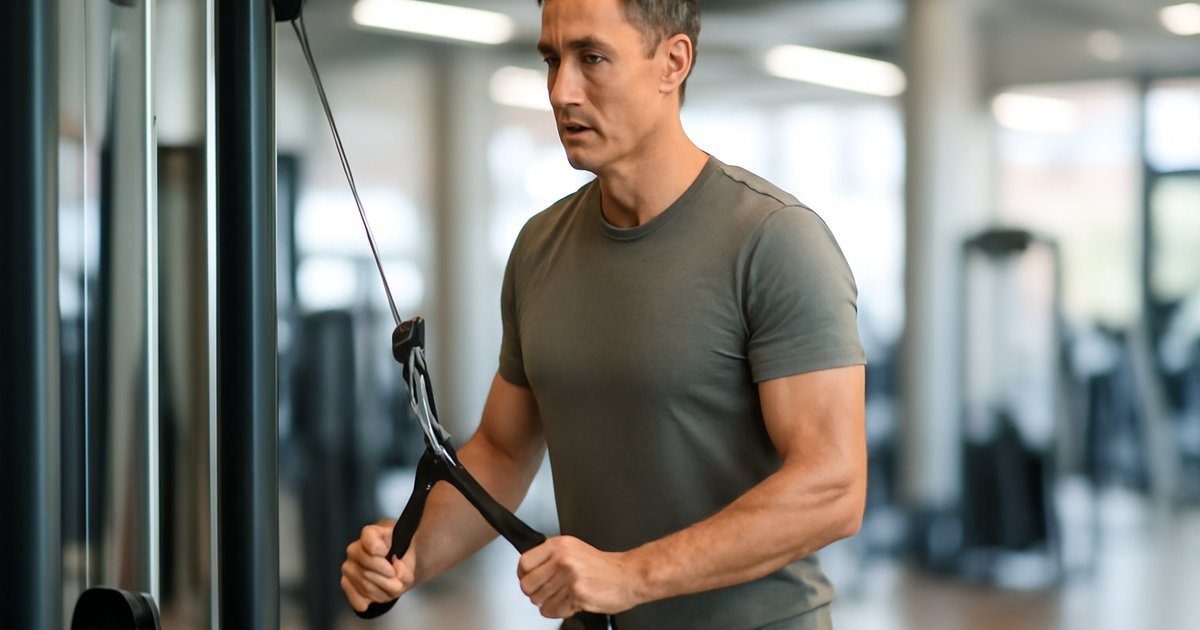
    A cable machine is a piece of gym equipment that uses a system of pulleys, cables, and adjustable weight stacks to create resistance throughout the full range of motion of an exercise. Unlike free weights — where resistance changes based on gravity — cable machines maintain tension on your muscles from start to finish of each movement.

    Most gyms offer two main types: a single-cable tower with an adjustable pulley (high, mid, or low position) and a functional trainer, which features two independent cable arms that can be set at different heights. Both allow for dozens of exercises targeting nearly every major muscle group.

    According to research published in the Journal of Strength and Conditioning Research, cable-based resistance training activates stabilizing muscles more consistently than machine-based exercises that isolate movement on a fixed track. This makes cables particularly valuable for adults over 40 who want to build real-world functional strength — not just isolated muscle size.

    Why Cable Machines Are Especially Beneficial After 40

    After 40, several physiological shifts make certain training approaches more appropriate than others. Your tendons and ligaments are less elastic than they were in your 20s, joint cartilage may show early wear, and your nervous system’s ability to recover from intense training takes longer. Cable machines address many of these concerns directly.

    Constant tension without joint compression. Unlike barbell squats or heavy bench presses, many cable exercises reduce axial loading (downward compression on the spine and joints) while still providing significant muscular challenge. This is especially helpful if you manage conditions like osteoarthritis, a herniated disc, or shoulder impingement.

    Improved neuromuscular coordination. Because cables require you to stabilize the movement path yourself — rather than following a fixed machine track — they engage your core and stabilizing muscles simultaneously. Clinical evidence from rehabilitation studies at the Mayo Clinic suggests this co-activation pattern improves balance, coordination, and injury resilience over time.

    Adjustable angles for joint-friendly movement. The pulley height is fully adjustable, which means you can modify the angle of resistance to match your individual joint mechanics. If traditional rows hurt your shoulder in one position, you can shift the cable angle slightly until the movement feels comfortable and productive.

    Lower injury risk than free weights for beginners. Research suggests that cable exercises have a lower rate of acute injury for adults returning to training after a break, making them an excellent starting point if you’ve been sedentary or are returning from injury.

    Key Muscle Groups and Cable Exercises to Know

    One of the greatest strengths of the cable machine is its versatility. Here’s a breakdown of major muscle groups and the cable exercises most clinically relevant for adults over 40:

    Back and Posterior Chain

    • Cable rows (seated or standing): Target the latissimus dorsi, rhomboids, and rear deltoids. Excellent for counteracting the forward-rounded posture that develops from prolonged sitting.
    • Face pulls: Specifically strengthen the rear deltoids and rotator cuff — two areas critical for shoulder health and often underdeveloped in adults over 40.
    • Cable pull-throughs: A hip-hinge movement that activates the glutes and hamstrings with minimal spinal compression, making it a safer alternative to deadlifts for those with lower back sensitivity.

    Chest and Shoulders

    • Cable chest fly (low-to-high or high-to-low): Provides constant pectoral tension without the shoulder strain of heavy dumbbell flyes.
    • Lateral raises: Cable lateral raises maintain tension at the top of the movement where dumbbells go slack, improving shoulder development and rotator cuff resilience.

    Core and Stability

    • Pallof press: An anti-rotation core exercise considered by many sports medicine clinicians to be one of the safest and most effective core stability movements available. It trains your core to resist force — exactly what it needs to do to protect your spine in daily life.
    • Cable woodchops: Rotational core training that mimics reaching, lifting, and twisting movements common in daily activities.

    Legs and Glutes

    • Cable kickbacks: Isolate the glutes with minimal knee stress.
    • Cable Romanian deadlifts: Hip-hinge movement that strengthens the hamstrings and glutes through a long range of motion.
    • Cable squats: A counterbalanced squat variation that allows upright posture and is often more accessible for adults with limited hip mobility.

    Arms

    • Cable bicep curls and tricep pushdowns: Classic movements with consistent tension throughout the full range — more effective for muscular endurance than many free-weight equivalents.

    How to Build a Cable Machine Workout Routine After 40

    Most fitness professionals and sports medicine physicians recommend that adults over 40 train 2 to 4 days per week with at least one full rest day between sessions targeting the same muscle groups. Here is a sample two-day split designed for longevity, functional strength, and joint health.

    Day 1 — Upper Body Focus (45-55 minutes)

    Begin with a 5-minute warm-up: arm circles, shoulder rolls, and light band pull-aparts.

    • Face pulls — 3 sets x 15 reps (light to moderate weight)
    • Seated cable rows — 3 sets x 10-12 reps
    • Cable chest fly (low-to-high) — 3 sets x 12 reps
    • Cable lateral raises — 3 sets x 12-15 reps per side
    • Cable bicep curls — 3 sets x 12 reps
    • Tricep pushdowns — 3 sets x 12 reps
    • Pallof press — 3 sets x 10 reps per side (slow and controlled)

    Day 2 — Lower Body and Core Focus (45-55 minutes)

    Begin with a 5-minute warm-up: hip circles, bodyweight squats, and standing cat-cow stretches.

    • Cable pull-throughs — 3 sets x 12 reps
    • Cable squats — 3 sets x 10-12 reps
    • Cable Romanian deadlifts — 3 sets x 10 reps
    • Cable kickbacks — 3 sets x 15 reps per leg
    • Cable woodchops (high-to-low) — 3 sets x 10 reps per side
    • Standing cable crunches — 3 sets x 12 reps

    Rest 60 to 90 seconds between sets. Research suggests that longer rest periods (up to 2 minutes) are appropriate for adults over 40 when training at moderate to high intensity, as this improves recovery quality and reduces the risk of overuse injuries.

    Safety Tips and Common Mistakes to Avoid

    Cable machines are generally safe, but proper form and progression matter enormously — especially after 40 when connective tissue takes longer to adapt than muscle tissue does.

    Start lighter than you think you need to. This is the most common mistake among adults returning to resistance training. Clinical guidelines from the American College of Sports Medicine recommend starting at 40 to 60 percent of your estimated maximum load and progressing gradually over weeks — not days.

    Prioritize control over speed. A slow, controlled eccentric phase (the lowering or releasing portion of each rep) has been shown in multiple meta-analyses to significantly improve muscle quality and reduce injury risk. Aim for a 2 to 3 second lowering phase on every repetition.

    Adjust the pulley before loading it. Always adjust the pulley height before adding weight or attaching cables. Reaching awkwardly while under tension is a common cause of shoulder and wrist strain.

    Avoid locking out joints under heavy load. Particularly with elbow and knee joints, maintain a slight soft bend at the end range of motion to reduce joint stress.

    Don’t skip the warm-up. A 5 to 10 minute dynamic warm-up is non-negotiable after 40. According to Johns Hopkins Medicine, warming up increases blood flow to muscles, improves nerve conduction speed, and meaningfully reduces injury risk during resistance training.

    You may also find it helpful to complement your cable training with low-impact cardio on alternate days. If you’re looking for joint-friendly cardio options that pair well with strength training, our guides on elliptical workouts after 50 and rowing machine workouts after 40 offer detailed, age-appropriate programs worth exploring.

    Living With Chronic Conditions: Adapting Cable Training Safely

    Many adults over 40 are managing at least one chronic condition — and that shouldn’t be a barrier to cable training. In fact, research suggests resistance training is actively beneficial for several of the most common conditions in this age group.

    Osteoarthritis: The Arthritis Foundation recommends resistance training as a primary non-pharmacological treatment for osteoarthritis. Cable exercises reduce joint impact while preserving the resistance needed to maintain cartilage-supporting muscle strength. Focus on mid-range movements and avoid deep end-range positions that cause pain.

    Type 2 diabetes: According to the American Diabetes Association, resistance training improves insulin sensitivity and blood glucose regulation. Cable-based workouts two to three times per week may complement your diabetes management plan — always in coordination with your physician.

    Hypertension: The American Heart Association supports moderate-intensity resistance training for adults with controlled hypertension. Avoid breath-holding (Valsalva maneuver) during cable exercises, as this temporarily spikes blood pressure. Breathe steadily and continuously throughout each rep.

    Lower back pain: Cable exercises like the Pallof press, cable pull-throughs, and standing cable rows are frequently prescribed in physical therapy settings for lumbar stabilization. If you have a diagnosed back condition, consult your physician or physical therapist before beginning.

    For those who prefer to mix equipment-based and bodyweight work, our guide to home workouts for adults over 50 offers a complementary framework that pairs well with cable training days at the gym.

    When to Talk to Your Doctor or Skip the Gym

    While cable machine training is appropriate for most healthy adults over 40, there are situations where medical clearance or a modified approach is essential.

    Seek medical clearance before starting if you:

    • Have been sedentary for more than 12 months
    • Have a cardiovascular condition, including recent heart attack, arrhythmia, or uncontrolled hypertension
    • Have been diagnosed with osteoporosis (not osteopenia — osteoporosis requires specific exercise guidance)
    • Are recovering from surgery or a musculoskeletal injury in the past 6 months
    • Experience chest pain, dizziness, or shortness of breath during physical activity

    Stop immediately and seek emergency care if during exercise you experience:

    • Chest pain, pressure, or tightness
    • Sudden severe shortness of breath not explained by exertion
    • Jaw, arm, or back pain occurring with exertion
    • Sudden dizziness, near-fainting, or loss of coordination
    • A sharp, severe pop or snap in a joint followed by significant pain or swelling

    These symptoms require immediate emergency evaluation. Do not wait to see if they resolve on their own.

    At your next routine visit, consider discussing:

    • Whether your current medications affect exercise capacity or heart rate response
    • Baseline labs relevant to muscle health (vitamin D, magnesium, creatinine)
    • A referral to a physical therapist or certified personal trainer with experience in older adult fitness

    Frequently Asked Questions

    Can I use a cable machine if I’ve never lifted weights before?
    Yes — cable machines are often considered more beginner-friendly than free weights because the cable guides your movement path and reduces the coordination demand. Starting with a certified personal trainer for 2 to 3 sessions to learn proper setup and form is strongly recommended, especially after 40.

    How is cable training different from using weight machines?
    Weight machines (like a chest press or leg extension machine) fix you into a single movement plane and do much of the stabilization work for you. Cable machines require your stabilizing muscles to engage throughout, which builds more functional, transferable strength. Research suggests this makes cables more effective for improving real-world movement quality.

    How much weight should I start with on a cable machine?
    This varies significantly from person to person and depends on the exercise, your training history, and your current fitness level. A general guideline from the American College of Sports Medicine is to select a weight that allows you to complete 12 to 15 reps with good form while feeling challenged on the last 2 to 3 reps. Never sacrifice form to use more weight.

    Is cable training safe if I have shoulder problems?
    For many common shoulder issues — including rotator cuff strain and shoulder impingement — cable exercises are frequently prescribed in physical therapy because of their adjustable angles and controlled resistance. However, you should get a diagnosis and personalized guidance from your orthopedic physician or physical therapist before training through shoulder pain.

    How long before I see results from cable machine workouts?
    Clinical evidence indicates that most adults begin noticing improvements in strength, posture, and ease of daily movement within 4 to 6 weeks of consistent training (2 to 3 sessions per week). Visible changes in muscle definition typically take 8 to 12 weeks. Individual variation is significant and depends on nutrition, sleep, stress, and consistency.

    Conclusion: The Smarter Strength Tool for the Second Half of Life

    Cable machines aren’t just for athletes or bodybuilders. For adults over 40, they represent one of the most intelligent, joint-friendly, and functional tools available in any gym. They deliver constant resistance, engage stabilizing muscles, reduce injury risk, and adapt to your body’s specific mechanics — all qualities that matter enormously as you prioritize longevity over performance.

    Whether you’re managing a chronic condition, returning to exercise after a break, or simply looking to train smarter as you age, cable-based workouts offer a sustainable path to better strength, posture, balance, and quality of life. Start gradually, focus on form, and build the habit consistently.

    As always, partner with your physician or a qualified fitness professional to create a plan that’s right for your individual health needs. The investment you make in your strength today pays dividends in independence, vitality, and resilience for decades to come.

    For more age-appropriate strength and fitness ideas, explore our guide to dumbbell workouts for adults over 40 as a complement to your cable training routine.


    Medical Disclaimer: This article is for informational and educational purposes only. It does not constitute medical advice, diagnosis, or treatment. Always consult your physician or a qualified healthcare provider before making changes to your health routine or treatment plan.

    Medically reviewed by our editorial health team. Content follows evidence-based standards aligned with CDC and NIH guidelines.


  • Bodyweight Training After 40: Build Strength Without a Gym

    Bodyweight Training After 40: Build Strength Without a Gym

    Bodyweight Training After 40: Build Strength Without a Gym

    No equipment, no excuses — just proven movement patterns that build real strength at any age.

    When David turned 44, his doctor told him something he wasn’t expecting: his muscle mass had dropped significantly since his mid-30s, and if he didn’t start resistance training soon, the consequences for his bone density, metabolism, and joint health would compound quickly. David assumed he needed a gym membership, heavy weights, and a personal trainer to make a difference. He was wrong.

    Bodyweight training — exercises that use your own body as resistance — has emerged as one of the most evidence-backed, accessible, and joint-friendly forms of strength training available to adults over 40. According to the CDC, adults lose between 3% and 5% of muscle mass per decade starting in their 30s, a process called sarcopenia. Without intervention, this muscle loss accelerates metabolic slowdown, increases fall risk, and contributes to chronic disease progression.

    The good news? You don’t need a single piece of equipment to reverse course. In this guide, you’ll learn exactly what bodyweight training is, why it works especially well after 40, how to build a safe and effective routine, and when to check in with your doctor.

    What Is Bodyweight Training?

    Bodyweight training is a form of resistance exercise where you use your own body weight — rather than dumbbells, machines, or barbells — to create muscular load. Movements like push-ups, squats, lunges, planks, and hip hinges all fall under this umbrella.

    Unlike weight machines that isolate single muscles, bodyweight exercises typically engage multiple muscle groups simultaneously. This means you’re training for functional strength — the kind that helps you carry groceries, climb stairs, get up from the floor, or recover your balance when you stumble.

    The American College of Sports Medicine classifies bodyweight training as a legitimate form of progressive resistance training. When performed with proper technique and sufficient challenge, it stimulates muscle protein synthesis, improves neuromuscular coordination, and enhances metabolic health — all critical priorities for adults in their 40s, 50s, and 60s.

    Bodyweight training is not the same as stretching or yoga, though it complements both. It applies mechanical tension to muscles and connective tissue, triggering the same adaptive responses as traditional weightlifting — just without the equipment or gym costs.

    Why Bodyweight Training Works Especially Well After 40

    After 40, the fitness equation changes. Recovery takes longer, joints may be more sensitive, and hormonal shifts — declining estrogen in women and gradually decreasing testosterone in men — affect how quickly muscle is built and maintained. Clinical evidence suggests that these physiological changes make training smarter, not necessarily harder, the most effective path forward.

    A 2021 meta-analysis published in the journal PLOS ONE found that bodyweight resistance training programs produced significant improvements in muscle strength, body composition, and functional capacity in adults aged 40 and older — comparable to results seen with free-weight training programs of similar duration.

    Here’s why bodyweight training is particularly well-suited to this life stage:

    • Joint-friendly loading: Bodyweight exercises distribute force more evenly across joints than heavy barbell exercises. This is meaningful if you’re managing early arthritis, knee discomfort, or a history of injury.
    • Lower injury risk: You can’t drop a barbell on yourself. The controlled, scalable nature of bodyweight movements reduces acute injury risk while still providing enough stimulus for adaptation.
    • Built-in proprioception training: Many bodyweight movements challenge your balance and body awareness simultaneously — a critical benefit as proprioception (your body’s sense of position in space) naturally declines with age.
    • Scalable difficulty: Push-ups can be done from the knees, a flat surface, or elevated surfaces to increase difficulty. Squats can progress from chair-assisted to single-leg variations. The ceiling on difficulty is surprisingly high.
    • No barrier to entry: You can train in your living room, backyard, or a hotel room. Consistency matters more than setting, and removing obstacles to consistency matters enormously.

    Research from the NIH confirms that adults who maintain resistance training throughout their 40s and 50s experience significantly slower rates of sarcopenia, better insulin sensitivity, and reduced cardiovascular risk markers compared to sedentary peers.

    Signs You Need More Muscle (and Less Excuses)

    Many adults over 40 don’t realize how much functional muscle mass they’ve already lost. The signs often develop gradually, making them easy to dismiss as “just getting older.”

    Early signs that muscle loss is affecting you:

    • You feel winded climbing two flights of stairs
    • Carrying groceries or luggage feels significantly harder than it used to
    • You avoid getting up from low chairs or the floor without using your arms
    • Your posture has noticeably rounded or your back aches more than it used to
    • You’ve gained fat around the midsection without dramatic dietary changes
    • Balance feels less reliable, especially on uneven surfaces

    More advanced warning signs:

    • Difficulty performing basic daily tasks without fatigue
    • Frequent minor injuries from low-effort activities
    • Significant reduction in grip strength (a validated clinical marker of overall muscle health)
    • Blood sugar regulation issues linked to reduced muscle tissue

    According to the NIH’s National Institute on Aging, grip strength decline is one of the most reliable physical predictors of future disability and mortality risk in adults over 50. The earlier you address muscle loss, the more functional reserve you preserve.

    How to Build a Bodyweight Routine After 40

    Building an effective bodyweight routine after 40 requires three things: movement variety that covers major muscle groups, progressive overload (gradually making exercises harder over time), and adequate recovery between sessions.

    Most physicians and certified strength coaches recommend starting with two to three sessions per week on non-consecutive days. Research published by the American Heart Association supports this frequency as sufficient for meaningful health benefits, including improved blood pressure, blood sugar regulation, and lean muscle maintenance.

    The six movement patterns your routine should include:

    1. Push (chest, shoulders, triceps): Push-ups in any variation — incline, decline, standard, or close-grip
    2. Pull (upper back, biceps): Doorframe rows, towel rows, or if you have access to a bar, bodyweight rows or dead hangs
    3. Hinge (hamstrings, glutes, lower back): Hip hinges, single-leg deadlifts, glute bridges, and Romanian deadlift patterns without weight
    4. Squat (quads, glutes, calves): Goblet squat pattern, chair squats, split squats, or eventually pistol squat progressions
    5. Core anti-rotation and stability: Planks, dead bugs, bird dogs — movements that train the core to resist movement rather than create it
    6. Gait and locomotion: Reverse lunges, lateral lunges, step-ups — patterns that train movement through space

    A sample beginner session (30-40 minutes):

    • Incline push-ups: 3 sets of 8-12 reps
    • Chair-assisted squats: 3 sets of 10-15 reps
    • Glute bridges: 3 sets of 12-15 reps
    • Doorframe rows: 3 sets of 8-10 reps
    • Dead bug: 3 sets of 6-8 reps per side
    • Reverse lunges: 2 sets of 8 per leg

    Rest 60 to 90 seconds between sets. Prioritize form over speed. This varies from person to person — if you’re managing joint issues, cardiovascular conditions, or recovering from injury, consult your doctor before starting any new exercise program.

    If you’re looking to complement your bodyweight training with lower-body-focused movement, our guide on Functional Fitness After 50 offers excellent progressions for everyday movement patterns.

    Progressive Overload Without Adding Weight

    One of the most common misconceptions about bodyweight training is that it plateaus quickly. In reality, research suggests that progressive overload — the principle of gradually increasing training demand — is entirely achievable without ever touching a dumbbell.

    Ways to make bodyweight exercises progressively harder:

    • Leverage changes: Elevating your feet during push-ups increases load on the chest and shoulders. Elevating hands decreases it. The angle of your body changes the mechanical disadvantage dramatically.
    • Range of motion: Deepening a squat or adding a pause at the bottom increases time under tension and muscle recruitment.
    • Tempo manipulation: A 3-second lowering phase (eccentric) followed by a 1-second pause and 1-second lift dramatically increases difficulty without adding weight.
    • Unilateral progression: Moving from two-leg squats to single-leg variations, or from two-arm push-ups to archer push-ups, essentially doubles the load on each limb.
    • Volume increases: Adding an extra set, more reps, or an additional session per week over time.
    • Rest reduction: Shortening rest periods (from 90 to 60 seconds, for example) increases metabolic demand.

    Clinical evidence from the Journal of Strength and Conditioning Research indicates that when progressive overload is applied systematically, bodyweight programs drive muscle hypertrophy (growth) and strength gains comparable to moderate-load free-weight programs in adults over 40.

    For adults new to structured movement who want to ease into this type of training, our Pilates After 40 guide offers an excellent parallel approach to core strength and postural alignment.

    Safety, Recovery, and What to Watch For

    After 40, recovery becomes as important as the training itself. Connective tissue — tendons and ligaments — adapts more slowly than muscle, meaning you may feel stronger before your joints are fully ready for increased demand. Most physicians recommend treating soreness as data, not a badge of honor.

    Safety principles for bodyweight training after 40:

    • Always warm up for at least 5-10 minutes with light movement: marching in place, arm circles, hip openers, and gentle dynamic stretches
    • Learn the difference between productive discomfort (muscle fatigue, mild burn) and warning pain (sharp, joint-located, or radiating)
    • Allow at least one full rest day between strength training sessions targeting the same muscle groups
    • Sleep and protein intake directly support muscle repair — clinical evidence suggests adults over 40 may benefit from slightly higher protein intake (approximately 0.7 to 1.0 grams per pound of body weight), though individual needs vary
    • Hydrate adequately before, during, and after sessions

    Red flags requiring immediate medical attention:

    • Chest pain, pressure, or tightness during or after exercise
    • Sudden severe shortness of breath disproportionate to effort
    • Dizziness, lightheadedness, or fainting
    • Sharp, sudden joint pain that doesn’t resolve with rest
    • Heart palpitations or irregular heartbeat during exertion
    • Numbness or tingling in arms or legs during exercise

    If you experience any of these symptoms, stop exercising immediately and seek medical evaluation. These are not expected side effects of bodyweight training — they warrant prompt attention.

    For adults who want to pair their strength work with complementary low-impact cardio, our guide on Water Aerobics After 50 provides an excellent joint-friendly option that supports cardiovascular health without taxing the same recovery systems.

    When to Call Your Doctor

    Before starting any new exercise program, especially if you’re managing a chronic condition like hypertension, type 2 diabetes, osteoporosis, or heart disease, a conversation with your primary care physician is strongly recommended.

    Ask your doctor specifically about:

    • Whether your current medications affect exercise tolerance or heart rate response
    • Any movement patterns to avoid based on your musculoskeletal history
    • Whether a referral to a physical therapist for a movement assessment would be beneficial
    • Target heart rate zones if you plan to combine bodyweight training with cardio

    The American Heart Association recommends that adults with two or more cardiovascular risk factors — including high blood pressure, elevated cholesterol, smoking history, or family history of heart disease — undergo physician clearance before beginning a vigorous exercise program.

    At your next visit, you might say: “I want to start a bodyweight strength training program two to three times a week. Given my current health history, is there anything I should modify or monitor?” This framing invites collaboration rather than a blanket restriction.

    Frequently Asked Questions

    Can bodyweight training build real muscle after 40, or is it just for toning?

    Research suggests that bodyweight training absolutely builds muscle after 40 when performed with sufficient intensity and progressive overload. The distinction between “toning” and “building muscle” is largely semantic — what you’re doing in both cases is increasing muscle protein content and definition. Clinical trials have demonstrated measurable hypertrophy in older adults using bodyweight-only programs.

    How many days per week should I do bodyweight training?

    Most clinical evidence supports two to three sessions per week for adults over 40, with at least one rest day between sessions targeting the same muscle groups. This frequency is sufficient for meaningful strength and muscle gains while allowing connective tissue and the nervous system adequate recovery time. Some individuals respond well to four sessions using an upper/lower body split — this varies from person to person.

    Is bodyweight training safe if I have knee or hip arthritis?

    For many people with mild to moderate osteoarthritis, appropriately modified bodyweight training is not only safe but therapeutically beneficial. The Arthritis Foundation notes that strengthening the muscles around arthritic joints reduces pain and improves function. However, specific modifications depend on your individual presentation — always consult your orthopedist or physical therapist before beginning.

    How long before I see results from bodyweight training?

    Research indicates that most adults notice improvements in strength and daily functional capacity within four to six weeks of consistent training. Visible changes in muscle definition typically take eight to twelve weeks and depend heavily on diet, sleep quality, and training consistency. Neurological adaptations — meaning your muscles learn to fire more efficiently — happen fastest, often within the first two to three weeks.

    Do I need protein supplements to make bodyweight training effective?

    No supplement is required. Most adults over 40 can meet their protein needs through whole food sources — eggs, poultry, fish, legumes, dairy, and lean meats. Research does suggest that distributing protein intake across three to four meals daily (rather than concentrating it at dinner) may optimize muscle protein synthesis after training. Consult a registered dietitian for personalized guidance based on your health status and goals.

    The Bottom Line

    Bodyweight training is one of the most accessible, evidence-backed tools available to adults over 40 who want to protect their muscle mass, joint health, metabolism, and long-term independence. You don’t need a gym, expensive equipment, or decades of athletic experience to start. You need consistency, progressive challenge, and a commitment to listening to your body.

    Start with two sessions per week. Master the basics. Progress gradually. Track how you feel — not just in the gym, but in daily life. If climbing stairs feels easier, if your posture improves, if you can get up off the floor without using your hands — those are the real metrics that matter.

    Bodyweight training isn’t a compromise when you can’t get to the gym. For many adults over 40, clinical evidence suggests it may be the smartest, most sustainable form of strength training you can do. Talk to your doctor, start where you are, and build from there.


    Medical Disclaimer: This article is for informational and educational purposes only. It does not constitute medical advice, diagnosis, or treatment. Always consult your physician or a qualified healthcare provider before making changes to your health routine or treatment plan.

    Medically reviewed by our editorial health team. Content follows evidence-based standards aligned with CDC and NIH guidelines.

  • Strength Training After 40: Benefits, Safety & How to Start

    Strength Training After 40: Benefits, Safety & How to Start

    Strength Training After 40: Benefits, Safety & How to Start

    Building muscle after 40 isn’t just possible — clinical evidence suggests it may be one of the most important things you can do for your long-term health.

    Margaret, 52, hadn’t lifted a weight since college. After her annual physical, her doctor mentioned something that surprised her: she had lost nearly 8 pounds of muscle mass over the past decade — without gaining a pound on the scale. Her body fat percentage had quietly climbed, her bone density had dipped below optimal, and her resting metabolism had slowed significantly. "I thought staying thin meant I was healthy," she told her physician. She wasn’t alone in that assumption.

    According to the NIH, adults who do not engage in resistance training lose between 3 and 8 percent of their muscle mass per decade after age 30 — a process called sarcopenia. After age 60, that rate can accelerate dramatically. Yet the CDC reports that fewer than 25 percent of American adults meet the recommended guidelines for muscle-strengthening activities.

    If you’re between 40 and 70 and wondering whether strength training is safe or effective for you, this guide will walk you through everything you need to know — from the science behind muscle growth at midlife, to practical steps for starting safely, to warning signs you should never ignore.

    What Is Strength Training — and Why Does It Matter After 40?

    Strength training — also called resistance training or weight training — refers to any form of exercise that causes your muscles to contract against an external resistance. That resistance can come from free weights, machines, resistance bands, or even your own body weight.

    When you perform resistance exercises, you create microscopic stress in muscle fibers. Your body repairs those fibers and, over time, builds them back slightly stronger and denser. This process, called muscle protein synthesis, doesn’t stop with age — but it does slow down and require more deliberate effort to stimulate.

    Why does this matter so much after 40? Because muscle tissue is metabolically active. It burns calories at rest, supports your joints and bones, regulates blood sugar, and protects you from the kinds of falls and fractures that become increasingly dangerous with age. Research published by the American College of Sports Medicine indicates that regular resistance training can reduce the risk of type 2 diabetes, cardiovascular disease, osteoporosis, and all-cause mortality in middle-aged and older adults.

    In short, strength training is not just for athletes or young people. For adults in their 40s, 50s, 60s, and beyond, it may be the single most impactful form of exercise for preserving functional independence and long-term quality of life.

    Signs Your Body May Need More Strength Training

    Many adults don’t realize they’ve been losing muscle until the effects become noticeable. Here are some early and more advanced signs that your musculoskeletal health may need attention:

    Early Signs

    • Feeling fatigued after activities that didn’t used to tire you
    • Difficulty carrying groceries or climbing stairs
    • Noticeable changes in body composition even with stable weight
    • Slower metabolism or unexplained weight gain
    • Mild joint stiffness, especially in the knees or hips
    • Decreased grip strength or difficulty opening jars

    More Advanced Signs

    • Balance problems or increased risk of tripping
    • Chronic lower back pain linked to weak core muscles
    • Bone density loss confirmed by a DEXA scan
    • Elevated fasting blood glucose (linked to reduced muscle glucose uptake)
    • Significant loss of functional independence in daily tasks

    A study published in the Journal of the American Medical Association found that low muscle mass and strength in midlife adults was associated with a significantly higher risk of disability, metabolic syndrome, and premature mortality — independent of body weight or cardiovascular fitness. This makes strength training not merely a fitness preference, but a genuine preventive health strategy.

    Causes and Risk Factors for Muscle Loss After 40

    Understanding why muscle loss accelerates in midlife can help you take targeted action. The causes are both biological and behavioral.

    Biological Factors

    Hormonal changes play a significant role. Testosterone — a key driver of muscle protein synthesis — declines in men by roughly 1 to 2 percent per year after age 30. In women, estrogen levels drop sharply during perimenopause and menopause, which accelerates bone and muscle loss simultaneously. The NIH identifies these hormonal shifts as primary contributors to age-related sarcopenia.

    Reduced anabolic sensitivity is another factor. As we age, muscles become less responsive to the protein we eat and the exercise signals we send them — a phenomenon researchers call "anabolic resistance." This doesn’t mean strength training stops working; it means you may need to train more consistently and pay closer attention to protein intake to get the same results you’d have seen at 25.

    Lifestyle and Environmental Factors

    • Sedentary behavior: The CDC notes that American adults spend an average of 6 to 8 hours per day sitting, which accelerates muscle atrophy
    • Inadequate protein intake: Many adults over 50 consume far less protein than recommended for muscle maintenance
    • Poor sleep: Growth hormone, essential for muscle repair, is primarily released during deep sleep — and sleep quality often declines with age
    • Chronic inflammation: Conditions like obesity, metabolic syndrome, and unmanaged stress elevate inflammatory markers that break down muscle tissue
    • Certain medications: Statins, corticosteroids, and some blood pressure medications can affect muscle function; always discuss this with your prescribing physician

    Getting a Baseline: What to Expect Before You Start

    Before beginning any new exercise program — especially after a long period of inactivity — a conversation with your healthcare provider is strongly recommended. This is particularly important if you have cardiovascular disease, diabetes, osteoporosis, hypertension, or a history of joint injuries.

    Assessments Your Doctor May Recommend

    • Resting blood pressure and heart rate to establish cardiovascular safety for exercise
    • Fasting blood glucose and HbA1c if diabetes risk is a concern
    • DEXA scan to assess bone mineral density, especially in postmenopausal women
    • Basic metabolic panel to check kidney and liver function, relevant if you plan to increase protein intake
    • Functional movement screening by a physical therapist or certified trainer to identify muscular imbalances or mobility limitations

    The American Heart Association recommends that adults over 45 who have been sedentary for an extended period undergo a medical evaluation before starting a vigorous exercise program. Even if your doctor gives you the green light immediately, having that conversation ensures your program is designed with your individual health history in mind.

    This varies from person to person — some adults in their 60s are ready to begin moderate-to-vigorous resistance training immediately, while others may need to start with physical therapy or very light functional movement exercises first.

    Treatment Options: How to Build an Effective Strength Program After 40

    The good news: the fundamentals of effective strength training don’t change dramatically with age. What changes is the need for smarter programming, adequate recovery, and more mindful attention to form and injury prevention.

    Core Principles of Strength Training for Midlife Adults

    Frequency: Most clinical guidelines — including those from the CDC and ACSM — recommend strength training at least two days per week for all major muscle groups. Many adults in their 40s and 50s do well with three sessions per week, allowing 48 hours of recovery between training the same muscle group.

    Progressive overload: To continue gaining strength, you must gradually increase the challenge — either by adding weight, reps, sets, or reducing rest time. Without this progression, the body adapts and results plateau.

    Compound movements first: Exercises that engage multiple muscle groups simultaneously — such as squats, deadlifts, rows, chest presses, and overhead presses — deliver more metabolic and functional benefit than isolation exercises alone.

    Recommended Starting Approaches

    • Bodyweight training: Push-ups, squats, lunges, and planks are excellent starting points with zero equipment and minimal injury risk
    • Resistance bands: Highly effective for joint-friendly loading, especially for those with arthritis or recovering from injury
    • Machine-based training: Fixed movement paths reduce injury risk and are ideal for beginners learning form
    • Free weights (dumbbells and barbells): Highly effective for experienced exercisers; require more coaching initially to ensure safe technique
    • Working with a certified personal trainer (CPT): Research published by Johns Hopkins Medicine suggests that supervised resistance training programs produce significantly better outcomes in older adults than unsupervised self-directed exercise

    Nutrition as a Critical Complement

    No strength program works optimally without adequate protein intake. Current evidence suggests that adults over 50 may benefit from consuming between 1.2 and 1.6 grams of protein per kilogram of body weight daily — somewhat higher than traditional recommendations — to overcome anabolic resistance. The Mayo Clinic and Harvard Health both highlight protein timing (consuming protein within a couple of hours after training) as a strategy worth discussing with your physician or registered dietitian.

    Living With the Process: Managing Strength Training Long-Term

    Consistency matters far more than intensity, especially in the first six months. Many adults experience significant improvements in strength, energy, and body composition within eight to twelve weeks of beginning a regular program — and those changes tend to compound over time.

    Practical Day-to-Day Strategies

    • Schedule workouts like medical appointments — at the same time each week, non-negotiable
    • Prioritize sleep: aim for 7 to 9 hours per night to maximize muscle repair and hormonal recovery
    • Manage stress actively: chronically elevated cortisol levels can undermine muscle-building and bone density
    • Stay adequately hydrated: even mild dehydration can impair strength performance and increase injury risk
    • Track your progress: simple logs of weight used, reps completed, or photos taken every 4-6 weeks help maintain motivation and accountability

    Injury Prevention Essentials

    Always warm up with 5-10 minutes of light aerobic movement and dynamic stretching before lifting. Prioritize form over weight — poor technique is the leading cause of training-related injuries in older adults. Listen to your body: discomfort during an exercise can signal a movement problem, while sharp or radiating pain should stop training immediately.

    Clinical evidence from the Cleveland Clinic indicates that adults who incorporate regular flexibility and mobility work alongside resistance training experience significantly fewer musculoskeletal injuries and better long-term adherence to their programs.

    When to Call Your Doctor or Seek Emergency Care

    While strength training is safe for the vast majority of adults when performed correctly, certain symptoms require immediate medical attention.

    Stop Training and Seek Emergency Care Immediately If You Experience:

    • Chest pain, pressure, or tightness during or after exercise
    • Sudden shortness of breath disproportionate to your effort level
    • Dizziness, lightheadedness, or fainting
    • Heart palpitations or an irregular heartbeat
    • Sudden severe joint pain, especially in the knee, shoulder, or spine
    • Numbness or tingling radiating down an arm or leg

    Schedule a Prompt Doctor’s Visit If You Notice:

    • Persistent joint swelling or warmth after workouts that doesn’t resolve within 48 hours
    • Significant muscle soreness lasting more than 5-7 days (possible sign of overtraining or rhabdomyolysis, a rare but serious condition)
    • Dark, cola-colored urine after intense training (a key warning sign of rhabdomyolysis)
    • Unexplained weight loss, extreme fatigue, or fever alongside your exercise routine

    Tell your doctor specifically: what exercises you are doing, the intensity level, how many days per week, and any symptoms you’ve noticed. This information helps your physician rule out cardiac, orthopedic, or metabolic causes promptly.

    Frequently Asked Questions About Strength Training After 40

    Is it safe to start lifting weights if I have arthritis?

    Research suggests yes — in most cases. In fact, clinical evidence from the Arthritis Foundation indicates that resistance training can reduce joint pain, improve joint stability, and enhance quality of life in adults with osteoarthritis and rheumatoid arthritis. However, exercise selection and intensity must be tailored to your specific joints and disease activity. Always consult your rheumatologist or orthopedist before starting.

    How long will it take to see results?

    Most adults notice meaningful improvements in strength within 4 to 8 weeks. Visible changes in muscle tone and body composition typically take 8 to 16 weeks of consistent training. This varies from person to person based on genetics, starting fitness level, nutrition, sleep, and hormonal status.

    Do I need supplements to build muscle after 40?

    For most people, a well-balanced diet with adequate protein is the foundation. Research suggests that creatine monohydrate has a reasonable evidence base for supporting muscle strength and function in older adults, and Vitamin D deficiency — extremely common in Americans over 50 — can impair muscle function. Discuss any supplements with your physician before starting, as interactions with medications are possible.

    Can strength training help with weight loss?

    Clinical evidence indicates that resistance training supports weight management primarily by increasing resting metabolic rate — the number of calories your body burns at rest. While cardio burns more calories during the actual session, the muscle tissue built through strength training elevates your metabolism around the clock. Most experts from institutions like Harvard Medical School recommend combining both forms of exercise for optimal body composition outcomes.

    What if I have high blood pressure or heart disease?

    Strength training is generally considered safe — and beneficial — for adults with well-managed hypertension or stable cardiovascular disease, according to the American Heart Association. However, certain precautions apply: avoiding Valsalva maneuver (breath-holding during exertion), monitoring blood pressure before and after sessions, and working with a cardiac rehabilitation specialist when appropriate. Your cardiologist should be part of any exercise programming decision.

    Conclusion

    Strength training after 40 isn’t optional — for many adults, it may be the most powerful preventive health tool available. The evidence is clear: regular resistance exercise preserves muscle mass, protects bone density, improves metabolic health, reduces fall risk, and supports long-term independence. Margaret, from our opening story, began a supervised training program with her physician’s approval and a certified trainer’s guidance. Within six months, her body composition had shifted, her blood sugar had improved, and — perhaps most importantly — she felt capable again.

    You don’t need to become a competitive lifter. You just need to start, stay consistent, and listen to your body. Work with your healthcare team, find a qualified trainer if possible, fuel your muscles with adequate nutrition, and give yourself the recovery time you deserve. The best investment you can make in your health after 40 is the one you make today.

    Medical Disclaimer: This article is for informational and educational purposes only. It does not constitute medical advice, diagnosis, or treatment. Always consult your physician or a qualified healthcare provider before making changes to your health routine or treatment plan.

    Medically reviewed by our editorial health team. Content follows evidence-based standards aligned with CDC and NIH guidelines.