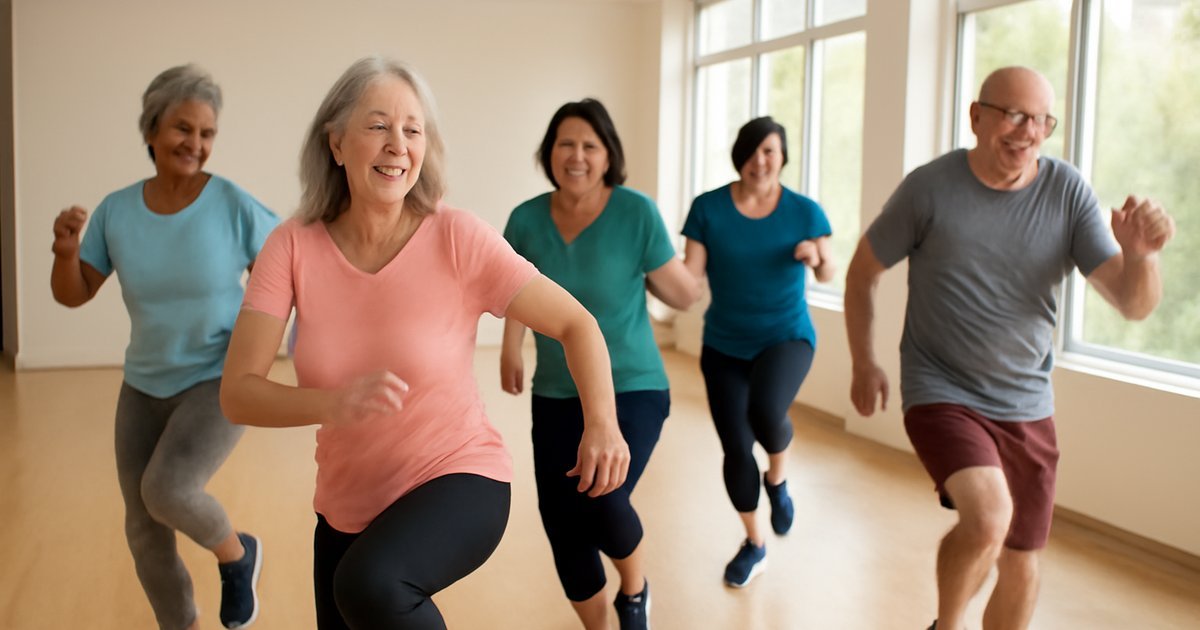
Movement doesn’t have to feel like medicine — and for millions of Americans over 50, dance fitness is proving that staying active can actually be something you look forward to.
When Exercise Feels Like a Chore — Until You Start Dancing
Margaret, 63, had tried three different gym memberships over the past decade. Every time, she lasted about six weeks before the treadmill boredom took over. Then her community center offered a Zumba Gold class on Tuesday mornings. Within a month, she hadn’t missed a single session.
"It doesn’t feel like exercise," she told her doctor at her next annual visit. "But somehow I’ve lost 12 pounds and my blood pressure is down."
Margaret’s experience isn’t unusual. According to the CDC, fewer than 28% of American adults aged 50 and older meet the recommended guidelines for both aerobic and muscle-strengthening activity. The gap isn’t always about motivation — it’s often about finding movement that doesn’t feel punishing.
Dance fitness — a broad category that includes structured classes like Zumba, ballroom-inspired workouts, line dancing, and low-impact aerobic dance — is emerging as one of the most accessible, sustainable, and genuinely enjoyable forms of exercise for adults over 50. In this guide, you’ll learn exactly what the research says, which styles work best for older adults, what health conditions it may support, and how to start safely.
What Is Dance Fitness — and Why Does It Work So Well After 50?
Dance fitness refers to structured physical activity that uses rhythmic movement, music, and choreography as its foundation. Unlike traditional cardio workouts, dance fitness engages multiple systems simultaneously: your cardiovascular system, your muscular system, your balance and coordination, and your brain’s cognitive function.
This multi-system engagement is particularly valuable as you age. Research published in the New England Journal of Medicine found that frequent dancing was one of the strongest activity-based predictors of reduced dementia risk among leisure activities studied — stronger than cycling, swimming, or golf. The cognitive demand of remembering steps while moving to a beat appears to provide neurological benefits beyond what purely physical exercise offers.
From a physiological standpoint, dance fitness typically qualifies as moderate-intensity aerobic exercise — exactly what the American Heart Association recommends as the cornerstone of cardiovascular health. Most adults burn between 200 and 400 calories per hour during a dance fitness class, depending on intensity, body weight, and participation level.
Crucially, the enjoyment factor drives adherence. A 2016 study in the journal Complementary Therapies in Medicine found significantly higher long-term participation rates in dance-based exercise programs compared to conventional gym workouts among adults over 55 — a finding that matters enormously for real-world health outcomes.
Signs Your Body Is Ready for Dance Fitness — and Signs to Check First
Most adults over 50 can safely participate in beginner-level dance fitness classes with appropriate modifications. That said, it’s important to understand how your body may respond — especially if you’re new to regular exercise or managing a chronic condition.
Signs your body is well-suited for dance fitness:
- You can walk for 20-30 minutes without significant joint pain or breathlessness
- You have reasonably stable balance (you can stand on one foot briefly without support)
- Your blood pressure and heart conditions are currently managed and stable
- You enjoy music and have some interest in rhythmic movement
- You’re looking for low-to-moderate impact activity that won’t stress your joints
Warning signs that warrant a doctor’s visit before starting:
- Unexplained chest pain, pressure, or tightness during light activity
- Severe shortness of breath with minimal exertion
- Recent history of falls or significant balance impairment
- Uncontrolled hypertension (blood pressure consistently above 160/100 mmHg)
- Recent joint replacement surgery (within the past 6-12 months)
- Dizziness or lightheadedness during standing or movement
The American College of Sports Medicine recommends that adults with two or more cardiovascular risk factors — including hypertension, diabetes, obesity, or smoking history — consult a physician before starting a new moderate-to-vigorous exercise program. This isn’t a barrier; it’s simply a smart starting point.
Health Benefits of Dance Fitness for Adults Over 50
The evidence base for dance fitness has grown substantially over the past decade, and the findings are genuinely compelling for older adults.
Cardiovascular Health
A 2015 systematic review in the American Journal of Preventive Medicine analyzed 27 studies and found that regular dance participation significantly improved cardiovascular fitness markers including VO2 max (a measure of aerobic capacity), resting heart rate, and blood pressure. These improvements were comparable to those seen with other forms of moderate aerobic exercise.
Bone Density
Weight-bearing movement is essential for maintaining bone density after 50, particularly for postmenopausal women at risk of osteoporosis. According to the National Osteoporosis Foundation, approximately 10 million Americans have osteoporosis and another 44 million have low bone density. Dance fitness, which involves repeated weight-bearing steps and light impact, may help stimulate bone remodeling — though the degree of benefit varies based on dance style and individual bone health status.
Balance and Fall Prevention
The CDC reports that one in four Americans aged 65 and older falls each year, and falls are the leading cause of injury-related death in this age group. Dance fitness directly trains balance, proprioception (your body’s sense of its position in space), and lower-body strength — three of the primary factors associated with fall risk reduction. A 2021 meta-analysis in PLOS ONE found that dance-based interventions significantly improved balance scores in older adults compared to control groups.
Cognitive Function
Learning and recalling choreography activates working memory, spatial reasoning, and attention — cognitive functions that naturally decline with age. A landmark study from the Albert Einstein College of Medicine found that dancing reduced dementia risk by 76% — the highest risk reduction of any physical or cognitive leisure activity studied. While a single study shouldn’t be taken as definitive proof, the mechanism is well-supported by broader neuroscience research on dual-task training (doing something physical and mentally demanding simultaneously).
Mental Health and Social Well-Being
Aerobic exercise of any kind stimulates the release of endorphins and serotonin — neurotransmitters linked to mood regulation and reduced anxiety. But dance fitness adds a social layer that many other exercise forms don’t: group classes foster community, music elevates mood, and the playful nature of dance reduces the psychological heaviness that sometimes accompanies exercise after illness or major life transitions. Research suggests that social isolation is itself a significant health risk for adults over 50, making the community aspect of dance fitness a genuine clinical benefit.
If you’re exploring other low-impact options that complement dance fitness, you might also find value in water aerobics after 50 or tai chi for adults over 50 — both of which offer overlapping benefits in balance, flexibility, and stress reduction.
Best Dance Fitness Styles for Adults Over 50
Not all dance fitness programs are created equal when it comes to accessibility for older adults. Here’s what clinical evidence and practical experience suggest about the most popular formats:
Zumba Gold
Specifically designed for active older adults, Zumba Gold uses the same Latin-inspired music and choreography as standard Zumba but at a lower intensity with simpler footwork, reduced jumping, and more balance support. It’s widely available at YMCAs, community centers, and senior centers across the US — and it’s one of the best-studied dance fitness formats for adults over 50.
Line Dancing
A staple of many senior centers and community halls, line dancing is genuinely accessible to beginners, requires no partner, and offers a strong social component. The repetitive patterns are cognitively engaging without being overwhelming, and impact level can be self-regulated.
Ballroom and Swing-Inspired Classes
Partner or solo ballroom fitness classes emphasize posture, footwork, and coordination. They’re excellent for core engagement and upper-body involvement, though they may require some adaptation for those with hip or knee concerns.
Low-Impact Aerobic Dance (Step-Free)
Many community fitness programs and online platforms now offer step-free aerobic dance classes specifically designed to eliminate jumping and high-impact movement. These are ideal for adults with joint concerns, osteoarthritis, or recent orthopedic surgery (after appropriate recovery).
Dance-Inspired Chair Workouts
For adults with significant mobility limitations, seated dance fitness combines rhythmic upper-body movement with music to deliver cardiovascular benefits and cognitive engagement. This can be a meaningful entry point before transitioning to standing formats. Our guide on chair yoga for adults over 60 covers similar principles if you’re looking for a complementary approach.
How to Start Dance Fitness After 50: A Practical Plan
Starting a new fitness routine after a long break — or for the first time — doesn’t have to be overwhelming. Clinical evidence supports a gradual, progressive approach that prioritizes consistency over intensity.
Week 1-2: Orientation and Foundation
Start with one class per week. Choose a beginner-level format (Zumba Gold, low-impact aerobic dance, or line dancing basics). Your goal in these first two weeks is simply to show up, learn basic footwork, and assess how your body responds. Don’t worry about keeping up perfectly — instructors expect variation among participants.
Week 3-4: Building the Habit
Add a second session per week. Pay attention to how you feel 24-48 hours after class. Some muscle soreness is normal; sharp joint pain, persistent swelling, or severe fatigue are signals to scale back and consult your doctor.
Month 2 and Beyond: Progression
Aim for 2-3 sessions per week, totaling 150 minutes of moderate activity — consistent with American Heart Association guidelines for adults. Consider complementing dance fitness with strength-focused activity 1-2 times per week. Our resource on functional fitness after 50 offers practical guidance for building that complementary strength base.
Practical starting tips:
- Wear supportive, non-slip shoes with lateral support — not running shoes, which are designed for forward motion, not side-to-side movement
- Arrive 5-10 minutes early and tell the instructor you’re new and any physical limitations you have
- Drink water before, during, and after class — older adults are more susceptible to dehydration
- Use the rate of perceived exertion (RPE) scale: aim for a 5-6 out of 10 during class — you should be able to speak in short sentences but not carry on a full conversation effortlessly
- Rest when you need to — stepping to the side and continuing upper-body movement while catching your breath is completely appropriate
When to Call Your Doctor or Seek Emergency Care
Dance fitness is safe for the vast majority of adults over 50, but it’s critical to know when something warrants urgent attention.
Stop immediately and seek emergency care if you experience:
- Chest pain, pressure, tightness, or a squeezing sensation
- Pain radiating to your jaw, left arm, or back during activity
- Sudden severe shortness of breath not related to exertion level
- Fainting or near-fainting (presyncope)
- Sudden severe headache during exercise
- Loss of coordination, slurred speech, or facial drooping
Contact your doctor within the next 1-2 days if you notice:
- Persistent ankle or knee swelling after class
- New or worsening joint pain that lasts more than 48 hours
- Unusual fatigue that doesn’t resolve with rest
- Heart palpitations or an irregular heartbeat during or after exercise
- Dizziness that occurs repeatedly during class
It’s also worth having a conversation with your physician before starting if you take medications that affect heart rate (such as beta-blockers) or blood pressure medications, as these can affect how your body responds to exercise and what heart rate targets are appropriate for you.
Frequently Asked Questions About Dance Fitness After 50
Q: Do I need any prior dance experience to join a dance fitness class?
Absolutely not. Beginner formats like Zumba Gold and introductory line dancing are explicitly designed for people with no dance background. Instructors typically teach foundational steps progressively, and classes are structured so that following along imperfectly is completely expected and normal. Most regular participants will tell you they spent their first few classes simply feeling their way through — and that’s fine.
Q: Is dance fitness appropriate if I have arthritis in my knees or hips?
Many people with mild to moderate osteoarthritis participate successfully in low-impact dance fitness. The key is choosing step-free, low-impact formats and modifying movements that cause pain (for example, reducing the depth of a lunge or eliminating a twisting step). Research published in Arthritis Care and Research suggests that moderate aerobic activity can actually reduce arthritis pain and improve joint function over time. That said, consult your rheumatologist or orthopedic specialist before starting if your arthritis is severe or recently diagnosed.
Q: How many calories does dance fitness burn?
This varies considerably based on your body weight, the intensity of the class, and your level of participation. Most research estimates that moderate-intensity dance fitness burns approximately 200-400 calories per hour for adults in the 50-70 age range. Zumba Gold, being lower intensity than standard Zumba, typically falls toward the lower end of that range. While caloric burn matters, clinical evidence suggests that the greatest health benefits come from consistency over time — not any single workout.
Q: Can dance fitness help with balance problems or fall risk?
Research suggests yes — particularly styles that involve lateral (side-to-side) movement, weight shifts, and turns. A 2021 meta-analysis found statistically significant improvements in balance outcomes in older adults following dance-based exercise interventions. Balance improvement is gradual and builds over weeks to months of consistent participation. If you have a diagnosed balance disorder or significant fall history, speak with your doctor or a physical therapist about whether dance fitness is appropriate and which specific adaptations are recommended for your situation.
Q: What if I feel self-conscious about dancing in a group setting?
This is one of the most common reasons adults hesitate to try dance fitness — and one of the first things that tends to dissolve after the first class. Group fitness classes for adults over 50 are generally supportive, non-competitive environments where participants are focused on their own movement, not evaluating others. If group settings feel too daunting initially, many reputable online platforms offer guided beginner dance fitness videos you can try at home to build confidence before attending in person.
Conclusion: Your Next Step Starts With One Song
Dance fitness isn’t a magic solution — no single exercise is. But for adults over 50 who have struggled to find an activity they’ll actually sustain, it offers something rare: a form of movement that’s medically beneficial, cognitively engaging, socially connective, and genuinely enjoyable.
The research is clear that regular moderate aerobic activity reduces cardiovascular disease risk, supports bone health, improves cognitive function, and elevates mood. Dance fitness delivers all of these benefits while adding the irreplaceable ingredient of fun — which, as any physician will tell you, is the real secret to long-term health behavior change.
Talk to your doctor, find a beginner class near you, wear comfortable shoes, and give yourself permission to be a beginner. Your body — and your brain — will thank you for it.
Medical Disclaimer: This article is for informational and educational purposes only. It does not constitute medical advice, diagnosis, or treatment. Always consult your physician or a qualified healthcare provider before making changes to your health routine or treatment plan.
Medically reviewed by our editorial health team. Content follows evidence-based standards aligned with CDC and NIH guidelines.