Tag: fitness over 40

  • Core Training After 40: Stability, Back Pain Relief & Better Movement

    Core Training After 40: Stability, Back Pain Relief & Better Movement

    A strong core isn’t about six-pack abs — it’s the foundation that keeps your spine safe, your posture upright, and your daily life pain-free.

    Mark, 52, had lived with low-grade lower back pain for years. He’d tried stretching, switching office chairs, and even a new mattress. Nothing seemed to stick. It wasn’t until his physical therapist prescribed a structured core training program that the pain finally began to ease — and he started moving with a confidence he hadn’t felt in a decade.

    His story is far from unusual. According to the NIH, approximately 80% of Americans will experience back pain at some point in their lives, and it remains one of the leading causes of disability in adults aged 40 and older. What most people don’t realize is that the root cause is often not the spine itself — it’s the muscles surrounding it.

    In this guide, you’ll learn exactly what core training means for adults over 40, why it’s different from what you did in your 20s, which exercises are most effective and safest, and how to build a routine that reduces back pain, improves posture, and helps you move better in everyday life.

    What Is Core Training — And Why Does It Change After 40?

    When most people hear "core," they picture crunches and a flat stomach. But your core is actually a complex group of muscles that wraps around your entire midsection — front, sides, and back. It includes the rectus abdominis (the front ab muscles), the transverse abdominis (deep stabilizing muscle), the obliques (side muscles), the multifidus (deep spinal muscles), the pelvic floor, and the diaphragm.

    Together, these muscles form what clinicians call your "natural corset" — a cylinder of support that stabilizes your spine during every movement you make, from picking up groceries to reaching overhead.

    After 40, several physiological changes make core training both more challenging and more essential. Sarcopenia — the age-related loss of muscle mass — begins as early as your 30s and accelerates with each decade. Research published in the Journal of Cachexia, Sarcopenia and Muscle estimates that adults lose between 3% and 8% of muscle mass per decade after age 30, with that rate increasing after 60.

    Core muscles are not exempt from this decline. As deep stabilizers weaken, the spine becomes less supported, postural alignment shifts, and movements that were once effortless — bending, rotating, lifting — become sources of pain or injury risk. Core training after 40 isn’t about aesthetics. It’s about preserving function.

    Signs Your Core May Be Weak

    You don’t need a fitness test to recognize the early warning signs of core weakness. Many of them show up in everyday life:

    • Persistent lower back pain, especially after sitting or standing for extended periods
    • Poor posture — rounding of the shoulders, forward head position, or an exaggerated lower back curve
    • Balance problems or difficulty standing on one leg without wobbling
    • Pain or discomfort when transitioning from sitting to standing
    • Difficulty performing overhead activities like reaching into high cabinets
    • Fatigue in the lower back after short walks or light activity
    • Abdominal "coning" or doming during exertion, which may indicate core dysfunction

    A 2021 meta-analysis in the Journal of Physical Therapy Science found a significant association between core muscle weakness and chronic low back pain in adults, particularly in those who lead sedentary lifestyles — a growing concern for the desk-bound workforce aged 40 to 65.

    If you’re experiencing severe or radiating back pain, numbness in your legs, or loss of bladder control, these are red flags requiring immediate medical evaluation — not a core workout. We’ll address those warning signs in more detail below.

    Why Core Training Is Different After 40

    Core training in your 40s, 50s, and 60s must be approached with a different mindset than what popular fitness culture promotes. High-impact movements, aggressive spinal flexion (like traditional sit-ups), and breath-holding under load can all increase injury risk in this age group.

    The goal shifts from performance to stability and function. Here’s what clinical evidence tells us matters most:

    1. Deep muscle activation over superficial crunching. The transverse abdominis — your deepest abdominal muscle — is the primary spinal stabilizer. Most traditional ab exercises don’t effectively target it. Exercises like the dead bug, bird-dog, and plank progressions activate this muscle more efficiently, according to research from the American Council on Exercise.

    2. Anti-movement before movement. Clinical rehabilitation specialists often emphasize "anti-movement" core training — teaching your core to resist unwanted motion rather than create it. Exercises like the Pallof press, side planks, and suitcase carries train this stability pattern and have strong evidence for reducing lower back pain.

    3. Breathing mechanics matter. Intra-abdominal pressure — the internal support system of your spine — depends on coordinated breathing. Learning to exhale on exertion and avoid breath-holding is critical for protecting spinal discs during exercise, especially after 40 when disc hydration naturally decreases.

    If you’re also working on overall movement quality, our guide on Flexibility & Mobility Training for Adults 40+ covers complementary strategies that pair well with core work.

    The Most Effective Core Exercises for Adults Over 40

    The following exercises are widely recommended by physical therapists and certified strength and conditioning specialists for adults in this age group. Always begin with the foundational movements before progressing to more challenging variations.

    Foundation Level (Weeks 1–4)

    Diaphragmatic Breathing. Lie on your back with knees bent. Inhale through your nose, letting your belly rise (not your chest). Exhale slowly through pursed lips. This resets your breathing pattern and activates the deep core. Practice 5–10 breaths daily.

    Dead Bug. Lie on your back, arms reaching toward the ceiling, knees bent at 90 degrees (tabletop position). Slowly lower your right arm and left leg toward the floor while keeping your lower back pressed flat. Return and alternate. This activates the transverse abdominis without stressing the lumbar spine.

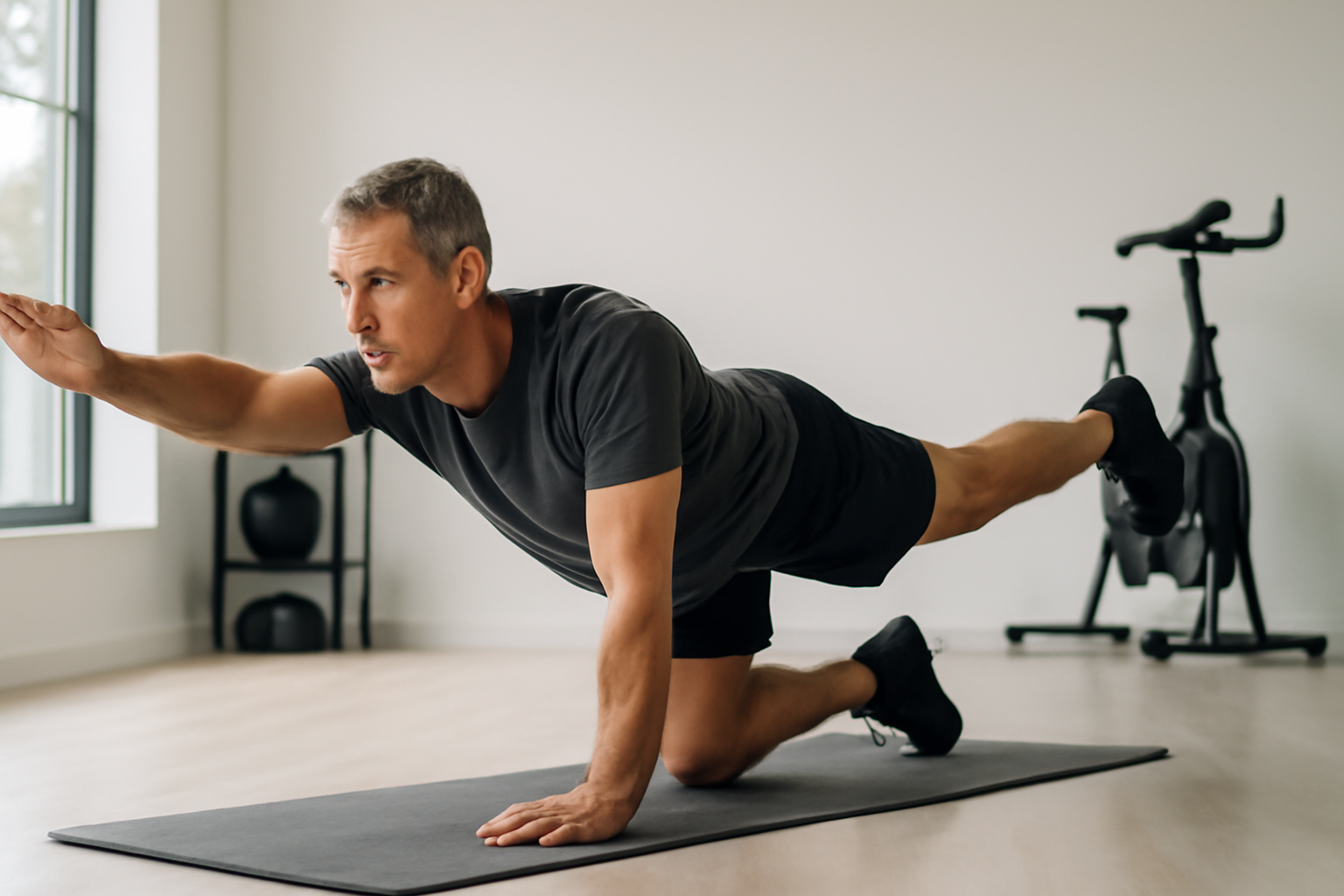
    Bird-Dog. Start on hands and knees, spine neutral. Extend your right arm and left leg simultaneously, hold for 3–5 seconds, and return. This trains spinal extension stability and is consistently cited in physical therapy literature as a foundational low-back rehabilitation exercise.

    Glute Bridge. Lie on your back with knees bent and feet flat. Press through your heels to lift your hips, squeezing your glutes at the top. The glutes are a critical component of posterior core stability — neglecting them is one of the most common gaps in core training programs.

    Intermediate Level (Weeks 5–10)

    Forearm Plank. Hold a forearm plank with your body in a straight line from head to heels. Focus on keeping your hips level and your lower back from sagging. Research from McGill University — led by Dr. Stuart McGill, one of the world’s leading spine biomechanics researchers — supports the plank as a superior spinal-neutral core exercise compared to sit-ups or crunches.

    Side Plank. Lie on your side and prop yourself up on your forearm, forming a diagonal line. This trains the lateral core and quadratus lumborum — a muscle frequently implicated in lower back pain. Start with 15–20 second holds and progress gradually.

    Pallof Press. Using a resistance band anchored at chest height, hold the band at your sternum and press it straight out in front of you, resisting the rotational pull. This anti-rotation exercise is highly effective for building functional core stability.

    Suitcase Carry. Hold a moderate weight (dumbbell or kettlebell) in one hand and walk in a straight line for 20–30 steps, keeping your torso completely upright. Switch sides. This functional movement trains anti-lateral flexion and mirrors real-life demands like carrying bags.

    Advanced Level (After 10 Weeks of Consistent Training)

    Single-Leg Deadlift (bodyweight or light load). Hinging at the hip on one leg trains posterior chain strength and hip-to-core coordination — a key injury prevention pattern for adults over 40.

    Cable or Band Chop/Lift. Diagonal pulling patterns that train rotational core strength in a controlled, safe range. These movements closely replicate how the core must work during daily life activities like getting in and out of cars or carrying children or grandchildren.

    For additional movement options that complement your core program, our guide on Low-Impact Exercise After 50: Best Workouts for Joints offers practical alternatives for those managing joint sensitivity.

    How to Build a Core Training Routine That Sticks

    Consistency matters far more than intensity. Clinical evidence consistently shows that even two to three focused core training sessions per week produce measurable improvements in spinal stability, pain reduction, and functional movement — particularly in adults over 40.

    Here’s a realistic framework:

    • Frequency: 2–3 days per week, with at least one rest day between sessions
    • Duration: 15–25 minutes of focused core work is sufficient; it doesn’t require a full gym session
    • Progression: Add difficulty every 2–3 weeks by increasing hold times, reps, or resistance — not by adding pain
    • Warm-up: Always begin with 5 minutes of light movement and diaphragmatic breathing before core exercises
    • Rest: Core muscles need recovery just like any other muscle group. Avoid daily intense core sessions

    A 2022 systematic review in the British Journal of Sports Medicine found that structured core stabilization programs performed 2–3 times per week for 8 or more weeks significantly reduced chronic low back pain and improved functional disability scores in adults aged 40 to 65.

    Pairing core training with regular walking is one of the most underrated combinations for spinal health. Learn how to structure your walking routine in our guide: Walking for Fitness After 50: Benefits and How to Start.

    Core Training and Back Pain: What the Evidence Actually Says

    It’s worth being precise here: core training is not a guaranteed cure for all types of back pain. Back pain has many causes — disc herniation, spinal stenosis, arthritis, nerve compression, and others — and some require specific medical treatment. What research does consistently support is that core stabilization training is among the most effective conservative (non-surgical) interventions for non-specific chronic low back pain, which accounts for approximately 85% of all back pain cases, according to the American Family Physician.

    The American College of Physicians currently recommends exercise therapy — including core stabilization — as a first-line treatment for chronic low back pain before considering medication in most cases. This represents a significant shift in clinical thinking and underscores how central movement is to spinal health management.

    That said, always work with your physician or a licensed physical therapist to identify the specific source of your back pain before starting any exercise program. This varies from person to person, and what helps one individual may be contraindicated for another with a different underlying cause.

    When to See Your Doctor: Red Flags You Shouldn’t Ignore

    Core training is appropriate for most adults over 40, but certain symptoms should prompt you to seek medical evaluation before beginning or continuing exercise:

    • Back pain that radiates down one or both legs (sciatica or possible nerve compression)
    • Numbness, tingling, or weakness in the legs or feet
    • Loss of bladder or bowel control — this is a medical emergency requiring immediate care
    • Back pain following a fall or injury
    • Pain that is severe, constant, or worsening despite rest
    • Night pain that wakes you from sleep without a positional cause
    • Unexplained weight loss accompanying back pain

    At your next routine appointment, consider telling your doctor: "I’ve been experiencing lower back pain and want to start a core strengthening program. Are there any restrictions I should be aware of given my medical history?" This gives your provider the opportunity to guide you safely.

    Frequently Asked Questions

    Is it safe to do core exercises every day after 40?

    Most clinical guidelines recommend 2–3 days per week for structured core training, allowing adequate muscle recovery between sessions. Light activities like diaphragmatic breathing and walking can be done daily. Overtraining without recovery can actually increase injury risk, particularly in connective tissue that becomes less elastic with age.

    Are sit-ups and crunches bad for adults over 40?

    Research from spinal biomechanics experts, including Dr. Stuart McGill at the University of Waterloo, suggests that repeated spinal flexion under load — as occurs with traditional sit-ups — can increase compressive force on lumbar discs. For most adults over 40, particularly those with any history of back issues, spine-neutral exercises like planks and dead bugs are safer and more functionally effective alternatives.

    How long before I notice results from core training?

    Research suggests that most people notice meaningful improvements in pain levels and movement quality within 6–8 weeks of consistent core training. Structural changes in muscle strength and coordination may take 10–12 weeks. This varies from person to person depending on starting fitness level, consistency, and any underlying conditions.

    Can core training help with posture?

    Clinical evidence strongly supports the relationship between core strength and posture. A stronger transverse abdominis and multifidus provide the support needed to maintain a neutral spine alignment during prolonged sitting and standing — both of which are major contributors to postural breakdown in adults who work desk jobs.

    Do I need equipment or a gym to train my core after 40?

    No. The most evidence-supported core exercises for adults over 40 — dead bugs, bird-dogs, glute bridges, and planks — require no equipment whatsoever. A resistance band (under $15) expands your options significantly. A gym is optional; consistency is not.

    Conclusion

    Core training after 40 isn’t about looking a certain way — it’s about moving with confidence, reducing pain, and protecting your body for the decades ahead. The science is clear: a structured, intelligent core program can meaningfully reduce low back pain, improve posture, and support the kind of functional independence that makes daily life richer.

    You don’t need complicated equipment or hours at the gym. You need consistency, sound technique, and a program built for how your body actually works at this stage of life. Start where you are, progress gradually, and partner with your healthcare provider to ensure your approach is tailored to your specific needs.

    Stronger from the inside out — that’s what core training over 40 can do for you.


    Medical Disclaimer: This article is for informational and educational purposes only. It does not constitute medical advice, diagnosis, or treatment. Always consult your physician or a qualified healthcare provider before making changes to your health routine or treatment plan.

    Medically reviewed by our editorial health team. Content follows evidence-based standards aligned with CDC and NIH guidelines.

  • HIIT Workouts After 40: Benefits, Risks & How to Start

    HIIT Workouts After 40: Benefits, Risks & How to Start

    High-intensity interval training can be one of the most time-efficient ways to improve your cardiovascular health, metabolism, and body composition — but after 40, the approach matters as much as the effort.

    Mark, 47, had been sitting at a desk for most of his adult life. After his annual physical revealed creeping blood pressure numbers and a waistline that had expanded two inches in three years, his doctor gave him a direct message: “You need to move more — and it needs to count.” A colleague mentioned HIIT workouts. Mark had heard the term but assumed it was reserved for 25-year-olds at CrossFit gyms. He almost dismissed the idea entirely.

    What Mark didn’t know — and what research increasingly confirms — is that high-intensity interval training (HIIT) can be highly effective and safe for adults in their 40s, 50s, and even 60s when approached thoughtfully. According to the American College of Sports Medicine, HIIT has become one of the most studied and recommended exercise formats for improving metabolic health across all adult age groups.

    In this guide, you’ll learn exactly what HIIT is, how it affects the aging body, what the science says about its benefits and risks, and how to build a safe, sustainable program — even if you’re starting from scratch.

    What Is HIIT — And Why Does It Work?

    High-intensity interval training (HIIT) is a form of cardiovascular exercise that alternates between short bursts of intense effort and brief recovery periods. A typical session might involve 30 seconds of vigorous effort followed by 60 to 90 seconds of active rest, repeated for 15 to 30 minutes total.

    The “high intensity” in HIIT doesn’t necessarily mean jumping or sprinting. It means pushing your effort level to roughly 80 to 90 percent of your maximum heart rate during the work intervals. For someone in their 50s, that might look like a brisk uphill walk, a fast cycling bout, or a set of bodyweight squats performed with urgency.

    What makes HIIT physiologically powerful is a phenomenon known as excess post-exercise oxygen consumption (EPOC) — sometimes called the “afterburn effect.” After a HIIT session, your body continues to consume elevated levels of oxygen and burn calories for hours as it restores itself to baseline. A meta-analysis published in the British Journal of Sports Medicine found that HIIT produced significantly greater improvements in cardiorespiratory fitness compared to moderate-intensity continuous exercise in the same amount of time.

    For busy adults over 40 who struggle to find 60-minute workout windows, this efficiency is a meaningful advantage.

    How the Body Changes After 40 — And Why It Matters for HIIT

    Understanding what happens to your physiology after 40 is essential before diving into any high-intensity program. These changes don’t make HIIT off-limits — but they do shape how you should approach it.

    Key physiological shifts after age 40 include:

    • Decreased muscle mass (sarcopenia): Adults lose approximately 3 to 8 percent of muscle mass per decade after age 30, with the rate accelerating after 60, according to the NIH.
    • Reduced cardiovascular efficiency: Maximum heart rate declines with age, and the heart takes longer to recover between intense efforts.
    • Slower recovery: Connective tissues — tendons, ligaments, and cartilage — repair more slowly, increasing injury risk if recovery is inadequate.
    • Hormonal shifts: Declining estrogen (in women) and testosterone (in men) affect energy, endurance, and muscle preservation.
    • Joint sensitivity: Years of cumulative wear can make high-impact movements like running or jumping less well-tolerated.

    None of these changes mean HIIT is dangerous. They mean your program needs to be designed with them in mind — with proper warm-ups, modified movement choices, and strategic rest days built in.

    Research published in Cell Metabolism found that HIIT actually stimulated mitochondrial regeneration more effectively in older adults than in younger participants, suggesting the aging body may respond particularly well to this type of training stimulus.

    Health Benefits of HIIT for Adults Over 40

    Clinical evidence supporting HIIT for middle-aged and older adults has grown substantially over the past decade. Here’s what the research consistently shows:

    Cardiovascular health: The American Heart Association recognizes HIIT as an effective strategy for improving heart health. Studies show it can lower resting blood pressure, improve arterial flexibility, and increase VO2 max — a key marker of cardiovascular fitness — in adults with hypertension and metabolic syndrome.

    Blood sugar control: According to the American Diabetes Association, exercise is a cornerstone of type 2 diabetes management. Research suggests that HIIT improves insulin sensitivity more efficiently than steady-state cardio, with benefits seen in as few as two sessions per week. If you or someone you love is managing blood sugar levels, this is a clinically meaningful finding.

    Body composition: HIIT has been shown to reduce visceral fat — the dangerous fat stored around internal organs — more effectively than equal durations of moderate exercise. A 2022 systematic review in Obesity Reviews found HIIT was particularly effective at reducing abdominal fat in adults over 40.

    Mental health and cognitive function: Regular HIIT has been linked to reductions in anxiety and depressive symptoms, and emerging research from Harvard Health suggests that high-intensity exercise promotes brain-derived neurotrophic factor (BDNF), a protein associated with memory and cognitive resilience.

    Bone density: Weight-bearing HIIT movements can help maintain bone density — a growing concern after 40, especially for women approaching or in menopause. The National Osteoporosis Foundation recommends impact-bearing exercise as part of bone preservation strategies.

    For more on how aerobic exercise supports heart health as you age, see our guide on Cardio After 50: Best Exercises for Heart Health.

    Real Risks to Know — and How to Manage Them

    HIIT is not without risks, and transparency here is important. Jumping into high-intensity training without proper preparation is one of the most common mistakes adults over 40 make — and it can lead to setbacks that sideline your progress entirely.

    Primary risks include:

    • Musculoskeletal injury: Pulling a hamstring, straining a knee, or tweaking a shoulder are common when intensity is ramped up too quickly. Most injuries in this population are related to overuse or poor form rather than the HIIT format itself.
    • Cardiovascular stress: Adults with undiagnosed or poorly managed heart conditions face elevated risk during high-intensity exertion. The Mayo Clinic recommends cardiac clearance before starting HIIT, particularly for those with known risk factors.
    • Overtraining and adrenal fatigue: HIIT places significant stress on the central nervous system. More is not always better — clinical evidence indicates two to three HIIT sessions per week is optimal for most adults over 40.
    • Joint pain: High-impact versions of HIIT (jumping jacks, box jumps, running) can aggravate pre-existing joint conditions. Low-impact alternatives achieve similar cardiovascular results without the joint stress.

    The good news: all of these risks are substantially reduced with proper screening, progressive programming, and adequate recovery time built into your weekly schedule.

    How to Start HIIT Safely After 40: A Step-by-Step Approach

    Starting HIIT after 40 is less about intensity from day one and more about building a smart foundation. Here’s what most fitness professionals and exercise physiologists recommend:

    Step 1: Get medical clearance. Before starting any new vigorous exercise program, speak with your physician — especially if you have hypertension, diabetes, a history of heart disease, joint problems, or have been sedentary for more than a year. This is not just a formality; it can uncover risk factors that shape how your program should be structured.

    Step 2: Build a base first. If you haven’t been exercising regularly, spend four to six weeks doing moderate-intensity aerobic activity (brisk walking, cycling, swimming) before adding intervals. This conditions your cardiovascular system, tendons, and muscles for higher demands.

    Step 3: Choose low-impact HIIT exercises. You don’t need to jump to get your heart rate up. Effective low-impact HIIT movements include:

    • Fast-paced cycling (stationary bike)
    • Rowing machine intervals
    • Elliptical sprints
    • Brisk incline walking
    • Bodyweight squats and step-ups performed with speed
    • Swimming sprint intervals

    Step 4: Use a beginner interval ratio. Start with a 1:3 work-to-rest ratio — for example, 20 seconds of effort followed by 60 seconds of recovery. As your fitness improves over several weeks, gradually shift toward a 1:2 or 1:1 ratio.

    Step 5: Limit sessions to two per week initially. Give your body 48 hours between HIIT sessions. Fill remaining active days with moderate exercise, mobility work, or strength training. Recovery is when adaptation happens.

    Step 6: Always warm up and cool down. A five to ten minute dynamic warm-up (leg swings, arm circles, light cardio) prepares joints and muscles for high effort. A cool-down of equal length helps your heart rate return to baseline and reduces muscle soreness.

    Pairing HIIT with a solid strength training routine amplifies results significantly. If you haven’t explored resistance training yet, our guide on Strength Training After 40: Benefits, Safety & How to Start walks you through exactly how to begin.

    Living With HIIT in Your Weekly Routine

    The most sustainable HIIT program is one that fits realistically into your life. For most adults over 40, a well-structured week might look like this:

    • Monday: HIIT session (20 minutes) + 5-minute cool-down
    • Tuesday: Strength training or active recovery (yoga, walking)
    • Wednesday: Moderate cardio (30 minutes) or rest
    • Thursday: HIIT session (20 minutes) + 5-minute cool-down
    • Friday: Strength training or flexibility work
    • Saturday: Light activity — hiking, swimming, cycling at an easy pace
    • Sunday: Full rest or gentle stretching

    This structure gives you the metabolic and cardiovascular benefits of HIIT without overtaxing your recovery systems. As your fitness improves — typically within 8 to 12 weeks — you can add a third HIIT session or increase work interval duration.

    Nutrition also plays a critical role. Protein intake supports muscle repair after HIIT sessions. Most exercise physiologists recommend consuming 20 to 30 grams of high-quality protein within 30 to 60 minutes of completing a session. Hydration before, during, and after is equally important — HIIT produces significant sweat loss even in low-impact formats.

    Don’t overlook mobility. High-intensity work tightens muscles and can create imbalances over time. Incorporating regular flexibility and mobility sessions protects joint health and keeps you training consistently. Our complete guide on Flexibility & Mobility Training for Adults 40+ offers practical routines that complement HIIT perfectly.

    When to Call Your Doctor — Red Flags During or After HIIT

    Knowing when to push through discomfort and when to stop is one of the most important skills you can develop as an active adult. Here are clear signals that require immediate medical attention:

    Stop immediately and seek emergency care if you experience:

    • Chest pain, pressure, or tightness during or after exercise
    • Severe shortness of breath that doesn’t resolve quickly with rest
    • Heart palpitations or irregular heartbeat
    • Dizziness, lightheadedness, or fainting
    • Sudden severe pain in any joint or muscle
    • Numbness or tingling in the arms, jaw, or chest

    Schedule a non-emergency appointment with your doctor if you notice:

    • Persistent joint pain that worsens over several weeks
    • Unusual fatigue that doesn’t improve with rest days
    • Sleep disturbances or mood changes that correlate with your training schedule
    • Any new symptom that concerns you — even if it seems minor

    When you do see your doctor, be specific: describe what type of HIIT you’re doing, how often, and exactly when the symptom occurs. This specificity helps your physician give you actionable guidance.

    Frequently Asked Questions About HIIT After 40

    Is HIIT safe for people with high blood pressure?
    Research suggests HIIT can actually help lower blood pressure over time — but it requires careful management. Adults with hypertension should get physician clearance before starting, avoid breath-holding during effort (which spikes blood pressure), and begin with lower-intensity intervals. Cleveland Clinic researchers have noted that supervised HIIT is well-tolerated in most adults with controlled hypertension.

    How is HIIT different from regular cardio?
    Traditional moderate-intensity cardio keeps your heart rate at a steady 50 to 70 percent of maximum for an extended period. HIIT pushes you to 80 to 90 percent for short intervals, followed by recovery. The two approaches are not mutually exclusive — many adults over 40 benefit from combining both in their weekly routine.

    Will HIIT help me lose belly fat after 40?
    Clinical evidence indicates yes — particularly for visceral (abdominal) fat. A systematic review published in Obesity Reviews found HIIT to be more effective than moderate continuous exercise for reducing abdominal fat in adults. Results are enhanced when combined with a balanced, protein-rich diet.

    How long before I see results from HIIT?
    This varies from person to person, but most adults report noticeable improvements in energy and endurance within four to six weeks of consistent training. Measurable changes in body composition typically become apparent between eight and twelve weeks. Cardiovascular fitness improvements, as measured by VO2 max, can begin within two to four weeks according to NIH research.

    Can I do HIIT if I have arthritis or knee pain?
    Many adults with mild to moderate arthritis can participate in low-impact HIIT safely — cycling, swimming, and rowing are particularly joint-friendly options. However, the specific appropriateness depends on your type of arthritis, affected joints, and current symptom level. Always discuss this with your physician or a physical therapist before starting.

    The Bottom Line

    HIIT after 40 is not only possible — for many adults, it’s one of the most effective tools available for protecting long-term cardiovascular health, managing weight, and maintaining metabolic function. The key is starting smart: get medical clearance, build a foundation of moderate fitness, choose joint-friendly exercises, and give your body the recovery time it needs to adapt.

    You don’t need to run sprints or survive boot camp classes to benefit from high-intensity interval training. A 20-minute low-impact session on a stationary bike, done twice a week with purpose and consistency, can produce meaningful results. The research supports it, and your future health is worth the investment.

    Work with your physician, listen to your body, and build gradually. The best exercise program is the one you can sustain — and HIIT, done right, can be exactly that.


    Medical Disclaimer: This article is for informational and educational purposes only. It does not constitute medical advice, diagnosis, or treatment. Always consult your physician or a qualified healthcare provider before making changes to your health routine or treatment plan.

    Medically reviewed by our editorial health team. Content follows evidence-based standards aligned with CDC and NIH guidelines.

  • Flexibility & Mobility Training: The Complete Guide for Adults 40+

    Flexibility & Mobility Training: The Complete Guide for Adults 40+

    Flexibility & Mobility Training: The Complete Guide for Adults 40+

    Stiffness, limited range of motion, and joint discomfort aren’t inevitable — but they do require intentional effort to prevent.

    Why Flexibility and Mobility Matter More Than You Think

    Margaret, 54, noticed it first when she could no longer reach the back seat of her car without wincing. Then came the morning stiffness that lasted nearly an hour. Her doctor assured her there was no serious injury — just the gradual loss of flexibility and joint mobility that affects millions of American adults each decade after 40.

    According to the American College of Sports Medicine, flexibility declines by roughly 25 to 30 percent between the ages of 30 and 70 — and most people don’t notice it until daily tasks become harder. Reaching overhead, bending to tie your shoes, turning to check your blind spot while driving — these movements depend directly on your mobility.

    In this guide, you’ll learn what flexibility and mobility actually mean, why they diverge after 40, what the clinical research says about training both, and exactly how to build a sustainable, evidence-based routine — whether you’re recovering from injury, managing a chronic condition, or simply trying to stay active and independent for decades to come.


    What Are Flexibility and Mobility — and Are They the Same Thing?

    These two terms are often used interchangeably, but they describe different physical qualities that require different approaches to improve.

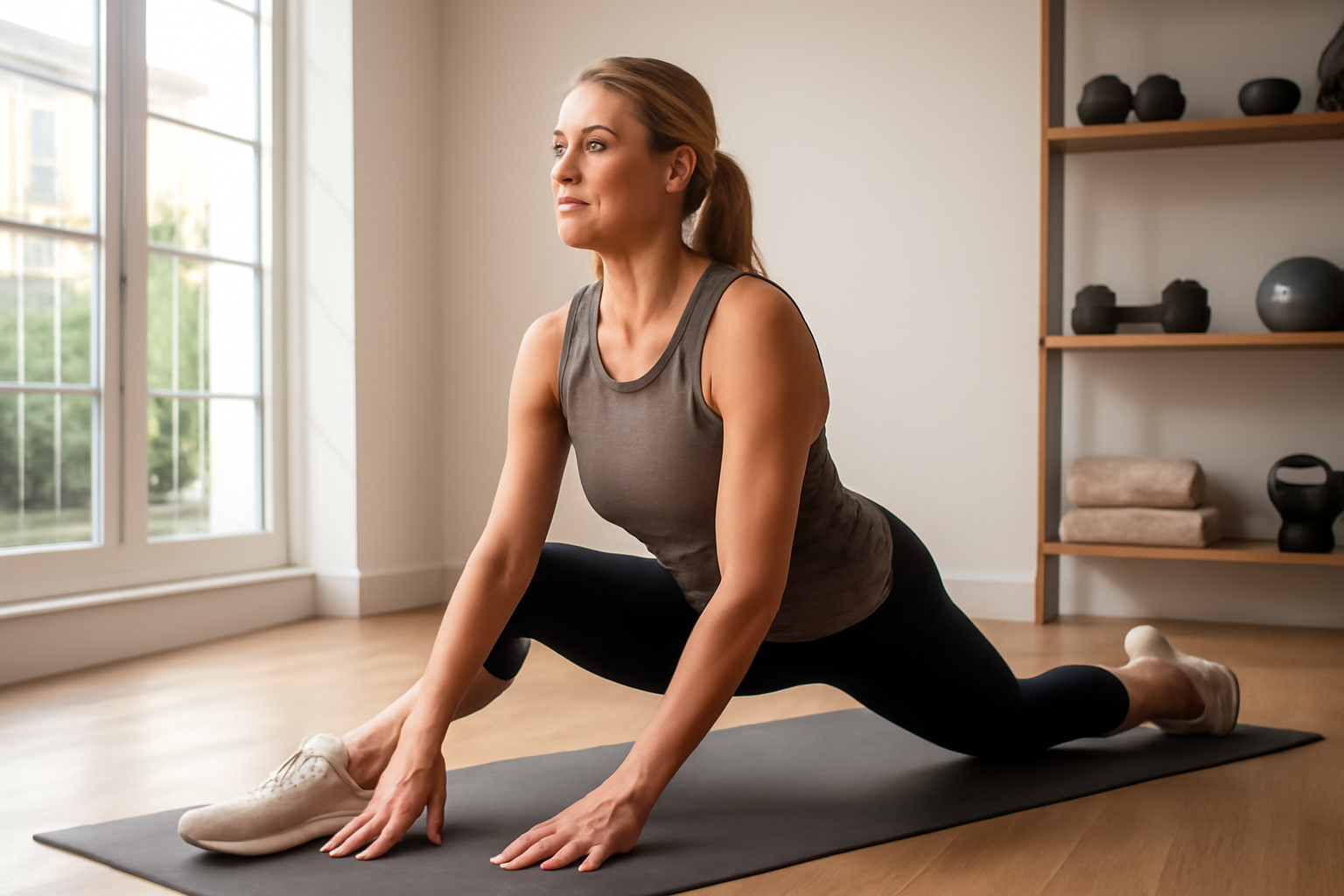
    Flexibility refers to the passive ability of a muscle or muscle group to lengthen. It’s the range of motion available when an external force — gravity, a strap, a partner — is applied. Doing a static hamstring stretch while lying on your back is a flexibility exercise.

    Mobility refers to your active ability to move a joint through its full range of motion under your own muscular control. Hip mobility, for example, determines how well you can squat, lunge, step up a curb, or get up from a low chair — all under your own power.

    You can have flexible muscles but poor mobility if you lack the strength or neuromuscular control to use that range of motion. This distinction matters clinically: research published in the Journal of Strength and Conditioning Research indicates that mobility-focused training — which combines flexibility with strength and motor control — produces more functional outcomes than static stretching alone.

    The NIH’s National Institute on Aging recognizes flexibility and balance work as two of the four essential components of physical fitness for older adults, alongside endurance and strength.


    How Aging Affects Your Muscles, Joints, and Connective Tissue

    Understanding what physically changes after 40 helps explain why a dedicated practice matters — and why the changes aren’t a life sentence.

    Several biological shifts happen gradually as you age:

    • Reduced collagen synthesis: Tendons and ligaments lose elasticity as collagen production slows after age 30. This makes connective tissue stiffer and more prone to injury under sudden loads.
    • Decreased synovial fluid: The lubricating fluid inside your joints becomes less abundant, increasing friction and discomfort during movement — particularly in the knees, hips, and spine.
    • Sarcopenia: Beginning around age 40, adults lose approximately 3 to 8 percent of muscle mass per decade (CDC), which directly reduces muscular support around joints and limits active range of motion.
    • Neurological slowing: Proprioception — your body’s sense of its own position in space — becomes less precise, reducing coordination and increasing fall risk.
    • Fascial thickening: The connective tissue surrounding muscles (fascia) tends to become denser and less supple, further restricting range of motion if left unaddressed.

    The encouraging clinical reality: a 2023 meta-analysis in Ageing Research Reviews found that consistent flexibility and mobility training can meaningfully slow these changes — and in some cases partially reverse functional limitations — even in adults beginning a program after age 60.


    Signs You May Need to Prioritize Mobility Work

    Flexibility and mobility loss rarely announces itself dramatically. Most people adapt to limitations gradually, without realizing how much movement they’ve lost. Watch for these signals:

    Early signs:

    • Morning stiffness lasting more than 15 to 20 minutes
    • Difficulty reaching overhead without discomfort
    • Tight hips when sitting for extended periods
    • Reduced stride length when walking
    • Needing to use your arms to push up from a chair
    • Feeling “locked up” in your thoracic spine (mid-back)

    More advanced signs:

    • Chronic low back pain with no structural diagnosis
    • Recurring muscle strains during low-intensity activity
    • Noticeable asymmetry — one hip, shoulder, or knee moving less freely than the other
    • Difficulty with balance tasks like standing on one leg
    • Pain during routine movements such as squatting or rotating your torso

    Research from Johns Hopkins Medicine suggests that reduced hip mobility, in particular, is one of the most underrecognized contributors to lower back pain in adults over 40. The hip and lumbar spine compensate for each other — when one is restricted, the other often bears disproportionate load.


    The Evidence-Based Benefits of Flexibility and Mobility Training

    This isn’t just about touching your toes. Clinical evidence points to meaningful, wide-ranging health benefits across multiple systems:

    Reduced injury risk: A systematic review in the British Journal of Sports Medicine found that regular flexibility training reduced musculoskeletal injury rates in recreational exercisers by up to 35 percent.

    Chronic pain reduction: The American College of Rheumatology includes stretching and range-of-motion exercises in its clinical guidelines for osteoarthritis management — one of the most prevalent conditions in US adults over 50, affecting an estimated 32.5 million Americans according to the CDC.

    Improved posture and spinal health: Mobility work targeting the thoracic spine and hip flexors has been shown to reduce compressive load on lumbar vertebrae, potentially decreasing the incidence of disc-related complaints.

    Better athletic performance: Whether you’re running, cycling, swimming, or lifting weights, adequate joint mobility allows for more efficient movement mechanics — which translates to better performance and less compensatory strain. If you’re also following a strength training program after 40, mobility work is especially important to maintain safe mechanics under load.

    Fall prevention: The CDC reports that falls are the leading cause of injury-related death in adults 65 and older. Research consistently shows that balance and mobility training significantly reduces fall risk — with some studies showing reductions of 23 percent or more.

    Mental health benefits: Mind-body mobility practices such as yoga and tai chi have demonstrated reductions in perceived stress, anxiety, and depressive symptoms in multiple randomized controlled trials reviewed by the NIH’s National Center for Complementary and Integrative Health.


    Types of Flexibility and Mobility Training: What Works and When

    Not all stretching and mobility work is created equal. Here’s what clinical evidence supports for adults over 40:

    Static Stretching

    Holding a stretch for 20 to 60 seconds without bouncing. Most physicians and physical therapists recommend static stretching after exercise — not before — when muscles are warm. Research suggests holding each stretch for a minimum of 30 seconds to produce lasting changes in muscle length.

    Dynamic Stretching and Warm-Up Mobility Drills

    Controlled, movement-based stretches performed through a range of motion — leg swings, hip circles, arm crossovers. These are ideal before workouts, as they increase blood flow, prepare joints for load, and activate neuromuscular pathways without the performance-reducing effects of static pre-exercise stretching.

    Yoga

    Multiple clinical trials, including studies reviewed by the Mayo Clinic, indicate that regular yoga practice improves flexibility, balance, and functional mobility in middle-aged and older adults, while also reducing chronic pain and improving sleep quality. Even two sessions per week produces measurable benefits within 8 weeks.

    Tai Chi

    Particularly well-supported for adults over 60, tai chi combines slow, deliberate movement with balance challenges. A meta-analysis in the Journal of the American Geriatrics Society found tai chi reduced fall frequency by 43 percent in older adults compared with control groups.

    Foam Rolling (Self-Myofascial Release)

    Using a foam roller or massage ball to apply pressure to tight muscle groups can temporarily reduce tissue stiffness and improve range of motion before stretching. Clinical evidence positions it best as a complement to — not a replacement for — active stretching and mobility work.

    Joint Mobility Drills (CARs)

    Controlled Articular Rotations (CARs) involve moving joints — hips, shoulders, thoracic spine, ankles — through their full active range of motion in a slow, controlled way. Developed and popularized in physiotherapy circles, CARs are increasingly recognized as one of the most efficient mobility maintenance tools available to adults of all ages.


    How to Build Your Flexibility and Mobility Routine

    The best program is one you’ll actually do consistently. Here’s an evidence-informed starting framework:

    Frequency: Most clinical guidelines recommend flexibility and mobility work at least 3 to 5 days per week. The American College of Sports Medicine suggests daily stretching for adults over 65 seeking to maintain or improve functional range of motion.

    Duration: Even 10 to 15 minutes per session produces measurable improvements when practiced consistently. A 20 to 30 minute dedicated mobility session 3 times weekly is a strong target for most adults over 40.

    Timing: Dynamic mobility work before exercise; static stretching after. A standalone morning mobility routine — even 10 minutes after a hot shower when tissues are warm — is one of the most consistent habits reported by adults who successfully maintain flexibility long term.

    Priority areas for adults 40+:

    • Hip flexors and hip rotators — critical for back health and lower body mechanics
    • Thoracic spine (mid-back) — stiffness here forces the neck and lower back to compensate
    • Hamstrings and calves — affect gait, posture, and knee health
    • Shoulder complex — overhead mobility affects daily function and upper body exercise safety
    • Ankle dorsiflexion — essential for squatting mechanics and fall prevention

    If you’re also incorporating cardiovascular exercise into your week, pairing it with regular mobility work creates a powerful combination. Adults interested in heart-healthy cardio programming may find it helpful to review evidence-based cardio exercise guidelines for adults over 50, which complement a full mobility practice well.

    Similarly, if you’re following a strength training program after 50, mobility work is not optional — it directly determines how safely and effectively you can lift as intensity increases.


    When to See a Doctor or Physical Therapist

    Most flexibility and mobility training is safe for healthy adults to begin independently. However, certain situations warrant professional evaluation before starting or continuing a program.

    See your doctor promptly if you experience:

    • Sudden, sharp joint pain during or after stretching
    • Swelling, warmth, or redness around a joint
    • Pain that worsens with rest or wakes you at night (possible inflammatory or autoimmune cause)
    • A “snapping” or “popping” sensation in a joint accompanied by pain or instability
    • Numbness or tingling that travels down an arm or leg during stretching

    Seek emergency care if you experience:

    • Sudden severe joint pain following an audible snap or pop
    • Inability to bear weight on a limb
    • Visible joint deformity
    • Loss of feeling in a limb

    Consider a physical therapist if:

    • You have a known musculoskeletal condition such as osteoarthritis, scoliosis, or a previous joint replacement
    • You’ve had a recent injury or surgery
    • Your mobility limitations are asymmetric (one side noticeably worse)
    • You’ve been stretching consistently for 8 weeks without improvement

    A licensed physical therapist can assess your specific movement patterns, identify compensations, and build a targeted program — a level of individualization that generic online programs cannot replicate. This varies from person to person, and professional guidance makes a meaningful difference in both safety and outcomes.


    Frequently Asked Questions

    Q: Is it too late to improve flexibility after 50 or 60?
    Absolutely not. Research published in Ageing Research Reviews confirms that adults who begin flexibility and mobility training after 60 show significant improvements in range of motion within 8 to 12 weeks. The body retains a meaningful capacity for adaptation throughout life — what changes is the timeline and the need for consistency.

    Q: How long should I hold a stretch?
    Clinical evidence suggests that holding a static stretch for 30 to 60 seconds produces the most consistent improvements in muscle length for adults over 40. Shorter holds (under 15 seconds) may feel good temporarily but don’t produce lasting changes in tissue flexibility. Most physicians and physical therapists recommend 2 to 4 repetitions per muscle group.

    Q: Can stretching help with chronic lower back pain?
    Research suggests yes, in many cases — but the cause of your back pain matters. Hip flexor tightness, hamstring restriction, and thoracic spine stiffness are all common contributors to mechanical low back pain that respond well to targeted mobility work. However, structural issues like herniated discs require professional guidance before beginning a stretching program. Always consult your physician first.

    Q: Should I stretch if I have osteoarthritis?
    The American College of Rheumatology explicitly recommends range-of-motion and flexibility exercises as part of osteoarthritis management. Gentle, low-load movement keeps joint cartilage nourished (cartilage has no direct blood supply and depends on movement to distribute synovial fluid). That said, approach is critical — your doctor or physical therapist can help identify which exercises are appropriate for your specific joints and disease stage.

    Q: What’s the difference between yoga for flexibility and physical therapy stretching?
    Yoga combines flexibility, balance, breath control, and mindfulness in a group or self-guided format — it’s excellent for general mobility maintenance and stress reduction. Physical therapy stretching is individually prescribed, diagnostically driven, and focused on correcting specific impairments. Both have clinical value; they serve different purposes and work well in combination for many adults.


    Moving Forward: Your Body Is Designed to Move

    Flexibility and mobility aren’t vanity fitness goals — they are functional necessities that determine how well you move through everyday life, how safely you exercise, and how independently you live as you age. Clinical evidence is clear: consistent, targeted mobility training produces real, measurable improvements at every stage of adulthood.

    You don’t need to become a yogi or spend hours on a mat. Even 10 to 15 focused minutes each day — targeting your hips, spine, and shoulders — can produce meaningful change within weeks. The best time to start was 10 years ago. The second-best time is today.

    Talk with your physician before beginning any new exercise program, especially if you’re managing a chronic condition or recovering from injury. A brief conversation can help you start safely and with confidence.


    Medical Disclaimer: This article is for informational and educational purposes only. It does not constitute medical advice, diagnosis, or treatment. Always consult your physician or a qualified healthcare provider before making changes to your health routine or treatment plan.

    Medically reviewed by our editorial health team. Content follows evidence-based standards aligned with CDC and NIH guidelines.