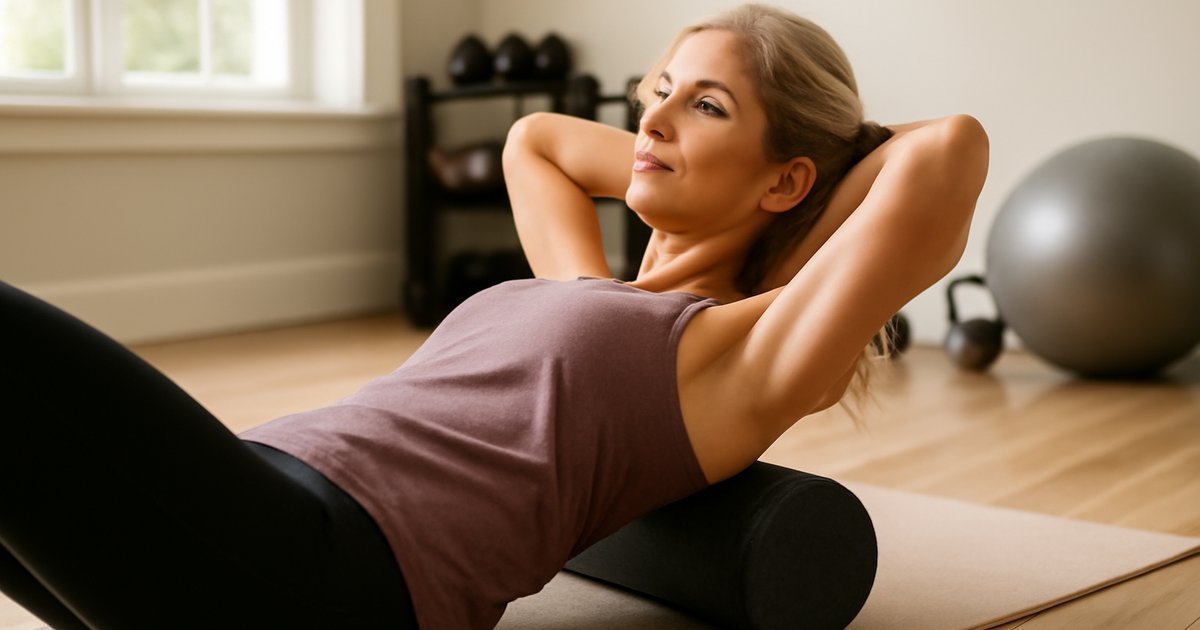
Tag: fitness over 40

  • Foam Rolling After 40: Recovery, Mobility, and Pain Relief

    Foam Rolling After 40: Recovery, Mobility, and Pain Relief

    Could a simple foam cylinder be one of the most effective recovery tools you are not using yet?

    Mark, 52, had been strength training consistently for two years. His workouts were solid, but he always felt stiff the next morning — tight hamstrings, an aching lower back, and hips that never quite loosened up. His physical therapist suggested he try foam rolling before and after sessions. Within three weeks, Mark noticed he was recovering faster, moving more freely, and spending less time fighting soreness.

    If you are over 40 and dealing with muscle tightness, joint stiffness, or slow recovery between workouts, foam rolling — also called self-myofascial release (SMR) — may be a missing piece of your fitness routine. According to the American College of Sports Medicine, flexibility and recovery become increasingly important components of a balanced exercise program as we age. This guide will explain what foam rolling is, how it works, what the research says, and exactly how to use it safely and effectively after 40.

    What Is Foam Rolling and Self-Myofascial Release?

    Foam rolling is a form of self-myofascial release — a technique that applies gentle, sustained pressure to the soft tissues of the body to reduce tension in the fascia. Fascia is the thin, web-like connective tissue that wraps around your muscles, organs, and joints throughout your entire body.

    When fascia becomes tight or develops adhesions — sometimes called “knots” — it can restrict movement, cause discomfort, and affect your posture and muscle function. Foam rolling works by applying controlled pressure to these areas, helping to release tightness and restore normal tissue mobility.

    Think of it like a deep tissue massage you perform on yourself using a cylindrical foam roller, a massage ball, or similar tools. It is widely used by physical therapists, athletic trainers, and fitness professionals as part of warm-up and cool-down protocols.

    A 2019 review published in the Journal of Sport Rehabilitation found that foam rolling significantly improved short-term flexibility and reduced muscle soreness after exercise — without negatively affecting strength or performance. For adults over 40, whose connective tissue naturally becomes less elastic over time, these benefits are particularly valuable.

    Why Foam Rolling Matters More After 40

    After the age of 40, several physiological changes affect how your body moves and recovers. Muscle recovery slows, collagen production decreases, and fascial tissue tends to become stiffer and less pliable. These changes are normal — but they do not have to limit your activity level.

    According to the NIH National Institute on Aging, maintaining flexibility and soft tissue health is directly linked to injury prevention and independent function as we age. Adults who neglect mobility and recovery are at greater risk of overuse injuries, joint pain, and declining range of motion over time.

    Foam rolling addresses several age-related challenges at once:

    • Reduced delayed onset muscle soreness (DOMS): The deep aching you feel 24 to 48 hours after a hard workout tends to last longer after 40. Research in the Journal of Athletic Training found that foam rolling for 20 minutes post-exercise significantly reduced DOMS and improved muscle performance in the days that followed.
    • Improved circulation: Applying pressure to soft tissue increases blood flow to the area, delivering oxygen and nutrients that support repair and recovery.
    • Better joint range of motion: A 2015 study in the International Journal of Sports Physical Therapy found that foam rolling increased hip flexor and hamstring flexibility more effectively than static stretching alone when used consistently.
    • Postural support: Chronic tightness in the chest, hip flexors, and thoracic spine (mid-back) is common in adults who sit for long periods. Foam rolling these areas can complement posture correction efforts.

    This varies from person to person depending on activity level, existing conditions, and tissue sensitivity — but most adults over 40 report noticeable improvements within two to four weeks of consistent practice.

    Key Areas to Target: Common Tight Spots After 40

    Foam rolling is most effective when you focus on areas where tension tends to accumulate. For adults over 40, clinical evidence indicates the following regions are the highest priority:

    Thoracic spine (upper and mid-back): Years of sitting, driving, and screen time compress this area. Rolling the thoracic spine can improve posture and reduce upper back stiffness. This is one of the safest and most immediately effective areas to target.

    Hip flexors and quadriceps: These muscles are chronically shortened in people who sit for extended periods. Tightness here contributes to lower back pain and reduced hip mobility during walking, climbing stairs, or exercise.

    IT band and outer thigh: The iliotibial band runs along the outside of your thigh and is a frequent source of knee and hip discomfort, especially in runners and cyclists. Rolling this area requires patience — it can be sensitive at first.

    Calves and Achilles area: Calf tightness is strongly associated with plantar fasciitis (heel pain) and ankle stiffness. Rolling the calves regularly supports ankle mobility and can reduce foot discomfort.

    Glutes and piriformis: The piriformis is a small muscle deep in the glute that can compress the sciatic nerve when tight, contributing to pain that radiates down the leg. A massage ball is often more effective than a foam roller for this area.

    Lats and mid-back: Important for shoulder health and upper body movement. Tightness here affects posture and overhead mobility, which matters for activities like reaching, lifting, and swimming.

    How to Foam Roll Safely and Effectively

    Proper technique matters — especially after 40. Rolling incorrectly or too aggressively can cause bruising, irritate nerves, or worsen existing inflammation. Follow these evidence-based guidelines for safe, effective sessions:

    Start slow and use light pressure. If you are new to foam rolling, begin with a softer roller (smooth surface, moderate density). High-density or ridged rollers are more intense and better suited for those with experience.

    Roll slowly. Move approximately one inch per second over the target area. Rushing reduces the effectiveness of the technique and increases the risk of discomfort.

    Pause on tender spots. When you find a tender area — what physical therapists call a “trigger point” — hold gentle sustained pressure on that spot for 20 to 30 seconds until you feel the tension begin to release. Do not roll aggressively back and forth over these points.

    Breathe. Deep, steady breathing helps your nervous system relax and allows the tissue to release more fully. If you find yourself holding your breath, the pressure may be too intense.

    Duration per area: Spend 60 to 90 seconds on each muscle group. A full-body foam rolling session typically takes 10 to 20 minutes.

    Frequency: Most clinical recommendations suggest foam rolling four to seven days per week for maintenance — either before exercise, after exercise, or on rest days. Daily practice appears to produce the best results for flexibility and recovery, according to research from the Journal of Sports Sciences.

    Hydrate afterward. Foam rolling mobilizes fluid in the tissues. Drinking water after a session supports circulation and tissue recovery.

    Foam Rolling Routines for Adults Over 40

    Here are two practical foam rolling routines you can use depending on your goal:

    Pre-Workout Routine (8-10 minutes) — Activation and Mobility

    • Thoracic spine: 60-90 seconds
    • Hip flexors (each side): 60 seconds
    • Quads (each side): 60 seconds
    • Calves (each side): 45 seconds
    • Glutes (each side): 45 seconds

    Keep pressure moderate before a workout. The goal is to improve range of motion and circulation — not to fatigue the tissue.

    Post-Workout or Rest Day Routine (15-20 minutes) — Recovery and Release

    • IT band/outer thigh (each side): 90 seconds
    • Hamstrings (each side): 60-90 seconds
    • Glutes and piriformis (each side): 60 seconds (use massage ball)
    • Lats (each side): 60 seconds
    • Calves and Achilles (each side): 60 seconds
    • Thoracic spine: 90 seconds

    This session is ideal after strength training, cardio, or activities like hiking after 50 or outdoor fitness sessions that load the lower body significantly. Pairing foam rolling with rowing machine workouts or strength training is especially effective for managing full-body recovery.

    What to Avoid: Foam Rolling Mistakes and Contraindications

    Foam rolling is generally safe for most healthy adults, but there are important situations where caution — or medical clearance — is needed.

    Areas to avoid rolling directly:

    • The lumbar spine (lower back) — rolling directly on the bony structures of the lower back can increase pain and risk injury. Instead, target the glutes, hip flexors, and thoracic spine to relieve lower back tension indirectly.
    • The neck — highly sensitive structures including nerves and blood vessels make direct neck rolling risky. Consult a physical therapist for neck tension.
    • Over bony prominences, joints, or areas of active inflammation
    • Over bruised, swollen, or broken skin

    Conditions requiring physician clearance before foam rolling:

    • Deep vein thrombosis (DVT) or a history of blood clots
    • Severe osteoporosis — the pressure involved may be inappropriate depending on bone density
    • Peripheral neuropathy (nerve damage affecting sensation)
    • Recent surgery or injury in the target area
    • Active inflammation from conditions such as rheumatoid arthritis or gout during flare-ups

    If you have any chronic condition or take blood thinners, always consult your physician or a licensed physical therapist before beginning a foam rolling program.

    When to Call Your Doctor: Red Flags to Know

    Most muscle soreness and stiffness responds well to foam rolling, but certain symptoms indicate something more serious that requires prompt medical attention.

    Seek immediate medical care if you experience:

    • Sudden, severe, or sharp pain during foam rolling that was not present before
    • Numbness, tingling, or weakness in an arm or leg that persists after stopping
    • Swelling, redness, or warmth in a specific area — especially the calf — which may indicate a blood clot
    • Pain that radiates down the leg from the lower back with associated bladder or bowel changes — this is a medical emergency

    Schedule a visit with your doctor or physical therapist if:

    • Muscle or joint pain persists for more than two weeks despite rest and self-care
    • You have recurrent pain in the same location that keeps returning
    • You are unsure which areas to target or which pressure level is appropriate for your condition
    • You have been diagnosed with any condition affecting your bones, nerves, or circulation

    Frequently Asked Questions

    Q: Is foam rolling safe for people with arthritis?
    A: Research suggests that gentle foam rolling around — not directly over — arthritic joints may help relieve surrounding muscle tension and improve mobility. However, it is important to avoid rolling over inflamed joints and to work with a physical therapist to develop an appropriate approach. Always consult your rheumatologist or primary care physician first, particularly if you have rheumatoid arthritis.

    Q: How is foam rolling different from stretching?
    A: Stretching primarily lengthens muscle fibers. Foam rolling targets the fascia — the connective tissue surrounding the muscles — and helps release adhesions and trigger points that restrict movement. Clinical evidence indicates that combining both techniques produces greater flexibility gains than either method alone.

    Q: Can foam rolling reduce lower back pain?
    A: Foam rolling the muscles around the lower back — including the glutes, hip flexors, thoracic spine, and hamstrings — may indirectly reduce lower back pain by addressing the surrounding tissue tightness that contributes to it. Do not roll directly on the lumbar vertebrae. A 2020 study in PLOS ONE found that self-myofascial release reduced perceived lower back pain in office workers over a four-week period when combined with targeted stretching.

    Q: Does foam rolling actually break up scar tissue?
    A: The mechanism is still being studied. Current research suggests foam rolling works primarily by stimulating the nervous system to reduce muscle tone and improve tissue extensibility, rather than physically breaking up scar tissue. Most physicians and physical therapists describe it as a neurological response — the tissue relaxes under sustained pressure. Scar tissue from surgery or significant injury typically requires hands-on physical therapy to address effectively.

    Q: How long before I notice results from foam rolling?
    A: Many people notice immediate improvements in range of motion after their first session. Long-term improvements in flexibility, posture, and recovery time typically develop over two to four weeks of consistent daily or near-daily practice. This varies from person to person based on activity level, tissue condition, and consistency of use.

    Conclusion

    Foam rolling is one of the most accessible and well-supported recovery tools available to adults over 40 — and it requires no gym membership, expensive equipment, or extensive training to use effectively. When practiced consistently and with proper technique, self-myofascial release can help you move better, recover faster, and reduce the muscle tension and stiffness that often accumulates with age and activity.

    It works best as a complement to your existing fitness routine — not a replacement for medical care, professional physical therapy, or the guidance of your physician. If you have existing conditions or concerns, talk with your healthcare provider before starting. A few minutes of foam rolling each day could make a meaningful difference in how you feel and perform for years to come.

    This article is for informational and educational purposes only. It does not constitute medical advice, diagnosis, or treatment. Always consult your physician or a qualified healthcare provider before making changes to your health routine or treatment plan.

    Medically reviewed by our editorial health team. Content follows evidence-based standards aligned with CDC and NIH guidelines.
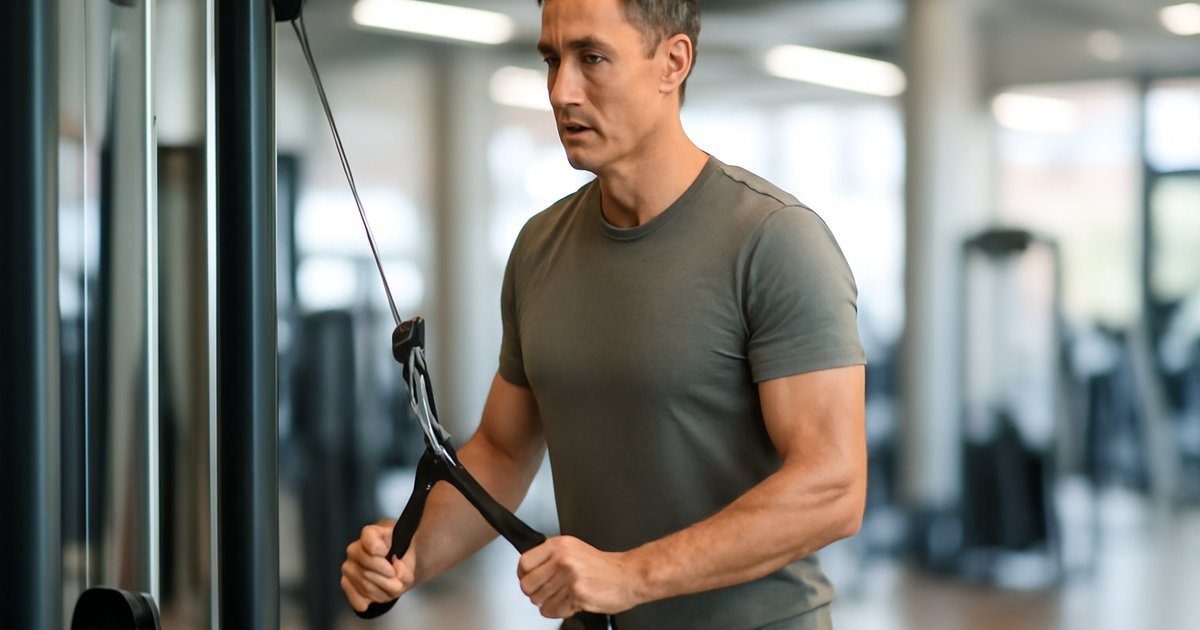
  • Cable Machine Workouts After 40: Strength & Stability

    Cable Machine Workouts After 40: Strength & Stability

    Cable Machine Workouts After 40: Strength & Stability

    One of the most versatile pieces of gym equipment may also be the most underused by adults in midlife — and the science behind it is compelling.

    Why Adults Over 40 Should Take Cable Machines Seriously

    Mark, 52, had spent years avoiding the cable machine at his gym. It looked complicated, and he assumed it was mostly for bodybuilders. But after his physical therapist recommended cable-based exercises to help rehabilitate his rotator cuff and protect his lower back, everything changed. Within three months, he was moving with less pain, standing taller, and lifting with more confidence than he had in his 30s.

    If you’re over 40 and focusing on long-term health, you’ve probably already heard that strength training is essential. According to the CDC, adults begin losing 3 to 5 percent of muscle mass per decade after age 30 — a process called sarcopenia — and that rate accelerates without resistance training. But not all strength training is created equal, especially as your joints, connective tissue, and recovery capacity change with age.

    Cable machine workouts offer a unique combination of constant resistance, joint-friendly movement, and functional carry-over to real life. In this guide, you’ll learn what cable machines are, why they’re particularly beneficial after 40, how to use them safely, and how to build a complete workout routine that supports your strength, stability, and longevity goals.

    What Is a Cable Machine?

    A cable machine is a piece of gym equipment that uses a system of pulleys, cables, and adjustable weight stacks to create resistance throughout the full range of motion of an exercise. Unlike free weights — where resistance changes based on gravity — cable machines maintain tension on your muscles from start to finish of each movement.

    Most gyms offer two main types: a single-cable tower with an adjustable pulley (high, mid, or low position) and a functional trainer, which features two independent cable arms that can be set at different heights. Both allow for dozens of exercises targeting nearly every major muscle group.

    According to research published in the Journal of Strength and Conditioning Research, cable-based resistance training activates stabilizing muscles more consistently than machine-based exercises that isolate movement on a fixed track. This makes cables particularly valuable for adults over 40 who want to build real-world functional strength — not just isolated muscle size.

    Why Cable Machines Are Especially Beneficial After 40

    After 40, several physiological shifts make certain training approaches more appropriate than others. Your tendons and ligaments are less elastic than they were in your 20s, joint cartilage may show early wear, and your nervous system’s ability to recover from intense training takes longer. Cable machines address many of these concerns directly.

    Constant tension without joint compression. Unlike barbell squats or heavy bench presses, many cable exercises reduce axial loading (downward compression on the spine and joints) while still providing significant muscular challenge. This is especially helpful if you manage conditions like osteoarthritis, a herniated disc, or shoulder impingement.

    Improved neuromuscular coordination. Because cables require you to stabilize the movement path yourself — rather than following a fixed machine track — they engage your core and stabilizing muscles simultaneously. Clinical evidence from rehabilitation studies at the Mayo Clinic suggests this co-activation pattern improves balance, coordination, and injury resilience over time.

    Adjustable angles for joint-friendly movement. The pulley height is fully adjustable, which means you can modify the angle of resistance to match your individual joint mechanics. If traditional rows hurt your shoulder in one position, you can shift the cable angle slightly until the movement feels comfortable and productive.

    Lower injury risk than free weights for beginners. Research suggests that cable exercises have a lower rate of acute injury for adults returning to training after a break, making them an excellent starting point if you’ve been sedentary or are returning from injury.

    Key Muscle Groups and Cable Exercises to Know

    One of the greatest strengths of the cable machine is its versatility. Here’s a breakdown of major muscle groups and the cable exercises most clinically relevant for adults over 40:

    Back and Posterior Chain

    • Cable rows (seated or standing): Target the latissimus dorsi, rhomboids, and rear deltoids. Excellent for counteracting the forward-rounded posture that develops from prolonged sitting.
    • Face pulls: Specifically strengthen the rear deltoids and rotator cuff — two areas critical for shoulder health and often underdeveloped in adults over 40.
    • Cable pull-throughs: A hip-hinge movement that activates the glutes and hamstrings with minimal spinal compression, making it a safer alternative to deadlifts for those with lower back sensitivity.

    Chest and Shoulders

    • Cable chest fly (low-to-high or high-to-low): Provides constant pectoral tension without the shoulder strain of heavy dumbbell flyes.
    • Lateral raises: Cable lateral raises maintain tension at the top of the movement where dumbbells go slack, improving shoulder development and rotator cuff resilience.

    Core and Stability

    • Pallof press: An anti-rotation core exercise considered by many sports medicine clinicians to be one of the safest and most effective core stability movements available. It trains your core to resist force — exactly what it needs to do to protect your spine in daily life.
    • Cable woodchops: Rotational core training that mimics reaching, lifting, and twisting movements common in daily activities.

    Legs and Glutes

    • Cable kickbacks: Isolate the glutes with minimal knee stress.
    • Cable Romanian deadlifts: Hip-hinge movement that strengthens the hamstrings and glutes through a long range of motion.
    • Cable squats: A counterbalanced squat variation that allows upright posture and is often more accessible for adults with limited hip mobility.

    Arms

    • Cable bicep curls and tricep pushdowns: Classic movements with consistent tension throughout the full range — more effective for muscular endurance than many free-weight equivalents.

    How to Build a Cable Machine Workout Routine After 40

    Most fitness professionals and sports medicine physicians recommend that adults over 40 train 2 to 4 days per week with at least one full rest day between sessions targeting the same muscle groups. Here is a sample two-day split designed for longevity, functional strength, and joint health.

    Day 1 — Upper Body Focus (45-55 minutes)

    Begin with a 5-minute warm-up: arm circles, shoulder rolls, and light band pull-aparts.

    • Face pulls — 3 sets x 15 reps (light to moderate weight)
    • Seated cable rows — 3 sets x 10-12 reps
    • Cable chest fly (low-to-high) — 3 sets x 12 reps
    • Cable lateral raises — 3 sets x 12-15 reps per side
    • Cable bicep curls — 3 sets x 12 reps
    • Tricep pushdowns — 3 sets x 12 reps
    • Pallof press — 3 sets x 10 reps per side (slow and controlled)

    Day 2 — Lower Body and Core Focus (45-55 minutes)

    Begin with a 5-minute warm-up: hip circles, bodyweight squats, and standing cat-cow stretches.

    • Cable pull-throughs — 3 sets x 12 reps
    • Cable squats — 3 sets x 10-12 reps
    • Cable Romanian deadlifts — 3 sets x 10 reps
    • Cable kickbacks — 3 sets x 15 reps per leg
    • Cable woodchops (high-to-low) — 3 sets x 10 reps per side
    • Standing cable crunches — 3 sets x 12 reps

    Rest 60 to 90 seconds between sets. Research suggests that longer rest periods (up to 2 minutes) are appropriate for adults over 40 when training at moderate to high intensity, as this improves recovery quality and reduces the risk of overuse injuries.

    Safety Tips and Common Mistakes to Avoid

    Cable machines are generally safe, but proper form and progression matter enormously — especially after 40 when connective tissue takes longer to adapt than muscle tissue does.

    Start lighter than you think you need to. This is the most common mistake among adults returning to resistance training. Clinical guidelines from the American College of Sports Medicine recommend starting at 40 to 60 percent of your estimated maximum load and progressing gradually over weeks — not days.

    Prioritize control over speed. A slow, controlled eccentric phase (the lowering or releasing portion of each rep) has been shown in multiple meta-analyses to significantly improve muscle quality and reduce injury risk. Aim for a 2 to 3 second lowering phase on every repetition.

    Adjust the pulley before loading it. Always adjust the pulley height before adding weight or attaching cables. Reaching awkwardly while under tension is a common cause of shoulder and wrist strain.

    Avoid locking out joints under heavy load. Particularly with elbow and knee joints, maintain a slight soft bend at the end range of motion to reduce joint stress.

    Don’t skip the warm-up. A 5 to 10 minute dynamic warm-up is non-negotiable after 40. According to Johns Hopkins Medicine, warming up increases blood flow to muscles, improves nerve conduction speed, and meaningfully reduces injury risk during resistance training.

    You may also find it helpful to complement your cable training with low-impact cardio on alternate days. If you’re looking for joint-friendly cardio options that pair well with strength training, our guides on elliptical workouts after 50 and rowing machine workouts after 40 offer detailed, age-appropriate programs worth exploring.

    Living With Chronic Conditions: Adapting Cable Training Safely

    Many adults over 40 are managing at least one chronic condition — and that shouldn’t be a barrier to cable training. In fact, research suggests resistance training is actively beneficial for several of the most common conditions in this age group.

    Osteoarthritis: The Arthritis Foundation recommends resistance training as a primary non-pharmacological treatment for osteoarthritis. Cable exercises reduce joint impact while preserving the resistance needed to maintain cartilage-supporting muscle strength. Focus on mid-range movements and avoid deep end-range positions that cause pain.

    Type 2 diabetes: According to the American Diabetes Association, resistance training improves insulin sensitivity and blood glucose regulation. Cable-based workouts two to three times per week may complement your diabetes management plan — always in coordination with your physician.

    Hypertension: The American Heart Association supports moderate-intensity resistance training for adults with controlled hypertension. Avoid breath-holding (Valsalva maneuver) during cable exercises, as this temporarily spikes blood pressure. Breathe steadily and continuously throughout each rep.

    Lower back pain: Cable exercises like the Pallof press, cable pull-throughs, and standing cable rows are frequently prescribed in physical therapy settings for lumbar stabilization. If you have a diagnosed back condition, consult your physician or physical therapist before beginning.

    For those who prefer to mix equipment-based and bodyweight work, our guide to home workouts for adults over 50 offers a complementary framework that pairs well with cable training days at the gym.

    When to Talk to Your Doctor or Skip the Gym

    While cable machine training is appropriate for most healthy adults over 40, there are situations where medical clearance or a modified approach is essential.

    Seek medical clearance before starting if you:

    • Have been sedentary for more than 12 months
    • Have a cardiovascular condition, including recent heart attack, arrhythmia, or uncontrolled hypertension
    • Have been diagnosed with osteoporosis (not osteopenia — osteoporosis requires specific exercise guidance)
    • Are recovering from surgery or a musculoskeletal injury in the past 6 months
    • Experience chest pain, dizziness, or shortness of breath during physical activity

    Stop immediately and seek emergency care if during exercise you experience:

    • Chest pain, pressure, or tightness
    • Sudden severe shortness of breath not explained by exertion
    • Jaw, arm, or back pain occurring with exertion
    • Sudden dizziness, near-fainting, or loss of coordination
    • A sharp, severe pop or snap in a joint followed by significant pain or swelling

    These symptoms require immediate emergency evaluation. Do not wait to see if they resolve on their own.

    At your next routine visit, consider discussing:

    • Whether your current medications affect exercise capacity or heart rate response
    • Baseline labs relevant to muscle health (vitamin D, magnesium, creatinine)
    • A referral to a physical therapist or certified personal trainer with experience in older adult fitness

    Frequently Asked Questions

    Can I use a cable machine if I’ve never lifted weights before?
    Yes — cable machines are often considered more beginner-friendly than free weights because the cable guides your movement path and reduces the coordination demand. Starting with a certified personal trainer for 2 to 3 sessions to learn proper setup and form is strongly recommended, especially after 40.

    How is cable training different from using weight machines?
    Weight machines (like a chest press or leg extension machine) fix you into a single movement plane and do much of the stabilization work for you. Cable machines require your stabilizing muscles to engage throughout, which builds more functional, transferable strength. Research suggests this makes cables more effective for improving real-world movement quality.

    How much weight should I start with on a cable machine?
    This varies significantly from person to person and depends on the exercise, your training history, and your current fitness level. A general guideline from the American College of Sports Medicine is to select a weight that allows you to complete 12 to 15 reps with good form while feeling challenged on the last 2 to 3 reps. Never sacrifice form to use more weight.

    Is cable training safe if I have shoulder problems?
    For many common shoulder issues — including rotator cuff strain and shoulder impingement — cable exercises are frequently prescribed in physical therapy because of their adjustable angles and controlled resistance. However, you should get a diagnosis and personalized guidance from your orthopedic physician or physical therapist before training through shoulder pain.

    How long before I see results from cable machine workouts?
    Clinical evidence indicates that most adults begin noticing improvements in strength, posture, and ease of daily movement within 4 to 6 weeks of consistent training (2 to 3 sessions per week). Visible changes in muscle definition typically take 8 to 12 weeks. Individual variation is significant and depends on nutrition, sleep, stress, and consistency.

    Conclusion: The Smarter Strength Tool for the Second Half of Life

    Cable machines aren’t just for athletes or bodybuilders. For adults over 40, they represent one of the most intelligent, joint-friendly, and functional tools available in any gym. They deliver constant resistance, engage stabilizing muscles, reduce injury risk, and adapt to your body’s specific mechanics — all qualities that matter enormously as you prioritize longevity over performance.

    Whether you’re managing a chronic condition, returning to exercise after a break, or simply looking to train smarter as you age, cable-based workouts offer a sustainable path to better strength, posture, balance, and quality of life. Start gradually, focus on form, and build the habit consistently.

    As always, partner with your physician or a qualified fitness professional to create a plan that’s right for your individual health needs. The investment you make in your strength today pays dividends in independence, vitality, and resilience for decades to come.

    For more age-appropriate strength and fitness ideas, explore our guide to dumbbell workouts for adults over 40 as a complement to your cable training routine.


    Medical Disclaimer: This article is for informational and educational purposes only. It does not constitute medical advice, diagnosis, or treatment. Always consult your physician or a qualified healthcare provider before making changes to your health routine or treatment plan.

    Medically reviewed by our editorial health team. Content follows evidence-based standards aligned with CDC and NIH guidelines.

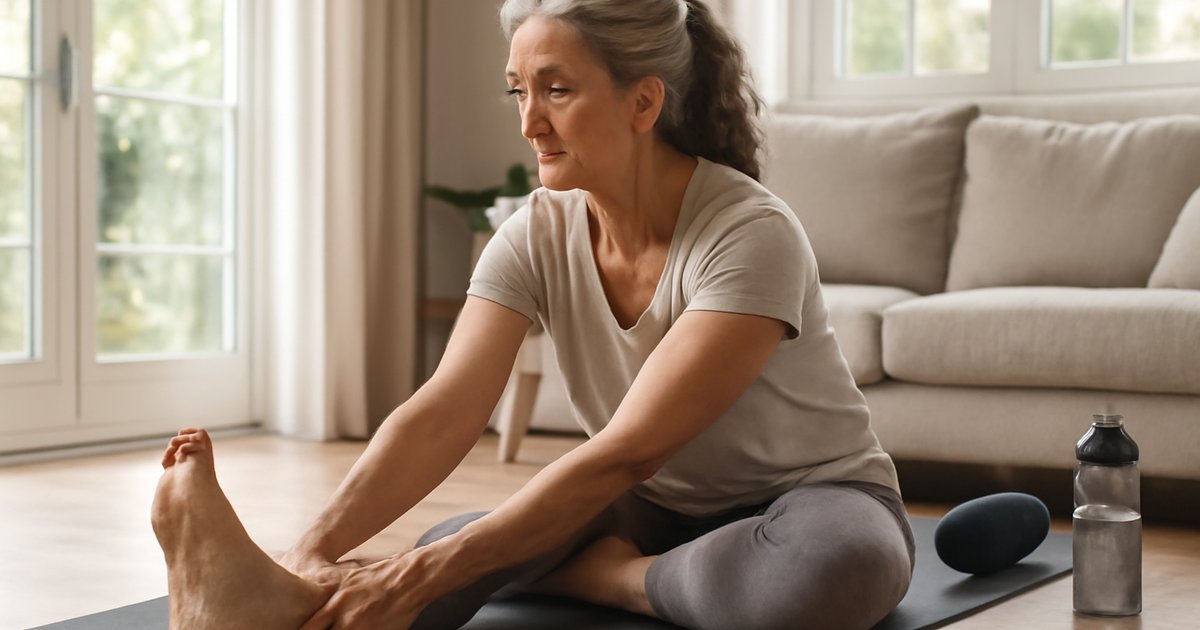
  • Stretching and Recovery After 40: Feel Better, Move Longer

    Stretching and Recovery After 40: Feel Better, Move Longer

    The workout is only half the story — what you do afterward may matter just as much for your long-term health and mobility.

    Introduction

    Marcus, 54, had been faithfully hitting the gym three times a week for years. He lifted weights, kept his heart rate up, and stayed consistent. But by Thursday of each week, his shoulders ached, his lower back felt locked up, and he dreaded getting out of bed in the morning. Sound familiar?

    According to the American College of Sports Medicine, adults over 40 experience a measurable decline in muscle elasticity, connective tissue flexibility, and recovery speed — all factors that make post-exercise recovery not just helpful, but essential. Yet stretching and recovery routines remain the most skipped part of most adults’ fitness plans.

    This guide will walk you through why stretching and recovery matter more as you age, the most effective techniques supported by clinical evidence, and how to build a routine that keeps you moving without pain — for years to come.

    What Are Stretching and Recovery — And Why Do They Change After 40?

    Stretching refers to deliberately lengthening muscles and connective tissues to improve range of motion and reduce tension. Recovery, in the fitness context, encompasses all the strategies your body uses — and that you can support — to repair tissue, reduce inflammation, and restore energy after physical exertion.

    These two concepts are deeply linked. Stretching after exercise helps flush metabolic byproducts like lactic acid from muscles, reduces delayed onset muscle soreness (DOMS), and maintains joint mobility over time.

    After 40, the game changes. Research published by the NIH shows that sarcopenia — the gradual loss of muscle mass — begins as early as age 30 and accelerates after 40, reducing recovery efficiency. Meanwhile, collagen production slows, making tendons and ligaments less pliable and more injury-prone.

    The good news: consistent stretching and smart recovery habits can meaningfully offset these changes. This isn’t about being younger — it’s about staying capable.

    Signs Your Body Needs More Recovery Attention

    Many adults over 40 push through signs that their body needs more recovery time. Learning to recognize these signals is a core part of sustainable fitness.

    Early warning signs:

    • Persistent muscle soreness lasting more than 72 hours after exercise
    • Joint stiffness in the morning that takes more than 30 minutes to ease
    • Reduced range of motion in your shoulders, hips, or lower back
    • Trouble sleeping due to muscle tension or discomfort
    • A general feeling of “heaviness” or fatigue during workouts
    • Decreased performance or motivation over several weeks

    More serious signs to discuss with your doctor:

    • Sharp or shooting pain during or after stretching
    • Swelling or warmth around a joint
    • Numbness or tingling in limbs after exercise
    • Pain that radiates from the back into the legs or arms

    A 2022 meta-analysis cited by the National Institutes of Health found that inadequate recovery is a leading contributor to overuse injuries in recreational athletes over 40 — a population that is increasingly active but often underestimating recovery needs.

    Causes of Poor Recovery After 40

    Understanding why recovery slows as we age helps you make smarter choices — not just push harder.

    Hormonal shifts: Declining levels of testosterone (in men) and estrogen (in women) reduce the body’s ability to repair muscle tissue efficiently. The Mayo Clinic notes that these hormonal changes also affect sleep quality, which is when most cellular repair occurs.

    Reduced hydration efficiency: The body’s thirst signals become less reliable with age, making dehydration more common — and dehydration significantly impairs muscle recovery and flexibility.

    Increased systemic inflammation: Chronic low-grade inflammation, which is more common after 40 especially in adults with conditions like hypertension or metabolic syndrome, slows tissue repair and amplifies soreness.

    Lifestyle compounding factors: High-stress jobs, poor sleep, sedentary hours between workouts, and inadequate nutrition all add up. The CDC reports that nearly 40% of US adults over 45 report regularly getting fewer than 7 hours of sleep — a direct impediment to physical recovery.

    Types of Stretching: What the Evidence Supports

    Not all stretching is created equal, and understanding the differences helps you choose the right technique at the right time.

    Static stretching involves holding a position for 15 to 60 seconds. Clinical evidence from the American College of Sports Medicine indicates this is most effective after a workout, when muscles are warm, to improve long-term flexibility and reduce post-exercise tension. Avoid long static stretches before strength training — research suggests they can temporarily reduce power output.

    Dynamic stretching uses controlled, flowing movements — leg swings, arm circles, hip rotations — to warm up the joints and muscles before activity. For adults over 40, clinical guidelines recommend 5 to 10 minutes of dynamic stretching before any moderate-intensity workout.

    Proprioceptive Neuromuscular Facilitation (PNF) stretching involves alternating between contracting and relaxing a muscle while it is being stretched, often with a partner or resistance band. Johns Hopkins Medicine notes that PNF is among the most effective techniques for increasing range of motion, particularly in the hamstrings and hip flexors — two areas that commonly tighten with age and sitting.

    Myofascial release — using a foam roller or massage ball to apply pressure to specific areas — targets the fascia (connective tissue surrounding muscles) to reduce tightness and improve circulation. Research suggests 60 to 90 seconds of sustained pressure on a tender spot can significantly reduce muscle stiffness in the hours after exercise.

    If you’re looking for low-impact movement that incorporates both stretching and mindful recovery, Pilates After 40 and Tai Chi for Adults Over 50 are two excellent evidence-supported options worth exploring.

    Building an Effective Recovery Routine After 40

    Recovery is not passive — it requires intentional habits built around your lifestyle and schedule.

    Post-workout cool-down (10-15 minutes): Never skip this. After any moderate to intense workout, spend at least 10 minutes bringing your heart rate down gradually, followed by 5 minutes of static stretching targeting the major muscle groups you worked. Focus on the chest, shoulders, hip flexors, hamstrings, calves, and lower back.

    Sleep: the non-negotiable recovery tool: The NIH emphasizes that deep sleep stages are when human growth hormone — critical for muscle repair — is released most abundantly. Most adults over 40 need 7 to 9 hours of quality sleep per night for adequate recovery. If sleep is a struggle for you, our guide on Better Sleep After 50 offers practical, evidence-based strategies.

    Hydration: Aim for at least half your body weight in ounces of water per day, and more on workout days. Muscles are approximately 75% water — adequate hydration directly supports elasticity and recovery speed.

    Nutrition for recovery: Clinical evidence supports consuming protein within 30 to 60 minutes after exercise to stimulate muscle protein synthesis. The American College of Sports Medicine recommends 1.2 to 1.6 grams of protein per kilogram of body weight per day for active adults over 40. Anti-inflammatory foods — including omega-3-rich fish, berries, leafy greens, and turmeric — may also support faster recovery, though dietary approaches should complement, not replace, medical treatment for inflammatory conditions.

    Active recovery days: Instead of full rest days, consider light walking, gentle yoga, or swimming at low intensity. These activities promote blood flow to sore muscles without adding stress. Research suggests active recovery reduces DOMS more effectively than complete rest for adults over 40.

    Temperature therapy: Cold exposure (ice packs or cold showers) can reduce acute inflammation after intense workouts, while heat (warm baths or heating pads) helps relax chronic muscle tension and improve flexibility before stretching. This varies from person to person — talk to your doctor if you have cardiovascular or circulatory conditions before using temperature therapy.

    Key Stretches Every Adult Over 40 Should Know

    These are the stretches most commonly recommended by physical therapists for adults managing the wear of daily life and regular exercise.

    Hip flexor stretch: Kneel on one knee, push the hips forward gently until you feel a stretch at the front of the hip. Hold 30 seconds each side. This addresses one of the most commonly tight areas in adults who sit for extended periods.

    Supine hamstring stretch: Lie on your back, loop a towel or strap around one foot, and gently straighten the leg toward the ceiling. Hold 30 to 45 seconds. The Cleveland Clinic highlights tight hamstrings as a leading contributor to lower back pain in adults over 40.

    Chest and shoulder opener: Clasp hands behind your back, gently squeeze shoulder blades together, and lift your arms slightly. Hold 20 to 30 seconds. This counteracts the forward-rounded posture common from screen time and driving.

    Cat-cow spinal mobilization: On all fours, alternate between arching and rounding your back in slow, controlled movements. Perform 10 to 15 repetitions. Spine mobility is especially important after 40 as disc hydration and flexibility naturally decrease.

    Seated piriformis stretch: Sit with one ankle crossed over the opposite knee. Gently press down on the crossed knee and lean forward slightly. Hold 30 seconds. This targets the piriformis muscle, which when tight can contribute to sciatic nerve irritation.

    If you want to integrate stretching into a broader morning movement practice, our Morning Exercise Routines for Adults Over 50 guide offers a complete framework you can adapt.

    When to Call Your Doctor — Emergency Signs

    Most stretching-related discomfort is temporary and manageable. However, certain symptoms require prompt medical evaluation.

    Seek immediate care if you experience:

    • A sudden “pop” or snap during a stretch followed by intense pain or inability to bear weight
    • Chest pain, shortness of breath, or dizziness during or after exercise
    • Rapid swelling in a joint following stretching or exercise
    • Numbness, tingling, or weakness that persists in arms or legs

    Talk to your doctor at your next visit if:

    • Muscle soreness regularly lasts more than 4 days after workouts
    • You have been unable to improve your range of motion despite 4 to 6 weeks of consistent stretching
    • You experience recurring pain in the same joint or muscle group
    • You have a diagnosed condition like osteoporosis, osteoarthritis, or a herniated disc that may require modified stretching protocols

    Your doctor or a licensed physical therapist can assess your specific biomechanics and recommend a personalized stretching protocol that accounts for your medical history.

    Frequently Asked Questions

    How long should I stretch after a workout?
    Most physical therapists and sports medicine guidelines recommend at least 10 minutes of post-workout stretching, holding each stretch for 20 to 60 seconds. This is not wasted time — it is part of the workout. Research suggests consistent post-exercise stretching over 8 weeks produces measurable improvements in flexibility and reduces injury risk in adults over 40.

    Is it normal for stretching to feel uncomfortable after 40?
    Some tension or mild discomfort during a stretch is normal. Sharp pain, joint pain, or pain that persists after releasing the stretch is not. Clinical evidence suggests that stretching to about 70 to 80% of your maximum range — not forcing the stretch — is most effective and safest for adults with aging connective tissues.

    How many rest days do I need each week after 40?
    This varies from person to person based on your fitness level, training intensity, and overall health. Most guidelines suggest at least one to two full or active recovery days per week for adults engaged in moderate-to-high intensity exercise. Listen to your body, and prioritize quality sleep as your primary recovery tool.

    Can stretching help with chronic back pain?
    Clinical evidence from the NIH and Mayo Clinic supports regular, targeted stretching as a component of managing chronic low back pain, particularly for tightness in the hamstrings, hip flexors, and piriformis muscles. However, stretching should always be part of a broader treatment plan developed with your physician or physical therapist — not a standalone cure.

    Does foam rolling actually work?
    Research suggests that foam rolling (self-myofascial release) can reduce muscle soreness and improve short-term range of motion when used consistently after exercise. A 2021 review cited by the Journal of Athletic Training found that foam rolling for 1 to 2 minutes per muscle group post-workout resulted in significant reductions in DOMS in the 24 to 72 hours following exercise.

    Conclusion

    Stretching and recovery are not optional extras — they are the foundation that makes everything else in your fitness routine sustainable. After 40, your body is not less capable; it simply communicates more clearly what it needs.

    With the right combination of targeted stretching, active recovery, quality sleep, and smart nutrition, you can maintain strong mobility, reduce chronic pain, and keep doing the activities you love well into your 60s, 70s, and beyond.

    Start small. Add 10 minutes of post-workout stretching this week. Build from there. Your body will respond — and your future self will be grateful.

    Always work with your healthcare provider or a licensed physical therapist to tailor any new stretching or recovery plan to your individual health needs and history.


    This article is for informational and educational purposes only. It does not constitute medical advice, diagnosis, or treatment. Always consult your physician or a qualified healthcare provider before making changes to your health routine or treatment plan.

    Medically reviewed by our editorial health team. Content follows evidence-based standards aligned with CDC and NIH guidelines.
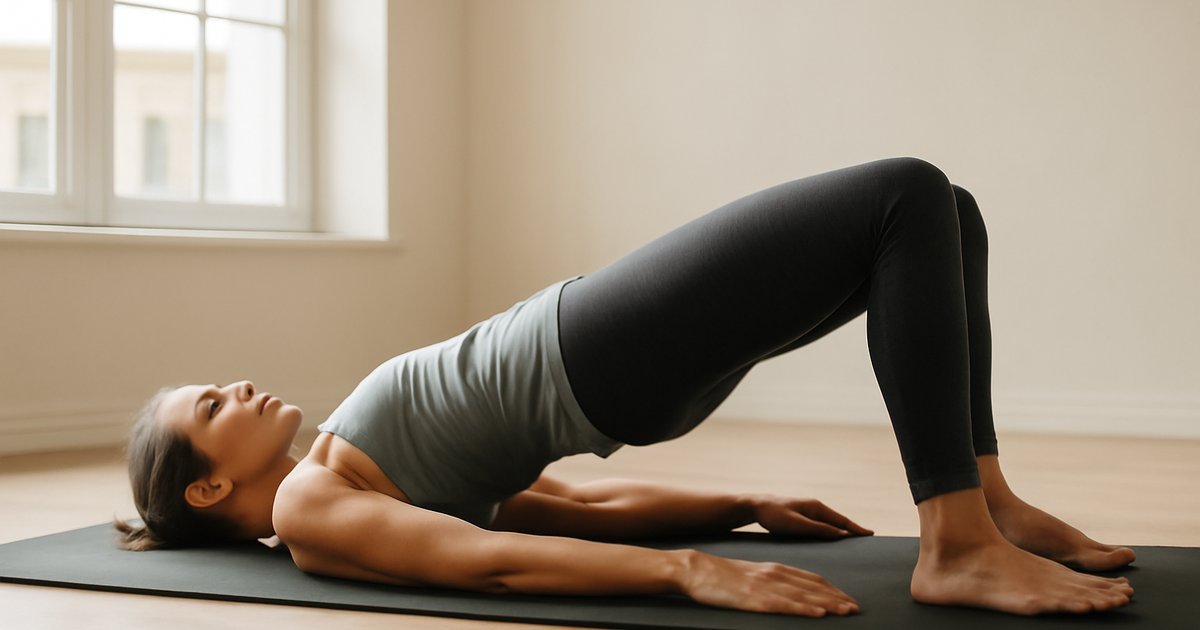
  • Bodyweight Training After 40: Build Strength Without a Gym

    Bodyweight Training After 40: Build Strength Without a Gym

    Bodyweight Training After 40: Build Strength Without a Gym

    No equipment, no excuses — just proven movement patterns that build real strength at any age.

    When David turned 44, his doctor told him something he wasn’t expecting: his muscle mass had dropped significantly since his mid-30s, and if he didn’t start resistance training soon, the consequences for his bone density, metabolism, and joint health would compound quickly. David assumed he needed a gym membership, heavy weights, and a personal trainer to make a difference. He was wrong.

    Bodyweight training — exercises that use your own body as resistance — has emerged as one of the most evidence-backed, accessible, and joint-friendly forms of strength training available to adults over 40. According to the CDC, adults lose between 3% and 5% of muscle mass per decade starting in their 30s, a process called sarcopenia. Without intervention, this muscle loss accelerates metabolic slowdown, increases fall risk, and contributes to chronic disease progression.

    The good news? You don’t need a single piece of equipment to reverse course. In this guide, you’ll learn exactly what bodyweight training is, why it works especially well after 40, how to build a safe and effective routine, and when to check in with your doctor.

    What Is Bodyweight Training?

    Bodyweight training is a form of resistance exercise where you use your own body weight — rather than dumbbells, machines, or barbells — to create muscular load. Movements like push-ups, squats, lunges, planks, and hip hinges all fall under this umbrella.

    Unlike weight machines that isolate single muscles, bodyweight exercises typically engage multiple muscle groups simultaneously. This means you’re training for functional strength — the kind that helps you carry groceries, climb stairs, get up from the floor, or recover your balance when you stumble.

    The American College of Sports Medicine classifies bodyweight training as a legitimate form of progressive resistance training. When performed with proper technique and sufficient challenge, it stimulates muscle protein synthesis, improves neuromuscular coordination, and enhances metabolic health — all critical priorities for adults in their 40s, 50s, and 60s.

    Bodyweight training is not the same as stretching or yoga, though it complements both. It applies mechanical tension to muscles and connective tissue, triggering the same adaptive responses as traditional weightlifting — just without the equipment or gym costs.

    Why Bodyweight Training Works Especially Well After 40

    After 40, the fitness equation changes. Recovery takes longer, joints may be more sensitive, and hormonal shifts — declining estrogen in women and gradually decreasing testosterone in men — affect how quickly muscle is built and maintained. Clinical evidence suggests that these physiological changes make training smarter, not necessarily harder, the most effective path forward.

    A 2021 meta-analysis published in the journal PLOS ONE found that bodyweight resistance training programs produced significant improvements in muscle strength, body composition, and functional capacity in adults aged 40 and older — comparable to results seen with free-weight training programs of similar duration.

    Here’s why bodyweight training is particularly well-suited to this life stage:

    • Joint-friendly loading: Bodyweight exercises distribute force more evenly across joints than heavy barbell exercises. This is meaningful if you’re managing early arthritis, knee discomfort, or a history of injury.
    • Lower injury risk: You can’t drop a barbell on yourself. The controlled, scalable nature of bodyweight movements reduces acute injury risk while still providing enough stimulus for adaptation.
    • Built-in proprioception training: Many bodyweight movements challenge your balance and body awareness simultaneously — a critical benefit as proprioception (your body’s sense of position in space) naturally declines with age.
    • Scalable difficulty: Push-ups can be done from the knees, a flat surface, or elevated surfaces to increase difficulty. Squats can progress from chair-assisted to single-leg variations. The ceiling on difficulty is surprisingly high.
    • No barrier to entry: You can train in your living room, backyard, or a hotel room. Consistency matters more than setting, and removing obstacles to consistency matters enormously.

    Research from the NIH confirms that adults who maintain resistance training throughout their 40s and 50s experience significantly slower rates of sarcopenia, better insulin sensitivity, and reduced cardiovascular risk markers compared to sedentary peers.

    Signs You Need More Muscle (and Less Excuses)

    Many adults over 40 don’t realize how much functional muscle mass they’ve already lost. The signs often develop gradually, making them easy to dismiss as “just getting older.”

    Early signs that muscle loss is affecting you:

    • You feel winded climbing two flights of stairs
    • Carrying groceries or luggage feels significantly harder than it used to
    • You avoid getting up from low chairs or the floor without using your arms
    • Your posture has noticeably rounded or your back aches more than it used to
    • You’ve gained fat around the midsection without dramatic dietary changes
    • Balance feels less reliable, especially on uneven surfaces

    More advanced warning signs:

    • Difficulty performing basic daily tasks without fatigue
    • Frequent minor injuries from low-effort activities
    • Significant reduction in grip strength (a validated clinical marker of overall muscle health)
    • Blood sugar regulation issues linked to reduced muscle tissue

    According to the NIH’s National Institute on Aging, grip strength decline is one of the most reliable physical predictors of future disability and mortality risk in adults over 50. The earlier you address muscle loss, the more functional reserve you preserve.

    How to Build a Bodyweight Routine After 40

    Building an effective bodyweight routine after 40 requires three things: movement variety that covers major muscle groups, progressive overload (gradually making exercises harder over time), and adequate recovery between sessions.

    Most physicians and certified strength coaches recommend starting with two to three sessions per week on non-consecutive days. Research published by the American Heart Association supports this frequency as sufficient for meaningful health benefits, including improved blood pressure, blood sugar regulation, and lean muscle maintenance.

    The six movement patterns your routine should include:

    1. Push (chest, shoulders, triceps): Push-ups in any variation — incline, decline, standard, or close-grip
    2. Pull (upper back, biceps): Doorframe rows, towel rows, or if you have access to a bar, bodyweight rows or dead hangs
    3. Hinge (hamstrings, glutes, lower back): Hip hinges, single-leg deadlifts, glute bridges, and Romanian deadlift patterns without weight
    4. Squat (quads, glutes, calves): Goblet squat pattern, chair squats, split squats, or eventually pistol squat progressions
    5. Core anti-rotation and stability: Planks, dead bugs, bird dogs — movements that train the core to resist movement rather than create it
    6. Gait and locomotion: Reverse lunges, lateral lunges, step-ups — patterns that train movement through space

    A sample beginner session (30-40 minutes):

    • Incline push-ups: 3 sets of 8-12 reps
    • Chair-assisted squats: 3 sets of 10-15 reps
    • Glute bridges: 3 sets of 12-15 reps
    • Doorframe rows: 3 sets of 8-10 reps
    • Dead bug: 3 sets of 6-8 reps per side
    • Reverse lunges: 2 sets of 8 per leg

    Rest 60 to 90 seconds between sets. Prioritize form over speed. This varies from person to person — if you’re managing joint issues, cardiovascular conditions, or recovering from injury, consult your doctor before starting any new exercise program.

    If you’re looking to complement your bodyweight training with lower-body-focused movement, our guide on Functional Fitness After 50 offers excellent progressions for everyday movement patterns.

    Progressive Overload Without Adding Weight

    One of the most common misconceptions about bodyweight training is that it plateaus quickly. In reality, research suggests that progressive overload — the principle of gradually increasing training demand — is entirely achievable without ever touching a dumbbell.

    Ways to make bodyweight exercises progressively harder:

    • Leverage changes: Elevating your feet during push-ups increases load on the chest and shoulders. Elevating hands decreases it. The angle of your body changes the mechanical disadvantage dramatically.
    • Range of motion: Deepening a squat or adding a pause at the bottom increases time under tension and muscle recruitment.
    • Tempo manipulation: A 3-second lowering phase (eccentric) followed by a 1-second pause and 1-second lift dramatically increases difficulty without adding weight.
    • Unilateral progression: Moving from two-leg squats to single-leg variations, or from two-arm push-ups to archer push-ups, essentially doubles the load on each limb.
    • Volume increases: Adding an extra set, more reps, or an additional session per week over time.
    • Rest reduction: Shortening rest periods (from 90 to 60 seconds, for example) increases metabolic demand.

    Clinical evidence from the Journal of Strength and Conditioning Research indicates that when progressive overload is applied systematically, bodyweight programs drive muscle hypertrophy (growth) and strength gains comparable to moderate-load free-weight programs in adults over 40.

    For adults new to structured movement who want to ease into this type of training, our Pilates After 40 guide offers an excellent parallel approach to core strength and postural alignment.

    Safety, Recovery, and What to Watch For

    After 40, recovery becomes as important as the training itself. Connective tissue — tendons and ligaments — adapts more slowly than muscle, meaning you may feel stronger before your joints are fully ready for increased demand. Most physicians recommend treating soreness as data, not a badge of honor.

    Safety principles for bodyweight training after 40:

    • Always warm up for at least 5-10 minutes with light movement: marching in place, arm circles, hip openers, and gentle dynamic stretches
    • Learn the difference between productive discomfort (muscle fatigue, mild burn) and warning pain (sharp, joint-located, or radiating)
    • Allow at least one full rest day between strength training sessions targeting the same muscle groups
    • Sleep and protein intake directly support muscle repair — clinical evidence suggests adults over 40 may benefit from slightly higher protein intake (approximately 0.7 to 1.0 grams per pound of body weight), though individual needs vary
    • Hydrate adequately before, during, and after sessions

    Red flags requiring immediate medical attention:

    • Chest pain, pressure, or tightness during or after exercise
    • Sudden severe shortness of breath disproportionate to effort
    • Dizziness, lightheadedness, or fainting
    • Sharp, sudden joint pain that doesn’t resolve with rest
    • Heart palpitations or irregular heartbeat during exertion
    • Numbness or tingling in arms or legs during exercise

    If you experience any of these symptoms, stop exercising immediately and seek medical evaluation. These are not expected side effects of bodyweight training — they warrant prompt attention.

    For adults who want to pair their strength work with complementary low-impact cardio, our guide on Water Aerobics After 50 provides an excellent joint-friendly option that supports cardiovascular health without taxing the same recovery systems.

    When to Call Your Doctor

    Before starting any new exercise program, especially if you’re managing a chronic condition like hypertension, type 2 diabetes, osteoporosis, or heart disease, a conversation with your primary care physician is strongly recommended.

    Ask your doctor specifically about:

    • Whether your current medications affect exercise tolerance or heart rate response
    • Any movement patterns to avoid based on your musculoskeletal history
    • Whether a referral to a physical therapist for a movement assessment would be beneficial
    • Target heart rate zones if you plan to combine bodyweight training with cardio

    The American Heart Association recommends that adults with two or more cardiovascular risk factors — including high blood pressure, elevated cholesterol, smoking history, or family history of heart disease — undergo physician clearance before beginning a vigorous exercise program.

    At your next visit, you might say: “I want to start a bodyweight strength training program two to three times a week. Given my current health history, is there anything I should modify or monitor?” This framing invites collaboration rather than a blanket restriction.

    Frequently Asked Questions

    Can bodyweight training build real muscle after 40, or is it just for toning?

    Research suggests that bodyweight training absolutely builds muscle after 40 when performed with sufficient intensity and progressive overload. The distinction between “toning” and “building muscle” is largely semantic — what you’re doing in both cases is increasing muscle protein content and definition. Clinical trials have demonstrated measurable hypertrophy in older adults using bodyweight-only programs.

    How many days per week should I do bodyweight training?

    Most clinical evidence supports two to three sessions per week for adults over 40, with at least one rest day between sessions targeting the same muscle groups. This frequency is sufficient for meaningful strength and muscle gains while allowing connective tissue and the nervous system adequate recovery time. Some individuals respond well to four sessions using an upper/lower body split — this varies from person to person.

    Is bodyweight training safe if I have knee or hip arthritis?

    For many people with mild to moderate osteoarthritis, appropriately modified bodyweight training is not only safe but therapeutically beneficial. The Arthritis Foundation notes that strengthening the muscles around arthritic joints reduces pain and improves function. However, specific modifications depend on your individual presentation — always consult your orthopedist or physical therapist before beginning.

    How long before I see results from bodyweight training?

    Research indicates that most adults notice improvements in strength and daily functional capacity within four to six weeks of consistent training. Visible changes in muscle definition typically take eight to twelve weeks and depend heavily on diet, sleep quality, and training consistency. Neurological adaptations — meaning your muscles learn to fire more efficiently — happen fastest, often within the first two to three weeks.

    Do I need protein supplements to make bodyweight training effective?

    No supplement is required. Most adults over 40 can meet their protein needs through whole food sources — eggs, poultry, fish, legumes, dairy, and lean meats. Research does suggest that distributing protein intake across three to four meals daily (rather than concentrating it at dinner) may optimize muscle protein synthesis after training. Consult a registered dietitian for personalized guidance based on your health status and goals.

    The Bottom Line

    Bodyweight training is one of the most accessible, evidence-backed tools available to adults over 40 who want to protect their muscle mass, joint health, metabolism, and long-term independence. You don’t need a gym, expensive equipment, or decades of athletic experience to start. You need consistency, progressive challenge, and a commitment to listening to your body.

    Start with two sessions per week. Master the basics. Progress gradually. Track how you feel — not just in the gym, but in daily life. If climbing stairs feels easier, if your posture improves, if you can get up off the floor without using your hands — those are the real metrics that matter.

    Bodyweight training isn’t a compromise when you can’t get to the gym. For many adults over 40, clinical evidence suggests it may be the smartest, most sustainable form of strength training you can do. Talk to your doctor, start where you are, and build from there.


    Medical Disclaimer: This article is for informational and educational purposes only. It does not constitute medical advice, diagnosis, or treatment. Always consult your physician or a qualified healthcare provider before making changes to your health routine or treatment plan.

    Medically reviewed by our editorial health team. Content follows evidence-based standards aligned with CDC and NIH guidelines.
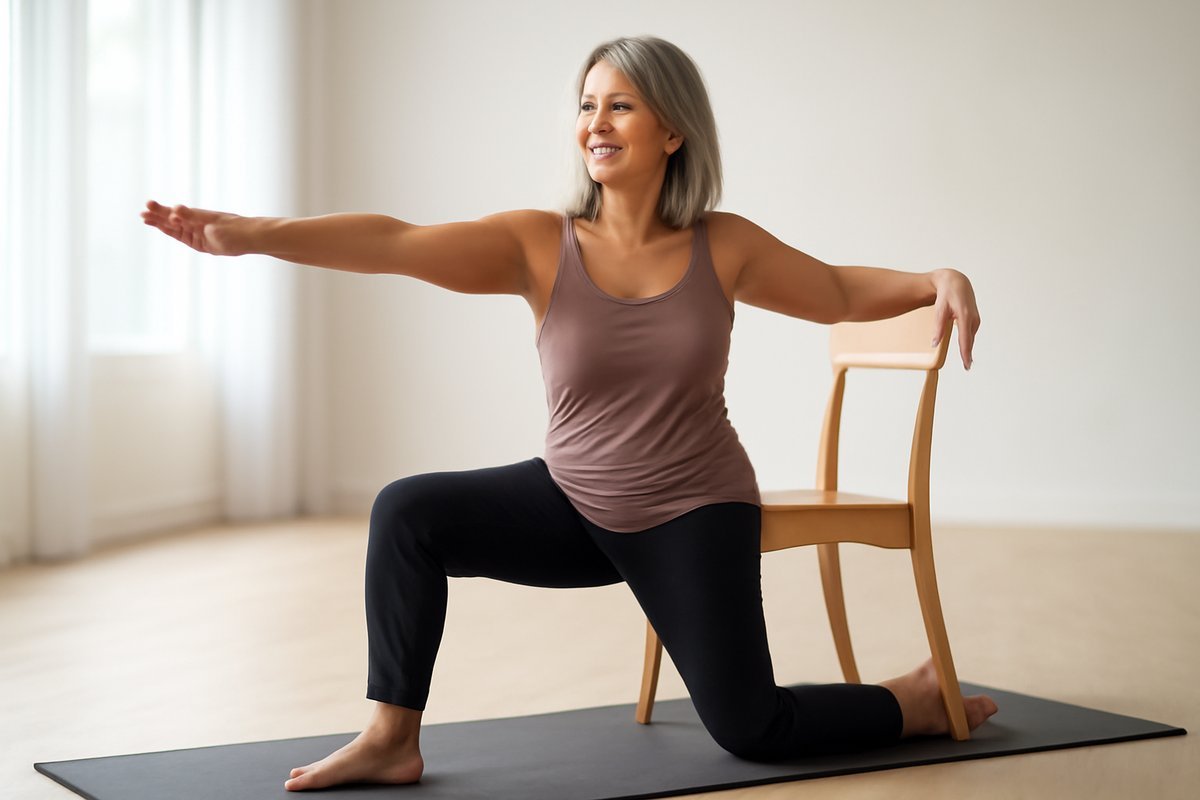
  • Pilates After 40: Core Strength, Posture & Pain Relief

    Pilates After 40: Core Strength, Posture & Pain Relief

    Pilates may be one of the most underrated tools for adults over 40 who want to move better, hurt less, and build lasting functional strength.

    Introduction

    Margaret, 54, had spent years managing lower back pain that flared up every time she sat too long at her desk or tried to keep up with her grandchildren. Physical therapy helped temporarily, but the pain kept coming back. A friend suggested Pilates. Within three months of twice-weekly sessions, Margaret told her doctor she felt stronger in her core, stood taller, and had gone from daily discomfort to occasional mild soreness.

    Her experience is far from unusual. According to the National Institutes of Health, low back pain affects approximately 80% of Americans at some point in their lives, and adults over 40 bear a disproportionate share of that burden. Pilates — a low-impact, precision-based exercise method originally developed in the early 20th century — has accumulated a growing body of clinical evidence supporting its benefits for core strength, postural alignment, flexibility, and chronic pain management.

    In this guide, you will learn what Pilates is, how it works, who it benefits most, what the research says, and how to start safely after 40 — whether you are a complete beginner or returning to exercise after a long break.

    What Is Pilates?

    Pilates is a structured exercise system that emphasizes controlled movement, core engagement, breathing mechanics, and postural alignment. It was developed by Joseph Pilates in the 1920s and originally called “Contrology.” Today it is practiced worldwide in two primary forms: mat-based Pilates and reformer Pilates, which uses a spring-resistance machine.

    Unlike high-impact workouts, Pilates is designed to train the deep stabilizing muscles of the spine and pelvis — often called the “powerhouse” in Pilates terminology — which correspond to what clinicians call the core musculature, including the transversus abdominis, multifidus, pelvic floor, and diaphragm.

    According to the American College of Sports Medicine (ACSM), Pilates qualifies as a muscle-strengthening activity that can complement aerobic exercise recommendations for adults. It is particularly well-suited for individuals managing joint sensitivity, recovering from injury, or experiencing the postural changes that naturally accompany aging.

    In the United States, the Pilates industry has grown substantially, with millions of Americans practicing regularly in studios, gyms, and at home. Its appeal to the 40-and-older population is driven by its adaptability — nearly every exercise can be modified for different fitness levels and physical limitations.

    Key Benefits of Pilates After 40

    The benefits of Pilates for adults in midlife and beyond are supported by a growing number of peer-reviewed studies. Here is what clinical evidence indicates across several health domains:

    Core Strength and Spinal Stability

    The deep muscles of the abdomen and back begin to weaken with age, contributing to instability, poor posture, and increased injury risk. Pilates directly targets these muscles through slow, intentional movements that require sustained engagement rather than momentum.

    A 2021 meta-analysis published in the journal PLOS ONE found that Pilates exercise significantly improved core muscle strength and endurance in adults with chronic low back pain compared to no exercise or general exercise. Clinical evidence indicates that even short-term Pilates programs — as few as 8 to 12 weeks — can produce measurable improvements in core stability.

    Posture and Spinal Alignment

    After 40, many adults develop rounded shoulders, forward head posture, or lumbar flattening — often from years of desk work, driving, and reduced physical activity. These postural changes can contribute to neck pain, upper back tension, and reduced breathing capacity.

    Pilates exercises consistently reinforce spinal extension, scapular retraction (pulling the shoulder blades together and down), and neutral spine positioning. Research suggests that regular Pilates practice improves postural awareness and spinal alignment, which can reduce the muscular strain patterns that cause chronic discomfort.

    Flexibility and Joint Mobility

    Joint stiffness is a common complaint after 40, often resulting from reduced collagen elasticity, sedentary habits, and the early stages of osteoarthritis. Pilates incorporates dynamic stretching and lengthening movements that support joint mobility without placing excessive stress on cartilage or connective tissue.

    According to research reviewed by Mayo Clinic, Pilates has shown effectiveness in improving flexibility in older adults, particularly in the hamstrings, hip flexors, and thoracic spine — areas that commonly restrict movement in midlife.

    Balance and Fall Prevention

    The CDC reports that falls are the leading cause of injury-related death among adults 65 and older, and balance begins to decline measurably in the mid-40s. Pilates challenges proprioception — the body's sense of its own position in space — through single-leg exercises, unstable surface variations, and slow controlled movements that require balance and coordination.

    A clinical review in the Journal of Aging and Physical Activity found that Pilates-based interventions significantly improved static and dynamic balance in older adults, suggesting a meaningful role in fall prevention programming. If you want to explore other evidence-based balance strategies, our guide on Core Training After 40: Stability, Back Pain Relief & Better Movement covers complementary approaches in depth.

    Chronic Pain Management

    Beyond back pain, research suggests Pilates may benefit adults managing fibromyalgia, osteoarthritis, and postural pain syndromes. Clinical evidence indicates it works by improving neuromuscular control — essentially teaching the body to move more efficiently and with less compensatory strain on painful areas.

    Mental Health and Stress Reduction

    Pilates requires focused attention on breathing and movement, which activates the parasympathetic nervous system — your body's rest-and-digest response. Many practitioners report reduced anxiety and improved mood after sessions. Research suggests this mind-body connection may contribute to lower perceived stress levels over time. For adults managing chronic stress alongside physical health goals, this dual benefit makes Pilates particularly valuable.

    Who Should Consider Pilates After 40?

    Pilates is broadly appropriate for adults over 40, but it is especially well-matched for those who:

    • Experience chronic or recurring low back pain
    • Have been told by a physician to avoid high-impact exercise
    • Are recovering from orthopedic surgery or injury (with medical clearance)
    • Notice postural changes such as rounding of the upper back
    • Want to complement existing aerobic routines like walking, swimming, or cycling
    • Are managing early-stage osteoporosis or osteopenia (with guidance — see precautions below)
    • Are returning to exercise after a long period of inactivity
    • Want to improve athletic performance or movement quality in other sports

    This varies from person to person, and individuals with acute injuries, uncontrolled osteoporosis, or recent spinal surgery should consult their physician before beginning any Pilates program.

    Pilates vs. Other Low-Impact Options: How It Fits Your Routine

    Pilates works best as a complement to, not a replacement for, aerobic exercise. The American Heart Association recommends at least 150 minutes of moderate-intensity aerobic activity per week for cardiovascular health — something Pilates alone does not fully satisfy.

    However, when paired with activities like walking, swimming, or water aerobics, Pilates fills a critical gap by addressing the muscular endurance, alignment, and core stability that aerobic exercise alone does not develop. Many physical therapists now incorporate Pilates-based exercises into rehabilitation protocols precisely because of this complementary role.

    Compared to yoga, Pilates places a stronger emphasis on spinal mechanics and core activation, while yoga tends to offer more flexibility and mindfulness components. Both have value, and many adults over 40 benefit from including elements of each in their weekly routine.

    How to Get Started: A Practical Guide

    Starting Pilates after 40 does not require a studio membership, expensive equipment, or prior fitness experience. Here is what most physicians and certified Pilates instructors recommend for beginners:

    Step 1: Get Medical Clearance

    If you have been inactive for more than a year, manage a chronic condition, or have a history of spinal or joint problems, speak with your doctor before beginning. Most adults over 40 are cleared for mat Pilates without restriction, but your physician may suggest specific modifications.

    Step 2: Choose Your Format

    Mat Pilates: Performed on a yoga mat using your own body weight. It is accessible, affordable, and effective for beginners. It is ideal for home practice using guided videos from credentialed instructors.

    Reformer Pilates: Uses a spring-loaded sliding machine that adds resistance and support simultaneously. It is typically offered in studios and allows for greater exercise variety. Research suggests the reformer may be particularly effective for rehabilitation due to its ability to offload body weight while still engaging the core.

    Step 3: Start With Foundational Exercises

    Clinical instructors typically begin new adult students with foundational movements that establish core connection and breathing patterns before progressing to more challenging work. Key beginner exercises include:

    • Pelvic tilt and imprint: Teaches neutral spine awareness and deep abdominal engagement
    • Hundred (modified): Builds core endurance with controlled breathing
    • Single leg stretch: Challenges coordination and abdominal control
    • Cat-cow variations: Improves spinal mobility and awareness
    • Bridging (glute bridge): Activates the posterior chain — glutes, hamstrings, and lower back stabilizers
    • Side-lying clam: Targets hip abductors and external rotators, critical for knee and hip stability

    Step 4: Establish a Consistent Schedule

    Most Pilates instructors and physical therapists recommend starting with two to three sessions per week for 30 to 45 minutes each. Clinical evidence from multiple trials suggests that meaningful improvements in core strength and pain reduction are typically observed after 6 to 12 weeks of consistent practice.

    Step 5: Work With a Certified Instructor Initially

    If possible, invest in at least a few sessions with a certified Pilates instructor (look for NCPT — Nationally Certified Pilates Teacher — credential) before practicing independently. Proper form in Pilates is nuanced, and small alignment errors can reduce effectiveness or, in rare cases, aggravate existing conditions. One-on-one or small group instruction significantly accelerates the learning curve.

    Important Precautions for Adults Over 40

    While Pilates is considered safe for most adults, certain precautions apply specifically to the over-40 population:

    • Osteoporosis: Spinal flexion exercises (curling forward) may increase vertebral fracture risk in individuals with significant bone density loss. If you have been diagnosed with osteoporosis, ask your physician and instructor about extension-based modifications. The National Osteoporosis Foundation provides specific exercise guidance for this population.
    • Hip or knee replacements: Certain Pilates positions require hip rotation ranges that may be contraindicated post-replacement. Always disclose surgical history to your instructor.
    • Herniated discs: Some spinal flexion exercises may be inappropriate depending on the location and severity of your disc injury. A physical therapist can advise on safe modifications.
    • Diastasis recti: A separation of the abdominal muscles common after pregnancy — exercises that create excessive intra-abdominal pressure should be avoided until the condition is addressed with a specialist.

    When to Call Your Doctor

    Most discomfort when starting Pilates is mild muscle soreness — normal for the first one to two weeks. However, contact your physician if you experience:

    • Sharp or shooting pain in your spine, neck, or limbs during or after exercise
    • Numbness or tingling that radiates down your arms or legs
    • Sudden worsening of existing back or joint pain
    • Chest pain, shortness of breath, or dizziness during exercise
    • Pain that persists for more than 48 hours after a session

    Seek emergency care immediately if you experience chest pain, severe shortness of breath, sudden weakness, or loss of bladder or bowel control during or after exercise. These are potential red flags for cardiovascular or neurological emergencies.

    Frequently Asked Questions

    Is Pilates safe if I have never exercised before?
    Yes. Pilates is widely considered one of the safest entry points into exercise for sedentary adults, particularly beginners over 40. The emphasis on controlled, low-impact movement makes it accessible even without prior fitness experience. Starting with a certified instructor is strongly recommended.

    How long before I see results from Pilates?
    Research suggests most adults notice improvements in posture, core awareness, and mild pain reduction within 6 to 8 weeks of consistent twice-weekly practice. Strength and movement quality gains typically become more pronounced by weeks 10 to 12. Individual results vary based on consistency, starting fitness level, and whether modifications are used.

    Can Pilates replace my strength training?
    Pilates builds muscular endurance and functional strength, particularly in the core and stabilizing muscles, but it generally does not provide the progressive overload needed to increase bone density or build significant muscle mass in the way that resistance training does. Most physicians and exercise physiologists recommend combining Pilates with some form of resistance training for comprehensive fitness after 40.

    Is mat Pilates as effective as reformer Pilates?
    Both forms have demonstrated clinical benefits. Mat Pilates is more accessible and can be highly effective for core strengthening and flexibility. Reformer Pilates offers greater exercise variety and spring-assisted support, which may be beneficial for those with mobility limitations or in rehabilitation settings. Clinical evidence does not firmly establish one as superior to the other for general adult fitness.

    Can Pilates help with menopause-related changes?
    Research suggests Pilates may offer meaningful benefits for perimenopausal and postmenopausal women, including improvements in balance, posture, and musculoskeletal pain — all of which can be affected by hormonal changes. Some studies also indicate potential benefits for mood and sleep quality, though more research is needed. Always discuss exercise plans with your physician in the context of your complete health picture.

    Conclusion

    Pilates is not a trend — it is a clinically supported, adaptable, and time-tested approach to movement that fits remarkably well into the health priorities of adults over 40. Whether your goal is to reduce back pain, improve posture, move more freely, or simply build a stronger foundation for the rest of your active life, Pilates offers a practical and evidence-backed path forward.

    Starting does not require perfection or peak fitness — just consistency, patience, and ideally a qualified instructor who can guide you safely. Talk with your doctor about whether Pilates is right for your specific health situation, and consider it as a powerful complement to the aerobic and resistance activities that support long-term health.

    Your body at 40, 50, or 60 is still capable of remarkable adaptation. Pilates is one of the tools that can help you tap into that potential.


    Medical Disclaimer: This article is for informational and educational purposes only. It does not constitute medical advice, diagnosis, or treatment. Always consult your physician or a qualified healthcare provider before making changes to your health routine or treatment plan.

    Medically reviewed by our editorial health team. Content follows evidence-based standards aligned with CDC and NIH guidelines.
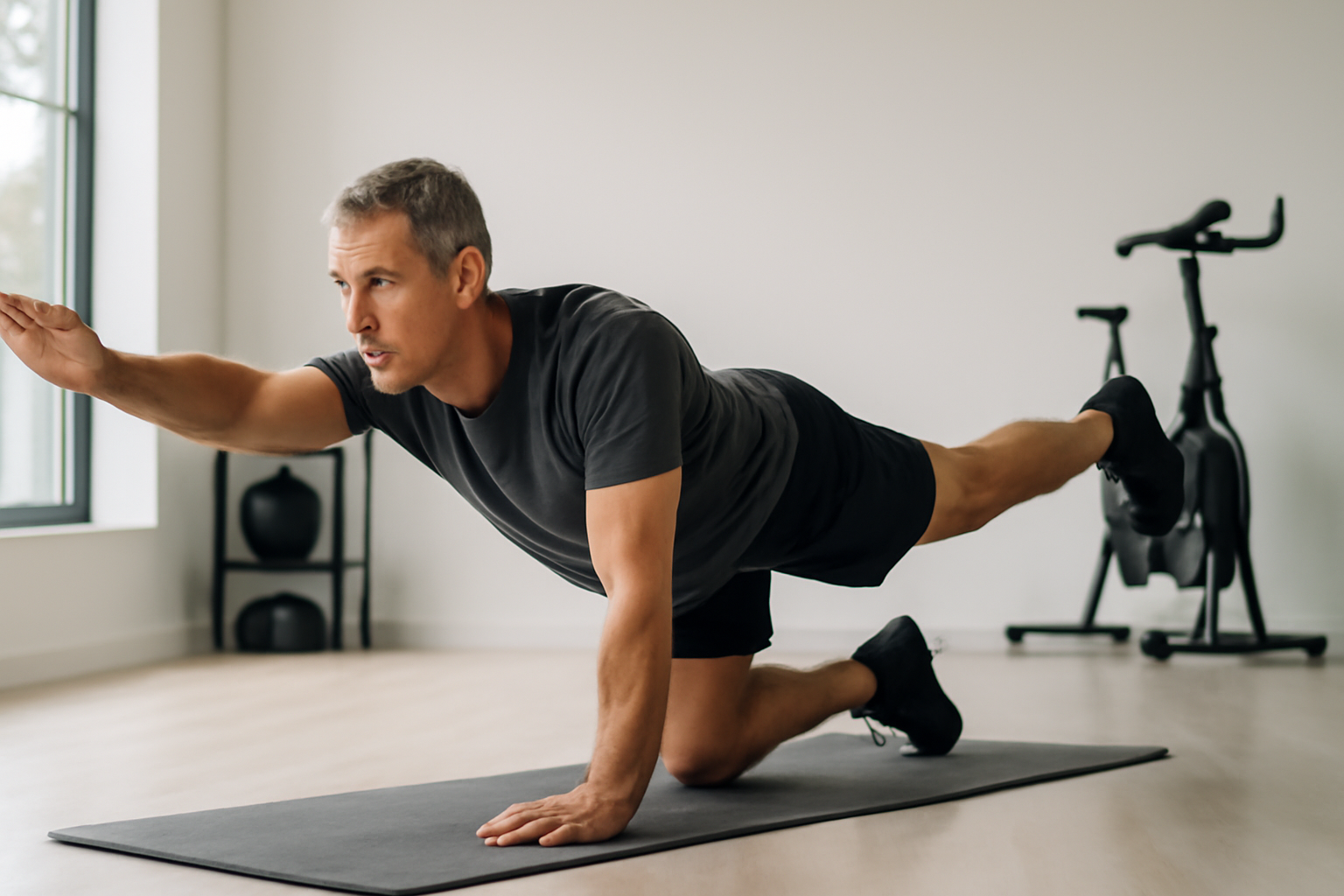
  • Yoga for Adults Over 40: Benefits, Styles, & Safety

    Yoga for Adults Over 40: Benefits, Styles, & Safety

    Discover how yoga can enhance flexibility, strength, and peace of mind, tailored for your body’s unique needs after 40.

    As we navigate life after 40, many of us begin to notice subtle shifts in our bodies and minds. Perhaps you feel a bit stiffer in the mornings, find daily tasks requiring more effort, or grapple with increased stress from work and family responsibilities. You’re not alone. According to a 2017 report by the Centers for Disease Control and Prevention (CDC), nearly 1 in 7 U.S. adults had practiced yoga in the past 12 months, highlighting its growing appeal for health and wellness across age groups.

    For adults over 40, finding an exercise routine that is both effective and gentle on the body can be a challenge. That’s where yoga, with its emphasis on mindful movement and body awareness, truly shines. This comprehensive guide will explore the profound benefits of yoga for adults over 40, delve into various styles to help you find your perfect fit, and provide essential safety tips to ensure a sustainable and injury-free practice.

    What Is Yoga for Health and Wellness?

    Yoga, an ancient practice originating in India, is a holistic discipline that meticulously combines physical postures (known as asanas), precise breathing techniques (pranayama), and meditation or relaxation. Far from being just a series of stretches, yoga aims to foster harmony between the mind, body, and spirit.

    In the context of modern health and wellness, yoga is increasingly recognized for its therapeutic potential. Data from the National Center for Complementary and Integrative Health (NCCIH) indicates a significant surge in yoga adoption, with its use among U.S. adults dramatically increasing from 9.5% in 2012 to 14.3% in 2017. This upward trend underscores its growing acceptance as a valuable tool for physical fitness, mental clarity, and stress reduction.

    For adults over 40, yoga offers a unique blend of benefits. It’s an accessible exercise that can be modified to suit various fitness levels and physical conditions, making it an excellent choice for maintaining vitality and enhancing overall well-being as you age.

    Key Health Benefits of Yoga for Adults Over 40

    Engaging in a regular yoga practice can bring a multitude of specific advantages tailored to the needs of adults over 40. These benefits extend beyond mere physical improvements, nurturing both your body and mind.

    Enhanced Flexibility and Mobility

    As we age, our muscles and connective tissues naturally become less pliable, leading to stiffness and reduced range of motion. Yoga actively combats this decline. Through sustained stretches and mindful movements, you can gradually increase your flexibility, making everyday tasks like bending, reaching, and twisting feel easier and more comfortable. A 2013 meta-analysis published in the Journal of Physical Activity and Health found that regular yoga practice significantly improves flexibility, particularly in the lower back and hamstrings. This enhanced flexibility and mobility is crucial for maintaining independence and quality of life.

    Improved Strength and Balance

    Many yoga postures require you to support your own body weight, effectively building lean muscle strength without the need for heavy equipment. This is particularly beneficial for maintaining muscle mass, which naturally diminishes with age. Moreover, holding balancing poses challenges your proprioception – your body’s sense of its position in space. Research supported by the National Institutes of Health (NIH) consistently shows that regular yoga practice can significantly enhance balance, which is a critical factor in preventing falls, a major concern for older adults.

    Significant Stress Reduction and Mental Well-being

    The combination of physical postures, focused breathing, and meditation inherent in yoga makes it a powerful antidote to stress. Yoga helps to activate the parasympathetic nervous system, responsible for the “rest and digest” response, counteracting the effects of chronic stress. Studies cited by Harvard Health Publishing highlight yoga’s effectiveness in reducing cortisol levels, the body’s primary stress hormone. This leads to profound improvements in mood, reduced anxiety, and enhanced mental clarity, helping you feel more centered and calm.

    Management of Chronic Pain

    For many adults over 40, chronic conditions like back pain, arthritis, and fibromyalgia can significantly impact daily life. Yoga offers a gentle yet effective approach to managing such discomfort. By strengthening supporting muscles, improving flexibility, and promoting relaxation, yoga can alleviate pain and improve functional capacity. A comprehensive review published in Complementary Therapies in Medicine noted that yoga can be an effective complementary therapy for chronic low back pain, showing greater improvement in pain and functional disability compared to usual care.

    Common Yoga Styles and How to Choose

    The world of yoga offers a diverse range of styles, each with its own pace, focus, and benefits. Understanding these differences can help you select a practice that best suits your goals, physical condition, and comfort level as an adult over 40.

    • Hatha Yoga: Often considered a foundational style, Hatha yoga is characterized by its slower pace and longer holds in individual postures. It emphasizes basic poses and proper alignment, making it an excellent starting point for beginners or those seeking a gentler practice.
    • Vinyasa Yoga: This dynamic style links movement with breath, creating a “flow” from one pose to the next. Vinyasa classes can vary widely in intensity but generally offer a more vigorous workout, building heat and strength. Look for “gentle Vinyasa” or “slow flow” classes if you’re new or prefer a less intense pace.
    • Restorative Yoga: As its name suggests, this style focuses on deep relaxation and rejuvenation. Poses are held for extended periods, often with the support of props like blankets, bolsters, and blocks, allowing the body to fully release tension. Restorative yoga is perfect for stress relief, recovery, and those with limited mobility.
    • Iyengar Yoga: Known for its meticulous attention to precise alignment and the extensive use of props (blocks, straps, chairs, ropes), Iyengar yoga emphasizes accuracy over flow. This style is particularly beneficial for individuals recovering from injuries, managing chronic conditions, or those who benefit from detailed instruction on proper form.
    • Chair Yoga: An adapted form of yoga where poses are performed while seated or using a chair for support. This style is ideal for individuals with significant mobility limitations, balance issues, or those seeking a very gentle introduction to yoga.

    When choosing a style, consider your current fitness level, any pre-existing health conditions, and what you hope to gain from your practice. Many studios offer introductory classes or trials, allowing you to sample different styles before committing.

    Getting Started with Yoga: What to Expect

    Embarking on your yoga journey can feel exciting and perhaps a little daunting. Knowing what to expect can help ease any apprehension and set you up for success.

    Finding the Right Class or Instructor

    Start by looking for “beginner,” “gentle,” or “restorative” classes, especially those specifically labeled for “seniors” or “all levels.” Many community centers, gyms, and dedicated yoga studios offer these options. Online platforms also provide a wealth of resources, but an in-person class with a qualified instructor can be invaluable for personalized feedback on form and alignment. Don’t hesitate to communicate any health concerns or physical limitations to your instructor before class begins.

    Essential Equipment

    You don’t need much to start. A good quality yoga mat provides cushioning and grip. Wear comfortable, breathable clothing that allows for a full range of motion. Beyond that, props such as yoga blocks, straps, and blankets are often available in studios or can be purchased for home use. These props are not for advanced practitioners; they are tools designed to support your body, help you find proper alignment, and make poses more accessible and comfortable.

    A Typical Class Structure

    Most yoga classes follow a general structure: beginning with a period of centering or gentle warm-up, moving into a sequence of standing and seated postures, and concluding with a cool-down and final relaxation, often in Savasana (Corpse Pose). Expect your instructor to guide you through various poses, offering cues for breath and alignment.

    Embracing Modifications

    One of the beautiful aspects of yoga is its adaptability. Most reputable instructors will offer modifications for poses, allowing you to adapt the practice to your body’s current capabilities. This might involve using a chair for support, bending your knees more deeply, or using blocks to bring the floor closer to you. Remember, yoga is about listening to your body and honoring its limits, not about achieving a perfect-looking pose.

    Integrating Yoga into Your Daily Life

    Consistency is key to unlocking the full spectrum of benefits that yoga offers. Integrating it seamlessly into your routine can transform not only your physical health but also your mental and emotional well-being.

    Frequency and Duration

    For noticeable benefits, most experts, including those at the American Council on Exercise (ACE), suggest aiming for two to three yoga sessions per week. Each session could range from 30 to 60 minutes, depending on your schedule and energy levels. However, even shorter, consistent practices – like 15-20 minutes daily – can be incredibly impactful for stress reduction and maintaining flexibility. Listen to your body and gradually build up your practice duration and intensity.

    Home Practice vs. Studio Classes

    Both home practice and studio classes offer unique advantages. Studio classes provide expert guidance, a sense of community, and a dedicated space away from distractions. They are excellent for learning proper form and receiving personalized adjustments. Home practice, on the other hand, offers flexibility and convenience. Many online platforms and apps provide guided yoga sessions that cater to all levels and styles. A combination of both can be ideal – attending studio classes for instruction and practicing at home for consistency.

    Complementary Activities

    Yoga complements other forms of exercise beautifully. For instance, pairing your yoga practice with cardiovascular activities like walking or cycling can create a well-rounded fitness regimen. Additionally, incorporating specific core strength training exercises can further enhance your yoga practice and provide greater stability in various poses.

    Remember that integrating yoga is a personal journey. Be patient with yourself, celebrate small victories, and embrace the process of discovery and growth.

    Preventing Injuries in Yoga

    While yoga is generally considered safe, especially when practiced mindfully, injuries can occur, particularly if proper precautions aren’t taken. For adults over 40, who may have pre-existing conditions or reduced flexibility, understanding how to prevent injury is paramount.

    • Listen to Your Body: This is the golden rule of yoga. Pain is a clear signal that something is wrong. While discomfort is a natural part of stretching and building strength, sharp, sudden, or persistent pain means you should immediately ease out of the pose. Never push yourself into a position that feels “wrong” or unstable.
    • Prioritize Proper Alignment: Incorrect form is a leading cause of injury. Seek out qualified instructors who emphasize alignment cues and offer hands-on adjustments (with your permission). Don’t prioritize depth of a pose over correct alignment. Iyengar yoga, for instance, places a strong emphasis on precise alignment, which can be particularly beneficial for learning safe movement patterns.
    • Don’t Force Flexibility: Flexibility improves over time with consistent practice. Trying to force your body into a deep stretch before it’s ready can strain muscles, ligaments, and joints. Embrace the philosophy of “ahimsa” or non-harming, extending it to your own body.
    • Utilize Props: Blocks, straps, bolsters, and blankets are not signs of weakness – they are tools designed to support your body, reduce strain, and help you find safe alignment in various poses. Use them liberally to modify poses and make them more accessible to your current level of flexibility and strength.
    • Communicate with Your Instructor: Before class, inform your instructor about any injuries, chronic conditions (like arthritis or back pain), or areas of concern. A good instructor can offer specific modifications or advise you on poses to avoid.
    • Warm-Up and Cool-Down: Ensure your practice includes a gentle warm-up to prepare your muscles and joints for movement and a cool-down period to relax and integrate the benefits of your practice.

    When to Consult Your Doctor About Yoga

    While yoga offers numerous health benefits, it’s crucial to approach any new exercise regimen with appropriate medical consideration, especially for adults over 40 or those with existing health conditions.

    Before You Begin: Pre-Existing Conditions

    If you have any chronic health conditions such as heart disease, uncontrolled high blood pressure, severe arthritis, osteoporosis, herniated discs, or have recently undergone surgery, it is vital to consult your physician before starting yoga. Your doctor can advise you on any specific precautions or modifications you might need, or if certain styles of yoga should be avoided entirely. For example, individuals with severe osteoporosis may need to avoid certain deep forward folds or twists that put excessive pressure on the spine.

    New or Worsening Pain

    If you experience new or persistent pain that lasts beyond the usual muscle soreness — known as DOMS (Delayed Onset Muscle Soreness) — or if a pre-existing condition seems to worsen after starting yoga, it’s crucial to consult your physician. While some discomfort during stretching is normal, sharp, stabbing, or radiating pain is not and warrants medical attention.

    Emergency Signs Requiring Immediate Care

    Certain symptoms should never be ignored and require immediate medical evaluation. These red flags include:

    • Sudden, severe pain in a joint or muscle.
    • Numbness or tingling in the limbs, especially if accompanied by weakness.
    • Dizziness, lightheadedness, or fainting during or after practice.
    • Chest pain or unusual shortness of breath.
    • Any symptoms of a stroke, such as sudden confusion, trouble speaking, or one-sided weakness.

    These symptoms could indicate a serious underlying issue and require prompt medical attention.

    What to Tell Your Doctor

    When discussing your yoga practice with your doctor, be prepared to describe:

    • The specific style of yoga you are practicing or plan to try.
    • Any particular poses that cause discomfort or pain.
    • The duration and frequency of your practice.
    • Your medical history and any pre-existing conditions.

    An open dialogue with your healthcare provider ensures that your yoga journey is safe, beneficial, and supports your overall health goals.

    Frequently Asked Questions

    Is yoga safe if I have arthritis?

    Yes, for many forms of arthritis, yoga can be very beneficial. Gentle styles like Hatha, Restorative, or Chair Yoga, which emphasize slow movements, supported poses, and mindful breathing, can help improve joint flexibility, reduce pain, and strengthen surrounding muscles without excessive strain. It is crucial, however, to consult your doctor before starting and to inform your yoga instructor about your condition so they can suggest appropriate modifications.

    How long does it take to see results from yoga?

    The timeline for results varies greatly depending on the individual, consistency of practice, and what “results” you’re looking for. Many individuals report feeling increased calmness and improved sleep within a few weeks. Enhanced flexibility and balance can often be noticed within 1-3 months of consistent practice (2-3 times a week). Building significant strength may take longer, often 3-6 months. Patience and consistency are key.

    Do I need to be flexible to start yoga?

    Absolutely not. This is one of the most common misconceptions. Yoga is a practice designed to build flexibility over time, not to require it from the outset. Many poses can be modified to accommodate limited flexibility. The key is to start where you are and honor your body’s current capabilities, letting flexibility develop naturally with regular practice.

    What’s the best yoga style for beginners over 40?

    For adults over 40 who are new to yoga, Hatha yoga or Restorative yoga are often highly recommended due to their slower pace and emphasis on foundational poses and alignment. Gentle Vinyasa or Chair Yoga classes are also excellent choices, as they provide modifications and focus on accessible movements. It’s advisable to try a few different styles and instructors to find what resonates best with your body and preferences.

    Can yoga help with weight loss?

    While yoga is not typically as high-intensity as some traditional cardiovascular workouts, it can contribute to weight management in several ways. Vinyasa or Power Yoga styles can burn calories and build muscle, which boosts metabolism. More importantly, yoga cultivates mindfulness, which can reduce stress-related eating and improve dietary choices. It also enhances body awareness, encouraging healthier habits overall. For significant weight loss, it’s best combined with other forms of exercise and a balanced diet.

    Conclusion

    Embracing yoga as an adult over 40 can open doors to profound improvements in your physical and mental health. From enhanced flexibility and strength to significant stress reduction and better chronic pain management, the benefits are compelling. By understanding the different styles, starting gently, and prioritizing safety, you can cultivate a practice that supports your well-being for years to come.

    Remember, your yoga journey is unique. Listen to your body, choose a style that resonates with you, and don’t hesitate to seek guidance from qualified instructors or medical professionals. With patience and consistency, yoga can become a cornerstone of your vibrant and healthy life.


    MEDICAL DISCLAIMER
    This article is for informational and educational purposes only. It does not constitute medical advice, diagnosis, or treatment. Always consult your physician or a qualified healthcare provider before making changes to your health routine or treatment plan.

    AUTHOR LINE
    Medically reviewed by our editorial health team. Content follows evidence-based standards aligned with CDC and NIH guidelines.
  • Core Training After 40: Stability, Back Pain Relief & Better Movement

    Core Training After 40: Stability, Back Pain Relief & Better Movement

    A strong core isn’t about six-pack abs — it’s the foundation that keeps your spine safe, your posture upright, and your daily life pain-free.

    Mark, 52, had lived with low-grade lower back pain for years. He’d tried stretching, switching office chairs, and even a new mattress. Nothing seemed to stick. It wasn’t until his physical therapist prescribed a structured core training program that the pain finally began to ease — and he started moving with a confidence he hadn’t felt in a decade.

    His story is far from unusual. According to the NIH, approximately 80% of Americans will experience back pain at some point in their lives, and it remains one of the leading causes of disability in adults aged 40 and older. What most people don’t realize is that the root cause is often not the spine itself — it’s the muscles surrounding it.

    In this guide, you’ll learn exactly what core training means for adults over 40, why it’s different from what you did in your 20s, which exercises are most effective and safest, and how to build a routine that reduces back pain, improves posture, and helps you move better in everyday life.

    What Is Core Training — And Why Does It Change After 40?

    When most people hear "core," they picture crunches and a flat stomach. But your core is actually a complex group of muscles that wraps around your entire midsection — front, sides, and back. It includes the rectus abdominis (the front ab muscles), the transverse abdominis (deep stabilizing muscle), the obliques (side muscles), the multifidus (deep spinal muscles), the pelvic floor, and the diaphragm.

    Together, these muscles form what clinicians call your "natural corset" — a cylinder of support that stabilizes your spine during every movement you make, from picking up groceries to reaching overhead.

    After 40, several physiological changes make core training both more challenging and more essential. Sarcopenia — the age-related loss of muscle mass — begins as early as your 30s and accelerates with each decade. Research published in the Journal of Cachexia, Sarcopenia and Muscle estimates that adults lose between 3% and 8% of muscle mass per decade after age 30, with that rate increasing after 60.

    Core muscles are not exempt from this decline. As deep stabilizers weaken, the spine becomes less supported, postural alignment shifts, and movements that were once effortless — bending, rotating, lifting — become sources of pain or injury risk. Core training after 40 isn’t about aesthetics. It’s about preserving function.

    Signs Your Core May Be Weak

    You don’t need a fitness test to recognize the early warning signs of core weakness. Many of them show up in everyday life:

    • Persistent lower back pain, especially after sitting or standing for extended periods
    • Poor posture — rounding of the shoulders, forward head position, or an exaggerated lower back curve
    • Balance problems or difficulty standing on one leg without wobbling
    • Pain or discomfort when transitioning from sitting to standing
    • Difficulty performing overhead activities like reaching into high cabinets
    • Fatigue in the lower back after short walks or light activity
    • Abdominal "coning" or doming during exertion, which may indicate core dysfunction

    A 2021 meta-analysis in the Journal of Physical Therapy Science found a significant association between core muscle weakness and chronic low back pain in adults, particularly in those who lead sedentary lifestyles — a growing concern for the desk-bound workforce aged 40 to 65.

    If you’re experiencing severe or radiating back pain, numbness in your legs, or loss of bladder control, these are red flags requiring immediate medical evaluation — not a core workout. We’ll address those warning signs in more detail below.

    Why Core Training Is Different After 40

    Core training in your 40s, 50s, and 60s must be approached with a different mindset than what popular fitness culture promotes. High-impact movements, aggressive spinal flexion (like traditional sit-ups), and breath-holding under load can all increase injury risk in this age group.

    The goal shifts from performance to stability and function. Here’s what clinical evidence tells us matters most:

    1. Deep muscle activation over superficial crunching. The transverse abdominis — your deepest abdominal muscle — is the primary spinal stabilizer. Most traditional ab exercises don’t effectively target it. Exercises like the dead bug, bird-dog, and plank progressions activate this muscle more efficiently, according to research from the American Council on Exercise.

    2. Anti-movement before movement. Clinical rehabilitation specialists often emphasize "anti-movement" core training — teaching your core to resist unwanted motion rather than create it. Exercises like the Pallof press, side planks, and suitcase carries train this stability pattern and have strong evidence for reducing lower back pain.

    3. Breathing mechanics matter. Intra-abdominal pressure — the internal support system of your spine — depends on coordinated breathing. Learning to exhale on exertion and avoid breath-holding is critical for protecting spinal discs during exercise, especially after 40 when disc hydration naturally decreases.

    If you’re also working on overall movement quality, our guide on Flexibility & Mobility Training for Adults 40+ covers complementary strategies that pair well with core work.

    The Most Effective Core Exercises for Adults Over 40

    The following exercises are widely recommended by physical therapists and certified strength and conditioning specialists for adults in this age group. Always begin with the foundational movements before progressing to more challenging variations.

    Foundation Level (Weeks 1–4)

    Diaphragmatic Breathing. Lie on your back with knees bent. Inhale through your nose, letting your belly rise (not your chest). Exhale slowly through pursed lips. This resets your breathing pattern and activates the deep core. Practice 5–10 breaths daily.

    Dead Bug. Lie on your back, arms reaching toward the ceiling, knees bent at 90 degrees (tabletop position). Slowly lower your right arm and left leg toward the floor while keeping your lower back pressed flat. Return and alternate. This activates the transverse abdominis without stressing the lumbar spine.

    Bird-Dog. Start on hands and knees, spine neutral. Extend your right arm and left leg simultaneously, hold for 3–5 seconds, and return. This trains spinal extension stability and is consistently cited in physical therapy literature as a foundational low-back rehabilitation exercise.

    Glute Bridge. Lie on your back with knees bent and feet flat. Press through your heels to lift your hips, squeezing your glutes at the top. The glutes are a critical component of posterior core stability — neglecting them is one of the most common gaps in core training programs.

    Intermediate Level (Weeks 5–10)

    Forearm Plank. Hold a forearm plank with your body in a straight line from head to heels. Focus on keeping your hips level and your lower back from sagging. Research from McGill University — led by Dr. Stuart McGill, one of the world’s leading spine biomechanics researchers — supports the plank as a superior spinal-neutral core exercise compared to sit-ups or crunches.

    Side Plank. Lie on your side and prop yourself up on your forearm, forming a diagonal line. This trains the lateral core and quadratus lumborum — a muscle frequently implicated in lower back pain. Start with 15–20 second holds and progress gradually.

    Pallof Press. Using a resistance band anchored at chest height, hold the band at your sternum and press it straight out in front of you, resisting the rotational pull. This anti-rotation exercise is highly effective for building functional core stability.

    Suitcase Carry. Hold a moderate weight (dumbbell or kettlebell) in one hand and walk in a straight line for 20–30 steps, keeping your torso completely upright. Switch sides. This functional movement trains anti-lateral flexion and mirrors real-life demands like carrying bags.

    Advanced Level (After 10 Weeks of Consistent Training)

    Single-Leg Deadlift (bodyweight or light load). Hinging at the hip on one leg trains posterior chain strength and hip-to-core coordination — a key injury prevention pattern for adults over 40.

    Cable or Band Chop/Lift. Diagonal pulling patterns that train rotational core strength in a controlled, safe range. These movements closely replicate how the core must work during daily life activities like getting in and out of cars or carrying children or grandchildren.

    For additional movement options that complement your core program, our guide on Low-Impact Exercise After 50: Best Workouts for Joints offers practical alternatives for those managing joint sensitivity.

    How to Build a Core Training Routine That Sticks

    Consistency matters far more than intensity. Clinical evidence consistently shows that even two to three focused core training sessions per week produce measurable improvements in spinal stability, pain reduction, and functional movement — particularly in adults over 40.

    Here’s a realistic framework:

    • Frequency: 2–3 days per week, with at least one rest day between sessions
    • Duration: 15–25 minutes of focused core work is sufficient; it doesn’t require a full gym session
    • Progression: Add difficulty every 2–3 weeks by increasing hold times, reps, or resistance — not by adding pain
    • Warm-up: Always begin with 5 minutes of light movement and diaphragmatic breathing before core exercises
    • Rest: Core muscles need recovery just like any other muscle group. Avoid daily intense core sessions

    A 2022 systematic review in the British Journal of Sports Medicine found that structured core stabilization programs performed 2–3 times per week for 8 or more weeks significantly reduced chronic low back pain and improved functional disability scores in adults aged 40 to 65.

    Pairing core training with regular walking is one of the most underrated combinations for spinal health. Learn how to structure your walking routine in our guide: Walking for Fitness After 50: Benefits and How to Start.

    Core Training and Back Pain: What the Evidence Actually Says

    It’s worth being precise here: core training is not a guaranteed cure for all types of back pain. Back pain has many causes — disc herniation, spinal stenosis, arthritis, nerve compression, and others — and some require specific medical treatment. What research does consistently support is that core stabilization training is among the most effective conservative (non-surgical) interventions for non-specific chronic low back pain, which accounts for approximately 85% of all back pain cases, according to the American Family Physician.

    The American College of Physicians currently recommends exercise therapy — including core stabilization — as a first-line treatment for chronic low back pain before considering medication in most cases. This represents a significant shift in clinical thinking and underscores how central movement is to spinal health management.

    That said, always work with your physician or a licensed physical therapist to identify the specific source of your back pain before starting any exercise program. This varies from person to person, and what helps one individual may be contraindicated for another with a different underlying cause.

    When to See Your Doctor: Red Flags You Shouldn’t Ignore

    Core training is appropriate for most adults over 40, but certain symptoms should prompt you to seek medical evaluation before beginning or continuing exercise:

    • Back pain that radiates down one or both legs (sciatica or possible nerve compression)
    • Numbness, tingling, or weakness in the legs or feet
    • Loss of bladder or bowel control — this is a medical emergency requiring immediate care
    • Back pain following a fall or injury
    • Pain that is severe, constant, or worsening despite rest
    • Night pain that wakes you from sleep without a positional cause
    • Unexplained weight loss accompanying back pain

    At your next routine appointment, consider telling your doctor: "I’ve been experiencing lower back pain and want to start a core strengthening program. Are there any restrictions I should be aware of given my medical history?" This gives your provider the opportunity to guide you safely.

    Frequently Asked Questions

    Is it safe to do core exercises every day after 40?

    Most clinical guidelines recommend 2–3 days per week for structured core training, allowing adequate muscle recovery between sessions. Light activities like diaphragmatic breathing and walking can be done daily. Overtraining without recovery can actually increase injury risk, particularly in connective tissue that becomes less elastic with age.

    Are sit-ups and crunches bad for adults over 40?

    Research from spinal biomechanics experts, including Dr. Stuart McGill at the University of Waterloo, suggests that repeated spinal flexion under load — as occurs with traditional sit-ups — can increase compressive force on lumbar discs. For most adults over 40, particularly those with any history of back issues, spine-neutral exercises like planks and dead bugs are safer and more functionally effective alternatives.

    How long before I notice results from core training?

    Research suggests that most people notice meaningful improvements in pain levels and movement quality within 6–8 weeks of consistent core training. Structural changes in muscle strength and coordination may take 10–12 weeks. This varies from person to person depending on starting fitness level, consistency, and any underlying conditions.

    Can core training help with posture?

    Clinical evidence strongly supports the relationship between core strength and posture. A stronger transverse abdominis and multifidus provide the support needed to maintain a neutral spine alignment during prolonged sitting and standing — both of which are major contributors to postural breakdown in adults who work desk jobs.

    Do I need equipment or a gym to train my core after 40?

    No. The most evidence-supported core exercises for adults over 40 — dead bugs, bird-dogs, glute bridges, and planks — require no equipment whatsoever. A resistance band (under $15) expands your options significantly. A gym is optional; consistency is not.

    Conclusion

    Core training after 40 isn’t about looking a certain way — it’s about moving with confidence, reducing pain, and protecting your body for the decades ahead. The science is clear: a structured, intelligent core program can meaningfully reduce low back pain, improve posture, and support the kind of functional independence that makes daily life richer.

    You don’t need complicated equipment or hours at the gym. You need consistency, sound technique, and a program built for how your body actually works at this stage of life. Start where you are, progress gradually, and partner with your healthcare provider to ensure your approach is tailored to your specific needs.

    Stronger from the inside out — that’s what core training over 40 can do for you.


    Medical Disclaimer: This article is for informational and educational purposes only. It does not constitute medical advice, diagnosis, or treatment. Always consult your physician or a qualified healthcare provider before making changes to your health routine or treatment plan.

    Medically reviewed by our editorial health team. Content follows evidence-based standards aligned with CDC and NIH guidelines.
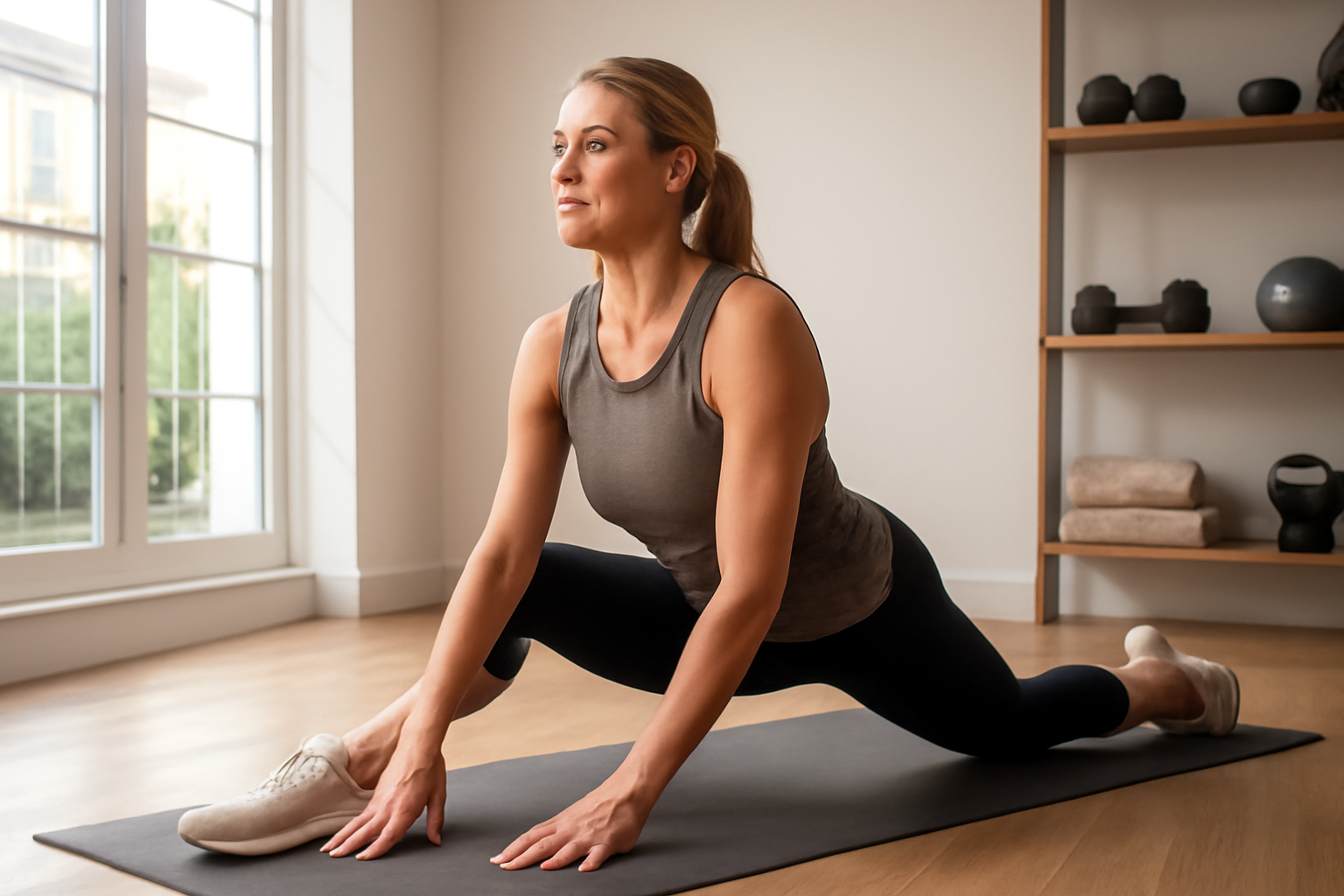
  • HIIT Workouts After 40: Benefits, Risks & How to Start

    HIIT Workouts After 40: Benefits, Risks & How to Start

    High-intensity interval training can be one of the most time-efficient ways to improve your cardiovascular health, metabolism, and body composition — but after 40, the approach matters as much as the effort.

    Mark, 47, had been sitting at a desk for most of his adult life. After his annual physical revealed creeping blood pressure numbers and a waistline that had expanded two inches in three years, his doctor gave him a direct message: “You need to move more — and it needs to count.” A colleague mentioned HIIT workouts. Mark had heard the term but assumed it was reserved for 25-year-olds at CrossFit gyms. He almost dismissed the idea entirely.

    What Mark didn’t know — and what research increasingly confirms — is that high-intensity interval training (HIIT) can be highly effective and safe for adults in their 40s, 50s, and even 60s when approached thoughtfully. According to the American College of Sports Medicine, HIIT has become one of the most studied and recommended exercise formats for improving metabolic health across all adult age groups.

    In this guide, you’ll learn exactly what HIIT is, how it affects the aging body, what the science says about its benefits and risks, and how to build a safe, sustainable program — even if you’re starting from scratch.

    What Is HIIT — And Why Does It Work?

    High-intensity interval training (HIIT) is a form of cardiovascular exercise that alternates between short bursts of intense effort and brief recovery periods. A typical session might involve 30 seconds of vigorous effort followed by 60 to 90 seconds of active rest, repeated for 15 to 30 minutes total.

    The “high intensity” in HIIT doesn’t necessarily mean jumping or sprinting. It means pushing your effort level to roughly 80 to 90 percent of your maximum heart rate during the work intervals. For someone in their 50s, that might look like a brisk uphill walk, a fast cycling bout, or a set of bodyweight squats performed with urgency.

    What makes HIIT physiologically powerful is a phenomenon known as excess post-exercise oxygen consumption (EPOC) — sometimes called the “afterburn effect.” After a HIIT session, your body continues to consume elevated levels of oxygen and burn calories for hours as it restores itself to baseline. A meta-analysis published in the British Journal of Sports Medicine found that HIIT produced significantly greater improvements in cardiorespiratory fitness compared to moderate-intensity continuous exercise in the same amount of time.

    For busy adults over 40 who struggle to find 60-minute workout windows, this efficiency is a meaningful advantage.

    How the Body Changes After 40 — And Why It Matters for HIIT

    Understanding what happens to your physiology after 40 is essential before diving into any high-intensity program. These changes don’t make HIIT off-limits — but they do shape how you should approach it.

    Key physiological shifts after age 40 include:

    • Decreased muscle mass (sarcopenia): Adults lose approximately 3 to 8 percent of muscle mass per decade after age 30, with the rate accelerating after 60, according to the NIH.
    • Reduced cardiovascular efficiency: Maximum heart rate declines with age, and the heart takes longer to recover between intense efforts.
    • Slower recovery: Connective tissues — tendons, ligaments, and cartilage — repair more slowly, increasing injury risk if recovery is inadequate.
    • Hormonal shifts: Declining estrogen (in women) and testosterone (in men) affect energy, endurance, and muscle preservation.
    • Joint sensitivity: Years of cumulative wear can make high-impact movements like running or jumping less well-tolerated.

    None of these changes mean HIIT is dangerous. They mean your program needs to be designed with them in mind — with proper warm-ups, modified movement choices, and strategic rest days built in.

    Research published in Cell Metabolism found that HIIT actually stimulated mitochondrial regeneration more effectively in older adults than in younger participants, suggesting the aging body may respond particularly well to this type of training stimulus.

    Health Benefits of HIIT for Adults Over 40

    Clinical evidence supporting HIIT for middle-aged and older adults has grown substantially over the past decade. Here’s what the research consistently shows:

    Cardiovascular health: The American Heart Association recognizes HIIT as an effective strategy for improving heart health. Studies show it can lower resting blood pressure, improve arterial flexibility, and increase VO2 max — a key marker of cardiovascular fitness — in adults with hypertension and metabolic syndrome.

    Blood sugar control: According to the American Diabetes Association, exercise is a cornerstone of type 2 diabetes management. Research suggests that HIIT improves insulin sensitivity more efficiently than steady-state cardio, with benefits seen in as few as two sessions per week. If you or someone you love is managing blood sugar levels, this is a clinically meaningful finding.

    Body composition: HIIT has been shown to reduce visceral fat — the dangerous fat stored around internal organs — more effectively than equal durations of moderate exercise. A 2022 systematic review in Obesity Reviews found HIIT was particularly effective at reducing abdominal fat in adults over 40.

    Mental health and cognitive function: Regular HIIT has been linked to reductions in anxiety and depressive symptoms, and emerging research from Harvard Health suggests that high-intensity exercise promotes brain-derived neurotrophic factor (BDNF), a protein associated with memory and cognitive resilience.

    Bone density: Weight-bearing HIIT movements can help maintain bone density — a growing concern after 40, especially for women approaching or in menopause. The National Osteoporosis Foundation recommends impact-bearing exercise as part of bone preservation strategies.

    For more on how aerobic exercise supports heart health as you age, see our guide on Cardio After 50: Best Exercises for Heart Health.

    Real Risks to Know — and How to Manage Them

    HIIT is not without risks, and transparency here is important. Jumping into high-intensity training without proper preparation is one of the most common mistakes adults over 40 make — and it can lead to setbacks that sideline your progress entirely.

    Primary risks include:

    • Musculoskeletal injury: Pulling a hamstring, straining a knee, or tweaking a shoulder are common when intensity is ramped up too quickly. Most injuries in this population are related to overuse or poor form rather than the HIIT format itself.
    • Cardiovascular stress: Adults with undiagnosed or poorly managed heart conditions face elevated risk during high-intensity exertion. The Mayo Clinic recommends cardiac clearance before starting HIIT, particularly for those with known risk factors.
    • Overtraining and adrenal fatigue: HIIT places significant stress on the central nervous system. More is not always better — clinical evidence indicates two to three HIIT sessions per week is optimal for most adults over 40.
    • Joint pain: High-impact versions of HIIT (jumping jacks, box jumps, running) can aggravate pre-existing joint conditions. Low-impact alternatives achieve similar cardiovascular results without the joint stress.

    The good news: all of these risks are substantially reduced with proper screening, progressive programming, and adequate recovery time built into your weekly schedule.

    How to Start HIIT Safely After 40: A Step-by-Step Approach

    Starting HIIT after 40 is less about intensity from day one and more about building a smart foundation. Here’s what most fitness professionals and exercise physiologists recommend:

    Step 1: Get medical clearance. Before starting any new vigorous exercise program, speak with your physician — especially if you have hypertension, diabetes, a history of heart disease, joint problems, or have been sedentary for more than a year. This is not just a formality; it can uncover risk factors that shape how your program should be structured.

    Step 2: Build a base first. If you haven’t been exercising regularly, spend four to six weeks doing moderate-intensity aerobic activity (brisk walking, cycling, swimming) before adding intervals. This conditions your cardiovascular system, tendons, and muscles for higher demands.

    Step 3: Choose low-impact HIIT exercises. You don’t need to jump to get your heart rate up. Effective low-impact HIIT movements include:

    • Fast-paced cycling (stationary bike)
    • Rowing machine intervals
    • Elliptical sprints
    • Brisk incline walking
    • Bodyweight squats and step-ups performed with speed
    • Swimming sprint intervals

    Step 4: Use a beginner interval ratio. Start with a 1:3 work-to-rest ratio — for example, 20 seconds of effort followed by 60 seconds of recovery. As your fitness improves over several weeks, gradually shift toward a 1:2 or 1:1 ratio.

    Step 5: Limit sessions to two per week initially. Give your body 48 hours between HIIT sessions. Fill remaining active days with moderate exercise, mobility work, or strength training. Recovery is when adaptation happens.

    Step 6: Always warm up and cool down. A five to ten minute dynamic warm-up (leg swings, arm circles, light cardio) prepares joints and muscles for high effort. A cool-down of equal length helps your heart rate return to baseline and reduces muscle soreness.

    Pairing HIIT with a solid strength training routine amplifies results significantly. If you haven’t explored resistance training yet, our guide on Strength Training After 40: Benefits, Safety & How to Start walks you through exactly how to begin.

    Living With HIIT in Your Weekly Routine

    The most sustainable HIIT program is one that fits realistically into your life. For most adults over 40, a well-structured week might look like this:

    • Monday: HIIT session (20 minutes) + 5-minute cool-down
    • Tuesday: Strength training or active recovery (yoga, walking)
    • Wednesday: Moderate cardio (30 minutes) or rest
    • Thursday: HIIT session (20 minutes) + 5-minute cool-down
    • Friday: Strength training or flexibility work
    • Saturday: Light activity — hiking, swimming, cycling at an easy pace
    • Sunday: Full rest or gentle stretching

    This structure gives you the metabolic and cardiovascular benefits of HIIT without overtaxing your recovery systems. As your fitness improves — typically within 8 to 12 weeks — you can add a third HIIT session or increase work interval duration.

    Nutrition also plays a critical role. Protein intake supports muscle repair after HIIT sessions. Most exercise physiologists recommend consuming 20 to 30 grams of high-quality protein within 30 to 60 minutes of completing a session. Hydration before, during, and after is equally important — HIIT produces significant sweat loss even in low-impact formats.

    Don’t overlook mobility. High-intensity work tightens muscles and can create imbalances over time. Incorporating regular flexibility and mobility sessions protects joint health and keeps you training consistently. Our complete guide on Flexibility & Mobility Training for Adults 40+ offers practical routines that complement HIIT perfectly.

    When to Call Your Doctor — Red Flags During or After HIIT

    Knowing when to push through discomfort and when to stop is one of the most important skills you can develop as an active adult. Here are clear signals that require immediate medical attention:

    Stop immediately and seek emergency care if you experience:

    • Chest pain, pressure, or tightness during or after exercise
    • Severe shortness of breath that doesn’t resolve quickly with rest
    • Heart palpitations or irregular heartbeat
    • Dizziness, lightheadedness, or fainting
    • Sudden severe pain in any joint or muscle
    • Numbness or tingling in the arms, jaw, or chest

    Schedule a non-emergency appointment with your doctor if you notice:

    • Persistent joint pain that worsens over several weeks
    • Unusual fatigue that doesn’t improve with rest days
    • Sleep disturbances or mood changes that correlate with your training schedule
    • Any new symptom that concerns you — even if it seems minor

    When you do see your doctor, be specific: describe what type of HIIT you’re doing, how often, and exactly when the symptom occurs. This specificity helps your physician give you actionable guidance.

    Frequently Asked Questions About HIIT After 40

    Is HIIT safe for people with high blood pressure?
    Research suggests HIIT can actually help lower blood pressure over time — but it requires careful management. Adults with hypertension should get physician clearance before starting, avoid breath-holding during effort (which spikes blood pressure), and begin with lower-intensity intervals. Cleveland Clinic researchers have noted that supervised HIIT is well-tolerated in most adults with controlled hypertension.

    How is HIIT different from regular cardio?
    Traditional moderate-intensity cardio keeps your heart rate at a steady 50 to 70 percent of maximum for an extended period. HIIT pushes you to 80 to 90 percent for short intervals, followed by recovery. The two approaches are not mutually exclusive — many adults over 40 benefit from combining both in their weekly routine.

    Will HIIT help me lose belly fat after 40?
    Clinical evidence indicates yes — particularly for visceral (abdominal) fat. A systematic review published in Obesity Reviews found HIIT to be more effective than moderate continuous exercise for reducing abdominal fat in adults. Results are enhanced when combined with a balanced, protein-rich diet.

    How long before I see results from HIIT?
    This varies from person to person, but most adults report noticeable improvements in energy and endurance within four to six weeks of consistent training. Measurable changes in body composition typically become apparent between eight and twelve weeks. Cardiovascular fitness improvements, as measured by VO2 max, can begin within two to four weeks according to NIH research.

    Can I do HIIT if I have arthritis or knee pain?
    Many adults with mild to moderate arthritis can participate in low-impact HIIT safely — cycling, swimming, and rowing are particularly joint-friendly options. However, the specific appropriateness depends on your type of arthritis, affected joints, and current symptom level. Always discuss this with your physician or a physical therapist before starting.

    The Bottom Line

    HIIT after 40 is not only possible — for many adults, it’s one of the most effective tools available for protecting long-term cardiovascular health, managing weight, and maintaining metabolic function. The key is starting smart: get medical clearance, build a foundation of moderate fitness, choose joint-friendly exercises, and give your body the recovery time it needs to adapt.

    You don’t need to run sprints or survive boot camp classes to benefit from high-intensity interval training. A 20-minute low-impact session on a stationary bike, done twice a week with purpose and consistency, can produce meaningful results. The research supports it, and your future health is worth the investment.

    Work with your physician, listen to your body, and build gradually. The best exercise program is the one you can sustain — and HIIT, done right, can be exactly that.


    Medical Disclaimer: This article is for informational and educational purposes only. It does not constitute medical advice, diagnosis, or treatment. Always consult your physician or a qualified healthcare provider before making changes to your health routine or treatment plan.

    Medically reviewed by our editorial health team. Content follows evidence-based standards aligned with CDC and NIH guidelines.

  • Flexibility & Mobility Training: The Complete Guide for Adults 40+

    Flexibility & Mobility Training: The Complete Guide for Adults 40+

    Flexibility & Mobility Training: The Complete Guide for Adults 40+

    Stiffness, limited range of motion, and joint discomfort aren’t inevitable — but they do require intentional effort to prevent.

    Why Flexibility and Mobility Matter More Than You Think

    Margaret, 54, noticed it first when she could no longer reach the back seat of her car without wincing. Then came the morning stiffness that lasted nearly an hour. Her doctor assured her there was no serious injury — just the gradual loss of flexibility and joint mobility that affects millions of American adults each decade after 40.

    According to the American College of Sports Medicine, flexibility declines by roughly 25 to 30 percent between the ages of 30 and 70 — and most people don’t notice it until daily tasks become harder. Reaching overhead, bending to tie your shoes, turning to check your blind spot while driving — these movements depend directly on your mobility.

    In this guide, you’ll learn what flexibility and mobility actually mean, why they diverge after 40, what the clinical research says about training both, and exactly how to build a sustainable, evidence-based routine — whether you’re recovering from injury, managing a chronic condition, or simply trying to stay active and independent for decades to come.


    What Are Flexibility and Mobility — and Are They the Same Thing?

    These two terms are often used interchangeably, but they describe different physical qualities that require different approaches to improve.

    Flexibility refers to the passive ability of a muscle or muscle group to lengthen. It’s the range of motion available when an external force — gravity, a strap, a partner — is applied. Doing a static hamstring stretch while lying on your back is a flexibility exercise.

    Mobility refers to your active ability to move a joint through its full range of motion under your own muscular control. Hip mobility, for example, determines how well you can squat, lunge, step up a curb, or get up from a low chair — all under your own power.

    You can have flexible muscles but poor mobility if you lack the strength or neuromuscular control to use that range of motion. This distinction matters clinically: research published in the Journal of Strength and Conditioning Research indicates that mobility-focused training — which combines flexibility with strength and motor control — produces more functional outcomes than static stretching alone.

    The NIH’s National Institute on Aging recognizes flexibility and balance work as two of the four essential components of physical fitness for older adults, alongside endurance and strength.


    How Aging Affects Your Muscles, Joints, and Connective Tissue

    Understanding what physically changes after 40 helps explain why a dedicated practice matters — and why the changes aren’t a life sentence.

    Several biological shifts happen gradually as you age:

    • Reduced collagen synthesis: Tendons and ligaments lose elasticity as collagen production slows after age 30. This makes connective tissue stiffer and more prone to injury under sudden loads.
    • Decreased synovial fluid: The lubricating fluid inside your joints becomes less abundant, increasing friction and discomfort during movement — particularly in the knees, hips, and spine.
    • Sarcopenia: Beginning around age 40, adults lose approximately 3 to 8 percent of muscle mass per decade (CDC), which directly reduces muscular support around joints and limits active range of motion.
    • Neurological slowing: Proprioception — your body’s sense of its own position in space — becomes less precise, reducing coordination and increasing fall risk.
    • Fascial thickening: The connective tissue surrounding muscles (fascia) tends to become denser and less supple, further restricting range of motion if left unaddressed.

    The encouraging clinical reality: a 2023 meta-analysis in Ageing Research Reviews found that consistent flexibility and mobility training can meaningfully slow these changes — and in some cases partially reverse functional limitations — even in adults beginning a program after age 60.


    Signs You May Need to Prioritize Mobility Work

    Flexibility and mobility loss rarely announces itself dramatically. Most people adapt to limitations gradually, without realizing how much movement they’ve lost. Watch for these signals:

    Early signs:

    • Morning stiffness lasting more than 15 to 20 minutes
    • Difficulty reaching overhead without discomfort
    • Tight hips when sitting for extended periods
    • Reduced stride length when walking
    • Needing to use your arms to push up from a chair
    • Feeling “locked up” in your thoracic spine (mid-back)

    More advanced signs:

    • Chronic low back pain with no structural diagnosis
    • Recurring muscle strains during low-intensity activity
    • Noticeable asymmetry — one hip, shoulder, or knee moving less freely than the other
    • Difficulty with balance tasks like standing on one leg
    • Pain during routine movements such as squatting or rotating your torso

    Research from Johns Hopkins Medicine suggests that reduced hip mobility, in particular, is one of the most underrecognized contributors to lower back pain in adults over 40. The hip and lumbar spine compensate for each other — when one is restricted, the other often bears disproportionate load.


    The Evidence-Based Benefits of Flexibility and Mobility Training

    This isn’t just about touching your toes. Clinical evidence points to meaningful, wide-ranging health benefits across multiple systems:

    Reduced injury risk: A systematic review in the British Journal of Sports Medicine found that regular flexibility training reduced musculoskeletal injury rates in recreational exercisers by up to 35 percent.

    Chronic pain reduction: The American College of Rheumatology includes stretching and range-of-motion exercises in its clinical guidelines for osteoarthritis management — one of the most prevalent conditions in US adults over 50, affecting an estimated 32.5 million Americans according to the CDC.

    Improved posture and spinal health: Mobility work targeting the thoracic spine and hip flexors has been shown to reduce compressive load on lumbar vertebrae, potentially decreasing the incidence of disc-related complaints.

    Better athletic performance: Whether you’re running, cycling, swimming, or lifting weights, adequate joint mobility allows for more efficient movement mechanics — which translates to better performance and less compensatory strain. If you’re also following a strength training program after 40, mobility work is especially important to maintain safe mechanics under load.

    Fall prevention: The CDC reports that falls are the leading cause of injury-related death in adults 65 and older. Research consistently shows that balance and mobility training significantly reduces fall risk — with some studies showing reductions of 23 percent or more.

    Mental health benefits: Mind-body mobility practices such as yoga and tai chi have demonstrated reductions in perceived stress, anxiety, and depressive symptoms in multiple randomized controlled trials reviewed by the NIH’s National Center for Complementary and Integrative Health.


    Types of Flexibility and Mobility Training: What Works and When

    Not all stretching and mobility work is created equal. Here’s what clinical evidence supports for adults over 40:

    Static Stretching

    Holding a stretch for 20 to 60 seconds without bouncing. Most physicians and physical therapists recommend static stretching after exercise — not before — when muscles are warm. Research suggests holding each stretch for a minimum of 30 seconds to produce lasting changes in muscle length.

    Dynamic Stretching and Warm-Up Mobility Drills

    Controlled, movement-based stretches performed through a range of motion — leg swings, hip circles, arm crossovers. These are ideal before workouts, as they increase blood flow, prepare joints for load, and activate neuromuscular pathways without the performance-reducing effects of static pre-exercise stretching.

    Yoga

    Multiple clinical trials, including studies reviewed by the Mayo Clinic, indicate that regular yoga practice improves flexibility, balance, and functional mobility in middle-aged and older adults, while also reducing chronic pain and improving sleep quality. Even two sessions per week produces measurable benefits within 8 weeks.

    Tai Chi

    Particularly well-supported for adults over 60, tai chi combines slow, deliberate movement with balance challenges. A meta-analysis in the Journal of the American Geriatrics Society found tai chi reduced fall frequency by 43 percent in older adults compared with control groups.

    Foam Rolling (Self-Myofascial Release)

    Using a foam roller or massage ball to apply pressure to tight muscle groups can temporarily reduce tissue stiffness and improve range of motion before stretching. Clinical evidence positions it best as a complement to — not a replacement for — active stretching and mobility work.

    Joint Mobility Drills (CARs)

    Controlled Articular Rotations (CARs) involve moving joints — hips, shoulders, thoracic spine, ankles — through their full active range of motion in a slow, controlled way. Developed and popularized in physiotherapy circles, CARs are increasingly recognized as one of the most efficient mobility maintenance tools available to adults of all ages.


    How to Build Your Flexibility and Mobility Routine

    The best program is one you’ll actually do consistently. Here’s an evidence-informed starting framework:

    Frequency: Most clinical guidelines recommend flexibility and mobility work at least 3 to 5 days per week. The American College of Sports Medicine suggests daily stretching for adults over 65 seeking to maintain or improve functional range of motion.

    Duration: Even 10 to 15 minutes per session produces measurable improvements when practiced consistently. A 20 to 30 minute dedicated mobility session 3 times weekly is a strong target for most adults over 40.

    Timing: Dynamic mobility work before exercise; static stretching after. A standalone morning mobility routine — even 10 minutes after a hot shower when tissues are warm — is one of the most consistent habits reported by adults who successfully maintain flexibility long term.

    Priority areas for adults 40+:

    • Hip flexors and hip rotators — critical for back health and lower body mechanics
    • Thoracic spine (mid-back) — stiffness here forces the neck and lower back to compensate
    • Hamstrings and calves — affect gait, posture, and knee health
    • Shoulder complex — overhead mobility affects daily function and upper body exercise safety
    • Ankle dorsiflexion — essential for squatting mechanics and fall prevention

    If you’re also incorporating cardiovascular exercise into your week, pairing it with regular mobility work creates a powerful combination. Adults interested in heart-healthy cardio programming may find it helpful to review evidence-based cardio exercise guidelines for adults over 50, which complement a full mobility practice well.

    Similarly, if you’re following a strength training program after 50, mobility work is not optional — it directly determines how safely and effectively you can lift as intensity increases.


    When to See a Doctor or Physical Therapist

    Most flexibility and mobility training is safe for healthy adults to begin independently. However, certain situations warrant professional evaluation before starting or continuing a program.

    See your doctor promptly if you experience:

    • Sudden, sharp joint pain during or after stretching
    • Swelling, warmth, or redness around a joint
    • Pain that worsens with rest or wakes you at night (possible inflammatory or autoimmune cause)
    • A “snapping” or “popping” sensation in a joint accompanied by pain or instability
    • Numbness or tingling that travels down an arm or leg during stretching

    Seek emergency care if you experience:

    • Sudden severe joint pain following an audible snap or pop
    • Inability to bear weight on a limb
    • Visible joint deformity
    • Loss of feeling in a limb

    Consider a physical therapist if:

    • You have a known musculoskeletal condition such as osteoarthritis, scoliosis, or a previous joint replacement
    • You’ve had a recent injury or surgery
    • Your mobility limitations are asymmetric (one side noticeably worse)
    • You’ve been stretching consistently for 8 weeks without improvement

    A licensed physical therapist can assess your specific movement patterns, identify compensations, and build a targeted program — a level of individualization that generic online programs cannot replicate. This varies from person to person, and professional guidance makes a meaningful difference in both safety and outcomes.


    Frequently Asked Questions

    Q: Is it too late to improve flexibility after 50 or 60?
    Absolutely not. Research published in Ageing Research Reviews confirms that adults who begin flexibility and mobility training after 60 show significant improvements in range of motion within 8 to 12 weeks. The body retains a meaningful capacity for adaptation throughout life — what changes is the timeline and the need for consistency.

    Q: How long should I hold a stretch?
    Clinical evidence suggests that holding a static stretch for 30 to 60 seconds produces the most consistent improvements in muscle length for adults over 40. Shorter holds (under 15 seconds) may feel good temporarily but don’t produce lasting changes in tissue flexibility. Most physicians and physical therapists recommend 2 to 4 repetitions per muscle group.

    Q: Can stretching help with chronic lower back pain?
    Research suggests yes, in many cases — but the cause of your back pain matters. Hip flexor tightness, hamstring restriction, and thoracic spine stiffness are all common contributors to mechanical low back pain that respond well to targeted mobility work. However, structural issues like herniated discs require professional guidance before beginning a stretching program. Always consult your physician first.

    Q: Should I stretch if I have osteoarthritis?
    The American College of Rheumatology explicitly recommends range-of-motion and flexibility exercises as part of osteoarthritis management. Gentle, low-load movement keeps joint cartilage nourished (cartilage has no direct blood supply and depends on movement to distribute synovial fluid). That said, approach is critical — your doctor or physical therapist can help identify which exercises are appropriate for your specific joints and disease stage.

    Q: What’s the difference between yoga for flexibility and physical therapy stretching?
    Yoga combines flexibility, balance, breath control, and mindfulness in a group or self-guided format — it’s excellent for general mobility maintenance and stress reduction. Physical therapy stretching is individually prescribed, diagnostically driven, and focused on correcting specific impairments. Both have clinical value; they serve different purposes and work well in combination for many adults.


    Moving Forward: Your Body Is Designed to Move

    Flexibility and mobility aren’t vanity fitness goals — they are functional necessities that determine how well you move through everyday life, how safely you exercise, and how independently you live as you age. Clinical evidence is clear: consistent, targeted mobility training produces real, measurable improvements at every stage of adulthood.

    You don’t need to become a yogi or spend hours on a mat. Even 10 to 15 focused minutes each day — targeting your hips, spine, and shoulders — can produce meaningful change within weeks. The best time to start was 10 years ago. The second-best time is today.

    Talk with your physician before beginning any new exercise program, especially if you’re managing a chronic condition or recovering from injury. A brief conversation can help you start safely and with confidence.


    Medical Disclaimer: This article is for informational and educational purposes only. It does not constitute medical advice, diagnosis, or treatment. Always consult your physician or a qualified healthcare provider before making changes to your health routine or treatment plan.

    Medically reviewed by our editorial health team. Content follows evidence-based standards aligned with CDC and NIH guidelines.