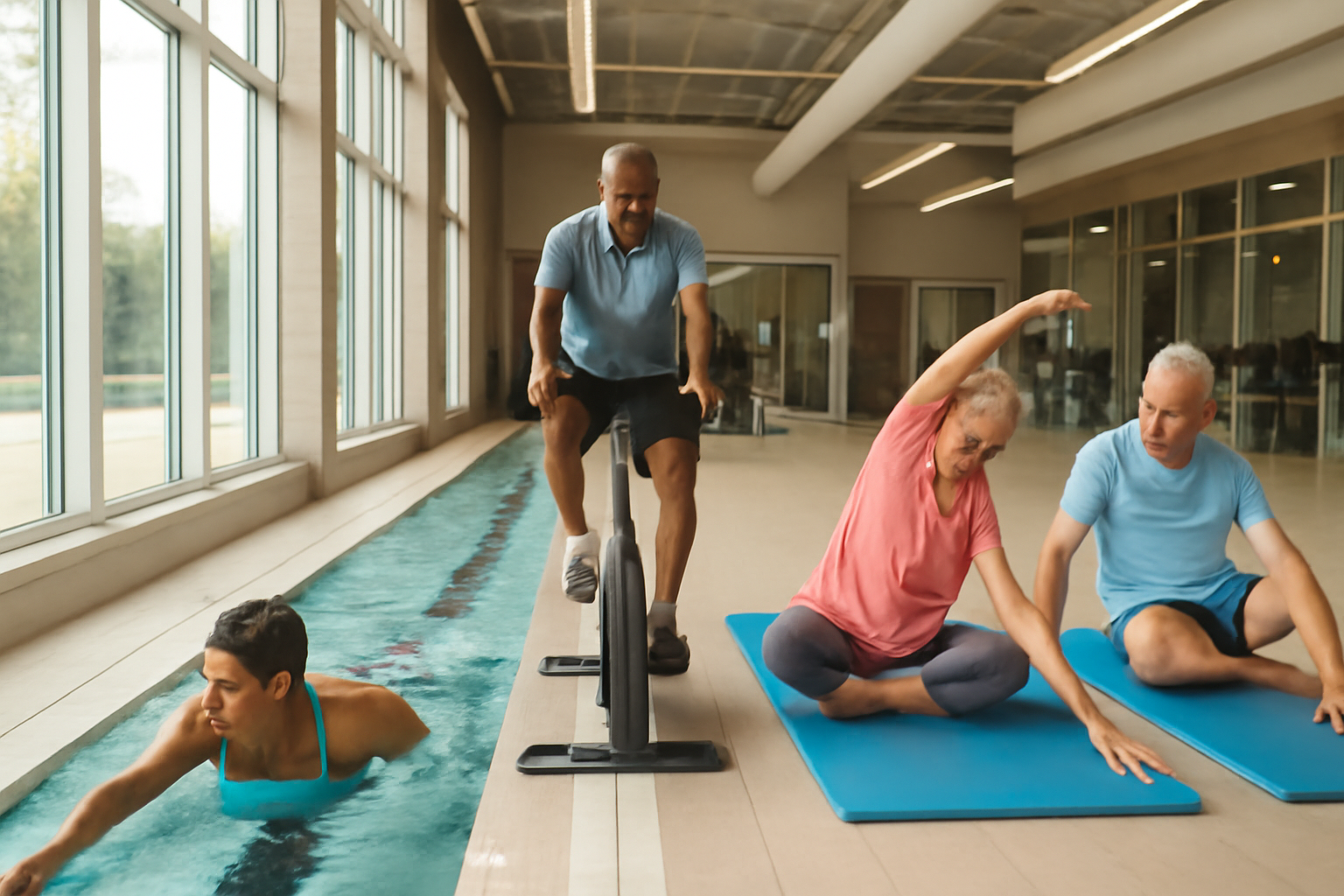
Your joints don’t have to pay the price for staying active — here’s how to exercise smarter, not harder, after 50.
Introduction
Margaret, 63, had always been active — weekend hikes, occasional jogs, a yoga class here and there. But after her orthopedist flagged early-stage osteoarthritis in her knees, she assumed her active days were behind her. “I thought exercise would just make things worse,” she told her primary care doctor.
Her doctor’s response surprised her: stopping exercise was actually the bigger risk.
According to the Centers for Disease Control and Prevention (CDC), nearly 54 million Americans have been diagnosed with arthritis, and physical inactivity among older adults increases risks for heart disease, type 2 diabetes, cognitive decline, and early mortality. Yet many adults over 50 scale back or abandon low-impact exercise precisely when they need it most — often out of fear of injury or pain.
This guide will walk you through the safest, most effective low-impact workouts available for adults over 50, explain how to tailor them to your condition, and give you the clinical evidence behind each recommendation. Whether you’re managing joint pain, recovering from an injury, or simply looking for sustainable fitness habits, this is your starting point.
What Is Low-Impact Exercise — and Why Does It Matter After 50?
Low-impact exercise refers to any physical activity in which at least one foot remains in contact with the ground at all times — or in which your body weight is partially supported (as in swimming or cycling). This design significantly reduces the force placed on your joints, particularly the knees, hips, and lower back.
High-impact activities like running or jump training can generate forces two to three times your body weight with each stride. Low-impact alternatives keep that load dramatically lower, making them appropriate for people dealing with arthritis, osteoporosis, previous joint replacements, or general age-related joint wear.
But “low-impact” does not mean “low-benefit.” Research published in the Journal of Aging and Physical Activity consistently shows that low-impact exercise programs can match or exceed high-impact programs in improving cardiovascular fitness, muscle strength, balance, and emotional wellbeing — particularly in adults aged 50 and older.
The American Heart Association (AHA) recommends that adults get at least 150 minutes of moderate-intensity aerobic activity per week, and low-impact workouts count fully toward that goal.
Signs You Should Prioritize Low-Impact Over High-Impact Exercise
Not everyone over 50 needs to avoid high-impact movement — but certain signs and conditions make low-impact the clinically smarter choice. Talk to your doctor if you recognize any of the following:
Early signs that low-impact is the right fit:
- Joint stiffness lasting more than 30 minutes in the morning
- Knee, hip, or back pain that worsens with walking on hard surfaces
- A recent diagnosis of osteoarthritis, osteoporosis, or bursitis
- Recovery from a joint replacement surgery (hip or knee)
- Breathlessness or elevated heart rate during moderate exertion
- A history of stress fractures or bone density loss
- Balance instability or a fear of falling
Signs you may need medical clearance before any new exercise:
- Chest pain or pressure during or after physical activity
- Dizziness, lightheadedness, or fainting episodes
- Swelling in the legs that doesn’t resolve with rest
- Severe joint pain at rest or at night
- Unexplained rapid weight change of more than 5 lbs in a week
A 2024 NIH-supported review found that adults over 60 who experienced exercise-related musculoskeletal pain were significantly more likely to abandon fitness routines entirely — making injury prevention a critical public health concern, not just a personal one.
The Best Low-Impact Exercises for Adults Over 50
Clinical research and major health organizations have identified several exercise modalities that offer excellent cardiovascular, muscular, and neurological benefits while keeping joint stress low. Here’s what the evidence supports:
1. Swimming and Water Aerobics
Water supports up to 90% of your body weight, making aquatic exercise the most joint-friendly option available. The Arthritis Foundation recommends water-based exercise as a first-line activity for adults with moderate to severe joint disease.
A clinical trial published in the Archives of Physical Medicine and Rehabilitation found that adults over 55 who participated in 12 weeks of water aerobics showed significant improvements in pain scores, walking speed, and lower-limb muscle strength compared to a sedentary control group.
Swimming laps, water walking, and instructor-led aqua fitness classes are all effective options. Even 30 minutes three times a week can produce measurable results.
2. Walking
Walking remains the most widely recommended low-impact exercise in the US — and for good reason. It requires no equipment, no gym membership, and no learning curve. Research from Harvard Health suggests that walking at a brisk pace (approximately 3–3.5 mph) can reduce the risk of heart disease, type 2 diabetes, and stroke, even when started in the sixth or seventh decade of life.
For adults new to structured fitness, starting with 10–15 minute flat-surface walks and gradually increasing duration is a clinically supported approach. Wearing supportive, cushioned footwear and choosing softer surfaces (grass, tracks, or rubberized paths) further reduces joint load.
If you’re looking to build a consistent walking routine, our guide on Walking for Fitness After 50 provides a structured four-week plan.
3. Cycling (Stationary or Outdoor)
Cycling eliminates the ground-impact force entirely while delivering substantial cardiovascular and muscular benefits. The smooth, circular pedaling motion is particularly beneficial for adults with knee osteoarthritis, as it lubricates the joint without compressing it.
The Mayo Clinic notes that stationary biking is often prescribed during cardiac rehabilitation and orthopedic recovery because it allows precise control over resistance and duration. Outdoor cycling adds the benefit of varied terrain and mental engagement, though road conditions and fall risk should be factored in for older adults with balance concerns.
4. Yoga and Chair Yoga
Yoga combines flexibility, balance, strength, and breathing — making it one of the most comprehensive low-impact options available. A meta-analysis of 17 randomized controlled trials published in the Journal of Geriatric Physical Therapy found that yoga interventions in adults over 55 produced significant improvements in flexibility, balance, and self-reported quality of life.
Chair yoga — a modified version performed seated or with a chair for support — is ideal for adults with significant mobility limitations, severe arthritis, or post-surgical recovery. Many community centers and senior centers across the US now offer chair yoga classes specifically designed for this population.
5. Tai Chi
Tai chi is a slow, deliberate movement practice rooted in traditional Chinese martial arts, now extensively studied for its health benefits in older adults. Multiple NIH-funded studies have confirmed that regular tai chi practice improves balance, reduces fall risk, and decreases chronic pain — particularly in adults with fibromyalgia and osteoarthritis.
A landmark study from Tufts Medical Center found that adults over 60 who practiced tai chi twice weekly for 12 weeks reduced their risk of falling by up to 45% compared to a control group. For those interested in fall prevention as a fitness goal, our article on Balance Training After 50 covers additional evidence-based strategies.
6. Elliptical Training
The elliptical machine replicates the walking or running motion while the feet remain in continuous contact with the pedals — virtually eliminating impact. Research from Cleveland Clinic shows that elliptical training produces cardiovascular effort comparable to jogging while exerting significantly less force on the knees and hips.
This makes the elliptical an excellent option for adults who enjoy or previously engaged in running but now need a lower-impact alternative. Most elliptical machines allow you to adjust stride length and resistance, enabling progression as fitness improves.
7. Resistance Band and Light Strength Training
Low-impact does not have to mean cardio-only. Resistance band training and light weight exercises — performed with controlled, slow movement — provide critical muscle-strengthening benefits without joint-stressing momentum.
The American College of Sports Medicine (ACSM) recommends that adults over 50 engage in muscle-strengthening activities at least two days per week. Maintaining muscle mass after 50 is directly linked to metabolic health, bone density, and independence. Our detailed breakdown of Strength Training After 50 offers guidance on integrating safe resistance work alongside low-impact cardio.
How to Build a Low-Impact Weekly Routine
Consistency beats intensity at every age — but it’s especially true after 50. Clinical evidence suggests that spreading activity across 4–5 days per week is more effective than cramming exercise into two long sessions.
Here’s a sample evidence-based weekly framework:
- Monday: 30-minute brisk walk + 10 minutes of gentle stretching
- Tuesday: 30-minute stationary cycling or swimming
- Wednesday: Rest or tai chi (20–30 minutes)
- Thursday: Resistance band strength training (20–25 minutes)
- Friday: 30-minute elliptical or water aerobics
- Saturday: Yoga or chair yoga (30 minutes)
- Sunday: Active rest — a leisurely walk, gardening, or light stretching
This structure hits the AHA’s 150-minute weekly aerobic target, includes two days of muscle-strengthening as recommended by ACSM, and incorporates balance and flexibility work — a full spectrum of fitness in manageable daily doses.
That said, this varies from person to person. If you’re managing a chronic condition or returning after a long period of inactivity, starting with three days per week and building up over 4–6 weeks is clinically appropriate.
Living Well and Staying Consistent: Practical Tips
Even the best workout plan fails without sustainable habits. Here’s what clinical research and behavioral science say about staying active long-term after 50:
- Warm up every session: Five to ten minutes of gentle movement before exercise reduces injury risk and prepares your cardiovascular system. This is especially important for adults taking blood pressure medications, which can blunt the normal heart rate response.
- Stay hydrated: Older adults have a reduced thirst sensation and are at higher risk for exercise-induced dehydration. The National Institute on Aging (NIA) recommends drinking water before, during, and after physical activity regardless of thirst.
- Listen to your joints: Research suggests distinguishing between muscle fatigue (normal and expected) and sharp, pinching, or swelling joint pain (a signal to stop). The “two-hour rule” — if pain persists more than two hours after exercise, you likely overdid it — is a commonly used clinical guideline.
- Track your progress: A simple fitness journal or a smartphone app that logs steps, duration, and how you felt post-workout increases adherence by up to 40%, according to behavioral research from the National Institutes of Health.
- Social exercise matters: Group classes, walking partners, or even virtual fitness communities have been shown to significantly improve long-term adherence in adults over 55.
When to Call Your Doctor — and What to Watch For
Starting or modifying an exercise routine after 50 is generally safe — and strongly recommended by virtually every major health organization. However, certain signs during or after exercise require prompt medical attention.
Call 911 or go to the emergency room immediately if you experience:
- Chest pain, pressure, or tightness during or after exercise
- Sudden shortness of breath disproportionate to the effort
- Fainting or near-fainting
- Sudden severe headache or vision changes
- Rapid or irregular heartbeat with dizziness
Schedule a non-emergency appointment if you notice:
- Persistent joint swelling or warmth after exercise that lasts more than 24 hours
- New or worsening pain in a specific joint that doesn’t improve with rest
- Unusual fatigue after exercise that wasn’t present before
- Significant muscle cramping that occurs frequently
Before beginning any new fitness program, adults with cardiovascular disease, diabetes, osteoporosis, or a history of falls should get medical clearance from their physician. Many insurance plans — including Medicare — now cover fitness assessments and exercise prescriptions as part of preventive care.
Frequently Asked Questions
Q: Can low-impact exercise actually help with weight loss after 50?
A: Yes — research suggests that consistent low-impact exercise, particularly when combined with attention to diet, supports meaningful weight management in adults over 50. It may be slower than high-intensity approaches, but it’s far more sustainable. A 2023 analysis from Johns Hopkins Medicine found that older adults who engaged in regular moderate-intensity activity lost comparable amounts of body fat to those doing higher-intensity programs, with significantly lower dropout rates.
Q: Is it safe to exercise if I have osteoporosis?
A: Clinical evidence strongly supports low-impact exercise for adults with osteoporosis — particularly weight-bearing activities like walking, which stimulate bone remodeling. However, high-impact activities and certain yoga poses that involve deep spinal flexion may increase fracture risk. Always consult your physician or a physical therapist for a personalized exercise plan if you have a confirmed osteoporosis diagnosis.
Q: How long before I start seeing results from low-impact workouts?
A: Most people notice improvements in energy, mood, and sleep within 2–3 weeks of consistent exercise. Measurable cardiovascular and strength improvements typically appear within 6–8 weeks, according to guidelines from the American College of Sports Medicine. This varies from person to person based on starting fitness level, frequency, and intensity.
Q: Can I do low-impact exercise if I’ve had a knee or hip replacement?
A: In most cases, yes — and it’s actively encouraged post-recovery. Swimming, cycling, and walking are commonly recommended by orthopedic surgeons after joint replacement. The timeline for returning to exercise and which activities are appropriate depend on your specific procedure and recovery progress, so your surgical team’s guidance should always take precedence.
Q: What’s the difference between low-impact and low-intensity exercise?
A: These terms are often confused but mean different things. “Low-impact” refers to reduced mechanical force on your joints — it says nothing about how hard your heart and muscles are working. You can have a high-intensity, low-impact workout (like vigorous swimming or fast cycling). “Low-intensity” means a lower cardiovascular and muscular effort level. Both have a place in a well-rounded fitness plan for adults over 50.
Conclusion
The science is clear and consistent: low-impact exercise is not a compromise — it’s a strategic, evidence-based choice that supports joint health, cardiovascular fitness, mental wellbeing, and longevity after 50. Whether you’re starting fresh, returning after injury, or managing a chronic condition, there’s a form of movement that works for your body right now.
The most important step isn’t choosing the perfect workout — it’s choosing to start, and choosing to keep going. Talk to your doctor about your specific needs, find activities you genuinely enjoy, and build a routine that fits your life. Your body is built to move, and it’s never too late to give it the movement it deserves.
Medical Disclaimer: This article is for informational and educational purposes only. It does not constitute medical advice, diagnosis, or treatment. Always consult your physician or a qualified healthcare provider before making changes to your health routine or treatment plan.
Medically reviewed by our editorial health team. Content follows evidence-based standards aligned with CDC and NIH guidelines.
Leave a Reply